

From Project Planning to Equipment Purchase: A Complete Guide to Water Park Development and Sourcing
Water park development requires precise planning and sourcing to ensure project success. WM International breaks down the process from initial design to equipment purchase, providing actionable steps to streamline development and secure reliable suppliers.
- Start Water Park Development With Project Planning
- Define Visitor Capacity Before Buying Equipment
- Move From Concept to Water Park Design
- Build the Right Water Park Equipment List
- Water Slides
- Family and Children's Attractions
- Water Houses and Interactive Water Play
- Wave-Making and Leisure Attractions
- How to Source Water Park Equipment
- Start With a Detailed Equipment Brief
- Compare Water Park Equipment Suppliers
- 1. Planning Capability
- 2. Manufacturing Capability
- 3. Quality and Safety
- 4. Customization Capability
- 5. Installation and Maintenance Support
- Equipment Procurement and Project Delivery
- Technical Confirmation
- Production and Quality Control
- Delivery, Installation, and Commissioning
- Common Water Park Development and Sourcing Mistakes
- Choosing Equipment Before Planning the Site
- Comparing Suppliers Only by Unit Price
- Over-Customizing the Project
- Ignoring Long-Term Maintenance
- Using Too Many Independent Suppliers
- FAQ
- Conclusion
Successful water park development does not begin with choosing the most attractive water slide. It begins with understanding the site, market, target visitors, investment level, operating model, and long-term maintenance requirements. Equipment selection should then follow the project plan rather than determine it.
For B2B water park projects, the most reliable process is to move through several connected stages: project planning → design → equipment configuration → supplier sourcing → production → installation → operation and maintenance.
A supplier that can support multiple stages of this process can also reduce coordination between different contractors and make technical responsibilities easier to define.
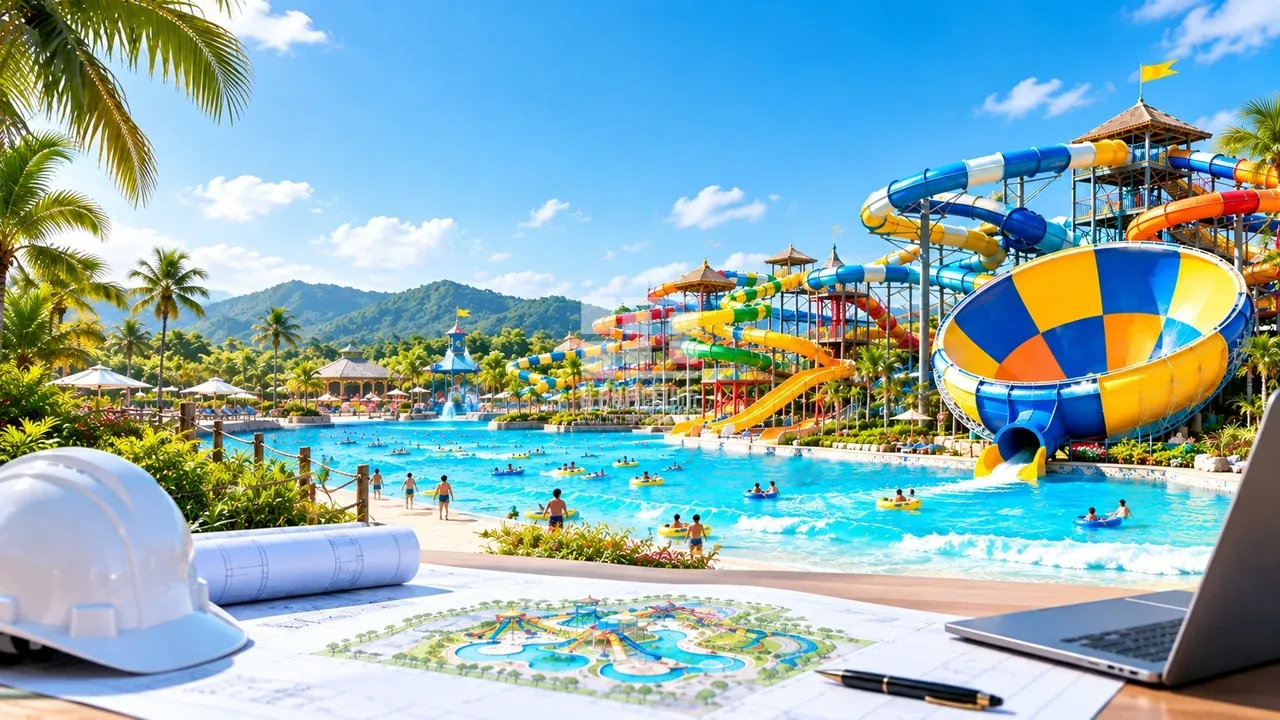
Water Park Development Process:
- • Project planning
- • Water park design
- • Equipment configuration
- • Supplier sourcing and evaluation
- • Equipment production
- • Installation and commissioning
- • Operation and maintenance
A supplier that can support multiple stages of this process can also reduce coordination between different contractors and make technical responsibilities easier to define.
Start Water Park Development With Project Planning
The first stage of water park development is determining what the project needs to achieve.
Key factors to consider:
- • Site area, topography, access, and existing infrastructure
- • Local climate and seasonal operating conditions
- • Target visitors and demographic profile
- • Expected visitor capacity
- • Project positioning and competitive attractions
- • Available investment budget
- • Development schedule
- • Local regulations and applicable safety requirements
The objective is not simply to maximize the number of attractions. A well-planned park needs an equipment mix that fits its available space and expected visitor demand.
For example, a family-oriented resort may benefit more from family water slides, children's water play areas, and leisure attractions than from filling the site with high-thrill slides. A large destination water park may require a broader attraction portfolio with multiple signature slides, family attractions, wave-making equipment, and supporting leisure areas.
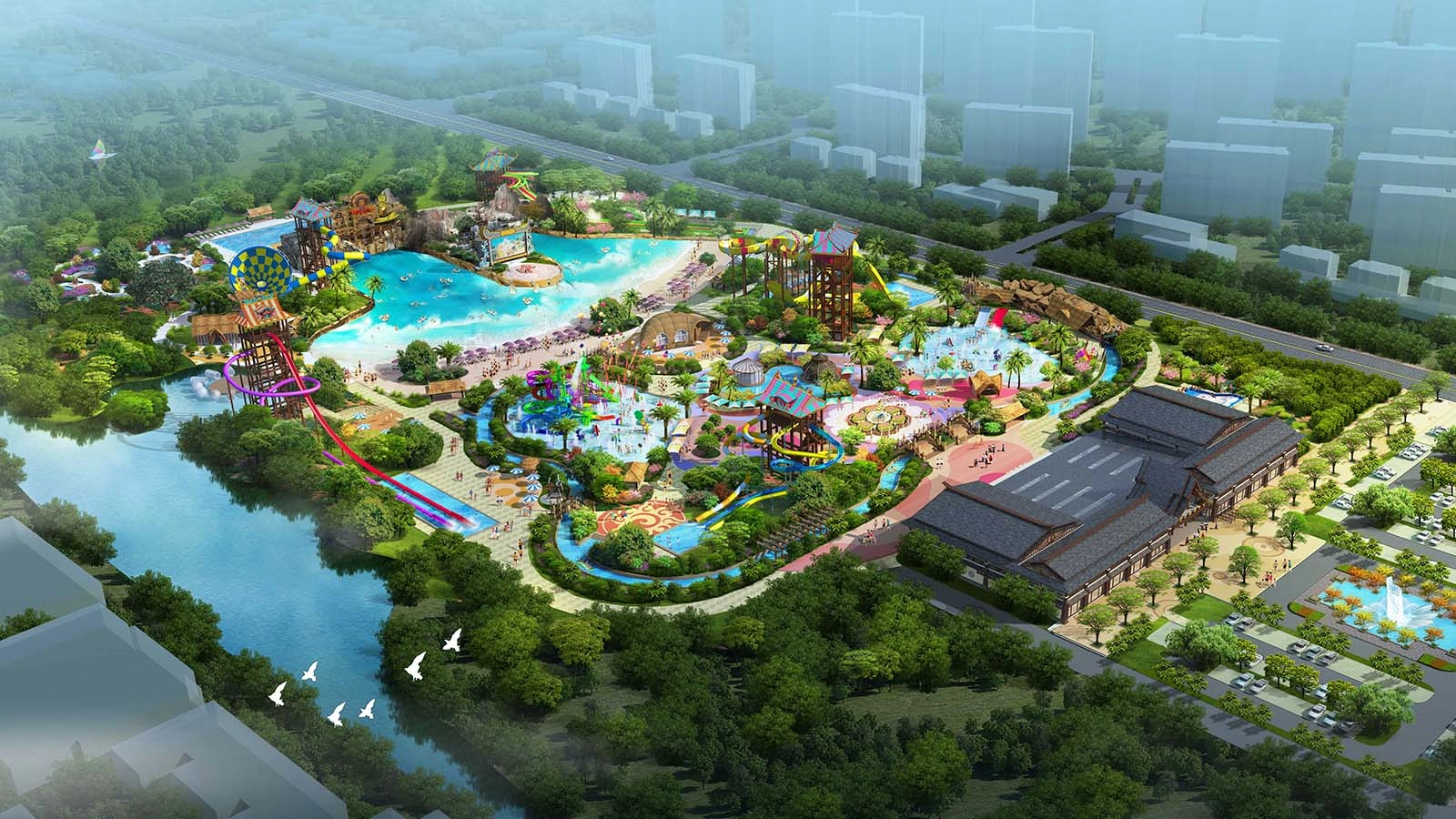
WM International's water park planning and design service covers site analysis, theme planning, visitor flow, landscape and facility layout, and other project-specific considerations.
Define Visitor Capacity Before Buying Equipment
Visitor capacity should be considered before equipment quantities are finalized.
A project with high peak-season demand may require attractions with sufficient throughput to prevent excessive queues. At the same time, the park needs enough attractions for different visitor groups so that demand is not concentrated around only one or two rides.
This makes capacity planning and attraction diversity important parts of water park design.
Move From Concept to Water Park Design
Once the project objectives are clear, the next step is converting them into a practical layout.
A complete water park design should coordinate:
- • Attraction locations
- • Visitor circulation
- • Entry and exit areas
- • Family and children's zones
- • High-thrill attraction zones
- • Leisure areas
- • Service and maintenance access
- • Safety separation and operational areas
The equipment should work as part of the overall environment rather than as isolated products.
For example, a large water slide may attract visitors but also require adequate platform access, landing areas, circulation space, queue management, and maintenance access. These requirements should be considered during design instead of being solved after equipment procurement.
Safety should also be incorporated into the design process. ASTM International's F24.70 subcommittee currently covers water-related amusement rides and devices, including standards for water slide systems, aquatic play equipment, and stationary wave systems.
Applicable local regulations and project-specific standards should always be reviewed alongside any international standards relevant to the project location.
Build the Right Water Park Equipment List
After the layout and operating requirements are established, the project can move toward equipment configuration.
A typical commercial water park may combine several categories.
Water Slides
Water slides are often major signature attractions and can help establish the visual identity of a park.
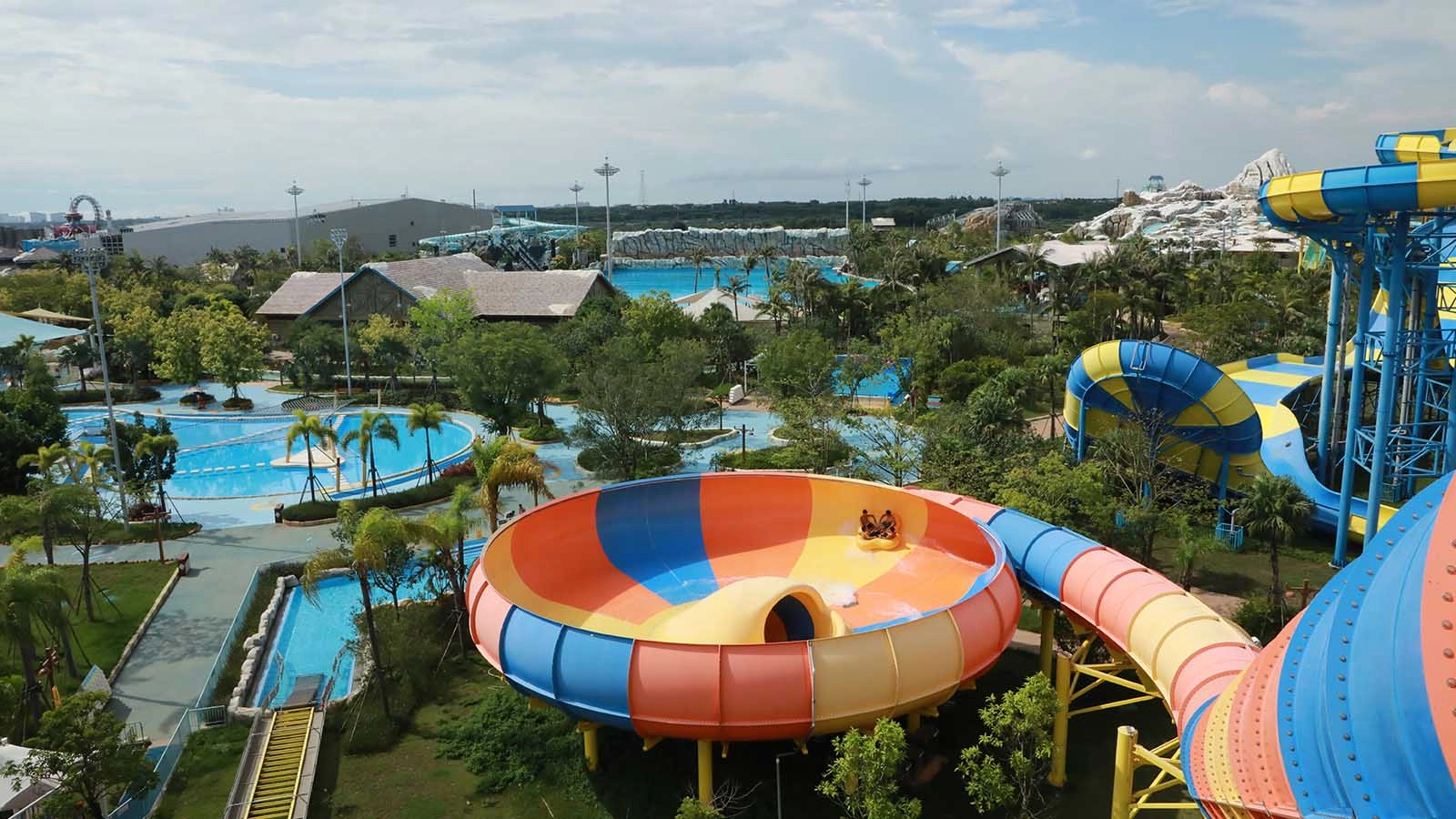
Depending on the project positioning, the portfolio may include high-thrill slides, family slides, racing slides, enclosed slides, body slides, raft-based attractions, and other customized configurations.
The right combination depends on available space, visitor demographics, desired capacity, and investment level.
Family and Children's Attractions
Family attractions can serve multiple age groups and help distribute visitors across the park.
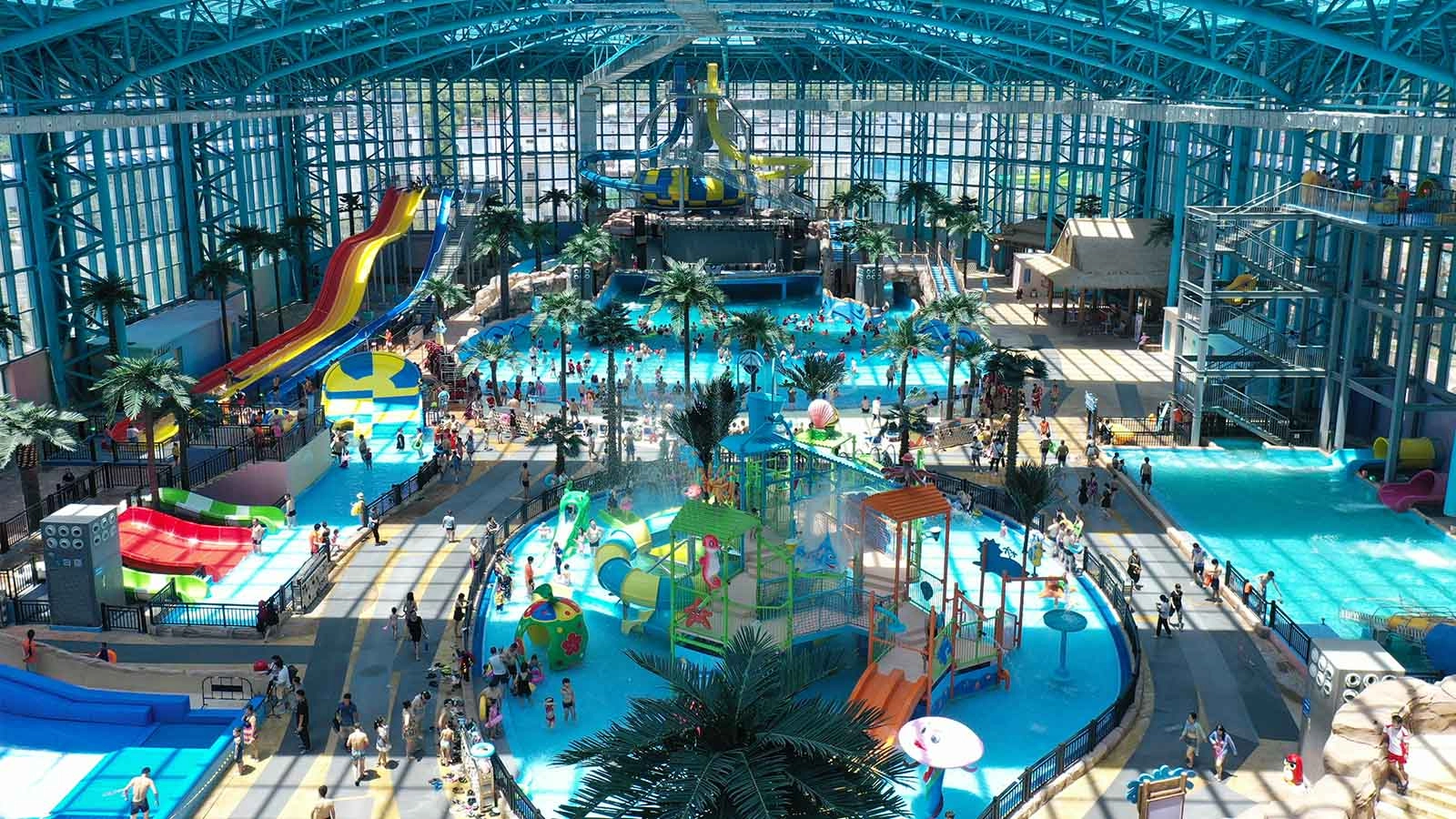
A children's zone may combine:
- • Multi-level water play structures
- • Children's slides
- • Interactive spray attractions
- • Water play equipment
- • Themed elements
- • Shallow-water play areas
These attractions are particularly useful for projects targeting families, resorts, and broad demographic groups.
Water Houses and Interactive Water Play
Water houses and interactive attractions provide another way to create activity zones without relying entirely on large signature slides.
WM International states that its product range includes more than ten styles of large, medium, and small water houses, together with more than 100 creative water play attractions.
The appropriate scale should be determined by the site's available area, target visitors, and overall attraction mix.
Wave-Making and Leisure Attractions
Larger projects may also incorporate wave-making equipment and other leisure attractions to diversify the visitor experience.
The key consideration is whether each attraction supports the park's positioning and operational model. Equipment should add meaningful capacity, differentiation, or visitor value rather than simply increase the number of products purchased.
How to Source Water Park Equipment
Once the equipment configuration is established, sourcing should move from general product browsing to technical comparison.
A practical sourcing process includes four steps:
- • Prepare the project requirements.
- • Create a preliminary equipment list.
- • Compare qualified manufacturers and suppliers.
- • Confirm technical specifications, production, delivery, installation, and maintenance responsibilities.
Start With a Detailed Equipment Brief
Before requesting quotations, prepare information that allows suppliers to understand the actual procurement requirements:
| Project Information | Procurement Consideration |
|---|---|
| Site area | Equipment dimensions and layout |
| Target visitors | Attraction type and user suitability |
| Expected capacity | Ride throughput and quantity |
| Project positioning | Signature attractions and theming |
| Budget | Equipment configuration and customization |
| Schedule | Production and installation requirements |
| Local regulations | Applicable technical and safety requirements |
| Operating model | Maintenance and after-sales support |
A detailed project brief allows suppliers to provide more meaningful proposals than a simple request for a product price.
Compare Water Park Equipment Suppliers
Price is important, but it should not be the only comparison factor.
A supplier evaluation should cover at least five areas:
1. Planning Capability
Can the supplier understand the project beyond individual products?
A capable partner should be able to connect site conditions, visitor flow, attraction selection, capacity, and operational requirements.
2. Manufacturing Capability
Manufacturing capability affects customization, quality control, production consistency, and delivery coordination.
WM International operates a 100,000 m² production base integrating R&D, testing, production, and warehousing, with five-axis machining centers and L-RTM technology. Equipment production is integrated with other project support capabilities.
3. Quality and Safety
Ask for technical documentation, applicable certifications, testing procedures, material information, and quality-control processes.
For water slide systems, ASTM F2376-24 specifically addresses classification, design, manufacture, construction, and operation of water slide systems. Other standards may apply depending on attraction type and market.
4. Customization Capability
Customization is valuable when it solves a real project requirement.
Useful customization areas may include:
- • Park themes
- • Slide appearance
- • Colors
- • Attraction combinations
- • Water play structures
- • Platform configurations
- • Site-specific dimensions
Customization should support the park concept without creating unnecessary engineering or production complexity.
5. Installation and Maintenance Support
Equipment procurement does not end when products leave the factory.
Installation guidance, commissioning, operator training, spare parts, maintenance documentation, and after-sales support can affect long-term operational reliability.
WM International provides installation guidance and maintenance support, with its engineering team supporting projects through established installation processes.
Equipment Procurement and Project Delivery
After supplier selection, the project normally moves through several technical stages:
Technical Confirmation
The supplier and project team should confirm:
- • Equipment dimensions
- • Structural requirements
- • Connection points
- • Platform requirements
- • Pool and landing conditions
- • Color and finish
- • Customized components
- • Delivery specifications
Clear technical confirmation reduces the risk of changes during manufacturing or installation.
Production and Quality Control
After design approval, production can begin.
For larger projects, integrated manufacturing capabilities can simplify coordination between different equipment categories and help maintain consistency across the project.
Delivery, Installation, and Commissioning
Transportation and installation should be considered during procurement rather than treated as separate issues.
Installation requirements can affect site access, construction sequencing, lifting arrangements, structural preparation, and project schedule.
A supplier that provides installation guidance can help connect factory production with on-site implementation.
Common Water Park Development and Sourcing Mistakes
Several mistakes can increase project cost or create operational problems:
Choosing Equipment Before Planning the Site
Selecting products first can result in inefficient layouts, insufficient circulation space, or an attraction mix that does not match visitor demand.
Comparing Suppliers Only by Unit Price
A lower equipment price may not represent a lower total project cost if installation, customization, spare parts, or technical support are handled separately.
Over-Customizing the Project
Customization should have a clear purpose. Excessive customization can increase engineering complexity, production time, and maintenance requirements.
Ignoring Long-Term Maintenance
Equipment should be evaluated according to its expected operating environment, maintenance requirements, spare parts availability, and supplier support.
Using Too Many Independent Suppliers
Multiple suppliers can be appropriate for some projects, but splitting planning, equipment, installation, and maintenance between too many parties can increase coordination requirements.
An integrated supplier can be worth considering when project complexity makes coordination a major concern.
FAQ
What is the first step in water park development?
The first step is project planning. Site conditions, target visitors, capacity, positioning, budget, local regulations, and operating requirements should be understood before the equipment list is finalized.
How should water park equipment be selected?
Equipment should be selected according to the project's site, visitor profile, capacity requirements, attraction strategy, budget, and operational model rather than based only on product appearance or price.
What should be included when comparing water park equipment suppliers?
Compare planning capability, manufacturing capacity, quality control, customization, technical support, installation, maintenance, spare parts, project experience, and total procurement cost.
Is customization necessary for a water park project?
Not always. Customization is most valuable when it improves site utilization, supports the park theme, solves a specific technical requirement, or creates a meaningful attraction difference.
Why is installation support important?
Water park equipment must be integrated with the site's structures, pools, circulation areas, utilities, and operating systems. Installation guidance helps connect equipment specifications with actual site conditions.
Conclusion
Effective water park development is a connected process rather than a simple equipment purchasing exercise.
The strongest projects begin with site and market planning, develop a clear park concept, establish visitor capacity and attraction requirements, and then source equipment from suppliers that can demonstrate manufacturing, technical, installation, and maintenance capabilities.
For commercial projects, the most useful question is not simply “Which water park equipment is the cheapest?” but “Which equipment configuration and supplier combination best fits the project's site, visitors, budget, schedule, and long-term operating requirements?”
WM International combines water park planning and design with equipment manufacturing, installation guidance, and maintenance support. Its 100,000 m² production base and project experience provide a foundation for buyers evaluating an integrated project partner.
For a project at the planning or procurement stage, the next practical step is to prepare the site information, target visitor profile, preliminary attraction requirements, and expected project schedule. These details can then be used to develop a more specific water park equipment configuration and project proposal rather than relying on a generic equipment list.
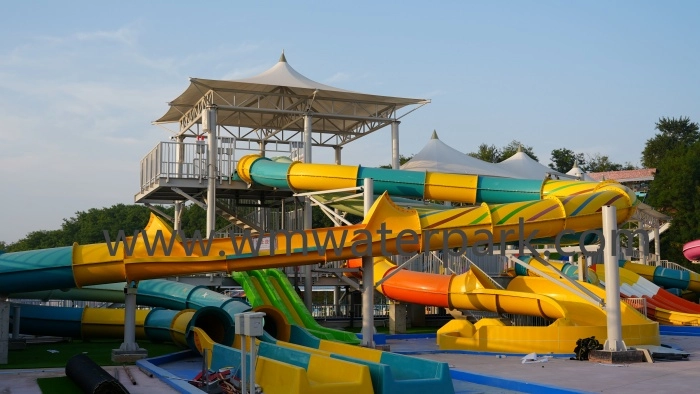
Market Size and Forecast Analysis of Segmented Products in the Water Park Equipment Slide Industry
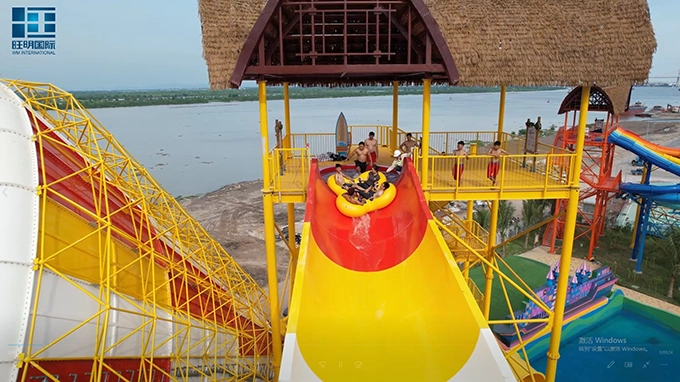
From Water Park Equipment Innovation to Carnival Experience, Water Parks Define a New Summer Trend
Water Projects: The Complete Guide to Developing Water Projects for Different Venues with WM INTERNATIONAL
Water Project Industry Trends: Emerging Opportunities in the Water Attraction Market
Custom Water Project Solutions for Different Venues: Water Parks, Resorts, Theme Parks and More
Children Combined Water Slide
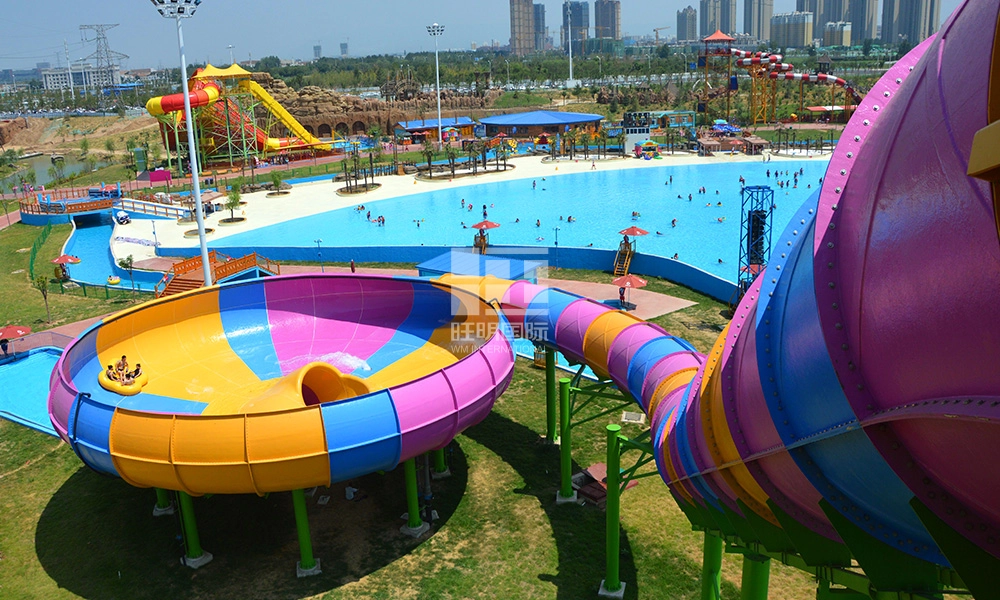
Huge Bowl Water Slide
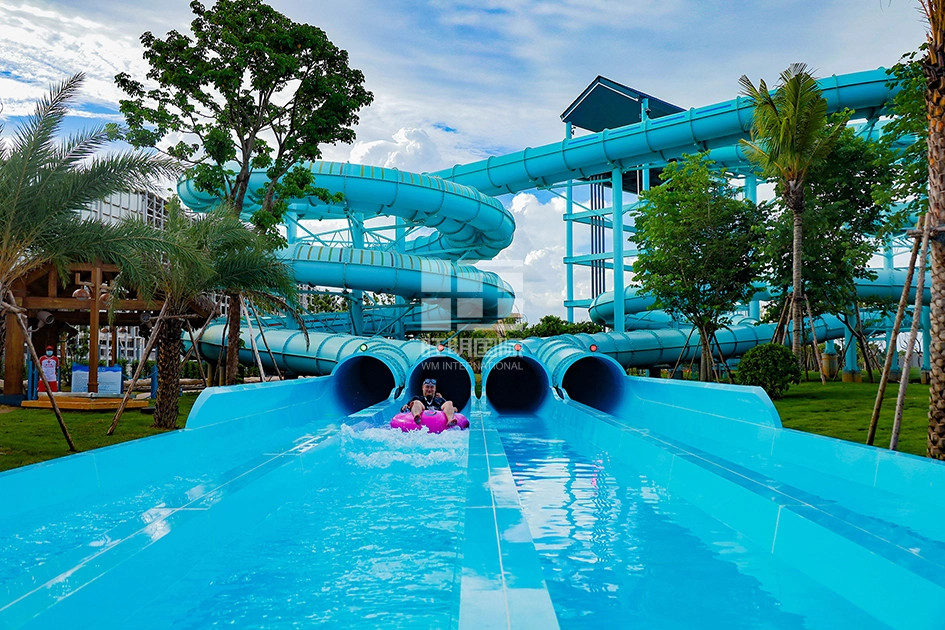
Time Tunnel Water Slide
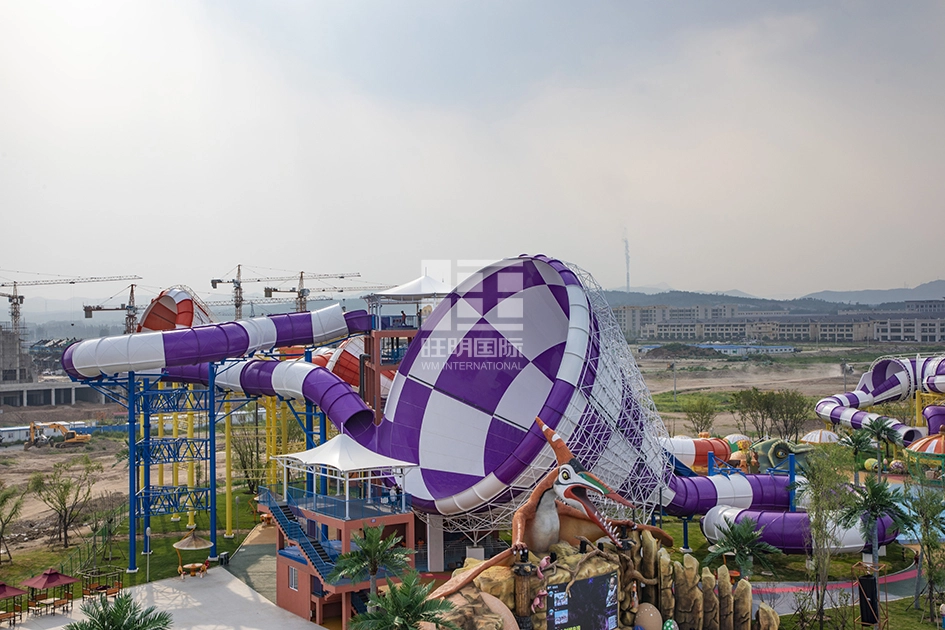
Big Tourbillion Water Slide
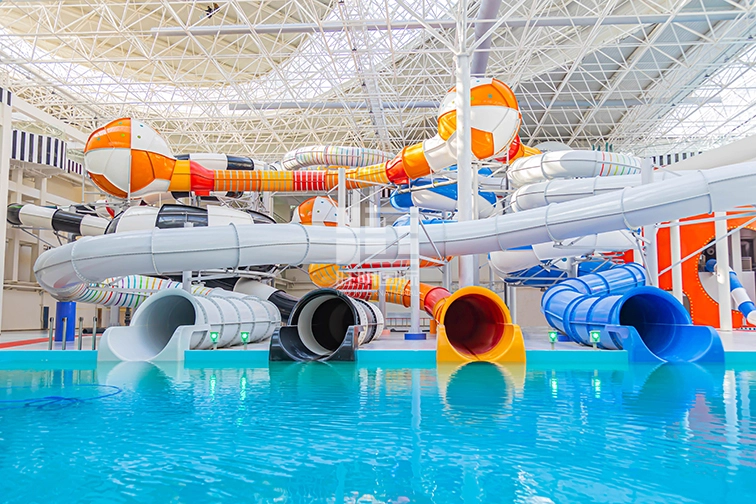
Turnover Slide
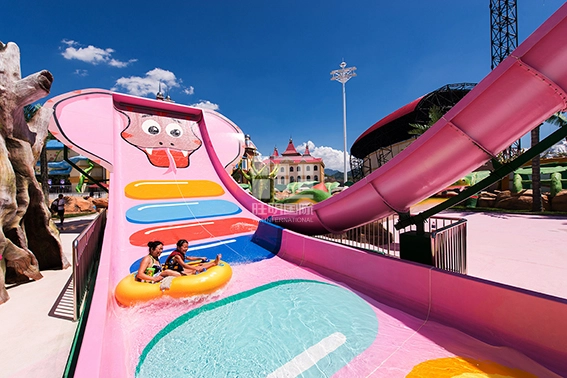
Small King Cobra Water Slide
Get in touch
Have to get customized water park solutions and product quotes.
We will provide you with professional consultation and support.

Relying on leading technology, innovative products and rich industry experience, we tailor personalized solutions for each water park project to ensure a safe and exciting entertainment experience for tourists.
 Scan QR Code
wmwaterslide
wmwaterpark