

Water Project Industry Trends: Emerging Opportunities in the Water Attraction Market
Water Project and Planning Water Project strategies reveal key industry shifts driving growth in the water attraction market. WM International breaks down emerging opportunities, enabling precise project development and competitive advantage in evolving market conditions.
- Quick Answer
- Key Takeaways
- 1. How Is the Water Attraction Market Changing?
- Key Changes in the Water Attraction Market
- Broader Applications
- Experience Focus
- Flexible Project Models
- 2. Why Are Water Attractions Expanding Beyond Traditional Water Parks?
- 3. Which Water Attraction Categories Are Creating New Opportunities?
- Emerging Attraction Directions
- 4. How Are Family and Multi-Generational Experiences Shaping the Market?
- Children
- Families
- Thrill Seekers
- 5. Why Are Immersive and Differentiated Water Experiences Becoming More Important?
- Where Differentiation Can Come From
- 6. What Opportunities Exist for Upgrading Existing Water Attractions?
- Refresh
- Expand
- Reposition
- 7. How Can Developers Identify the Right Water Attraction Opportunity?
- Opportunity Identification Framework
- 8. What Does the Emerging Opportunity Mean for Water Project Developers?
- Water Attraction Opportunity Framework
- Conclusion
- FAQ
- Exploring a New Water Project Opportunity?
Quick Answer
The water attraction market is evolving from traditional water parks toward broader leisure, tourism, resort, entertainment, and destination-based applications. Emerging opportunities are increasingly connected to differentiated guest experiences, multi-venue applications, specialized attractions, project upgrades, and more flexible water attraction concepts.
For developers, the opportunity is not simply to build a larger water park. It is to identify where water attractions can create additional visitor value, complement an existing destination, or provide a distinctive experience for a specific audience.
Understanding these water project industry trends can help developers identify suitable project directions before moving into detailed planning, equipment configuration, and implementation.
Key Takeaways
Water attractions are increasingly being integrated into a wider range of leisure and tourism destinations.
Project opportunities are becoming more diversified rather than being limited to large traditional water parks.
Family-oriented, immersive, interactive, and specialized attractions can create new project opportunities.
Resorts and existing entertainment destinations can use water attractions to expand their overall visitor experience.
Upgrading existing water attractions can create opportunities without requiring an entirely new destination.
Developers should connect emerging market opportunities with venue characteristics and visitor expectations.
1. How Is the Water Attraction Market Changing?
The water attraction market is becoming broader and more diversified as leisure destinations continue to evolve. Traditional water parks remain an important part of the market, but water-based attractions are increasingly being considered as part of resorts, theme parks, amusement parks, hot springs, family entertainment destinations, and specialized recreational venues.
This shift changes the way developers look at water projects. Instead of treating water attractions as a standalone destination category, developers can consider how they contribute to the overall experience of a venue. A water attraction may increase the appeal of a resort, add a new activity zone to an amusement destination, or create a stronger family-oriented component within an existing leisure project.
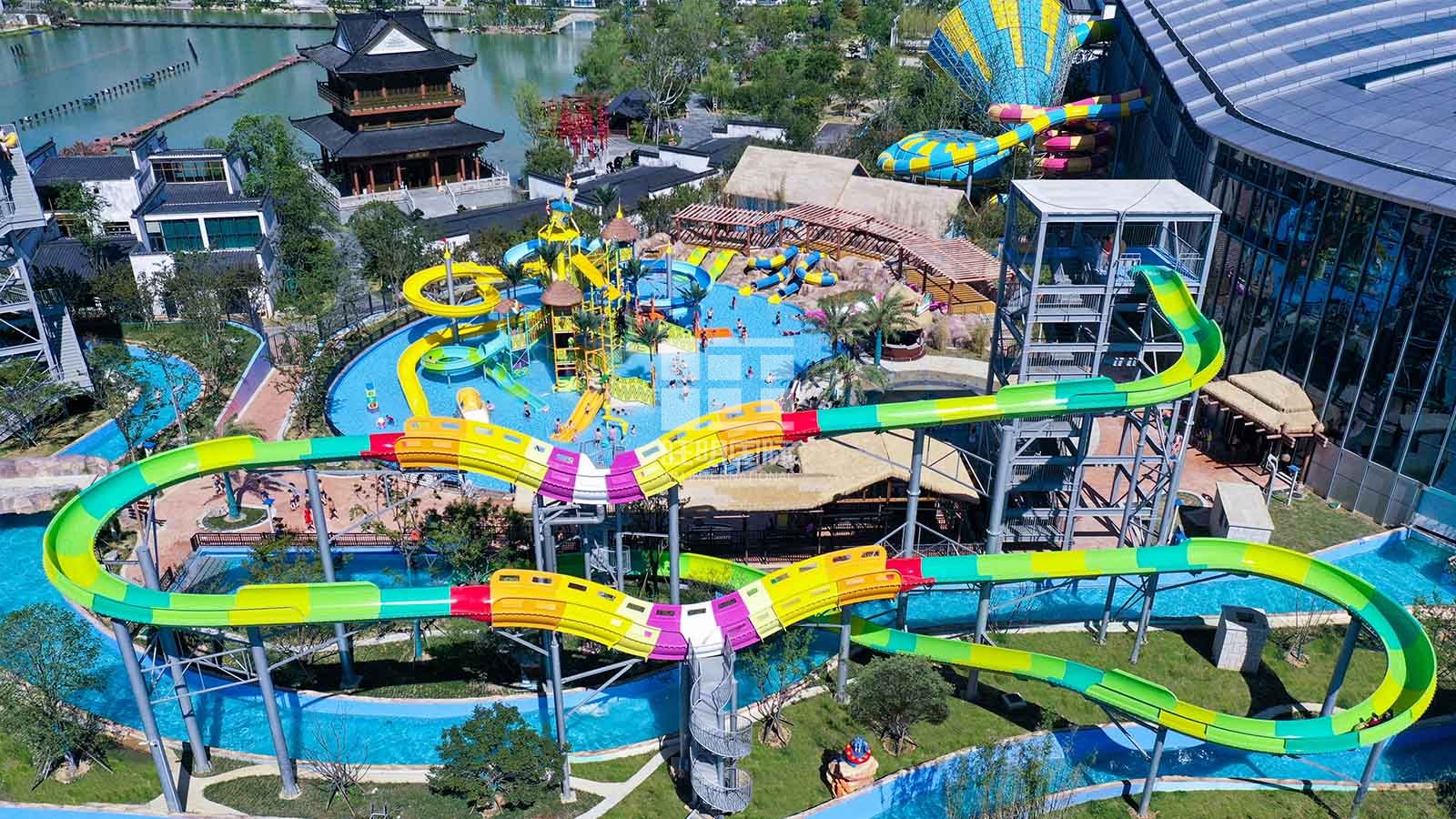
The market is therefore moving toward more flexible project concepts. Some developments may require a complete water park, while others may only need several carefully selected attractions that fit an existing site and visitor profile.
This broader perspective is important when considering water project solutions across different venues, because the most suitable attraction concept depends on how water experiences fit into the larger destination.
Key Changes in the Water Attraction Market
Broader Applications
Water attractions are being integrated into resorts, theme parks, amusement destinations, and other leisure environments.
Experience Focus
Developers are placing greater emphasis on memorable, differentiated, and shareable visitor experiences.
Flexible Project Models
Projects can range from large water parks to smaller attraction packages integrated into existing destinations.
2. Why Are Water Attractions Expanding Beyond Traditional Water Parks?
One of the most important water project industry trends is the expansion of water attractions into destinations that were not traditionally classified as water parks. Developers can use water-based experiences to strengthen the overall positioning of an existing leisure destination instead of building a completely independent water park.
For resorts, water attractions can complement accommodation and leisure services. For theme parks and amusement parks, water-based zones can introduce a different activity format and help diversify the guest experience. Hot springs and wellness-oriented destinations can also incorporate selected water attractions while maintaining their existing positioning.
This creates opportunities for projects with different scales and objectives. The attraction package can be designed around the existing destination rather than forcing every project to follow the same large-scale water park model.
3. Which Water Attraction Categories Are Creating New Opportunities?
Emerging opportunities are not limited to a single type of water attraction. Different visitor groups and destination formats can create demand for different combinations of thrill, family, children's, interactive, leisure, and specialized experiences.
Large water slides can remain important signature attractions, but they represent only one part of a broader attraction ecosystem. Family water slides, aqua houses, interactive water play areas, wave-making systems, surfing simulators, rafting attractions, and other water-based experiences can help create a more varied destination.
The opportunity lies in selecting the right combination rather than simply adding more equipment. Developers can create different activity zones with different intensity levels, allowing families, children, teenagers, and thrill-seeking visitors to find suitable experiences within the same destination.
Emerging Attraction Directions
Create experiences that allow parents and children to participate together.
Encourage active participation through interactive and play-oriented attractions.
Create differentiated experiences such as surfing, wave-based recreation, or themed attractions.
4. How Are Family and Multi-Generational Experiences Shaping the Market?
Family-oriented experiences remain an important direction for water attraction development because a single attraction can serve multiple members of a group when it is designed around shared participation. This creates opportunities for attractions that are less focused on individual thrill and more focused on interaction, accessibility, and shared leisure.
Multi-generational destinations can benefit from offering different activity levels within the same project. Children's water play areas can serve younger visitors, family attractions can encourage shared participation, and higher-intensity rides can provide options for older children and adults.
This approach also influences how the overall site is organized. Family-oriented attractions may need convenient circulation, visible gathering areas, shaded spaces, and supporting facilities that allow groups to stay together even when visitors choose different activities.
Children
Interactive and lower-intensity attractions designed around safe and engaging water play.
Families
Shared attractions that allow different age groups to participate in the same destination.
Thrill Seekers
Higher-intensity attractions that create signature experiences and stronger destination differentiation.
5. Why Are Immersive and Differentiated Water Experiences Becoming More Important?
As water attractions become more widely available across leisure destinations, differentiation becomes increasingly important. A project does not necessarily need the largest number of attractions to stand out. Instead, its water experiences can be designed to support a distinctive theme, visitor journey, visual identity, or activity concept.
Theming can help connect water attractions with the surrounding destination. In a theme park, water attractions can reinforce the park's storytelling. In a resort, the design may emphasize the destination's landscape and leisure positioning. In a family entertainment environment, interactive water play can become a recognizable feature for repeat visitors.
This creates opportunities for customized attraction concepts where dimensions, colors, shapes, theming, and other design details are adapted to the project instead of relying entirely on standard configurations.
Where Differentiation Can Come From
6. What Opportunities Exist for Upgrading Existing Water Attractions?
Emerging opportunities in the water attraction market are not limited to new construction. Existing parks and leisure destinations can also create new value by refreshing outdated attraction areas, adding new experiences, replacing aging equipment, or reorganizing underused spaces.
This creates a different type of project opportunity. Instead of starting from an empty site, developers and operators can build on an existing visitor base, infrastructure, brand, and destination environment. The challenge is to identify which parts of the existing attraction mix no longer meet current visitor expectations.
An upgrade may involve a single new signature attraction, a refreshed children's area, a new family attraction, a replacement for aging equipment, or a broader reconfiguration of an existing zone.
Refresh
Modernize an existing attraction area or replace outdated elements.
Expand
Add new attractions to broaden the destination's visitor experience.
Reposition
Use new attraction concepts to create a different experience or target a new visitor segment.
7. How Can Developers Identify the Right Water Attraction Opportunity?
Identifying an emerging opportunity should begin with the destination rather than a specific product. Developers can first look at the existing visitor profile, the surrounding tourism and leisure environment, available space, current attractions, and gaps in the visitor experience.
The next step is to identify what role water attractions could play. In one project, water attractions may become the main destination draw. In another, they may serve as an additional activity that strengthens an existing resort, amusement park, or entertainment venue.
Opportunity Identification Framework
This approach helps prevent a common mistake in water attraction development: selecting equipment first and trying to build the project around the products later. The stronger approach is to identify the opportunity, define the experience, and then determine which attraction configuration can support that direction.
8. What Does the Emerging Opportunity Mean for Water Project Developers?
The development of the water attraction market creates more choices for project owners, but it also requires more careful project positioning. The opportunity may come from a new water park, an integrated resort attraction, a themed water zone, a family entertainment area, a specialized experience, or an upgrade to an existing destination.
The common factor is that water attractions should support a clear destination strategy. Developers need to understand who the project is designed for, what experience it should provide, how it fits the surrounding venue, and how the attraction mix can remain relevant as visitor expectations change.
This means that future water projects are likely to require closer coordination between concept development, planning, design, equipment configuration, customization, manufacturing, and long-term project support.
For developers moving from market opportunity into project planning, the next stage is to translate these trends into a site-specific concept and determine which attractions can best support the destination.
Water Attraction Opportunity Framework
The following framework can help developers move from broad market trends toward a more focused water attraction concept.
Conclusion
The water attraction market is expanding beyond the traditional water park model. Resorts, theme parks, amusement destinations, hot springs, surf venues, and other leisure projects can all create opportunities for water-based experiences when the attractions are matched with the right venue and visitor profile.
The most relevant water project industry trends include broader venue applications, stronger demand for differentiated experiences, family and multi-generational attractions, specialized water experiences, customized concepts, and upgrades for existing destinations.
For developers, the key is to start with the opportunity rather than a fixed equipment list. Once the target visitors, venue, experience concept, and project direction are clear, the attraction mix and development strategy can be defined more effectively.
WM INTERNATIONAL supports water project development through planning and design, equipment production, installation guidance, and maintenance and repair, providing a foundation for turning emerging water attraction opportunities into project-specific solutions.
FAQ
What are the main trends in the water attraction market?
Key trends include broader applications beyond traditional water parks, stronger demand for differentiated experiences, family-oriented attractions, specialized water experiences, customized concepts, and upgrades to existing destinations.
Are water attractions still mainly used in water parks?
No. Water attractions can also be developed for resorts, theme parks, amusement parks, hot springs, surf venues, and other leisure destinations depending on the project concept and site conditions.
Why are family-oriented water attractions important?
Family-oriented attractions can support shared experiences for different age groups and help create a more balanced visitor environment within a water project.
Can existing water parks benefit from current market trends?
Yes. Existing destinations can respond to changing visitor expectations by adding new attractions, refreshing older areas, introducing different experiences, or repositioning underused spaces.
How should developers choose water attractions for an emerging opportunity?
Developers should start with the target visitors, venue characteristics, desired experience, available space, and project positioning before selecting the attraction categories and equipment configuration.
Exploring a New Water Project Opportunity?
Share your venue information, project concept, target visitors, available space, or attraction requirements with WM INTERNATIONAL and discuss a suitable water project direction.
Water Project Cost and ROI: Key Budget Factors Before Choosing a Project Solution
Water Projects: The Complete Guide to Developing Water Projects for Different Venues with WM INTERNATIONAL
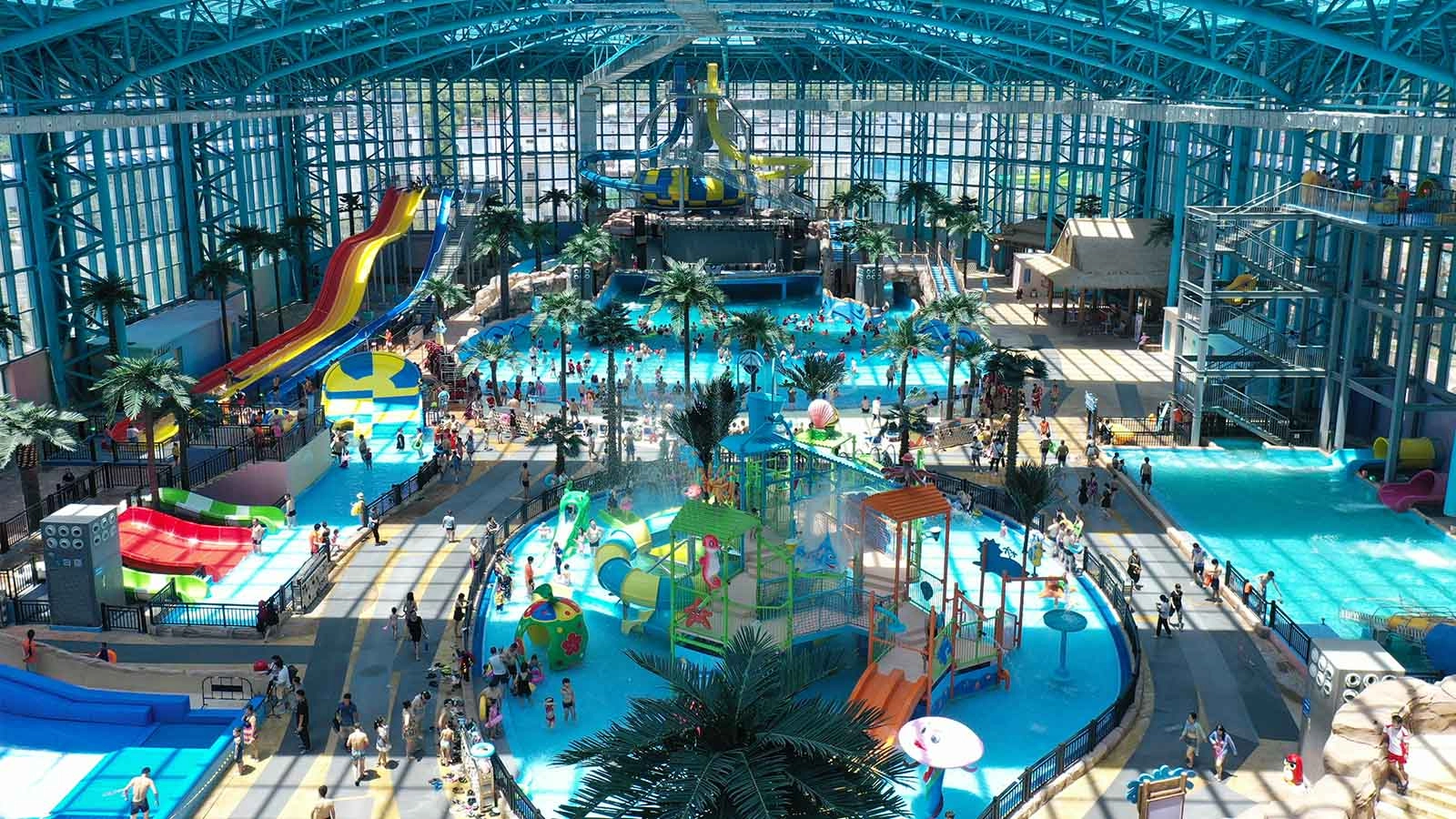
Custom Water Project Solutions for Different Venues: Water Parks, Resorts, Theme Parks and More
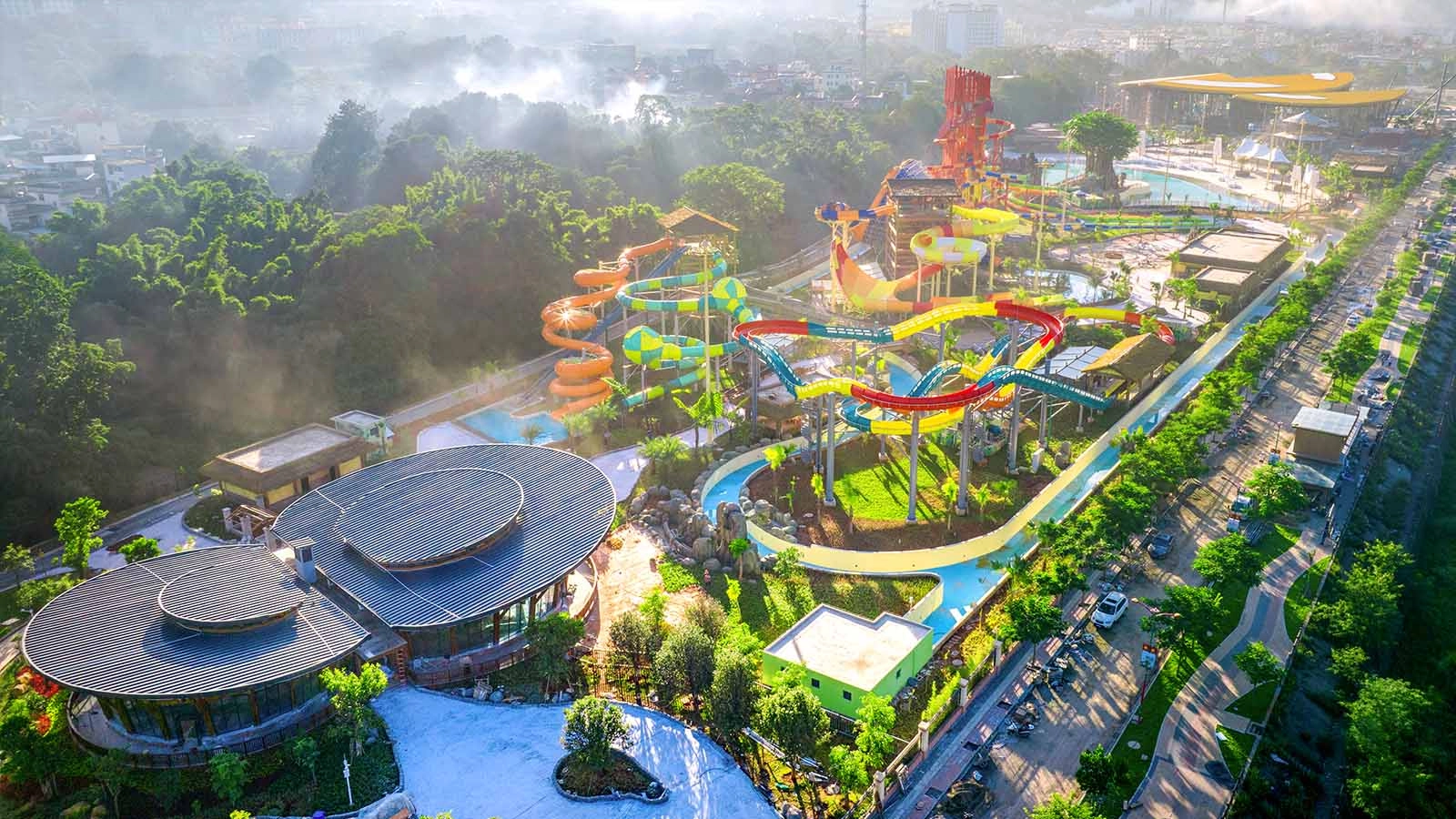
How to Configure Water Attractions for Water Projects in Different Venues
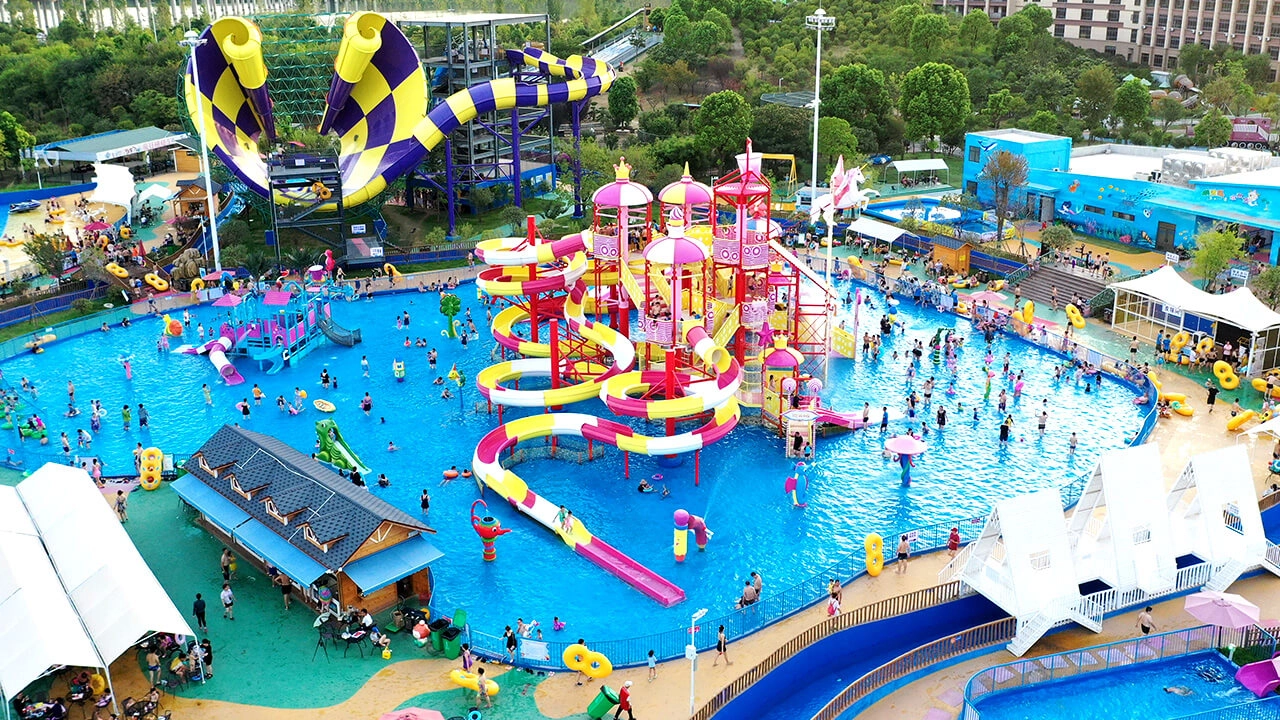
Why Choose WM INTERNATIONAL as Water Project Partner? Services, Capabilities and Project Support
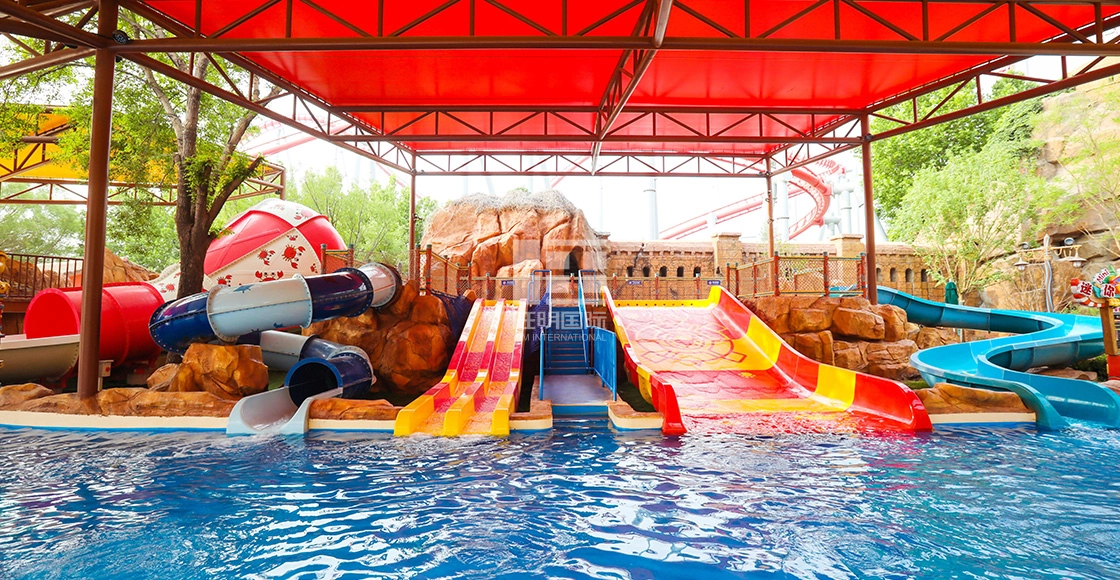
Children Combined Water Slide
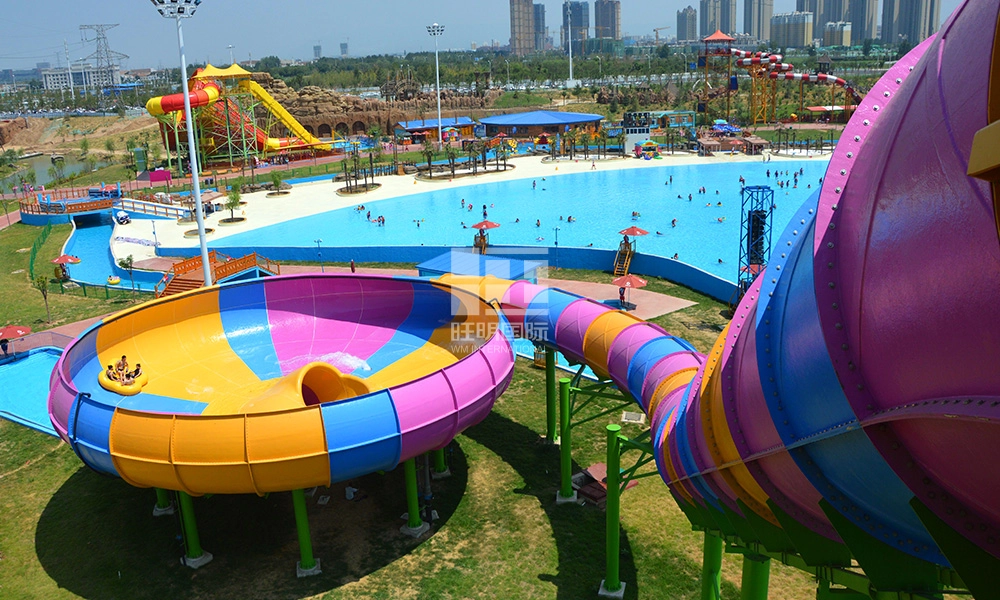
Huge Bowl Water Slide
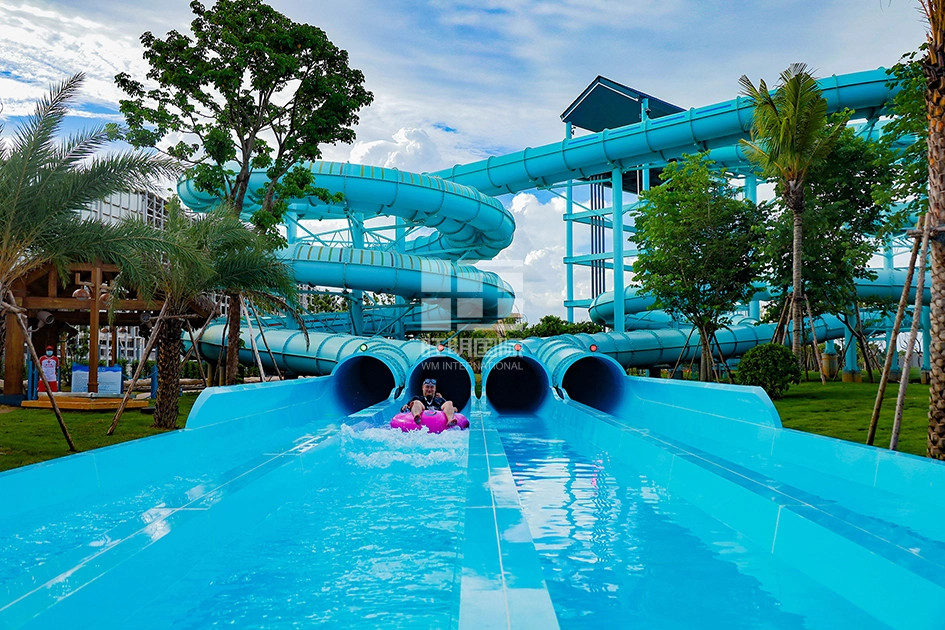
Time Tunnel Water Slide
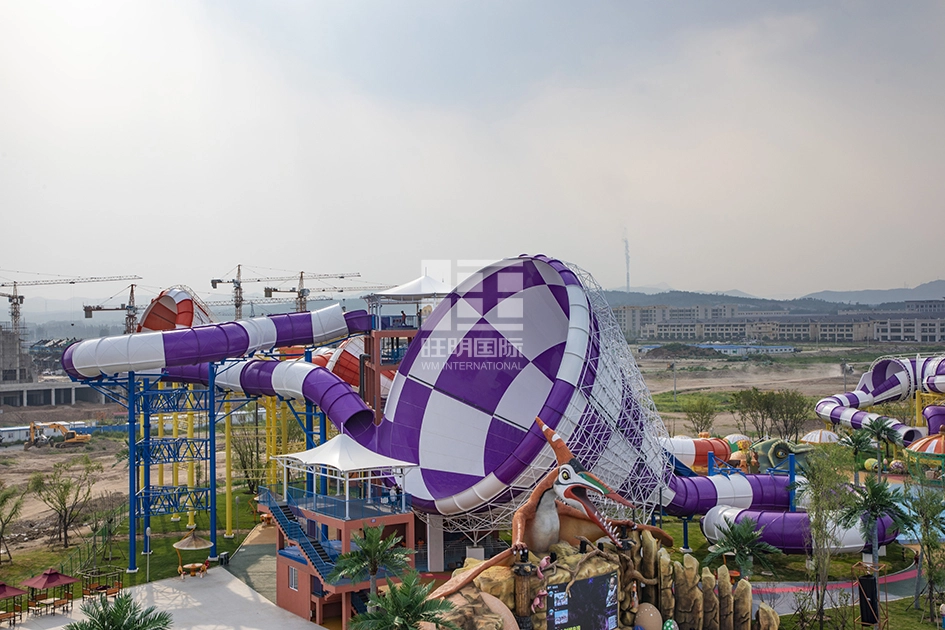
Big Tourbillion Water Slide
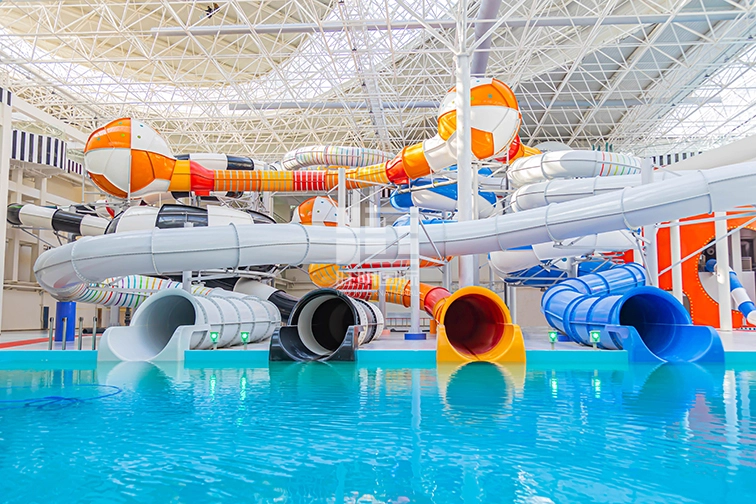
Turnover Slide
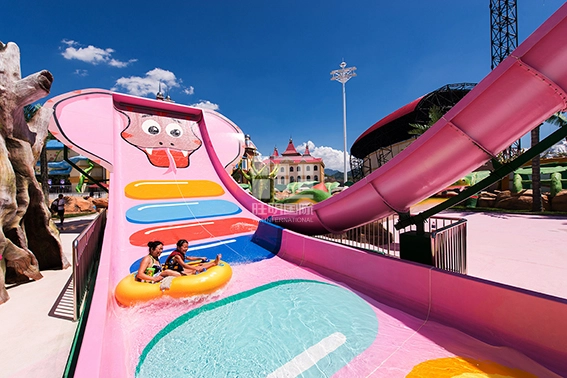
Small King Cobra Water Slide
Get in touch
Have to get customized water park solutions and product quotes.
We will provide you with professional consultation and support.

Relying on leading technology, innovative products and rich industry experience, we tailor personalized solutions for each water park project to ensure a safe and exciting entertainment experience for tourists.
 Scan QR Code
wmwaterslide
wmwaterpark