

Water Projects: The Complete Guide to Developing Water Projects for Different Venues with WM INTERNATIONAL
Water Projects and Developing Water Projects require precise planning tailored to each venue. WM International breaks down key steps, challenges, and solutions to streamline project execution and ensure sustainable results across diverse environments.
- Quick Answer
- Key Takeaways
- 1. What Is the Outlook for the Water Project Industry?
- Key Factors Shaping Water Project Opportunities
- Leisure Demand
- Venue Development
- Project Upgrades
- 2. What Water Project Solutions Fit Different Venues?
- 3. How to Plan and Design a Successful Water Project?
- Planning Questions to Answer Before Equipment Selection
- 4. How to Select and Configure Equipment for a Water Project?
- Visitor Profile
- Space & Capacity
- Project Positioning
- 5. What Factors Affect Water Project Investment, Cost and ROI?
- 6. How Does a Water Project Move from Planning to Completion?
- From Project Brief to Completion
- 7. How Does WM INTERNATIONAL Support Water Projects from Installation to Long-Term Maintenance?
- Installation Guidance
- Maintenance
- Repair & Upgrade
- Choosing the Right Project Partner
- 8. Why Choose WM INTERNATIONAL for Your Water Project?
- Planning & Design
- Equipment Production
- Installation Guidance
- Maintenance & Repair
- Water Project Decision Framework
- Water Project Buyer Checklist
- Conclusion
- FAQ
- Developing a Water Project?
Quick Answer
A successful water project starts with a clear understanding of the market opportunity, venue characteristics, target visitors, project goals, and expected investment. The project then moves through planning and design, attraction selection, equipment production, installation, and long-term maintenance.
Different venues require different water project solutions. Water parks may focus on a balanced attraction mix, while resorts, theme parks, amusement parks, hot springs, and surf venues may require more specialized solutions based on available space, visitor profiles, positioning, and operating objectives.
WM INTERNATIONAL supports water projects through planning and design, equipment production, installation guidance, and maintenance and repair, helping project owners connect the major stages of development through one coordinated approach.
Key Takeaways
Water project opportunities are closely connected to changing leisure, tourism, resort, and entertainment demands.
The right water project solution should be matched to the venue, visitor profile, available space, budget, and operating goals.
Planning and design should come before equipment selection so that attractions support the overall project instead of becoming disconnected products.
Investment decisions should consider project cost, attraction configuration, installation, maintenance, operating requirements, and potential returns together.
A complete water project extends beyond manufacturing and should include installation guidance and long-term maintenance and repair planning.
WM INTERNATIONAL provides planning and design, equipment production, installation guidance, and maintenance and repair for water park projects.
1. What Is the Outlook for the Water Project Industry?
The water project industry continues to be connected with broader demand for leisure, tourism, family entertainment, resorts, and destination experiences. For investors and developers, the opportunity is no longer limited to building a traditional seasonal water park. Water attractions can also become part of resorts, theme parks, amusement parks, hot springs, mixed-use leisure destinations, and specialized surf venues.
This broader application creates different opportunities for water project development. Some projects may focus on high-capacity attractions and large visitor volumes, while others may use a smaller number of signature attractions to improve the guest experience or increase the value of an existing leisure destination.
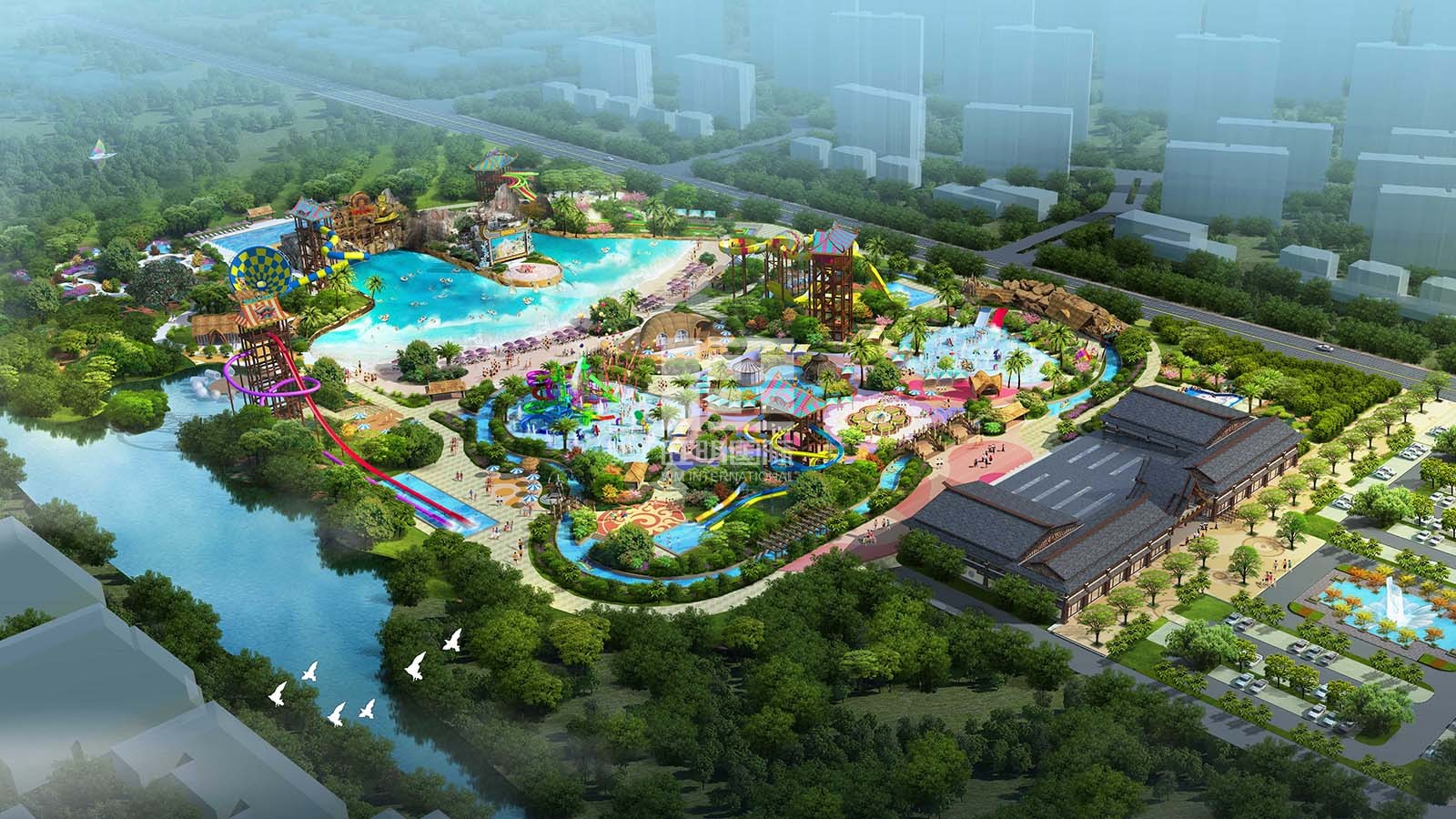
The long-term outlook for a water project therefore depends on more than the number of slides or attractions installed. Location, tourism demand, target visitors, project positioning, operating season, attraction mix, guest experience, and lifecycle costs all influence whether a project can remain commercially competitive.
For investors evaluating the business potential of a water project, factors such as market demand, project scale, revenue sources, operating costs, and expected investment returns should be considered together. A dedicated water park industry market outlook can provide additional commercial context when evaluating a potential project.
At the same time, the most suitable project model depends heavily on the venue. Understanding the relationship between the venue and the water attraction concept is therefore one of the first decisions in the development process.
Key Factors Shaping Water Project Opportunities
Leisure Demand
Demand for family entertainment, leisure destinations, and memorable visitor experiences.
Venue Development
Resorts, theme parks, amusement parks, and other destinations adding water-based attractions.
Project Upgrades
Existing parks can add new attractions, modernize facilities, and refresh the visitor experience.
2. What Water Project Solutions Fit Different Venues?
A water project should be developed around the venue rather than starting with a fixed equipment list. The available land, visitor profile, operating environment, surrounding attractions, project positioning, and investment level can all influence which water attractions are appropriate.
WM INTERNATIONAL's water park project portfolio covers different venue types and demonstrates how water attractions can be adapted to different site characteristics and project requirements.
A water park may require a broad combination of thrill rides, family attractions, children's play areas, and leisure features. A resort may focus on attractions that complement accommodation and encourage longer stays. A theme park may require stronger integration between water attractions and the overall theme, while a hot spring destination may prioritize relaxation and family-oriented experiences.
For developers comparing these options, the next step is to translate the venue requirements into a project concept. That means defining the project's positioning, target visitors, capacity, space allocation, attraction mix, and commercial objectives before detailed equipment selection begins.
3. How to Plan and Design a Successful Water Project?
Water project planning and design should establish the overall direction of the project before individual attractions are finalized. The process normally considers site conditions, available space, target visitors, expected capacity, visitor flow, attraction positioning, supporting facilities, safety, and the intended guest experience.
A professional water project planning process also needs to consider how the attractions work together. A park with several large slides but poor circulation, insufficient family attractions, or weak supporting facilities may not deliver the experience expected from the investment.
WM INTERNATIONAL's water park planning and design service covers areas such as site analysis, theme planning, visitor flow, facility layout, and project-specific design considerations.
Planning Questions to Answer Before Equipment Selection
Define target visitors, age groups, local demand, tourists, families, or specific user segments.
Consider land area, topography, access, utilities, existing structures, and available infrastructure.
Define positioning, visitor experience, capacity, investment level, and commercial objectives.
This planning stage is also where the project can identify whether it requires a new development, an expansion, a renovation, or a smaller attraction package for an existing venue. A clear project brief makes subsequent equipment configuration and supplier evaluation more efficient.
4. How to Select and Configure Equipment for a Water Project?
Water project equipment selection should be based on the project concept rather than on individual product popularity. The right equipment mix needs to fit the available space, target visitors, expected capacity, project positioning, operating model, and budget.
A complete water project may include water slides, family water slides, aqua houses, water play attractions, wave-making equipment, surfing simulators, rafting attractions, and other supporting features. The objective is not to install as many attractions as possible, but to create a balanced combination that supports visitor flow and the overall project experience.
Buyers who are still defining their equipment requirements can refer to the existing water park equipment selection considerations when comparing safety, service, manufacturer capabilities, and other purchasing factors.
The equipment configuration should also consider how different attraction categories complement each other. For example, high-thrill attractions can be balanced with family-oriented and children's attractions, while leisure features can help create areas with different activity intensity.
Visitor Profile
Match attractions to age groups, family needs, thrill preferences, and expected visitor behavior.
Space & Capacity
Consider footprint, throughput, queue areas, circulation, pools, and supporting facilities.
Project Positioning
Choose attractions that reinforce the venue's positioning and differentiate the overall experience.
For projects that require products beyond standard configurations, customization can also become part of the equipment strategy. Custom shapes, colors, theming, dimensions, and project-specific design requirements should be identified before manufacturing begins.
A dedicated custom water project solutions approach can be useful when standard equipment cannot fully match the venue, theme, space, or project positioning.
For the broader product range, buyers can also explore WM INTERNATIONAL's water park equipment and attractions to understand the available equipment categories.
5. What Factors Affect Water Project Investment, Cost and ROI?
Water project investment should be evaluated across the complete project lifecycle rather than by looking only at the purchase price of the attractions. Planning and design, site preparation, infrastructure, equipment, installation, theming, utilities, staffing, maintenance, and future upgrades can all influence the total project budget.
The potential return also depends on the project's location, target market, visitor capacity, attraction mix, operating season, pricing model, ancillary revenue opportunities, and long-term operating efficiency. A larger project does not automatically produce a better return if its attractions, visitor flow, or operating model do not match the local market.
For investors looking at the financial side of water projects, the key is to connect the project concept with realistic assumptions instead of relying on generic return figures. A useful water project cost and ROI analysis can help separate market opportunity from project-specific financial assumptions.
At the same time, detailed cost planning should remain a separate exercise. Developers should identify which costs are fixed, which depend on site conditions, and which can change based on equipment configuration or customization.
The existing water park and water slide cost guide can provide additional context for investors reviewing the main categories of project expenditure.
6. How Does a Water Project Move from Planning to Completion?
Water project development becomes easier to manage when the major stages are connected from the beginning. Planning and design establish the project direction, equipment selection translates the concept into a practical attraction package, and manufacturing turns the approved specifications into physical equipment.
The process should not be treated as a series of disconnected purchasing decisions. Changes made after design approval can affect manufacturing, delivery, installation, and cost. For this reason, project requirements should be documented and confirmed before production begins.
From Project Brief to Completion
Project Brief
Planning & Design
Equipment Configuration
Production & QC
Delivery & Installation
This lifecycle approach is particularly important for projects involving multiple attraction categories or customized equipment. Each stage should have clear approval points so that design decisions, technical requirements, production specifications, delivery expectations, and installation conditions remain aligned.
A more detailed water project implementation process can then be used to examine how the project moves from approved design through manufacturing, delivery, and installation.
7. How Does WM INTERNATIONAL Support Water Projects from Installation to Long-Term Maintenance?
The completion of equipment production is not the end of a water project. Installation, commissioning, maintenance, repair, and future upgrades can have a direct influence on the operating life and usability of the attractions.
WM INTERNATIONAL's service structure includes water park installation guidance as part of its project support. This helps connect the manufactured equipment with the actual site conditions and installation requirements.
Installation Guidance
Support the transition from manufactured equipment to on-site assembly, installation, and commissioning.
Maintenance
Regular inspection and maintenance help preserve equipment condition and support reliable operation.
Repair & Upgrade
Existing attractions can be repaired, refreshed, replaced, or expanded as project requirements change.
This lifecycle approach is particularly useful for operators managing existing parks. An upgrade does not always require rebuilding the entire venue. Adding new attractions, replacing aging equipment, improving attraction zones, or reconfiguring underused spaces can provide a practical way to refresh an existing project.
For developers and operators considering this direction, a dedicated water project upgrade and expansion strategy can help identify which parts of an existing project should be improved first.
The broader WM INTERNATIONAL water park project service connects planning, equipment production, installation, and ongoing support as part of a broader project lifecycle.
Choosing the Right Project Partner
When the project reaches the supplier-selection stage, manufacturing capability, project experience, quality control, customization capability, installation support, and maintenance should be evaluated together. The existing water park equipment manufacturer selection guide can be used as a practical reference when comparing potential partners.
8. Why Choose WM INTERNATIONAL for Your Water Project?
Choosing a water project partner should involve more than comparing individual equipment prices. A project-oriented supplier needs to understand the relationship between venue requirements, planning and design, equipment configuration, manufacturing, installation, and long-term maintenance.
WM INTERNATIONAL positions its service around four core capabilities: Planning & Design, Equipment Production, Installation Guidance, and Maintenance and Repair. These capabilities allow buyers to evaluate the company not only as an equipment manufacturer, but also as a potential project partner.
Planning & Design
Develop project concepts around site conditions, visitor requirements, attraction mix, layout, and overall project objectives.
Equipment Production
Turn approved project requirements into manufactured water slides and attractions.
Installation Guidance
Support the transition from equipment delivery to on-site installation and project commissioning.
Maintenance & Repair
Support long-term equipment operation through maintenance, repair, inspection, and upgrade planning.
This integrated approach can reduce the gaps that sometimes appear when planning, equipment sourcing, installation, and maintenance are handled by unrelated suppliers. It also gives project buyers a clearer framework for discussing technical requirements and responsibilities at each stage.
For buyers evaluating WM INTERNATIONAL as a project partner, the WM INTERNATIONAL company and project capabilities provide additional information about its experience, design resources, manufacturing capabilities, and service structure.
The goal is not simply to find a water slide manufacturer. It is to establish whether the selected partner can help connect the major decisions required to develop, deliver, operate, maintain, and eventually upgrade a water project.
Water Project Decision Framework
Before moving from project planning into purchasing, investors and operators can use the following framework to check whether the major technical, commercial, and lifecycle decisions have been considered together.
Water Project Buyer Checklist
Before confirming a water project or equipment order, buyers can use this checklist to make sure the major technical and commercial requirements have been discussed.
Conclusion
Developing a successful water project requires a connected approach rather than simply purchasing individual water attractions. The project should begin with an understanding of the market opportunity and venue requirements, then move through planning and design, equipment configuration, investment evaluation, manufacturing, delivery, installation, and long-term support.
Different venues require different water project solutions. Water parks, resorts, theme parks, amusement parks, hot springs, and surf venues can each require different attraction combinations, layouts, capacities, and operating strategies. The right project therefore starts with the site and business objectives rather than a fixed equipment list.
For project owners and operators, the selected supplier should also be evaluated across the complete lifecycle. Planning and design, equipment production, installation guidance, maintenance, repair, and future upgrades all contribute to the long-term usability of the project.
WM INTERNATIONAL provides planning and design, equipment production, installation guidance, and maintenance and repair for water park projects. If you already have a site, project concept, preliminary attraction list, or investment plan, these requirements can be developed into a more specific water project solution and equipment configuration.
FAQ
What should I consider before developing a water project?
Start with the venue, site conditions, target visitors, market demand, project positioning, expected capacity, budget, attraction mix, operating requirements, and long-term maintenance needs.
What types of venues can use water project solutions?
Water project solutions can be developed for water parks, resorts, theme parks, amusement parks, hot springs, surf venues, and other leisure destinations depending on site conditions and project objectives.
Why is planning and design important for a water project?
Planning and design connect site conditions, visitor flow, attraction selection, capacity, safety, layout, and project positioning before equipment production begins.
What equipment can be included in a water project?
Depending on the project, equipment can include water slides, family water slides, aqua houses, water play attractions, surfing simulators, wave-making equipment, rafting attractions, and other water-based entertainment features.
Does WM INTERNATIONAL provide installation and maintenance support?
WM INTERNATIONAL provides installation guidance as well as maintenance and repair support as part of its water park project service structure.
Can existing water projects be upgraded?
Yes. Existing projects can be upgraded by adding new attractions, replacing aging equipment, improving attraction zones, reconfiguring available space, or introducing new experiences that fit the existing venue.
Developing a Water Project?
Share your venue information, site requirements, project concept, equipment needs, target capacity, or investment objectives with WM INTERNATIONAL and discuss a suitable water project solution.
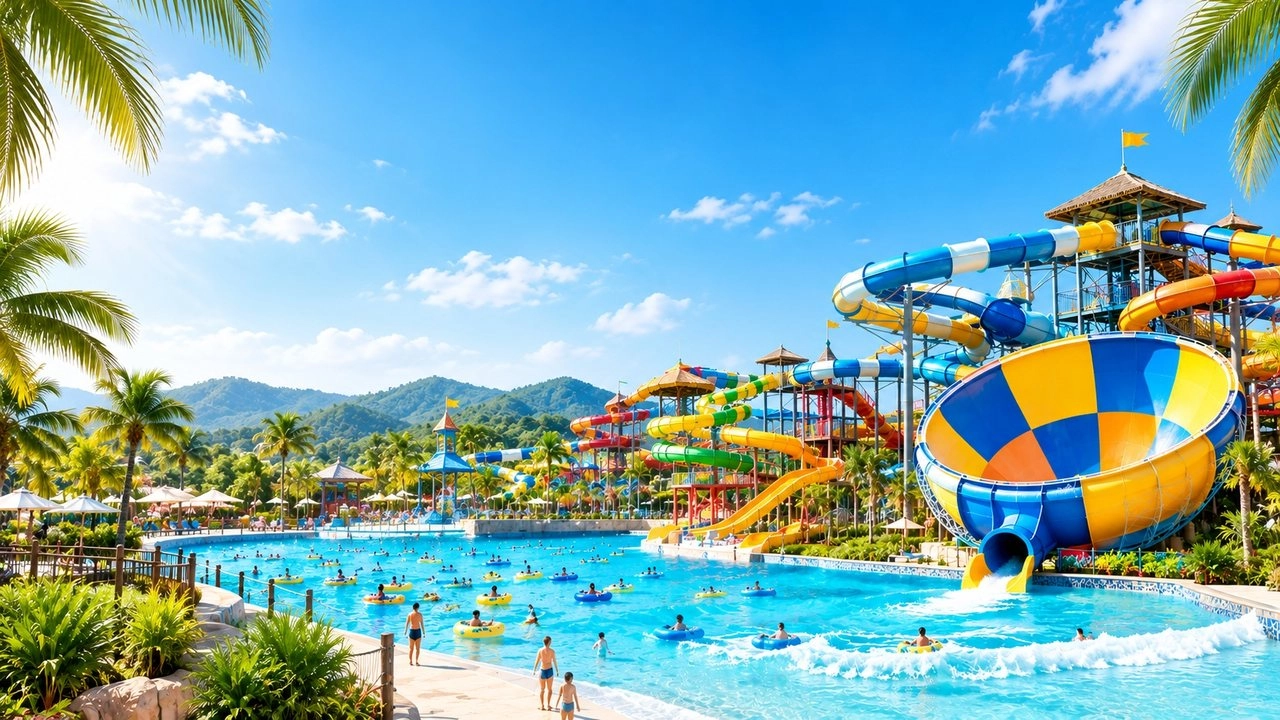
Water Project Cost and ROI: Key Budget Factors Before Choosing a Project Solution
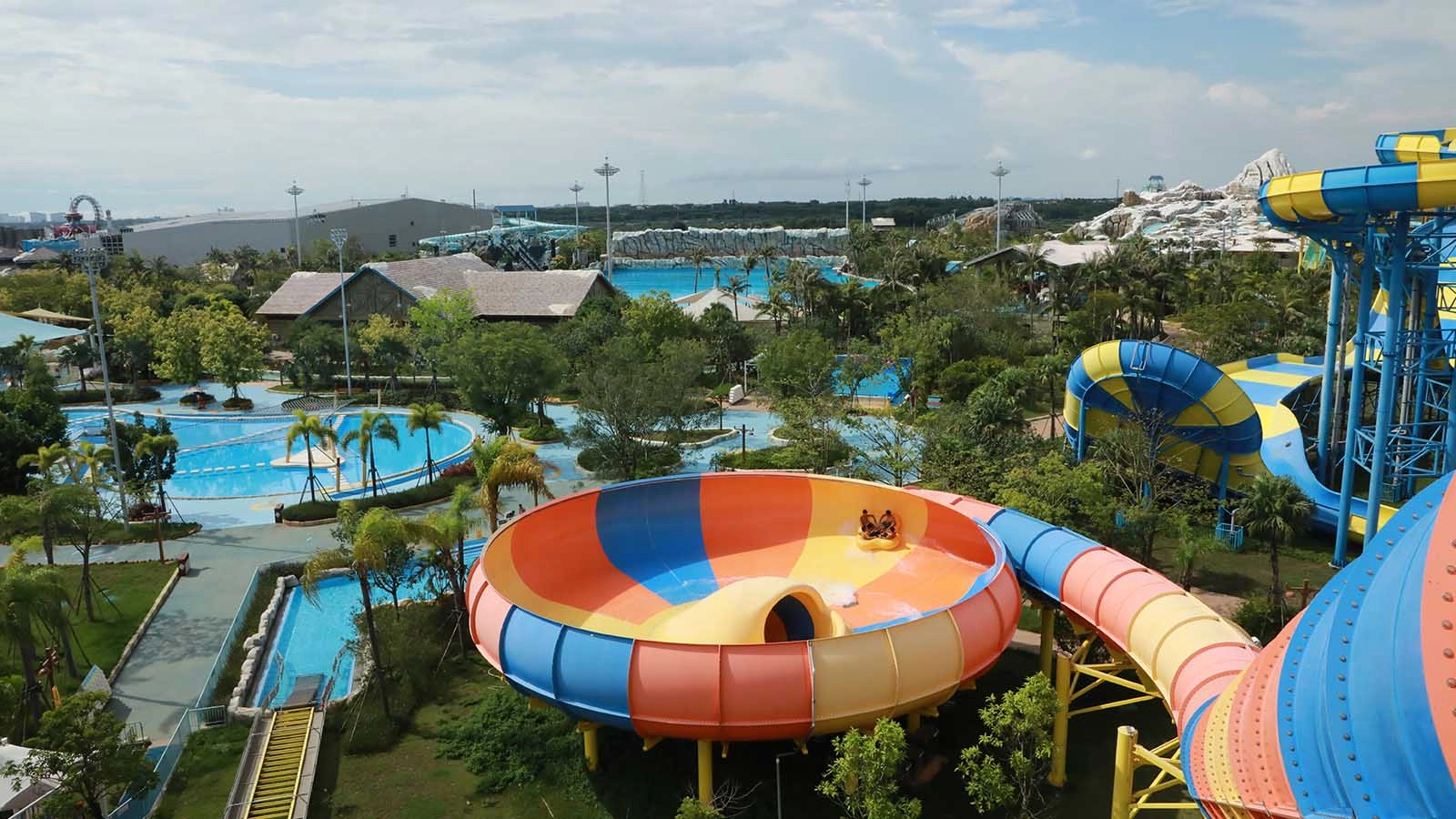
Water Project Industry Trends: Emerging Opportunities in the Water Attraction Market
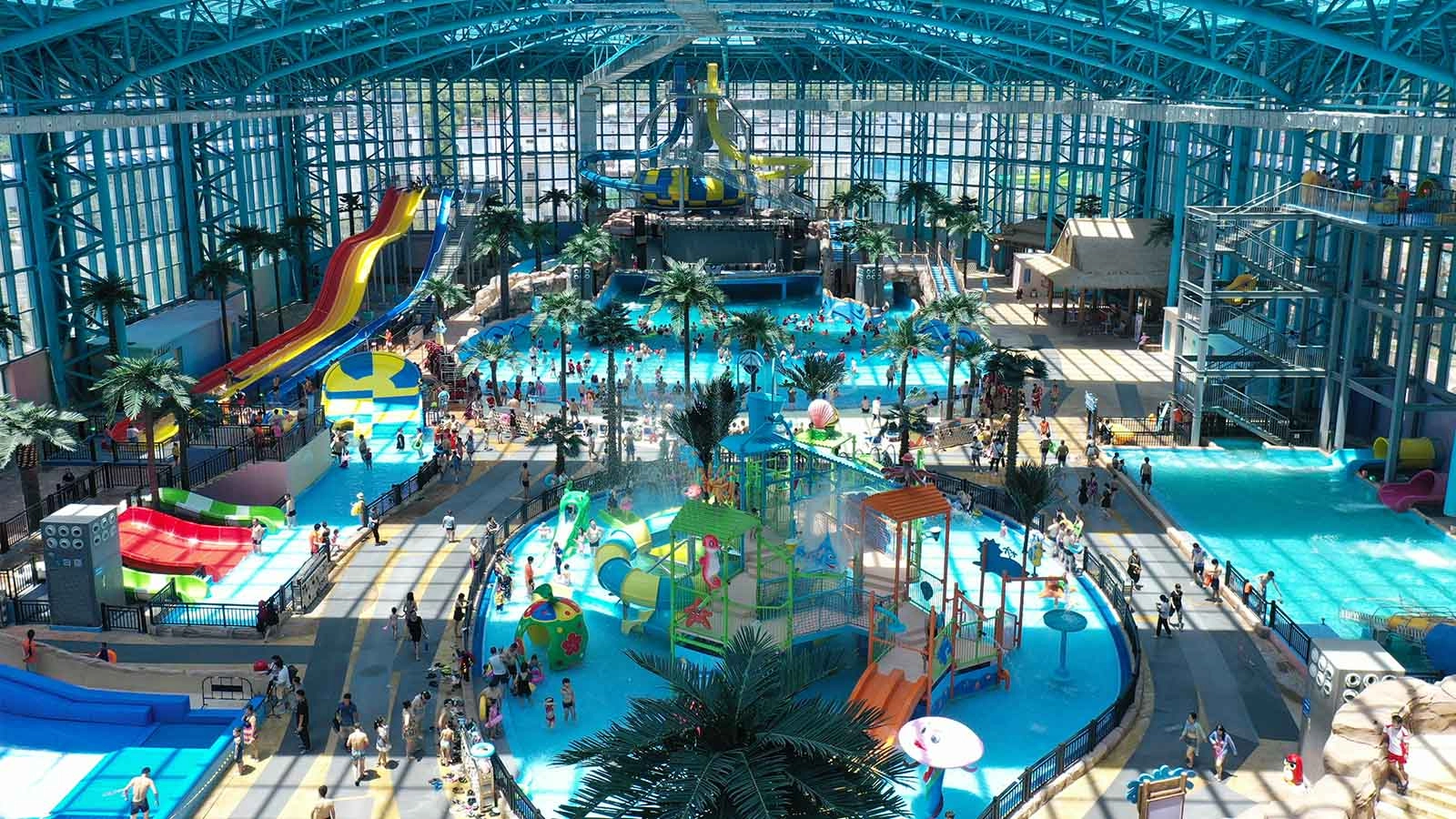
Custom Water Project Solutions for Different Venues: Water Parks, Resorts, Theme Parks and More
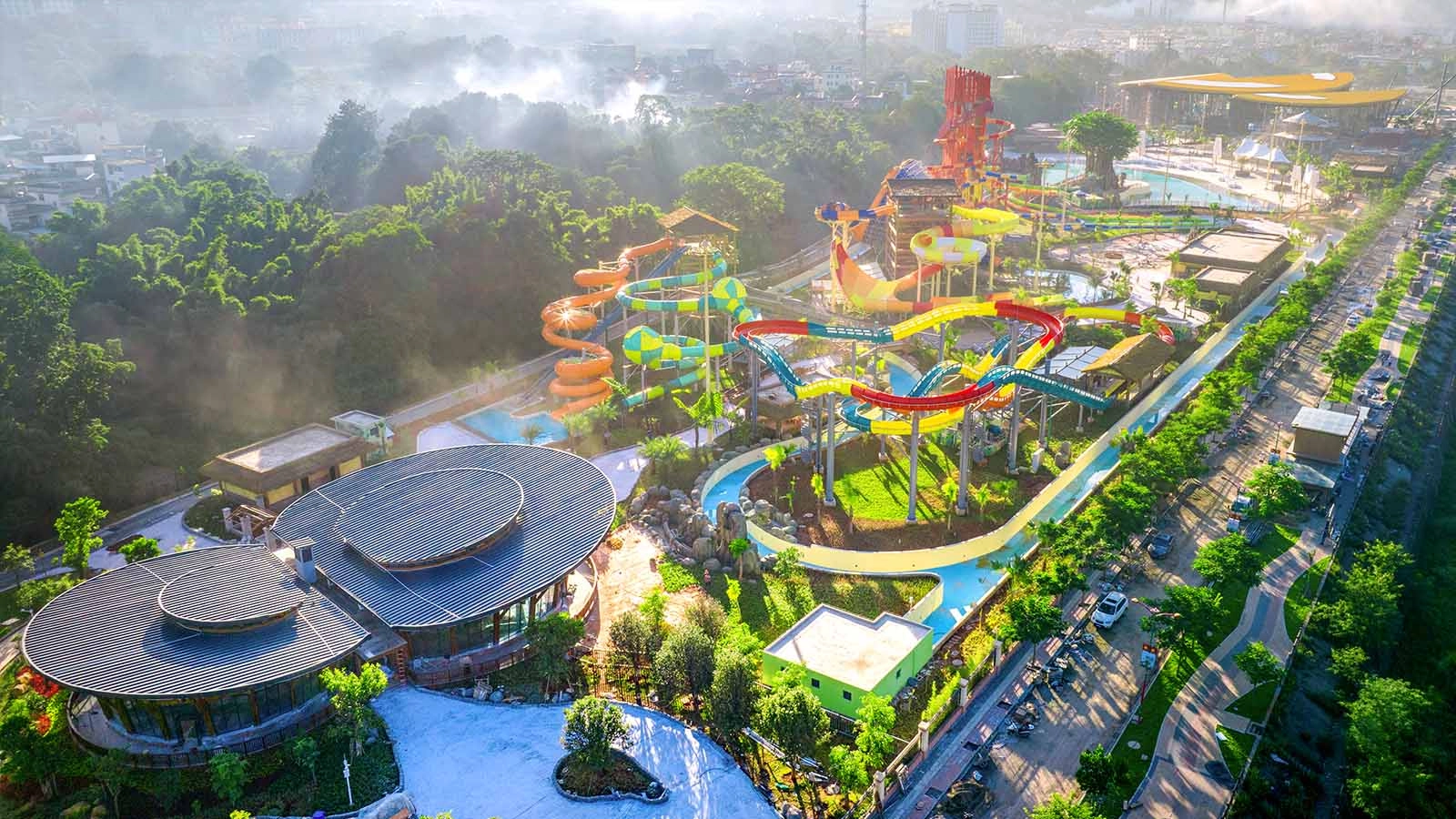
How to Configure Water Attractions for Water Projects in Different Venues
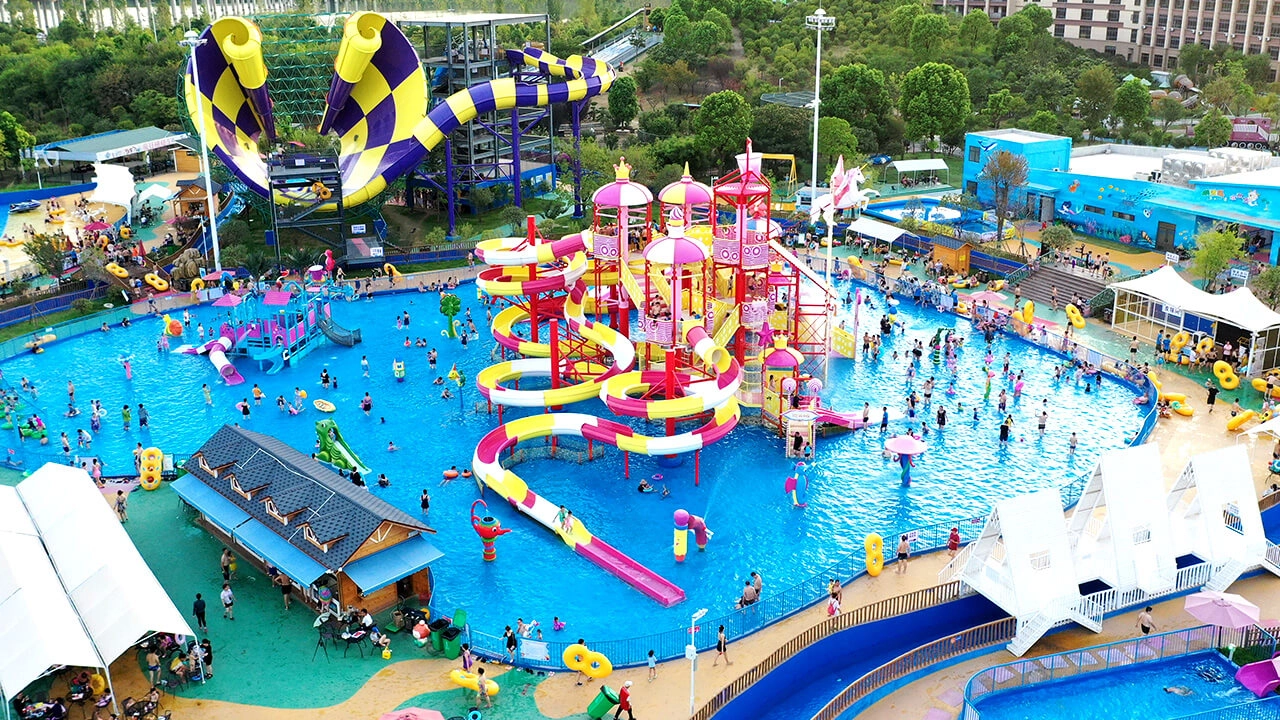
Why Choose WM INTERNATIONAL as Water Project Partner? Services, Capabilities and Project Support
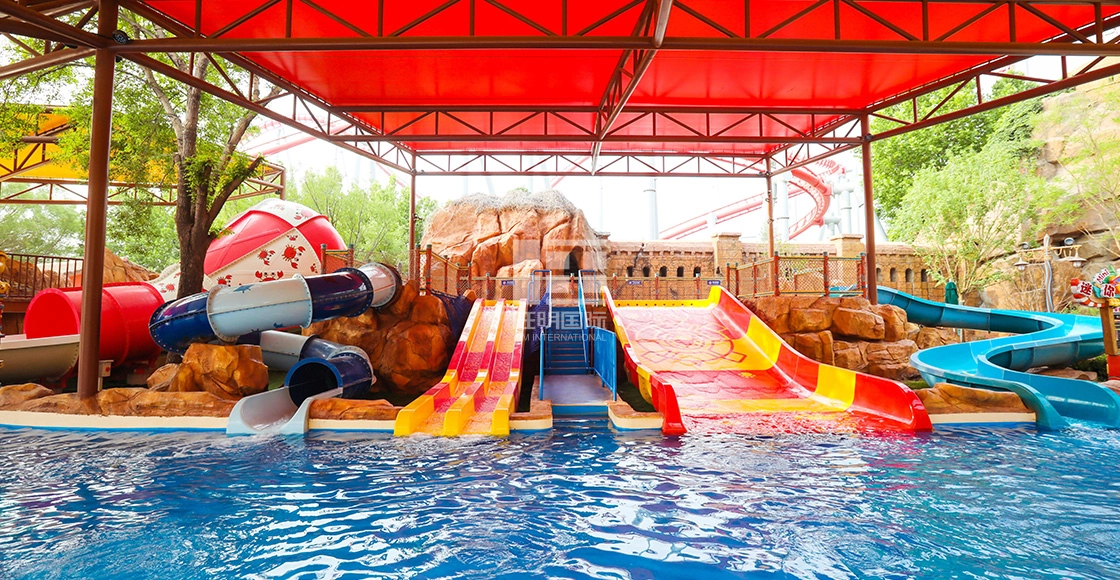
Children Combined Water Slide
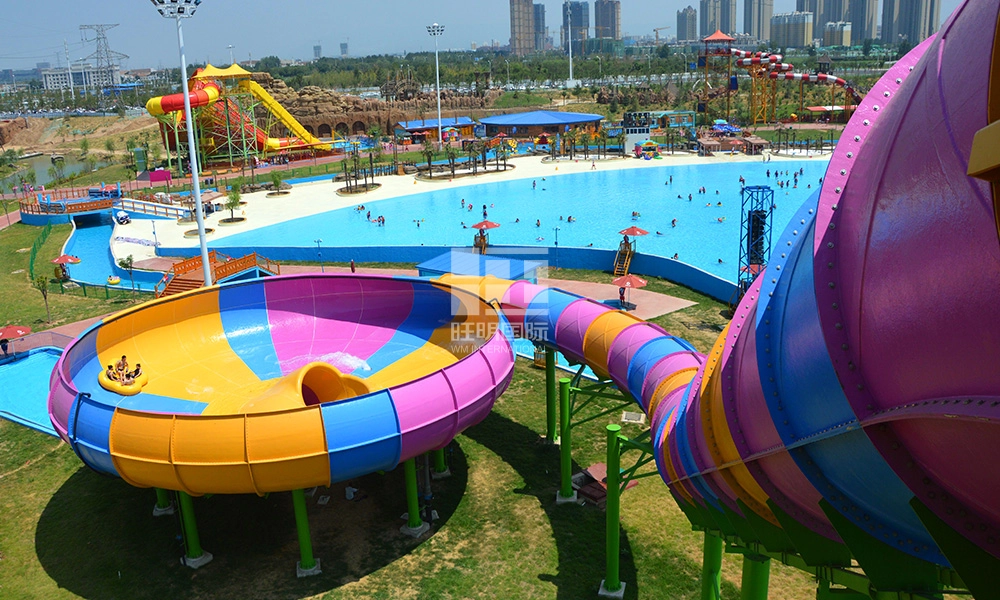
Huge Bowl Water Slide
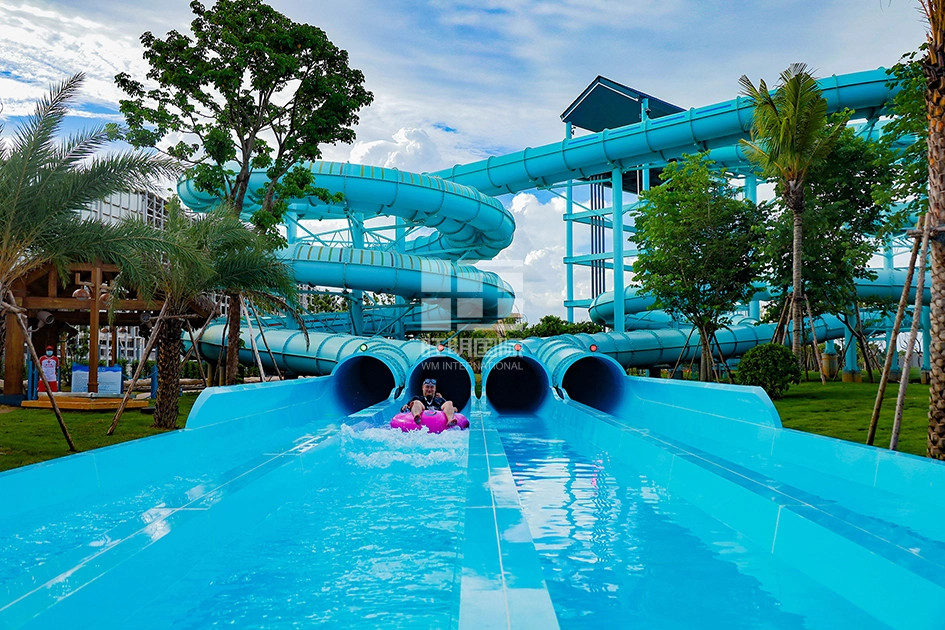
Time Tunnel Water Slide
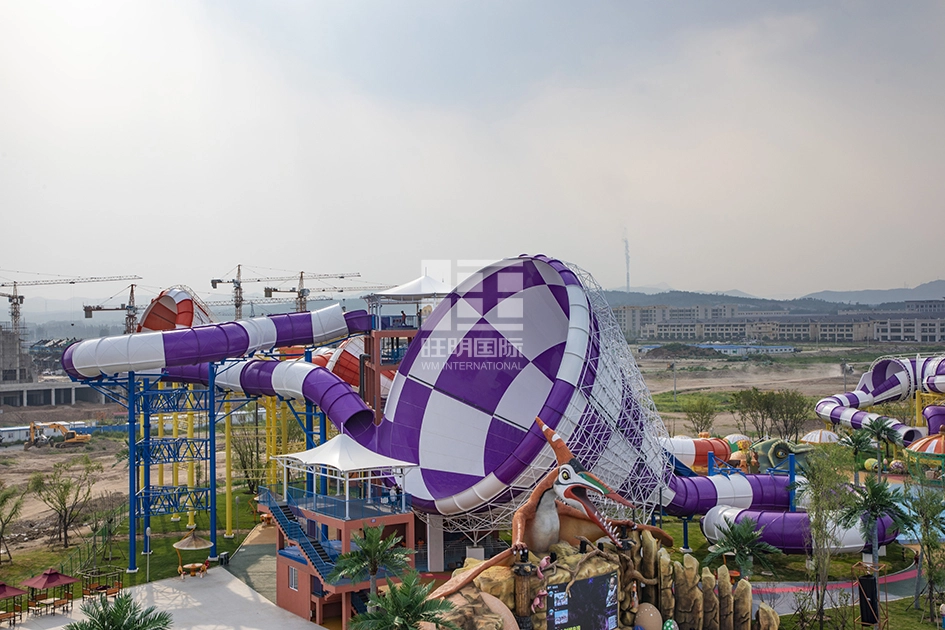
Big Tourbillion Water Slide
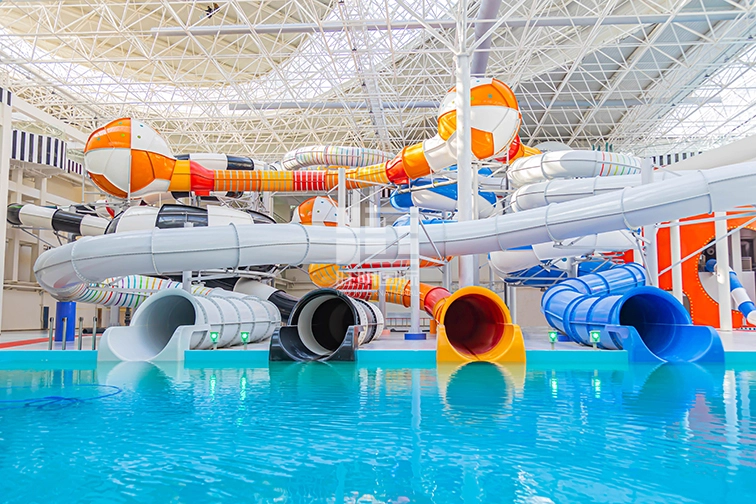
Turnover Slide
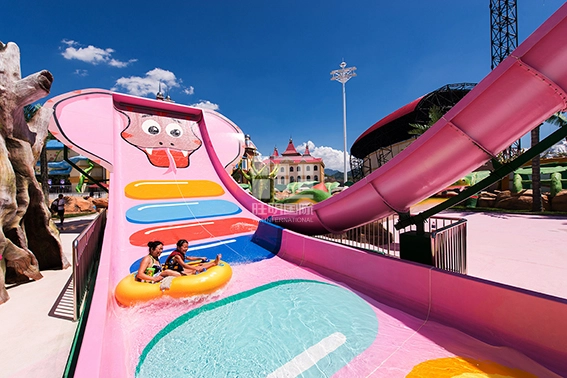
Small King Cobra Water Slide
Get in touch
Have to get customized water park solutions and product quotes.
We will provide you with professional consultation and support.

Relying on leading technology, innovative products and rich industry experience, we tailor personalized solutions for each water park project to ensure a safe and exciting entertainment experience for tourists.
 Scan QR Code
wmwaterslide
wmwaterpark