

Cost-Effective Water Park Equipment Solutions: Complete Equipment for Medium and Large Water Parks
- What Should a Complete Water Park Equipment Solution Include?
- Water Slides
- Family Water Slides
- Water Houses and Water Play Attractions
- Wave Making Equipment and Leisure Attractions
- Surfing Simulators
- How to Configure Equipment for Medium and Large Water Parks
- Medium Water Parks
- Large Water Parks
- How to Control Water Park Equipment Costs
- 1. Plan the Equipment Mix Before Purchasing
- 2. Balance Attraction Variety and Capacity
- 3. Choose the Right Level of Customization
- 4. Consider Manufacturing and Installation Together
- 5. Plan for Long-Term Maintenance
- Why Manufacturing Capability Matters for Large Water Park Projects
- How to Evaluate a Water Park Equipment Supplier
- Medium vs. Large Water Park Equipment Configuration
- Common Mistakes When Purchasing Water Park Equipment
- FAQ
- Conclusion
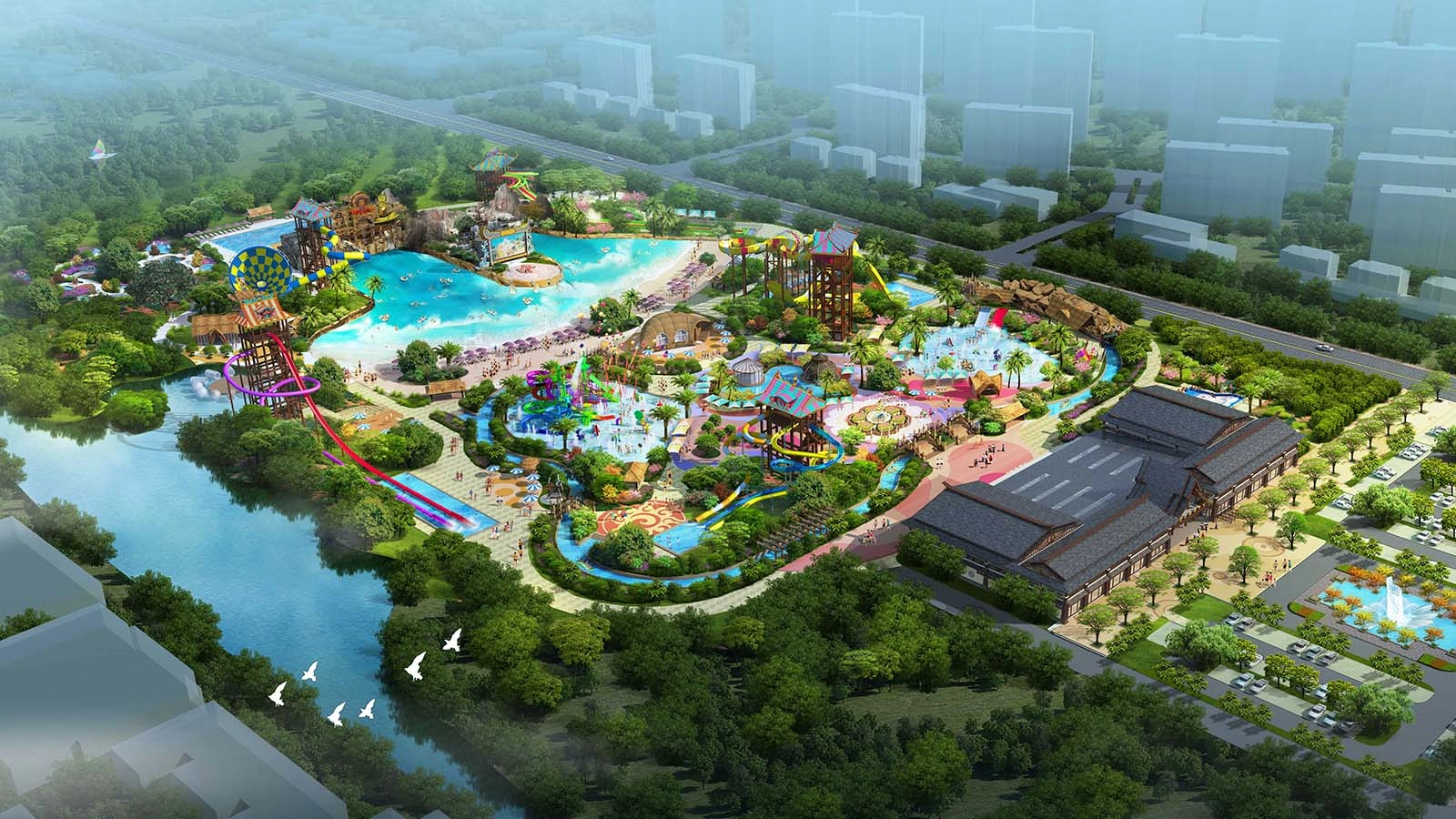
A cost-effective water park does not necessarily require the lowest-priced equipment. For medium and large water parks, the better approach is to match the equipment portfolio with the site's available space, target visitors, expected capacity, project positioning, and long-term operating requirements.
A complete Water Park Equipment Solution should therefore consider more than individual attractions. It should connect park planning, attraction selection, equipment manufacturing, installation, operation, and maintenance into one coordinated project.
This approach is particularly important for commercial water park developments, resorts, amusement destinations, and large-scale tourism projects, where poor equipment planning can lead to unused space, unbalanced visitor flow, unnecessary customization, or higher maintenance costs.
What Should a Complete Water Park Equipment Solution Include?
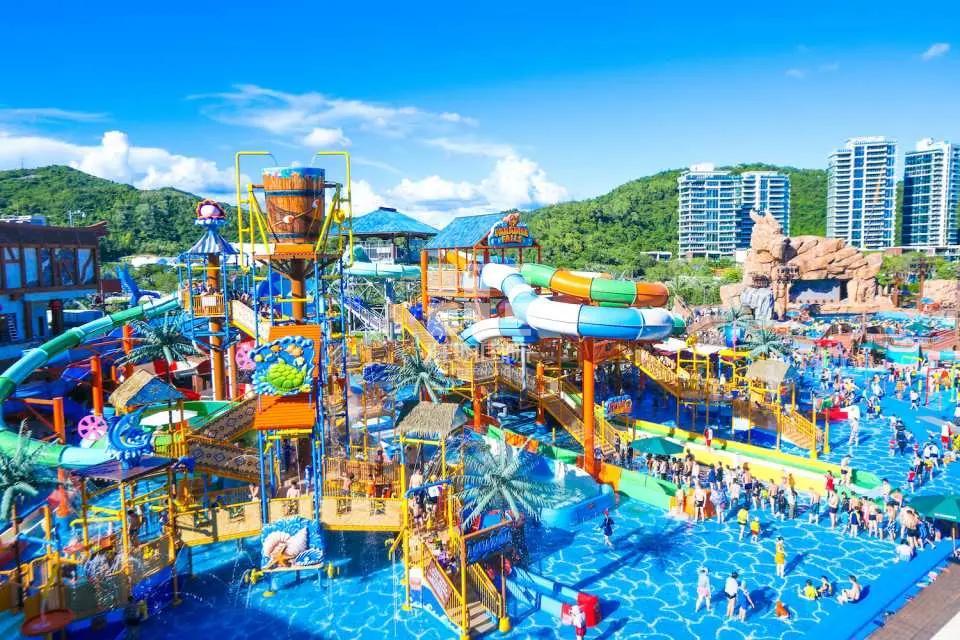
The right equipment combination depends on the project concept. WM International's current product portfolio covers several major categories, including water slides, family water slides, water houses, surfing simulators, wave-making equipment, rafting equipment, and water play attractions.
Core Equipment Categories:
- • Water Slides
- • Family Water Slides
- • Water Houses and Water Play Attractions
- • Wave Making Equipment
- • Rafting Equipment
- • Surfing Simulators
Water Slides
Water slides are often the primary attraction category in a commercial water park.
Depending on the site and target market, the equipment portfolio can include:
- • High-speed water slides
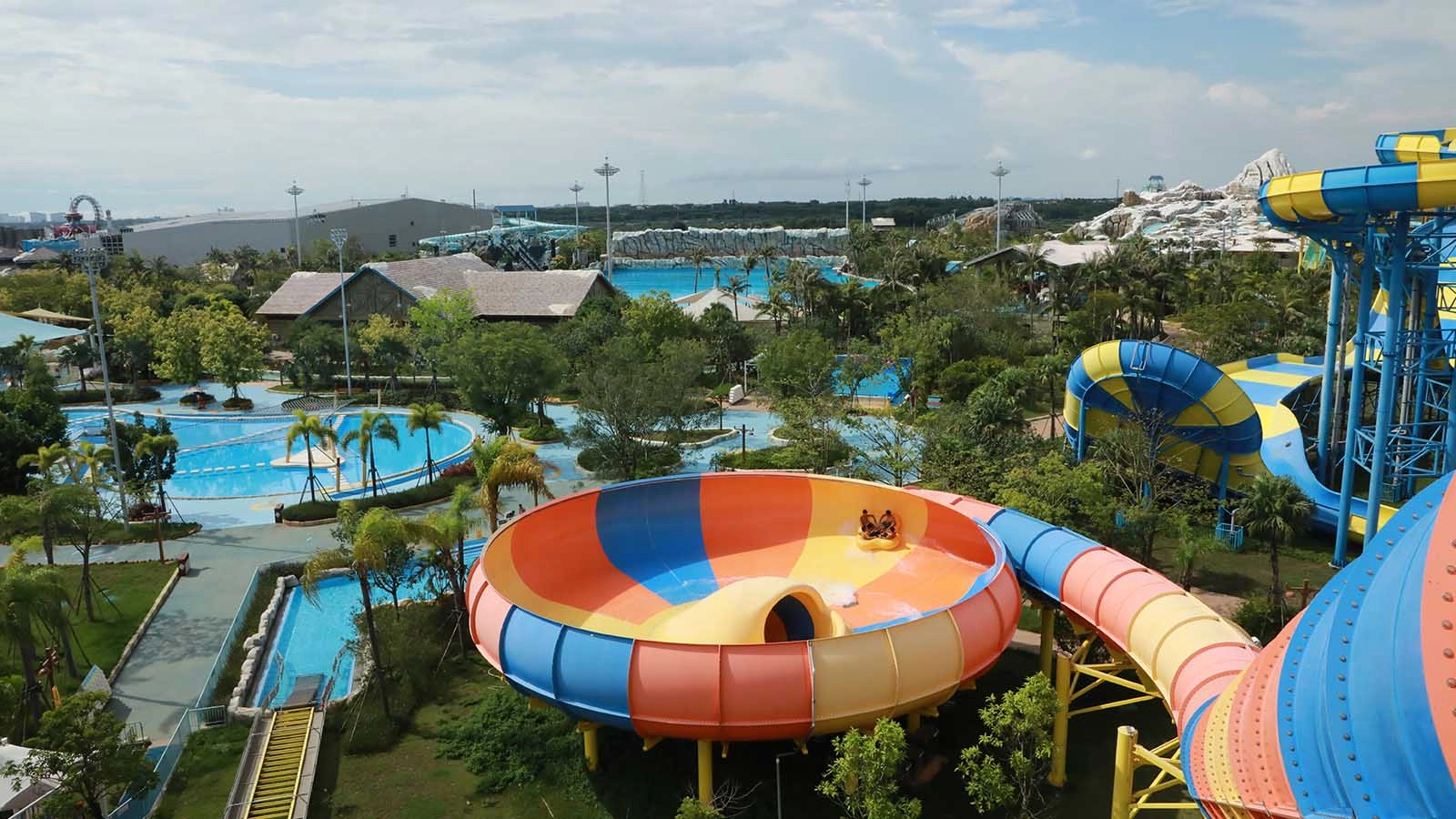
- • Spiral water slides
- • Family raft slides
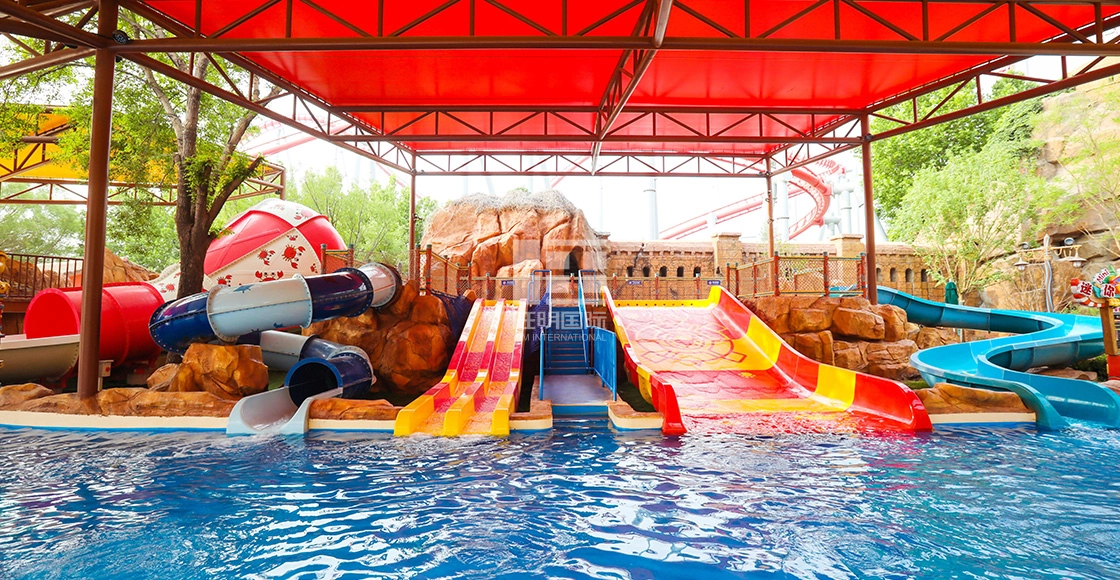
- • Multi-lane racing slides
- • Bowl and funnel slides
- • Large tourbillion slides
- • Body slides
- • Themed and customized slides
The objective should not be to install as many slides as possible. Instead, the attraction mix should provide different levels of excitement and accommodate different visitor groups.
Family Water Slides
Family attractions can help create a more balanced park experience.
Compared with individual high-thrill attractions, family-oriented slides can serve parents, children, and groups of visitors. This makes them useful components of parks targeting broader demographics.
For medium and large water parks, family attractions can also help distribute visitors across different zones rather than concentrating demand entirely on high-thrill slides.
Water Houses and Water Play Attractions
Water houses and interactive play attractions are particularly relevant to family and children's areas.
WM International offers more than ten styles of large, medium, and small water houses, together with more than 100 types of creative water play attractions.
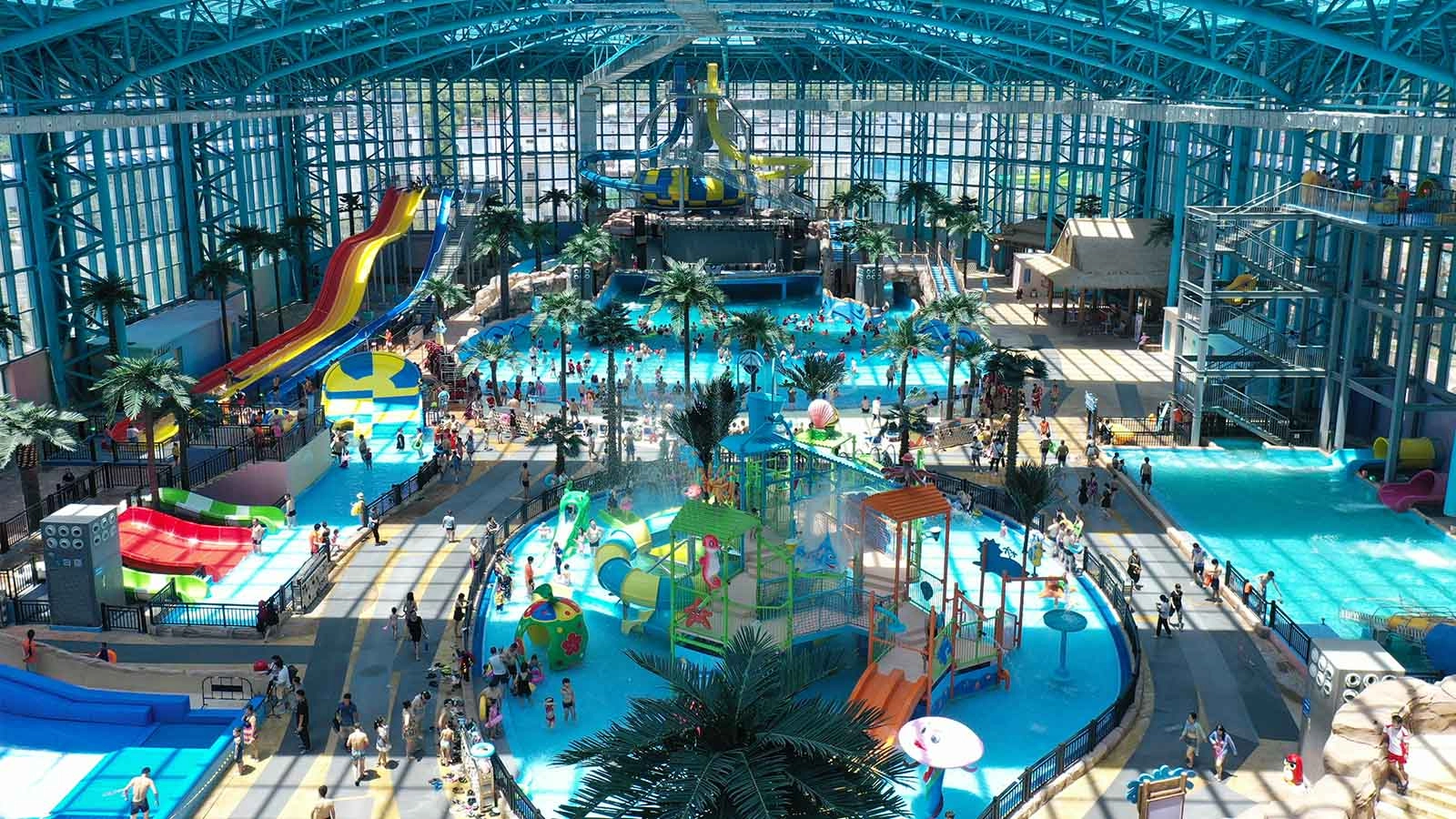
A Children's Zone Can Combine:
- • Multi-level water play structures
- • Children's slides
- • Interactive spray attractions
- • Water play equipment
- • Themed elements
- • Supporting shallow-water play areas
The appropriate scale should depend on the expected family visitor profile and the available site area.
Wave Making Equipment and Leisure Attractions
Large projects may also require attractions that support longer visitor dwell time rather than only short-duration rides.
Wave pools, lazy rivers, rafting attractions, and other water-based experiences can complement major slides and provide different activity types within the same park.
WM's product range includes wave-making equipment and rafting equipment, alongside its slide and water-play products.
Surfing Simulators
For projects targeting younger visitors, adventure-oriented customers, resorts, or destinations seeking distinctive attractions, a surfing simulator can provide an alternative experience beyond conventional slides.
The inclusion of specialized attractions should be based on the project's positioning rather than simply following the equipment mix of another park.
How to Configure Equipment for Medium and Large Water Parks
There is no universal equipment package that works for every project.
A practical configuration should begin with four questions:
- • How large is the available site?
- • Who are the target visitors?
- • What level of visitor capacity is expected?
- • What type of experience should distinguish the park?
WM's planning and design service specifically considers site survey, personalized design, safety, sustainability, and visitor flow when developing water park solutions.
Medium Water Parks
For a medium-sized water park, equipment selection should focus on variety and efficient use of space.
A practical attraction portfolio may combine:
- • Several signature water slides
- • Family water slides
- • A children's water play area
- • Water houses
- • A leisure or activity pool
- • Selected interactive attractions
- • One or more distinctive attractions
The goal is to avoid spending too much of the project budget on a small number of large attractions while leaving insufficient resources for family and children's facilities.
For these projects, modular and appropriately scaled equipment can also help control construction complexity and site requirements.
Large Water Parks
Large water parks require a more comprehensive equipment strategy.
A larger project may combine:
- • Multiple high-thrill water slides
- • Large family attractions
- • Racing slides
- • Large water houses
- • Children's water play zones
- • Wave pools
- • Rafting attractions
- • Surfing simulators
- • Multiple leisure and activity areas
- • Customized themed attractions
At this scale, equipment selection becomes closely connected with overall park planning.
WM International states that its planning service covers project programming, planning, landscape, architecture, structure, engineering, water supply and drainage, electrical, mechanical, and other specialized areas. This type of multidisciplinary coordination can be particularly valuable when multiple attraction zones need to work together.
How to Control Water Park Equipment Costs
Cost control should start before equipment production.
1. Plan the Equipment Mix Before Purchasing
Purchasing individual attractions first and trying to fit them into the park afterward can create unnecessary engineering and construction adjustments.
Site analysis → Concept planning → Equipment configuration → Layout coordination → Technical design → Manufacturing → Installation
This allows the attraction portfolio to be evaluated against the actual site instead of selecting products independently.
WM describes its project process as covering project initiation, design, construction, operations, and maintenance.
2. Balance Attraction Variety and Capacity
A park does not necessarily become more competitive by adding more equipment.
Instead, consider:
- • Attraction capacity
- • Expected waiting time
- • Visitor age groups
- • Ride intensity
- • Space requirements
- • Visitor circulation
- • Operating hours
- • Seasonal demand
For example, a project with several high-thrill slides but limited family attractions may have an unbalanced visitor experience.
A better equipment portfolio provides different attraction types while distributing visitors throughout the site.
3. Choose the Right Level of Customization
Customization can create a distinctive park, but excessive customization may increase engineering and production complexity.
Customization is generally more valuable when applied to:
- • Park themes
- • Slide appearance
- • Colors
- • Attraction combinations
- • Water play structures
- • Platform configurations
- • Site-specific dimensions
Standardized elements can be retained where customization does not add meaningful value. This approach can help balance design differentiation and project cost.
4. Consider Manufacturing and Installation Together
Equipment cost is only one part of the project budget.
The total cost can also be influenced by:
- • Structural requirements
- • Transportation
- • Packaging
- • Installation
- • On-site adjustments
- • Commissioning
- • Spare parts
- • Maintenance
For large projects, supplier manufacturing capability becomes especially important.
WM International Production Base
100,000 m² production base integrating production, R&D, testing, warehousing, and other facilities, with five-axis machining centers and L-RTM technology used in water park equipment production.
5. Plan for Long-Term Maintenance
The lowest initial purchase price does not necessarily produce the lowest lifecycle cost.
Before selecting equipment, project teams should consider:
- • Material durability
- • Manufacturing quality
- • Ease of inspection
- • Replacement components
- • Maintenance requirements
- • Supplier technical support
- • Availability of spare parts
For commercial parks, equipment reliability becomes increasingly important as operating hours and visitor volume increase.
WM provides maintenance and repair services as part of its broader water park project service structure.
Why Manufacturing Capability Matters for Large Water Park Projects
For a small attraction purchase, product price may be one of the main purchasing factors.
For a medium or large water park project, the supplier's manufacturing and engineering capability becomes much more important.
A Capable Manufacturer Should Coordinate:
- • Product design
- • Structural requirements
- • Material selection
- • Production
- • Quality control
- • Testing
- • Packaging
- • Transportation
- • Installation guidance
- • Maintenance support
WM International combines water park planning and design with equipment manufacturing, construction, installation guidance, and maintenance services
This integrated model can reduce the number of separate interfaces that project teams need to coordinate.
It is also relevant when a project requires customized attractions. WM states that its design team provides customized solutions based on site requirements and that its manufacturing base supports custom water park equipment production.
How to Evaluate a Water Park Equipment Supplier
Before making a purchasing decision, evaluate the supplier based on the following factors:
Manufacturing Capability
Review the production facility, manufacturing equipment, quality-control process, testing capabilities, and production capacity.
Engineering Capability
The supplier should be able to translate site conditions and project requirements into practical equipment and layout solutions.
Product Range
A broad product portfolio can simplify project coordination when several attraction categories are required.
Customization Capability
For projects with specific themes, site restrictions, or attraction concepts, confirm whether the manufacturer can provide customized designs rather than only standard products.
Project Experience
Experience with completed water park projects can provide useful evidence of the supplier's ability to manage real-world installation and operational requirements.
Installation and Maintenance Support
For medium and large projects, support after manufacturing should also be evaluated. The supplier's role may extend from technical documentation and installation guidance to maintenance and repair.
Medium vs. Large Water Park Equipment Configuration
| Factor | Medium Water Parks | Large Water Parks |
|---|---|---|
| Main objective | Balanced attraction portfolio | Comprehensive destination experience |
| Water slides | Several key attractions | Multiple slide systems |
| Family attractions | Important | Multiple family zones |
| Children's attractions | Dedicated play area | Large or multiple children's zones |
| Water houses | Small to medium scale | Multiple or large-scale structures |
| Wave attractions | Selected according to concept | Often part of broader attraction planning |
| Special attractions | Selective | More opportunities for differentiated attractions |
| Customization | Moderate | More extensive |
| Planning complexity | Medium | High |
| Engineering coordination | Project-specific | Multidisciplinary |
| Maintenance planning | Important | Critical |
The actual configuration should be determined by the site's dimensions, visitor profile, project positioning, investment plan, local requirements, and operating strategy.
Common Mistakes When Purchasing Water Park Equipment
Several purchasing mistakes can increase the total project cost:
- • Choosing equipment based only on the initial price
- • Selecting attractions before completing site planning
- • Over-customizing the project
- • Ignoring installation and maintenance requirements
- • Evaluating products without evaluating the supplier
A project-based procurement approach can help identify these issues before equipment production begins.
FAQ
What equipment is needed for a medium or large water park?
A complete project may combine water slides, family water slides, water houses, children's water play attractions, wave-making equipment, rafting attractions, surfing simulators, and other supporting facilities. The exact equipment mix depends on the park concept and site conditions.
How can water park equipment costs be controlled?
Start with site and visitor analysis, establish the attraction mix before purchasing, avoid unnecessary customization, compare suppliers based on manufacturing and engineering capability, and consider installation and maintenance costs alongside the initial equipment price.
Is it better to purchase equipment from one supplier?
For larger projects, an integrated supplier can simplify coordination between attraction design, manufacturing, installation, and maintenance. However, the appropriate procurement model depends on the project's scope and the capabilities of each supplier.
What information is needed for a water park equipment quotation?
Useful information includes site dimensions, project location, target visitor groups, expected capacity, preferred attraction types, design concept, available space, project schedule, and customization requirements.
The more complete the project information, the easier it is for the supplier to develop a practical equipment configuration and quotation.
Conclusion
A cost-effective approach to Water Park Equipment Solutions is not about purchasing the cheapest individual attraction. For Medium and Large Water Parks, the better strategy is to coordinate attraction selection with site planning, visitor flow, manufacturing, installation, customization, and long-term maintenance.
WM International's current service model covers water park project initiation, planning and design, equipment production, construction, operations, and maintenance. Its product portfolio includes water slides, family water slides, water houses, water play attractions, wave-making equipment, rafting equipment, and surfing simulators.
With a 100,000 m² production base and dedicated R&D, testing, production, and warehousing facilities, WM positions itself to support both individual attraction requirements and larger customized water park projects.
For a new water park, expansion project, or attraction upgrade, the practical next step is to provide the site information, project scale, target visitor profile, and preferred attraction types. This allows the equipment configuration to be evaluated against the actual project requirements and a more relevant water park solution and quotation to be developed.
Request a Project-Based Water Park Equipment Solution from WM International
Contact WM International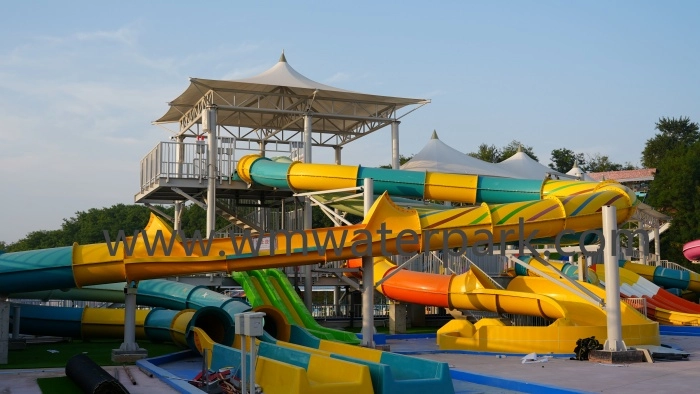
Market Size and Forecast Analysis of Segmented Products in the Water Park Equipment Slide Industry
From Water Park Equipment Innovation to Carnival Experience, Water Parks Define a New Summer Trend
Water Projects: The Complete Guide to Developing Water Projects for Different Venues with WM INTERNATIONAL
Water Project Industry Trends: Emerging Opportunities in the Water Attraction Market
Custom Water Project Solutions for Different Venues: Water Parks, Resorts, Theme Parks and More
Children Combined Water Slide
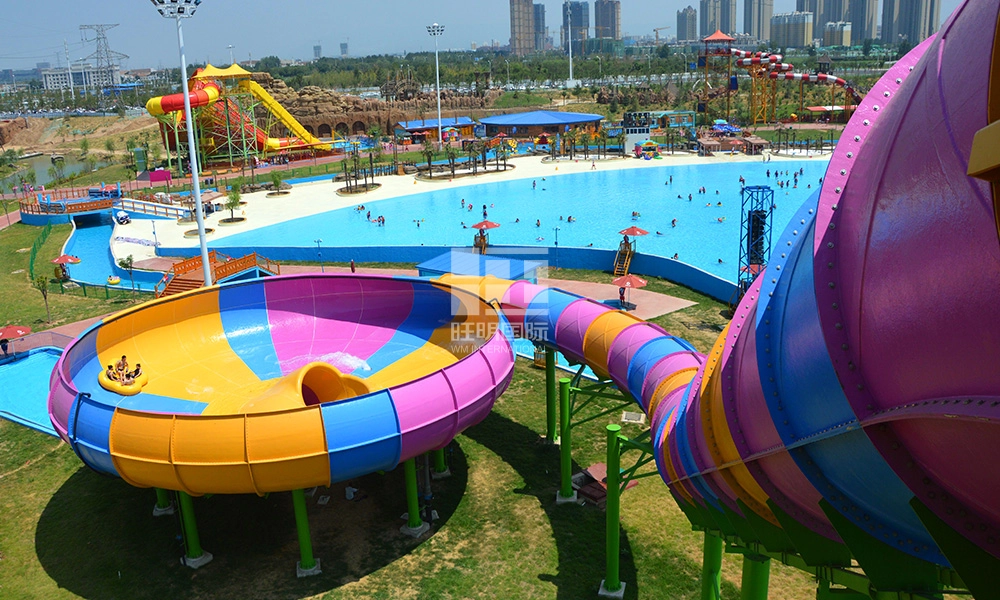
Huge Bowl Water Slide
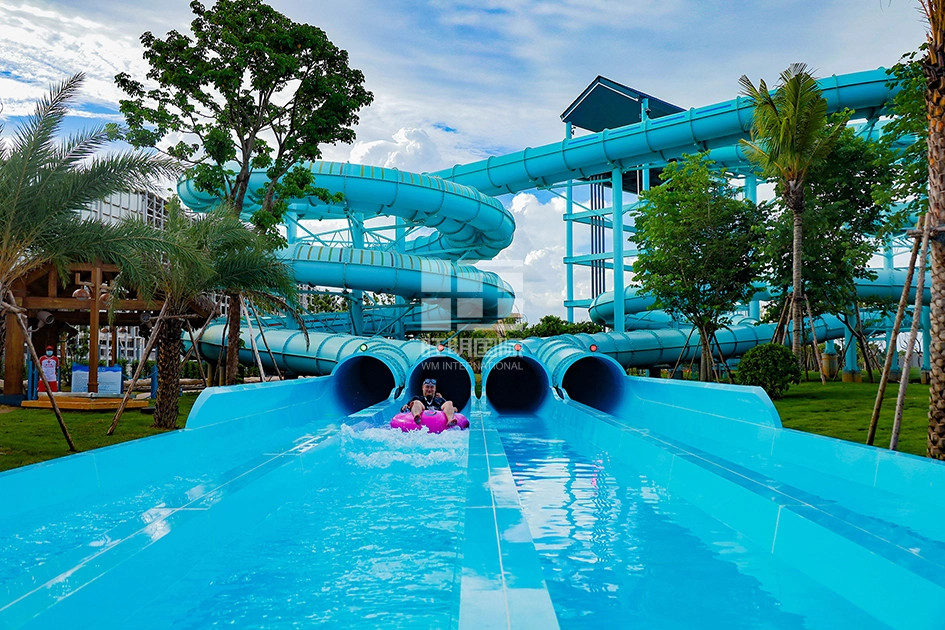
Time Tunnel Water Slide
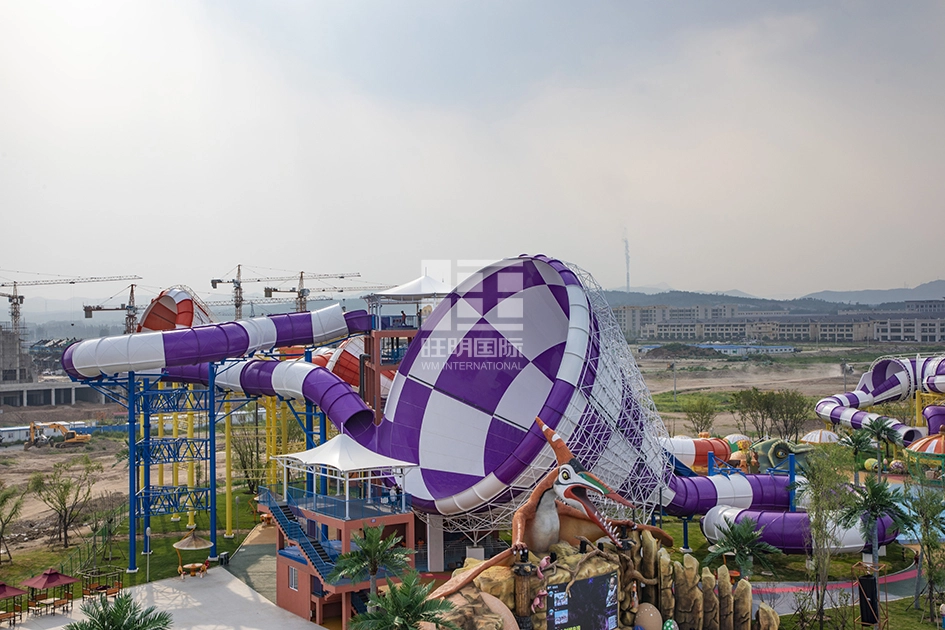
Big Tourbillion Water Slide
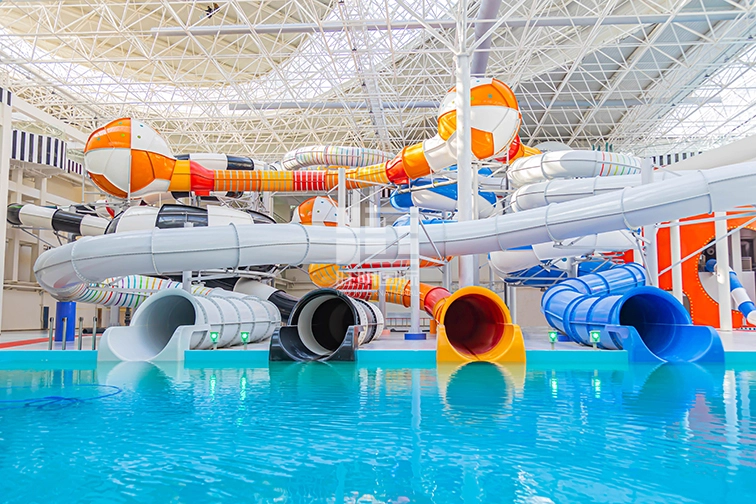
Turnover Slide
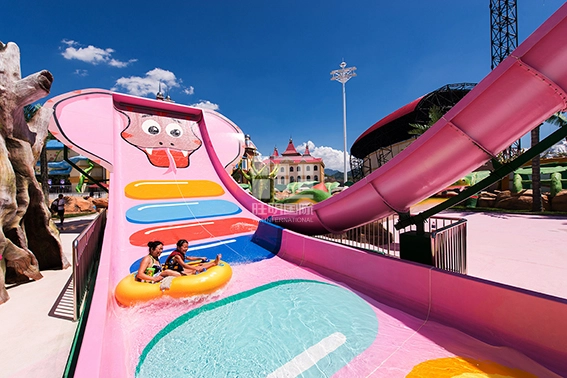
Small King Cobra Water Slide
Get in touch
Have to get customized water park solutions and product quotes.
We will provide you with professional consultation and support.

Relying on leading technology, innovative products and rich industry experience, we tailor personalized solutions for each water park project to ensure a safe and exciting entertainment experience for tourists.
 Scan QR Code
wmwaterslide
wmwaterpark