






The Science of Strength: Why FRP Is the Most Durable Material for Modern Water Parks
- What Makes FRP Water Slide Durability Superior?
- Key Takeaways: A Quick Summary of Fiberglass Longevity
- The Anatomy of FRP: Layers, Resins, and ASTM F2376 Standards
- Environmental Warfare: Combating UV, Chlorine, and Hydrothermal Aging
- Expert Tips and Common Mistakes in FRP Maintenance
- The WM International Advantage: Engineering Durability at Scale
- FRP vs. Stainless Steel: Analyzing the Total Cost of Ownership
- Future-Proofing for 2026: Eco-Friendly Resins and Innovations
- Conclusion
- FAQs About FRP water slide durability
- How long do FRP water slides typically last?
- What causes osmotic blistering on water slides?
- How often should fiberglass water slides be waxed?
- What is the difference between RTM and hand-layup FRP?
- Are FRP water slides resistant to chlorine and pool chemicals?
- How does winter weather affect FRP water slide durability?
- What are the ASTM F2376 standards for fiberglass slides?
- Can faded or cracked FRP water slides be restored?
When designing a modern aquatic attraction, operators are faced with a critical engineering question: how do you build a structure that survives millions of gallons of chlorinated water, relentless sun exposure, and heavy daily bather loads? The answer lies in the chemistry of composite materials. FRP water slide durability is the absolute foundation of a profitable, safe, and long-lasting water park. By understanding the intricate science of resins, gel coats, and structural matrices, park owners can exponentially increase the lifespan of their investments while ensuring world-class safety for their guests.
What Makes FRP Water Slide Durability Superior?
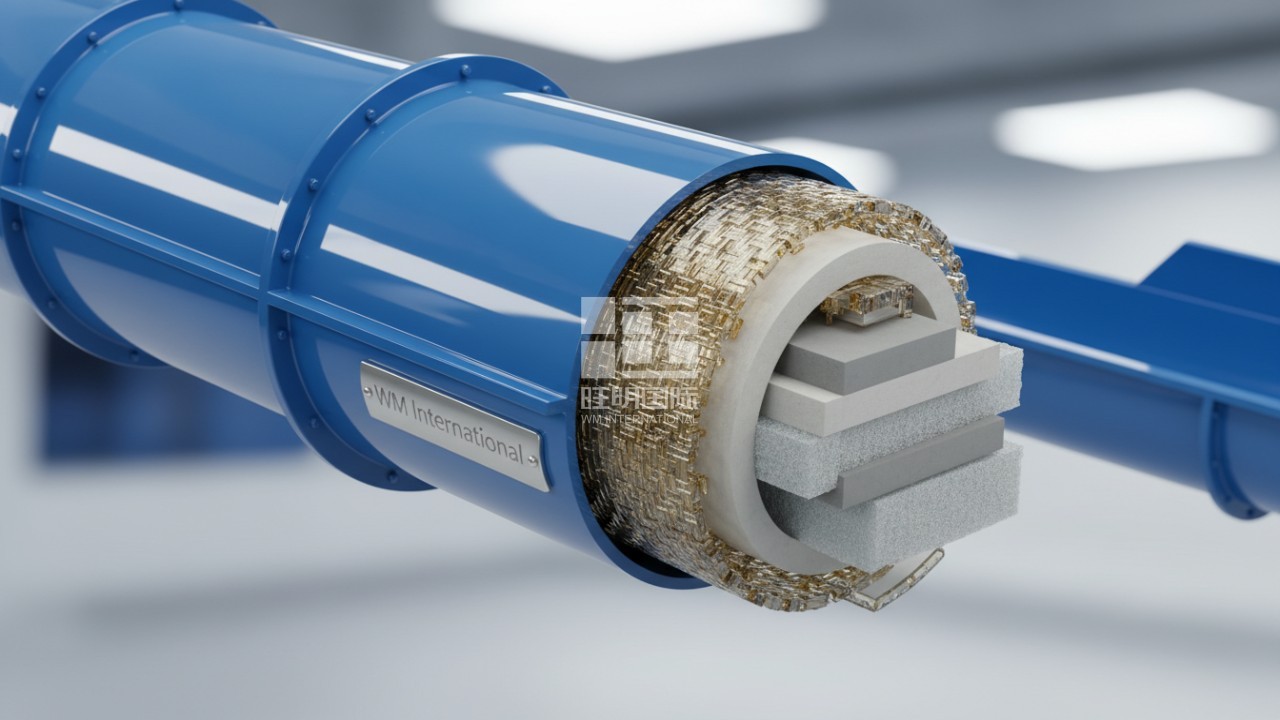
FRP (Fiberglass Reinforced Plastic) water slide durability relies on a composite structure combining high-tensile glass fibers with resilient polymer resins. This synergy creates a material with an exceptional strength-to-weight ratio, allowing it to withstand heavy bather loads, constant water flow, and thermal expansion.
A premium outer gel coat provides the final barrier, sealing the structural matrix against chemical intrusion and UV degradation. But to truly grasp What Are Water Slides Made Of, one must look at the specific manufacturing variables that dictate performance. The inherent superiority of fiberglass over traditional building materials stems from its anisotropic nature—meaning it can be engineered to bear loads in specific directions based on how the glass fibers are woven and layered.
Key Takeaways: A Quick Summary of Fiberglass Longevity
Understanding the core tenets of fiberglass longevity ensures park operators can maximize their return on investment. From chemical resistance to strict manufacturing protocols, these key factors determine how long an aquatic attraction will safely operate.
- Lifespan Expectancy: Commercial-grade FRP water slides typically last 20 to 30 years with proper, proactive maintenance.
- Chemical Resistance: High-quality resins protect the structural integrity from constant exposure to chlorinated water and bodily oils.
- Maintenance is Crucial: Regular waxing and polishing exponentially increase the life of the protective gel coat, reducing surface friction.
- Manufacturing Dictates Quality: The laminate schedule and glass-to-resin ratio are the foundation of long-term asset preservation.
The Anatomy of FRP: Layers, Resins, and ASTM F2376 Standards
The anatomy of a commercial water slide relies on a precise laminate schedule, specialized resins, and a protective outer barrier. Adhering to strict ASTM F2376 water slide standards ensures that this composite matrix delivers uncompromising safety and structural integrity.
Building a world-class slide requires a deep understanding of structural engineering and composite chemistry:
- Understanding the Laminate Schedule: The strength of a slide is built layer by layer. Altering layers of chopped strand mat (which provides omnidirectional strength) and woven roving (which provides high tensile strength) builds the necessary structural integrity to handle dynamic, shifting loads as riders bank around corners.
- Isophthalic vs. Orthophthalic Resins: Selecting the right chemical base matters immensely for aquatic environments. Isophthalic resins offer superior water and chemical resistance compared to standard orthophthalic blends, making them the mandatory choice for modern aquatic manufacturing.
- The Critical Role of the Gel Coat: Formulating the correct thickness is a delicate balance. It must be thick enough to provide a chemical barrier but flexible enough to prevent spider cracking. Manufacturers often rely on Barcol hardness testing to ensure the gel coat has cured to the perfect density.
- Regulatory Compliance: Meeting and exceeding safety classifications is non-negotiable. For example, according to the strict guidelines set by ASTM International, water slide systems must undergo rigorous design and manufacturing audits to ensure public safety, dictating everything from load-bearing tolerances to surface friction coefficients.
Environmental Warfare: Combating UV, Chlorine, and Hydrothermal Aging
Environmental degradation is the primary threat to aquatic structures, requiring advanced chemical formulations to combat UV chalking, highly chlorinated water, and hydrothermal aging. A proactive defense strategy preserves both the aesthetic brilliance and structural core of the slide.
Over a 20-to-30-year fiberglass reinforced plastic lifespan, the elements wage a constant war on the material. Understanding these threats is the first step in mitigating them:
- The Science of Hydrothermal Aging: Constant submersion and temperature fluctuations stress fiberglass composites. As noted in materials science studies published by MDPI, hydrothermal aging can cause composite materials to plasticize and degrade, lowering their structural strength over time if the outer barrier is compromised.
- UV Chalking and Color Retention: Formulating UV inhibitors directly into the gel coat is essential for gel coat UV resistance. Without these inhibitors, the intense sun exposure found in outdoor parks leads to photo-oxidation, resulting in a faded, chalky surface that increases friction and ruins the park's aesthetic appeal.
- Chemical Attack Indicators: High concentrations of pool chemicals interact with surface barrier layers. Over time, poor water chemistry (such as low pH levels) can eat away at the protective finish, exposing the raw fiberglass beneath.
- Winterization Stress: Managing thermal expansion and ice damage is critical in cold-climate water parks. Freezing water expands by roughly 9%, which can cause catastrophic micro-fractures in the composite matrix if the slides are not properly drained and sealed before winter.
Expert Tips and Common Mistakes in FRP Maintenance
Proper maintenance is the deciding factor in achieving maximum longevity. Establishing routine waxing schedules and daily inspection protocols prevents minor surface wear from escalating into catastrophic structural failures.
- Expert Tip: Implement a strict waxing schedule to reduce friction. This not only improves the rider experience by ensuring a smooth, fast glide, but it physically protects the gel coat from abrasive wear caused by bathing suits and raft friction.
- Common Mistake: Ignoring early signs of osmotic blistering. Industry experts at West Marine emphasize that blisters form when water penetrates microscopic imperfections in the gel coat, reacting with uncured resin and degrading the structural fiberglass. Effective osmotic blistering prevention requires immediate sanding, drying, and resealing of affected areas before the blister bursts and exposes the core.
- Daily Inspection Protocols: Training maintenance staff to identify spider cracking, dull spots, and secondary bonding issues before they require major restoration saves tens of thousands of dollars in repair costs. Catching a hairline crack early prevents water ingress.
- Expert Tip: Ensure proper water drainage during the off-season. Residual water left in joints or splash pools can freeze, causing the fiberglass matrix to expand and fracture from the inside out.
The WM International Advantage: Engineering Durability at Scale

With 19 years of industry experience, WM INTERNATIONAL engineers world-class durability out of our 100,000 m² modern production base. We control every variable of the manufacturing process to guarantee unparalleled quality and long-term asset preservation.
Leveraging nearly two decades of expertise, we provide a full range of water park planning, design, and manufacturing services. Operating out of the largest production facility in the industry allows us to implement strict climate-controlled curing environments, ensuring that every single FRP component meets exacting chemical standards. Our proprietary manufacturing techniques eliminate air pockets and guarantee optimal glass-to-resin ratios for maximum strength. From the initial conceptual water park design to final installation and ongoing maintenance, our comprehensive service ensures your world-class attractions are built to last.
FRP vs. Stainless Steel: Analyzing the Total Cost of Ownership
When evaluating the total cost of ownership, operators must weigh the initial investment against long-term maintenance requirements. Understanding Why Steel vs. Fiberglass Water Slides Matter for Your Park's Future is critical for maximizing ROI in highly corrosive aquatic environments.
| Feature | FRP (Fiberglass Reinforced Plastic) | Stainless Steel |
|---|---|---|
| Initial Investment | Highly cost-effective manufacturing and installation. | Expensive raw materials and high custom welding costs. |
| Corrosion Resistance | Impervious to rust; highly resistant to chlorine and salt. | Susceptible to corrosion if water chemistry is unbalanced. |
| Aesthetic Flexibility | Unlimited vibrant colors, translucent options, and complex geometries. | Limited to metallic finishes or expensive, chip-prone coatings. |
| Long-Term ROI | 20-30 year lifespan with low-cost surface maintenance (waxing/polishing). | High 30+ year lifespan, but requires expensive specialized weld repairs. |
Future-Proofing for 2026: Eco-Friendly Resins and Innovations
The water park industry in 2026 is rapidly shifting toward sustainable, bio-based resins and advanced Resin Transfer Molding (RTM) techniques. These innovations create stronger, lighter, and more eco-conscious composite structures that meet modern environmental standards.
As we look toward the future, the science of strength continues to evolve to meet the demands of a changing world:
- Addressing Industry Gaps: The shift toward sustainable, bio-based resins (derived from epoxidized plant oils and renewable organics) in water slide manufacturing is defining the 2026 landscape. This significantly lowers the carbon footprint of mega-parks without sacrificing tensile strength.
- Advancements in RTM: Resin Transfer Molding and closed-mold vacuum infusion are replacing traditional hand-layup methods. This creates stronger, lighter, and smoother components on both the interior riding surface and the exterior of the flume.
- Recyclability Challenges: The industry is actively developing circular-economy solutions for the end-of-life disposal of older FRP structures, repurposing ground fiberglass into secondary construction materials like concrete additives.
- Smart Slides: The integration of micro-sensors within the FRP matrix allows operators to monitor structural stress, water flow, and material fatigue in real-time, predicting maintenance needs before a physical inspection is even required.
Conclusion
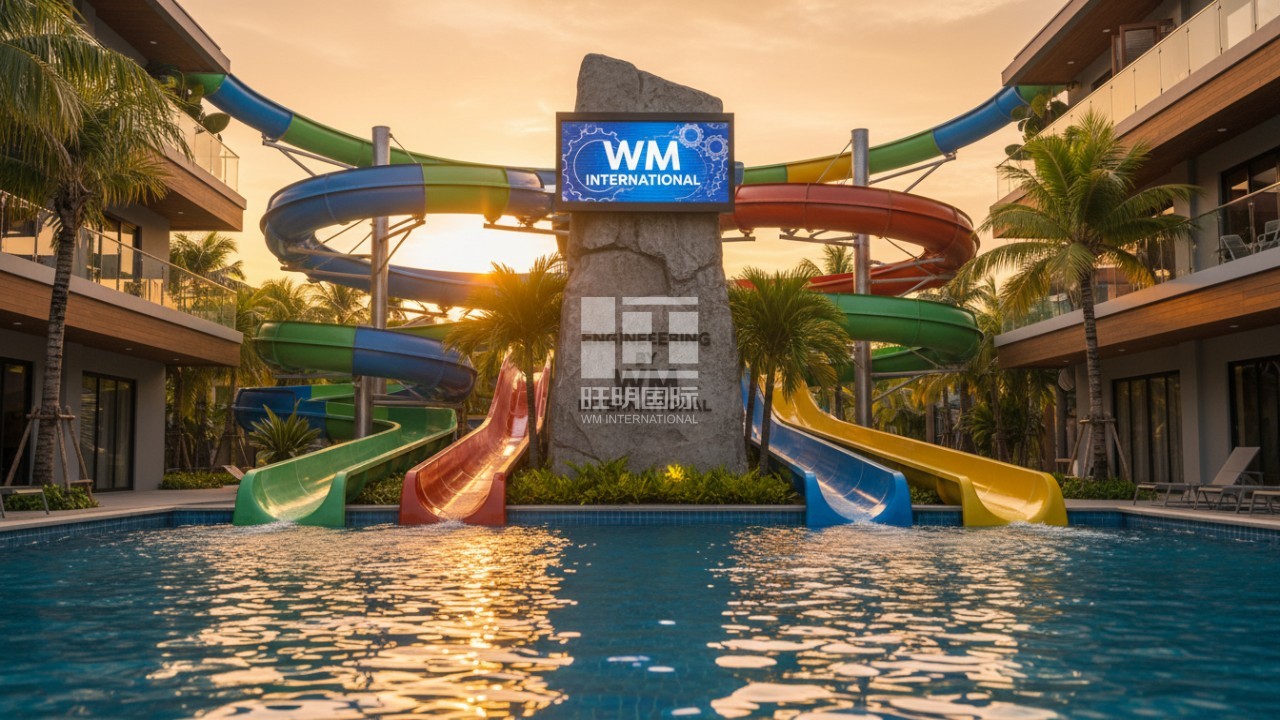
FRP remains the undisputed gold standard for water parks due to its unparalleled combination of structural strength, chemical resistance, and design flexibility. By understanding the science of gel coats, resins, and proactive maintenance, park operators can maximize the 20-30 year lifespan of their attractions. Partnering with a veteran manufacturer ensures that your slides are engineered to withstand both environmental elements and heavy bather loads, protecting your investment for decades to come.
Contact us today at trading@wmwaterslide.com to optimize your FRP water slide durability strategy.
FAQs About FRP water slide durability
How long do FRP water slides typically last?
With proper manufacturing and regular maintenance, commercial FRP water slides typically last between 20 to 30 years. Factors such as climate, UV exposure, bather load, and chemical balance can significantly impact this lifespan.
What causes osmotic blistering on water slides?
Osmotic blistering occurs when water penetrates microscopic imperfections in the gel coat and reacts with the underlying resin. This chemical reaction creates pressure that pushes outward, forming a blister on the surface of the slide.
How often should fiberglass water slides be waxed?
Depending on the park's location and usage, slides should typically be waxed at least twice a year. High-traffic areas or parks in areas with intense UV radiation may require quarterly waxing to protect the gel coat.
What is the difference between RTM and hand-layup FRP?
Hand-layup is a traditional process where fiberglass and resin are manually applied to an open mold, requiring high skill to ensure consistency. RTM (Resin Transfer Molding) is a closed-mold process that injects resin under pressure, creating a highly consistent, smooth finish on both sides.
Are FRP water slides resistant to chlorine and pool chemicals?
Yes, FRP is highly resistant to pool chemicals when manufactured with specialized aquatic-grade resins and a high-quality gel coat. However, poor water chemistry balance over long periods can eventually degrade the surface barrier.
How does winter weather affect FRP water slide durability?
Freezing temperatures can cause thermal contraction, placing stress on the structural fiberglass. If water is left to freeze in microscopic surface cracks, ice expansion can cause severe structural fracturing.
What are the ASTM F2376 standards for fiberglass slides?
ASTM F2376 is an international safety standard dictating the design, manufacture, and classification of water slide systems. It includes strict requirements for material strength, UV resistance, structural integrity testing, and manufacturing quality control.
Can faded or cracked FRP water slides be restored?
Yes, older slides can undergo restoration processes that include sanding down the old surface, repairing structural cracks, and applying a new gel coat. This can effectively extend the life of the slide by another 10 to 15 years, returning it to original safety standards.
Water Project Cost and ROI: Key Budget Factors Before Choosing a Project Solution
Water Projects: The Complete Guide to Developing Water Projects for Different Venues with WM INTERNATIONAL
Water Project Industry Trends: Emerging Opportunities in the Water Attraction Market
Custom Water Project Solutions for Different Venues: Water Parks, Resorts, Theme Parks and More
How to Configure Water Attractions for Water Projects in Different Venues
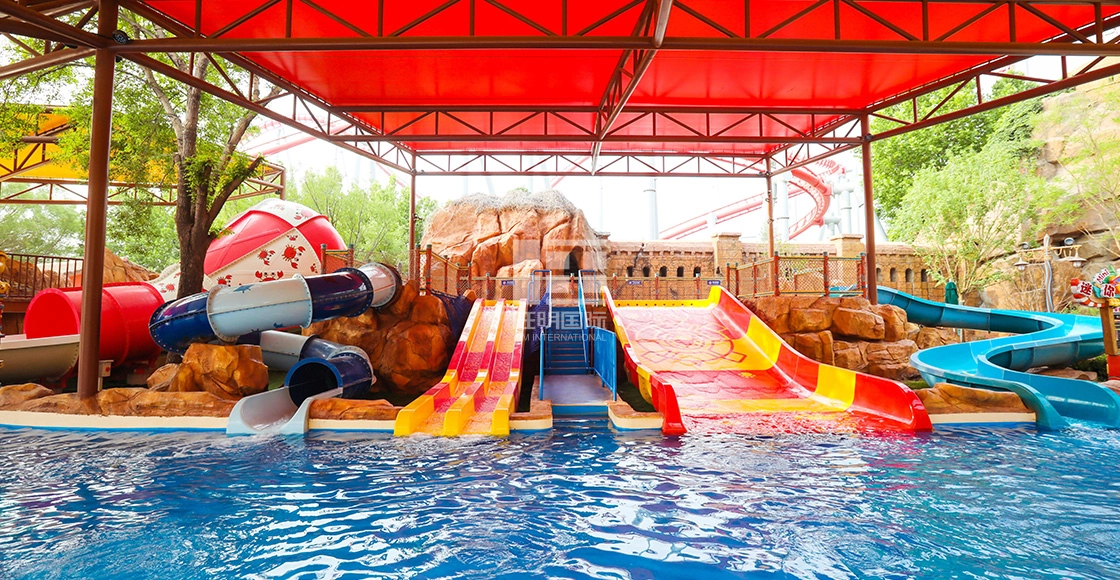
Children Combined Water Slide
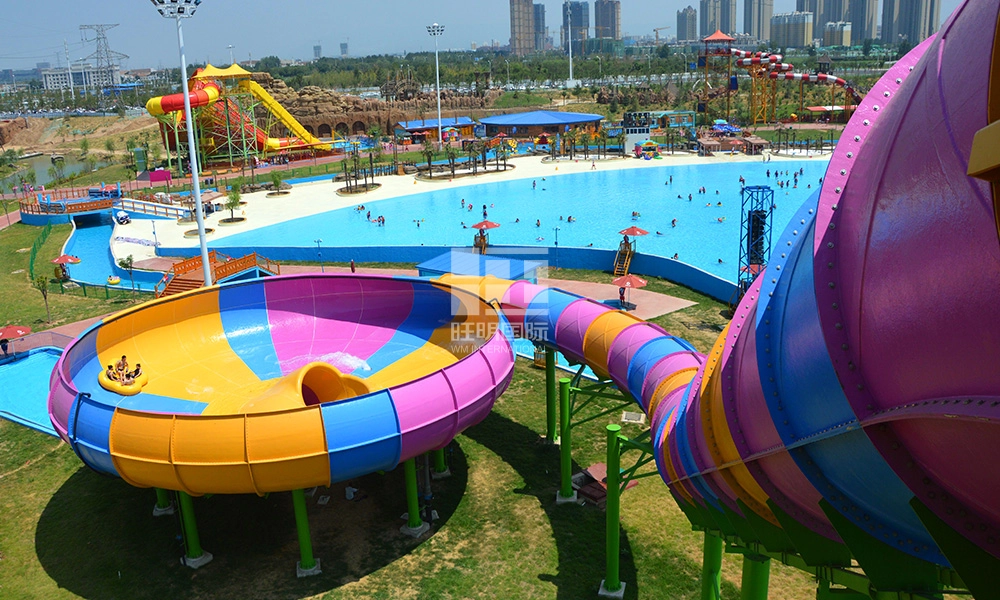
Huge Bowl Water Slide
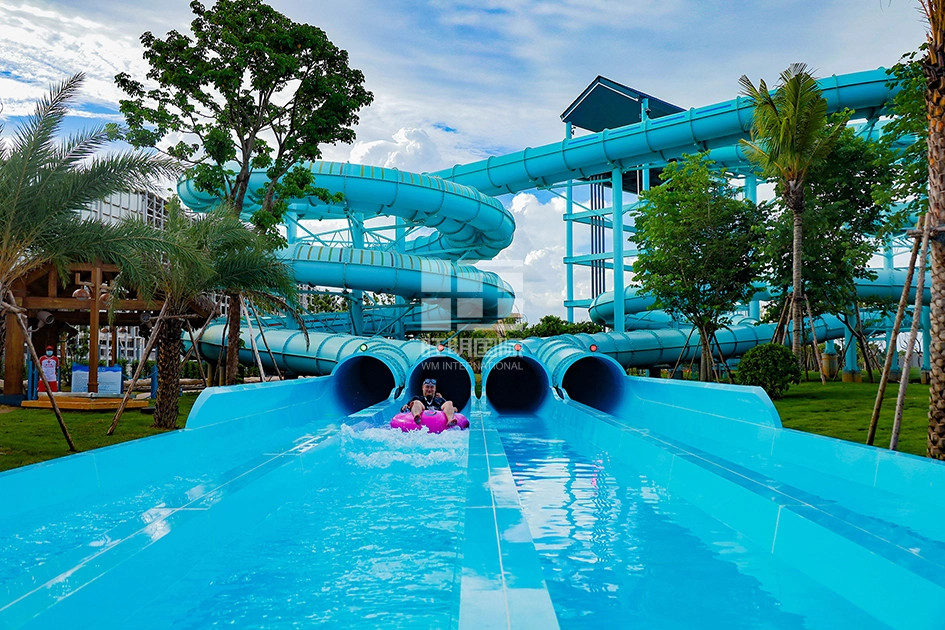
Time Tunnel Water Slide
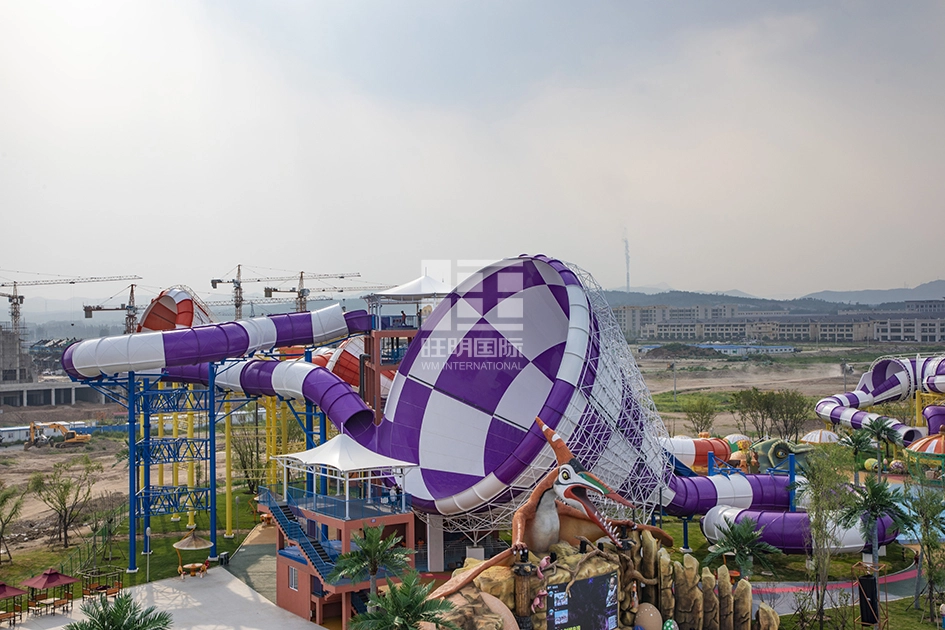
Big Tourbillion Water Slide
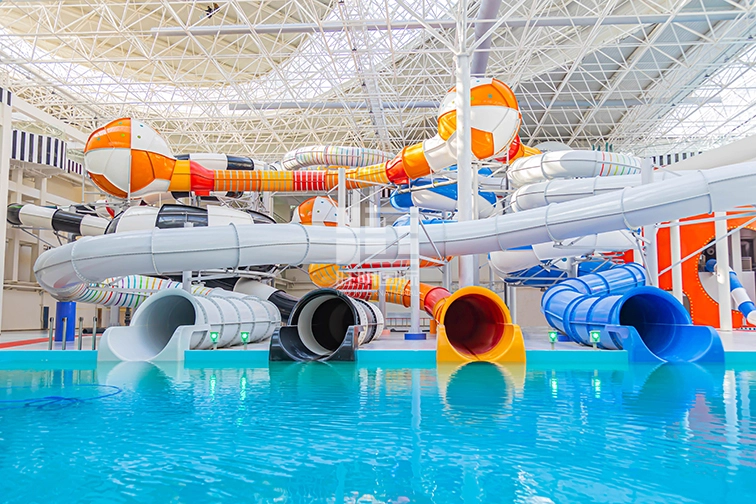
Turnover Slide
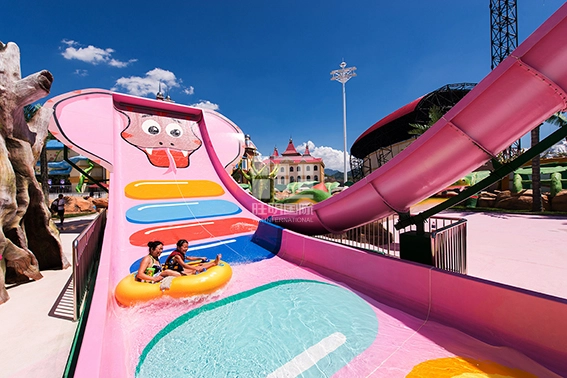
Small King Cobra Water Slide
Get in touch
Have to get customized water park solutions and product quotes.
We will provide you with professional consultation and support.

Relying on leading technology, innovative products and rich industry experience, we tailor personalized solutions for each water park project to ensure a safe and exciting entertainment experience for tourists.
 Scan QR Code
wmwaterslide
wmwaterpark