


Key Elements and Strategies for Building Core Competitiveness in Water Park Projects
Summer heat brings the golden season for water parks. Yet here is an awkward truth: many water parks open to throngs of visitors, but within two or three years, foot traffic dwindles—or they shut down altogether. Severe homogenization, dull experiences, and low repeat visitation all point to one fundamental question: where exactly is your core competitive advantage?
Summer heat brings the golden season for water parks. Yet here is an awkward truth: many water parks open to throngs of visitors, but within two or three years, foot traffic dwindles—or they shut down altogether. Severe homogenization, dull experiences, and low repeat visitation all point to one fundamental question: where exactly is your core competitive advantage?
To escape the quagmire of price wars and achieve both explosive short-term traffic and sustained long‑term profitability, the answer is not merely piling up water slide and attractions. Instead, it lies in establishing a systematic, differentiated, and sustainable core competitiveness system. Only by precisely grasping the key elements and implementing refined operational strategies can a park hold its ground in intense market competition and build a true brand moat.
I. Themed IP – Make Culture the Core
If you are still relying on the old formula of “wave pool + slides + lazy river,” do not be surprised when visitors vote with their feet. The very first element of core competitiveness is cultural substance.
Take the industry benchmark—Guangzhou Chimelong Water Park, which has ranked first in global attendance for years. Its success does not come from having the newest equipment, but from turning “electronic music + parties + water entertainment” into a lifestyle IP that young people eagerly embrace. As for Disney’s water attractions, every slide tells a story.
Strategic recommendations:
Build your own thematic storyline: You do not have to spend a fortune on licensed IPs. Instead, create original story-driven scenarios based on local culture (e.g., ocean legends, rainforest adventures, mythical water worlds) so that the visit becomes an immersive adventure.
Operate around annual event milestones: Turn the season opening, summer peak, and season closing into three major event nodes—such as “Opening Electro Music Festival,” “Foam Carnival,” and “Closing Thriller Night”—to build regular anticipation among your fan base.
II. Ride Differentiation – More Than Just Hardware
Many investors ask immediately: “Which ride is the most expensive?” This is a critical misconception. Core competitiveness is not about stacking equipment, but about creating an irreplaceable combination of experiences.
Key insight: Young people are not looking for “steeper slides”—they want “slides worth posting on social media.” Transparent slides, dark tunnels, racing slides, free‑fall drops… the real differentiation lies in emotional arc design—each ride should play a distinct emotional role along the journey from anticipation and tension to screaming and release.
Strategic recommendations:
Introduce “first‑in‑region” or “exclusive” rides: Even one such attraction can become a memorable anchor point in the regional market.
Create a “social‑media‑worthy ride zone”: For example, cliff‑edge infinity pools or transparent sky‑high lazy rivers—visual appeal drives traffic.
Cater to all age groups: Design dedicated areas for children’s water play, family rafting, thrill zones for young adults, and warm spa pools for seniors—so that the “one adult brings multiple family members” spending model becomes viable.
III. Four‑Season Operability – Extend the Business Cycle
The vast majority of water parks in China operate only 90‑150 days per year—this is an inherent flaw in the business model. Core competitiveness must therefore include the ability to survive and thrive beyond summer.
Strategic recommendations:
Hardware level: Invest in retractable domes or temperature‑control systems to extend the operating season to 6‑8 months (take inspiration from Harbin Sunac Snow World, which applies reverse thinking—snow in winter, water in summer, open all year round).
Content level: During the off‑season, transform the park into a “water sports training base” (diving and surfing lessons), corporate team‑building water activities, and waterfront wedding photography venues.
Marketing level: Launch “annual/seasonal passes with cross‑industry perks”—for example, co‑brand with gyms or family education institutions—to turn low‑frequency visits into a high‑frequency lifestyle choice.
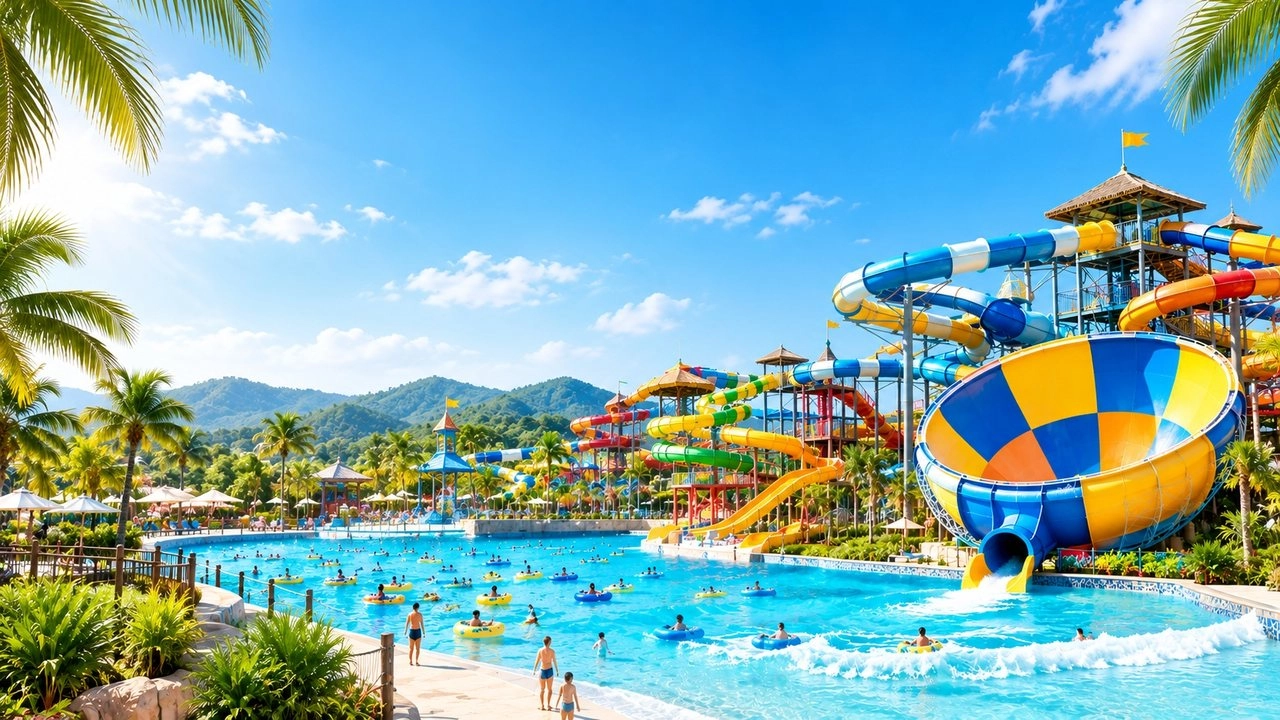
Water Project Cost and ROI: Key Budget Factors Before Choosing a Project Solution
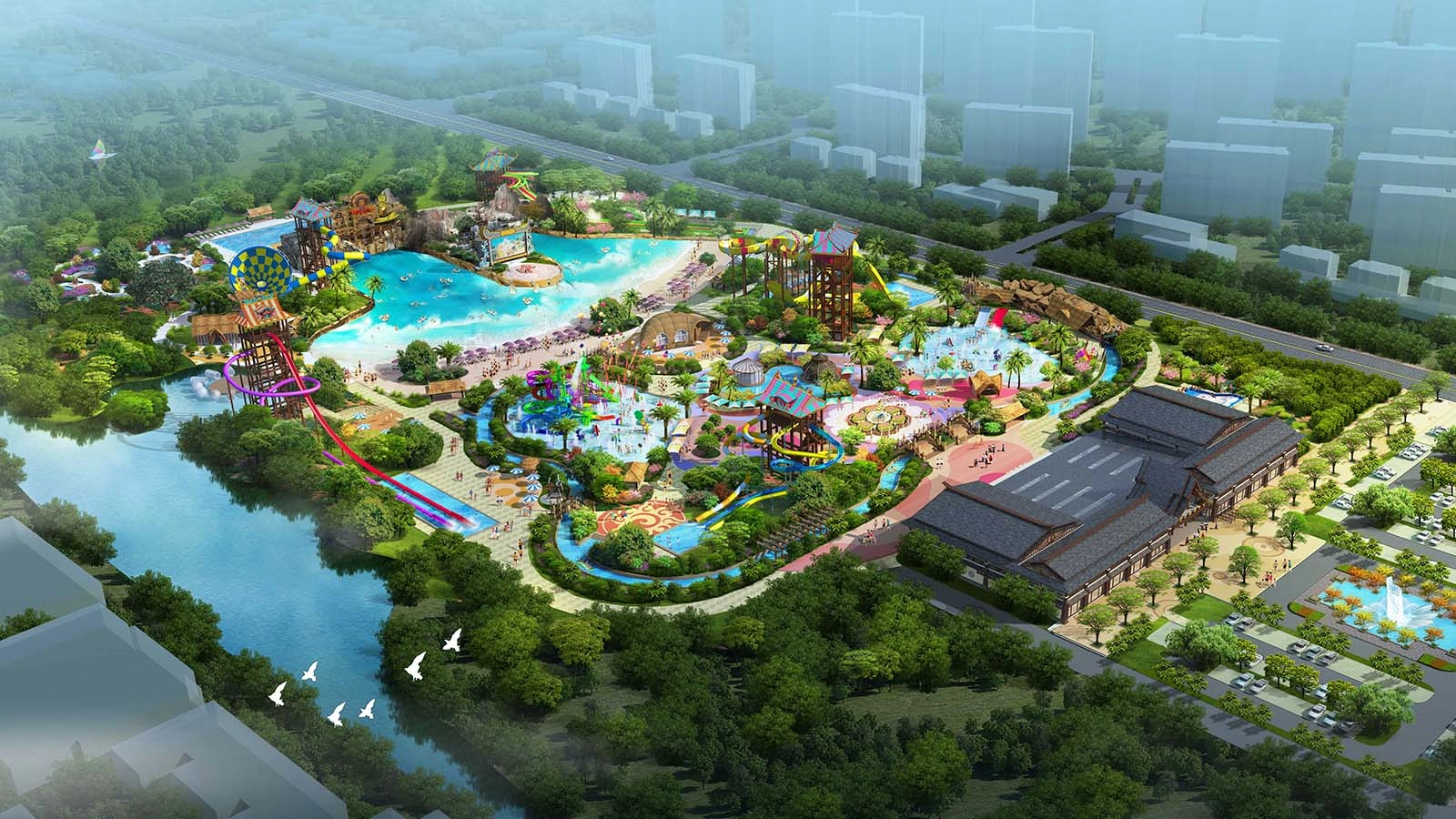
Water Projects: The Complete Guide to Developing Water Projects for Different Venues with WM INTERNATIONAL
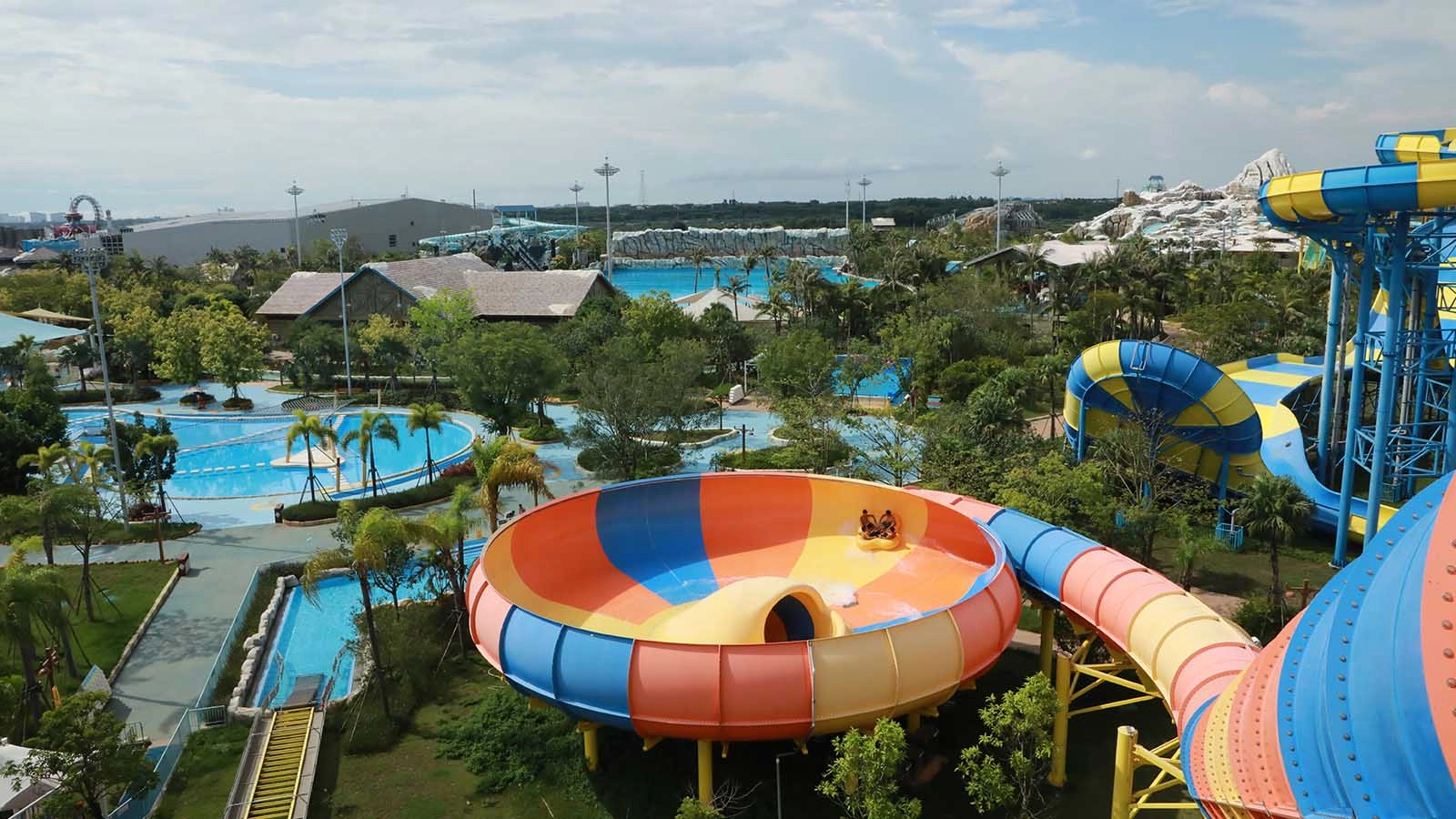
Water Project Industry Trends: Emerging Opportunities in the Water Attraction Market
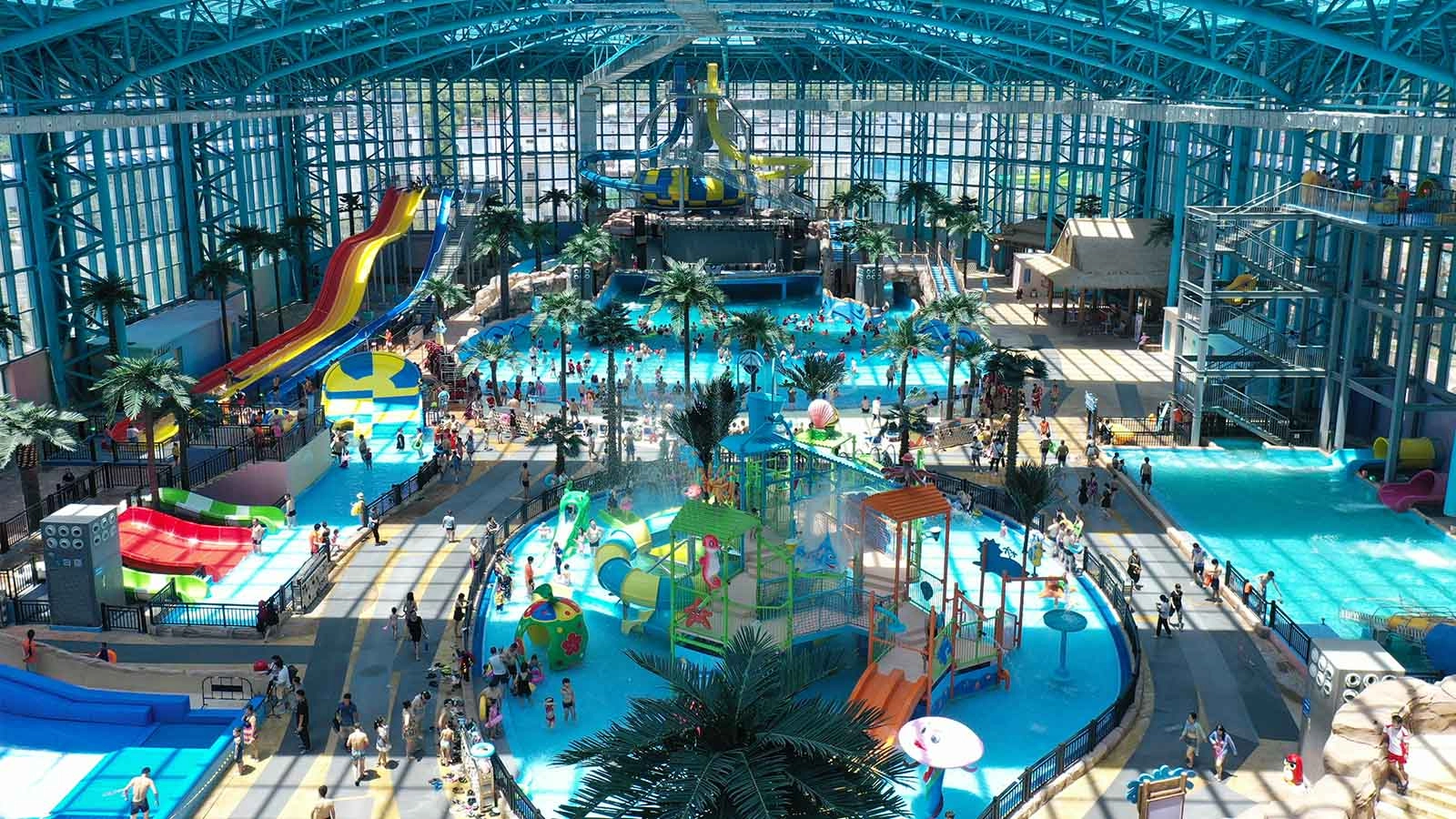
Custom Water Project Solutions for Different Venues: Water Parks, Resorts, Theme Parks and More
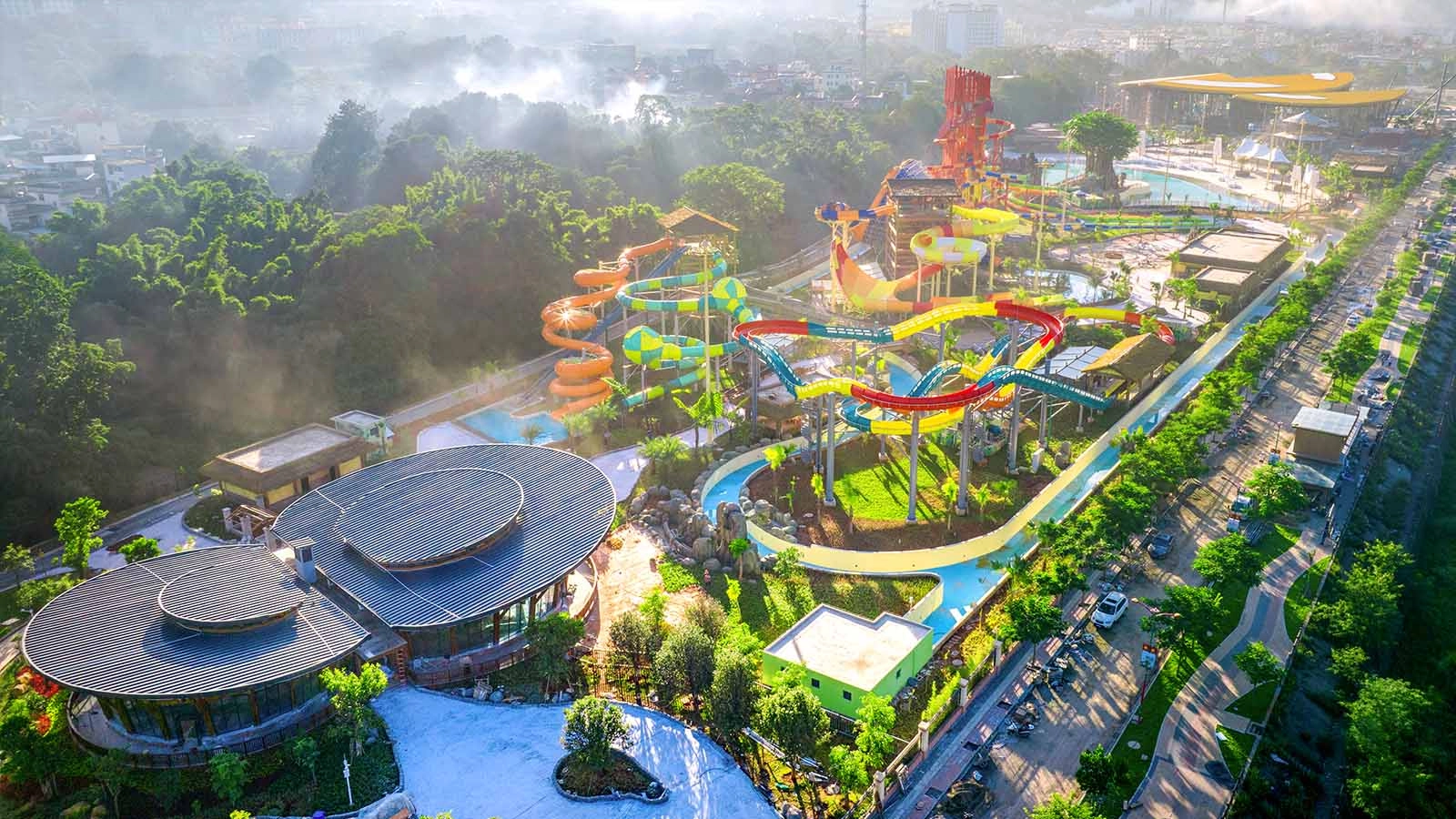
How to Configure Water Attractions for Water Projects in Different Venues
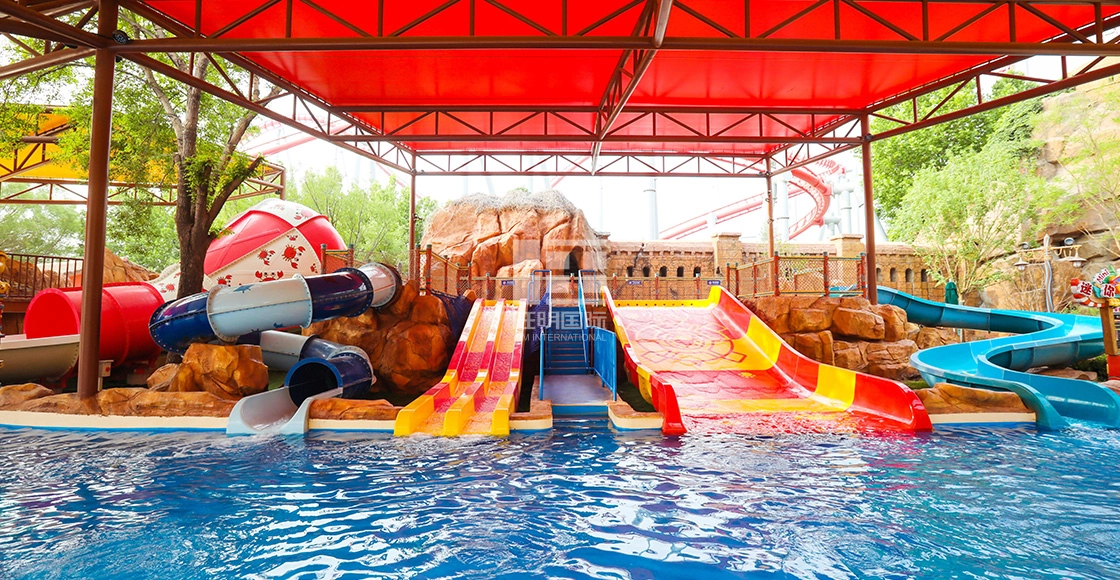
Children Combined Water Slide
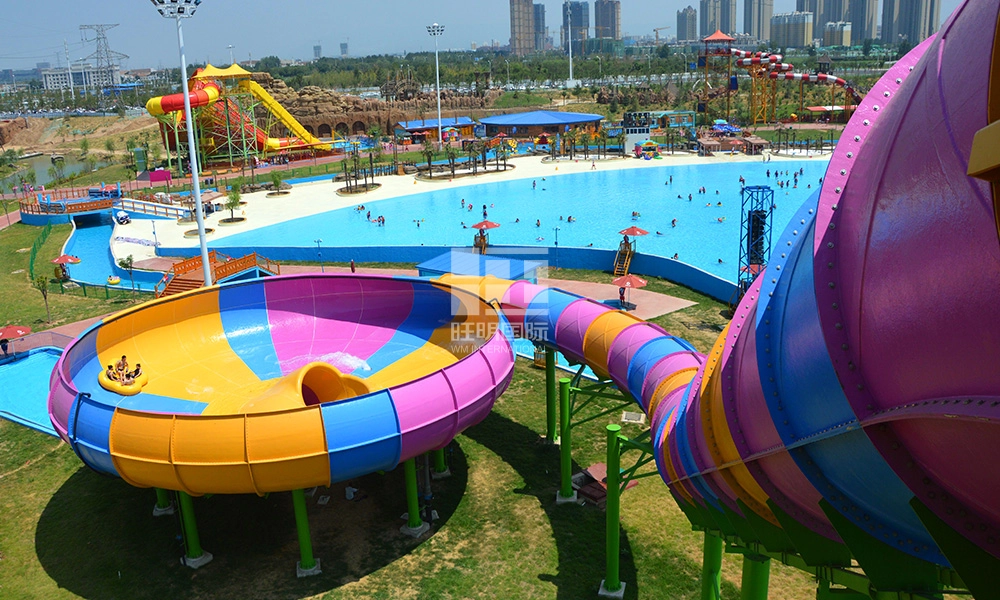
Huge Bowl Water Slide
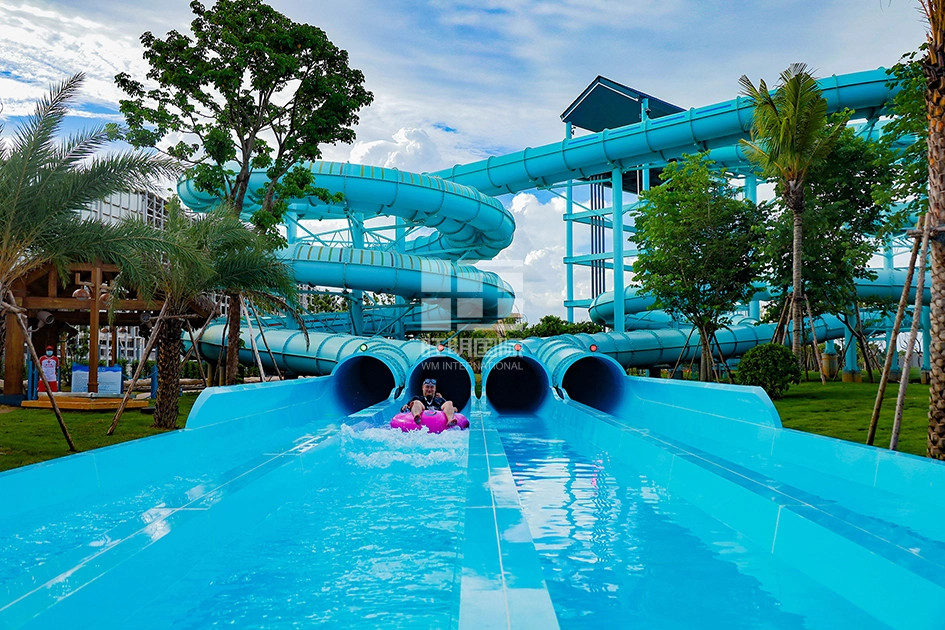
Time Tunnel Water Slide
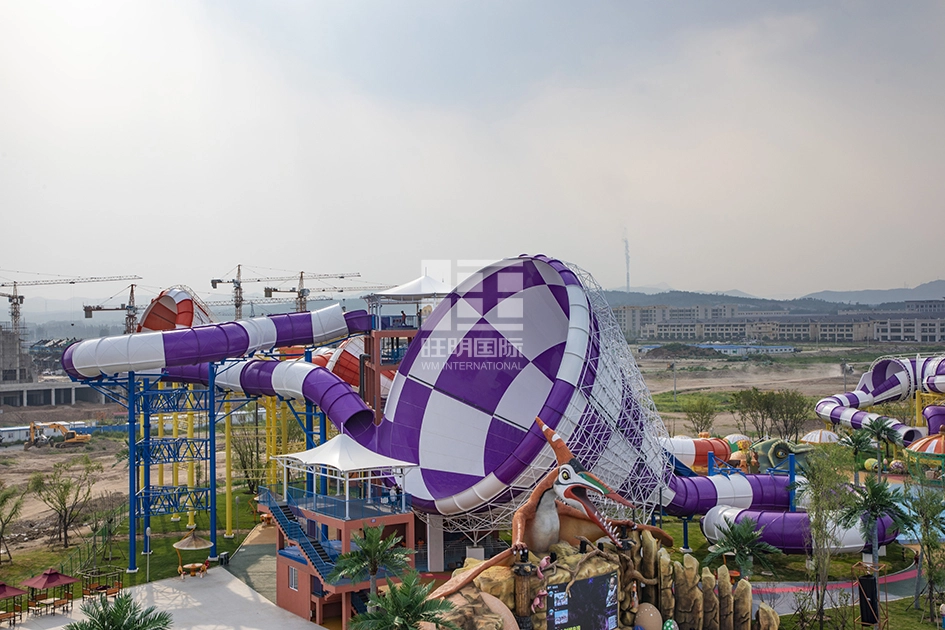
Big Tourbillion Water Slide
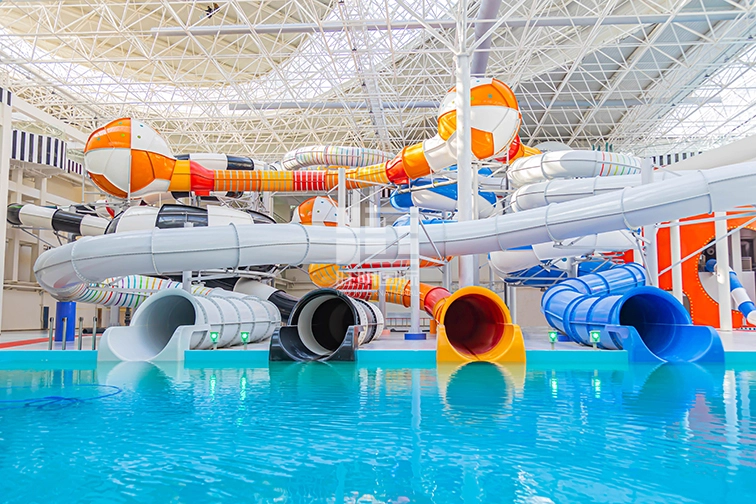
Turnover Slide
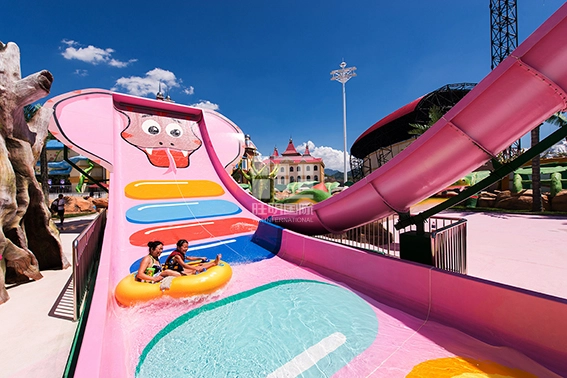
Small King Cobra Water Slide
Get in touch
Have to get customized water park solutions and product quotes.
We will provide you with professional consultation and support.

Relying on leading technology, innovative products and rich industry experience, we tailor personalized solutions for each water park project to ensure a safe and exciting entertainment experience for tourists.
 Scan QR Code
wmwaterslide
wmwaterpark