






What Are Water Slides Made Of? The Insider's Guide to Commercial Grade Materials
- What Material Are Water Slides Made Of?
- Key Takeaways: Quick Summary of Water Slide Materials
- The Big Three: Breaking Down Commercial Water Slide Materials
- 1. Fiberglass Reinforced Plastic (FRP)
- 2. Stainless Steel and Galvanized Metal
- 3. Commercial-Grade Plastics (HDPE & Heavy-Duty PVC)
- Material Comparison Table
- Inside the Manufacturing Process: How WM International Crafts World-Class Slides
- Future Trends: Water Park Material Innovations for 2026 and Beyond
- Expert Tips: Common Mistakes When Choosing Water Slide Materials
- Conclusion
- FAQs About water slide materials, what material are water slides made of, best water slide material
- What is the best material for a commercial water slide?
- How long do fiberglass water slides last?
- What is the difference between FRP and HDPE slides?
- Why is stainless steel used in water slides?
- Are inflatable PVC water slides safe for commercial use?
- How do you maintain the gelcoat on a water slide?
- What are the ASTM standards for water park materials?
- Can custom water slides be made in any color?
When developers and park operators begin planning a new aquatic center, they often start with a fundamental question: water slide materials, what material are water slides made of, best water slide material? Navigating these exact queries is critical because the foundation of any thrilling, safe, and profitable water park lies in its physical construction. Understanding the anatomy of a commercial water slide goes far beyond simple plastics; it requires a deep dive into advanced composite engineering, structural metallurgy, and highly specialized surface coatings.
In this comprehensive guide, we will explore the core components that make up the world's most impressive aquatic attractions, leveraging 19 years of first-hand manufacturing experience to give you the ultimate insider's perspective on Commercial water park construction.
What Material Are Water Slides Made Of?
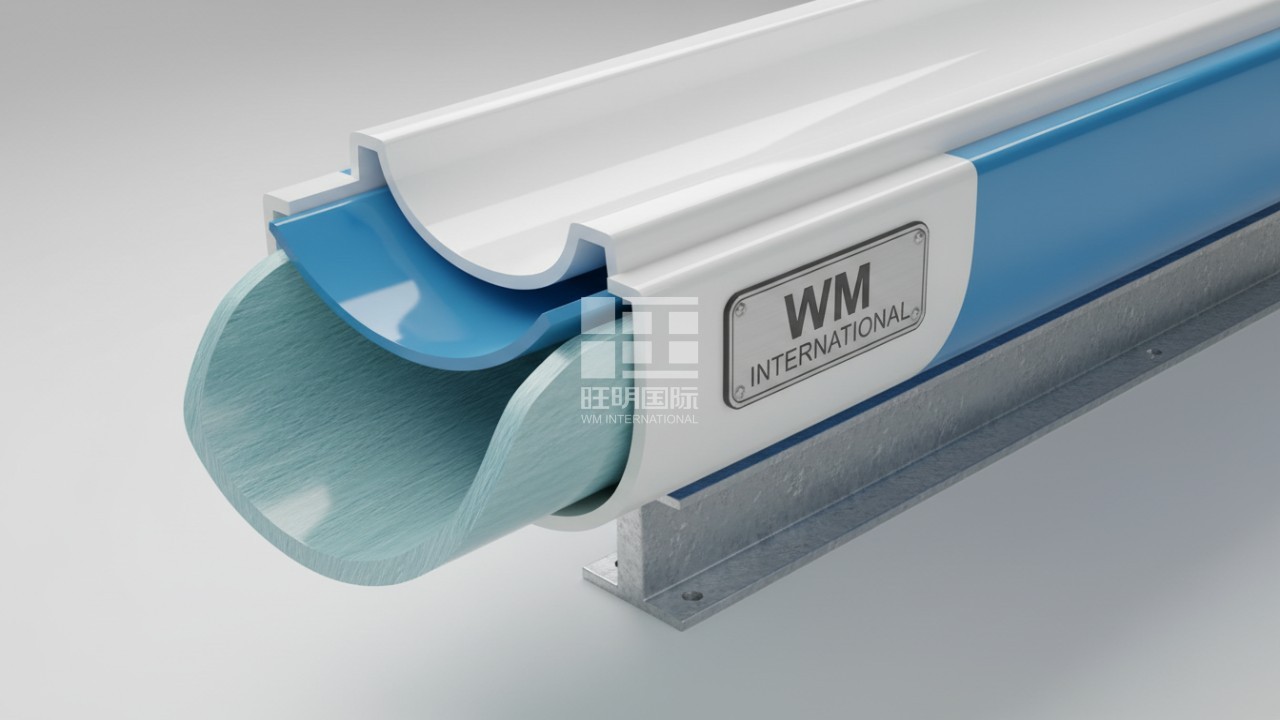
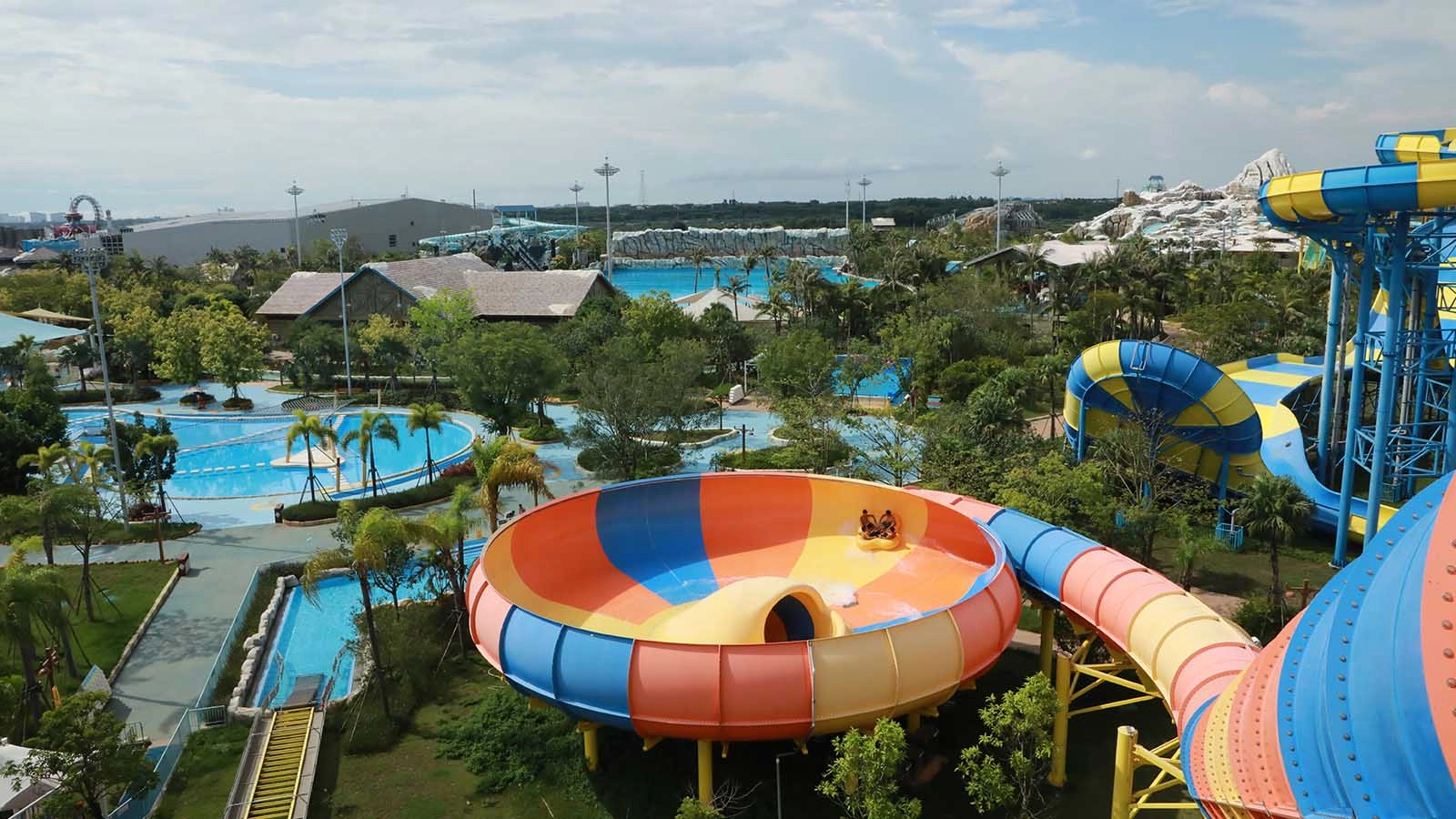
Commercial water slides are predominantly made of Fiberglass reinforced plastic (FRP), which provides the ideal combination of strength, flexibility, and a frictionless surface. The supporting frameworks are constructed from hot-dip galvanized stainless steel, while the sliding surface is coated with a specialized, high-gloss gelcoat.
While residential slides may use high-density polyethylene (HDPE) or PVC, Fiberglass reinforced plastic (FRP) remains the strict industry standard for large-scale theme parks and aquatic centers. This composite material allows manufacturers to mold complex, sweeping curves and towering drops that can safely handle the dynamic weight of thousands of riders per day. Furthermore, the structural integrity of these towering attractions relies heavily on industrial-grade steel to withstand massive structural loads and resist corrosion in chemically treated, high-moisture environments.
Key Takeaways: Quick Summary of Water Slide Materials
Understanding the fundamental building blocks of a water park is essential for long-term operational success. Here is a quick summary of the materials that make up a commercial water slide:
- Fiberglass (FRP) is the Undisputed King: It is the primary material for commercial water slides due to its exceptional moldability, long-term durability, and smooth riding surface.
- Galvanized Steel is Critical: Hot-dip galvanized stainless steel is required for the architectural support columns and safety framing, ensuring the ride remains structurally sound.
- Surface Protection Matters: Routine gelcoat maintenance, including waxing and polishing, is absolutely essential to prevent fiberglass oxidation and maintain a frictionless glide.
- Safety Compliance is Tied to Material Quality: The quality of the materials chosen directly dictates compliance with international safety benchmarks, such as the ASTM F2376 safety standards.
The Big Three: Breaking Down Commercial Water Slide Materials
The three primary materials used in commercial water slides are Fiberglass Reinforced Plastic (FRP) for the flumes, stainless steel for the structural supports, and commercial-grade plastics for secondary elements. Let's break down how each material functions within a modern water park ecosystem.
1. Fiberglass Reinforced Plastic (FRP)
At the heart of every commercial water slide is Fiberglass reinforced plastic (FRP). This composite material is created by layering woven glass fiber mats with a liquid polymer resin. Once cured, the resulting material is incredibly strong, lightweight, and capable of being molded into virtually any shape. The interior of the FRP flume—the part the rider actually touches—is finished with a specialized gelcoat. This Gelcoat UV resistance is paramount, as it protects the underlying fiberglass from the degrading effects of direct sunlight, pool chemicals, and constant water friction.
2. Stainless Steel and Galvanized Metal
You cannot build a towering, 60-foot drop slide without a massive structural skeleton. Stainless steel and hot-dip galvanized steel play a critical role in heavy-duty structural girders, support columns, and staircases. These metals are chosen for their high tensile strength and rust resistance. Whether it is a luxury residential pool slide or a massive commercial installation, the steel framework ensures the ride remains anchored and safe under extreme dynamic loads.
3. Commercial-Grade Plastics (HDPE & Heavy-Duty PVC)
While not used for the primary flumes of high-speed commercial slides, commercial-grade plastics like High-Density Polyethylene (HDPE) and heavy-duty PVC have specific use cases. They are frequently utilized in inflatable water parks, splash pads, and dry playground attachments. These plastics offer excellent impact resistance and are softer than FRP, making them ideal for low-speed, child-focused play areas.
Material Comparison Table
To better understand how these materials stack up, review the data comparison table below:
| Material Type | Primary Application | Structural Durability | Surface Finish | Estimated Lifespan |
|---|---|---|---|---|
| Fiberglass (FRP) | Commercial water slides, large flumes | Extremely High | High-gloss, frictionless | 20-30+ years |
| Stainless Steel | Support columns, structural framing | Extremely High | Industrial / Coated | 30+ years |
| HDPE Plastic | Residential slides, dry playgrounds | Moderate | Smooth but softer | 5-10 years |
| Heavy-Duty PVC | Inflatable water parks, splash pads | Low to Moderate | Pliable, seamed | 3-7 years |
For a deeper dive into how these materials influence park design, check out our comprehensive Guide to Water Slides for Amusement Parks.
Inside the Manufacturing Process: How WM International Crafts World-Class Slides
Hengshui Wangming Amusement Equipment Co., Ltd. (WM International) utilizes a massive 100,000 m² modern production base—the largest in the industry—to manufacture premium water park attractions. With 19 years of industry experience, we oversee the entire material lifecycle, from park planning and design to high-precision fiberglass molding.
Our state-of-the-art manufacturing process adheres to strict quality controls, ensuring every fiberglass flume and steel support guarantees a safe, low-friction, and high-thrill ride. Each project is a reflection of our professional capabilities, demonstrating how we provide tailor-made solutions based on different customer needs and site characteristics.
From the initial conceptualization of Water Slide Types to the final installation, our decades of combined experience as park operators, designers, and suppliers give you the edge needed to succeed. Beyond just slides, we offer comprehensive solutions for wave making equipment and water play attractions, transforming your park vision into a vibrant, durable reality.
Future Trends: Water Park Material Innovations for 2026 and Beyond

In 2026, the water slide manufacturing industry is experiencing a massive shift toward eco-friendly bio-resins, advanced UV-resistant pigments, and smart-slide integrations. Next-generation Resin transfer molding (RTM) technologies are also emerging to produce smoother, dual-sided fiberglass finishes that elevate the rider experience.
As we look to the future of Commercial water park construction, several key material innovations are taking center stage:
- Sustainable Manufacturing: There is a growing shift towards eco-friendly bio-resins and sustainable fiberglass manufacturing processes, reducing the carbon footprint of large-scale park developments.
- Advanced Closed-Mold Processes: Next-generation SuperGLOSS and Light Resin transfer molding (RTM) technologies are revolutionizing the industry. As detailed by composites experts regarding the Resin Transfer Molding (RTM) process, this closed-mold technique injects resin into a mold containing dry fibers under pressure, resulting in a perfectly smooth finish on both the inside and outside of the flume.
- Smart-Slide Integrations: Manufacturers are now embedding sensory technology and LED lighting directly into the fiberglass during the molding phase, creating immersive, interactive ride experiences.
- Enhanced Longevity: The development of advanced UV-resistant pigments has drastically improved Gelcoat UV resistance, reducing color fading and chalking over a 20-year lifespan.
Expert Tips: Common Mistakes When Choosing Water Slide Materials
Selecting the wrong materials can lead to catastrophic structural failure, excessive maintenance costs, and severe safety violations. Park operators must avoid rotationally molded plastics for high-traffic rides, ensure proper marine-grade steel is used, and strictly adhere to international safety codes.
Based on our extensive E-E-A-T (Experience, Expertise, Authoritativeness, and Trustworthiness) in the industry, here are the most common pitfalls to avoid:
- Using the Wrong Plastics: Do not opt for rotationally molded plastics for high-traffic, commercial rides. While cheaper upfront, they completely lack the structural integrity and longevity of FRP.
- Ignoring Environmental Factors: Failing to specify the correct marine-grade steel for coastal water parks is a costly mistake. High salt levels in the air will rapidly corrode standard steel, leading to unsafe structural degradation.
- Neglecting the Gelcoat: Park operators must budget for routine gelcoat maintenance. Failing to wax and polish the slides will lead to micro-scratches and oxidation, which drastically degrades the rider experience and slows down the ride.
- Overlooking Safety Standards: Never overlook compliance during the vendor selection and structural design phases. For example, the ASTM F2376 safety standards strictly outline the safety specifications for the classification, design, materials, and structural loads of water slides. Ignoring these guidelines can result in park closures and severe liability.
Conclusion
Understanding what water slides are made of is the first step in ensuring your commercial water park is safe, profitable, and thrilling for guests. From the durable FRP flumes that provide a frictionless glide to the robust galvanized steel supports that anchor the towering structures, choosing the right manufacturer directly determines the lifespan and success of your investment. By staying informed about 2026 material innovations like advanced RTM processes and superior gelcoat technologies, park operators can build attractions that stand the test of time. Ready to build your next world-class attraction with the industry's leading materials? Reach out to WM International today at trading@wmwaterslide.com or visit www.wmwaterslide.com to discuss your custom water park planning and design needs.
FAQs About water slide materials, what material are water slides made of, best water slide material
What is the best material for a commercial water slide?
Fiberglass Reinforced Plastic (FRP) is considered the best material for commercial water slides due to its high strength-to-weight ratio, moldability, and exceptionally smooth surface.
How long do fiberglass water slides last?
With proper maintenance, high-quality commercial fiberglass water slides can easily last 20 to 30 years before requiring major refurbishment.
What is the difference between FRP and HDPE slides?
FRP (fiberglass) is hand-laid or molded with resin for massive commercial structural integrity, while HDPE is a molded plastic typically used for smaller residential or playground slides.
Why is stainless steel used in water slides?
Stainless steel is used for the underlying architectural support columns and stairways because it provides the necessary tensile strength and resists rust in wet, chemical-heavy environments.
Are inflatable PVC water slides safe for commercial use?
Yes, but they must be constructed with commercial-grade, heavy-duty PVC (usually 15oz to 19oz vinyl) with reinforced stitching to handle high volume and prevent tearing.
How do you maintain the gelcoat on a water slide?
Maintenance requires regular visual inspections for scratches, routine cleaning with non-abrasive chemicals, and annual waxing/polishing to prevent UV oxidation and restore the frictionless slip.
What are the ASTM standards for water park materials?
ASTM F2376 is the standard practice outlining the safety specifications for the classification, design, materials, and structural loads of water slides.
Can custom water slides be made in any color?
Yes, color pigments are mixed directly into the gelcoat and resin during the fiberglass molding process, allowing manufacturers like WM International to create highly customized, vibrant themes.
Water Project Cost and ROI: Key Budget Factors Before Choosing a Project Solution
Water Projects: The Complete Guide to Developing Water Projects for Different Venues with WM INTERNATIONAL
Water Project Industry Trends: Emerging Opportunities in the Water Attraction Market
Custom Water Project Solutions for Different Venues: Water Parks, Resorts, Theme Parks and More
How to Configure Water Attractions for Water Projects in Different Venues
Children Combined Water Slide
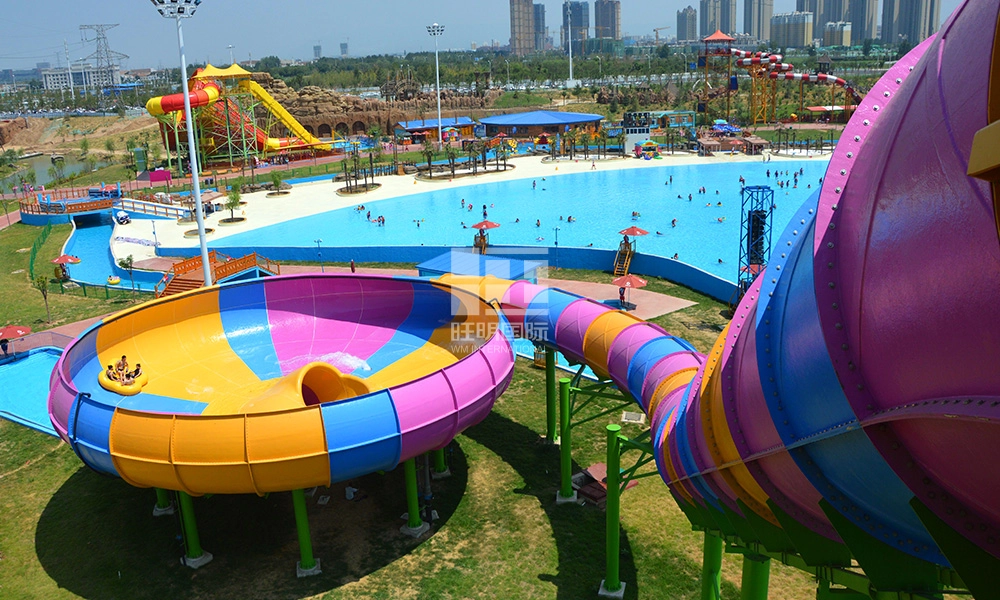
Huge Bowl Water Slide
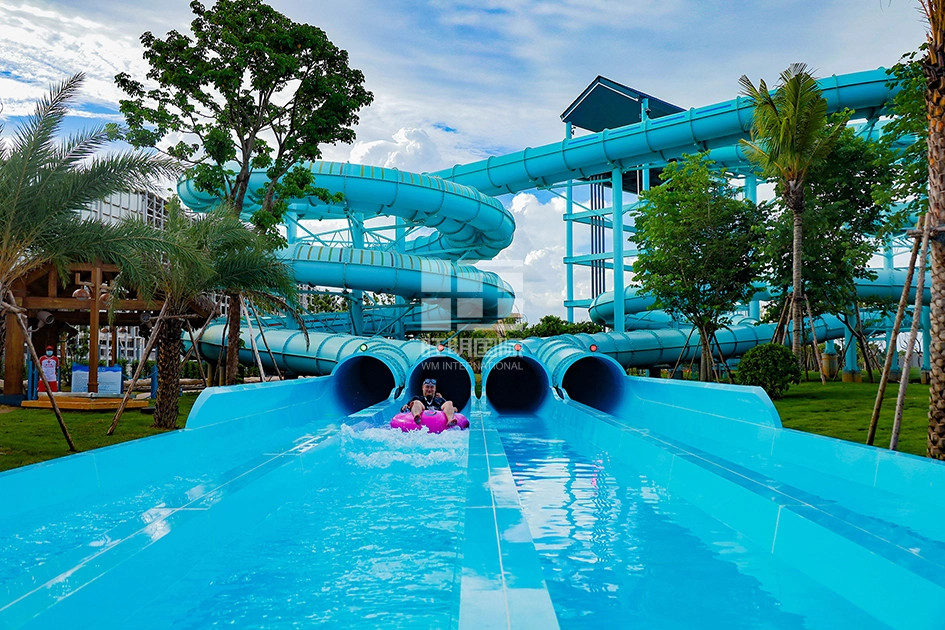
Time Tunnel Water Slide
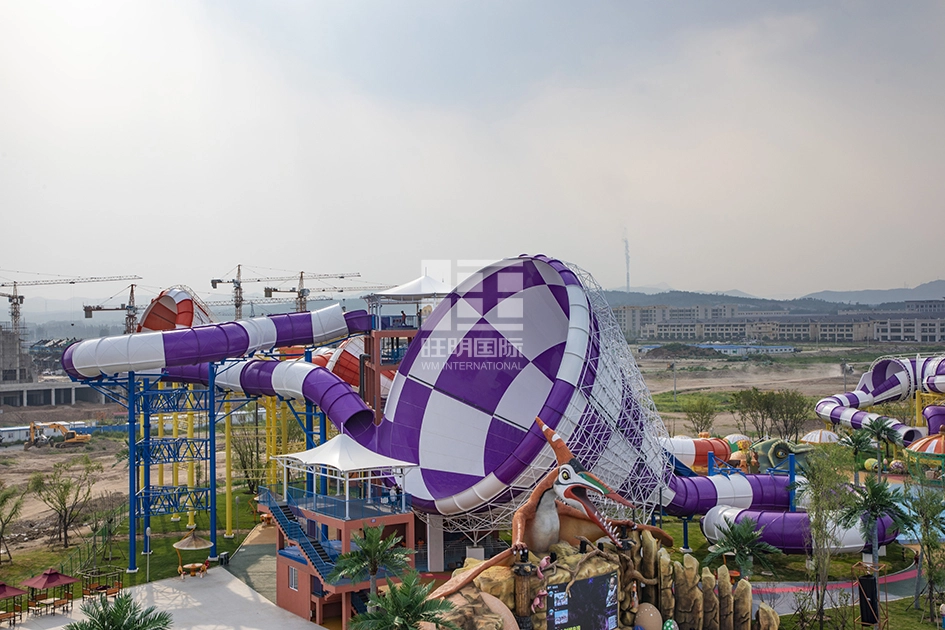
Big Tourbillion Water Slide
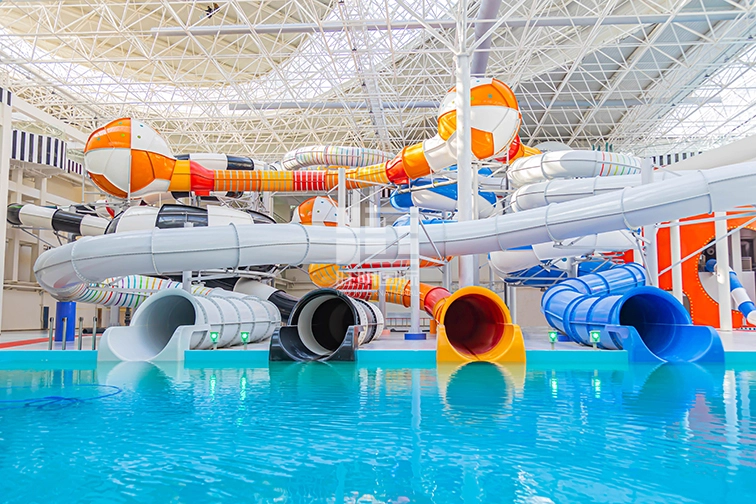
Turnover Slide
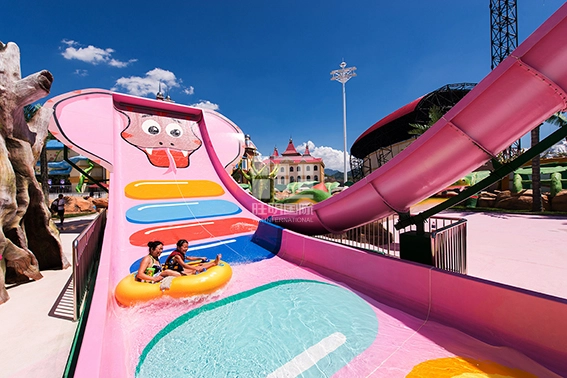
Small King Cobra Water Slide
Get in touch
Have to get customized water park solutions and product quotes.
We will provide you with professional consultation and support.

Relying on leading technology, innovative products and rich industry experience, we tailor personalized solutions for each water park project to ensure a safe and exciting entertainment experience for tourists.
 Scan QR Code
wmwaterslide
wmwaterpark