






The Core Logic and Implementation Essentials of Water Park Planning and Design
As a key segment of the cultural tourism industry, the success or failure of a water park is often determined at the planning and design stage. This article outlines the core logic of the full-lifecycle planning and design of a water park—"operations-oriented, safety-first, experience-driven"—and systematically elaborates on the implementation essentials across the entire chain, from preliminary feasibility study, planning and design, construction, to operations management. The aim is to provide the industry with a decision-making framework that combines strategic vision with practical applicability.
As a key segment of the cultural tourism industry, the success or failure of a water park is often determined at the planning and design stage. This article outlines the core logic of the full-lifecycle water park planning and design—"operations-oriented, safety-first, experience-driven"—and systematically elaborates on the implementation essentials across the entire chain, from preliminary feasibility study, planning and design, construction, to operations management. The aim is to provide the industry with a decision-making framework that combines strategic vision with practical applicability.
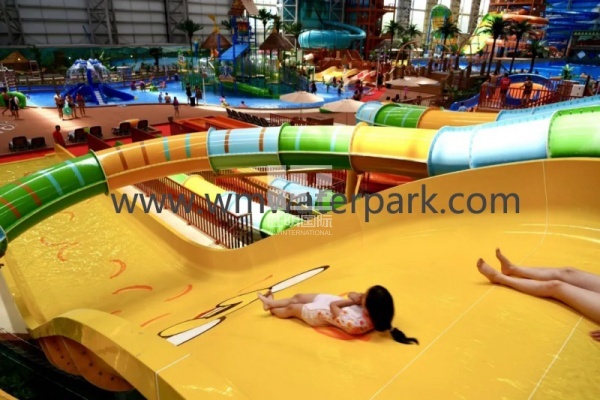
Phase 1: Preliminary Investment Feasibility Study (The Project's Origin, Determining Its Upper Limit)
1. Precision Targeting of the Core Customer Base
Conduct research on the surrounding demographic structure, spending power, and competitive projects to define the core customer segments: whether primarily families with children, young adult groups, or a mix that also caters to corporate team-building markets.
Customer positioning directly determines the equipment mix: the area allocation among family-oriented attractions, thrill slides, and leisure lazy rivers.
Phase 2: Planning and Scheme Design (The Most Critical Node of the Lifecycle)
1. Scientific Circulation and Spatial Layout
Follow the principle of "balanced distribution of visitor flow":
Place high-thrill slides deep within the park to encourage visitors to explore further.
Distribute wave pools and large themed water forts as traffic anchors across different zones.
Use a main loop to connect ride areas, food & beverage retail, and shower/locker zones, avoiding cross-flows.
Simultaneously plan emergency evacuation routes and lifeguard station positions.
2. Scientific Selection and Adaptation of Water Rides and Equipment
Avoid the blind piling of trendy or "internet-famous" equipment. Instead, build an equipment matrix that aligns with the customer positioning, balancing thrill, family interactivity, and leisure experiences.
Fully consider three key factors: equipment footprint, water and power load requirements, and ease of future maintenance.
Prioritize suppliers with complete technical validation, standardized production, and long-term after-sales support. High-quality equipment should not only feature smooth FRP surfaces but also demonstrate superior fluid dynamics design and anti-UV/corrosion finishes to extend service life.
Phase 3: Construction and Water Park Equipment Installation (Ensuring Effective Design Implementation)
1. Establish a Multi-Party Coordination Mechanism
Synchronize the design institute, civil construction contractor, equipment supplier, and supervision team. Jointly verify equipment foundations, embedded parts, and utility routing to avoid costly design changes after civil work is completed due to dimensional conflicts.
2. Whole-Process Quality Control
As water rides are special amusement facilities, strict acceptance inspections must be carried out for FRP slide splicing/welding, foundation anchoring, waterproofing and anti-seepage systems, and anti-corrosion coatings. Failures in seepage control, uneven slide joints, or foundation settlement are major issues that are extremely difficult to remediate later.
3. Phased Commissioning and Acceptance Testing
Conduct step-by-step debugging for civil completion, equipment installation, and water circulation systems.
Before official opening, perform full-load simulation tests to identify and resolve issues related to noise, water pressure, drainage, and visitor capacity in advance.
Phase 4: Post-Opening Operations and Routine Maintenance
1. Optimize Operational Strategies Leveraging the Design Layout
Utilize the retail spaces, rest areas, and photo-worthy spots reserved in the plan to lay out secondary consumption offerings.
Use spatial zoning flexibly to stage night events, family-themed activities, and other special programs.
2. Regular Maintenance and Spare Parts Management
Develop scheduled maintenance plans in accordance with equipment manufacturer standards, and establish maintenance logs for slides, wave-generating units, and water circulation systems.
Stock critical spare parts in advance to minimize downtime during peak seasons.
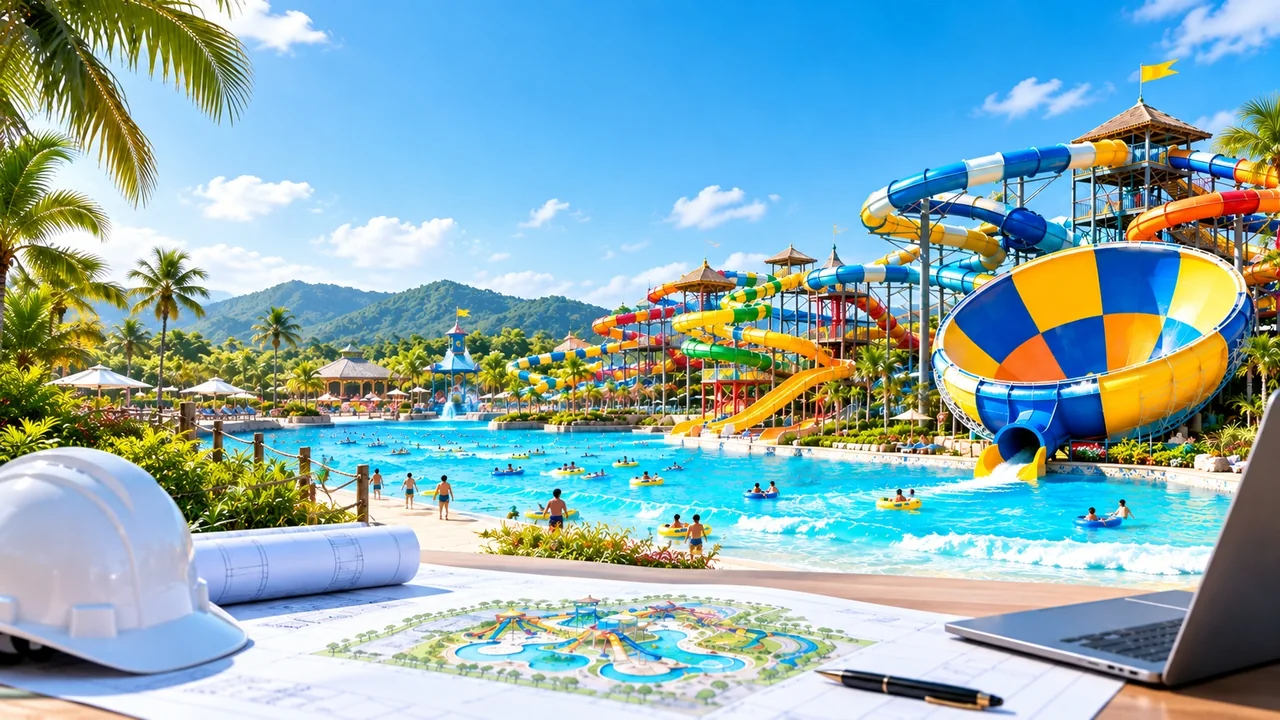
How do you choose a water park equipment manufacturer? Recommendations and references for high-quality manufacturers
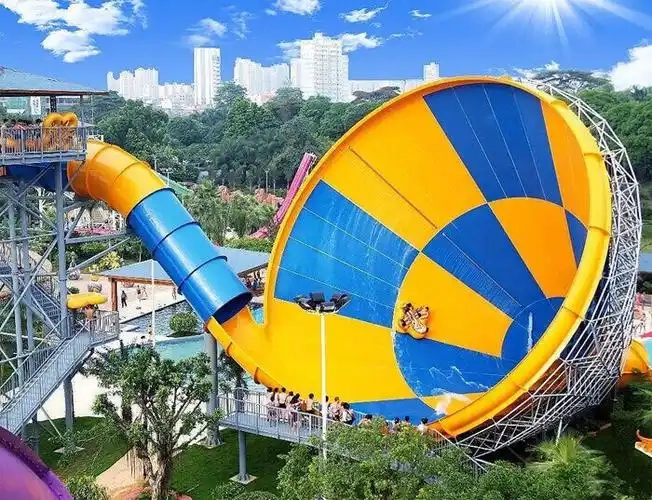
Water Amusement Equipment Manufacturer, First-Tier Domestic Brand, Overall Park Planning + Installation and After-Sales
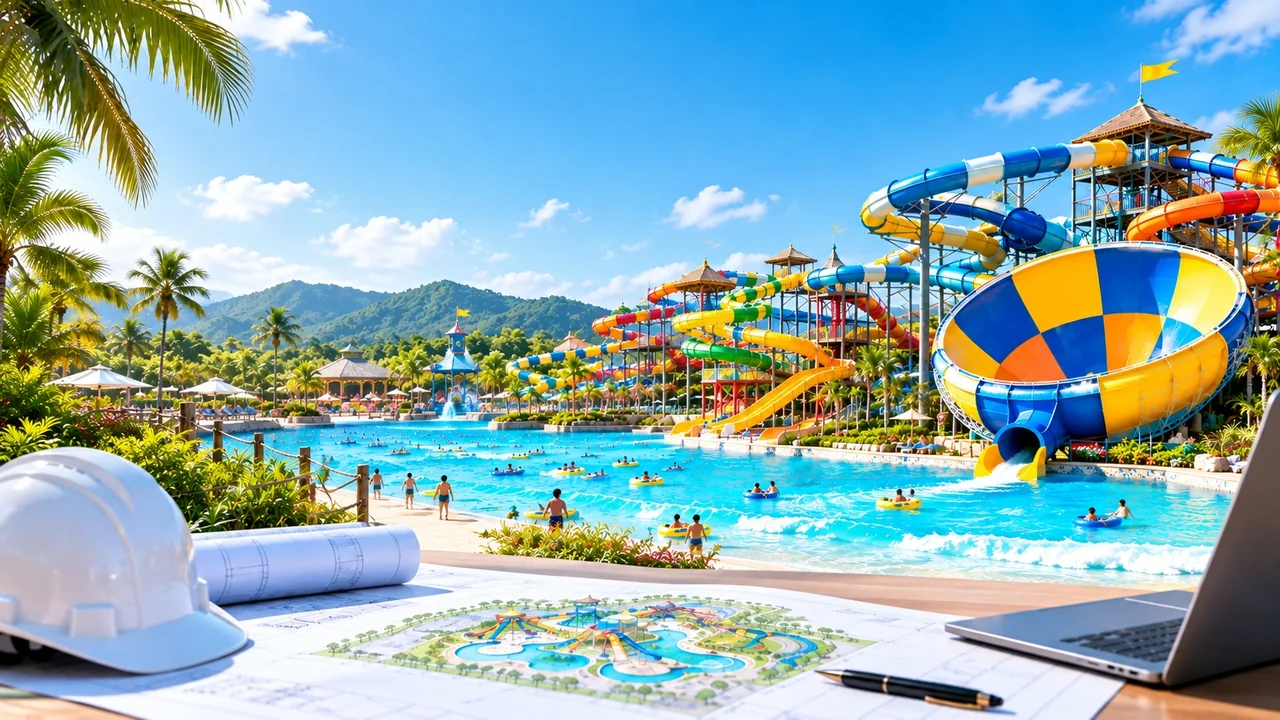
From Project Planning to Equipment Purchase: A Complete Guide to Water Park Development and Sourcing
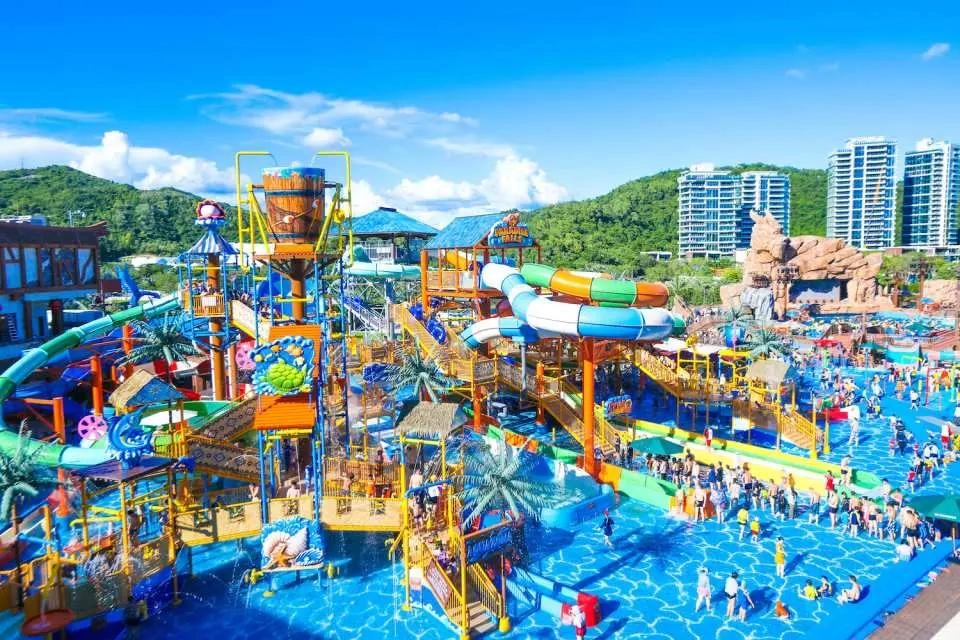
Cost-Effective Water Park Equipment Solutions: Complete Equipment for Medium and Large Water Parks
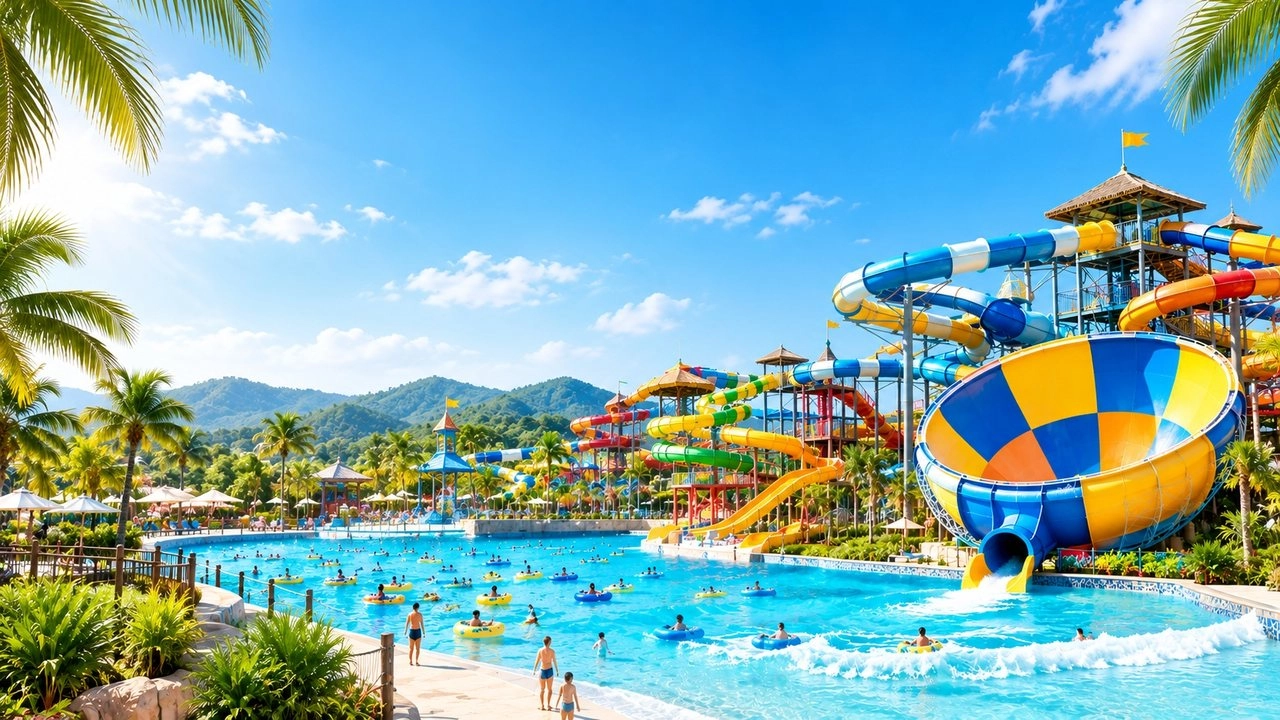
2026 Water Park Equipment Manufacturer Selection Guide: How to Find a Reliable Partner
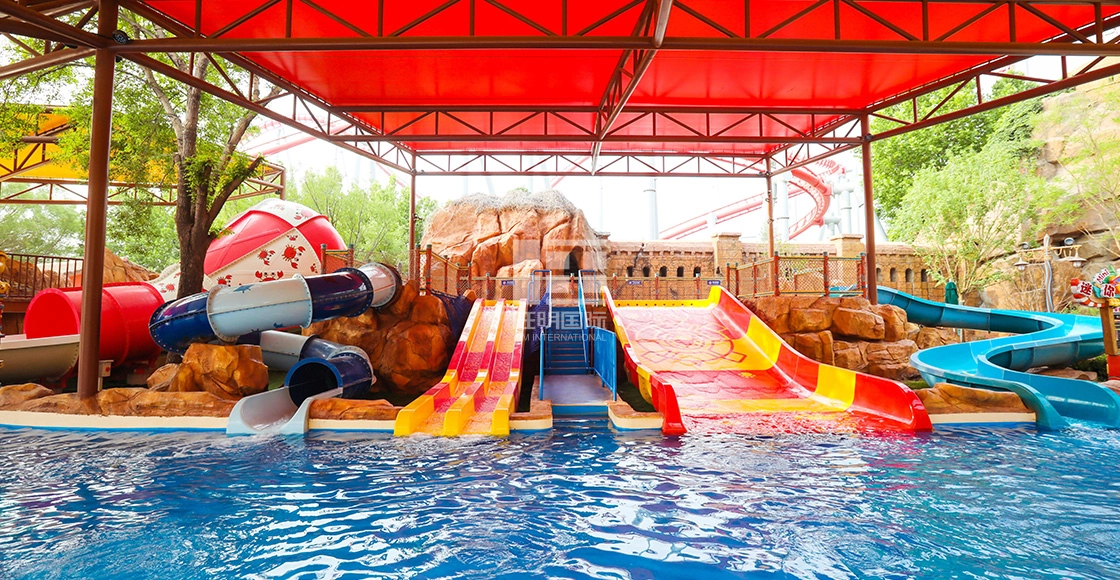
Children Combined Water Slide
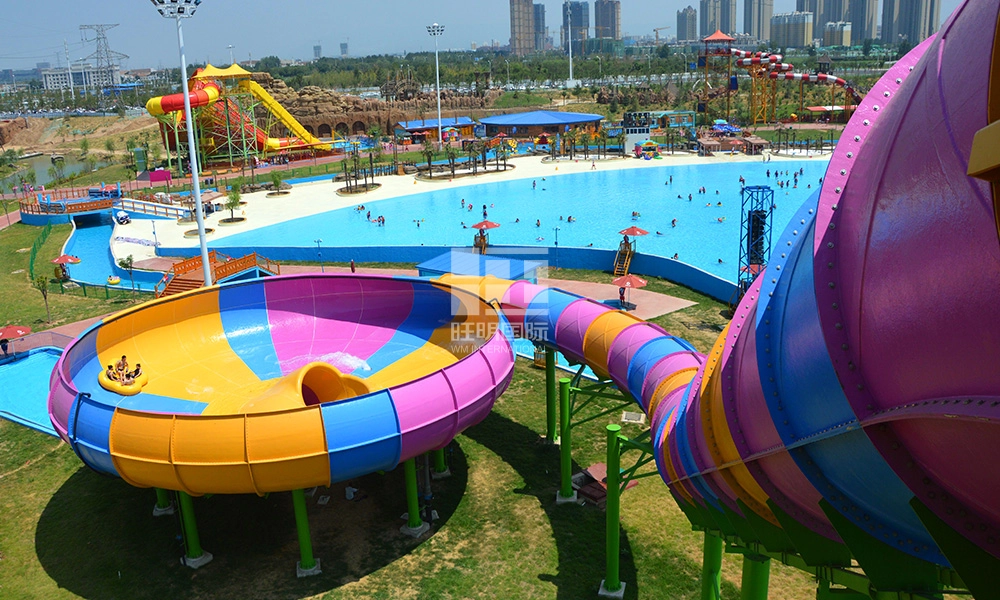
Huge Bowl Water Slide
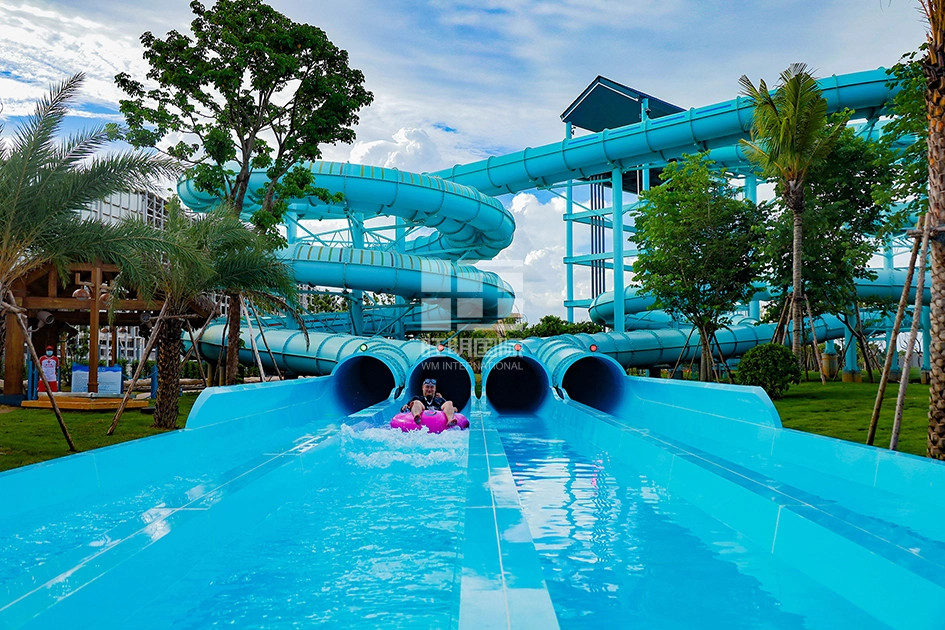
Time Tunnel Water Slide
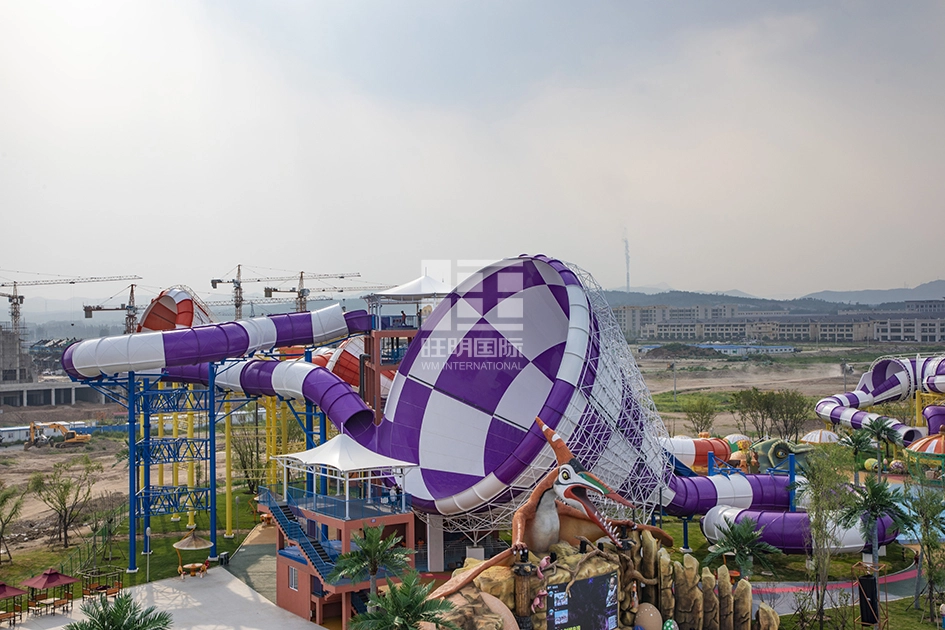
Big Tourbillion Water Slide
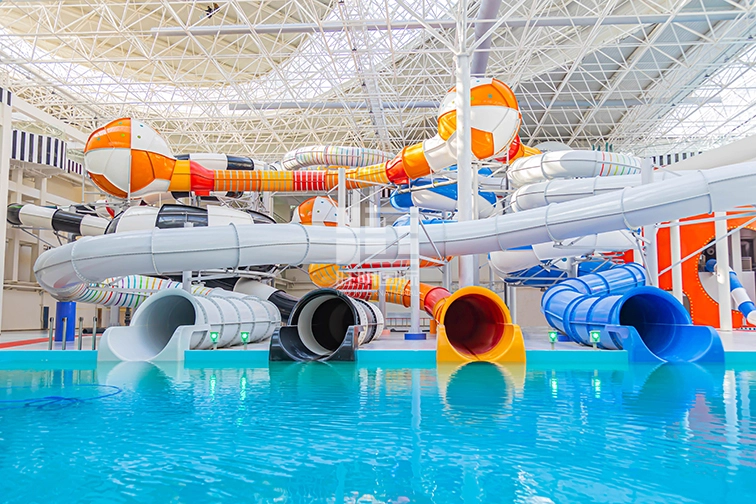
Turnover Slide
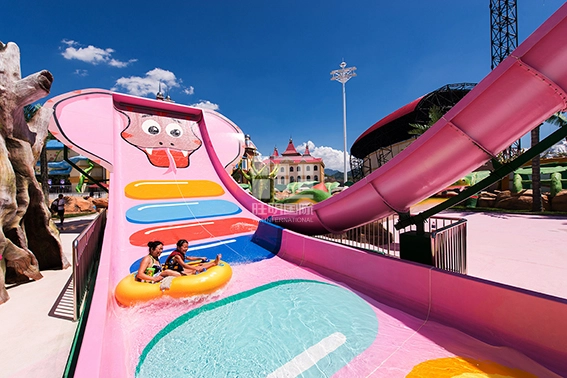
Small King Cobra Water Slide
Get in touch
Have to get customized water park solutions and product quotes.
We will provide you with professional consultation and support.

Relying on leading technology, innovative products and rich industry experience, we tailor personalized solutions for each water park project to ensure a safe and exciting entertainment experience for tourists.
 Scan QR Code
wmwaterslide
wmwaterpark