






7 Critical Water Slide Safety Issues You Must Never Ignore (Expert Guide)
- Introduction: Why Water Slide Safety Issues Deserve Serious Attention
- 1. Structural Design Flaws: When Engineering Mistakes Turn Dangerous
- 2. Inadequate Maintenance Practices: Small Neglect, Big Consequences
- 3. Insufficient Staff Training and Supervision: The Human Factor in Safety
- 4. User Misbehavior and Rule Violations: A Hidden but Major Risk
- 5. Surface Degradation and Material Wear: The Silent Safety Threat
- 6. Water Flow and Mechanical Failures: When Systems Break Down
- 7. Emergency Preparedness: The Final Line of Defense
- Quick Overview Table: Key Water Slide Safety Issues and Solutions
- FAQs About Water Slide Safety Issues
- 1. What are the most common water slide safety issues?
- 2. How can operators reduce safety risks effectively?
- 3. Why is maintenance so critical for safety?
- 4. How does water flow impact rider safety?
- 5. Can user behavior really cause serious accidents?
- 6. What is the best way to improve long-term safety?
- Conclusion: Take Action to Eliminate Water Slide Safety Issues
Introduction: Why Water Slide Safety Issues Deserve Serious Attention
Water parks are built for fun, but safety must always come first. Water slide safety issues are often underestimated until an accident occurs. In reality, even small oversights—whether in design, maintenance, or supervision—can lead to serious injuries and costly consequences. Operators who take a proactive and structured approach to safety not only protect guests but also strengthen their brand reputation and long-term profitability.
This article explores the most common safety risks in a more integrated and logical way, combining causes, consequences, and solutions into cohesive insights that are easier to apply in real-world operations.
1. Structural Design Flaws: When Engineering Mistakes Turn Dangerous
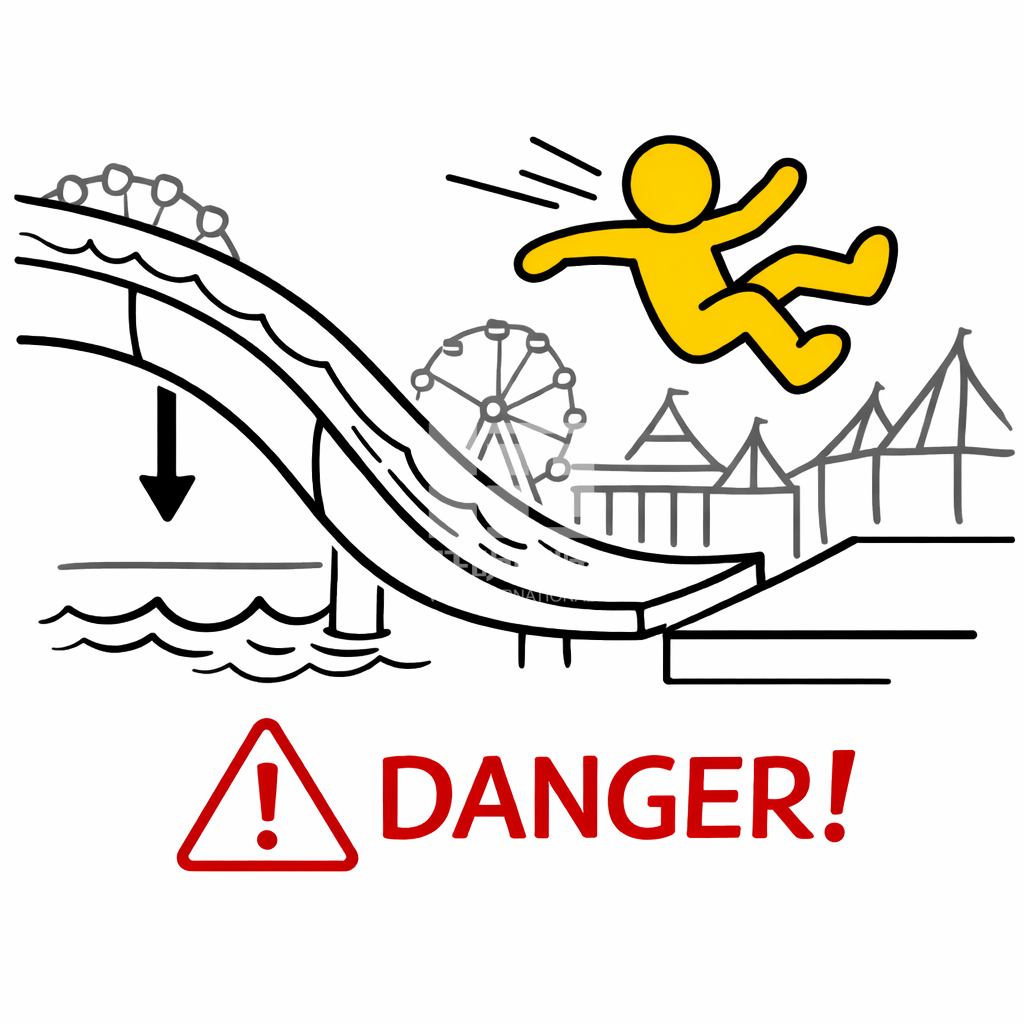
Structural design is the foundation of all water slide safety. When a slide is not engineered with precision, risks begin long before the first rider enters. Poor slope calculations, incorrect banking angles, and insufficient support structures can cause riders to gain excessive speed or lose control during turns. These design flaws often result in dangerous ejections or collisions, especially in high-thrill attractions.
There have been real cases where riders were thrown off slides due to improper curvature design, leading to severe spinal injuries and legal action against operators. Such incidents highlight that safety must start at the blueprint stage. Working with certified engineers, conducting simulation testing, and complying with international standards are not optional—they are essential safeguards that prevent structural risks from becoming operational disasters.
2. Inadequate Maintenance Practices: Small Neglect, Big Consequences
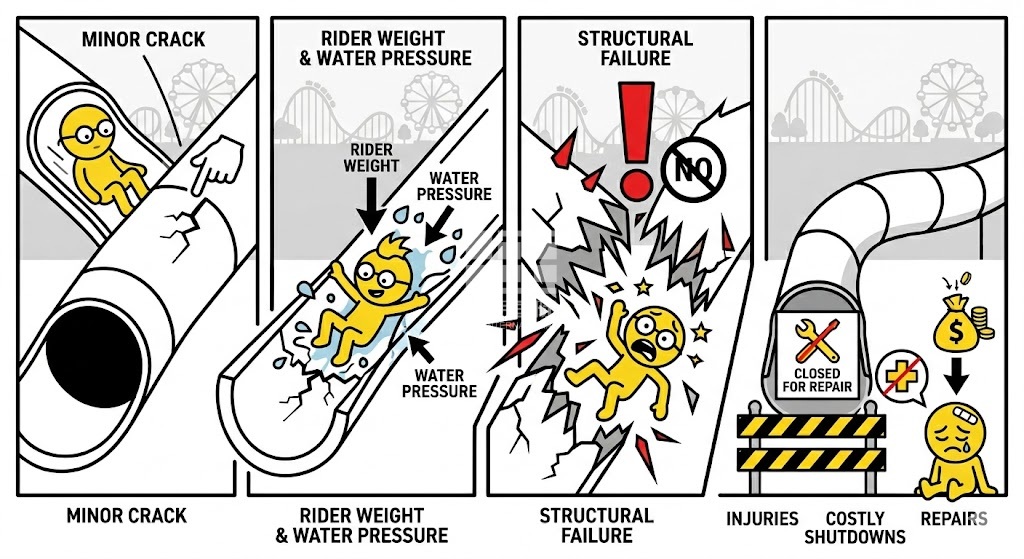
Maintenance is where many water slide safety issues quietly develop over time. A slide may appear functional on the surface, but hidden wear and tear can compromise safety in critical ways. Cracks in fiberglass, loose joints, and aging coatings may not immediately fail, but under repeated stress, they can quickly escalate into serious hazards.
For example, a minor crack left unrepaired can expand under water pressure and rider weight, eventually causing sharp edges or even structural failure. These issues not only lead to injuries but also force costly shutdowns and repairs. A well-structured maintenance routine ensures that small defects are addressed before they become major risks. Operators should integrate daily inspections with long-term preventive strategies, as outlined in this essential guide:
👉 The 2026 Water Slide Maintenance Checklist: Prevent Major Problems and Double Your Slide's Lifespan
3. Insufficient Staff Training and Supervision: The Human Factor in Safety
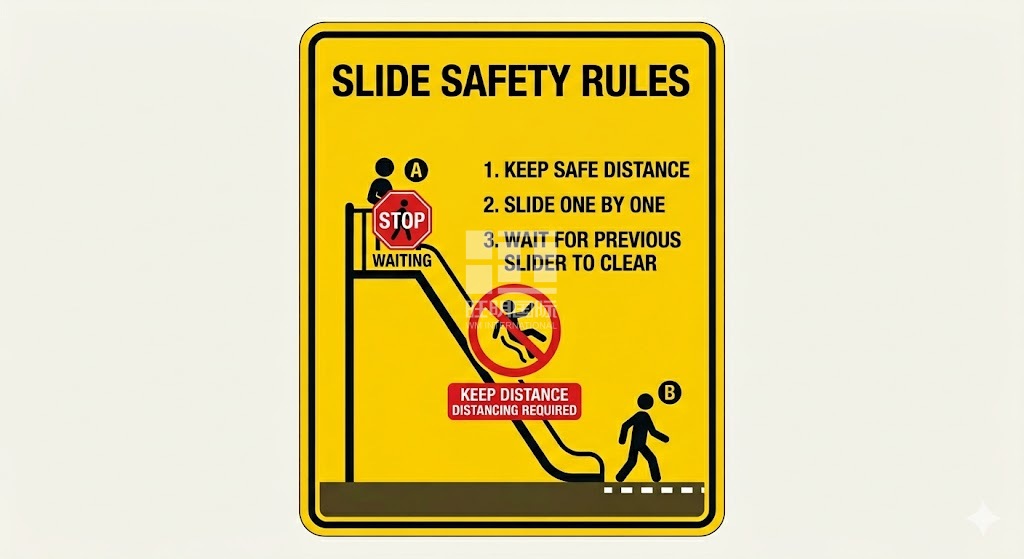
Even the safest slide design and maintenance plan can fail without proper human oversight. Staff play a critical role in controlling the flow of riders and enforcing safety rules. When training is inadequate, small mistakes—such as dispatching riders too quickly or ignoring safety restrictions—can quickly lead to dangerous situations.
In one documented case, a lack of proper supervision resulted in a child being sent down a slide too soon after another rider, causing a mid-slide collision and head injury. This highlights how timing, awareness, and decision-making directly affect safety outcomes. Well-trained staff understand not only the rules but also the reasoning behind them, allowing them to act quickly and effectively in both routine and emergency situations.
Continuous training programs, clear operational protocols, and active supervision create a controlled environment where risks are minimized and guest safety is consistently maintained.
4. User Misbehavior and Rule Violations: A Hidden but Major Risk
While operators can control many aspects of safety, user behavior remains a significant and unpredictable factor. Guests often ignore rules in pursuit of excitement, not realizing the risks involved. Actions such as standing during a slide, going headfirst on feet-first slides, or forming chains with other riders can dramatically increase the likelihood of injury.
These behaviors frequently lead to collisions, loss of balance, or even being thrown off the slide path. In some cases, improper riding positions have resulted in serious neck and spine injuries. The challenge for operators is not just setting rules but ensuring they are understood and followed.
Effective communication plays a key role here. Clear signage, visual instructions, and consistent staff enforcement help create a culture of safety. When guests are properly guided and monitored, risky behaviors can be significantly reduced.
5. Surface Degradation and Material Wear: The Silent Safety Threat
Over time, water slides are exposed to harsh environmental conditions, including UV radiation, chemicals, and constant friction from riders. This leads to gradual material degradation, which can directly impact rider safety. Surfaces that become rough can cause abrasions, while algae buildup can create slippery areas that increase the risk of falls.
In some reported cases, degraded coatings caused excessive friction, resulting in painful skin burns for riders. These issues may develop slowly, making them easy to overlook without regular inspection. However, their impact on safety can be immediate and severe once they reach a critical point.
Using high-quality materials, maintaining proper water chemistry, and scheduling periodic resurfacing are essential strategies to ensure that slide surfaces remain smooth, safe, and comfortable for users.
6. Water Flow and Mechanical Failures: When Systems Break Down
Water flow is not just a functional requirement—it is a critical safety component. Proper water distribution ensures that riders move smoothly and at controlled speeds. When pumps fail or water pressure drops, the entire safety dynamic of the slide changes.
Low water flow can cause riders to slow down or stop mid-slide, increasing the risk of collisions with following riders. In more severe cases, insufficient lubrication leads to friction burns or panic situations, particularly in enclosed slides where visibility is limited.
Mechanical reliability is therefore essential. Regular inspection of pumps, backup systems, and automated monitoring tools helps ensure that water flow remains consistent. By maintaining these systems, operators can prevent sudden failures that could otherwise lead to accidents.
7. Emergency Preparedness: The Final Line of Defense
Even with the best preventive measures, accidents can still occur. What separates a manageable incident from a severe outcome is the level of emergency preparedness. Unfortunately, many facilities underestimate this aspect, leaving staff unprepared to respond quickly and effectively.
Delayed responses, lack of first aid equipment, and unclear communication protocols can worsen injuries that might otherwise be minor. In one case, slow emergency handling led to complications that could have been avoided with faster intervention.
A strong emergency plan includes trained personnel, accessible equipment, and clear communication systems across the facility. Regular drills ensure that staff are ready to act without hesitation, minimizing harm and maintaining control during critical moments.
Quick Overview Table: Key Water Slide Safety Issues and Solutions
| Safety Issue | Core Problem | Integrated Solution |
|---|---|---|
| Structural Design Flaws | Unsafe speed and trajectory control | Professional engineering and simulation testing |
| Poor Maintenance | Hidden damage and wear | Preventive inspection systems |
| Staff Training Gaps | Operational errors and slow response | Continuous training and supervision |
| User Misbehavior | Unsafe riding practices | Clear communication and enforcement |
| Surface Degradation | Rough or slippery surfaces | Material upgrades and resurfacing |
| Water Flow Issues | Inconsistent ride performance | Pump maintenance and monitoring |
| Emergency Unpreparedness | Delayed or ineffective response | Emergency planning and drills |
FAQs About Water Slide Safety Issues
1. What are the most common water slide safety issues?
The most common issues include poor design, lack of maintenance, insufficient supervision, and unsafe user behavior.
2. How can operators reduce safety risks effectively?
By combining proper design, regular maintenance, trained staff, and clear safety communication.
3. Why is maintenance so critical for safety?
Because small defects can quickly turn into major hazards if left unaddressed.
4. How does water flow impact rider safety?
It controls speed and reduces friction, ensuring a smooth and safe ride.
5. Can user behavior really cause serious accidents?
Yes, ignoring safety rules is one of the leading causes of injuries on water slides.
6. What is the best way to improve long-term safety?
Following a structured maintenance and safety strategy, such as the one outlined here:
👉 https://www.wmwaterslide.com/
Conclusion: Take Action to Eliminate Water Slide Safety Issues
Addressing water slide safety issues is not just about compliance—it’s about responsibility. Every improvement in design, maintenance, and operation directly protects lives and enhances user experience.
The most successful water park operators understand that safety is an ongoing process, not a one-time effort. By taking a proactive and integrated approach, you can prevent accidents, reduce costs, and build lasting trust with your guests.
👉 Ready to upgrade your safety standards?
Visit https://www.wmwaterslide.com/ today to discover expert solutions, advanced maintenance strategies, and high-quality water slide systems designed with safety at the forefront.
Market Size and Forecast Analysis of Segmented Products in the Water Park Equipment Slide Industry
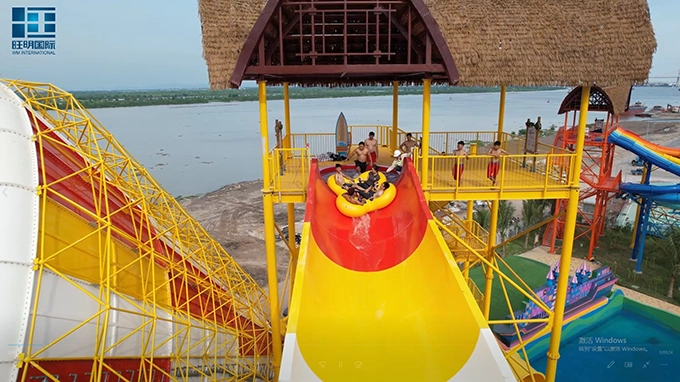
From Water Park Equipment Innovation to Carnival Experience, Water Parks Define a New Summer Trend
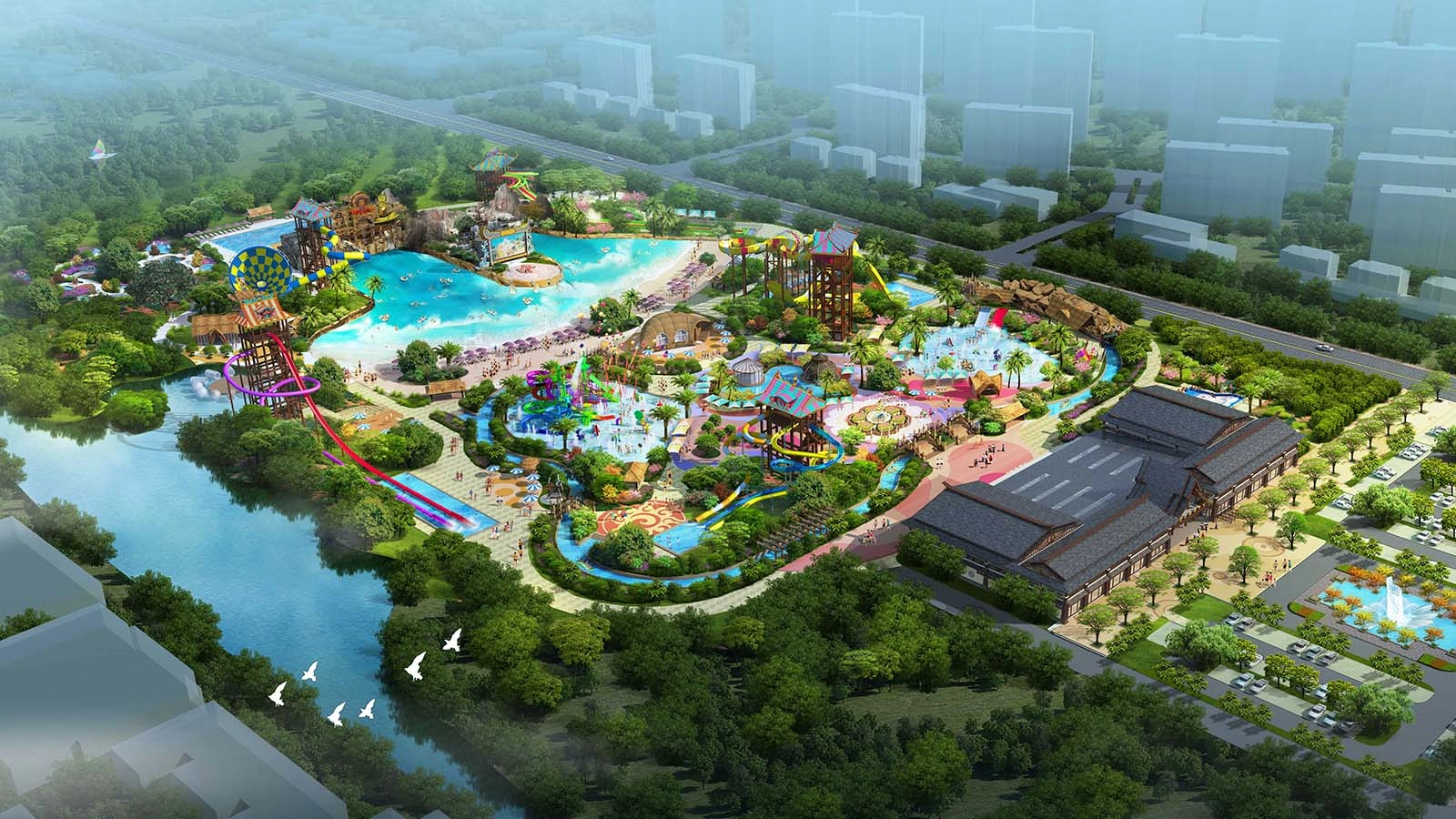
Water Projects: The Complete Guide to Developing Water Projects for Different Venues with WM INTERNATIONAL
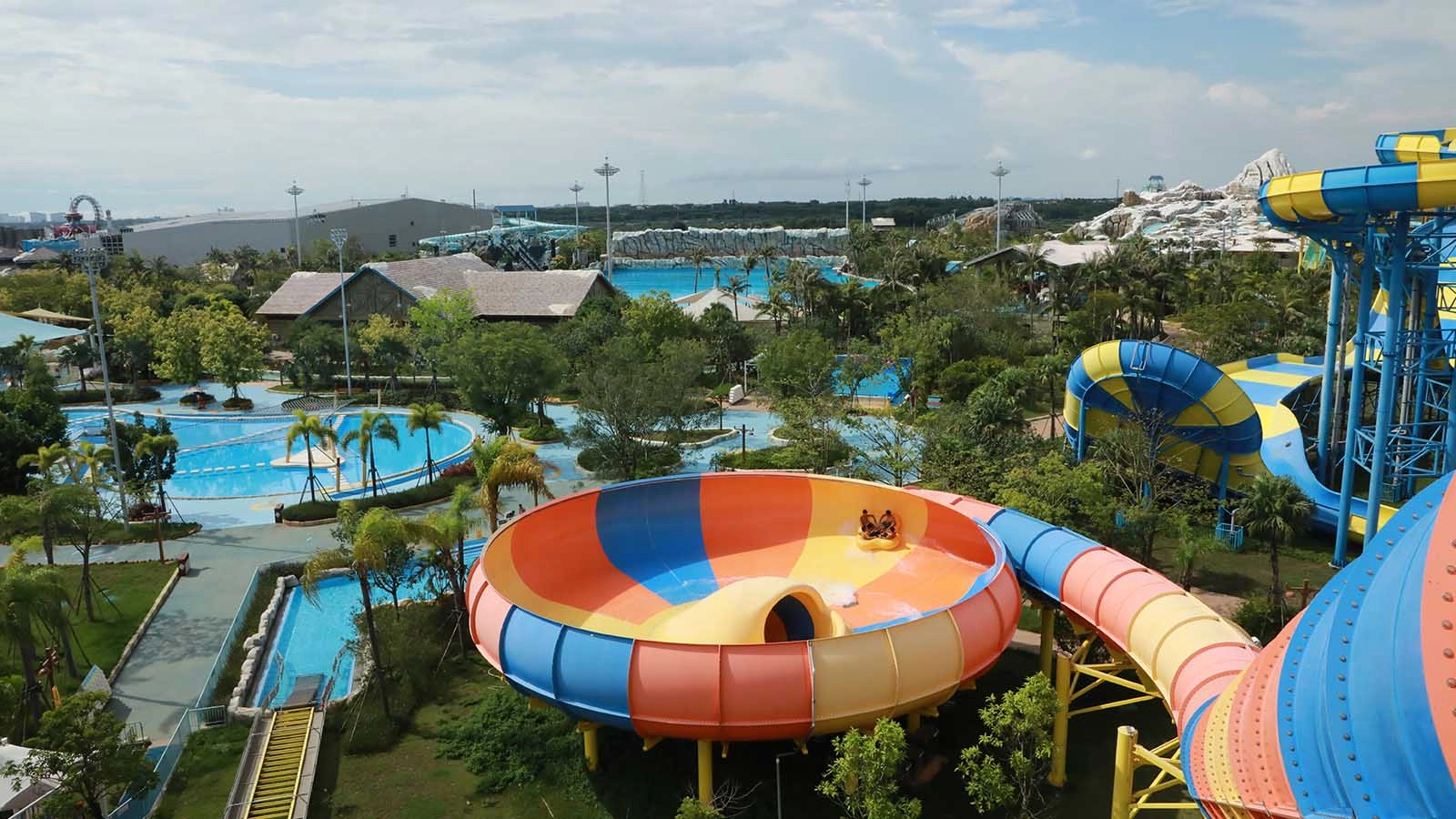
Water Project Industry Trends: Emerging Opportunities in the Water Attraction Market
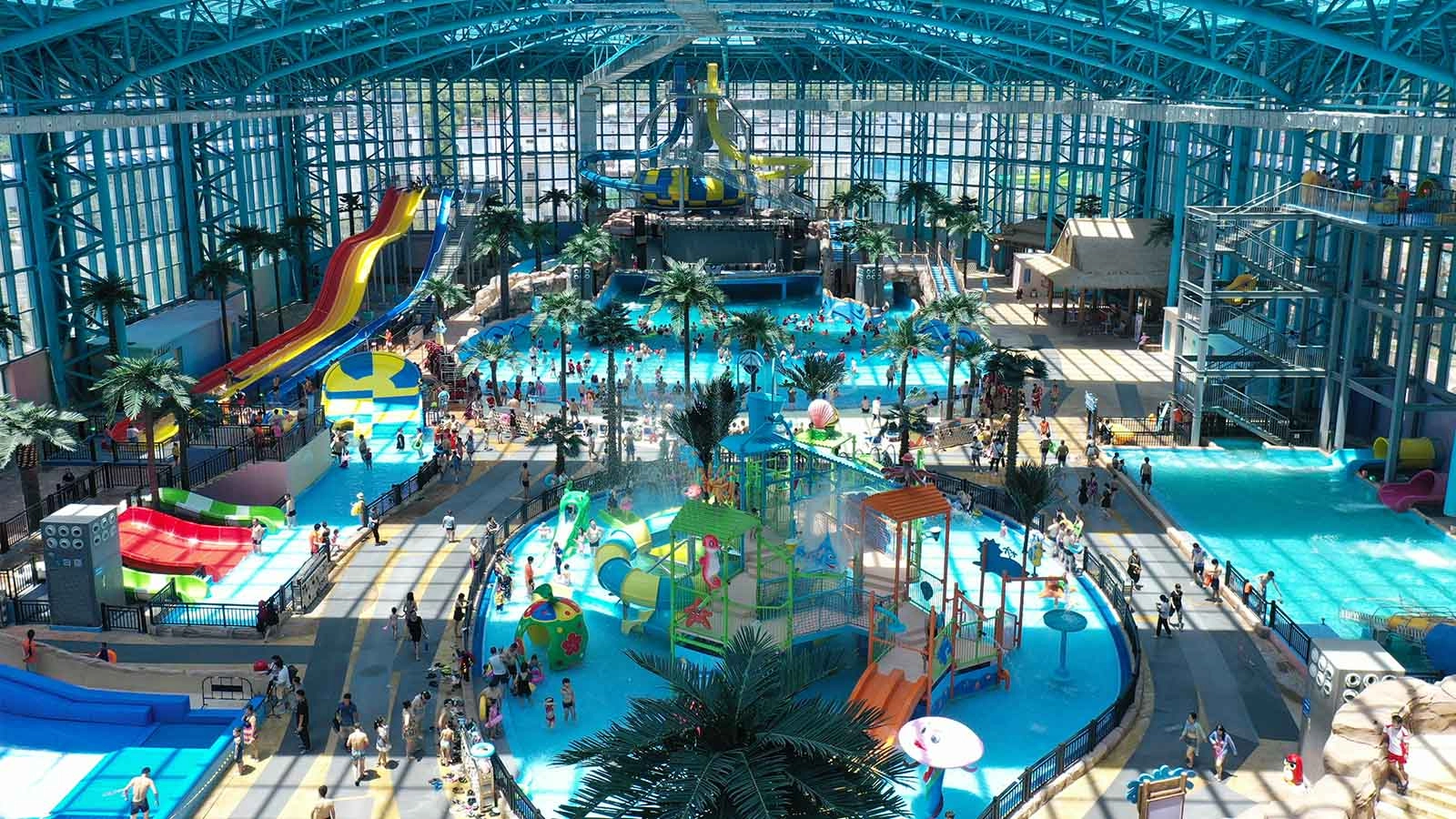
Custom Water Project Solutions for Different Venues: Water Parks, Resorts, Theme Parks and More
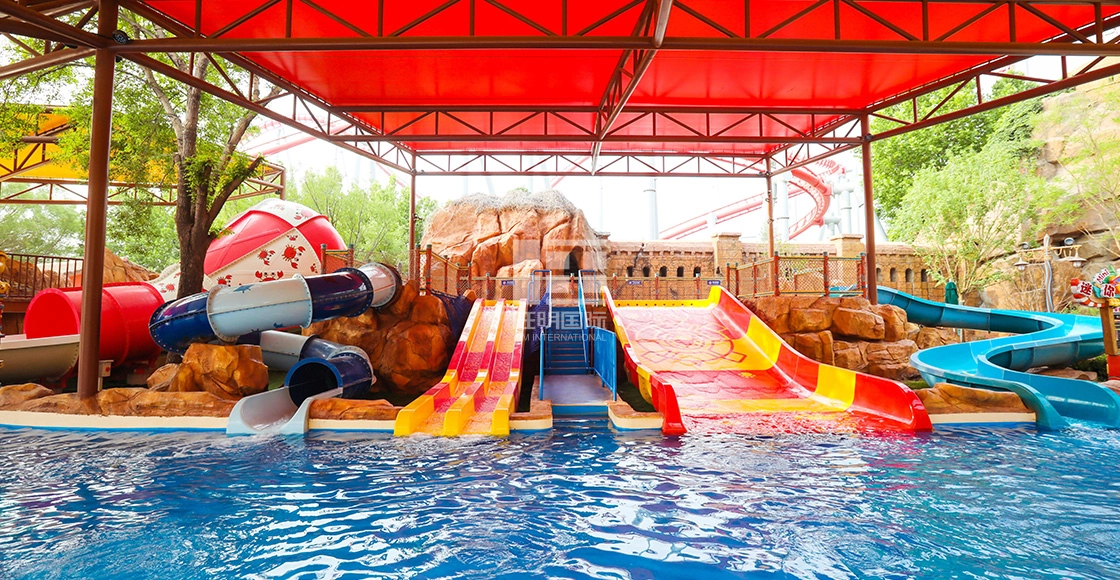
Children Combined Water Slide
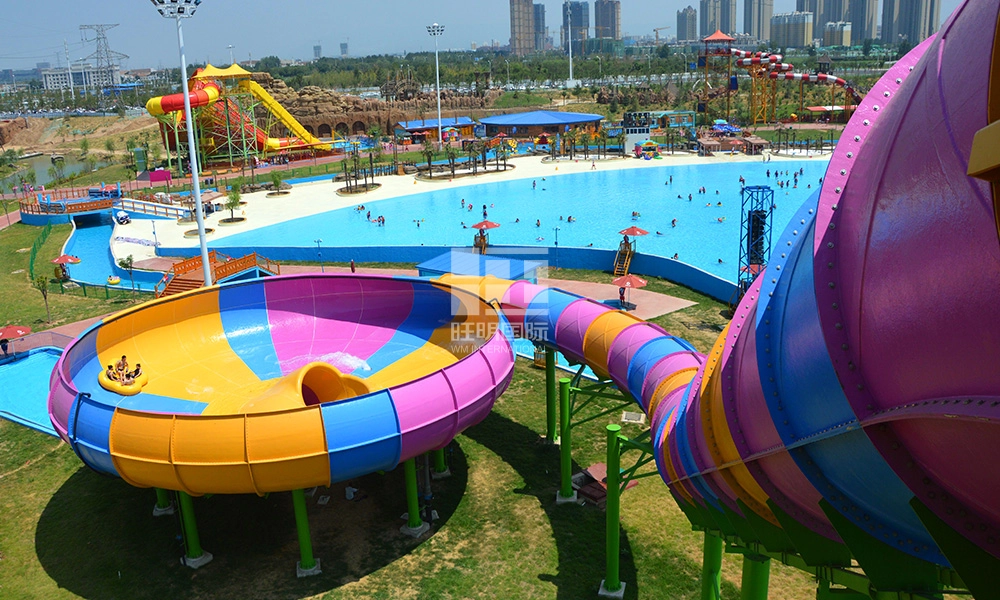
Huge Bowl Water Slide
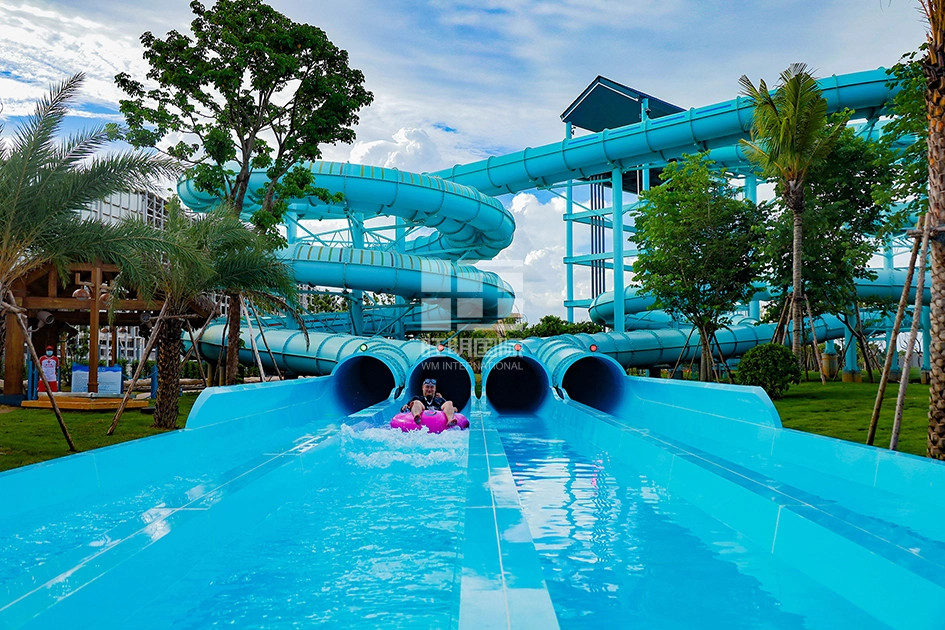
Time Tunnel Water Slide
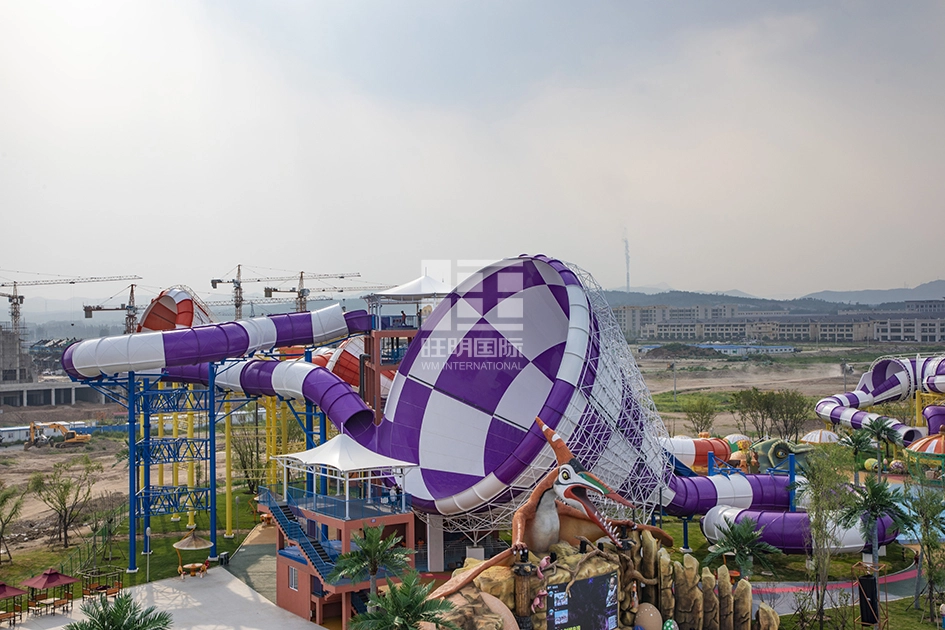
Big Tourbillion Water Slide
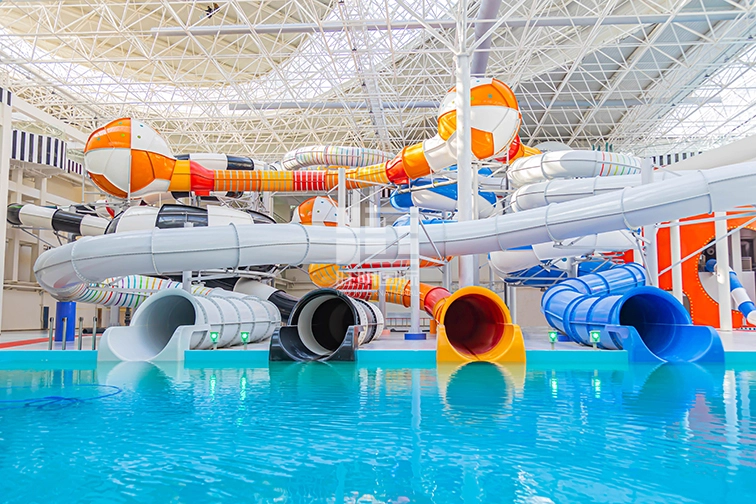
Turnover Slide
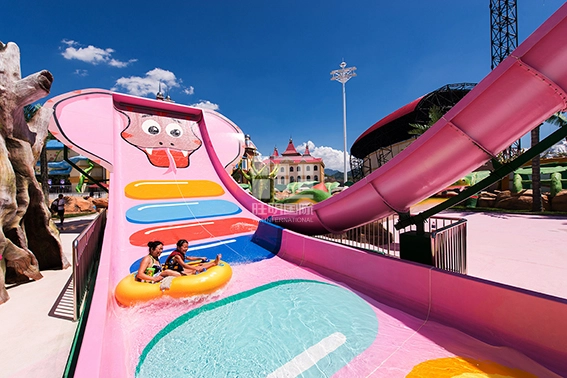
Small King Cobra Water Slide
Get in touch
Have to get customized water park solutions and product quotes.
We will provide you with professional consultation and support.

Relying on leading technology, innovative products and rich industry experience, we tailor personalized solutions for each water park project to ensure a safe and exciting entertainment experience for tourists.
 Scan QR Code
wmwaterslide
wmwaterpark