





how to make a fiberglass water slide | WM INTERNATIONAL Guide
How to Make a Fiberglass Water Slide: A Complete Guide for Water Park Professionals
Understanding how to make a fiberglass water slide is vital for water park operators seeking quality, durability, and guest safety. This clear, step-by-step guide explores key materials, critical techniques, and best practices, addressing common pain points like maintenance, lifespan, and compliance.
How to Make a Fiberglass Water Slide
Overview: Why Fiberglass for Water Slides?
- Durability: Industry data shows fiberglass has a lifespan of 20+ years, outperforming alternatives like polyethylene (IAAPA).
- Low Maintenance: Resistant to UV rays, chemicals, and weathering.
- Smooth Finish: Provides a safe, high-speed ride for guests.
- Customizable: Easily shaped for unique slide designs.
Essential Materials & Equipment
- Fiberglass Mat/Cloth: E-glass types preferred for strength and flexibility.
- Resin: Polyester or vinyl ester resins for bond and chemical resistance.
- Gel Coat: Provides color, finish, and UV protection.
- Release Agent: Prevents sticking to the mold.
- Rollers & Brushes: For uniform resin application.
- Mold: CNC-cut steel or fiberglass molds ensure dimensional accuracy.
Production Steps
Slide Design and Engineering
- CAD software—Autodesk or SolidWorks recommended for flow and safety analysis.
- Adhere to EN1069 or ASTM F2376: International safety standards.
Mold Preparation
- Clean and Waxed Mold: Ensures smooth surface.
- Release Agent: Applied for easy part removal.
Gel Coating
- Spraying Gel Coat: Uniform thickness (0.5–0.8 mm) prevents warping and fading.
- Color Selection: UV-stable pigments for long-term aesthetics.
Lamination
- Layering Fiberglass: Typically 3–5 layers for optimal strength.
- Resin Application: Rolled or brushed to saturate the mat completely.
- Curing: Controlled at 25–30°C for even hardening.
Demolding and Inspection
- Careful Demolding: Avoids damage to the finished part.
- Quality Check: Visual and ultrasonic examination for inclusions or voids.
Finishing & Assembly
- Edge Trimming: Automated routers for precision.
- Surface Polishing: Achieves a glossy finish for speed and safety.
- Hardware Installation: Stainless steel flanges for rust resistance.
- Section Assembly: Bolting and sealing joints for a watertight fit.
Safety and Compliance
- Testing: Proof-load and hydrostatic testing per IAAPA specifications.
- Certification: Third-party assessment—TÜV or SGS—for compliance.
Maintenance Tips
- Routine Inspections: Monthly checks for cracks or osmosis.
- Resurfacing: Reapply gel coat every 5–8 years as per manufacturer guidelines.
- Cleaning: Use mild cleansers to preserve finish and grip.
References
- (https://www.iaapa.org)
- (https://www.en-standard.eu)
- (https://www.astm.org/f2376-21.html)
Water Project Cost and ROI: Key Budget Factors Before Choosing a Project Solution
Water Projects: The Complete Guide to Developing Water Projects for Different Venues with WM INTERNATIONAL
Water Project Industry Trends: Emerging Opportunities in the Water Attraction Market
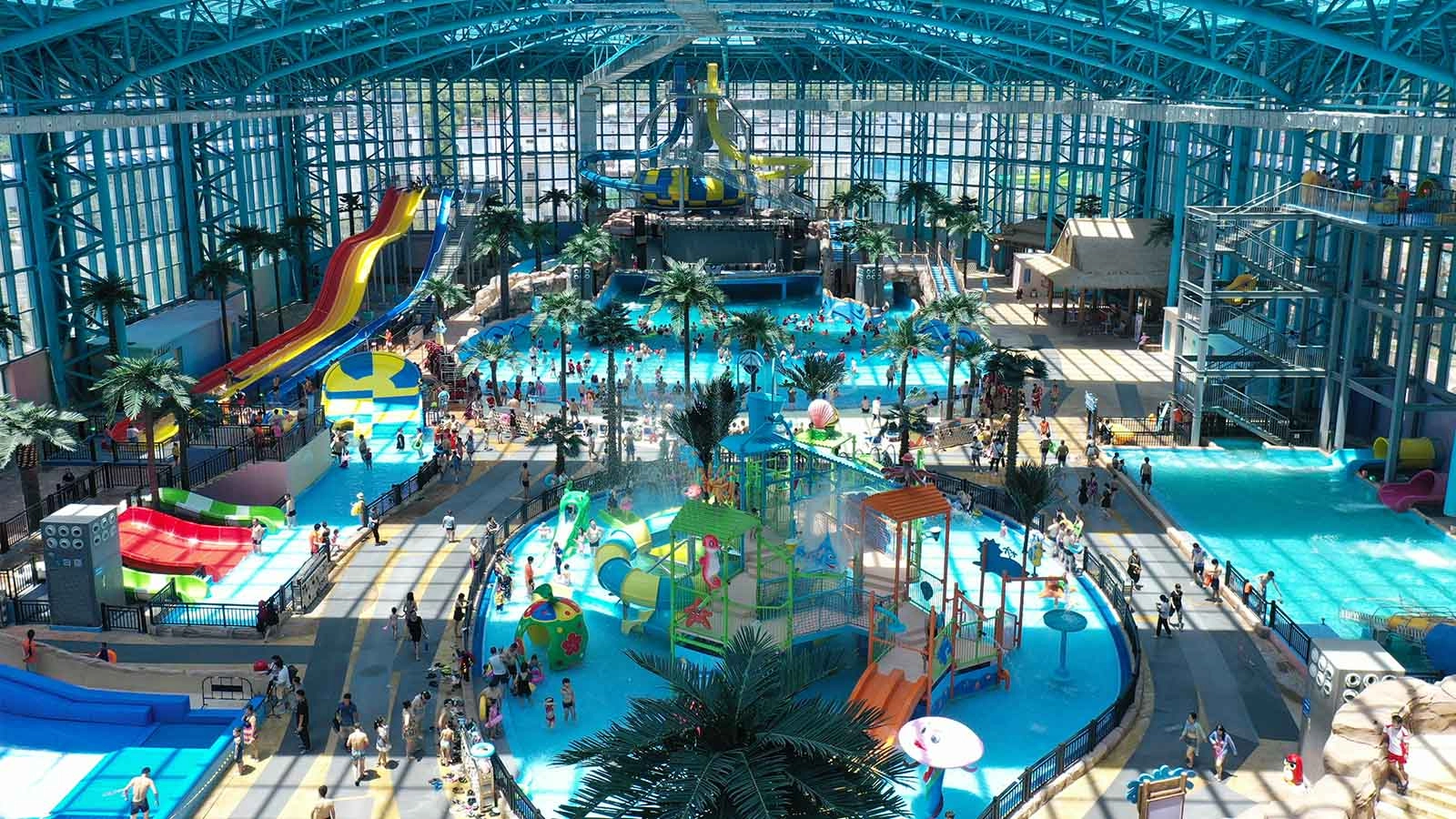
Custom Water Project Solutions for Different Venues: Water Parks, Resorts, Theme Parks and More
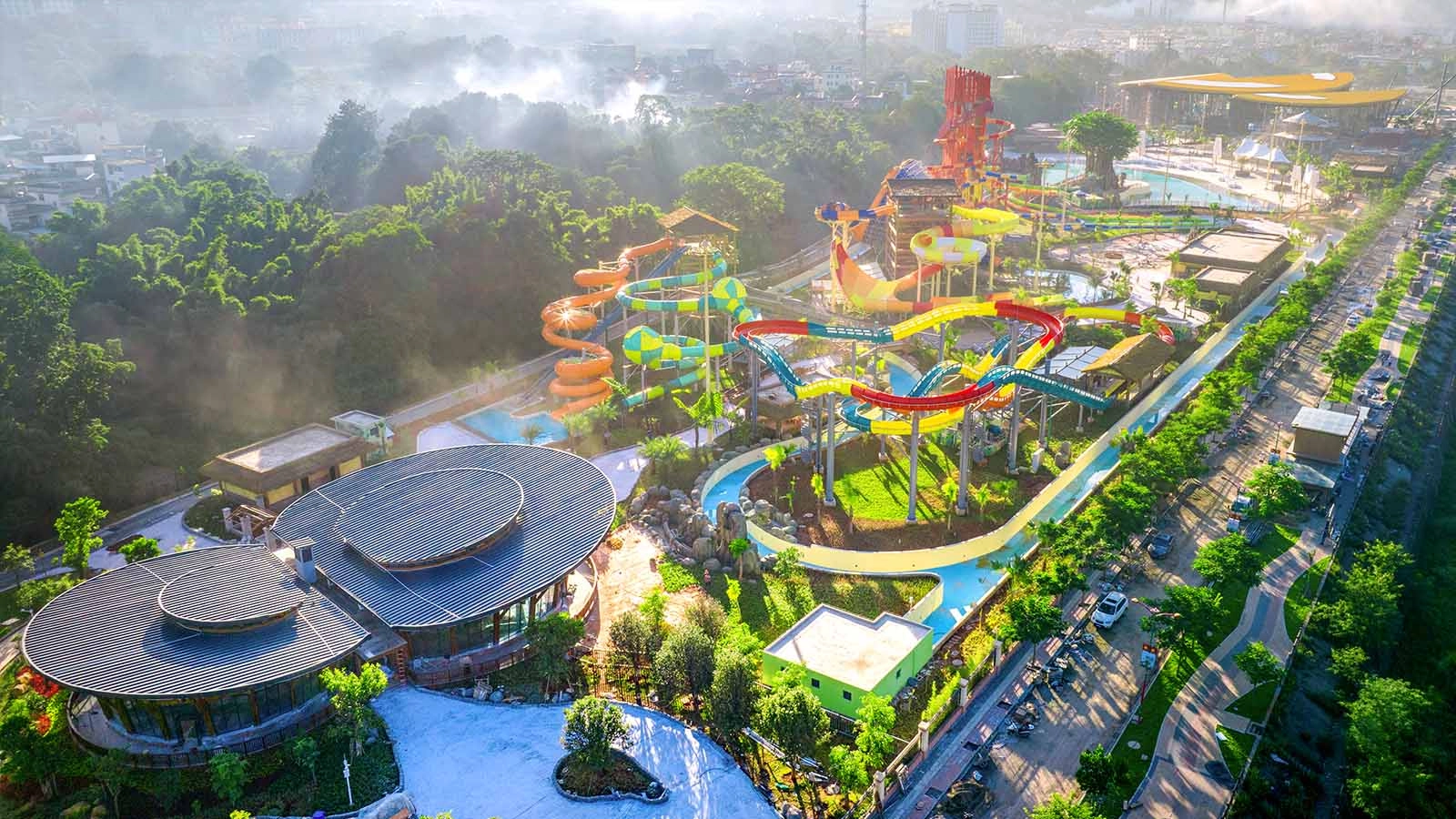
How to Configure Water Attractions for Water Projects in Different Venues
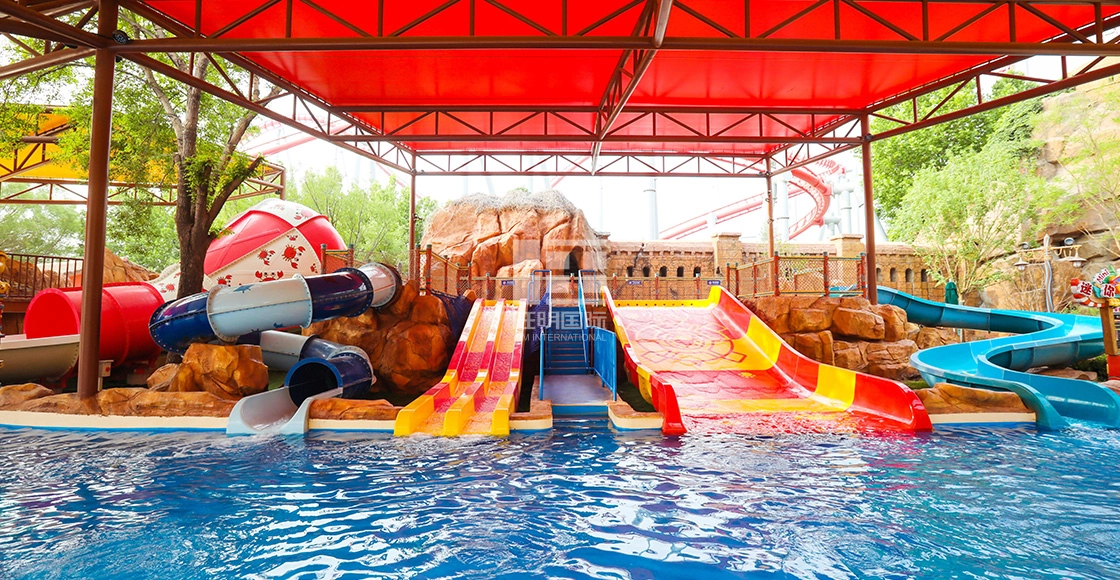
Children Combined Water Slide
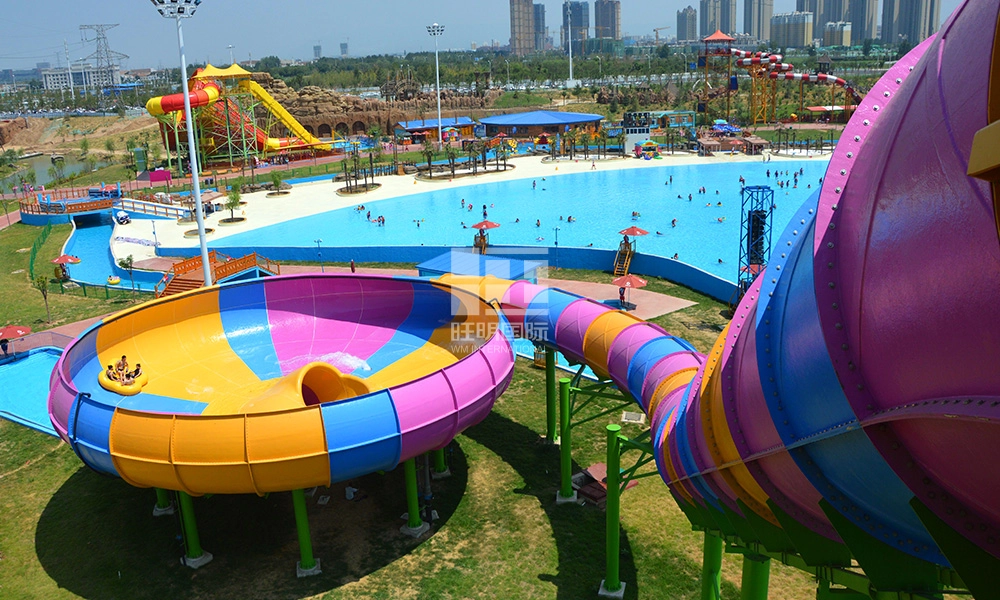
Huge Bowl Water Slide
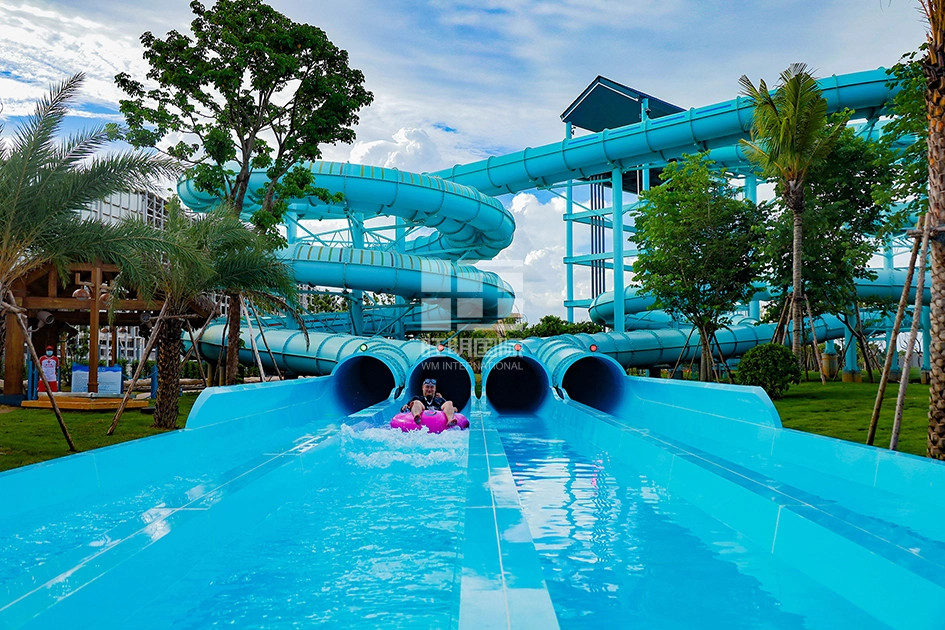
Time Tunnel Water Slide
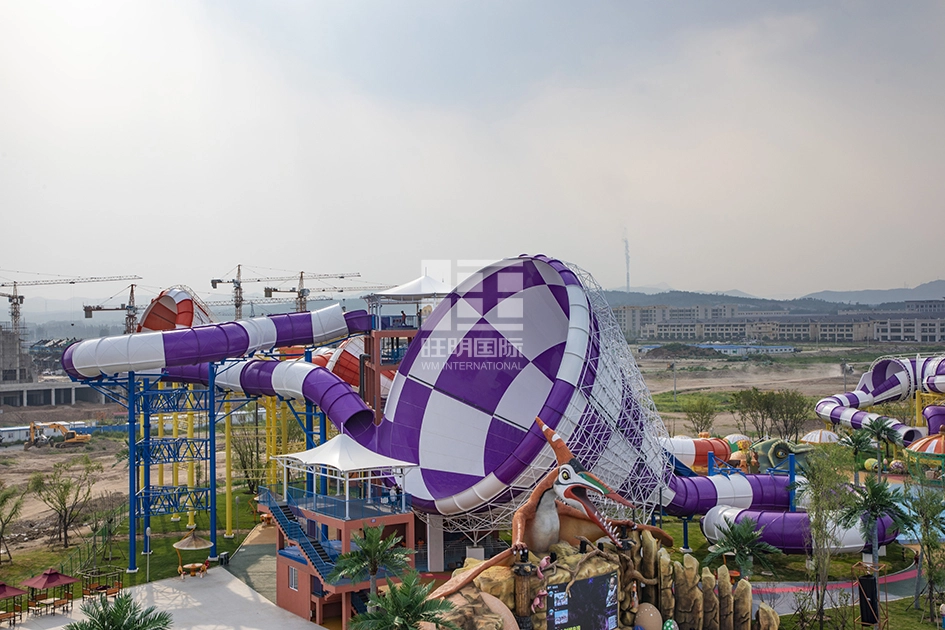
Big Tourbillion Water Slide
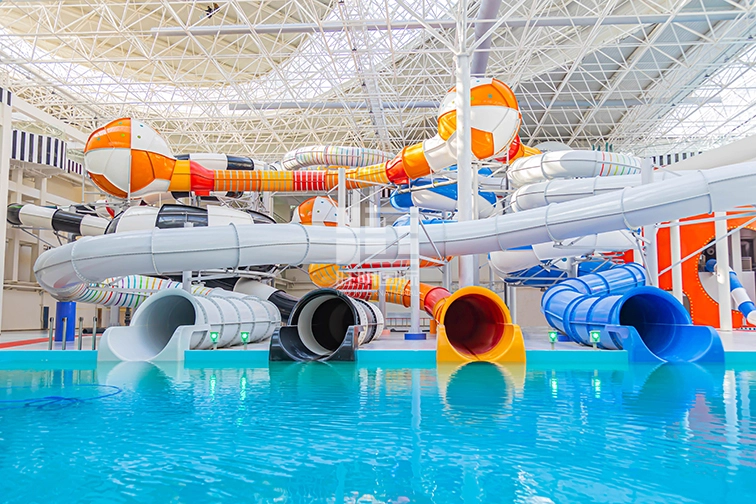
Turnover Slide
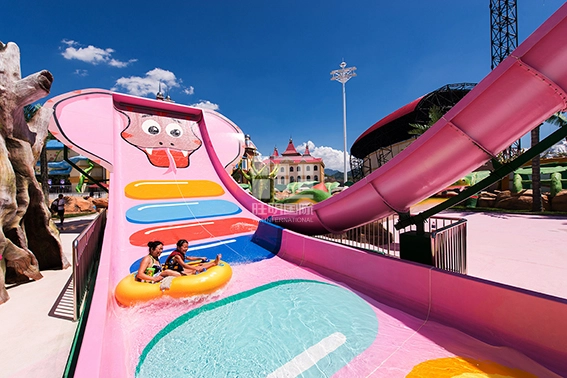
Small King Cobra Water Slide
Get in touch
Have to get customized water park solutions and product quotes.
We will provide you with professional consultation and support.

Relying on leading technology, innovative products and rich industry experience, we tailor personalized solutions for each water park project to ensure a safe and exciting entertainment experience for tourists.
 Scan QR Code
wmwaterslide
wmwaterpark