





Water Project Cost and ROI: Key Budget Factors Before Choosing a Project Solution
Water Project decisions hinge on understanding Water Project Cost and Water Project ROI to align budgets with outcomes. WM International breaks down essential budget factors to help you evaluate project viability and maximize returns before committing resources.
- Quick Answer
- Key Takeaways
- 1. Why Should Water Project Cost and ROI Be Evaluated Before Choosing a Solution?
- Cost and ROI Should Be Evaluated Together
- 2. What Budget Factors Should Be Included in a Water Project Investment?
- 3. How Does Project Scope Affect Water Project Cost and ROI?
- Project Scale
- Visitor Capacity
- Project Positioning
- 4. How Does Venue Type Influence Water Project Budget and ROI?
- 5. How Does Attraction Mix Affect Water Project Investment Returns?
- Attraction Mix and Potential Return
- 6. How Should Installation, Operating and Maintenance Costs Be Considered?
- 7. How Can Project Owners Compare Water Project Solutions by Cost and ROI?
- 8. How Can Project Owners Identify a Cost-Effective Water Project Solution?
- Cost-Effective Water Project Checklist
- Water Project Cost and ROI Decision Framework
- What Is the Scope?
- What Is the Budget?
- What Supports ROI?
- Does the Solution Fit?
- Conclusion
- FAQ
- Discuss a Water Project Budget
Quick Answer
Water project cost and ROI should be considered together before choosing a project solution. A lower initial investment does not automatically produce a better return, while a larger project scope may create stronger revenue potential when it is aligned with the venue, visitor profile, and operating model.
A practical water project budget should account for more than equipment prices. Project scope, attraction configuration, customization, installation requirements, operating expenses, maintenance needs, and expected visitor usage can all influence the overall investment and potential return.
For project owners, the goal is therefore not simply to find the lowest project cost. It is to identify a water project solution with a reasonable investment level, suitable operating requirements, and a realistic path toward long-term returns.
Key Takeaways
Water project cost should be evaluated at the project level rather than by comparing individual equipment prices alone.
Project scope, attraction mix, and venue positioning can significantly influence both investment requirements and ROI.
Equipment, customization, installation, and infrastructure requirements all contribute to the overall project budget.
A water attraction configuration should be evaluated by its ability to support visitor demand and project objectives, not only by its upfront cost.
Operating and maintenance requirements should be considered when evaluating long-term water project ROI.
The most cost-effective water project solution is not necessarily the cheapest option, but the one with an appropriate cost-to-return relationship.
1. Why Should Water Project Cost and ROI Be Evaluated Before Choosing a Solution?
Choosing a water project solution without first considering cost and ROI can create an imbalance between the project scope and its financial objectives. A solution may include attractive water features and equipment, but the overall investment still needs to make sense for the intended venue, visitor profile, operating model, and development strategy.
This is why project owners should evaluate the relationship between investment and expected returns before deciding which project direction to pursue. Instead of asking only how much an individual attraction costs, it is more useful to consider how the overall project scope influences visitor appeal, operating requirements, capacity, and long-term value.
A project-specific water project development framework can help connect budget considerations with the wider project direction, making it easier to evaluate whether a proposed solution fits the intended destination and investment objectives.
Cost and ROI Should Be Evaluated Together
2. What Budget Factors Should Be Included in a Water Project Investment?
A water project budget should reflect the full scope of the project rather than the price of one piece of equipment. Depending on the venue and project concept, the investment may include attraction equipment, customized components, installation requirements, supporting infrastructure, transportation, and other project-specific expenses.
The purpose of building a broader water project budget is not to create an artificially precise estimate before the project has been defined. Instead, it helps project owners understand which areas can influence the overall investment and where additional project information may be needed before comparing solutions.
3. How Does Project Scope Affect Water Project Cost and ROI?
Project scope is one of the strongest links between investment and potential returns. A larger project may require a broader attraction mix, more equipment, greater supporting infrastructure, and a larger operating scope. At the same time, a larger and better-positioned project may provide more opportunities to serve different visitor groups and create multiple revenue-generating experiences.
However, larger does not automatically mean more profitable. If the project scope is not aligned with venue demand or visitor expectations, additional attractions can increase investment without producing a proportional improvement in utilization or revenue potential.
Project owners should therefore evaluate whether each increase in project scope contributes to the intended visitor experience and supports a meaningful business objective.
Project Scale
Larger scope can increase investment and expand the range of visitor experiences.
Visitor Capacity
Expected visitor volume can affect how much attraction capacity is commercially reasonable.
Project Positioning
A clear destination concept can help ensure investment is focused on meaningful experiences.
4. How Does Venue Type Influence Water Project Budget and ROI?
Different venues can require very different approaches to water project investment. A dedicated water park may depend heavily on its attraction mix, while a resort may use water attractions to strengthen a broader hospitality experience. Theme parks, amusement parks, hot springs, and specialized water venues can also have different visitor profiles, operating models, and space conditions.
These differences can influence both the budget and the potential return. For example, a venue with limited available space may need a more focused project scope, while a destination with multiple visitor segments may have more room for a diversified attraction mix.
5. How Does Attraction Mix Affect Water Project Investment Returns?
Attraction mix can influence ROI because different attractions serve different visitor needs and can contribute differently to the overall experience. A project designed around one visitor segment may have a narrower appeal, while a carefully balanced mix can create more opportunities to serve families, leisure visitors, groups, and higher-intensity users.
The objective is not to maximize the number of attractions. It is to create an attraction mix in which the individual components support one another and align with the venue's positioning. This can help project owners focus investment on attractions that have a meaningful role within the overall visitor experience.
For projects where attraction configuration needs to be adapted to different venue conditions, venue-specific water project solution planning can provide another perspective on how project scope and customization can influence the final investment direction.
Attraction Mix and Potential Return
6. How Should Installation, Operating and Maintenance Costs Be Considered?
Initial equipment investment is only one part of the financial picture. Installation requirements, operating expenses, maintenance needs, and repair considerations can influence the long-term value of a water project. These factors matter because a project that appears inexpensive at the beginning may require a different level of ongoing operational support than a more comprehensive solution.
Project owners should therefore consider how the selected solution will behave over its operating life. Installation scope can influence the initial investment, while operating and maintenance requirements can affect the continuing cost structure. Looking at these factors together provides a more useful basis for evaluating ROI than focusing only on purchase price.
7. How Can Project Owners Compare Water Project Solutions by Cost and ROI?
Comparing water project solutions requires more than putting equipment prices side by side. Two solutions may have different initial investments while also offering different attraction mixes, visitor coverage, customization levels, operating requirements, and long-term value.
A useful comparison should therefore focus on the relationship between project scope and expected value. The objective is to identify which solution best fits the venue and investment objectives rather than simply choosing the lowest-priced option.
For project owners assessing the broader service relationship behind a solution, a broader water project partnership approach can also be considered alongside equipment, customization, implementation, and long-term support requirements.
8. How Can Project Owners Identify a Cost-Effective Water Project Solution?
A cost-effective water project solution should balance investment, visitor value, operating practicality, and long-term project objectives. The lowest initial price may not provide the best overall result if the solution does not fit the venue, limits visitor appeal, or creates unnecessary operating requirements.
Project owners can evaluate the final solution by asking whether the proposed scope is appropriate for the venue, whether the attraction mix serves the intended visitor groups, whether the expected operating requirements are manageable, and whether the investment supports a realistic path toward the desired return.
Cost-Effective Water Project Checklist
Water Project Cost and ROI Decision Framework
A practical decision process can be summarized through four connected questions before a project solution is finalized.
What Is the Scope?
Define the venue, scale, visitor profile, and attraction direction.
What Is the Budget?
Identify the major investment areas and project-specific cost drivers.
What Supports ROI?
Evaluate visitor value, attraction mix, utilization, and operating requirements.
Does the Solution Fit?
Choose the project direction that offers the most appropriate cost-to-value relationship.
Conclusion
Water project cost and ROI should be evaluated as part of the same project decision rather than as separate financial questions. The right solution depends on how project scope, venue type, attraction mix, operating requirements, and visitor value work together.
A cost-effective water project is not necessarily the project with the lowest initial investment. It is the solution that provides an appropriate balance between budget, attraction value, operating practicality, and potential long-term returns.
By evaluating these factors before finalizing a project solution, owners can enter supplier discussions with a clearer understanding of the investment scope and the financial objectives the project needs to support.
FAQ
What factors affect water project cost?
Water project cost can be influenced by equipment, customization, project scope, installation requirements, infrastructure, transportation, and operating preparation. The exact cost structure depends on the specific project.
What factors influence water project ROI?
ROI can be influenced by project scope, visitor demand, attraction mix, utilization, operating requirements, and the overall fit between the solution and the venue.
Does a higher water project investment always produce higher ROI?
No. A higher investment may create greater project capacity or attraction variety, but returns still depend on venue demand, visitor usage, operating requirements, and how well the project solution fits the destination.
Why should operating and maintenance costs be considered when evaluating ROI?
Because initial investment does not represent the entire financial picture. Recurring operating, maintenance, and repair requirements can affect the long-term value and return of a water project.
What makes a water project solution cost-effective?
A cost-effective solution provides an appropriate balance between project investment, visitor value, operating practicality, attraction scope, and long-term return rather than focusing only on the lowest upfront price.
Discuss a Water Project Budget
Share your venue type, project scope, target visitors, attraction concept, or preliminary budget with WM INTERNATIONAL to discuss a suitable water project solution and investment direction.
How to Configure Water Attractions for Water Projects in Different Venues
Water Projects: The Complete Guide to Developing Water Projects for Different Venues with WM INTERNATIONAL
Water Project Industry Trends: Emerging Opportunities in the Water Attraction Market
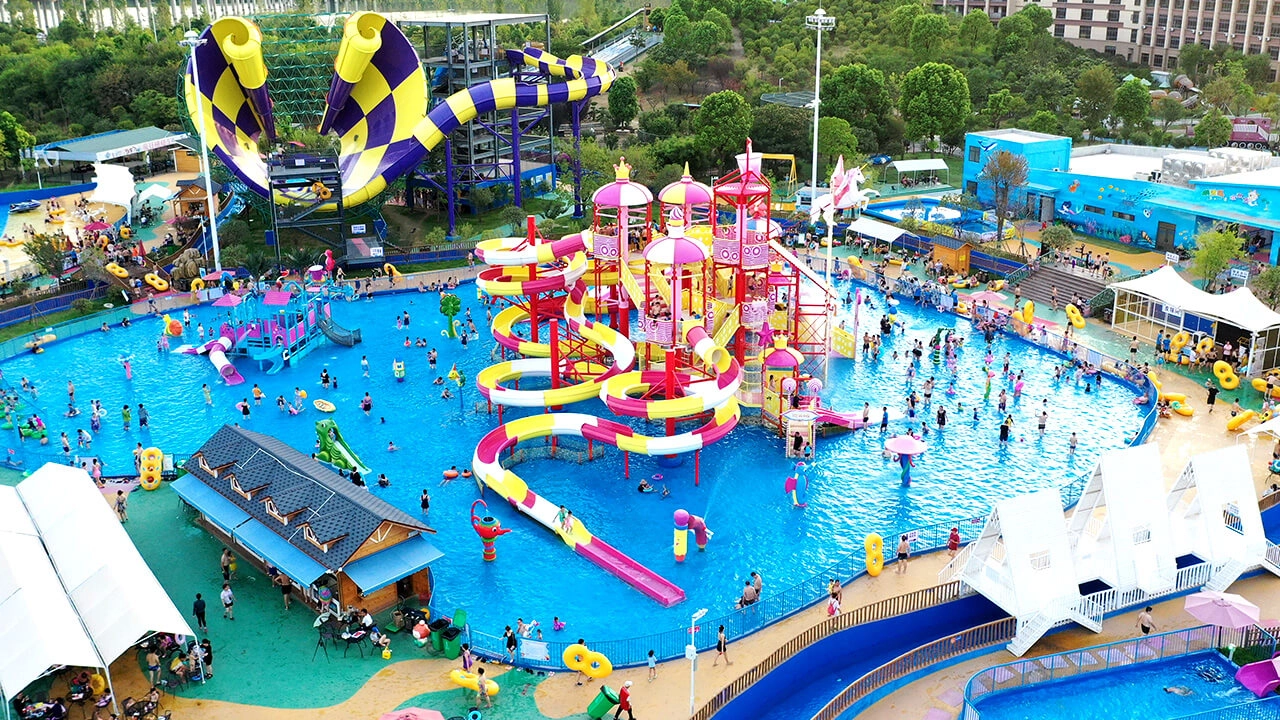
Why Choose WM INTERNATIONAL as Water Project Partner? Services, Capabilities and Project Support
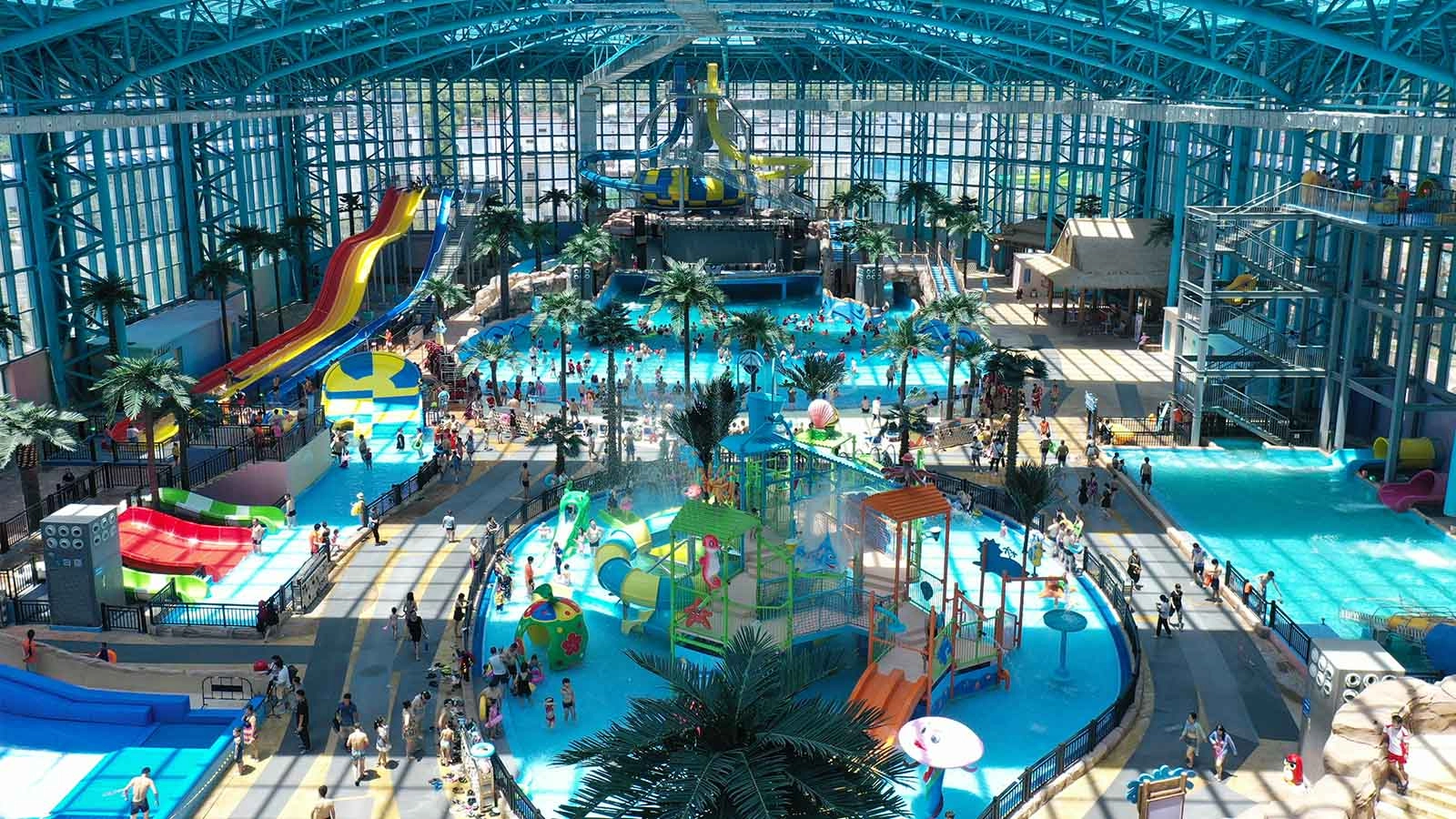
Custom Water Project Solutions for Different Venues: Water Parks, Resorts, Theme Parks and More
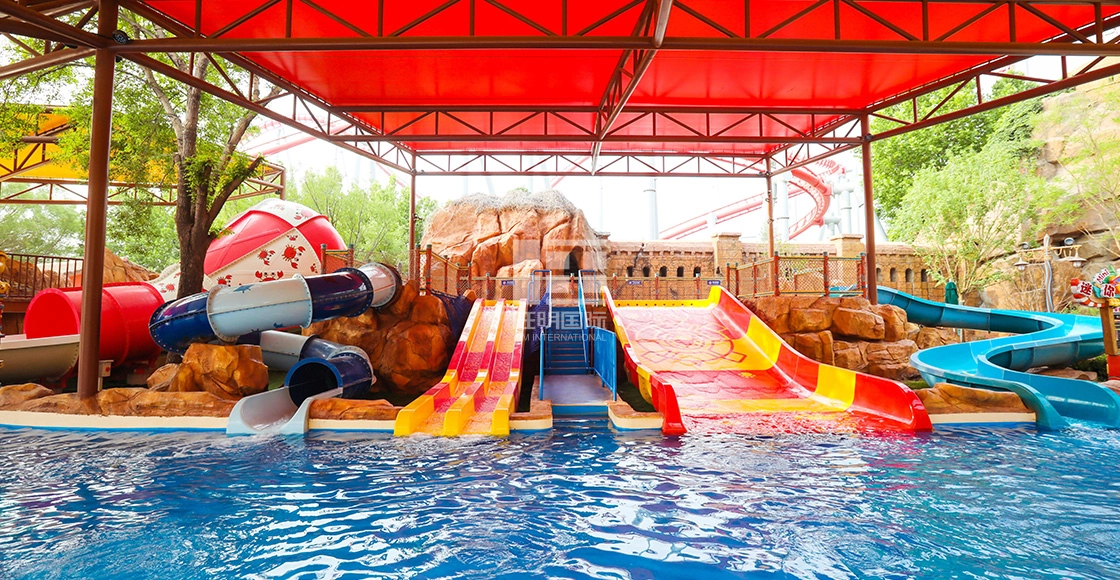
Children Combined Water Slide
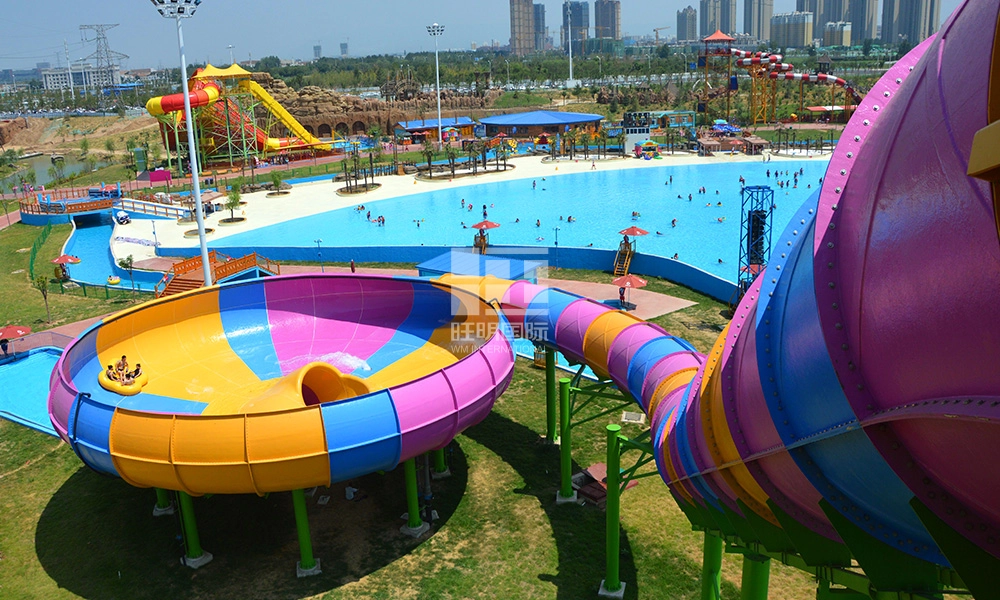
Huge Bowl Water Slide
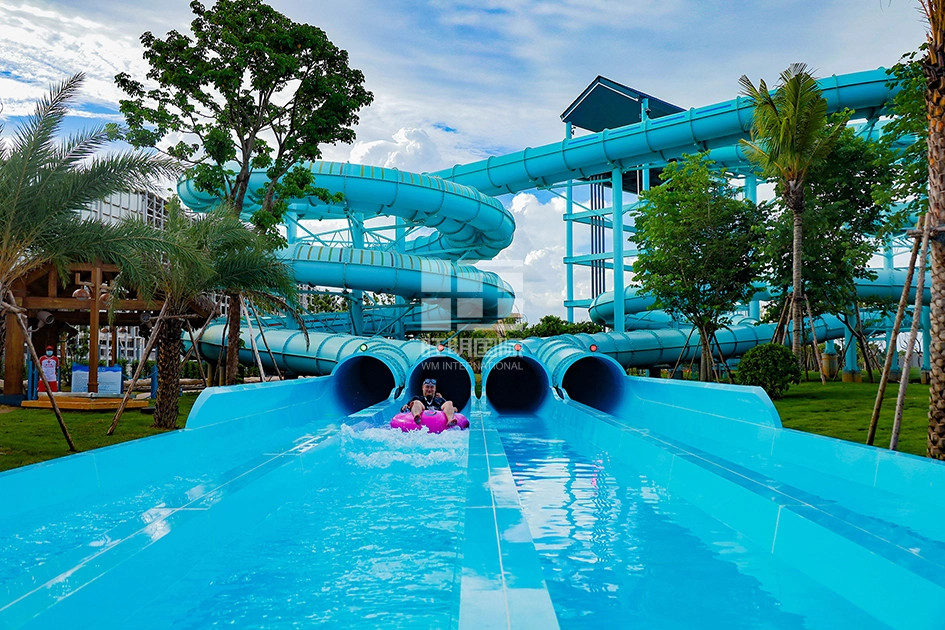
Time Tunnel Water Slide
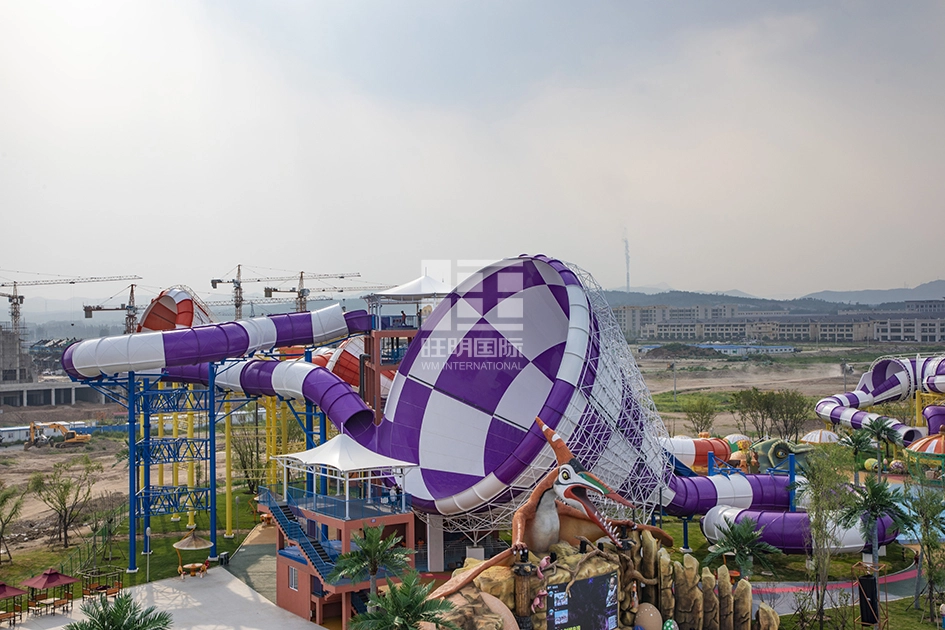
Big Tourbillion Water Slide
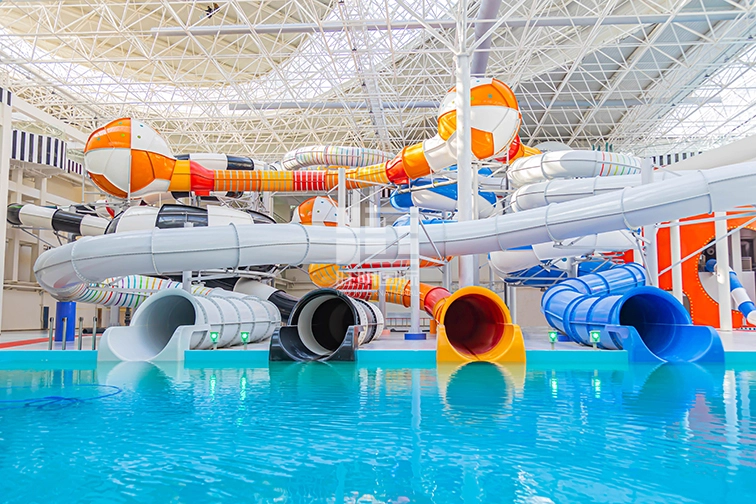
Turnover Slide
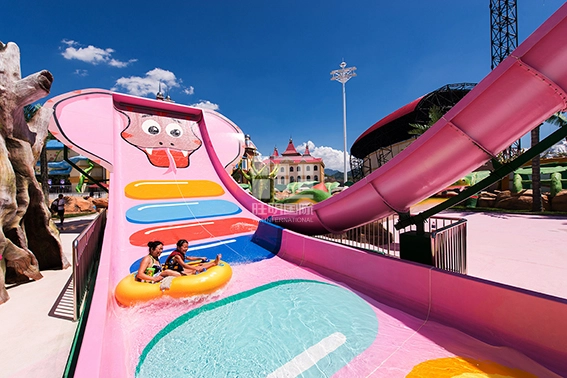
Small King Cobra Water Slide
Get in touch
Have to get customized water park solutions and product quotes.
We will provide you with professional consultation and support.

Relying on leading technology, innovative products and rich industry experience, we tailor personalized solutions for each water park project to ensure a safe and exciting entertainment experience for tourists.
 Scan QR Code
wmwaterslide
wmwaterpark