


Water Park Equipment Quotes: How to Compare Prices, Specifications and Included Services
- Quick Answer
- Key Takeaways
- 1. Why Can Water Park Equipment Quotes Differ for the Same Project?
- Example: Similar Slides, Different Supply Boundaries
- 2. What Project Requirements Should Be Consistent Across All Quotes?
- Site & Layout
- Equipment & Users
- Services & Programme
- 3. Which Equipment Specifications Should You Compare?
- 4. What Equipment and Services Are Included in the Quoted Price?
- Equipment & Documents
- Transport & Site Support
- Training & Handover
- Example: What Does Installation Support Mean?
- 5. Which Exclusions Can Increase the Total Project Cost?
- Who Will Handle the Work Outside the Quote?
- 6. How Should Delivery, Payment and Warranty Terms Be Compared?
- Delivery Milestones
- Payment & Changes
- Warranty & Spare Parts
- Example: The Same Lead Time Can Mean Different Things
- 7. How Can You Compare Supplier Quotes Side by Side?
- Build a Comparable Budget
- 8. What Should You Clarify Before Accepting a Water Park Equipment Quote?
- Final Quote Clarification Checklist
- Water Park Equipment Quote Comparison Framework
- Establish the Same Basis
- Check Specifications and Scope
- Resolve Exclusions and Terms
- Obtain the Revised Offer
- Conclusion
- FAQ
- Discuss Your Equipment Requirements
Quick Answer
To compare water park equipment quotes, first confirm that each supplier is pricing the same equipment list, technical requirements and project conditions. Then compare the specifications, included services, exclusions, delivery terms and after-sales support behind each total.
A quotation covering slide sections alone cannot be compared directly with a package that also includes support structures, pumps, controls or installation guidance. Items described as optional, by others or to be confirmed need a written clarification.
The aim is to establish a comparable scope and understand the remaining responsibilities. A lower quote may offer good value when it meets the requirements; a higher quote needs identifiable benefits that justify its additional cost.
Key Takeaways
Compare quotations against the same equipment schedule and drawing revision.
Check specifications and quantities rather than product names or renderings alone.
Separate equipment supply from design, transport and on-site services.
Record exclusions and unresolved items instead of assuming they are included.
Check delivery milestones, payment conditions, warranty and spare parts support.
Request a revised offer reflecting the agreed clarifications before ordering.
1. Why Can Water Park Equipment Quotes Differ for the Same Project?
You ask two suppliers for a family slide, a water house and a wave pool, but their prices come back quite different. The reason may be simple: they have priced different sizes, features or supporting equipment. Before comparing the totals, check what each proposal actually includes.
Even similar-looking attractions can have different platform heights, slide combinations and support structures. Some offers also include services that others price separately. Ask the supplier to explain the main differences so you can decide which features and services your project needs.
Example: Similar Slides, Different Supply Boundaries
Suppose one offer includes the fiberglass slide sections and connection hardware, while another also includes the support structure and an engineer’s visit. The first may still suit your project, especially if you already have local support. But you need prices for the remaining work before you can judge the saving.
The water park development and sourcing process provides the wider context: define the project first, then compare what each supplier proposes to deliver.
2. What Project Requirements Should Be Consistent Across All Quotes?
Suppliers can give you more useful quotes when they receive the same layout and equipment list. Include a revision date, and mark anything that is still undecided. If the pool design is preliminary, for example, say so rather than letting each supplier make a different assumption.
Tell the supplier who will use the attractions and how the venue will operate. A resort serving families throughout the day has different needs from a destination park with busy weekend peaks. That information helps the supplier recommend a suitable mix instead of simply adding more equipment.
Site & Layout
Provide the usable boundary, levels, pools, access conditions and available utility information.
Equipment & Users
Identify attraction types, quantities, intended visitor groups and required features.
Services & Programme
State the required support, delivery destination and target project milestones.
If you move a slide tower or change the equipment list, send the update to every supplier. Ask them to quote optional upgrades separately. Otherwise, a lower total may simply belong to an earlier, smaller version of the project.
3. Which Equipment Specifications Should You Compare?
A rendering helps you picture the attraction, but it will not tell you everything you are paying for. Check the dimensions and component list against the layout. Leave room for platforms, queues and maintenance access, as well as the ride itself.
Ask for the material and finish specifications for the equipment in your quote. If the supplier gives a capacity figure, find out how it was calculated: staffing, loading time and dispatch intervals can all affect it. Your local designers will also need the water-flow and electrical requirements.
Record included colors, effects and layout modifications in the technical attachment. The configuration of attractions for different venues helps connect these specifications with the overall equipment mix.

4. What Equipment and Services Are Included in the Quoted Price?
An offer described as a full package may still leave work for your local team. The supplier might provide the equipment and drawings, while you arrange foundations, electrical connections and installation labor. Have those responsibilities listed before you compare the price with another offer.
Drawings are a good place to start that discussion. Which drawings will the supplier provide, and what will your local designer need to prepare? For example, equipment loads and connection details may be needed before foundation work can be finalized.
Equipment & Documents
List main components, structural items, applicable pumps and controls, drawings and manuals.
Transport & Site Support
Define the delivery boundary, personnel, attendance days, local resources and related expenses.
Training & Handover
Identify activities, participants, site prerequisites, included spare parts and records.
Example: What Does Installation Support Mean?
Installation support can mean a video call with your contractor or an engineer attending the site for an agreed number of days. Those are different services. Find out who will assemble the equipment, who will provide lifting equipment and tools, and what the supplier’s engineer will do.
When comparing on-site installation guidance, clarify what happens if the site is not ready or additional attendance is needed. Confirm those conditions before equipment arrives.

5. Which Exclusions Can Increase the Total Project Cost?
A quote does not have to include every part of the project. It may make sense to use local contractors for foundations, utilities and unloading. The important point is to budget for that work and make sure someone has agreed to carry it out.
Follow the equipment’s journey from the factory to installation. Who pays for the remaining transport, unloading and storage? Who arranges the crane and local labor? Get prices for these items where needed, rather than assuming the equipment total covers them.
Keep provisional allowances separate from confirmed costs. The project budget and investment framework helps organize owner-managed costs alongside the supplier’s offer.
Who Will Handle the Work Outside the Quote?
If foundations are excluded, name the contractor responsible and find out when they need the supplier’s drawings. Do the same for utilities, unloading and other local work. This gives each excluded item a place in the budget and schedule.
6. How Should Delivery, Payment and Warranty Terms Be Compared?
Two quotes can cover similar equipment but ask you to pay at different stages or promise different delivery dates. Look closely at those terms before deciding. They affect when you need funds available and whether the equipment can arrive in time for your site team.
For example, when does the quoted lead time start: after the deposit, after drawing approval, or after all technical details are confirmed? And does it end when the equipment leaves the factory or reaches your site? Those details matter when you are planning an opening date.
Delivery Milestones
Ask when the lead time starts and whether the date means factory dispatch or arrival on site. Check when the engineer can attend, too.
Payment & Changes
Check what must happen before each payment is due. Also ask how long the price is valid and how changes will be priced.
Warranty & Spare Parts
Find out what the warranty covers, how to report a fault and who pays any related costs. Ask how to order replacement parts.
Example: The Same Lead Time Can Mean Different Things
A supplier may commit to finishing production by a certain date while transport and local installation are arranged separately. Build those later stages into your programme. A production completion date alone is not an opening-date commitment.
A long warranty sounds reassuring, but you still need to know what happens if a part fails. Are freight, labor or site visits included? Which spare parts should you keep on hand? Ask for the answers in writing so your operating team knows who to contact and what support to expect.
7. How Can You Compare Supplier Quotes Side by Side?
Put the offers into one comparison sheet, with the quotation date and reference at the top of each column. When an item is marked included, note what that includes and where the supplier has confirmed it. Leave unanswered questions visible.
First check that each offer meets your essential requirements. Then look at optional features and extra services. A more expensive package may be worthwhile if it solves a problem your team would otherwise have to manage, but that benefit should be clear.
Build a Comparable Budget
Quoted equipment and services + confirmed necessary additions + owner-managed project costs. Keep unresolved costs visible and request revised offers after scope differences are clarified.
If you have a local contractor who has installed similar attractions, remote support may be enough for some tasks. A team handling its first installation may need more on-site help. Compare the service with the experience and resources you actually have.
8. What Should You Clarify Before Accepting a Water Park Equipment Quote?
Before accepting, ask for an updated quote with all agreed changes included. Check that the equipment list matches the drawings and that the service descriptions reflect your discussions. This is easier to work with than a quote that needs several emails to explain it.
Not every detail will be settled at the same time. If something still needs engineering review, agree who will resolve it and whether the outcome could change the price or delivery date. Keep that item open until both sides have confirmed the answer.
Final Quote Clarification Checklist
When contacting WM INTERNATIONAL, send your site layout, project location and proposed attraction list, along with your intended users and opening plans. If some details are still undecided, explain what you know so far. The discussion can then focus on a package that fits your site and the support your team needs.
Water Park Equipment Quote Comparison Framework
Establish the Same Basis
Use one project brief, equipment schedule and drawing revision.
Check Specifications and Scope
Identify the equipment and services included.
Resolve Exclusions and Terms
Clarify remaining work, responsibilities and commercial conditions.
Obtain the Revised Offer
Request written documents reflecting the agreed requirements.
Conclusion
The lowest total is easier to assess once you know what it covers. Compare the same equipment requirements, add the work you will arrange locally, and ask suppliers to resolve any gaps. You will then have a clearer view of both the price and the responsibilities you are taking on.
Choose the offer that fits your site, your team and your budget. Before placing the order, make sure the final documents reflect what you have agreed about equipment, delivery and support.
FAQ
What should a water park equipment quotation include?
Equipment, quantities, specifications, price, included services, exclusions and commercial terms. Relevant drawings and document references should be identified so the offer can be checked against the project requirements.
Is installation included in water park equipment quotes?
It depends on the offer. Equipment supply, installation guidance, local labor and commissioning support may be separate. Request a written breakdown of activities, personnel and associated expenses.
Why do suppliers quote different prices for similar-looking equipment?
Dimensions, materials, configuration, supporting components, customization and services may differ. Renderings alone cannot establish whether the packages are equivalent.
How can I compare quotes when costs are missing?
Mark missing items as unconfirmed, request clarification and obtain supplementary prices where needed. Keep allowances separate from confirmed prices.
What should I send when requesting a quote?
Provide the project location, site information, intended users, preliminary equipment schedule, required services and target programme. Clearly identify preliminary information and request a statement of assumptions.
Discuss Your Equipment Requirements
Send WM INTERNATIONAL your site layout, attraction list and planned opening period. Tell us which services you need so we can discuss the equipment package and what your local team will need to arrange.
Request a Project-Specific Equipment Quote
How to Choose a Reliable Water Slide Supplier for Water Parks
Are you planning a water park project? A reliable water park design company
Market Size and Forecast Analysis of Segmented Products in the Water Park Equipment Slide Industry
From Water Park Equipment Innovation to Carnival Experience, Water Parks Define a New Summer Trend
Custom Water Project Solutions for Different Venues: Water Parks, Resorts, Theme Parks and More
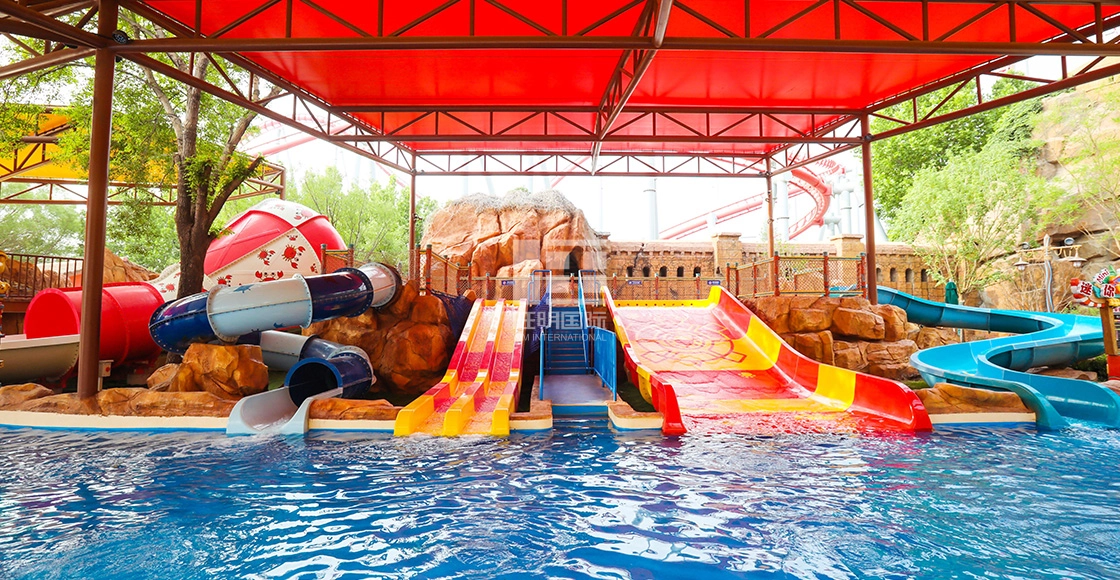
Children Combined Water Slide
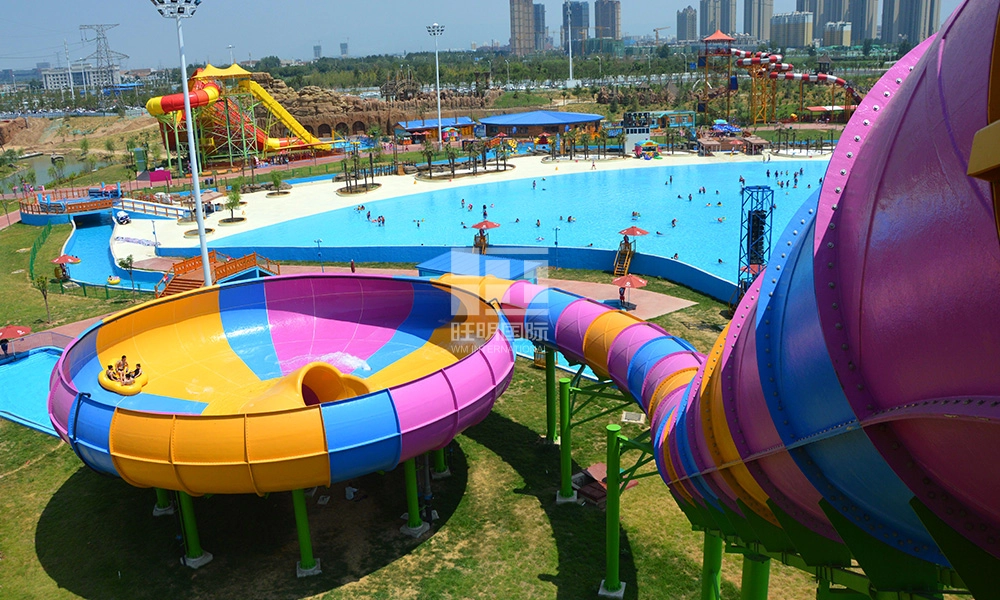
Huge Bowl Water Slide
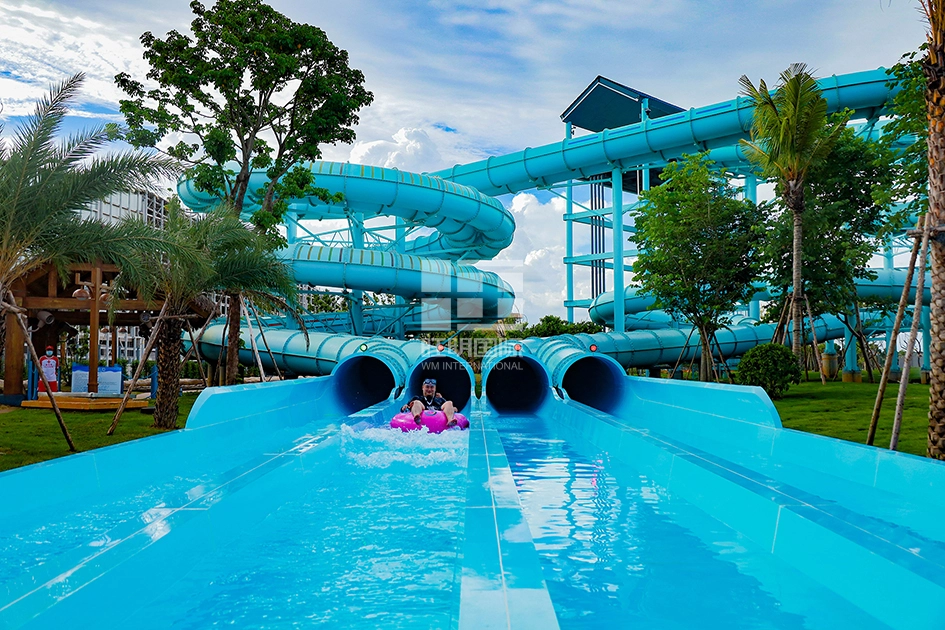
Time Tunnel Water Slide
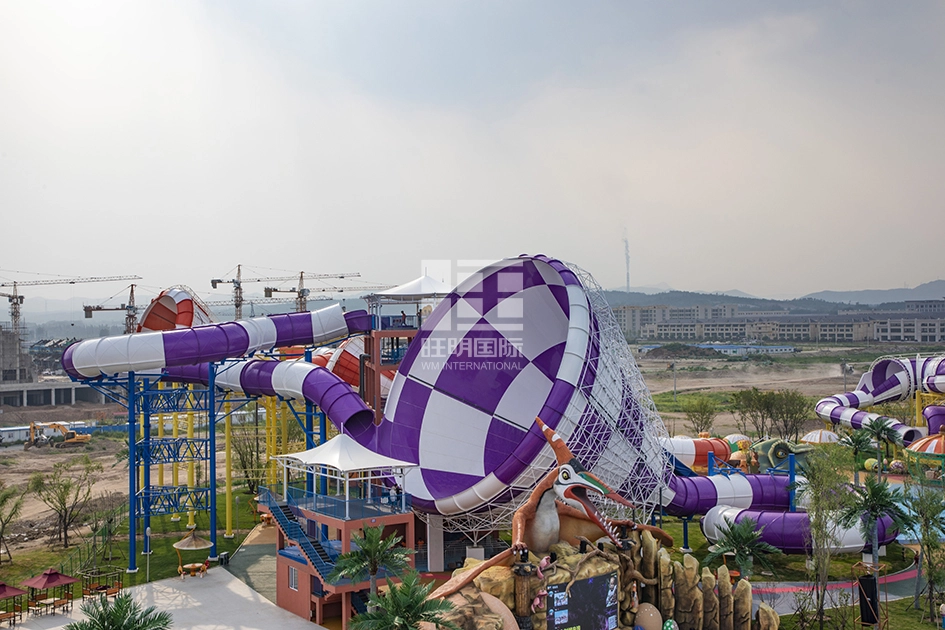
Big Tourbillion Water Slide
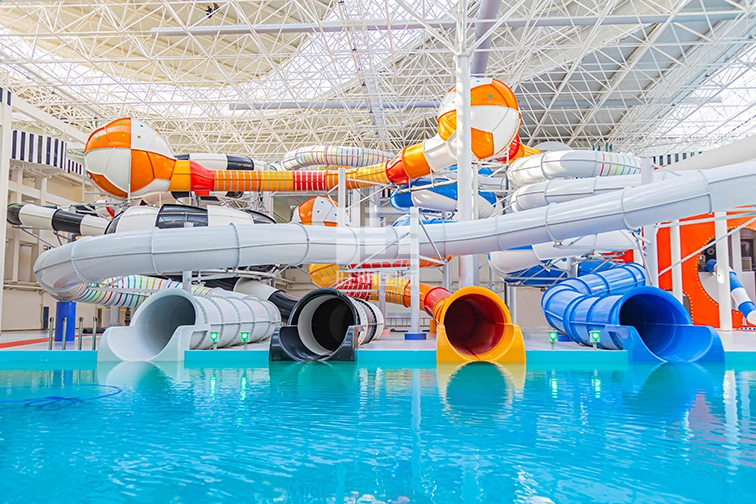
Turnover Slide
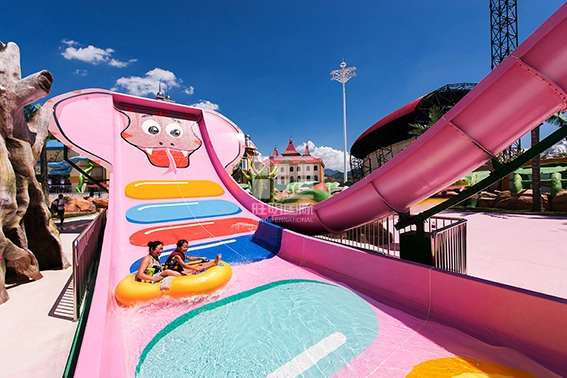
Small King Cobra Water Slide
Get in touch
Have to get customized water park solutions and product quotes.
We will provide you with professional consultation and support.

Relying on leading technology, innovative products and rich industry experience, we tailor personalized solutions for each water park project to ensure a safe and exciting entertainment experience for tourists.
 Scan QR Code
wmwaterslide
wmwaterpark