



Water Park Development Process and Design Key Points
Developing a successful water park is a complex undertaking that blends creative design, engineering, and meticulous operations. It primarily consists of the following phases.
Developing a successful water park is a complex undertaking that blends creative design, engineering, and meticulous operations. It primarily consists of the following phases.
Phase 1: Project Planning (Initial Decision-Making & Analysis)
Market Research & Positioning: The first step involves conducting market research to analyze local demographics, income levels, tourist traffic, and other social factors. Clearly define your target audience and, based on this, determine the preliminary scale, unique features, and thematic direction of the park.
Feasibility Study: Based on the conceptual plan, conduct a detailed feasibility study to verify and refine the project's constraints. This includes investment budgeting, return on investment (ROI) analysis, site selection, and social/environmental impact assessments.
Phase 2: Design & Planning (Translating Ideas into Blueprints)
The design phase is crucial for giving the park its soul, transforming initial planning into executable drawings.
Conceptual Planning: This establishes the project's core concept and positioning – the "soul" of the park. An attractive and unique thematic story serves as the central thread for all subsequent designs.
Master Planning: Building upon the conceptual plan, this stage involves the detailed planning of the project. It includes:
Site Plan: Determines the detailed layout of the park and functional zones (e.g., water slide area, wave pool area, children's area, lazy river area).
Schematic Design: Covers park layout, facility design, landscape architecture, and architectural design.
Construction Drawing Design: This is the final deliverable of all design ideas. It provides detailed construction drawings, including civil engineering, structural plans, water treatment systems, electrical systems, and equipment pre-embedment details. These drawings serve as the sole basis for subsequent construction.
Phase 3: Construction (From Drawings to Reality)
This is the phase with the largest investment and longest duration, requiring meticulous project management.
Civil Works & Infrastructure: Includes land grading, foundation excavation, flood prevention, pre-buried drainage pipes, and reinforced concrete construction. Special attention must be paid to the construction of the water circulation, filtration systems, and water treatment plant rooms, as these are core to ensuring water quality.
Equipment Installation & Commissioning: Water park equipment is classified as special equipment and typically has a production lead time of 3-5 months. After installation, equipment must be commissioned and inspected by national regulatory authorities for final approval.
Theming & Hardscape: Centered around the chosen theme, this involves using architectural styles, landscape features, greenery, and lighting art to integrate the physical equipment into a narrative-driven environment. The goal is to achieve an immersive experience where "everything you see reinforces the theme."
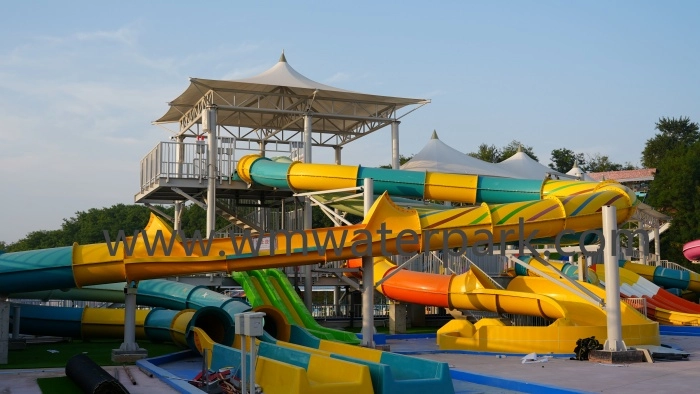
Market Size and Forecast Analysis of Segmented Products in the Water Park Equipment Slide Industry
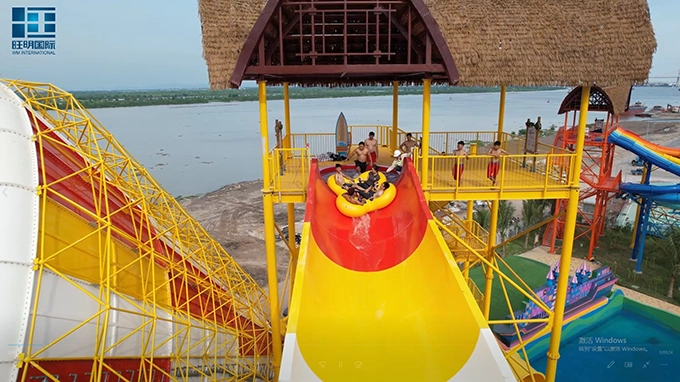
From Water Park Equipment Innovation to Carnival Experience, Water Parks Define a New Summer Trend
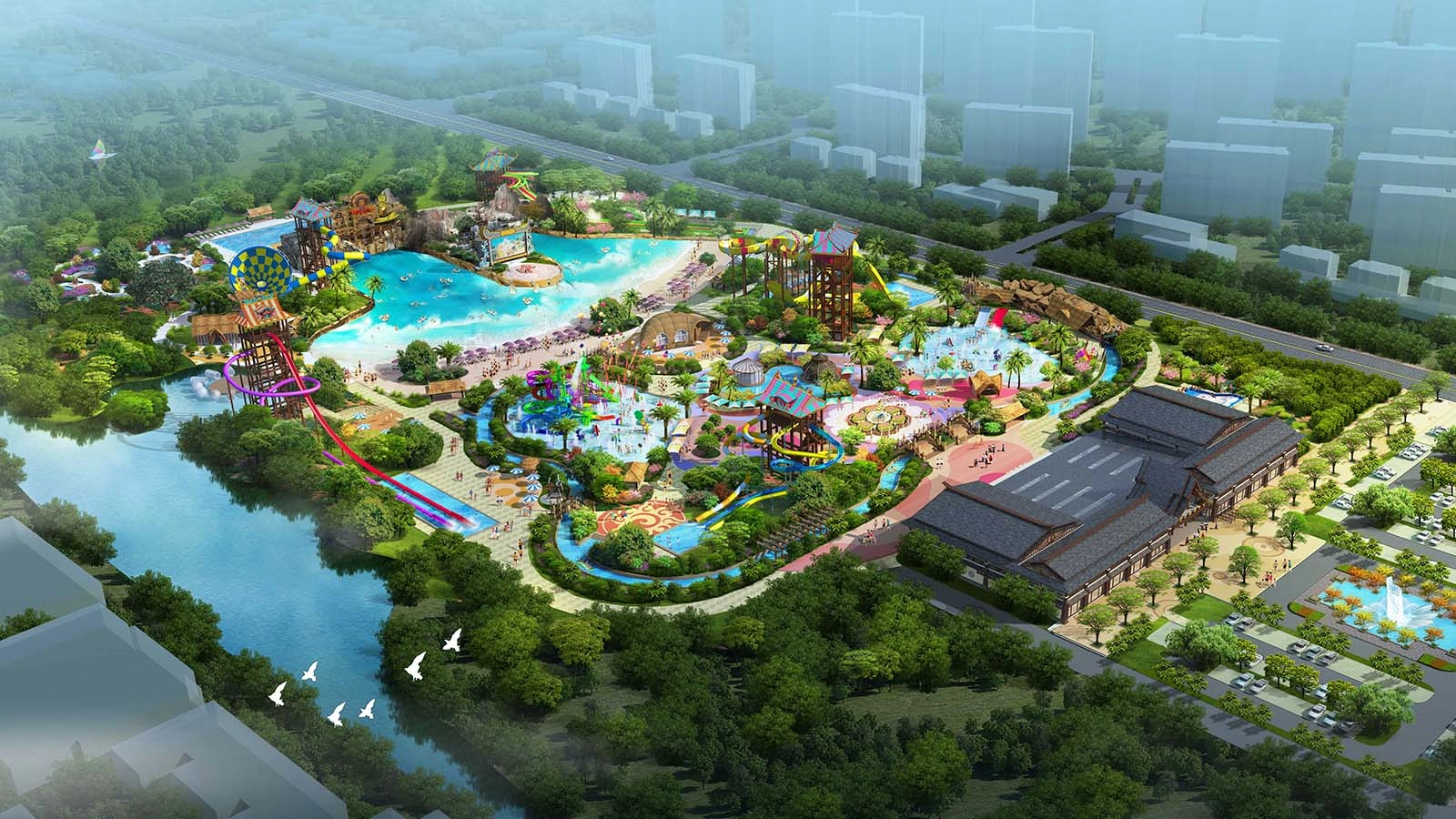
Water Projects: The Complete Guide to Developing Water Projects for Different Venues with WM INTERNATIONAL
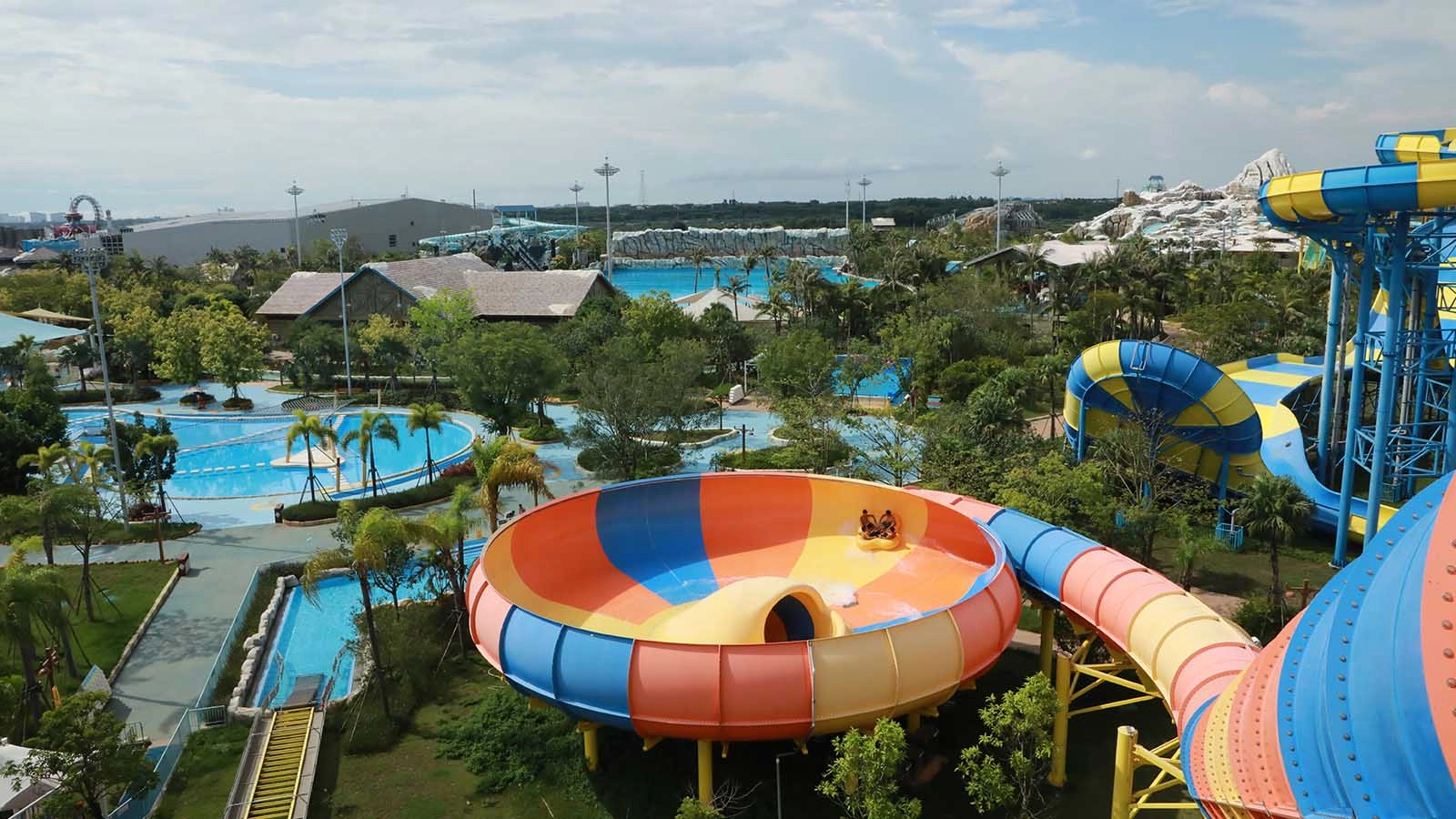
Water Project Industry Trends: Emerging Opportunities in the Water Attraction Market
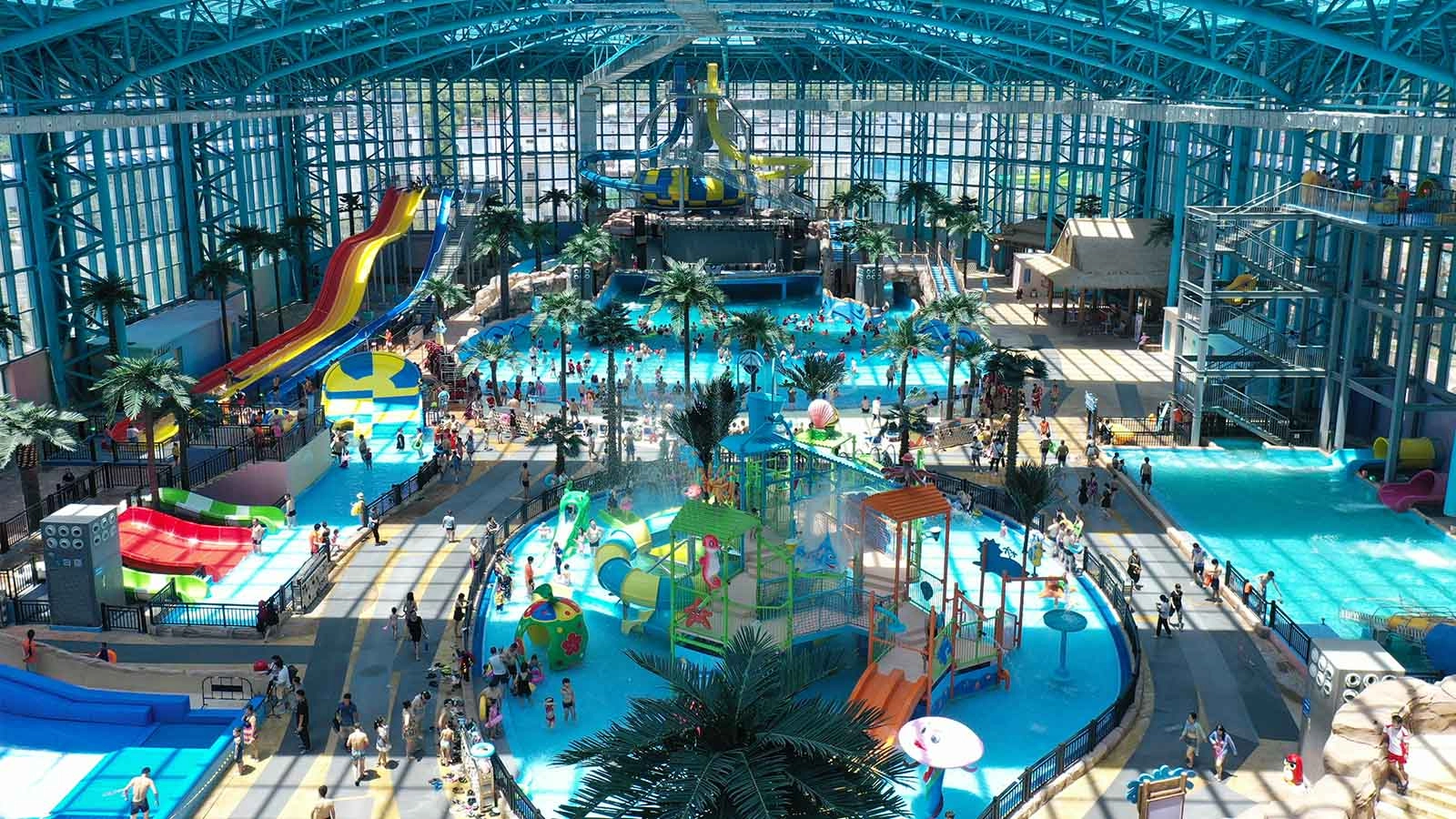
Custom Water Project Solutions for Different Venues: Water Parks, Resorts, Theme Parks and More
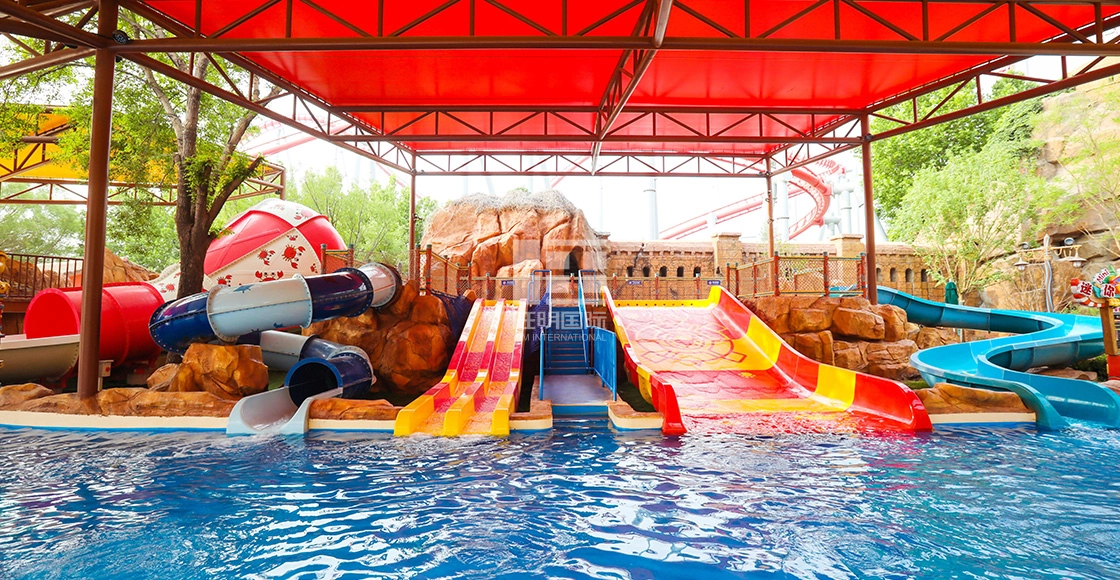
Children Combined Water Slide
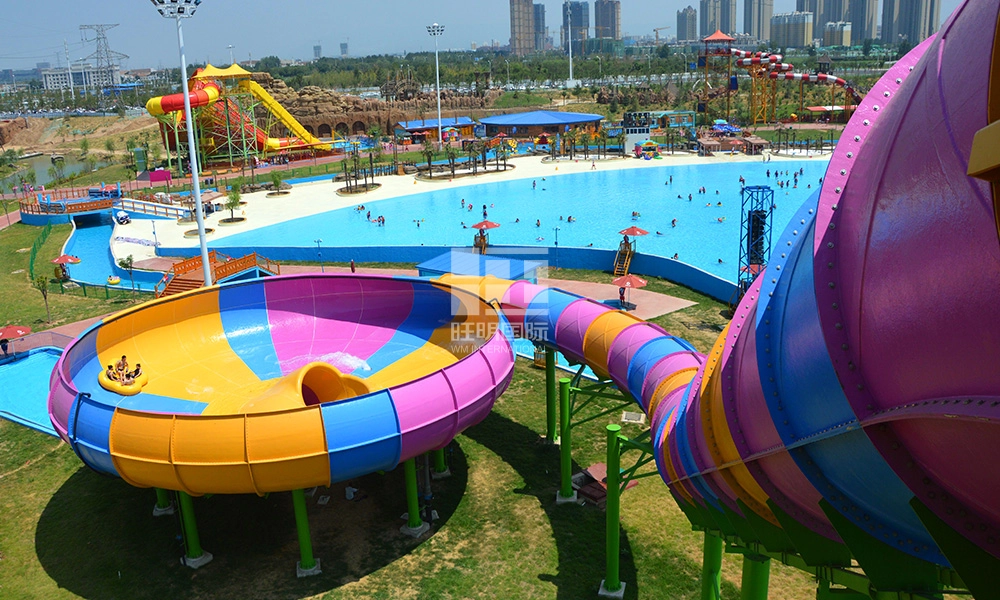
Huge Bowl Water Slide
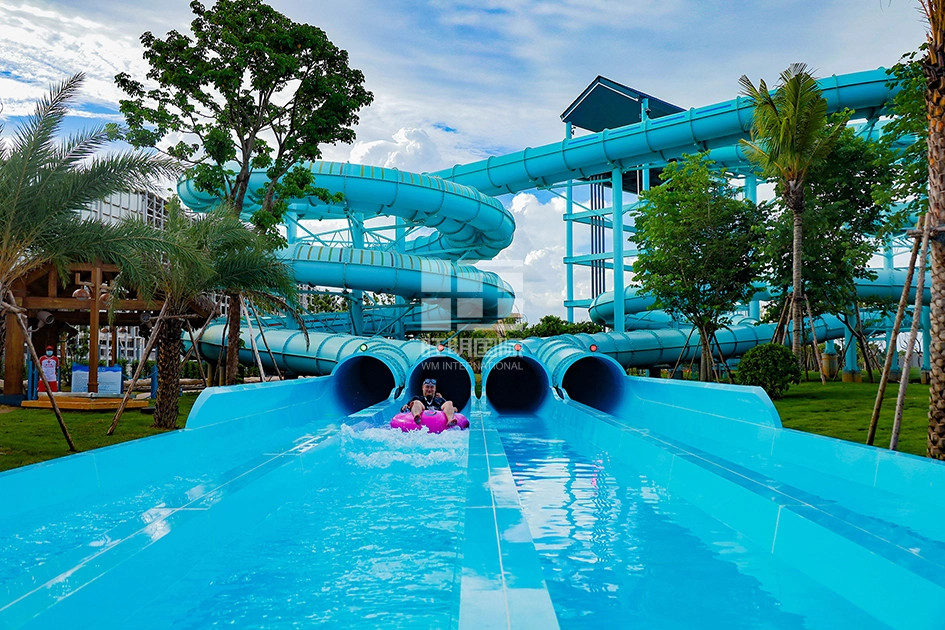
Time Tunnel Water Slide
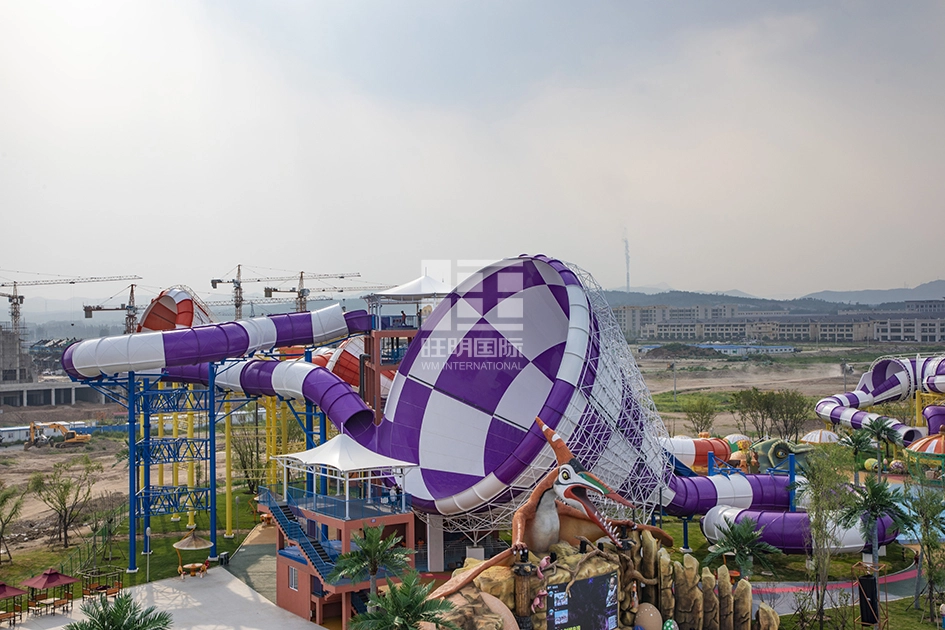
Big Tourbillion Water Slide
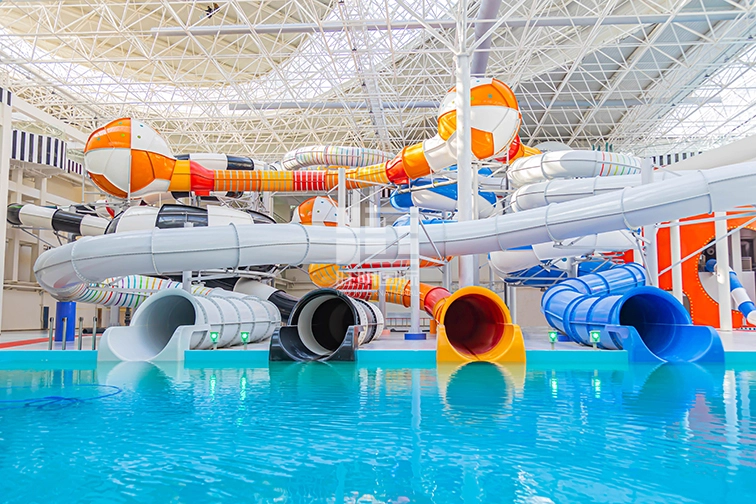
Turnover Slide
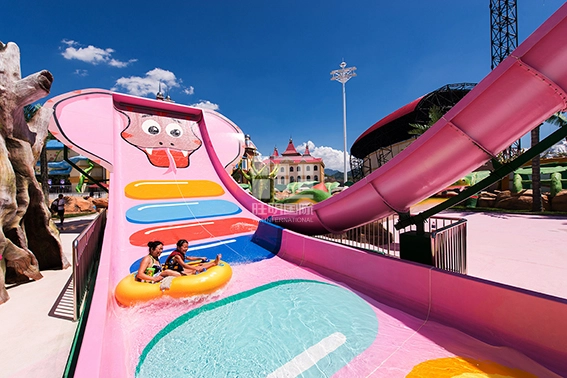
Small King Cobra Water Slide
Get in touch
Have to get customized water park solutions and product quotes.
We will provide you with professional consultation and support.

Relying on leading technology, innovative products and rich industry experience, we tailor personalized solutions for each water park project to ensure a safe and exciting entertainment experience for tourists.
 Scan QR Code
wmwaterslide
wmwaterpark