


Customizing Family Water Slides: Themes & Branding
- Building a Distinctive Themed Aquatic Attraction
- Start with audience, story, and commercial objectives
- Translate the brand into physical design language
- Engineering a Branded Slide Complex for Real-World Operations
- Match attraction variety with capacity and circulation
- Design for safety, accessibility, and maintainability
- Use recognized standards and project-specific verification
- Procurement Strategy for Branded Water Park Attractions
- Evaluate the total cost of ownership
- Control the design-to-installation handover
- WM International: Integrated Support for Customized Water Park Projects
- From concept development to manufacturing
- Production scale and tailored execution
- Why an integrated partner can improve project outcomes
- Frequently Asked Questions
Customizing a family-oriented water slide is a strategic investment in guest experience, brand recognition, capacity utilization, and long-term water park revenue. Successful projects combine a clear narrative theme with suitable slide geometry, age-appropriate thrill levels, durable fiberglass construction, color and graphic systems, operational safety, and maintainable water treatment infrastructure. Buyers should evaluate the attraction as part of the complete park master plan rather than as an isolated product: the right concept must fit the site, target audience, circulation pattern, climate, visual identity, budget, and regulatory requirements. This guide explains how project owners can convert a branded family attraction into a distinctive, safe, and commercially effective water play asset.
Building a Distinctive Themed Aquatic Attraction
Start with audience, story, and commercial objectives
A themed slide complex should begin with a business brief rather than a color palette. The brief needs to define the primary audience, including young children, multigenerational groups, teenagers, hotel guests, or local seasonal visitors. It should also identify the desired emotional response: exploration, discovery, adventure, relaxation, competition, or playful learning. These decisions influence tower height, slide speed, vessel type, queue configuration, water depth, supervision requirements, and the number of simultaneous users.
For example, a jungle expedition concept may use animal characters, rock textures, waterfalls, and an exploration narrative, while a marine conservation theme may use coral colors, submarine graphics, and educational interpretation. A resort seeking High Quality positioning may prefer restrained architectural integration, custom lighting, and coordinated cabanas instead of highly saturated amusement graphics. The strongest concepts connect the attraction to the destination’s wider identity, allowing guests to recognize the park in photographs and social media content.
Translate the brand into physical design language
Branding should be embedded into the attraction’s physical and sensory details. Relevant design elements include entrance portals, tower silhouettes, queue rails, signage, soundscapes, character sculptures, slide exit treatments, deck furniture, staff uniforms, and wayfinding. A logo placed on a panel is useful, but a more effective approach repeats the brand’s visual language through consistent forms, typography, colors, textures, and storytelling moments.
Brand owners should establish a design system before fabrication begins. It should specify approved colors, contrast requirements, logo clear space, graphic scale, character usage, surface finishes, lighting behavior, and rules for future replacement panels. This prevents inconsistent interpretation by designers, fabricators, contractors, and local maintenance teams. Graphics exposed to ultraviolet radiation, chlorine, humidity, and abrasion also require suitable substrates, protective coatings, and a documented replacement strategy.
Engineering a Branded Slide Complex for Real-World Operations
Match attraction variety with capacity and circulation
A visually impressive tower can underperform if the attraction creates long queues, confusing circulation, or an unbalanced mix of experiences. A family aquatic zone may combine open flume rides, enclosed tube sections, small drops, gentle body slides, racing lanes, tipping features, and interactive spray elements. The selection should reflect the available footprint and the expected distribution of users rather than simply maximizing the number of slide tubes.
Capacity modeling should account for dispatch intervals, rider grouping, loading and unloading time, safety checks, water flow, peak arrival patterns, and staffing. A family raft ride may generate stronger group participation than a single-rider body slide, while an interactive play structure can absorb children who are not tall enough for larger attractions. Integrating different intensity levels improves dwell time and reduces the risk that one popular feature becomes a bottleneck.
Design for safety, accessibility, and maintainability
Theme customization cannot compromise sightlines, handrails, access routes, emergency response, or inspection points. Owners should require a documented hazard review covering rider behavior, slip risks, sharp edges, entrapment points, water depth, evacuation procedures, electrical systems, and access to pumps and valves. The principles in ISO 12100 for machinery safety provide a useful framework for identifying hazards and reducing risks through design, guarding, information, and operating procedures.
Water quality is equally important. The World Health Organization guidance for safe recreational water environments addresses risk management for public pools and recreational water facilities. Project specifications should define filtration, disinfection, circulation, chemical monitoring, drainage, splash control, and cleaning access. Accessible routes, transfer arrangements, viewing areas, and inclusive play opportunities should be considered during early planning, not added after the tower layout is fixed.
Maintenance access must be designed into the attraction. Operators need safe routes to inspect joints, supports, fasteners, pumps, water nozzles, lighting, graphics, and drainage channels. Replaceable decorative panels are more practical than permanently bonded elements when high-wear areas are involved. A realistic maintenance plan should include daily checks, scheduled inspections, seasonal refurbishment, spare parts, coating repairs, and procedures for documenting defects.
Use recognized standards and project-specific verification
International projects may be subject to local building codes, amusement-ride regulations, pool standards, electrical rules, fire requirements, and insurance conditions. Buyers should ask suppliers to identify the standards used for structural calculations, hydraulic design, materials, fabrication, testing, installation, and commissioning. In the United States, ASTM F2291 is a recognized practice for designing amusement rides and devices, while the U.S. Consumer Product Safety Commission water slide guidance highlights important user and operational safety considerations.
Compliance documentation should be matched to the project jurisdiction and should not be treated as a substitute for independent engineering review. A robust procurement package may include load calculations, foundation reactions, material specifications, resin and fiberglass documentation, weld or fastening procedures where applicable, hydraulic calculations, risk assessments, factory acceptance records, installation drawings, operation manuals, and inspection schedules. Clear documentation reduces disputes and supports future expansion or resale.
| Customization decision | Primary buyer objective | Key verification items | Potential operational risk |
|---|---|---|---|
| Theme and visual identity | Recognition and differentiation | Color standards, UV resistance, graphic files, replacement plan | Fading, inconsistent branding, expensive refurbishment |
| Slide mix and tower layout | Capacity and broad audience appeal | Dispatch rate, queue length, rider restrictions, circulation study | Bottlenecks or underused attractions |
| Hydraulic and treatment systems | Reliable performance and water hygiene | Flow calculations, pump selection, filtration, disinfection, drainage | Unstable ride behavior or water-quality incidents |
| Structural and safety design | Durability and regulatory acceptance | Loads, foundations, access, guarding, inspections, local approvals | Delays, unsafe conditions, costly modifications |
| Maintenance architecture | Lifecycle cost control | Inspection access, spare parts, coatings, manuals, training | Long closures and avoidable repair costs |
Procurement Strategy for Branded Water Park AttractionsEvaluate the total cost of ownership
The lowest purchase price rarely represents the lowest project cost. Buyers should compare design fees, engineering, freight, customs, foundations, pumps, controls, installation, commissioning, staff training, replacement graphics, coatings, spare parts, water consumption, energy use, and planned downtime. A supplier quotation should identify exclusions clearly so that the owner can build an accurate capital expenditure model.
Lifecycle value is strongly affected by how easily a component can be inspected, repaired, cleaned, or replaced. A durable surface finish, accessible pump room, standardized valve arrangement, and locally available consumables can reduce operating friction. The financial model should also consider revenue from admission, cabana packages, food and beverage, retail, photography, memberships, hotel packages, and repeat visits generated by a memorable attraction.
Control the design-to-installation handover
Many project problems originate in the transition between concept design and construction. The owner should approve a design freeze process that separates concept approval, preliminary engineering, detailed engineering, fabrication drawings, color and graphic approval, factory inspection, site installation, wet testing, and final acceptance. Changes after fabrication can affect structural interfaces, pump sizing, delivery schedules, and cost.
A professional supplier should provide coordinated drawings that show tower dimensions, platform levels, foundations, equipment rooms, electrical interfaces, drainage, access, and guest circulation. Site surveys should verify topography, soil conditions, utilities, wind exposure, crane access, transport routes, and construction tolerances. Factory quality control should cover laminate thickness, surface finish, dimensional accuracy, joints, support components, hardware, labeling, and packing for shipment.
WM International: Integrated Support for Customized Water Park ProjectsFrom concept development to manufacturing
WM International supports investors, developers, distributors, resorts, and public leisure operators with integrated water park planning and design services. With 19 years of industry experience, our team provides solutions covering water park planning, attraction design, manufacturing, installation, and maintenance. This full-service approach helps project owners align the creative concept with engineering feasibility, construction sequencing, operational goals, and long-term asset management.
Our product scope includes water slides, water play attractions, wave making equipment, and supporting solutions for complete water park environments. Each project is developed around site characteristics, target users, local climate, architectural context, available utilities, and commercial positioning. Rather than forcing a standard catalog layout into every site, our engineering and design process can adapt attraction combinations, dimensions, colors, themes, and interfaces to the project brief.
Production scale and tailored execution
WM International owns a 100,000-square-meter modern production base, described by the company as the largest in the industry. This production capacity supports the fabrication of various water slides and helps coordinate large-volume manufacturing, quality control, project scheduling, packaging, and shipment preparation. Scale is valuable when it is combined with disciplined project management: buyers should still request approved drawings, inspection records, material information, delivery milestones, and installation responsibilities before placing an order.
Our manufacturing process is organized to support customized solutions rather than only repetitive standard products. Theme integration can include color-matched slide bodies, branded entry structures, custom splash zones, graphic surfaces, decorative elements, and coordinated water play features. The engineering team can also review how the attraction connects with existing pools, pump rooms, decks, circulation routes, and other water park design elements.
Why an integrated partner can improve project outcomes
Working with one experienced partner across water park construction interfaces can reduce coordination gaps between creative designers, equipment manufacturers, civil contractors, mechanical installers, and operators. WM International’s combined perspective as planners, designers, suppliers, park operators, and guests supports decisions that consider both construction practicality and visitor behavior. That perspective is particularly useful when a project requires a branded attraction that must remain visually distinctive while meeting daily inspection, cleaning, staffing, and repair requirements.
For existing facilities, the opportunity may not require a complete redevelopment. A phased upgrade can refresh the visual identity, replace worn slide surfaces, add interactive water play attractions, improve queue presentation, install wave making equipment, or reorganize family circulation. A condition assessment should identify which assets can be retained, which require refurbishment, and which should be replaced to protect safety, reliability, and the guest experience.
Buyers evaluating WM International should provide a site plan, target market profile, preferred theme, expected budget, schedule, local standards, water and electrical data, and any existing engineering documents. This information allows the supplier to prepare a more realistic concept, equipment recommendation, technical scope, and commercial proposal. More complete inputs generally lead to fewer design revisions and clearer construction responsibilities.
To explore customized water slides and complete water park solutions, visit WM International or contact the team at trading@wmwaterslide.com.
Frequently Asked Questions
How should a water park choose a theme for a family slide complex?
The theme should be based on the target audience, destination identity, desired emotional response, site conditions, operational goals, and commercial positioning. The strongest concepts connect the attraction to the wider brand through consistent forms, colors, graphics, signage, and storytelling.
What branding elements can be customized on a family aquatic attraction?
Customization can include entrance portals, tower silhouettes, queue rails, signage, soundscapes, character sculptures, slide exit treatments, deck furniture, staff uniforms, wayfinding, color-matched slide bodies, graphic surfaces, lighting, and decorative water play features.
How can owners ensure that customization does not compromise safety?
Owners should require hazard reviews, clear sightlines, safe access, appropriate handrails and guarding, emergency procedures, inspection points, suitable water depths, and compliance with applicable local regulations and recognized design practices. Theme elements should never obstruct evacuation, supervision, maintenance, or emergency response.
What documents should a buyer request from a water slide supplier?
A procurement package may include structural calculations, foundation reactions, material specifications, fiberglass and resin documentation, hydraulic calculations, risk assessments, fabrication drawings, factory acceptance records, installation drawings, operation manuals, inspection schedules, and maintenance instructions.
Why is total cost of ownership important when buying customized water slides?
The total cost includes design, engineering, freight, foundations, pumps, controls, installation, commissioning, training, spare parts, coatings, graphics replacement, utilities, and planned downtime. Evaluating these factors helps owners compare lifecycle value instead of relying only on the initial purchase price.
What information should be provided when requesting a customized water park proposal?
Buyers should provide a site plan, target market profile, preferred theme, budget range, schedule, local standards, water and electrical data, existing engineering documents, and details about current facilities. These inputs help the supplier prepare a more realistic concept, technical scope, equipment recommendation, and commercial proposal.
Recommended
How Much to Build a Water Park in India
How Water Park Slides Are Tested for Safety
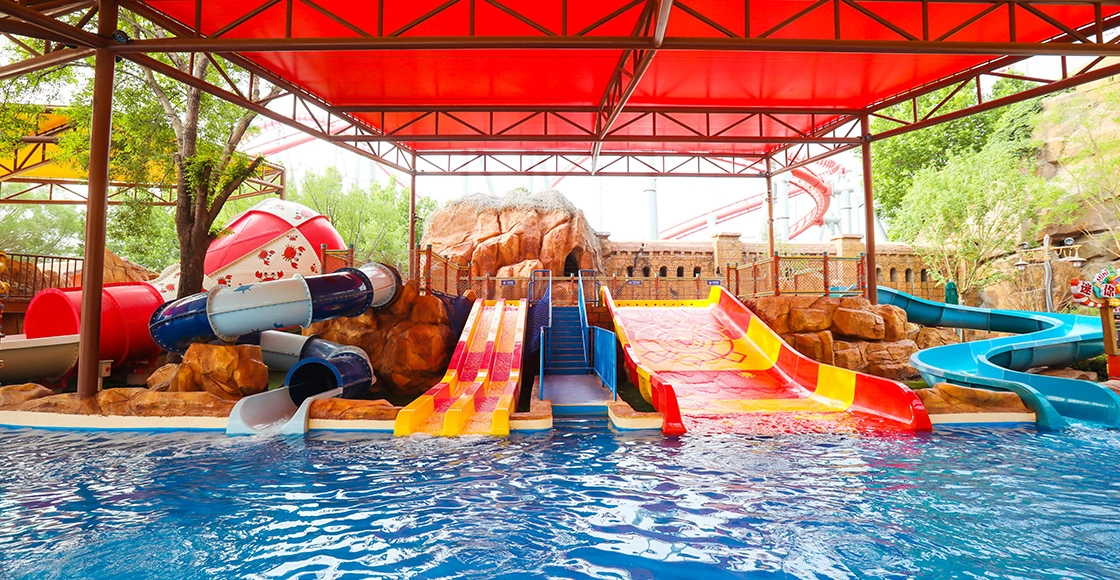
Space Optimization: Best Water Slide for Kids in Small Parks
Wholesale commercial water slide manufacturer and supplier
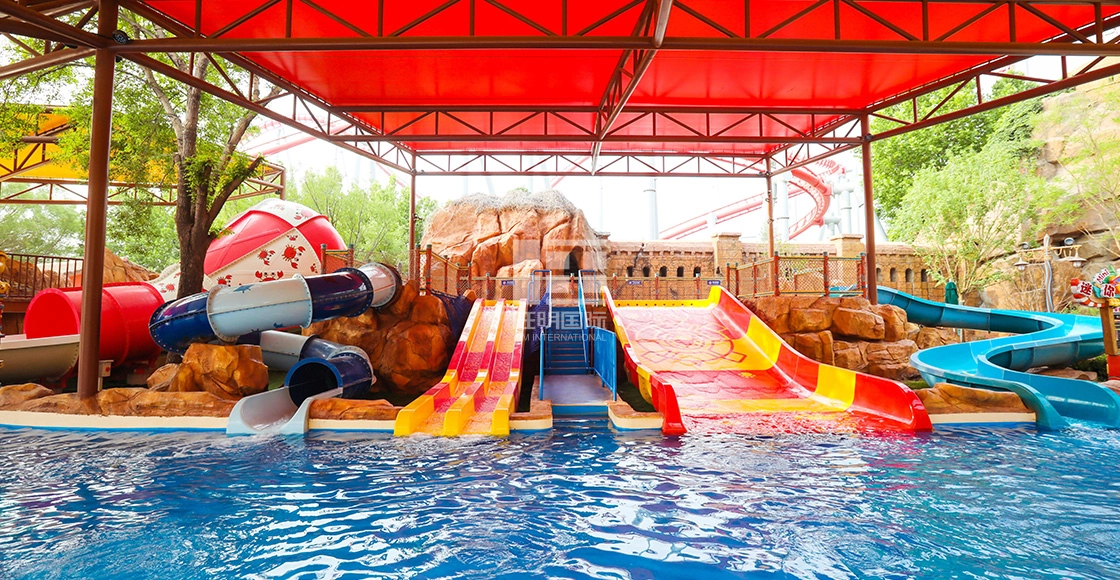
Children Combined Water Slide
Discover endless fun with the Children Combined Water Slide by WM INTERNATIONAL, expertly crafted for thrill-seeking kids. Perfect for summer splashes, this durable slide promises safety and joy. Looking to elevate your play area? Explore our Children's Combined Slide for sale now!
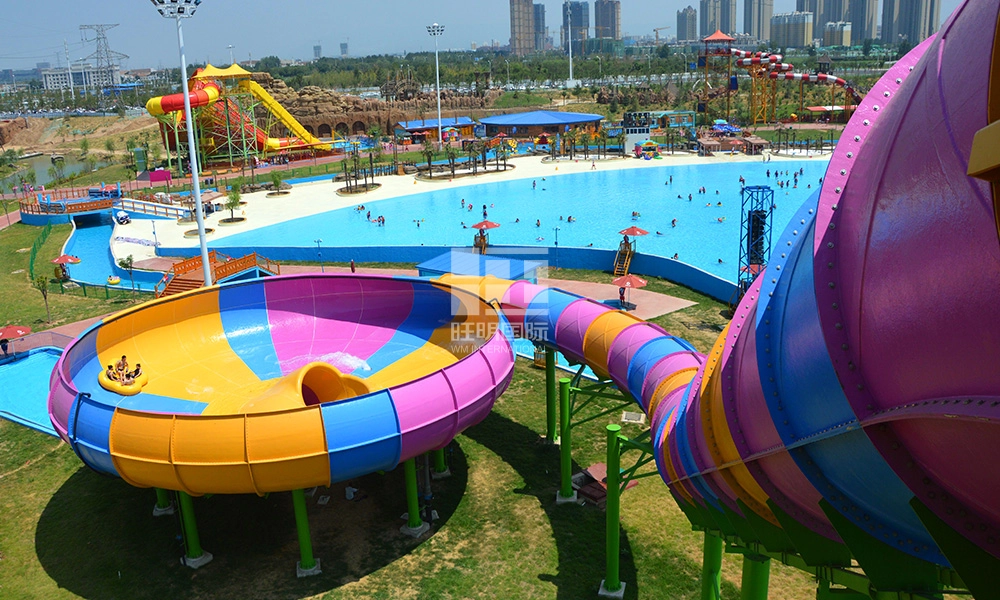
Huge Bowl Water Slide
The Huge Bowl Water Slide has achieved the “World's Best New Water Amusement Equipment” Award; it is the new favorite of the young people and the star project of the water park. The raft carries the tourists slowly entering the closed chute first; then it whirls in the bowl the moment the tourists can see the light. After a short period of time, the raft is suddenly suctioned into a huge black hole until it falls into the water. For a moment, the tourists realize the breathtaking journey has been safely brought to an end.
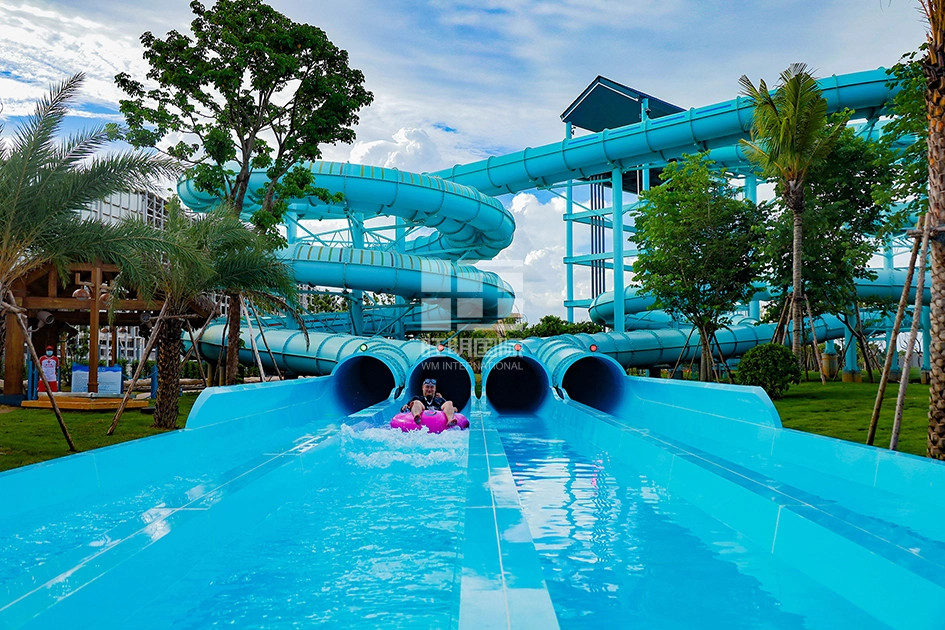
Time Tunnel Water Slide
The biggest feature of the time tunnel slide is that it uses double water slides and double tubes side by side in design and competes along the circular slide path. 8 people can play at the same time, with a large passenger capacity and high return rate, which is very suitable for team and family travel. And the slide is equipped with WangMing International's time tunnel technology, and the interior of the slide presents a beautiful aurora effect, with colorful lights, as if traveling through time and space.
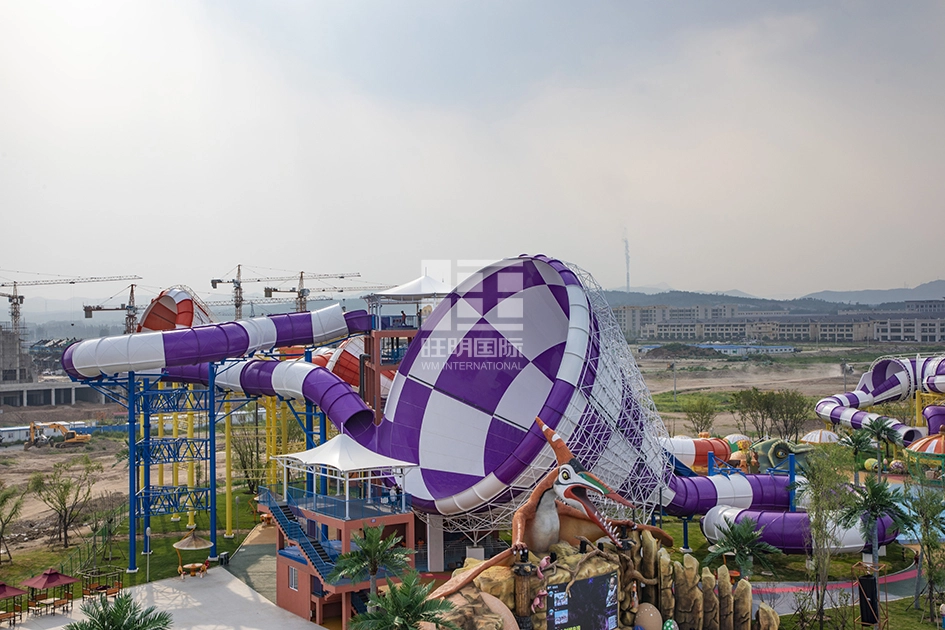
Big Tourbillion Water Slide
The Big Tourbillion water Slide won the "Gold Ticket Award - The Best New Project" of the international tourism industry. With unique modelling, strong irritation and humor, it is deeply loved by the young people; it has always been the popularity star of the water park. The raft carries the tourists as they enter the dark, closed chute slowly from the more than ten-meter-high platform; under the effect of gravity and water flow, it enters the state of rapid falling and then drops into the big Tourbillon; after a few times of whirling, it falls into the water pool. At this moment, the tourists are still in shock.
Get in touch
Have to get customized water park solutions and product quotes.
We will provide you with professional consultation and support.

Relying on leading technology, innovative products and rich industry experience, we tailor personalized solutions for each water park project to ensure a safe and exciting entertainment experience for tourists.
 Scan QR Code
wmwaterslide
wmwaterpark