






Safety Checklist for Purchasing Water Park Slides
- Technical and Structural Safety Assessment
- Design validation and engineering documentation
- Foundation, supports, and geotechnical checks
- Ride dynamics and rider safety analysis
- Regulatory Compliance and Certifications
- Industry standards and certifications to verify
- Vendor testing, certifications, and factory inspection
- Local permits and code compliance
- Operational Safety, Training, and Maintenance
- Operational procedures and staffing
- Maintenance plan and spare parts strategy
- Inspection, testing, and lifecycle management
- Procurement, Installation, and Post-Installation Validation
- Vendor selection, warranties, and contractual protections
- Site readiness and installation supervision
- Commissioning, emergency drills, and guest feedback loop
- Product Spotlight: Abyss & Flying Carpet Water Slide — Safety Considerations
- Product overview and rider experience
- Specific checks for bowl-and-drop attractions
- Operational controls and signage for thrill rides
- Comparing Safety Verification Items (Quick Reference)
- Vendor Evaluation Checklist and Red Flags
- Vendor background and references
- Warranty limitations and insurance
- Delivery schedule and logistics
- FAQ — Safety & Purchase Questions About Water Park Slides
- Q: What certifications should I require when buying water park slides for sale?
- Q: How do I verify speed and force in bowl or tornado rides?
- Q: What ongoing maintenance is required after purchase?
- Q: Are there specific considerations for the Abyss & Flying Carpet Water Slide?
- Q: Can I retrofit an older slide to meet current safety standards?
When evaluating water park slides for sale, operators must balance guest experience with uncompromising safety. This guide consolidates engineering checks, regulatory compliance, operational planning, and lifecycle considerations into a single, actionable safety checklist designed to help aquatics managers, procurement teams, and investors select safe, reliable attractions—like the Abyss & Flying Carpet Water Slide—while meeting local regulations and international best practices.
Technical and Structural Safety Assessment
Design validation and engineering documentation
Before committing to purchase, request full design documentation: structural drawings, load calculations, finite element analysis (if available), material specifications, and as-built tolerances. These documents should demonstrate that the slide structure withstands static loads (platforms, stairways, rafts) and dynamic loads (moving rafts plus guest weight). For fiberglass and composite chutes, request lamination schedules and core material specs; for steel supports, ask for corrosion protection details (e.g., hot-dip galvanizing or specified coating systems). Proper documentation reduces unknowns and speeds regulatory review.
Foundation, supports, and geotechnical checks
Slides rely on secure foundations. Ensure the vendor provides foundation load maps and anchor point locations. Perform a geotechnical survey of the proposed site to verify bearing capacity, groundwater levels, and seismic considerations. If your waterpark is in a high-wind or seismic zone, ask for site-specific structural adaptations and engineering stamps from a licensed engineer. Mismatched foundation design is a leading cause of costly retrofit works after installation.
Ride dynamics and rider safety analysis
Confirm that the slide has been analyzed for maximum speeds, centrifugal forces (in bowls and curves), and rider trajectories. For complex rides—such as bowl or tornado-style elements—demand proof that riders cannot be ejected or pause in dangerous positions. The Abyss & Flying Carpet Water Slide combines large-bowl rotation, high-drop skateboard sections, and high-arc drops; verify the raft dynamics and constrained paths through the spiral chute, bowl acceleration zone, and hurricane wall transitions to minimize collision and flip risks.
Regulatory Compliance and Certifications
Industry standards and certifications to verify
Look for compliance with internationally recognized standards related to amusement and water attractions. Useful references include ISO standards for amusement rides (see ISO - Amusement rides and amusement devices) and guidance from local regulators. Membership or recognition by industry bodies like the World Waterpark Association signals vendor awareness of best practices. For pool and drowning-prevention guidance, the U.S. Consumer Product Safety Commission and CDC offer valuable resources (see CPSC Pool & Spa Safety and CDC: Drowning Prevention).
Vendor testing, certifications, and factory inspection
Demand third-party testing reports for materials (UV resistance, tensile strength, fire retardancy where applicable) and proof of load testing for supports and platforms. Factory acceptance tests (FAT) or witnessed hydro/ride tests validate design claims. If possible, schedule a vendor factory inspection or request video of prototype testing. Independent inspection by a qualified engineering firm strengthens the procurement case.
Local permits and code compliance
Confirm which local building codes, electrical codes, and lifeguard regulations apply. Water park slides intersect multiple regulatory domains: structural, electrical (pumps, lighting), plumbing (drainage, recirculation), and safety (fencing, access control). Work with local authorities early—submitting vendor drawings and a commissioning plan—to prevent delays during installation and opening.
Operational Safety, Training, and Maintenance
Operational procedures and staffing
Safety is an operational discipline. A complete safety package from the vendor should include operator manuals, lifeguard procedures, signage templates, and recommended guest restrictions (height, weight, single vs. tandem riding). Define staffing levels for peak and off-peak times, rescue protocols for entrapment or raft issues, and standardized radio/communication procedures for rapid incident response.
Maintenance plan and spare parts strategy
Ask for a preventive maintenance schedule that covers daily, weekly, monthly, and annual tasks: fastener checks, gelcoat inspections, support corrosion checks, pump and filtration maintenance, and raft inspection/replacement cadence. Confirm the availability of critical spare parts and estimated lead times—especially for custom molds and fiberglass sections. A vendor with local parts inventory or regional warehouses shortens downtime and reduces operating risk.
Inspection, testing, and lifecycle management
Establish an inspection regime with documented checklists and qualified inspectors. Periodic non-destructive testing (NDT) for steel supports and UV/fatigue assessments for fiberglass components prolong service life and catch problems early. Keep a lifecycle budget: many water park slides have a 10–25 year useful life depending on materials and maintenance—budget for major refurbishments and potential re-gelcoating cycles.
Procurement, Installation, and Post-Installation Validation
Vendor selection, warranties, and contractual protections
Select vendors based on proven track records, references, and after-sales support. Insist on a warranty covering structural failures and manufacturing defects, with clear clauses for response times and remediation. Define acceptance criteria in the contract: delivery milestones, performance metrics (max speed, rider throughput), and penalties for missed timelines. Include a spare parts list and training scope in the contract to avoid scope creep after handover.
Site readiness and installation supervision
Before installation, verify utilities (power, water supply, drainage), crane access, staging areas, and safe erection procedures. Installation should be supervised by the vendor's certified technicians and accompanied by third-party engineering sign-off. Document every step with photographs and commissioning checklists. For complex attractions, plan for load testing with weighted rafts and instrumentation to confirm design assumptions on-site.
Commissioning, emergency drills, and guest feedback loop
Commissioning is not complete until operational drills and lifeguard training are finished. Run multiple scenarios: raft panic, occupant ejection, mechanical failure, and pump loss. During the first weeks of public operation, collect guest feedback and incident reports to spot unforeseen issues. Use a feedback loop to tweak queue management, signage, and operational restrictions if needed.
Product Spotlight: Abyss & Flying Carpet Water Slide — Safety Considerations
Product overview and rider experience
Abyss & Flying Carpet Water Slide
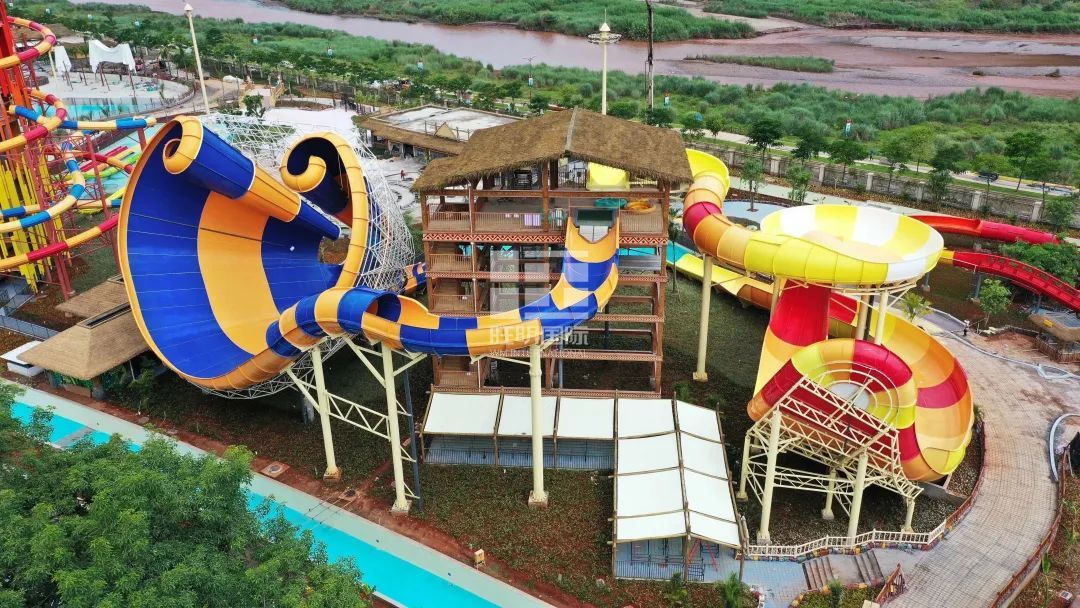
The flying carpet water slide has a unique design, integrating the circular rotation of the huge bowl, the high-rise drop of the big skateboard and the high-position arc drop of the big tourbillion, providing a variety of sliding experiences. Visitors slide down from a high altitude on a raft, pass through the spiral chute, reach the bowl through the acceleration section, feel the sliding fun generated by the centrifugal force, and then rush to the unique hurricane wall at high speed, and finally dive down into the pool. The thrilling process makes people scream continuously, which is especially suitable for tourists who like to experience excitement and novelty.
This hybrid design offers intense sensations but requires strict adherence to safety design: raft stability, bowl egress paths, transition radii, and pool entry depth must be validated for typical guest weights and raft occupancy.
Specific checks for bowl-and-drop attractions
For combined-bowl and drop elements like the Abyss & Flying Carpet, ensure the manufacturer provides:
- Raft center-of-gravity and buoyancy data to prevent flipping in high-speed transitions.
- Maximum permitted rider weight and seat distribution guidance.
- Friction and water-flow specifications for the acceleration sections to avoid excessive speeds or stalling.
- Pool depth and deceleration zone dimensions, plus slip-resistant exit surfaces and clear egress paths.
Operational controls and signage for thrill rides
Install clear height and health restriction signs at ticketing and queue areas. For rides with centrifugal components, explain risks for pregnant riders and those with heart conditions. Place visual queuing lines for raft loading to ensure proper seating and weight distribution. Electronic interlocks (e.g., gate sensors at dispatch) and audible countdowns reduce human error at dispatch.
Comparing Safety Verification Items (Quick Reference)
| Item | Why it matters | Verification / Documentation |
|---|---|---|
| Structural drawings | Confirms load paths and anchor points | Stamped engineering drawings, load calculations |
| Material test reports | Ensures durability under UV, hydrolysis, and stress | Third-party lab reports, manufacturer certificates |
| Ride dynamics report | Prevents dangerous speeds and ejection | Simulation data, test run videos, speed/force metrics |
| Factory acceptance test | Validates manufacturing quality before shipping | FAT reports, witness certificates, photo/video logs |
| Warranty & spare parts | Reduces downtime and operating risk | Contract clauses, parts availability list |
Vendor Evaluation Checklist and Red Flags
Vendor background and references
Request a list of installations similar in scale and design. Contact references to verify lead times, after-sales responsiveness, and real-world durability. Red flags include evasive answers about failures, lack of local references, or inability to provide engineering documentation.
Warranty limitations and insurance
Carefully review warranty exclusions (e.g., improper maintenance, environmental extremes). Verify the vendor carries product liability insurance and confirm whether installation crews carry their own insurance or rely on the park’s policy during erection.
Delivery schedule and logistics
Complex slides often ship in large segments and require special lifting equipment. Confirm shipping dimensions, site access, and the vendor’s installation timeline. Late deliveries or incomplete shipping manifests are common causes of project delays—insist on clear milestone penalties.
FAQ — Safety & Purchase Questions About Water Park Slides
Q: What certifications should I require when buying water park slides for sale?
A: Require compliance with relevant amusement ride and local building standards, factory test records, and third-party material testing. Look for vendor adherence to ISO amusement ride guidance (ISO) and industry best practices outlined by the World Waterpark Association.
Q: How do I verify speed and force in bowl or tornado rides?
A: Ask for ride dynamics reports, on-site instrumentation during commissioning (speed guns, accelerometers), and documented test runs with weighted rafts. These data show maximum speeds and centripetal forces and ensure rider safety margins.
Q: What ongoing maintenance is required after purchase?
A: Daily visual inspections, weekly fastener checks, monthly structural and pump inspections, and annual non-destructive tests for critical supports. Maintain a spare parts inventory and follow the vendor’s preventive maintenance schedule.
Q: Are there specific considerations for the Abyss & Flying Carpet Water Slide?
A: Yes — verify raft stability and center-of-mass data for the combined-bowl and high-drop transitions, ensure adequate deceleration pool depth, and confirm that the vendor provides detailed operator training for the ride’s unique transitions.
Q: Can I retrofit an older slide to meet current safety standards?
A: Some retrofits are feasible (e.g., guardrail upgrades, re-gelcoating, and updated dispatch controls), but major geometry changes (like altering drop angles or bowl radii) often require significant engineering and may not be cost-effective compared to replacement. Conduct a formal engineering assessment before deciding.
If you need help evaluating specific suppliers or want a site-specific risk review for Abyss & Flying Carpet Water Slide or other water park slides for sale, contact our technical sales team for a free preliminary consultation. View the product page or contact sales to request drawings, testing reports, and factory visit scheduling.
Contact us / View product: Abyss & Flying Carpet Water Slide — Product Page | Contact Sales
References and further reading: Water slide — Wikipedia; World Waterpark Association; ISO - Amusement rides and amusement devices; CPSC Pool & Spa Safety; CDC: Drowning Prevention.
Recommended
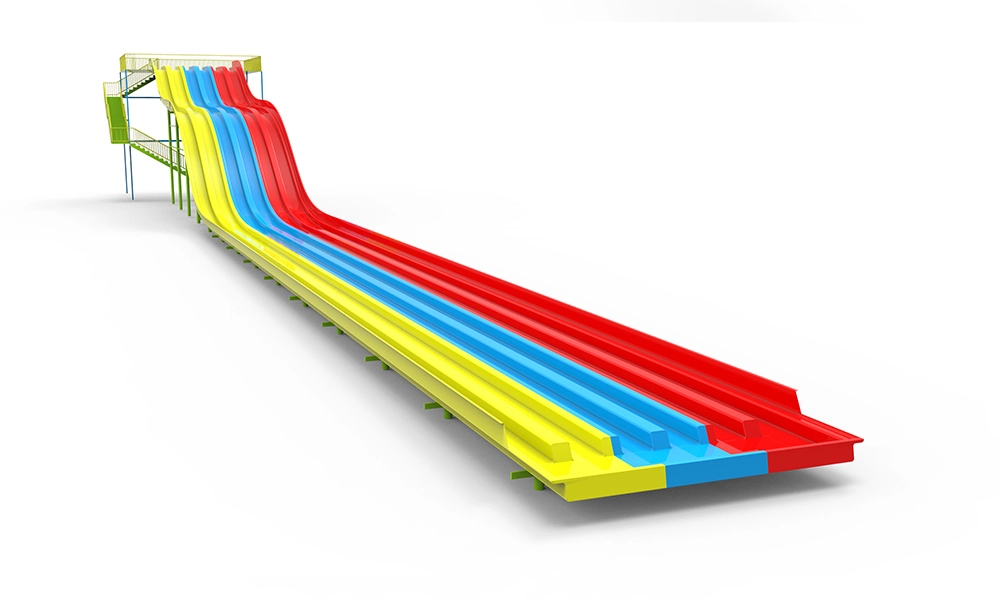
Where to Buy a Water Slide for Sale: Rainbow Water Multi-slide
Best big water slides manufacturers and supplier brands in 2026
Energy Efficient Pump Systems for Commercial Water Slides
Materials Guide: Choose the Best Water Slide for Kids
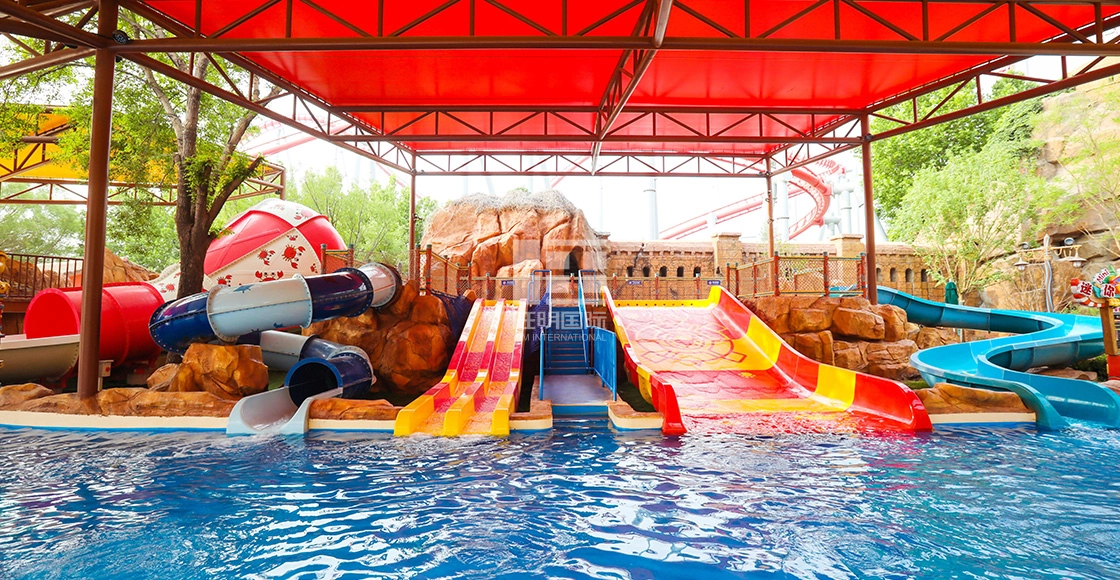
Children Combined Water Slide
Discover endless fun with the Children Combined Water Slide by WM INTERNATIONAL, expertly crafted for thrill-seeking kids. Perfect for summer splashes, this durable slide promises safety and joy. Looking to elevate your play area? Explore our Children's Combined Slide for sale now!
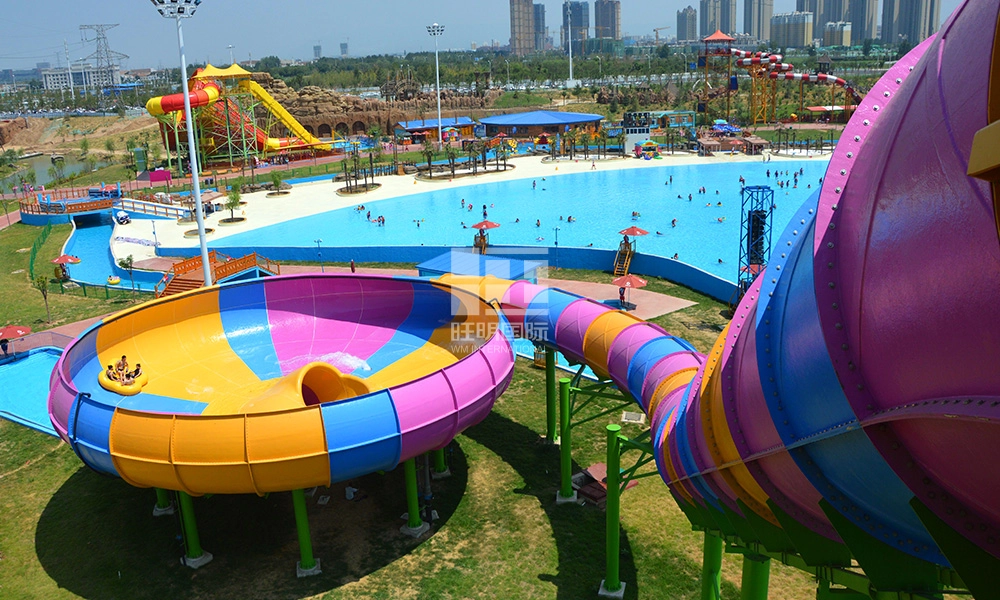
Huge Bowl Water Slide
The Huge Bowl Water Slide has achieved the “World's Best New Water Amusement Equipment” Award; it is the new favorite of the young people and the star project of the water park. The raft carries the tourists slowly entering the closed chute first; then it whirls in the bowl the moment the tourists can see the light. After a short period of time, the raft is suddenly suctioned into a huge black hole until it falls into the water. For a moment, the tourists realize the breathtaking journey has been safely brought to an end.
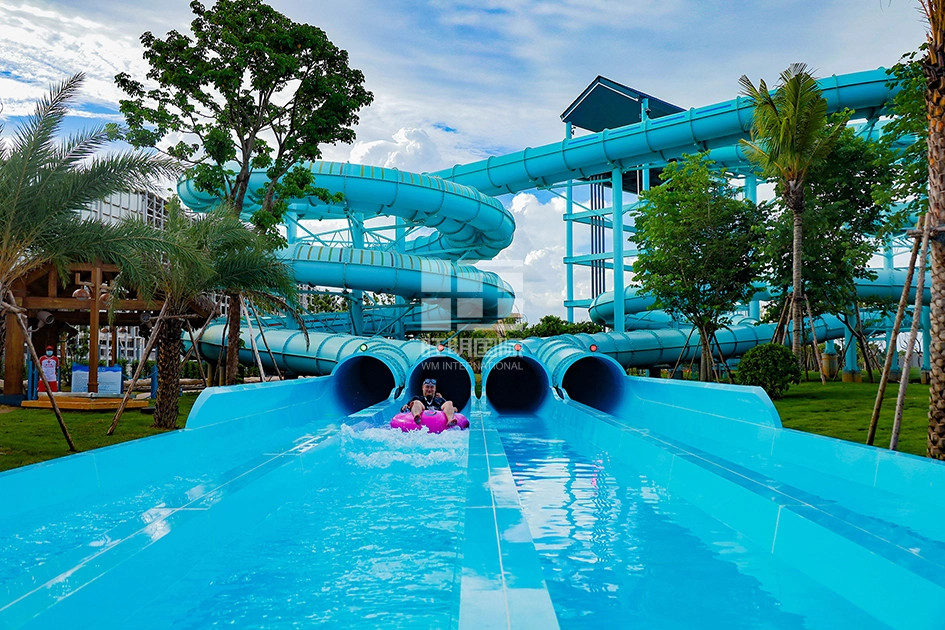
Time Tunnel Water Slide
The biggest feature of the time tunnel slide is that it uses double water slides and double tubes side by side in design and competes along the circular slide path. 8 people can play at the same time, with a large passenger capacity and high return rate, which is very suitable for team and family travel. And the slide is equipped with WangMing International's time tunnel technology, and the interior of the slide presents a beautiful aurora effect, with colorful lights, as if traveling through time and space.
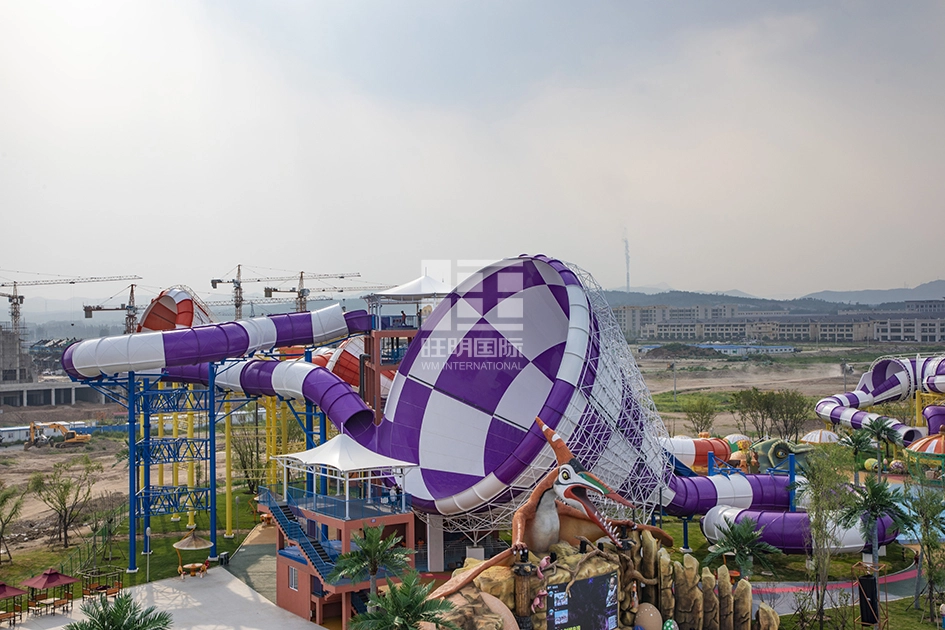
Big Tourbillion Water Slide
The Big Tourbillion water Slide won the "Gold Ticket Award - The Best New Project" of the international tourism industry. With unique modelling, strong irritation and humor, it is deeply loved by the young people; it has always been the popularity star of the water park. The raft carries the tourists as they enter the dark, closed chute slowly from the more than ten-meter-high platform; under the effect of gravity and water flow, it enters the state of rapid falling and then drops into the big Tourbillon; after a few times of whirling, it falls into the water pool. At this moment, the tourists are still in shock.
Get in touch
Have to get customized water park solutions and product quotes.
We will provide you with professional consultation and support.

Relying on leading technology, innovative products and rich industry experience, we tailor personalized solutions for each water park project to ensure a safe and exciting entertainment experience for tourists.
 Scan QR Code
wmwaterslide
wmwaterpark