


What makes you go faster on a water slide? | WM INTERNATIONAL Guide
What Makes You Go Faster on a Water Slide?
Water slides are an exciting attraction at any water park, but have you ever wondered what exactly makes you go faster while sliding? Understanding the physics and design elements behind water slides can enhance your experience and ensure safety. Here are the top five common questions related to gaining speed on water slides, answered with professional insights from the water park industry.
1. How Does Body Position Affect Your Speed?
Your body position greatly impacts the friction between you and the slide surface. According to fluid dynamics research applied in water park slide design (source: ASTM F2376), lying flat and keeping your body streamlined reduces drag and friction, enabling higher speeds. Sliding feet-first with arms crossed minimizes resistance, helping you go faster.
2. What Role Does Water Flow Play in Speed?
Water acts as a lubricant on the slide surface. Water parks calibrate flow rates precisely—typically 10-15 gallons per minute per rider—to reduce friction (source: World Waterpark Association standards). Stronger water flow means less contact resistance and faster descents. However, excessive water can lead to splash and slight deceleration.
3. Does Weight Influence How Fast You Slide?
Heavier riders often slide faster because of greater gravitational force overcoming friction (source: research published in the Journal of Fluid Mechanics 2020). However, water parks design slides to accommodate a safe weight range, typically up to 300 pounds (136 kg), balancing speed and safety.
4. How Does Slide Material Impact Velocity?
Water slides are manufactured from materials such as fiberglass or specially treated PVC that have low surface roughness to reduce friction (ASTM F2376). Fiberglass slides with smooth finishes and water-repellent coatings optimize speed and ride comfort by minimizing drag forces.
5. Are There Design Features That Affect Slide Speed?
Slide angle and curvature directly affect acceleration. Steeper drops increase gravitational acceleration, reaching speeds that typically range from 15 to 25 mph (24 to 40 km/h) (sources: IAAPA Waterpark Design Handbook, 2023). Tight curves can reduce speed due to centrifugal forces, while straight or gently curved segments maintain momentum.
Understanding these factors helps riders improve their slide experience and trust the engineering behind modern water slides. Remember, water parks prioritize safety in all designs, so always follow guidelines and instructions.
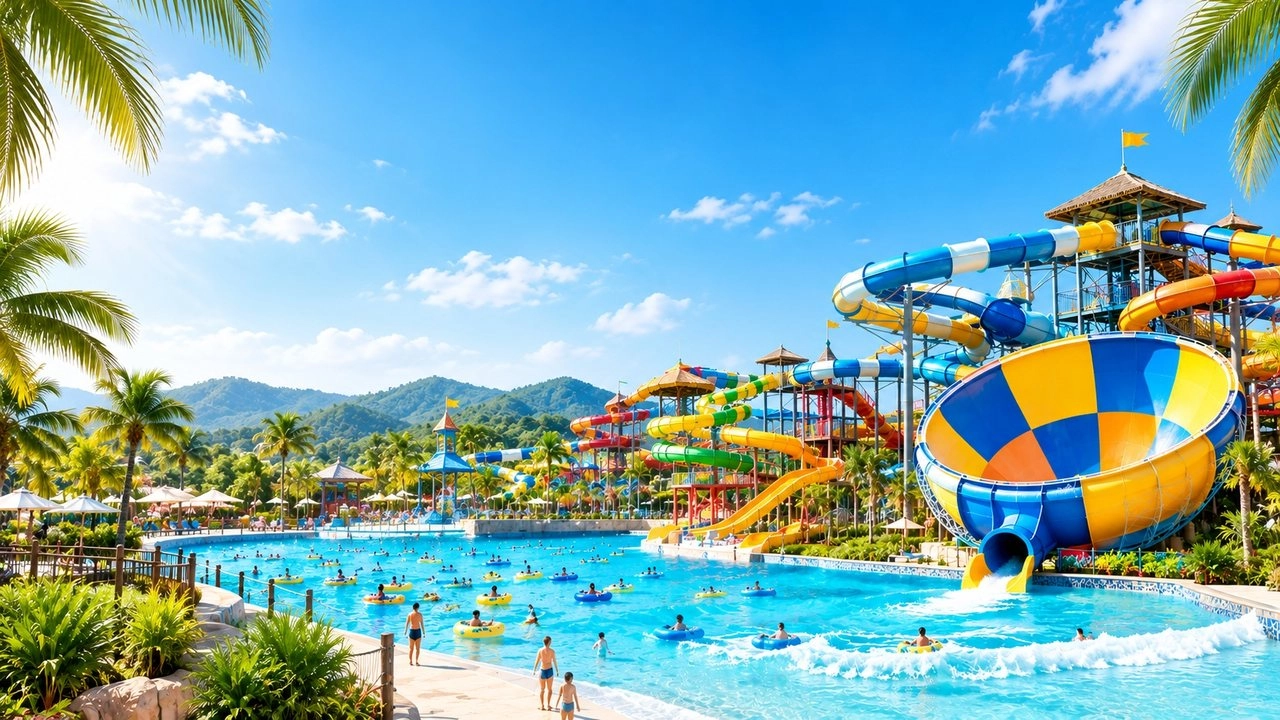
Water Project Cost and ROI: Key Budget Factors Before Choosing a Project Solution
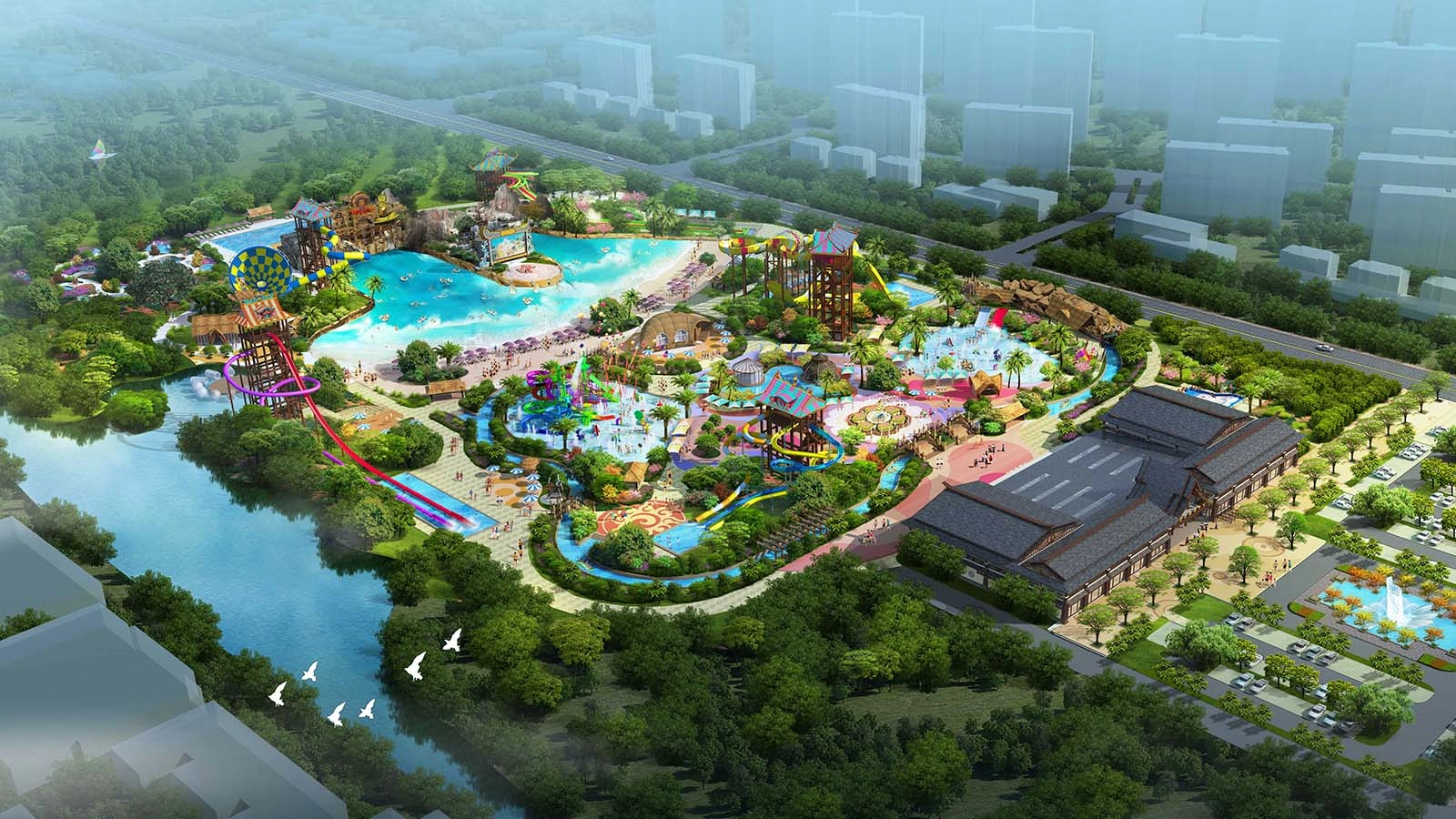
Water Projects: The Complete Guide to Developing Water Projects for Different Venues with WM INTERNATIONAL
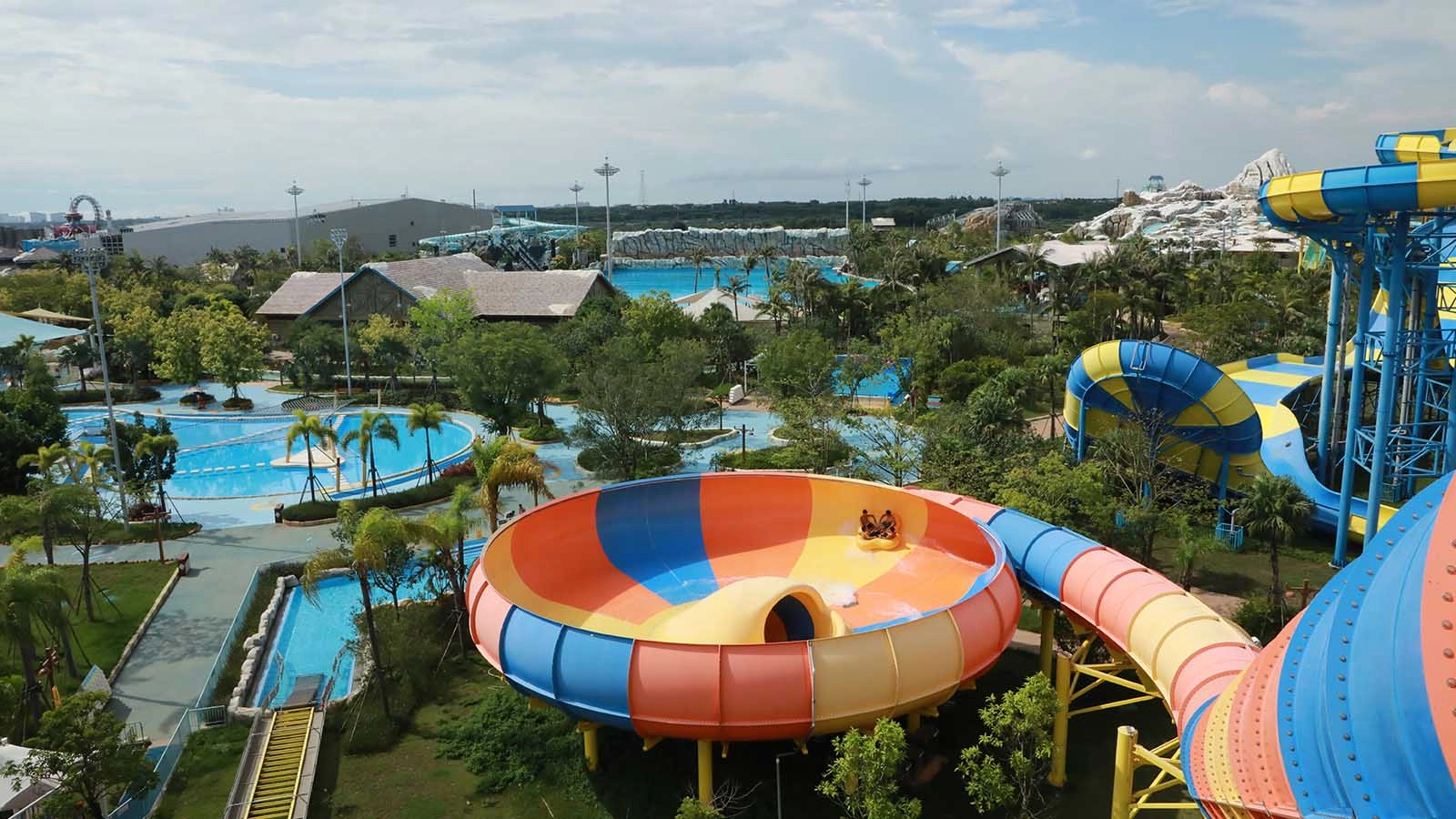
Water Project Industry Trends: Emerging Opportunities in the Water Attraction Market
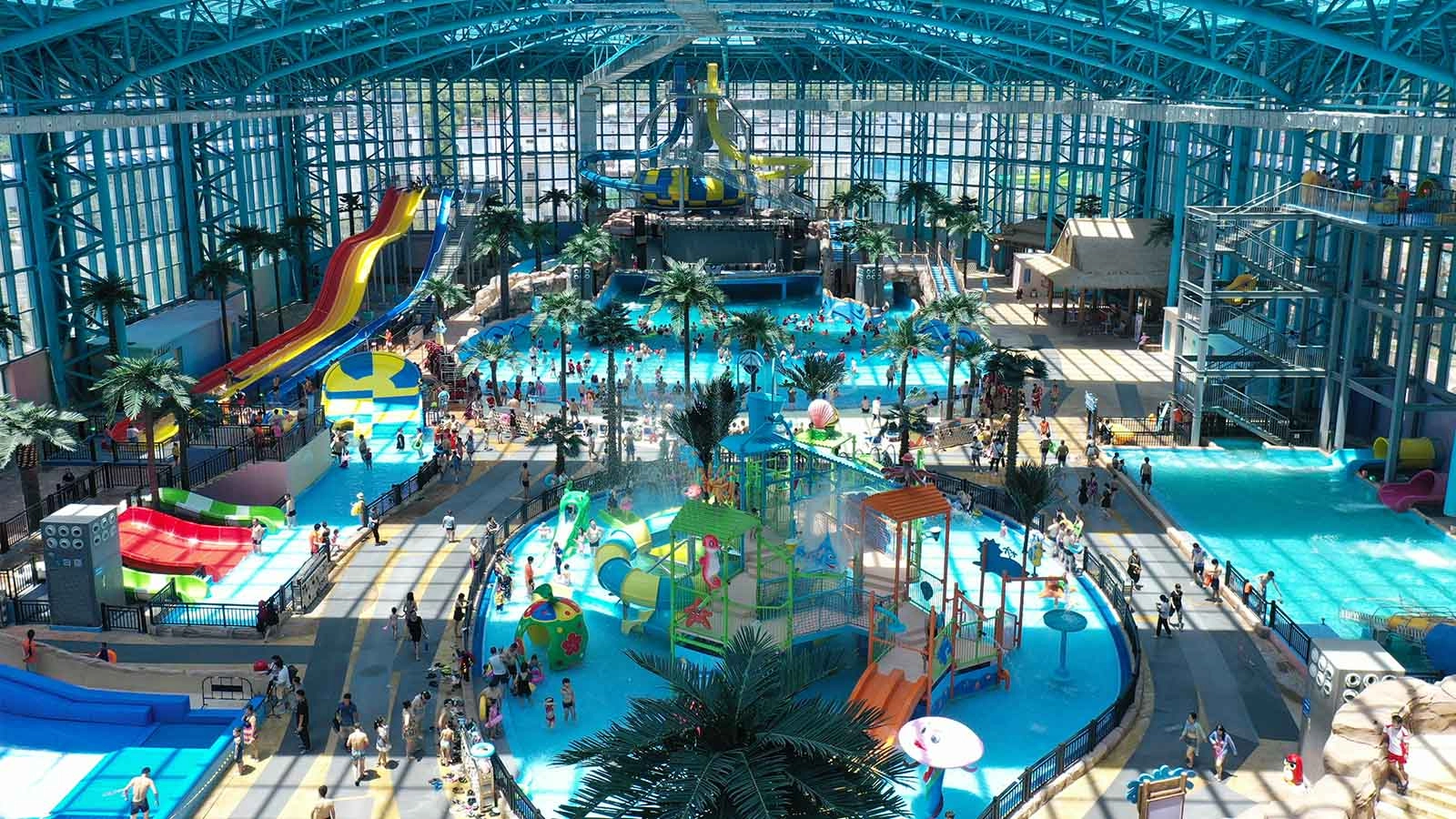
Custom Water Project Solutions for Different Venues: Water Parks, Resorts, Theme Parks and More
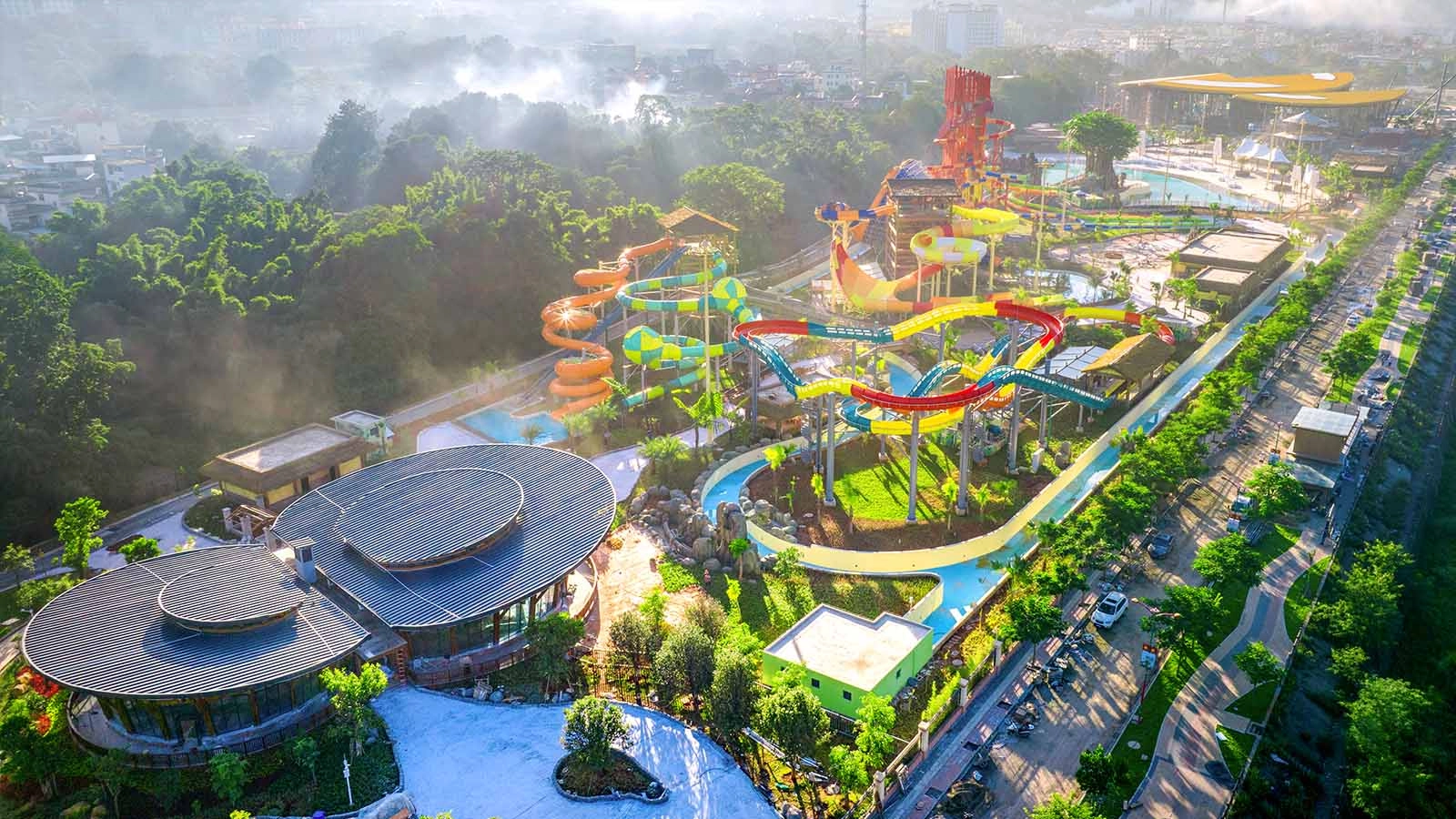
How to Configure Water Attractions for Water Projects in Different Venues
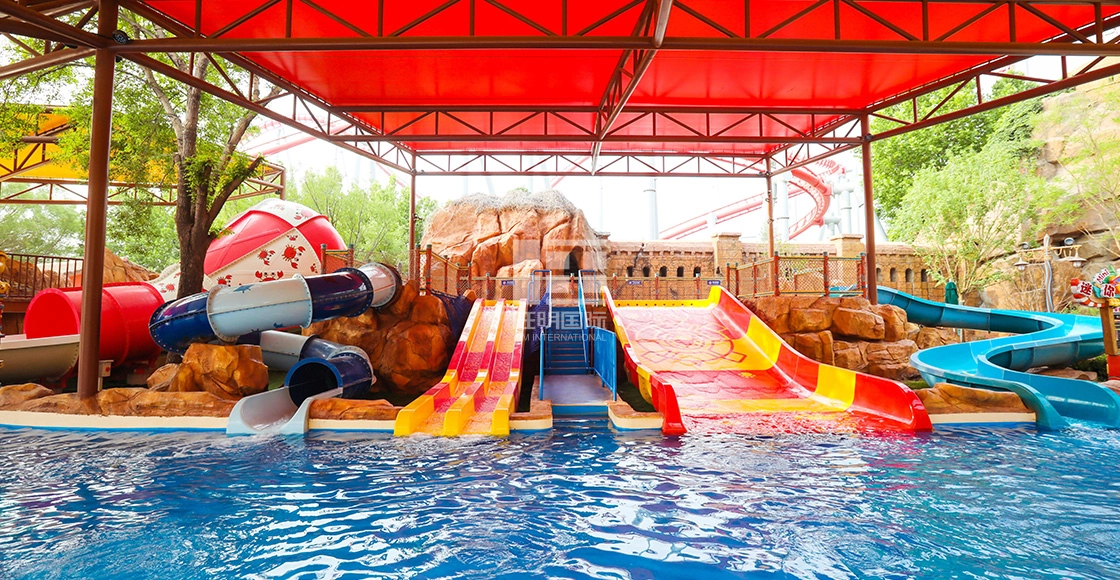
Children Combined Water Slide
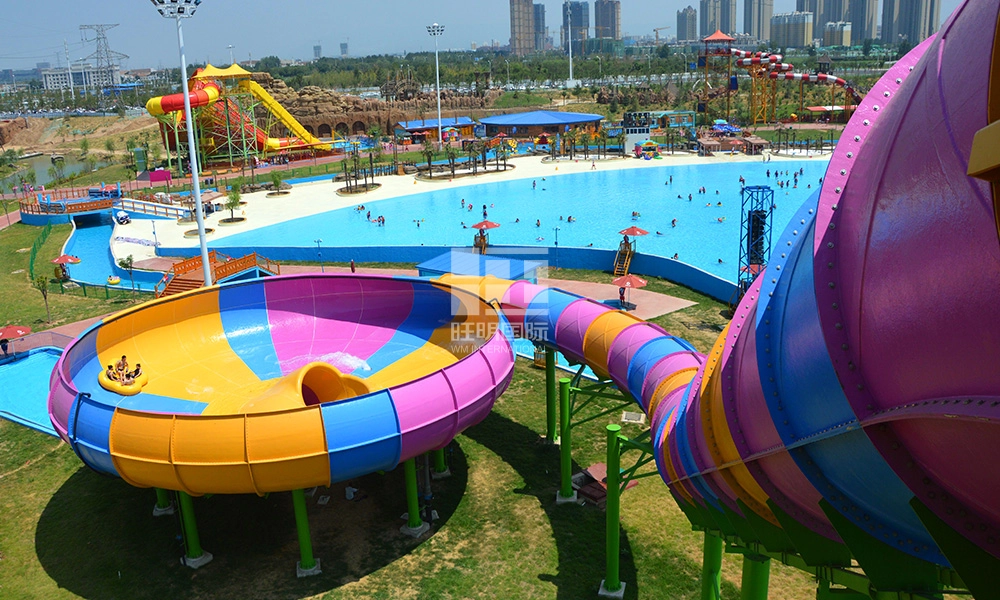
Huge Bowl Water Slide
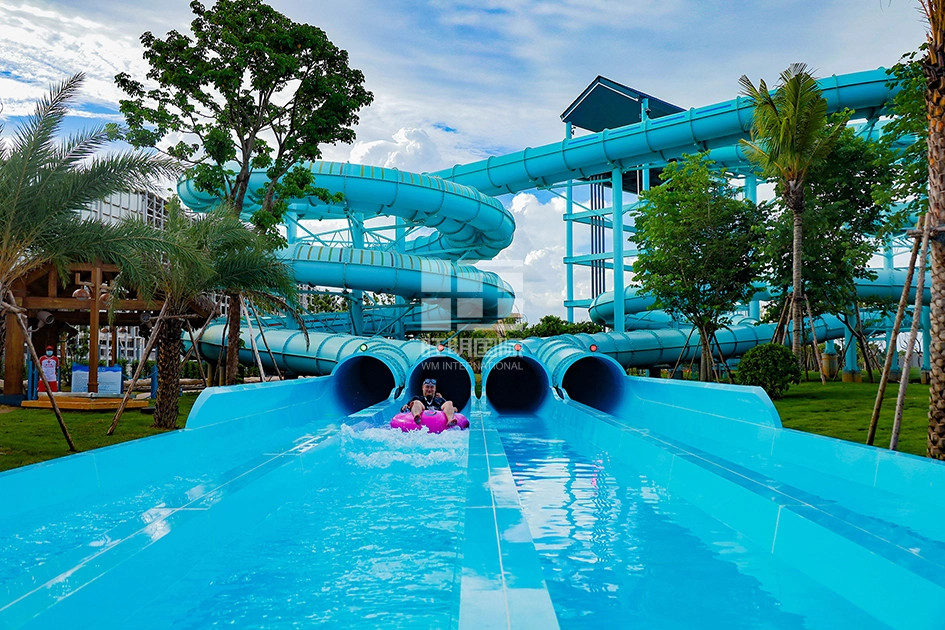
Time Tunnel Water Slide
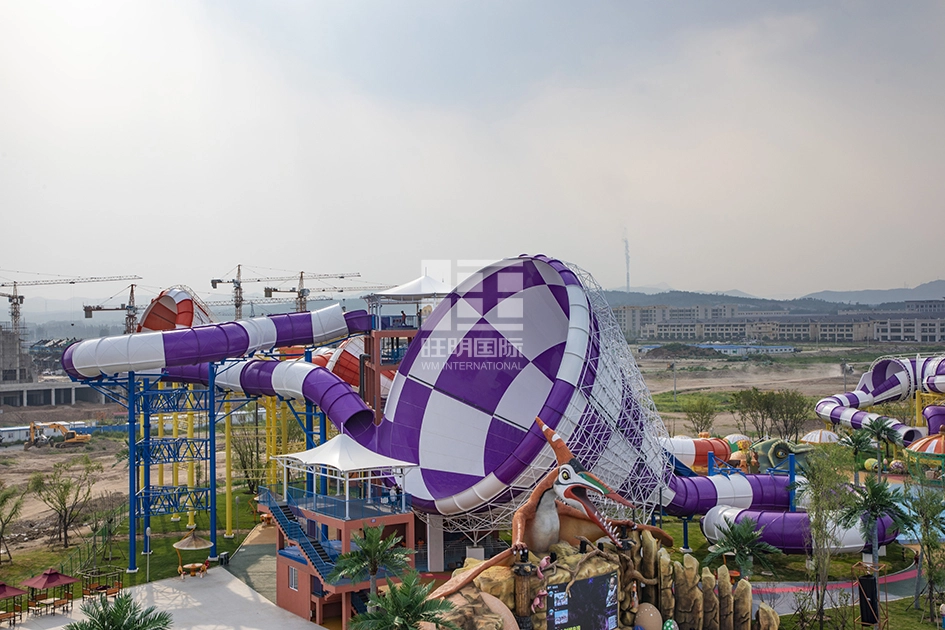
Big Tourbillion Water Slide
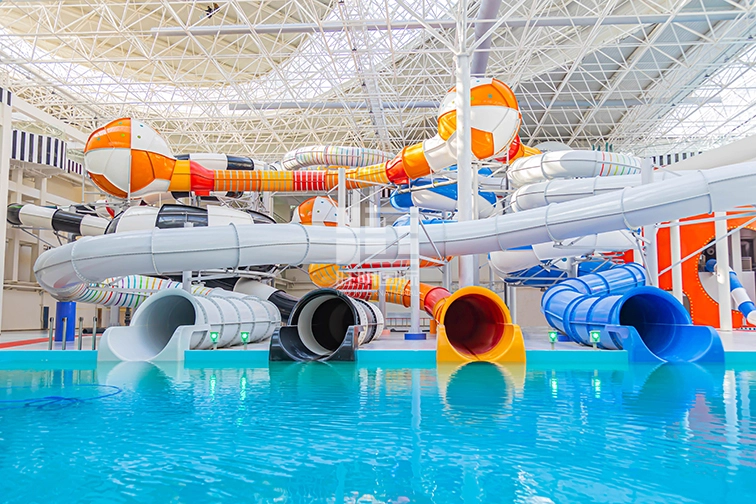
Turnover Slide
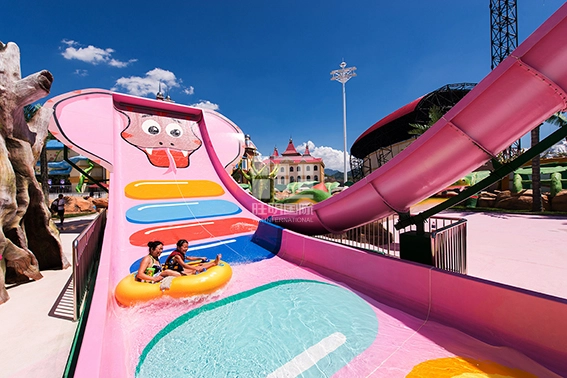
Small King Cobra Water Slide
Get in touch
Have to get customized water park solutions and product quotes.
We will provide you with professional consultation and support.

Relying on leading technology, innovative products and rich industry experience, we tailor personalized solutions for each water park project to ensure a safe and exciting entertainment experience for tourists.
 Scan QR Code
wmwaterslide
wmwaterpark