



What makes a slide faster? | WM INTERNATIONAL Guide
- What Makes a Slide Faster? Expert Insights for Water Park Professionals
- 1. How Does Slide Geometry Affect Speed?
- 2. What Role Does Water Flow Rate Play?
- 3. How Do Surface Materials and Finish Influence Speed?
- 4. How Does Rider Position Affect Slide Velocity?
- 5. What Impact Do Environmental Conditions Have?
What Makes a Slide Faster? Expert Insights for Water Park Professionals
1. How Does Slide Geometry Affect Speed?
Slide geometry, including slope angle, curvature, and length, plays a crucial role in determining speed. Steeper slopes accelerate riders due to gravity, while carefully designed curves can maintain momentum and reduce friction losses. According to industry data, water slides with angles between 30-35 degrees tend to optimize speed without compromising safety standards.
2. What Role Does Water Flow Rate Play?
Water flow rate directly impacts the ride’s speed by reducing friction between the rider and slide surface. Typical commercial water parks utilize flow rates ranging from 15 to 25 gallons per minute per rider. Higher flow rates create a lubricating water film that minimizes drag, enabling riders to reach speeds up to 25 mph on some slides.
3. How Do Surface Materials and Finish Influence Speed?
The slide surface material and its finish affect friction levels. Common materials include fiberglass with gel coat finishes, engineered to be smooth and hydrophobic. Studies show that micro-textured surfaces with hydrophobic coatings can reduce friction coefficients by 10-15%, significantly increasing slide velocity.
4. How Does Rider Position Affect Slide Velocity?
A rider’s posture, including body positioning and weight distribution, influences acceleration and top speed. Streamlined, low-profile postures reduce air and water resistance. Industry tests document that riders in a supine position with arms crossed achieve approximately 10-20% faster descent times than riders who sit or spread their limbs.
5. What Impact Do Environmental Conditions Have?
Temperature and water quality can subtly affect slide speed. Warmer water decreases viscosity, facilitating smoother rides. Conversely, cold water may increase resistance. Similarly, water quality maintenance including pH balanced, clear water avoids surface biofilm buildup, which can increase friction and reduce speeds.
Understanding these factors allows water park designers and operators to optimize slide performance while balancing guest safety and thrill. Continuous advancements in materials engineering and hydraulic systems are helping to push slide speeds higher within regulated safety parameters.
Water Project Cost and ROI: Key Budget Factors Before Choosing a Project Solution
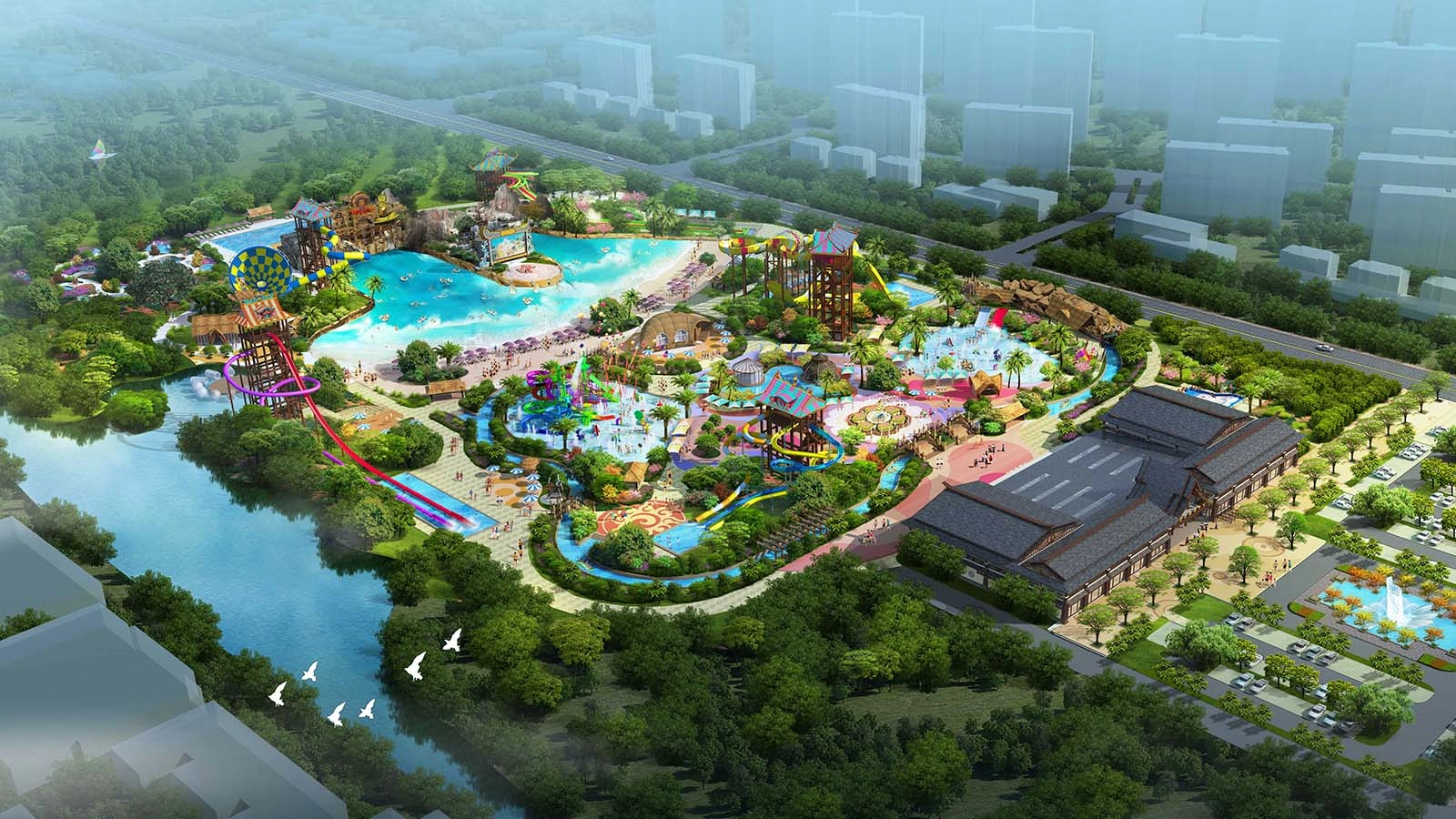
Water Projects: The Complete Guide to Developing Water Projects for Different Venues with WM INTERNATIONAL
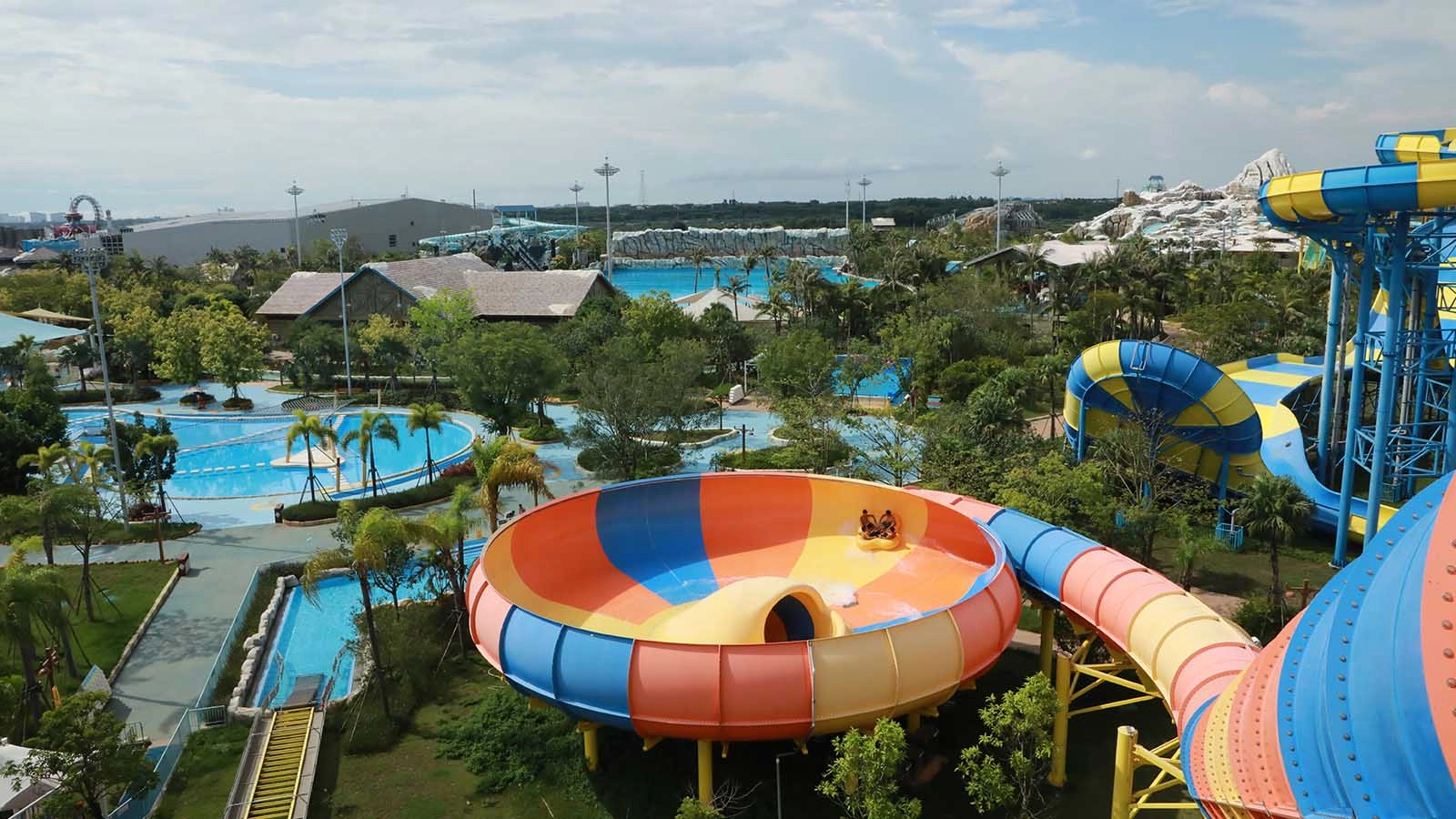
Water Project Industry Trends: Emerging Opportunities in the Water Attraction Market
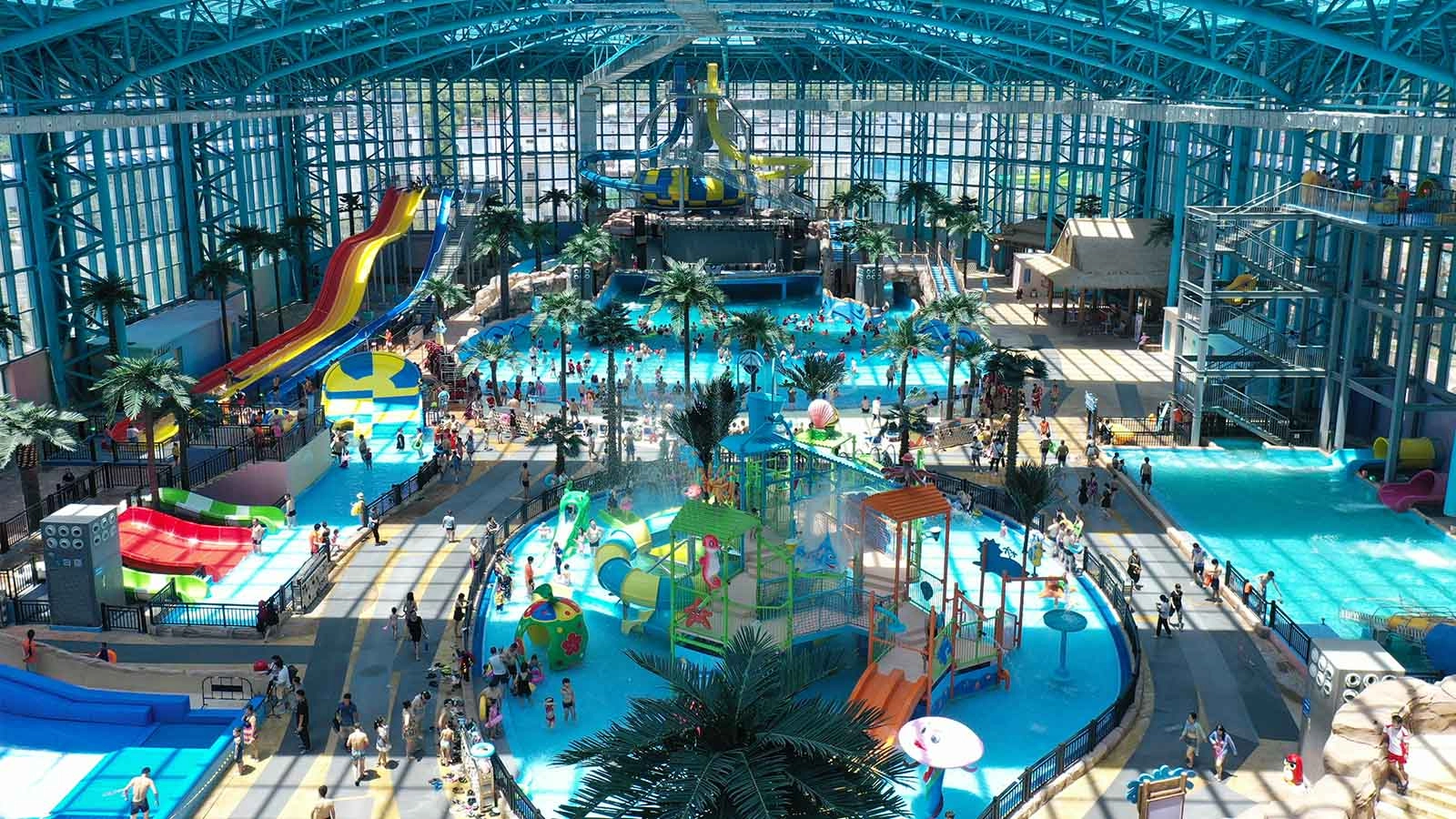
Custom Water Project Solutions for Different Venues: Water Parks, Resorts, Theme Parks and More
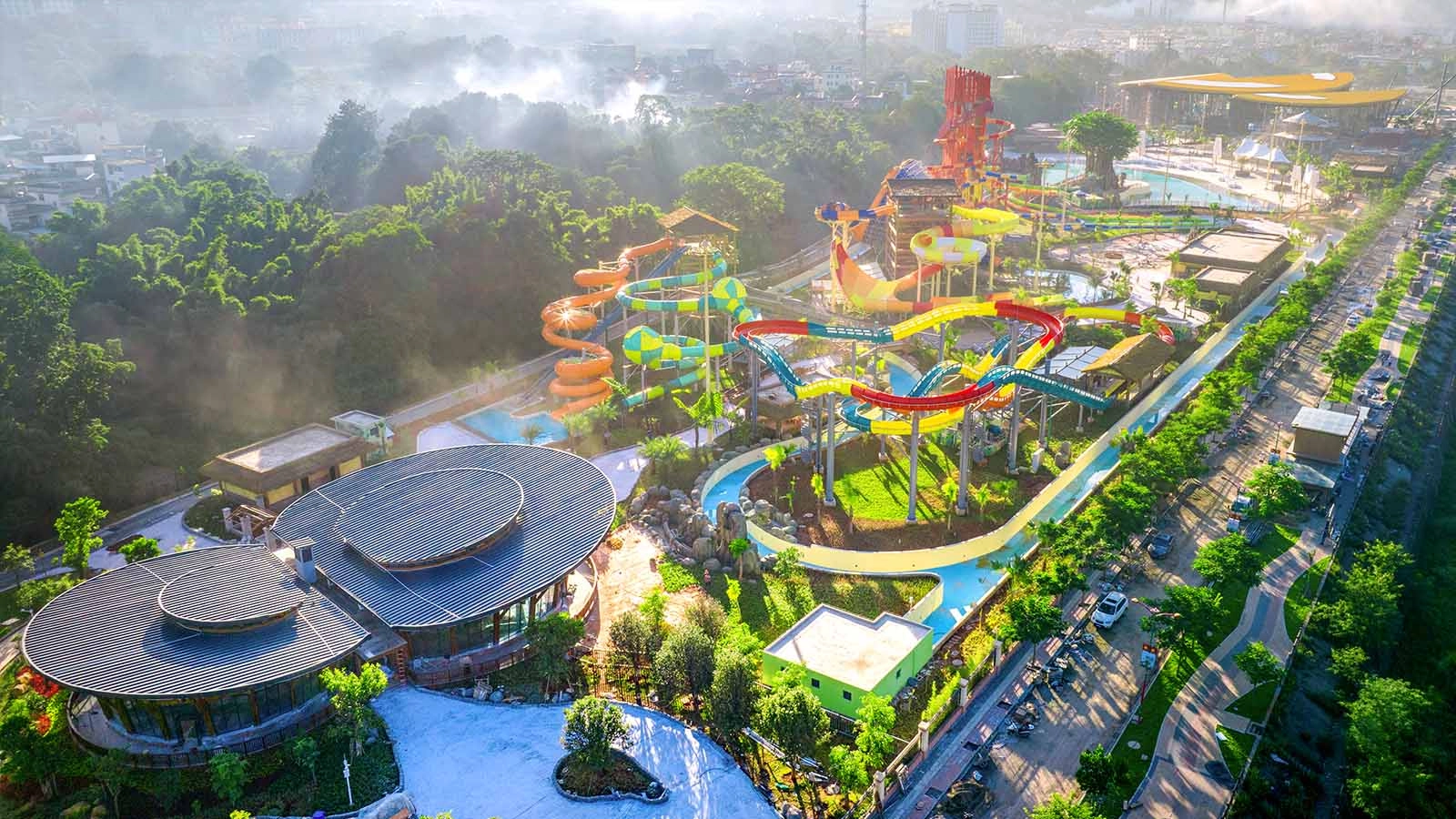
How to Configure Water Attractions for Water Projects in Different Venues
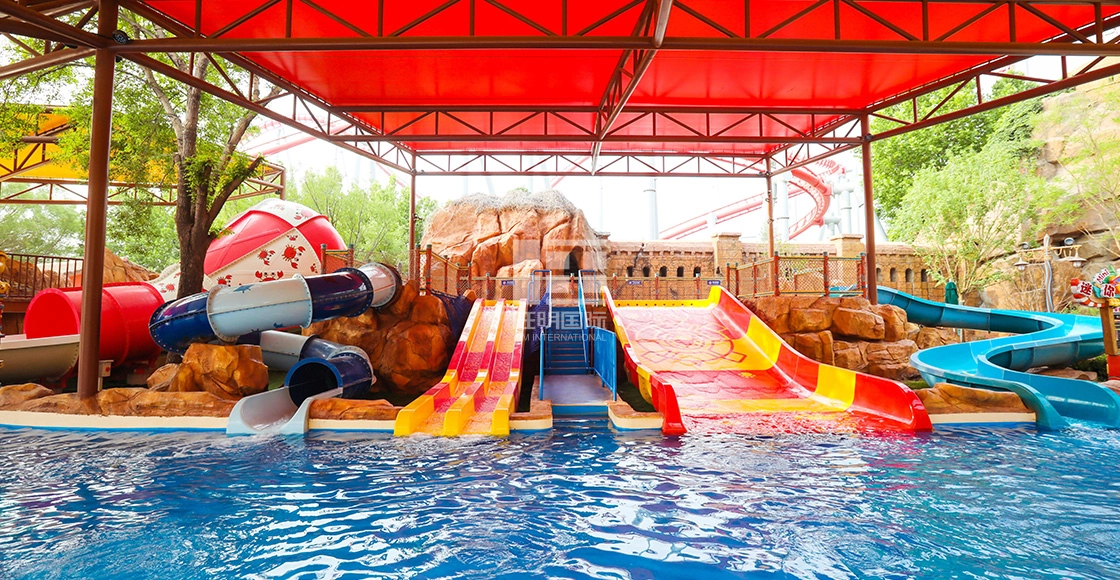
Children Combined Water Slide
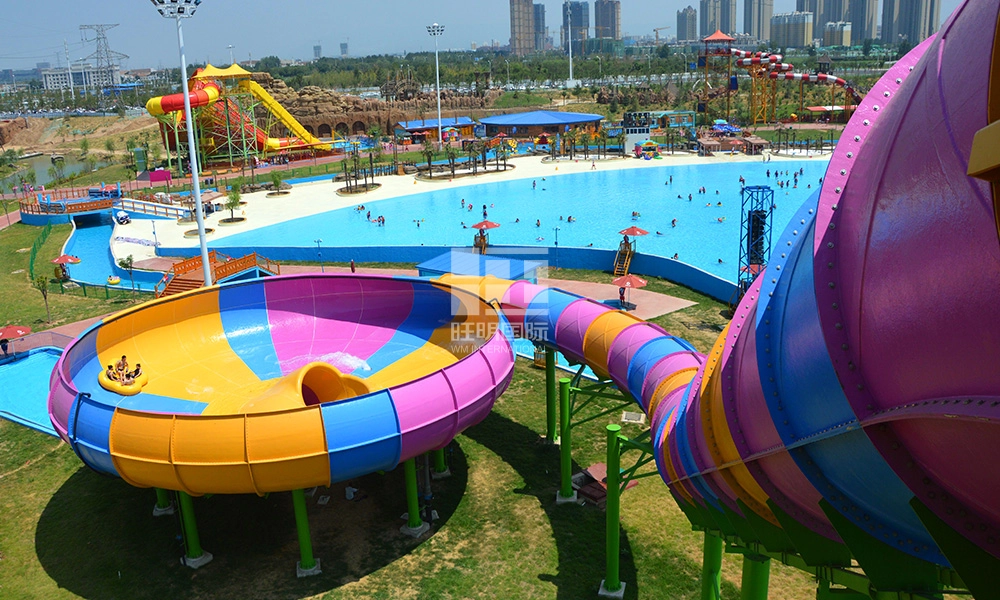
Huge Bowl Water Slide
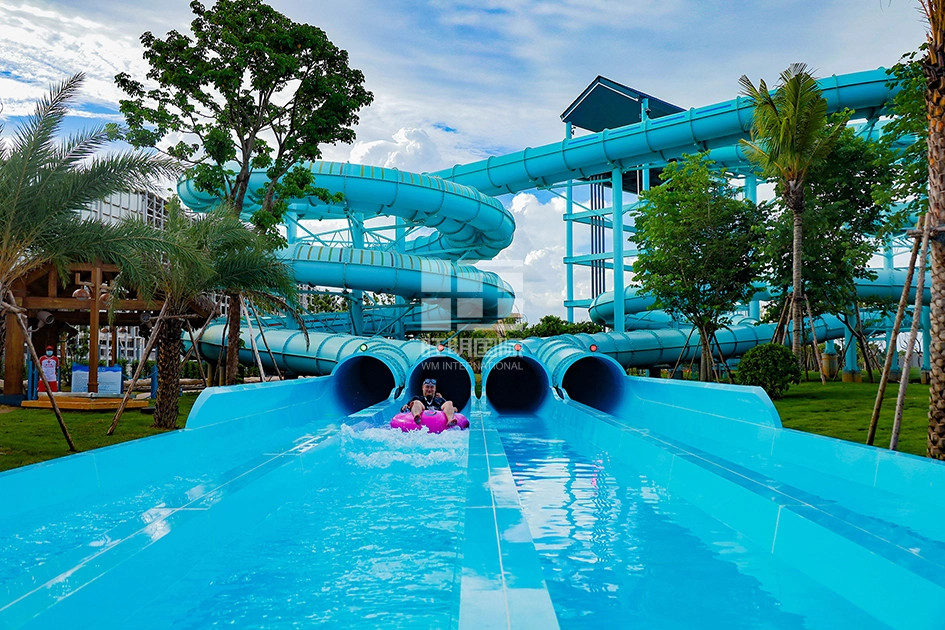
Time Tunnel Water Slide
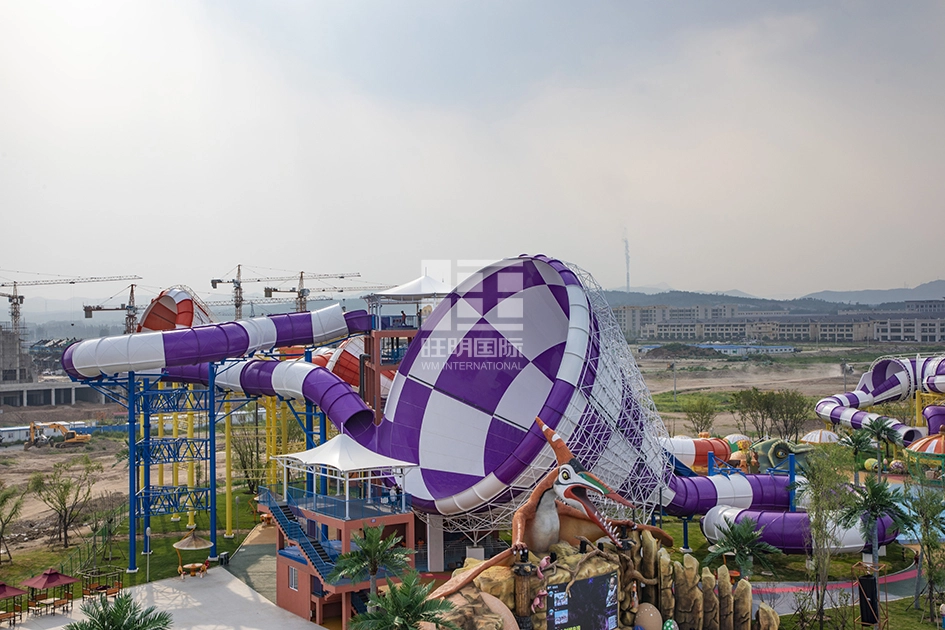
Big Tourbillion Water Slide
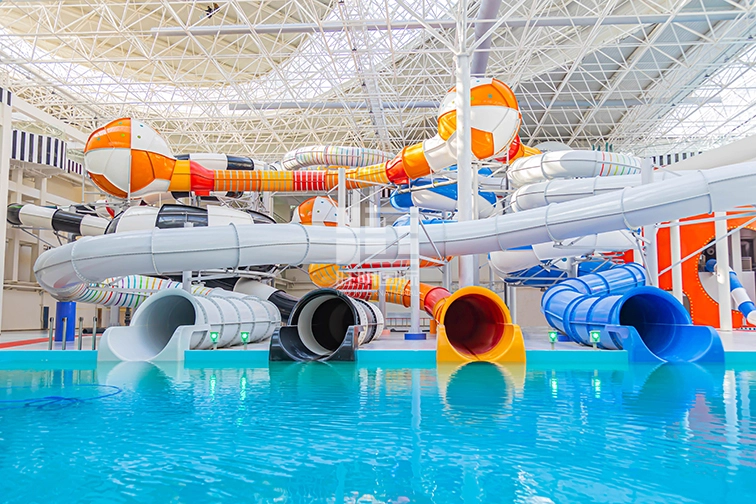
Turnover Slide
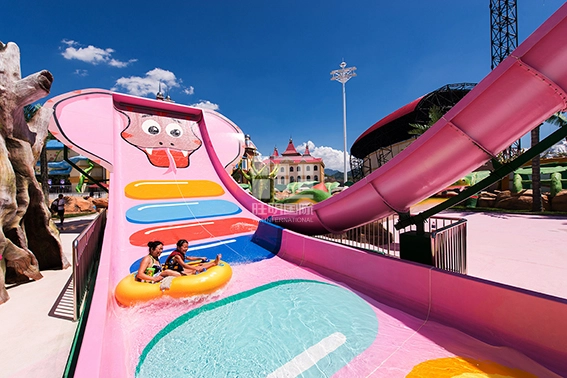
Small King Cobra Water Slide
Get in touch
Have to get customized water park solutions and product quotes.
We will provide you with professional consultation and support.

Relying on leading technology, innovative products and rich industry experience, we tailor personalized solutions for each water park project to ensure a safe and exciting entertainment experience for tourists.
 Scan QR Code
wmwaterslide
wmwaterpark