



What is a lazy river and how is it integrated into a water park? | WM INTERNATIONAL Guide
What is a Lazy River and How is it Integrated into a Water Park?
This article explains “what is a lazy river” and its integration within water parks. Professionals often face the challenge of designing engaging, efficient attractions with high ROI. This guide offers concise, expert insight on integrating lazy rivers to optimize guest experience and operational success.
What is a Lazy River?
- Definition:
A lazy river is a shallow, slow-moving water channel designed for guest relaxation and gentle transportation, usually via inner tubes.
- Design Intent:
Focuses on leisure, extending dwell time and appealing to multi-generational guests.
- Typical Dimensions:
- Width: 2.5–4 meters (8–13 feet)
- Depth: 0.9–1.2 meters (3–4 feet)
- Current speed: 1–3 km/h (0.6–1.8 mph)
((https://www.waterparks.org/))
Advantages of Lazy Rivers in Water Parks
- Increased Guest Capacity:
Accommodates high throughput, easing traffic on headline attractions.
- Expanded Demographics:
Appeals to families, seniors, and guests seeking relaxation.
- Theming Flexibility:
Easily integrated with landscape theming, interactive features, and adjacent amenities.
- Extended Stays:
Encourages longer visits and increased in-park spend.
- High Marketability:
Serves as an iconic photo attraction for guest engagement and social sharing.
Key Integration Strategies
Location & Layout
- Flow-Centric Design:
Place the lazy river to guide guest movement and connect multiple park zones.
- Proximity to Services:
Integrate with F&B, lounges, and retail for cross-utilization.
Safety & Accessibility
- Accessible Entrances/Exits:
Install multiple ramps and handrails for universal access.
- Lifeguard Positioning:
Design with clear sightlines and minimal blind spots to optimize supervision.
Theming & Guest Experience
- Thematic Integration:
Blend landscaping, waterfalls, wave features, and interactive play for immersive experiences.
- Shade & Comfort:
Incorporate shade structures and rest areas along the route.
- Multi-Functionality:
Enable zones for events, night rides, or themed overlays to boost off-peak use.
Technical Considerations
- Hydraulics & Circulation:
Pump systems must ensure consistent, safe current speeds throughout the circuit.
- Water Treatment Systems:
Maintain high filtration and sanitization standards to ensure water quality.
- Energy Efficiency:
Specify energy-saving pumps and controls to optimize operational costs ((https://www.iaapa.org/)).
- Compliance:
Adhere to regional standards, such as ASTM F2376 and local health codes.
Market Trends & Data
- Popularity:
Over 75% of new major water park developments in North America include a lazy river as a core attraction (IAAPA Global Waterpark Report, 2023).
- ROI Impact:
Lazy rivers consistently score high in guest satisfaction, supporting positive net promoter scores and repeat visitation.
Conclusion
Lazy rivers are essential, versatile attractions within the modern water park industry. When effectively integrated, they drive guest satisfaction, increase stay duration, and provide significant commercial value.
*For advanced consultation and project integration services, contact WM INTERNATIONAL’s water park experts.*
Water Project Cost and ROI: Key Budget Factors Before Choosing a Project Solution
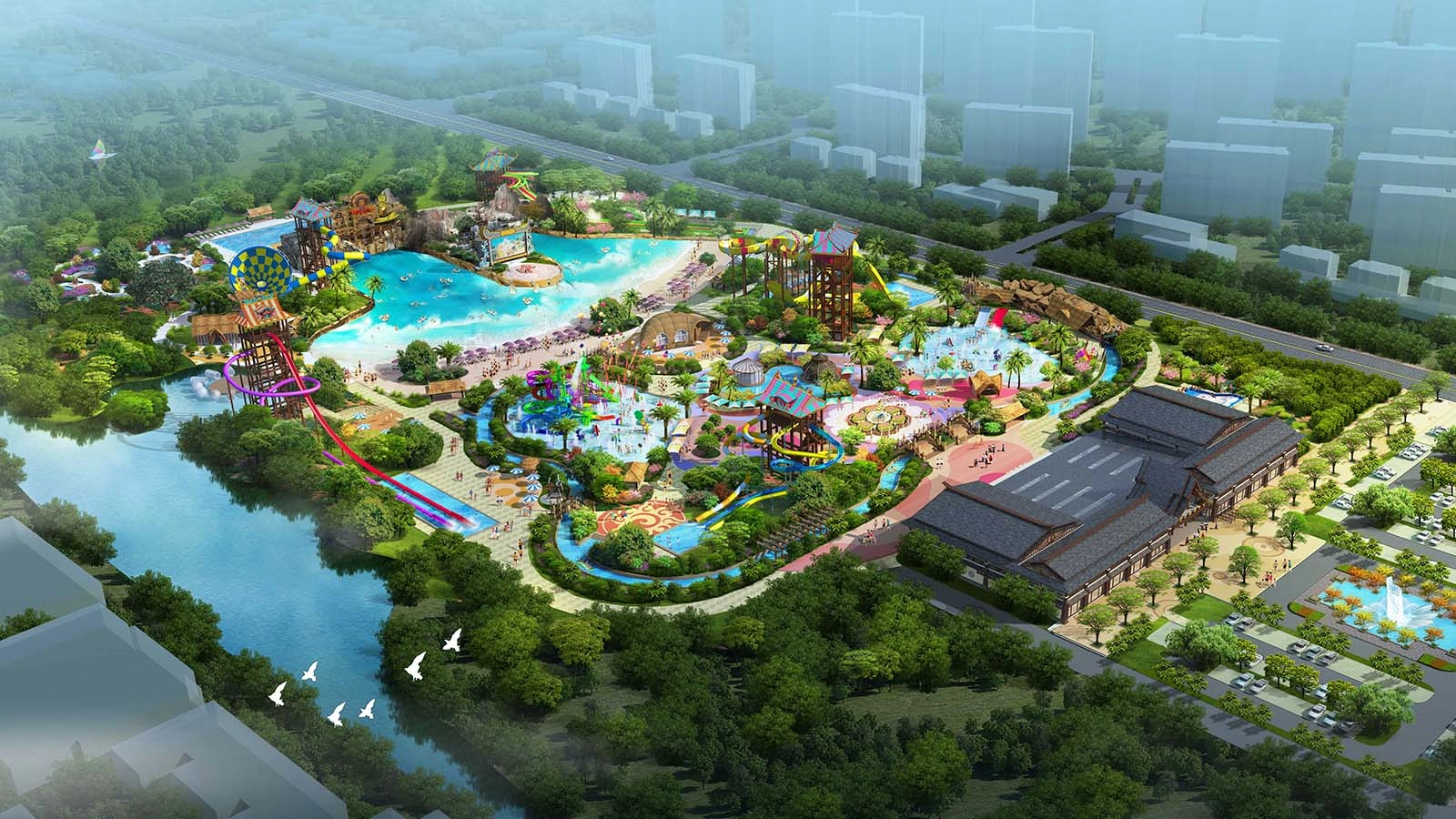
Water Projects: The Complete Guide to Developing Water Projects for Different Venues with WM INTERNATIONAL
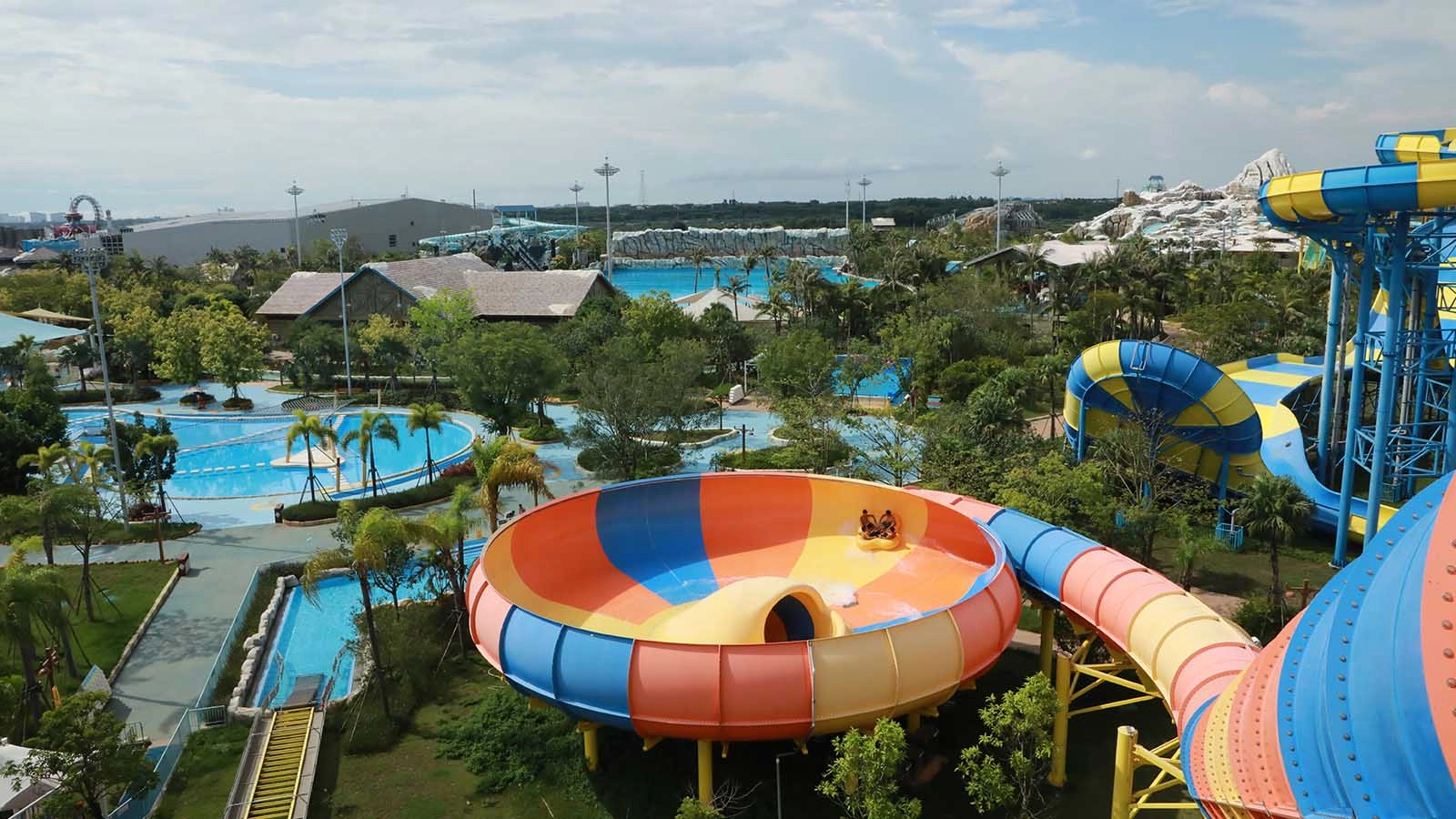
Water Project Industry Trends: Emerging Opportunities in the Water Attraction Market
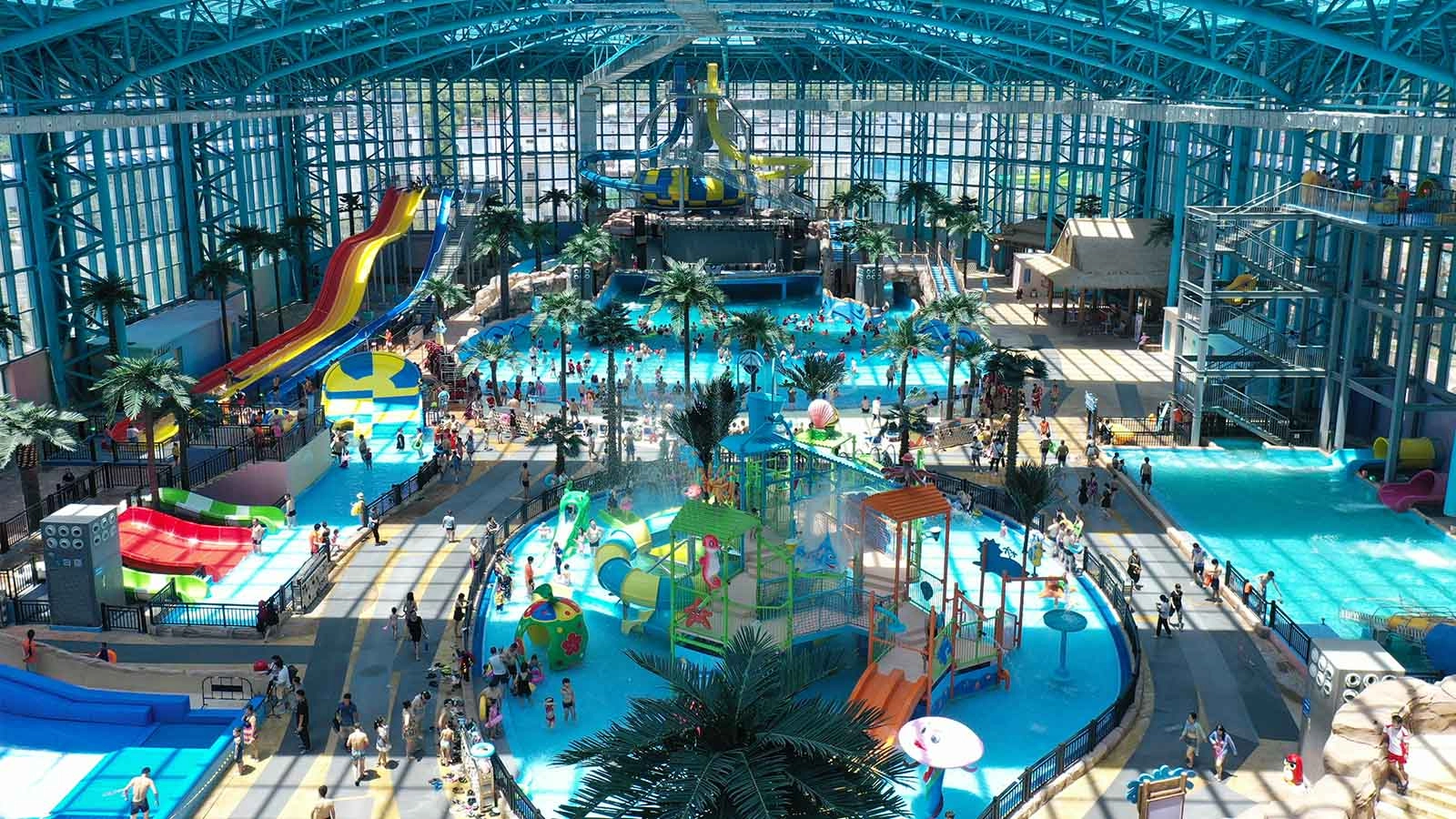
Custom Water Project Solutions for Different Venues: Water Parks, Resorts, Theme Parks and More
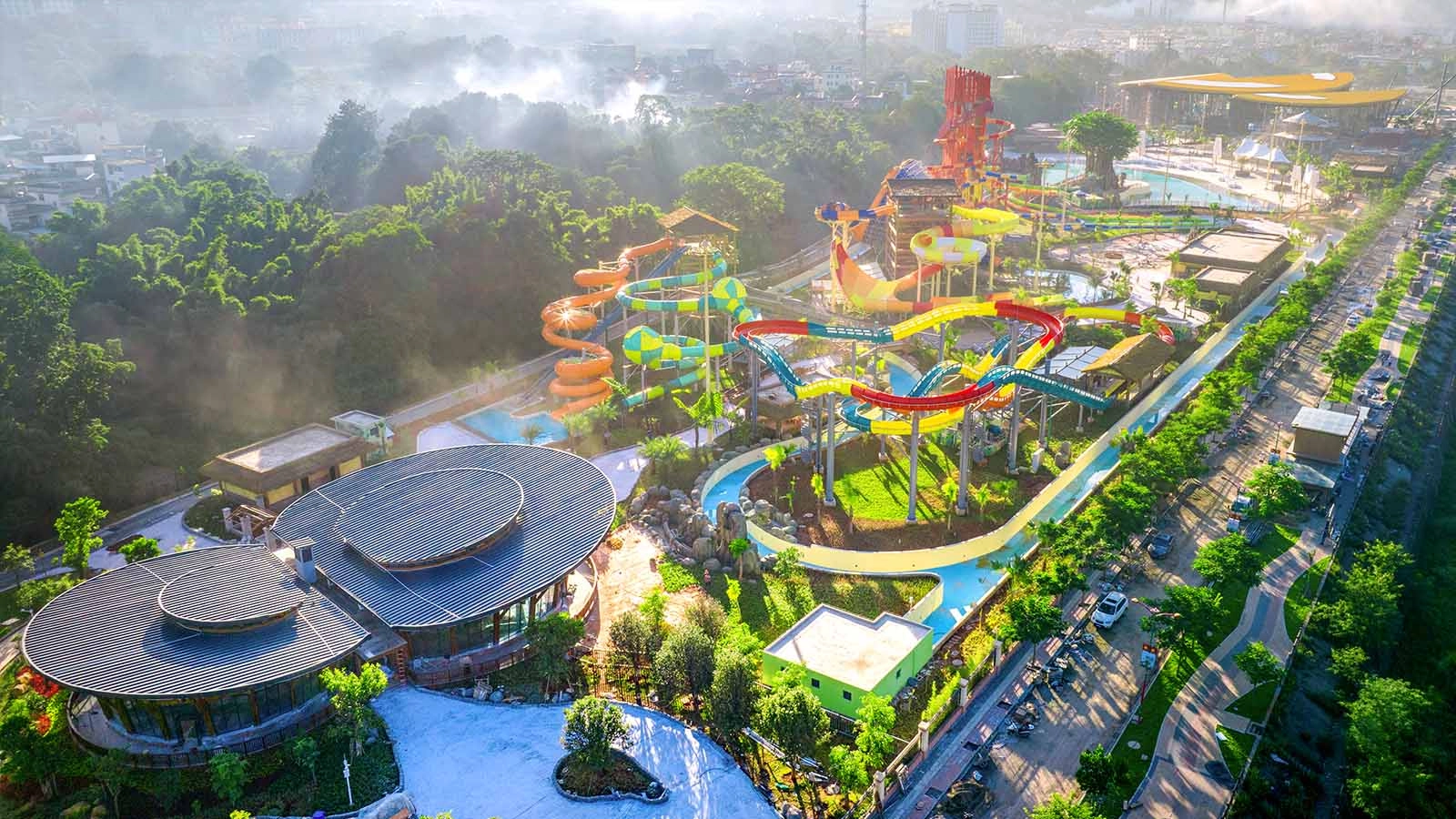
How to Configure Water Attractions for Water Projects in Different Venues
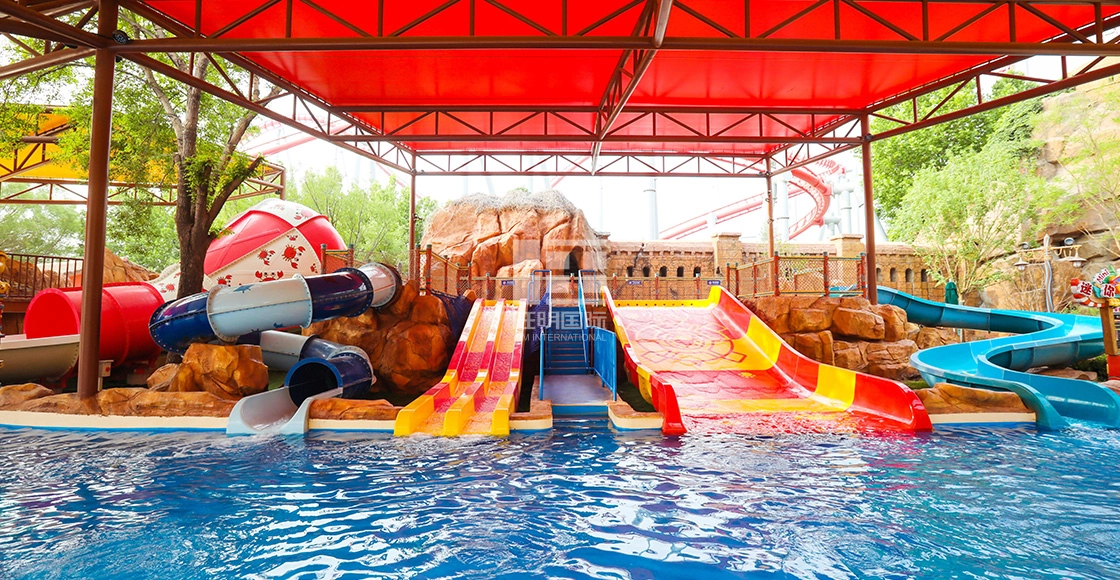
Children Combined Water Slide
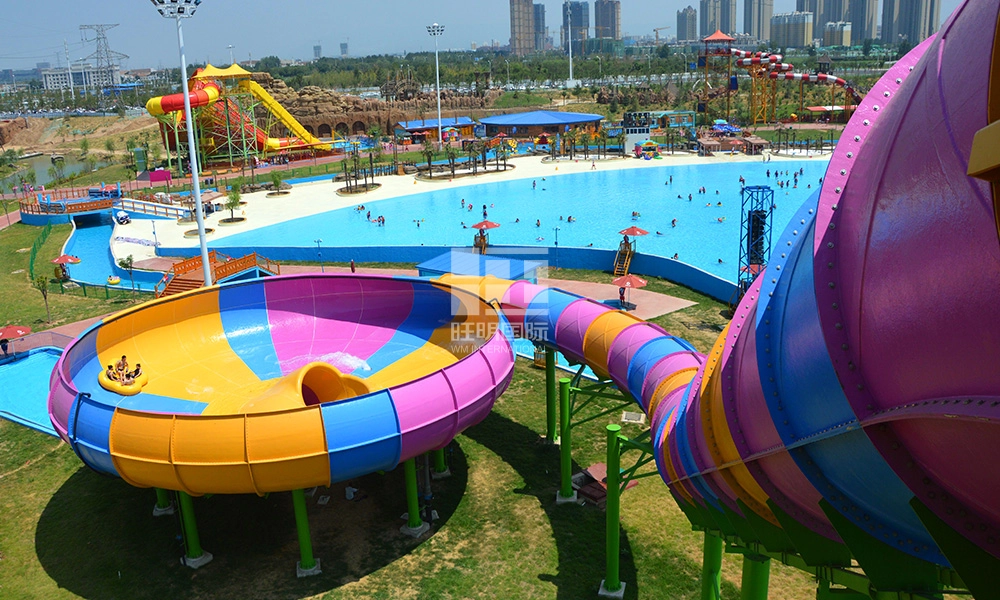
Huge Bowl Water Slide
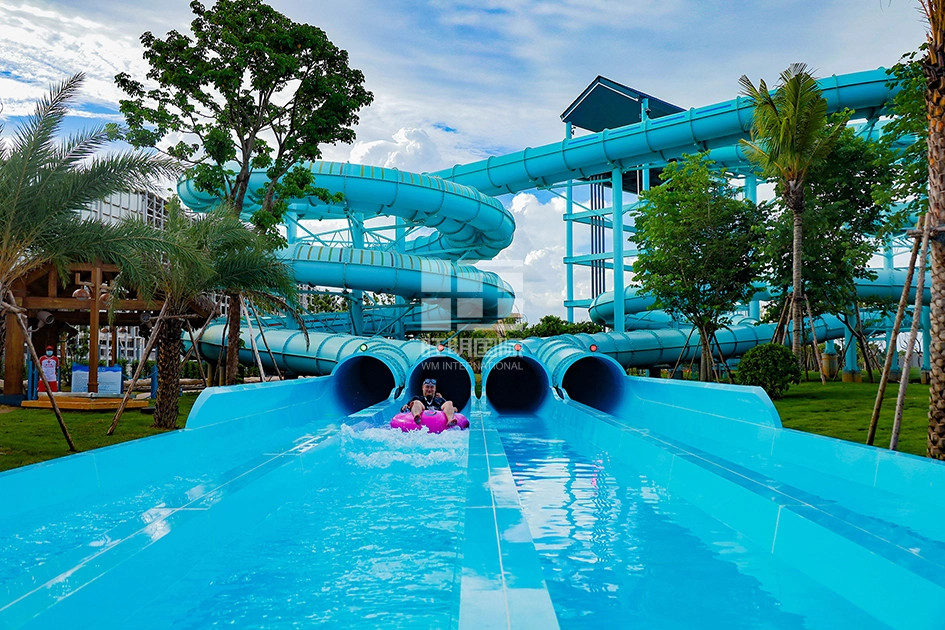
Time Tunnel Water Slide
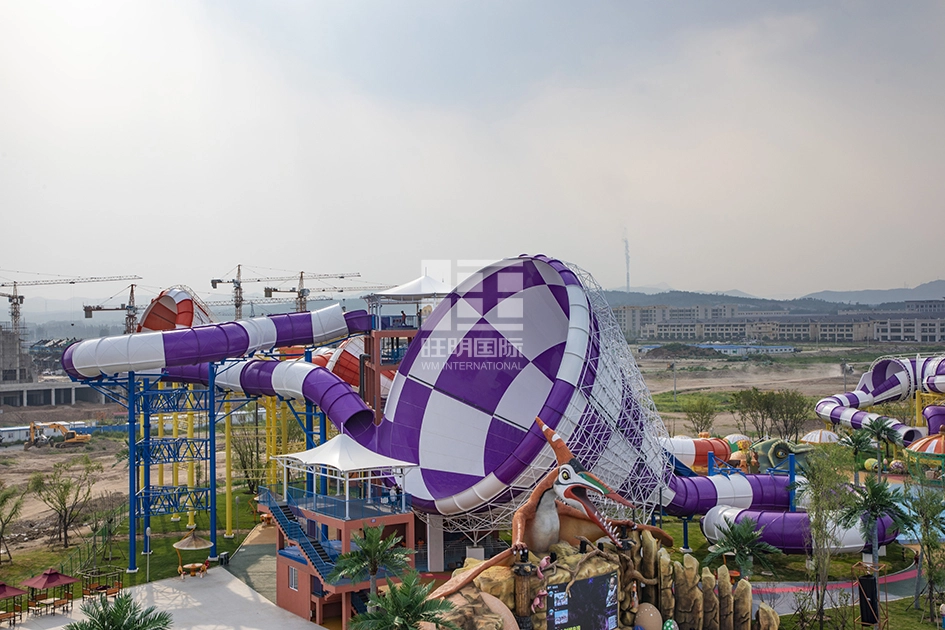
Big Tourbillion Water Slide
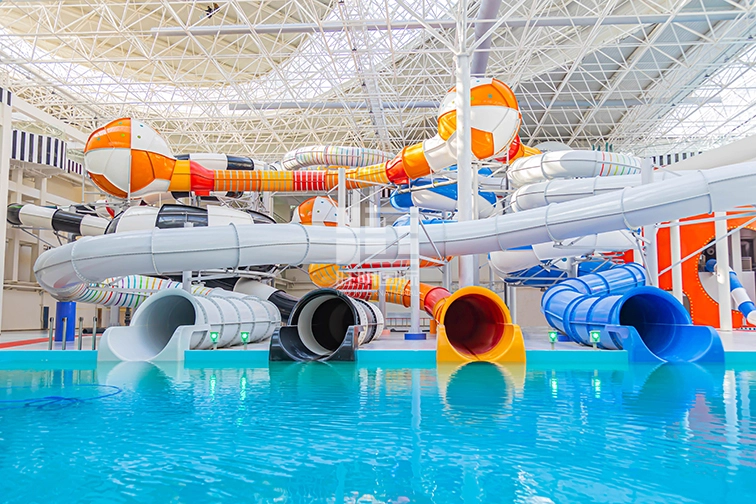
Turnover Slide
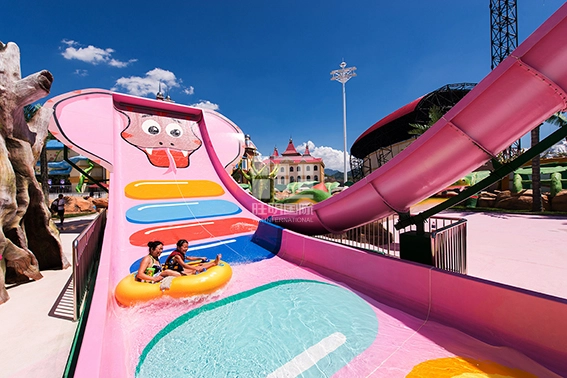
Small King Cobra Water Slide
Get in touch
Have to get customized water park solutions and product quotes.
We will provide you with professional consultation and support.

Relying on leading technology, innovative products and rich industry experience, we tailor personalized solutions for each water park project to ensure a safe and exciting entertainment experience for tourists.
 Scan QR Code
wmwaterslide
wmwaterpark