





What factors should be considered when choosing a wave pool system? | WM INTERNATIONAL Guide
What factors should be considered when choosing a wave pool system?
Choosing the right wave pool system is essential for water park professionals seeking operational efficiency, guest satisfaction, and strong ROI. This article explores crucial factors in wave pool system selection, targeting industry professionals and addressing safety, technology, and maintenance concerns.
Performance and Technology
Wave Generation Technology
- Choose between pneumatic, hydraulic, and mechanical systems.
- Pneumatic systems are quieter and offer wave diversity (WhiteWater West, 2022).
- Hydraulic and mechanical wave pools are known for higher energy output but often entail greater maintenance.
Wave Types and Customization
- Assess adjustable wave heights, durations, and patterns.
- Systems with programmable controls can increase user engagement and flexibility (IAAPA, 2023).
Energy Efficiency
- Compare kWh consumption for each wave cycle.
- Energy-efficient systems reduce operational costs and environmental impact (Aquatics International).
Safety and Compliance
User Safety Features
- Opt for systems featuring robust monitoring and emergency shutoff mechanisms.
- Ensure compatibility with rescue and lifeguard protocols (CDC Model Aquatic Health Code).
Regulatory Compliance
- Wave pool must comply with local, national, and industry safety standards.
- Check for third-party certification or quality seals (NSF International).
Guest Capacity and Experience
Throughput and Capacity
- Assess bather load compatibility relative to projected guest numbers.
- Larger pools may require more advanced water treatment solutions.
Guest Enjoyment and Accessibility
- Systems offering a variety of wave experiences boost repeat visitation.
- Confirm ADA-compliant entry options (ramps, zero-depth entrances).
Installation and Operational Considerations
Installation Requirements
- Examine space, civil work, water volume, and power supply needs.
- Retrofitting older parks may require additional structural analysis.
Maintenance and Downtime
- Select designs with minimal moving parts to reduce wear.
- Confirm availability of local service and spare parts.
Cost and Return on Investment (ROI)
Upfront and Lifecycle Costs
- Consider capital expenditure, system lifespan, and repair costs.
- Factor in long-term energy and chemical usage.
Revenue Projections
- Evaluate system ability to attract higher attendance and High Quality upcharges (ProSlide, 2021).
Vendor Reputation and Support
Past Performance
- Seek vendors with a robust portfolio and verifiable client references.
After-sales Service
- 24/7 technical support and operator training decrease operational risks.
Data Sources
- (https://www.iaapa.org/)
- (https://www.aquaticsintl.com/)
- (https://www.cdc.gov/mahc/)
- (https://www.nsf.org/)
*To summarize, water park professionals should evaluate wave pool systems by balancing technological innovation, safety standards, guest experience, maintenance needs, and overall value. Ensuring due diligence in system selection ly leads to safer, more engaging, and profitable water park operations.*
Water Project Cost and ROI: Key Budget Factors Before Choosing a Project Solution
Water Projects: The Complete Guide to Developing Water Projects for Different Venues with WM INTERNATIONAL
Water Project Industry Trends: Emerging Opportunities in the Water Attraction Market
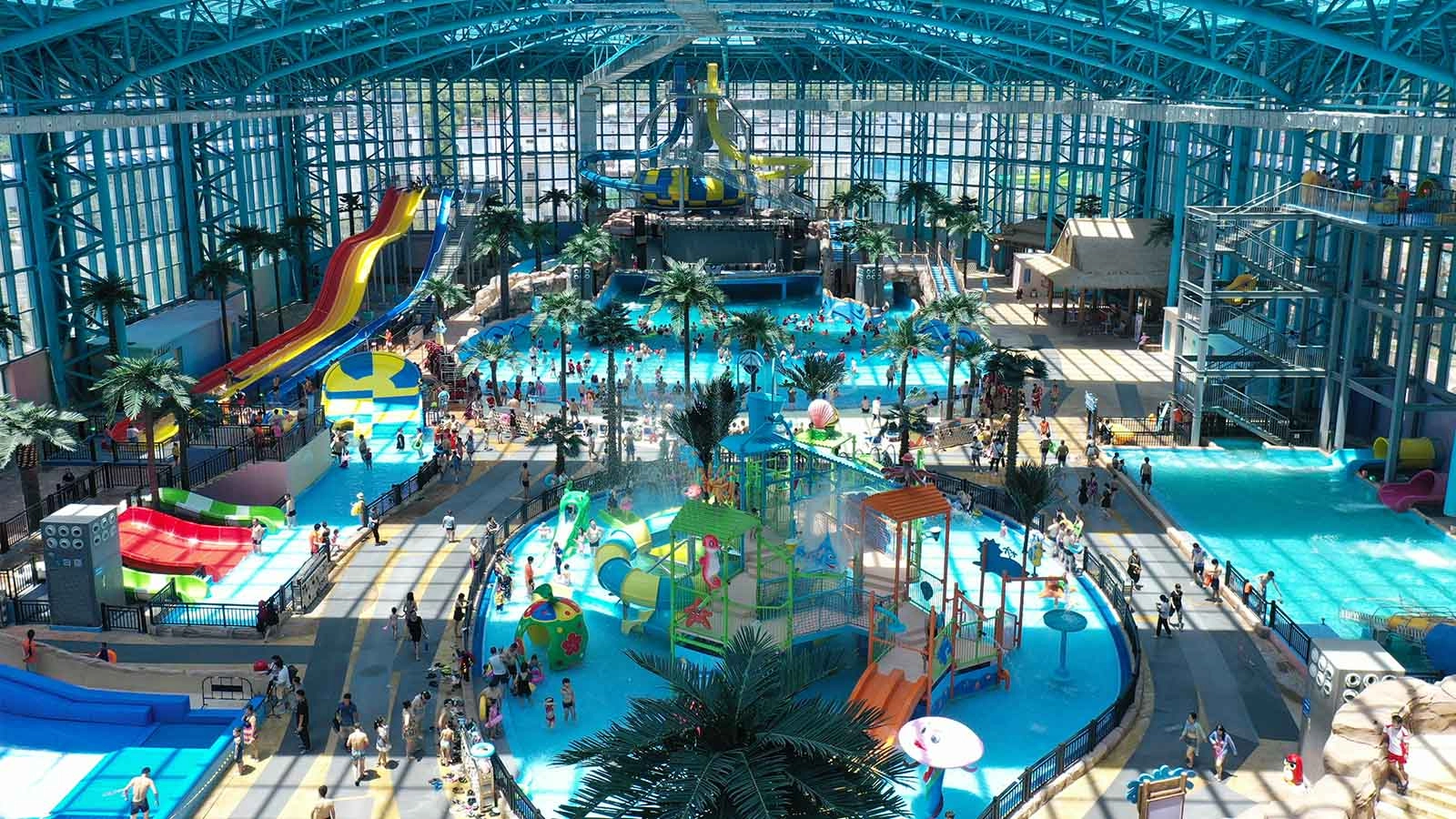
Custom Water Project Solutions for Different Venues: Water Parks, Resorts, Theme Parks and More
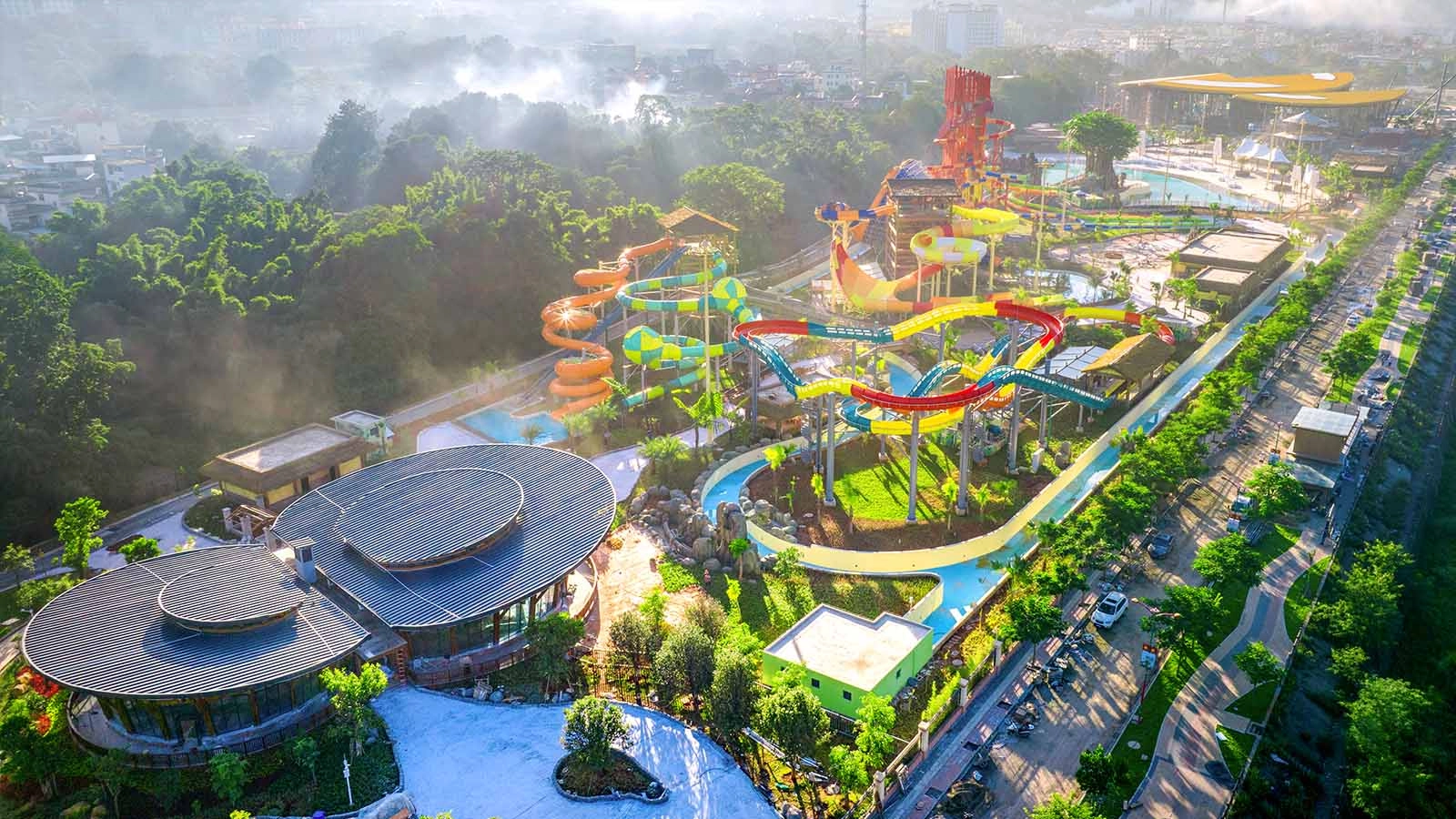
How to Configure Water Attractions for Water Projects in Different Venues
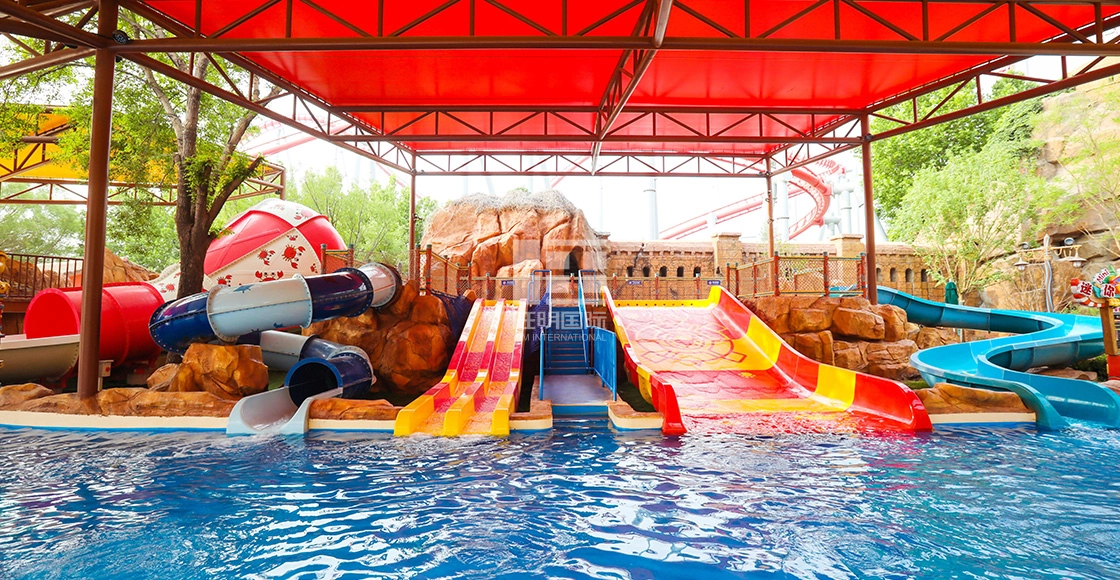
Children Combined Water Slide
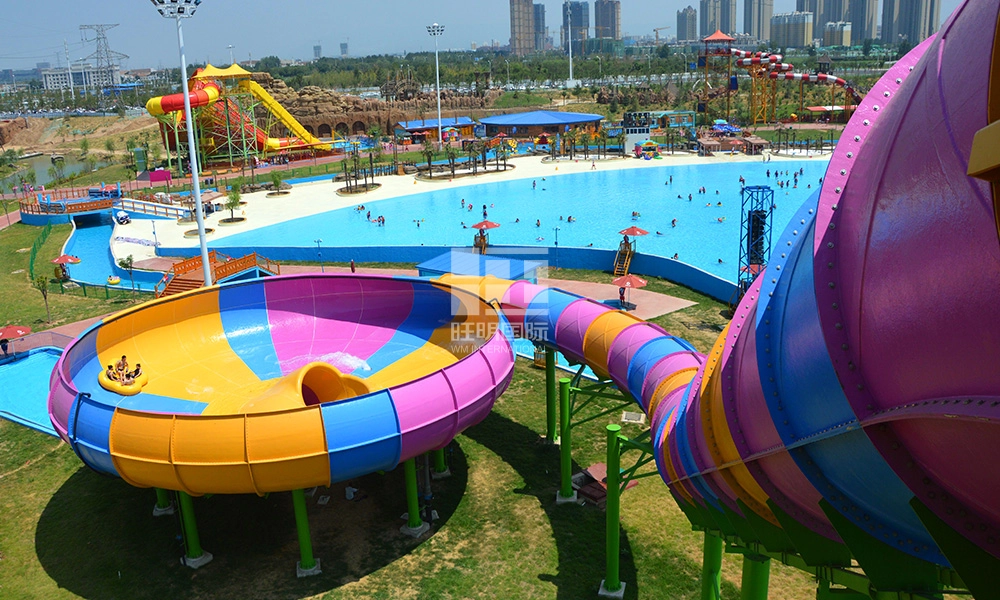
Huge Bowl Water Slide
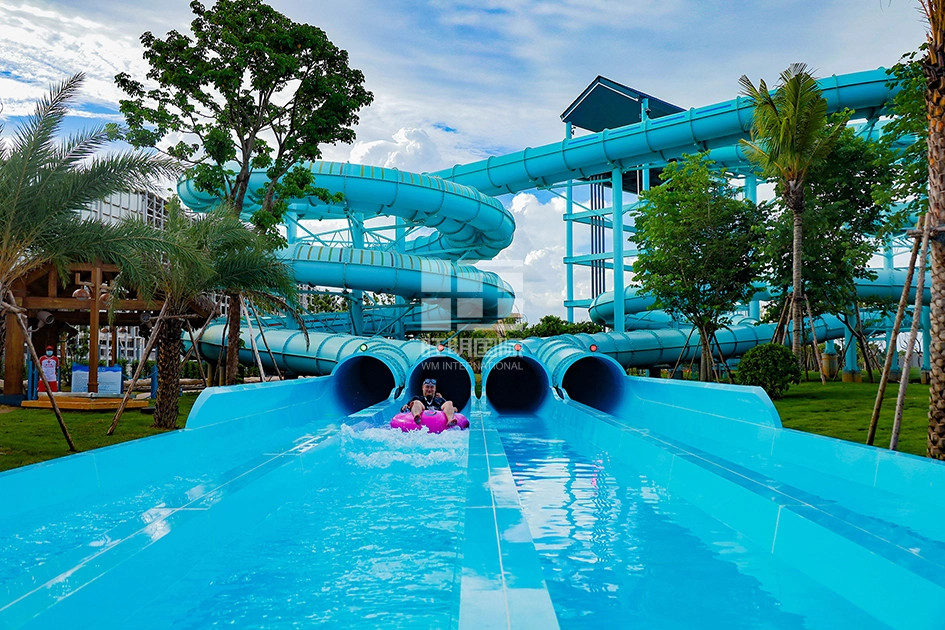
Time Tunnel Water Slide
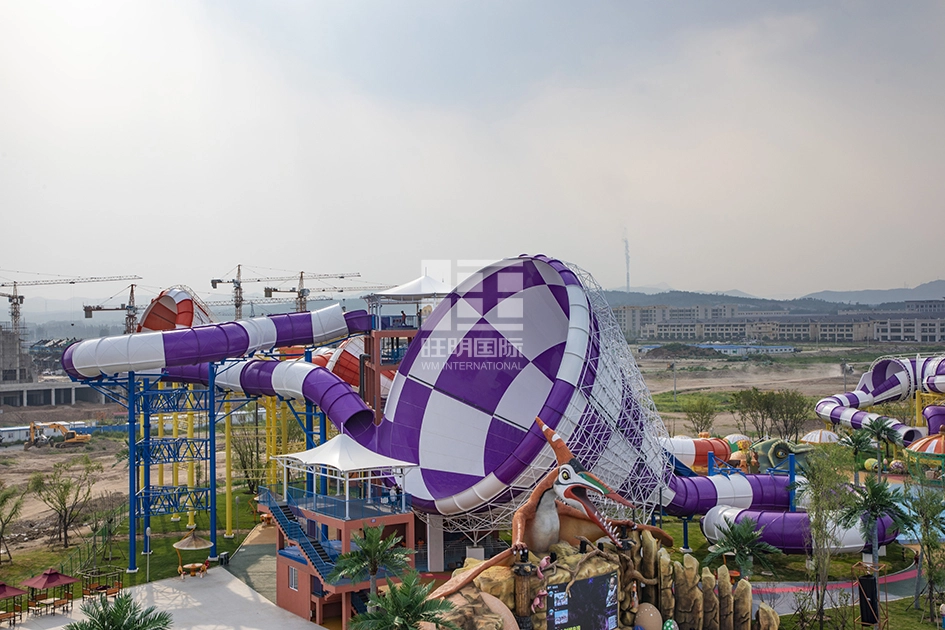
Big Tourbillion Water Slide
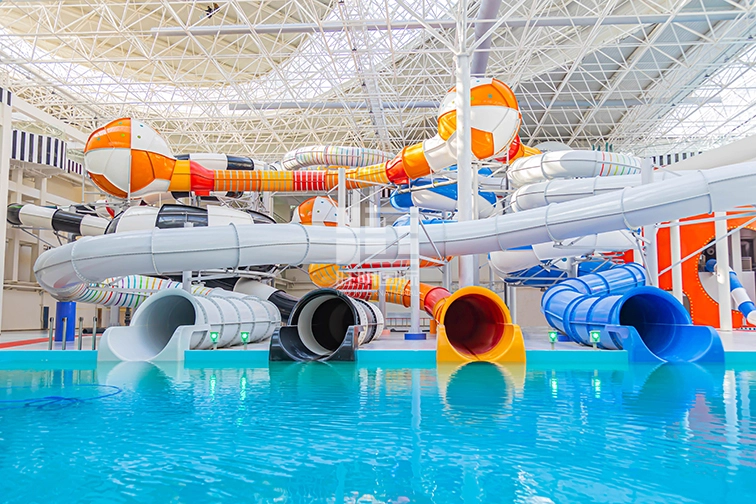
Turnover Slide
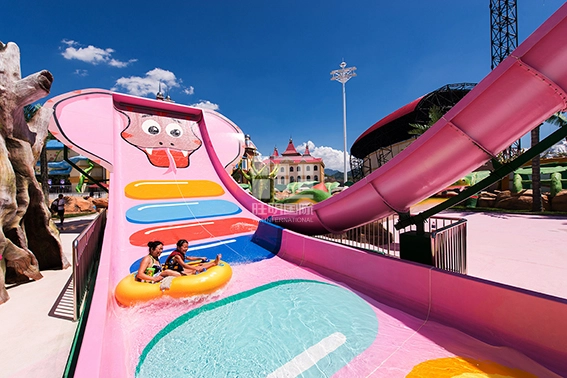
Small King Cobra Water Slide
Get in touch
Have to get customized water park solutions and product quotes.
We will provide you with professional consultation and support.

Relying on leading technology, innovative products and rich industry experience, we tailor personalized solutions for each water park project to ensure a safe and exciting entertainment experience for tourists.
 Scan QR Code
wmwaterslide
wmwaterpark