





The 2026 Water Slide Maintenance Checklist: Prevent Major Problems and Double Your Slide's Lifespan
- What Are the Most Common Water Slide Problems?
- Quick Summary & Key Takeaways for 2026
- The Ultimate 2026 Water Slide Maintenance Checklist
- Daily Checks (Operational Readiness)
- Weekly Checks (Sanitation and Hardware)
- Monthly Checks (Early Warning Detection)
- Annual Deep Maintenance (Off-Season Overhaul)
- Fiberglass vs. Inflatable Water Slide Repair: Different Materials, Different Fixes
- Data Comparison: Fiberglass vs. Inflatable Maintenance
- Common Mistakes in Water Slide Maintenance (And Expert Tips to Avoid Them)
- Repair vs. Replace: Analyzing the Cost and Lifespan ROI
- Proactive Solutions with WM International: 19 Years of Water Park Expertise
- Conclusion
- FAQs About water slide repair, water slide problems
- How do you fix a hole in an inflatable water slide?
- Can you repair a cracked fiberglass pool slide?
- Why is my water slide fading?
- How often should commercial water slides be inspected?
- What kind of wax do you use on a fiberglass water slide?
- Is it safe to use duct tape on a water slide?
- How do I stop my water slide from leaking at the seams?
- When should I replace my water slide instead of repairing it?
Managing a water park or a backyard pool attraction comes with its own set of unique challenges, but nothing is more critical than proactively addressing water slide repair, water slide problems before they escalate. In 2026, the standard for aquatic safety and operational efficiency has never been higher. Whether you operate a massive resort or a local community pool, understanding the nuances of material degradation, structural integrity, and proper chemical balance is the key to longevity.
This comprehensive guide will walk you through the ultimate 2026 maintenance checklist, helping you identify early warning signs, compare repair methods, and make data-driven decisions that protect both your riders and your investment.
What Are the Most Common Water Slide Problems?
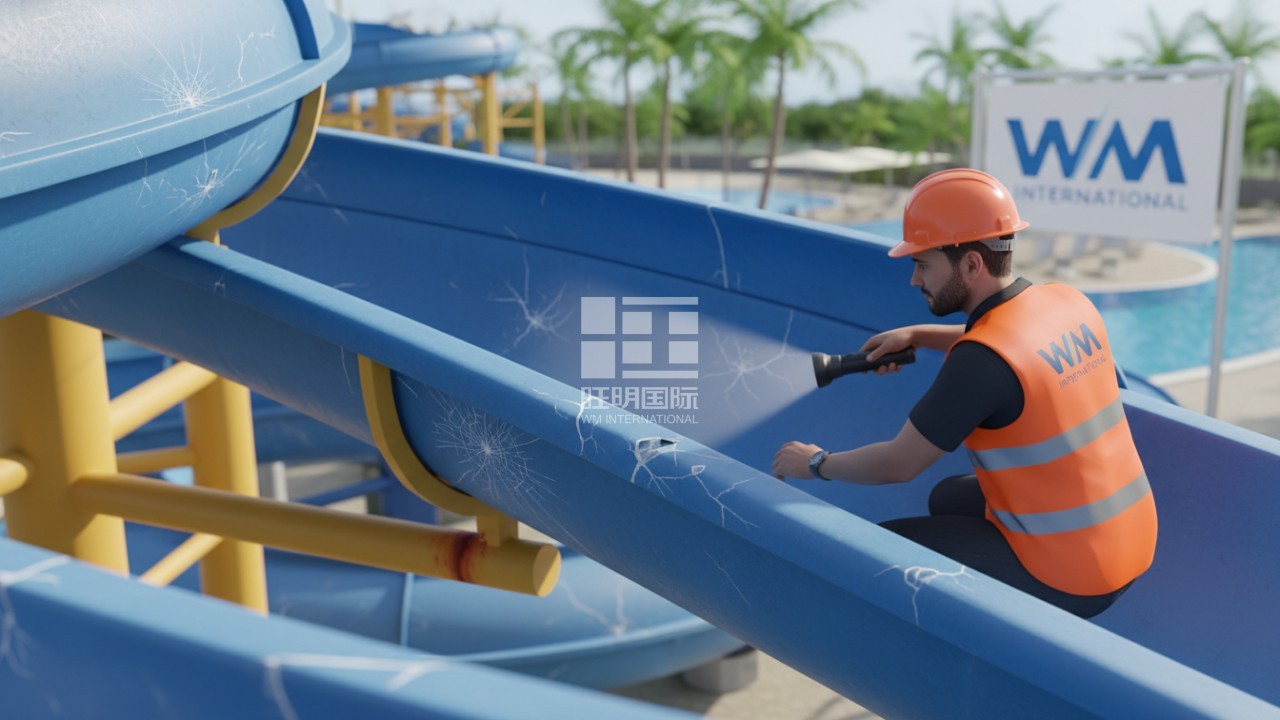
Common water slide problems include fiberglass gel coat cracking, structural rust on support columns, seam leaks, and severe UV color fading. Identifying these issues early through a preventative safety inspection reduces downtime, prevents hazards, and stops minor wear from becoming expensive structural failures.
Whether managing a residential backyard pool slide or overseeing a massive commercial attraction, proactive troubleshooting is the cornerstone of a successful operation. The most frequent issues operators face include:
- Fiberglass Gel Coat Cracking: Over time, the constant friction of riders and exposure to environmental elements can cause the outer gel coat to develop "spider cracks." While initially cosmetic, water can seep into these cracks, compromising the fiberglass matrix beneath.
- Structural Rust on Support Columns: The combination of highly oxygenated water and pool chemicals creates a corrosive environment. If the protective coating on steel support columns fails, rust can rapidly degrade the structural integrity of the entire ride.
- Inflatable Seam Leaks and Blower Failures: For inflatable slides, the constant expansion and contraction, paired with heavy physical impact, often lead to micro-tears at the seams or excessive strain on the air blowers.
- Severe UV Color Fading and Chalking: The sun's ultraviolet rays break down the chemical bonds in fiberglass resins and inflatable PVC, leading to a dull, chalky surface that increases friction and ruins the aesthetic appeal of the attraction.
Quick Summary & Key Takeaways for 2026
Modern 2026 maintenance strategies prove that regular upkeep is significantly cheaper than full replacement, allowing a well-maintained fiberglass slide to last for decades. By using marine-grade materials and never ignoring structural damage, park operators can maximize safety and return on investment.
To keep your attractions running smoothly this year, keep these core principles in mind:
- Regular Maintenance is Cheaper Than Replacement: Proactive care extends the lifecycle of your equipment. A well-maintained fiberglass slide can safely operate for decades.
- Use the Right Materials: Avoid harsh, abrasive household chemicals. Always opt for marine-grade gel coats, specialized UV protectants, and manufacturer-approved detergents.
- Never Ignore Structural Damage: Learn to differentiate between cosmetic wear and structural threats. Surface scratches can wait for scheduled maintenance, but deep cracks and structural rust require immediate professional intervention.
- Adopt a Modern Inspection Schedule: Utilize the structured 2026 daily, weekly, and annual checklist framework outlined below to ensure no detail is overlooked.
The Ultimate 2026 Water Slide Maintenance Checklist
The ultimate 2026 water slide maintenance checklist requires daily debris checks, weekly water chemistry balancing, monthly structural rust inspections, and an annual deep maintenance audit. Following this structured schedule ensures optimal performance, preserves the slide’s structural integrity, and guarantees rider safety.
Implementing a rigid schedule is the best way to prevent catastrophic failures. Here is the definitive checklist for 2026:
Daily Checks (Operational Readiness)
- Visual Debris Inspection: Walk the entire length of the flume to inspect for leaves, twigs, or foreign objects that could scratch the surface or injure a rider.
- Water Flow Verification: Ensure that the water pumps are delivering a smooth, consistent flow to properly lubricate the ride path.
- Acoustic Blower Checks (Inflatables): Listen for unusual whining or grinding noises from the blowers, which can indicate an impending motor failure.
- Surface Scratch Audit: Look for any new, obvious surface scratches or gouges that may have occurred during the previous day's operation.
Weekly Checks (Sanitation and Hardware)
- Surface Washing: Wash the slide surface with non-abrasive, manufacturer-approved cleaners to remove scale, body oils, and sunscreen buildup.
- Hardware Inspection: Check all ladders, handrails, and structural bolts for tightness. Vibrations from daily use can easily loosen these components.
- Water Chemistry Monitoring: According to the Centers for Disease Control and Prevention (CDC), maintaining a pool pH level of 7.2–7.8 and proper free chlorine levels is critical. Imbalanced water will rapidly accelerate the degradation of your slide's coating.
Monthly Checks (Early Warning Detection)
- UV Oxidation Tracking: Look for early signs of UV oxidation, chalking, or fading. Catching this early allows for a simple wax application rather than a full recoat.
- Load-Bearing Inspection: Carefully inspect structural load-bearing members and base plates for early signs of rust or corrosion.
- Caulking and Seam Checks: Check the caulking at the flume joints. Missing or degraded sealant will lead to leaks that can erode the ground beneath the slide.
Annual Deep Maintenance (Off-Season Overhaul)
- Surface Restoration: Buff and wax all fiberglass surfaces using a UV-protective gelcoat. For older slides, a complete gel coat restoration may be necessary to return the surface to factory-level smoothness.
- Comprehensive Structural Audit: Hire a certified professional to perform a complete structural integrity audit, testing the load capacity and foundation.
- Safety Equipment Replacement: Replace all faded warning labels, worn safety pads, and degraded anti-slip tape on stairs and platforms.
Fiberglass vs. Inflatable Water Slide Repair: Different Materials, Different Fixes
Fiberglass flume repair requires sanding, applying fiberglass filler, matching the gel coat, and final buffing to fix spider cracks, whereas inflatable slide repair demands soapy water leak detection, heavy-duty stitching, and commercial-grade polyurethane adhesives for reliable and permanent patching.
Understanding What Are Water Slides Made Of is the first step in applying the correct repair methodology. Using the wrong materials can cause irreversible damage.
Data Comparison: Fiberglass vs. Inflatable Maintenance
| Feature | Fiberglass / Rigid Slides | Inflatable PVC Slides | Modern Acrylic / Thermoplastic |
|---|---|---|---|
| Common Issues | Spider cracks, UV chalking, joint leaks | Punctures, blown seams, blower failure | Surface scratching, thermal warping |
| Primary Repair Method | Fiberglass filler, acetone prep, gel coat | Polyurethane (PU) adhesives, heat patching | Plastic welding, specialized acrylic polish |
| Maintenance Focus | Waxing, polishing, rust prevention | Air pressure (PSI) monitoring, complete drying | Chemical balance, thermal protection |
| Expected Lifespan | 20-30+ years (with proper care) | 5-10 years (depending on commercial use) | 15-25 years |
For fiberglass slides, the repair process is meticulous. It involves identifying the crack, grinding out the damaged fiberglass, cleaning the area with acetone, applying a catalyzed fiberglass filler, and then color-matching the gel coat before a final high-speed buffing. Conversely, inflatable repair relies heavily on the soapy water method to find micro-leaks, followed by the application of two-part commercial adhesives and heavy-duty stitching for blown baffles.
Common Mistakes in Water Slide Maintenance (And Expert Tips to Avoid Them)
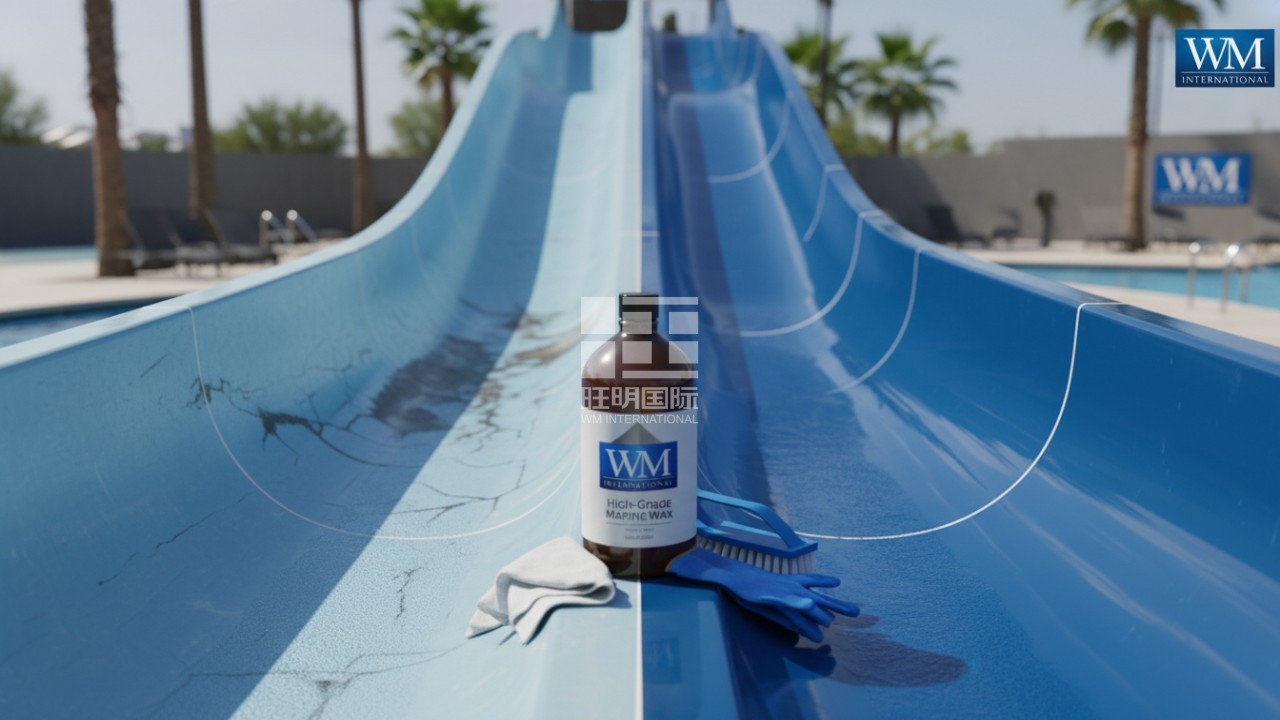
The most common maintenance mistakes include using abrasive household cleaners that destroy the gel coat, ignoring minor rust, and applying temporary duct tape fixes. Avoiding these errors by using manufacturer-approved non-abrasive detergents and professional adhesives prevents irreversible damage to your attraction.
Even well-intentioned operators can make critical errors that shorten the lifespan of their equipment. Here are the most frequent pitfalls:
- Mistake: Using abrasive household cleaners (like bleach or scouring powders).
- Expert Tip: Always use manufacturer-approved, non-abrasive detergents. Abrasives create micro-scratches that harbor algae, trap dirt, and destroy the gel coat's protective barrier.
- Mistake: Ignoring minor rust on metal components.
- Expert Tip: Treat rust immediately with proper structural rust remediation protocols. This involves grinding away the oxidation, applying a rust converter, and sealing it with specialized structural marine paint.
- Mistake: Over-inflating or ignoring blower issues.
- Expert Tip: For inflatables, strictly follow the recommended PSI. Ensure the blower intake is clear of debris to prevent the motor from overheating and failing mid-operation.
- Mistake: Applying duct tape as a permanent fix.
- Expert Tip: Duct tape is not waterproof and leaves a sticky residue that ruins the surface for a proper patch. Temporary patches often lead to larger tears; always use professional two-part adhesives.
Repair vs. Replace: Analyzing the Cost and Lifespan ROI
Deciding between repair and replacement depends on damage severity; minor surface scratches are cost-effective to fix, but deep structural cracks necessitate replacement. Modern 2026 standards dictate that if repair costs exceed 40% of the replacement value, investing in a new slide provides better ROI.
As slides age, operators must weigh the costs of ongoing maintenance against the benefits of a modern upgrade. Minor surface fading and shallow scratches are highly cost-effective to repair via resurfacing and recoating. However, deep structural cracks or severe UV brittleness—especially in slides over 20 years old—pose extreme safety risks.
Furthermore, compliance with ASTM F2376 standards for the classification, design, and operation of water slide systems requires that heavily compromised structural supports be replaced rather than simply patched, ensuring the ride maintains its intended safety factors. If you find yourself constantly patching the same flume or treating recurring rust, it is time to consult The Ultimate Guide to Water Slides for Amusement Parks to plan your next capital investment.
Proactive Solutions with WM International: 19 Years of Water Park Expertise
For commercial water park maintenance, DIY fixes are insufficient, which is why operators trust WM International’s 19 years of industry expertise. Backed by a 100,000 m² modern production base, we provide comprehensive restoration, custom replacements, and preventative maintenance tailored to your site.
At WM INTERNATIONAL, we understand that every day your slide is down for repairs is a day of lost revenue and disappointed guests. With nearly two decades of experience in water park planning, design, manufacturing, and installation, we don't just build slides—we engineer long-term solutions.
Our decades of combined experience as park operators, designers, and suppliers give us a unique edge. From identifying hidden structural problems to executing full-scale fiberglass recoating and manufacturing custom replacement flumes, our team ensures your attractions remain world-class, vibrant, and, above all, safe for every guest.
Conclusion
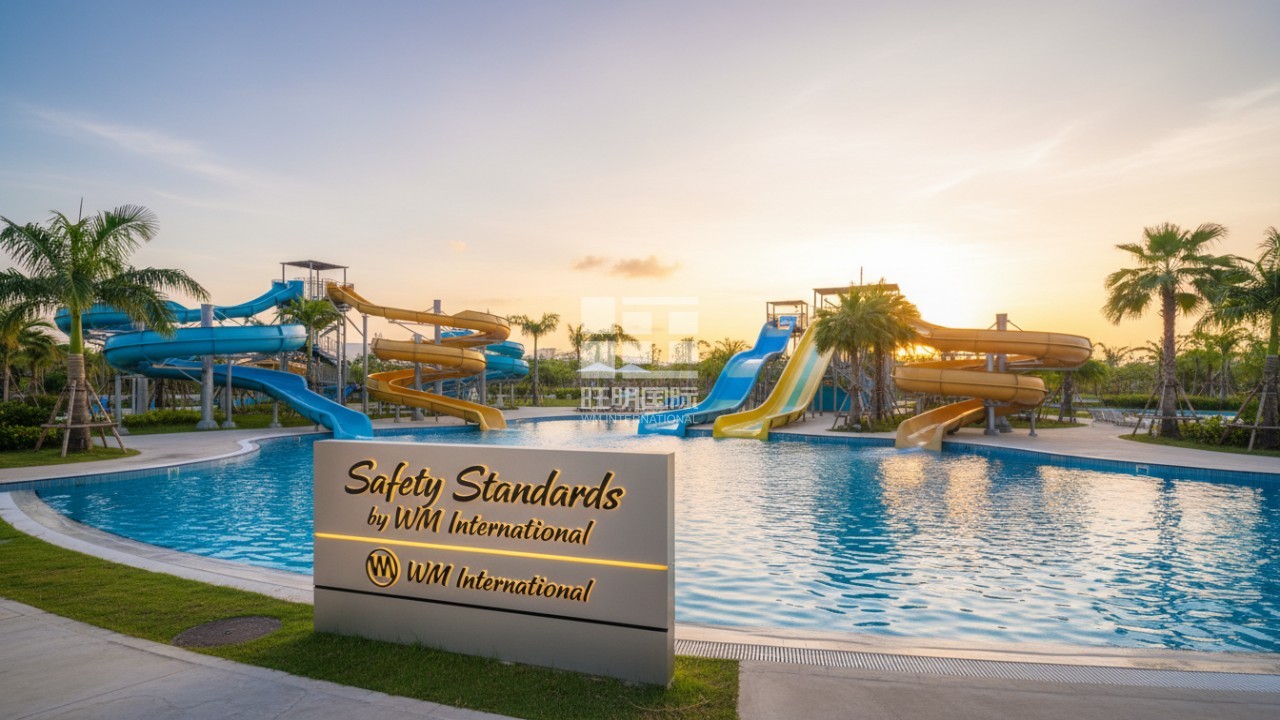
Following a strict 2026 maintenance checklist, understanding material-specific repairs, and partnering with experienced manufacturers will prevent major problems and double your water slide's lifespan. Routine inspections and proper gel coat care keep your attractions safe, vibrant, and highly profitable.
By prioritizing proactive maintenance over reactive panic, you protect your investment and ensure a flawless guest experience season after season. Don't wait for a minor leak to become a major structural failure.
Contact us today at trading@wmwaterslide.com to optimize your water slide repair and maintenance strategy.
FAQs About water slide repair, water slide problems
How do you fix a hole in an inflatable water slide?
First, locate the hole using the soapy water method (look for bubbles). Clean and dry the area thoroughly. Apply a heavy-duty commercial patch using a two-part polyurethane adhesive, and allow it to cure fully before re-inflating.
Can you repair a cracked fiberglass pool slide?
Yes, minor surface and spider cracks can be repaired using a fiberglass repair kit. The process involves sanding the cracked area, cleaning it with acetone, applying fiberglass filler, and finishing with a matching gel coat.
Why is my water slide fading?
Fading and chalking are primarily caused by prolonged exposure to harsh UV rays and improper water chemistry. Regular application of UV-protective wax and maintaining balanced pool water can prevent this degradation.
How often should commercial water slides be inspected?
Commercial slides require a multi-tiered approach: daily visual checks for debris, weekly operational checks, monthly structural inspections, and a comprehensive annual safety audit by certified professionals.
What kind of wax do you use on a fiberglass water slide?
You should use a high-quality, marine-grade fiberglass wax or a specialized slide polish. Avoid automotive waxes, as they may contain compounds that can degrade the gel coat or make the slide dangerously slippery in unexpected ways.
Is it safe to use duct tape on a water slide?
No, duct tape is only a temporary, emergency stopgap and poses safety hazards. It will not hold up to water pressure, friction, or heat, and leaves a sticky residue that complicates permanent professional patching.
How do I stop my water slide from leaking at the seams?
For fiberglass slides, seam leaks require removing old caulking and re-applying industrial-grade, waterproof silicone or polyurethane sealant at the flume joints. For inflatables, leaky seams may require heavy-duty re-stitching and application of seam-sealing tape or liquid adhesive.
When should I replace my water slide instead of repairing it?
Replacement is recommended when the material becomes severely brittle, the underlying structural supports are heavily rusted or compromised, or when repair costs exceed 40-50% of the cost of a new slide. Safety should always be the deciding factor.
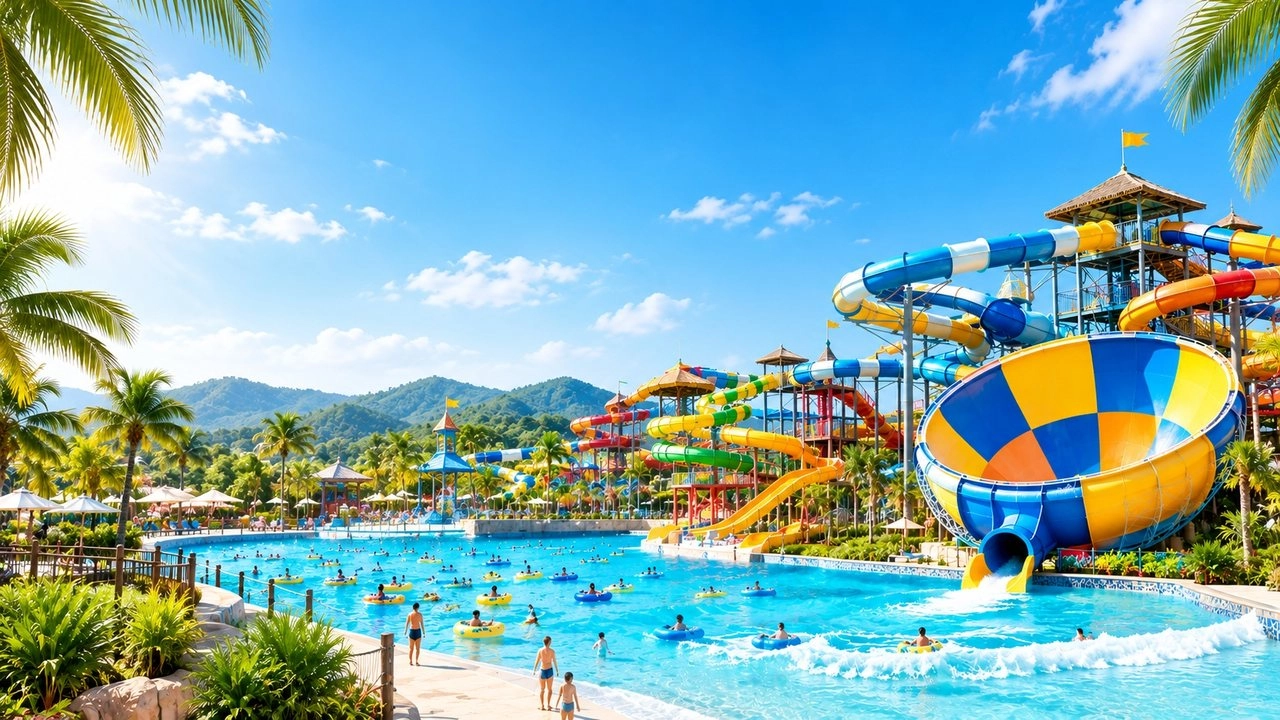
Water Project Cost and ROI: Key Budget Factors Before Choosing a Project Solution
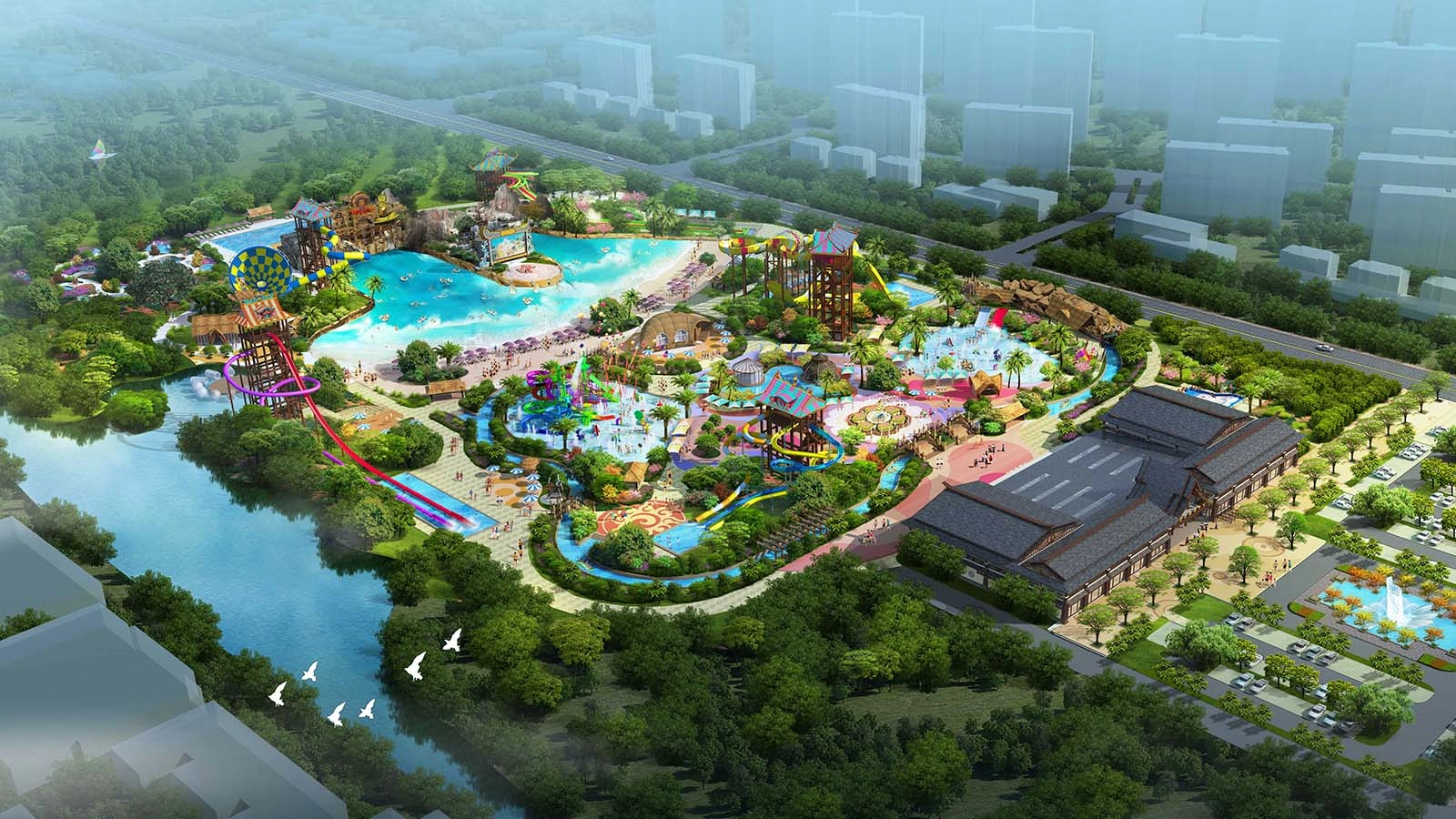
Water Projects: The Complete Guide to Developing Water Projects for Different Venues with WM INTERNATIONAL
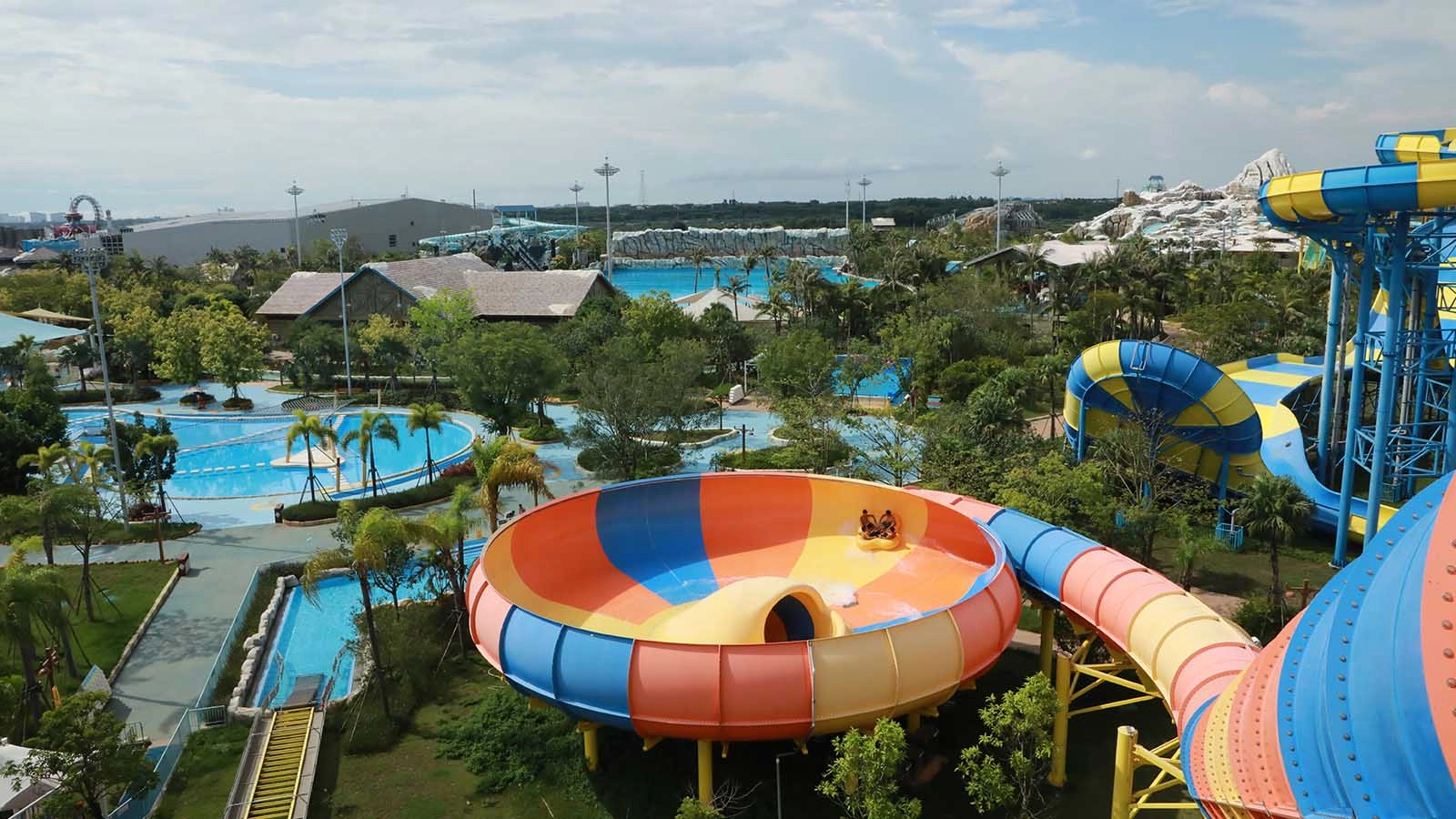
Water Project Industry Trends: Emerging Opportunities in the Water Attraction Market
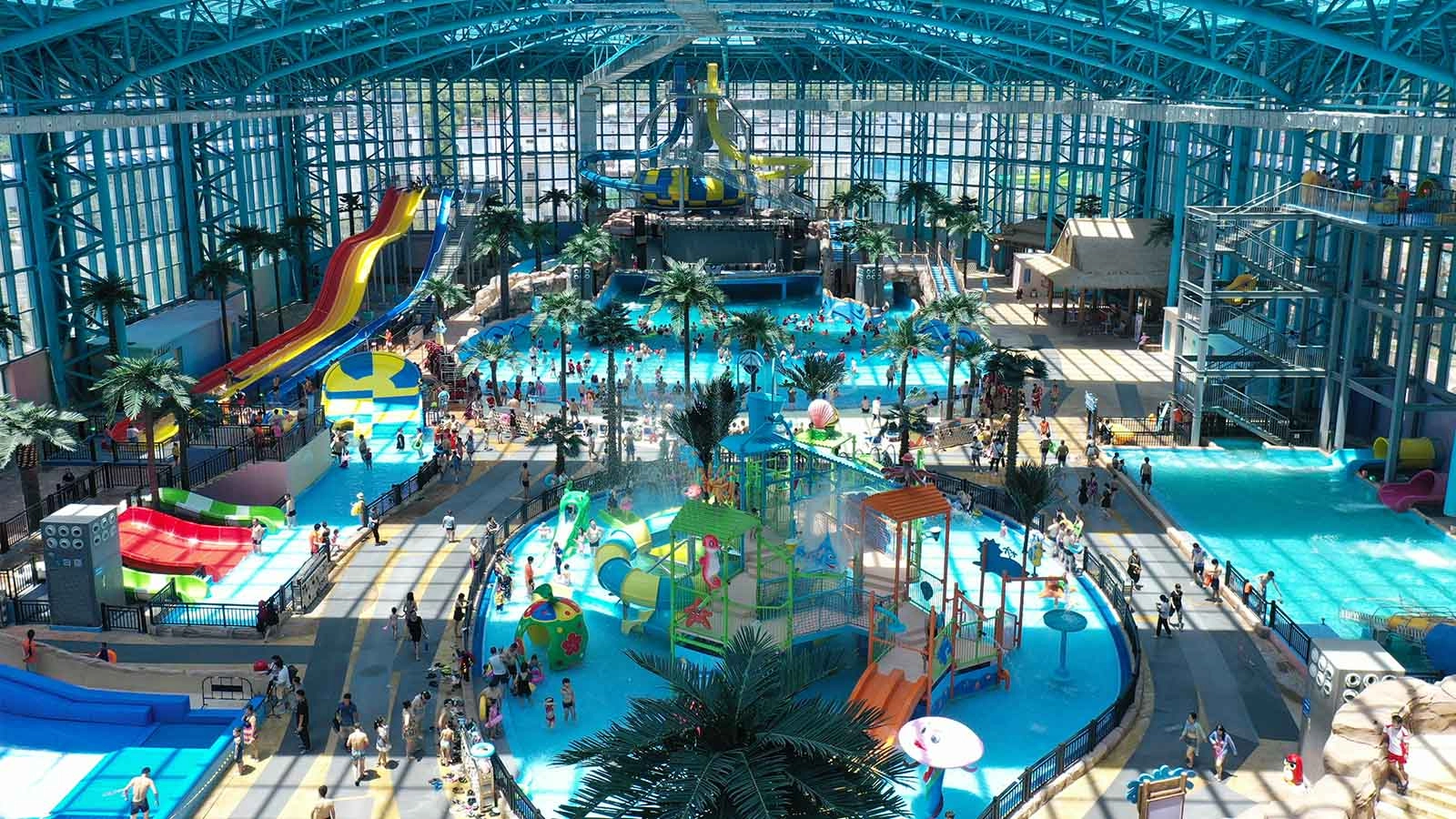
Custom Water Project Solutions for Different Venues: Water Parks, Resorts, Theme Parks and More
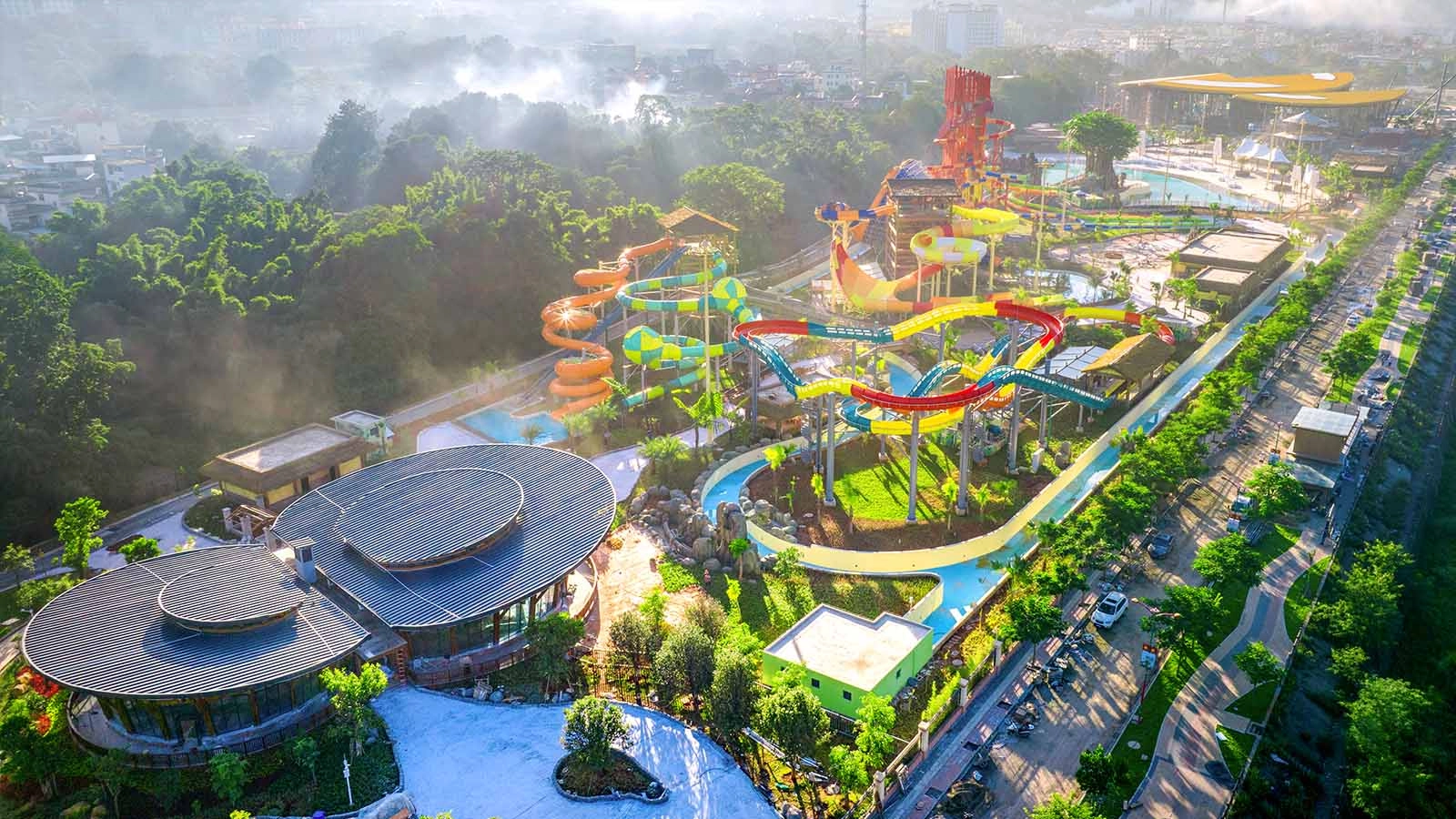
How to Configure Water Attractions for Water Projects in Different Venues
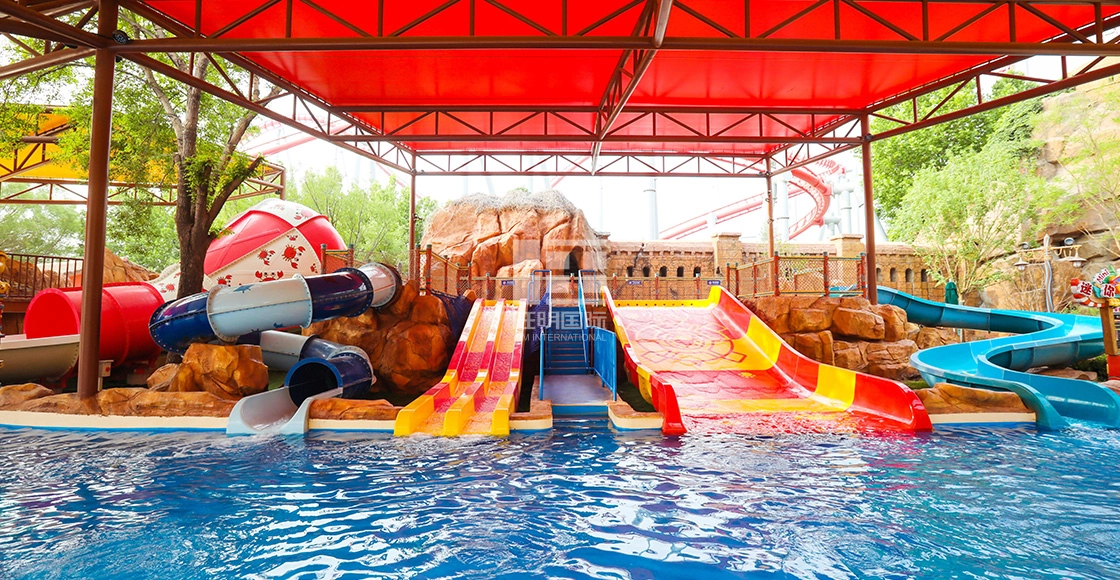
Children Combined Water Slide
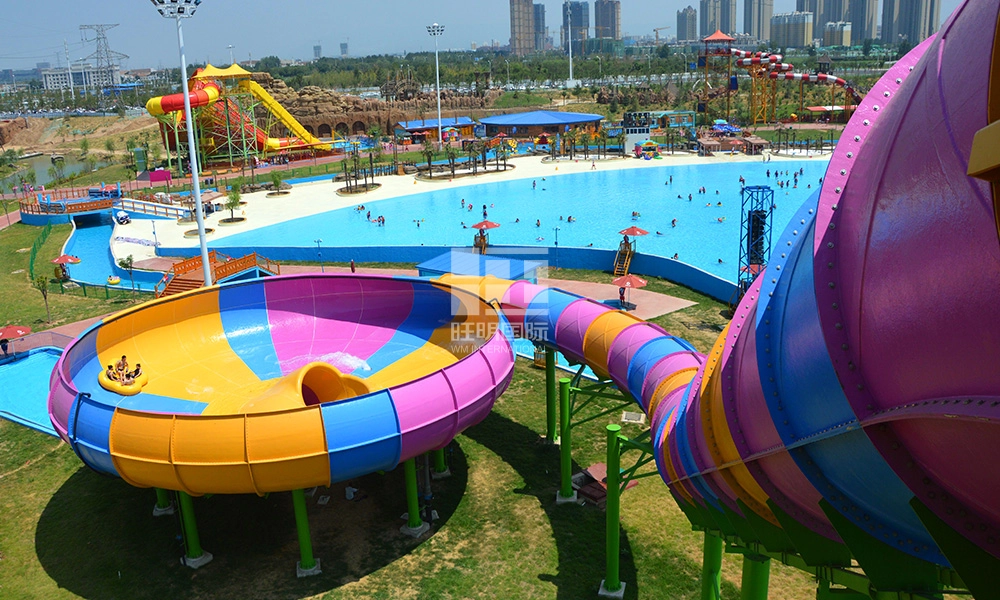
Huge Bowl Water Slide
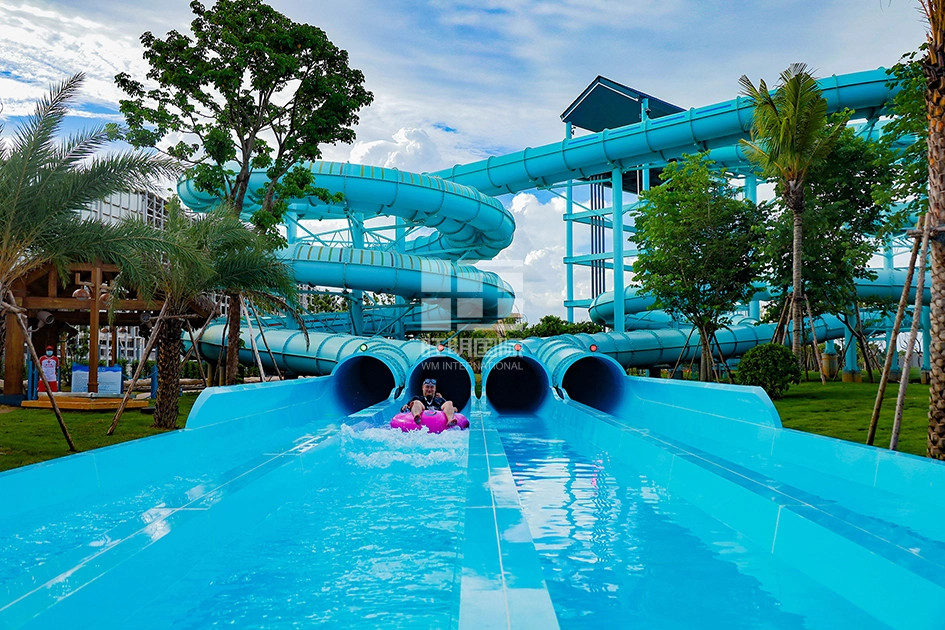
Time Tunnel Water Slide
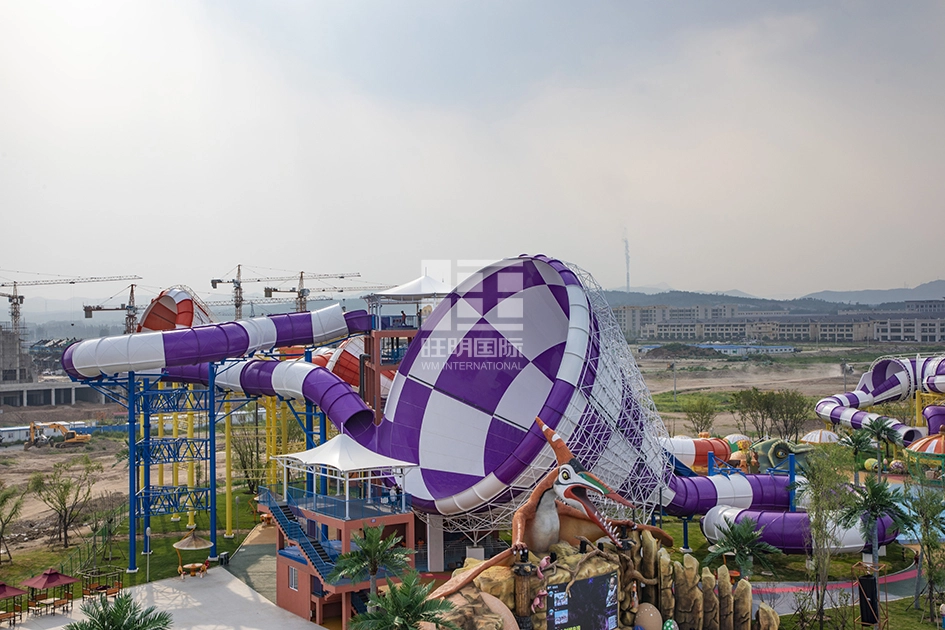
Big Tourbillion Water Slide
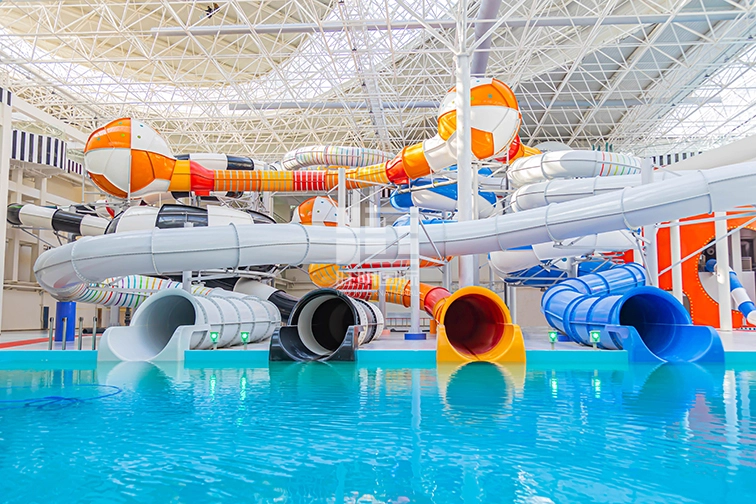
Turnover Slide
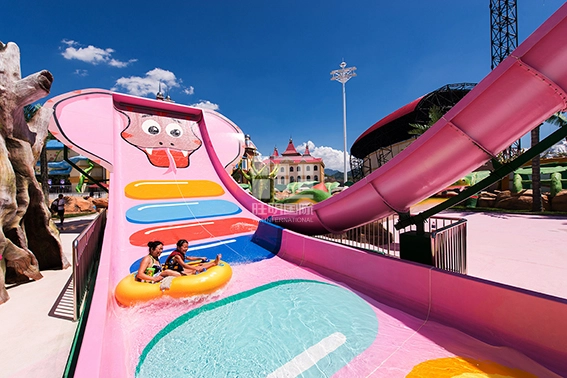
Small King Cobra Water Slide
Get in touch
Have to get customized water park solutions and product quotes.
We will provide you with professional consultation and support.

Relying on leading technology, innovative products and rich industry experience, we tailor personalized solutions for each water park project to ensure a safe and exciting entertainment experience for tourists.
 Scan QR Code
wmwaterslide
wmwaterpark