


Key Considerations for Building a Water Park in a Resort
Building a water park within a resort is a complex project that requires comprehensive consideration of market demand, site planning, safety, user experience, and other factors. Below are the key points to note:
Building a water park within a resort is a complex project that requires comprehensive consideration of market demand, site planning, safety, user experience, and other factors. Below are the key points to note:
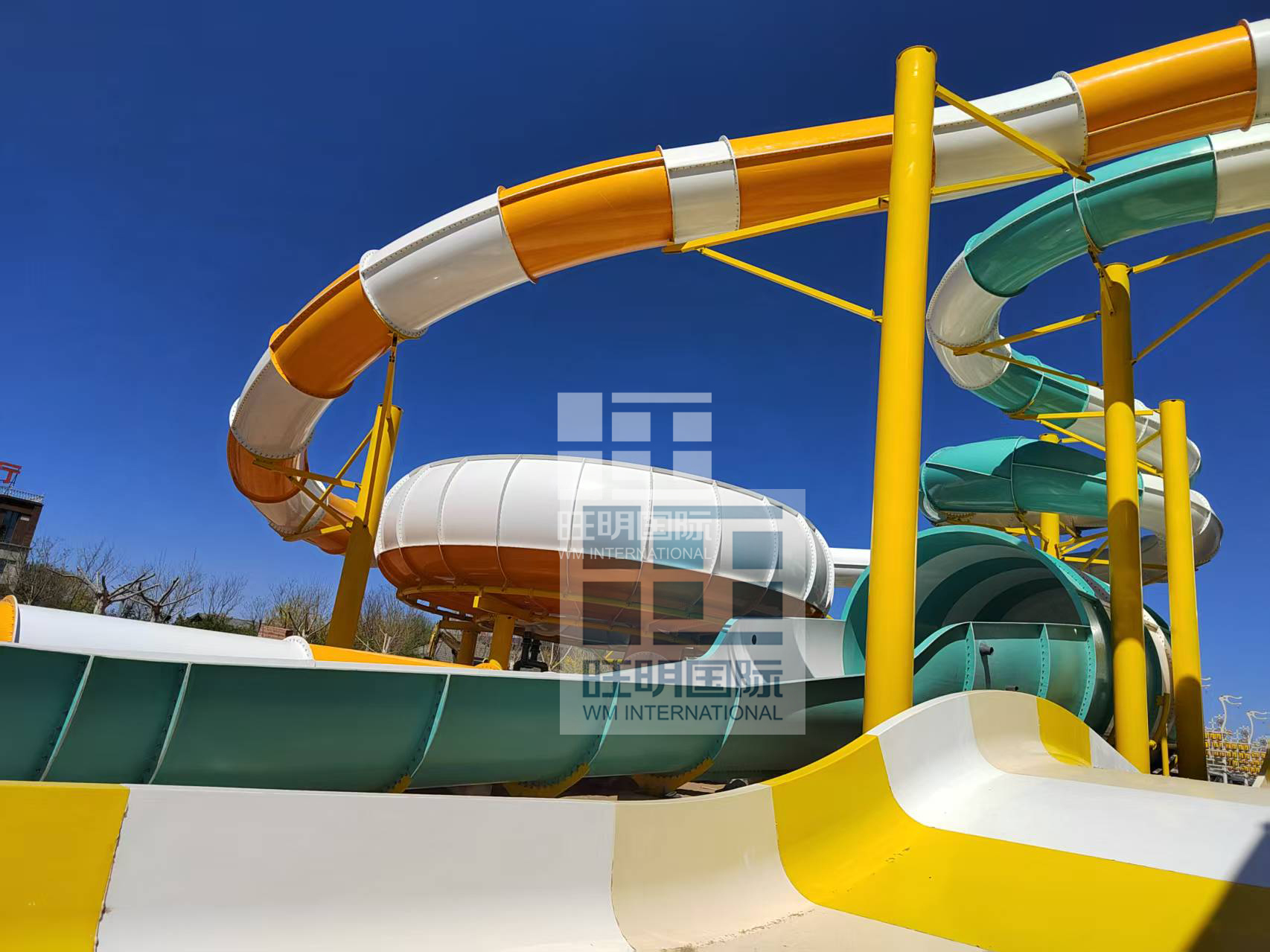
1.Market Research and Positioning
Target Audience Analysis: Identify the primary customer groups (families, young adults, children, high-end clients, etc.) and design facilities (e.g., family-friendly slides, thrill rides, relaxation zones) based on their needs. Competitive Analysis: Study the strengths and weaknesses of nearby similar projects to avoid homogeneity. Seasonality and Visitor Flow: Consider the seasonal variations of the resort’s location (e.g., year-round operation) and forecast visitor numbers to plan capacity appropriately.
2. Site Planning and Design
Terrain and Ecological Adaptability: Utilize natural topography (e.g., slopes, water bodies) to reduce construction costs and minimize ecological disruption. Visitor Flow Design: Plan logical pathways to avoid congestion and ensure smooth transitions between changing rooms, entrances, dining areas, and attractions. Harmony with the Resort’s Aesthetic: Align the water park’s theme (e.g., tropical, modern) with the resort’s overall style to enhance the integrated experience. Zoning Design: Divide functional areas (e.g., children’s zone, extreme rides, lazy river, wave pool) to cater to diverse needs.
3. Safety and Compliance
Equipment Safety Standards: Select water park equipment certified by international safety standards (e.g., TÜV, ASTM) and conduct regular maintenance checks. Water Quality Management: Implement circulating filtration systems to ensure water meets hygiene standards (e.g., chlorine levels, pH balance) and prevent disease transmission. Lifesaving and Medical Support: Deploy sufficient professional lifeguards and first-aid stations, with clear safety signage and emergency exits. Anti-Slip and Protective Design: Use non-slip flooring, install cushioning at pool edges, and prevent collision hazards. Legal and Insurance Compliance: Obtain construction permits, operational licenses, and secure public liability and employee insurance.
4. User Experience and Comfort
Diverse Facilities: Combine classic attractions (e.g., large slides, lazy rivers) with innovative features (e.g., VR water attractions, interactive water play areas). Queue Management: Reduce wait times via reservation systems, fast-track lanes, or virtual queuing. Shade and Rest Areas: Provide shaded structures, lounge chairs, and greenery for comfortable resting spaces. Support Services: Plan changing rooms, lockers, showers, dining areas (e.g., snack bars, themed restaurants), and retail shops (e.g., swimwear, sunscreen).
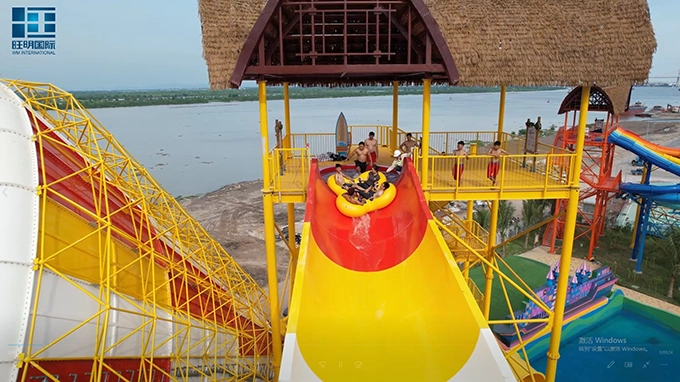
From Water Park Equipment Innovation to Carnival Experience, Water Parks Define a New Summer Trend
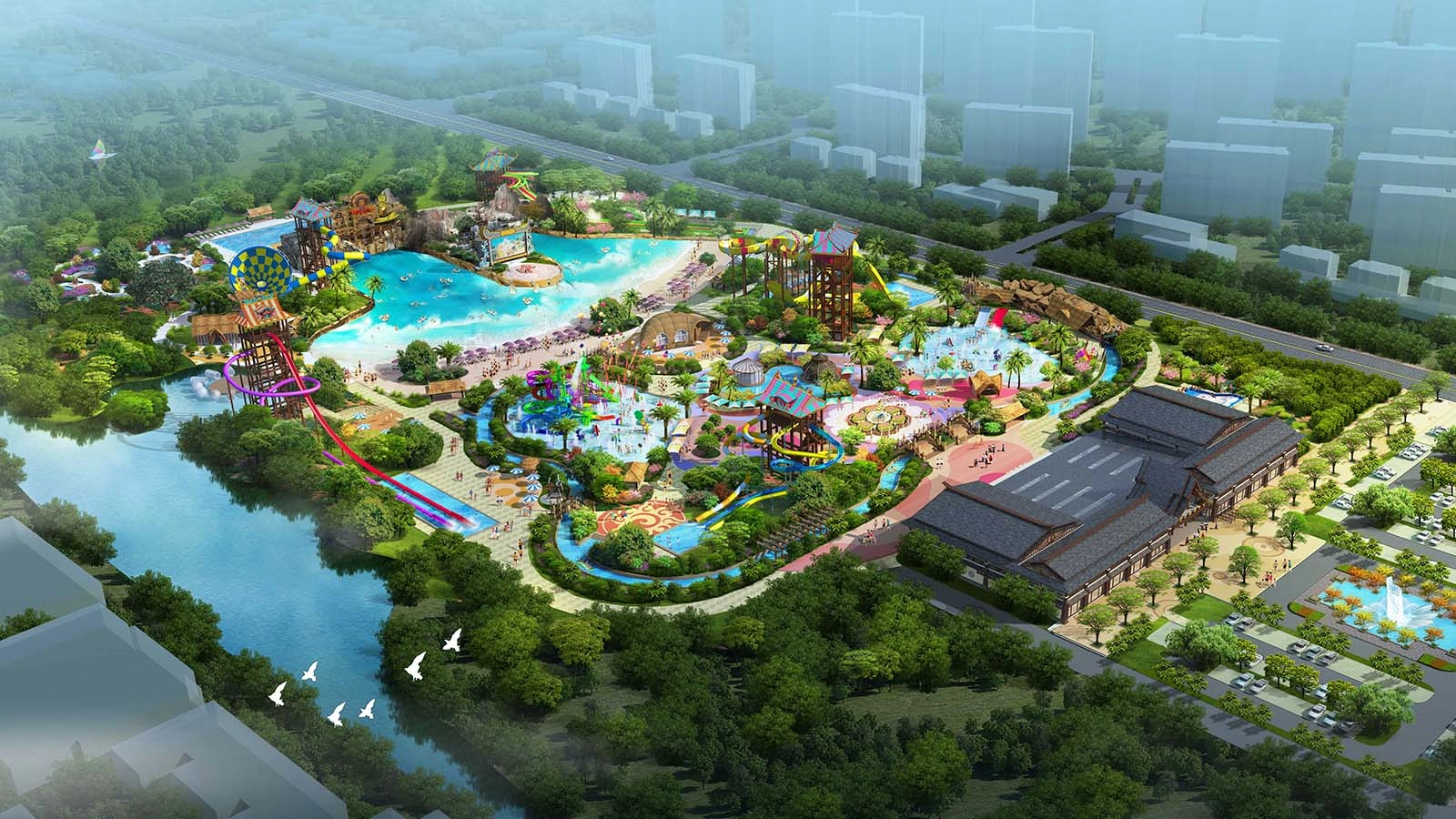
Water Projects: The Complete Guide to Developing Water Projects for Different Venues with WM INTERNATIONAL
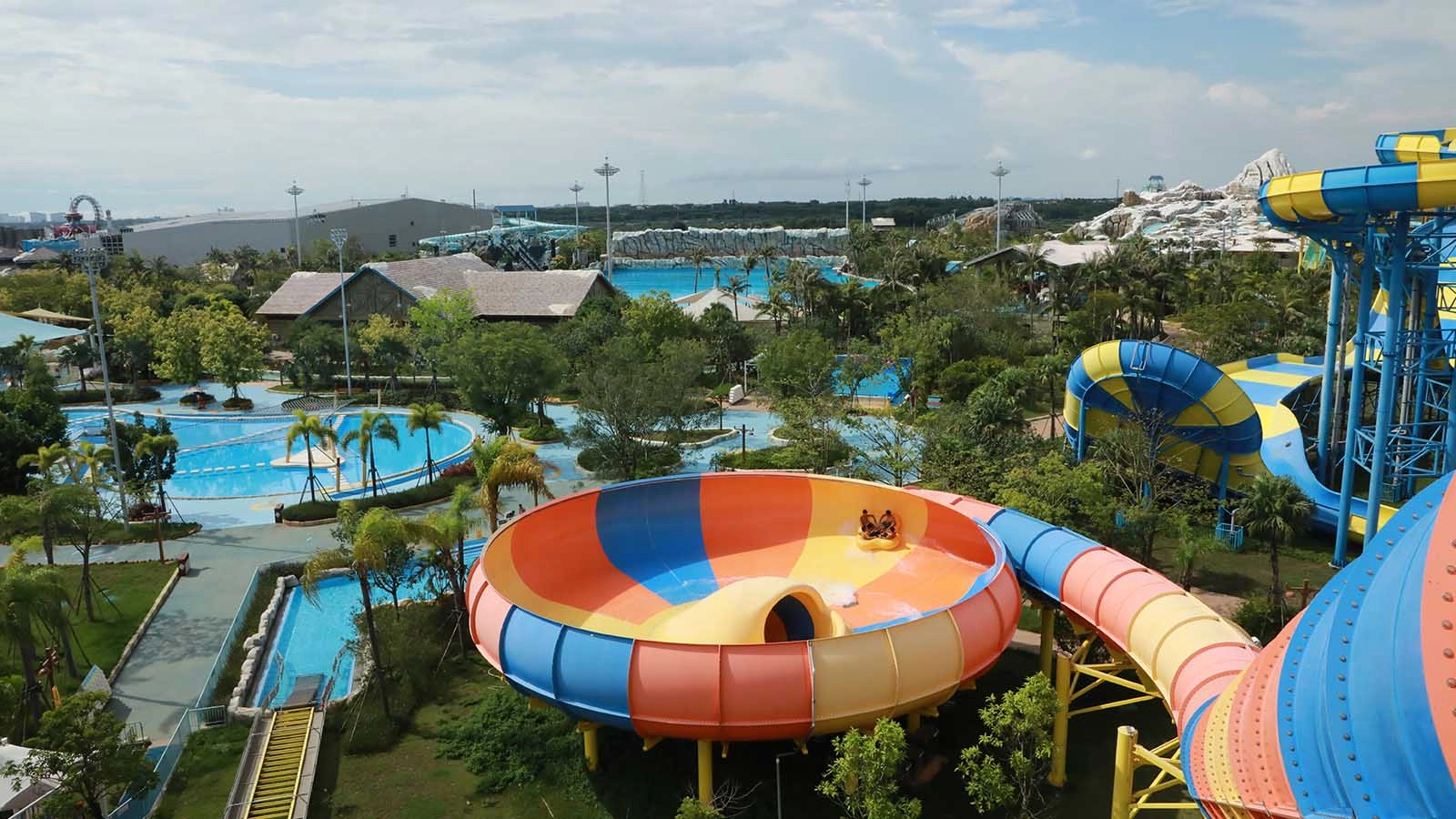
Water Project Industry Trends: Emerging Opportunities in the Water Attraction Market
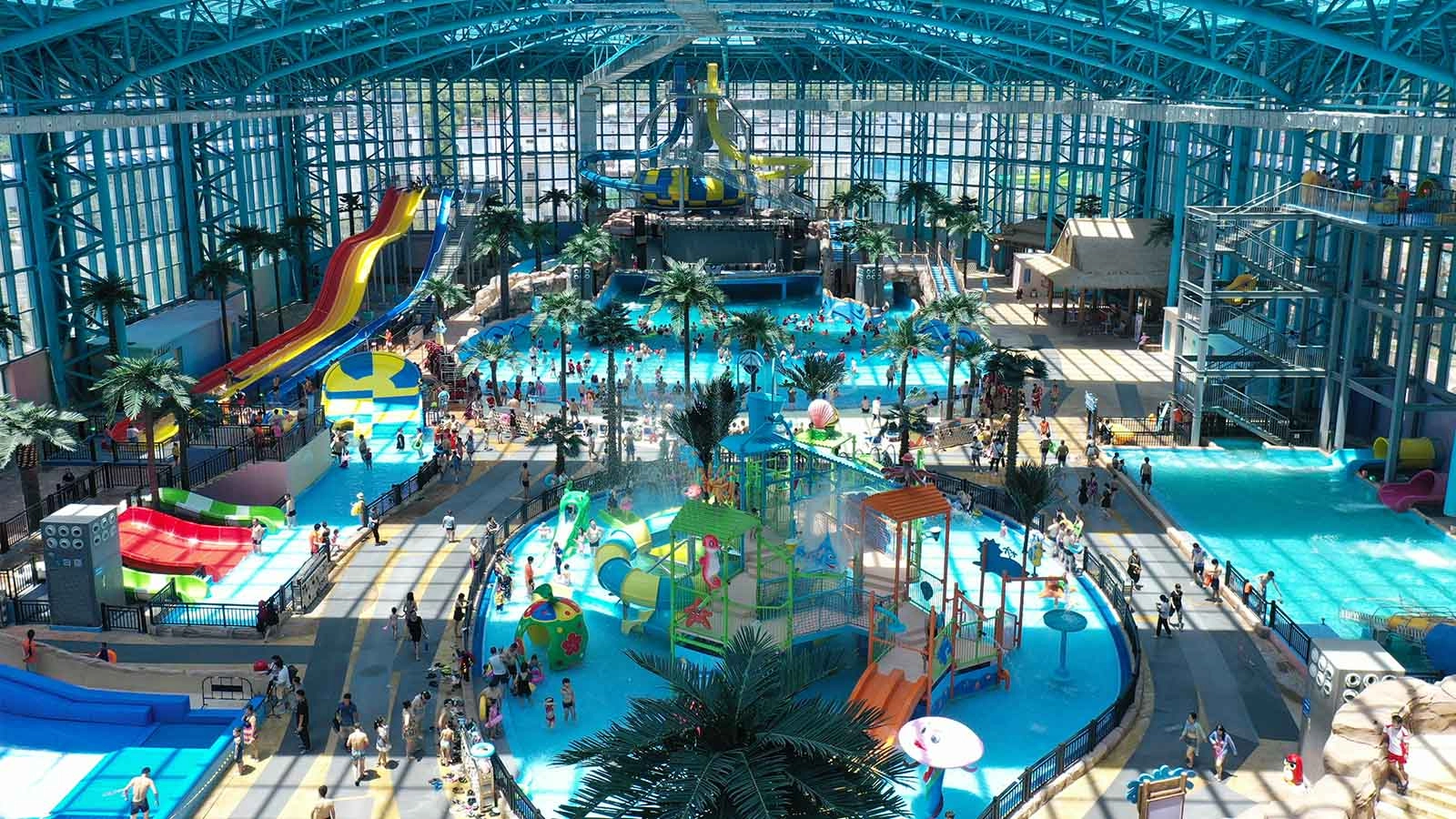
Custom Water Project Solutions for Different Venues: Water Parks, Resorts, Theme Parks and More
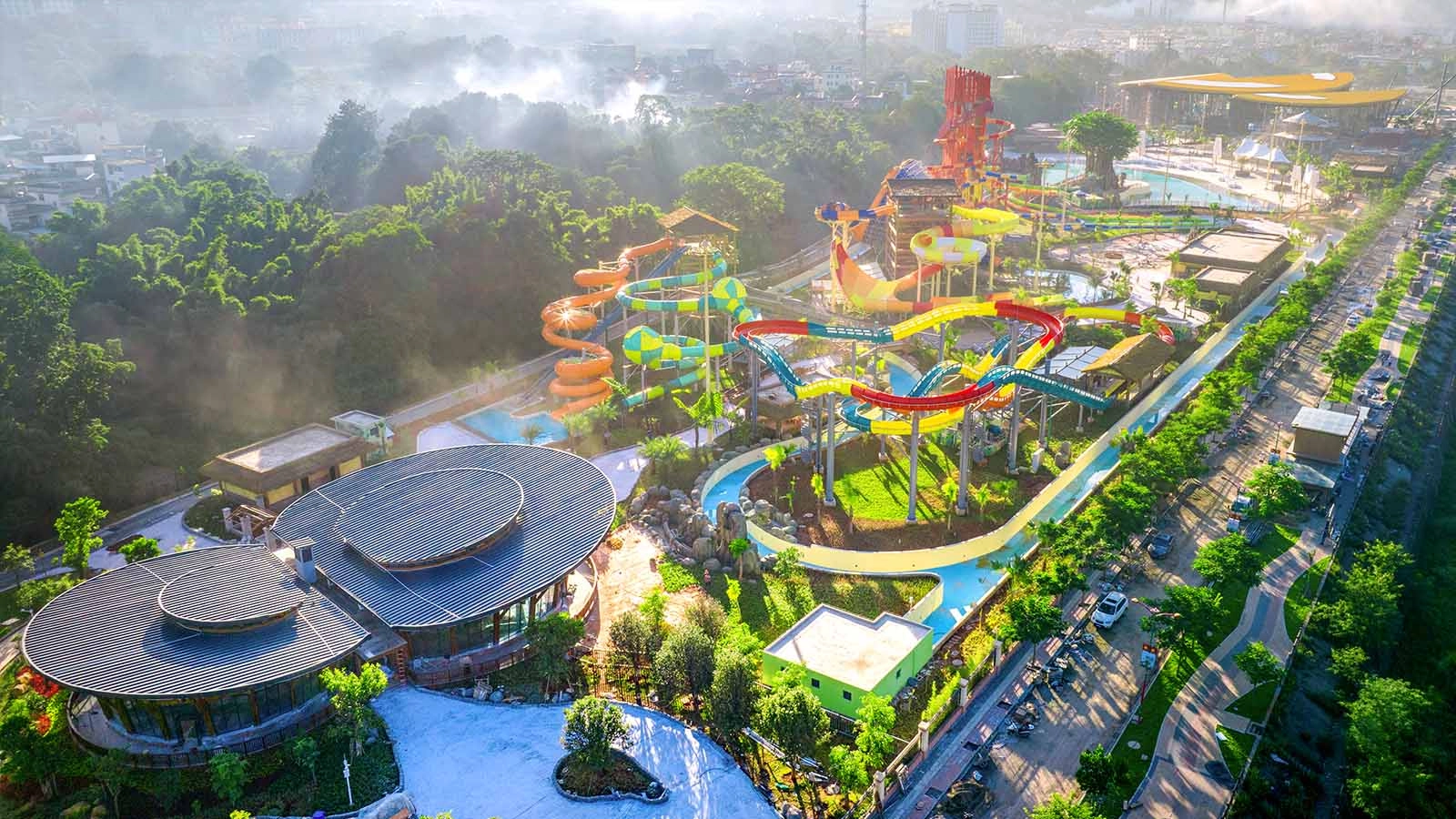
How to Configure Water Attractions for Water Projects in Different Venues
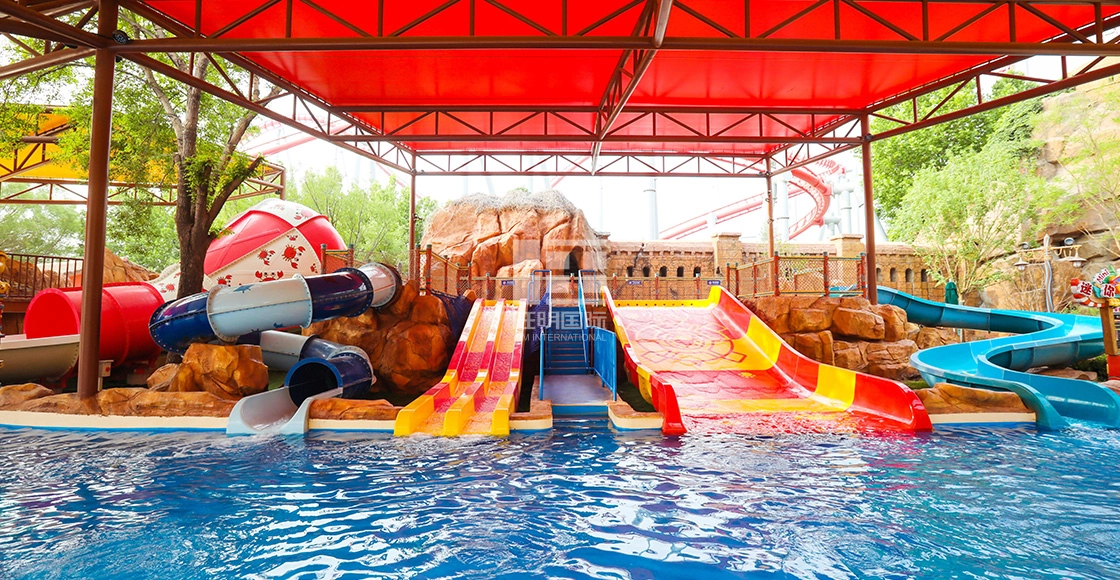
Children Combined Water Slide
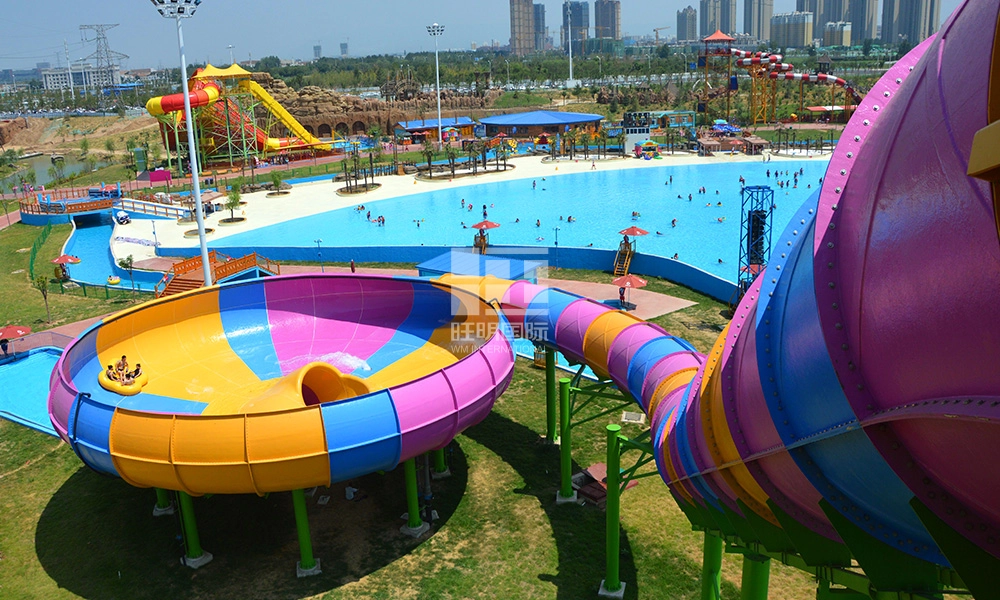
Huge Bowl Water Slide
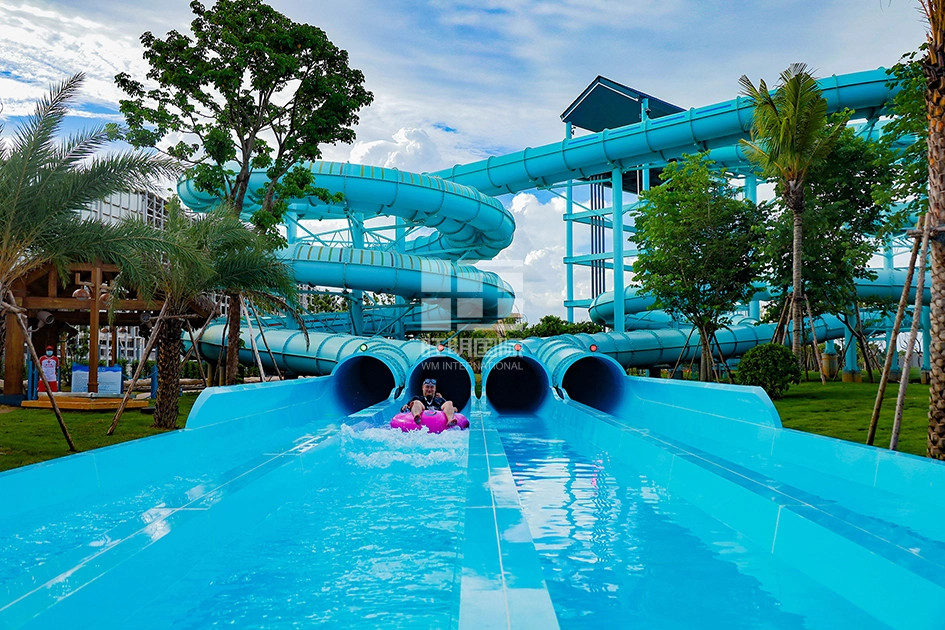
Time Tunnel Water Slide
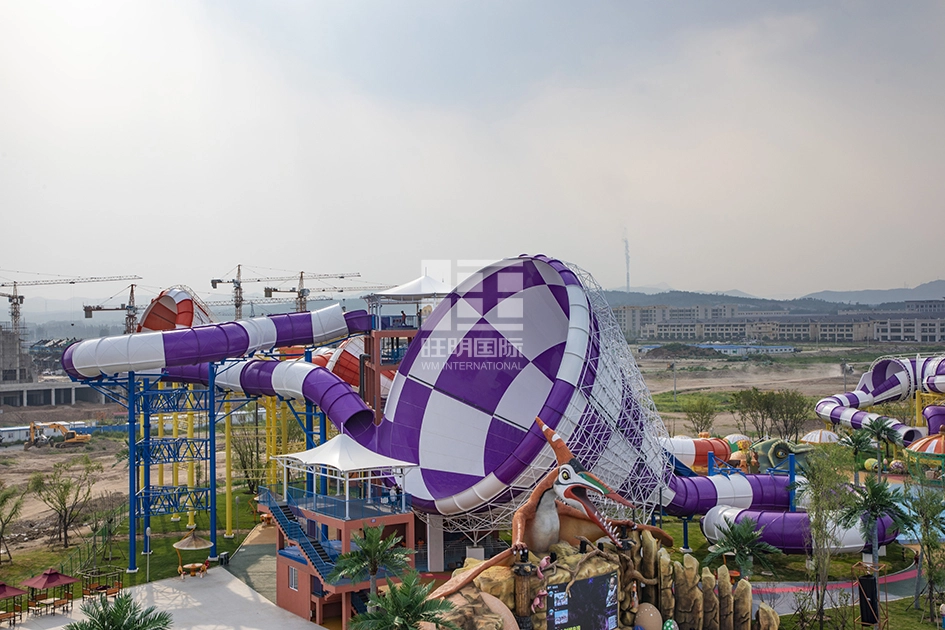
Big Tourbillion Water Slide
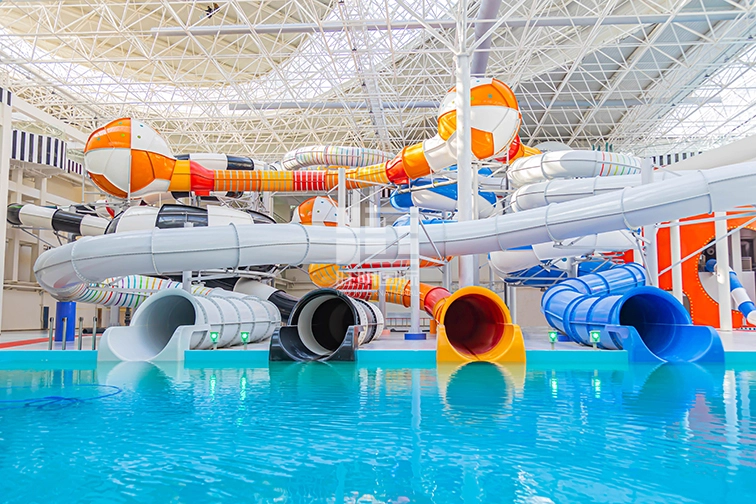
Turnover Slide
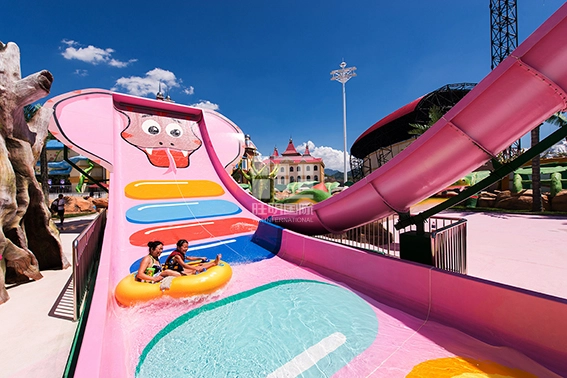
Small King Cobra Water Slide
Get in touch
Have to get customized water park solutions and product quotes.
We will provide you with professional consultation and support.

Relying on leading technology, innovative products and rich industry experience, we tailor personalized solutions for each water park project to ensure a safe and exciting entertainment experience for tourists.
 Scan QR Code
wmwaterslide
wmwaterpark