






How to Consider Facility Durability When Building a Water Park
When building a water park, considering the durability of the facilities is crucial to ensure long-term safe operation and reduce maintenance costs. The following are key strategies aimed at enhancing the durability of water park facilities:
When building a water park, considering the durability of the facilities is crucial to ensure long-term safe operation and reduce maintenance costs. The following are key strategies aimed at enhancing the durability of water park facilities:
I. High-Quality Material Selection
Waterproof and Corrosion-Resistant Materials: Since water park facilities are constantly exposed to water, materials with excellent waterproofing and corrosion resistance must be selected, such as high-quality fiberglass. These materials effectively resist water erosion and extend the facility's service life.
High-Strength and Resilient Materials: Facility materials must also possess sufficient strength and resilience to withstand the impacts and wear from visitor use. For example, key areas of slides and water slides, such as curves, slopes, and lengths, should use materials that have undergone rigorous testing and validation to ensure both safety and durability.
II. Rational Design
Load-Bearing Capacity and Safety: During the facility design process, full consideration must be given to load-bearing capacity and safety. Through precise calculations and simulation testing, ensure the structure remains stable under maximum visitor load, avoiding damage caused by overloading.
Design for Maintainability: Design must also consider ease of maintenance, such as reserving adequate access space for repairs and using easily detachable and replaceable components. This allows for swift repairs when faults occur, minimizing downtime.
III. Precise Construction
Strict Adherence to Specifications: During construction, operations must strictly follow design drawings and relevant specifications to ensure every step meets quality requirements. Critical processes, especially welding and anti-corrosion treatments, demand meticulous execution to avoid leaving hidden safety hazards.
Quality Control and Inspection: Establish a dedicated quality control team to rigorously inspect materials and equipment used during construction, ensuring compliance with standards. Simultaneously, conduct regular inspections and tests on completed sections to promptly identify and correct issues.
IV. Post-Construction Maintenance
Regular Inspection and Maintenance: After the park opens, establish a system for regular inspections and maintenance. Conduct comprehensive checks on facilities, including structural integrity, electrical systems, and water treatment systems. Upon discovering any problems, immediate repair or replacement should be carried out to prevent issues from escalating.
Professional Training and Maintenance Team: Form a professional maintenance team and provide them with regular training to enhance their technical skills and safety awareness. The maintenance team should be familiar with the operating principles and maintenance methods of all facilities within the park, enabling them to respond quickly and handle various emergency situations.
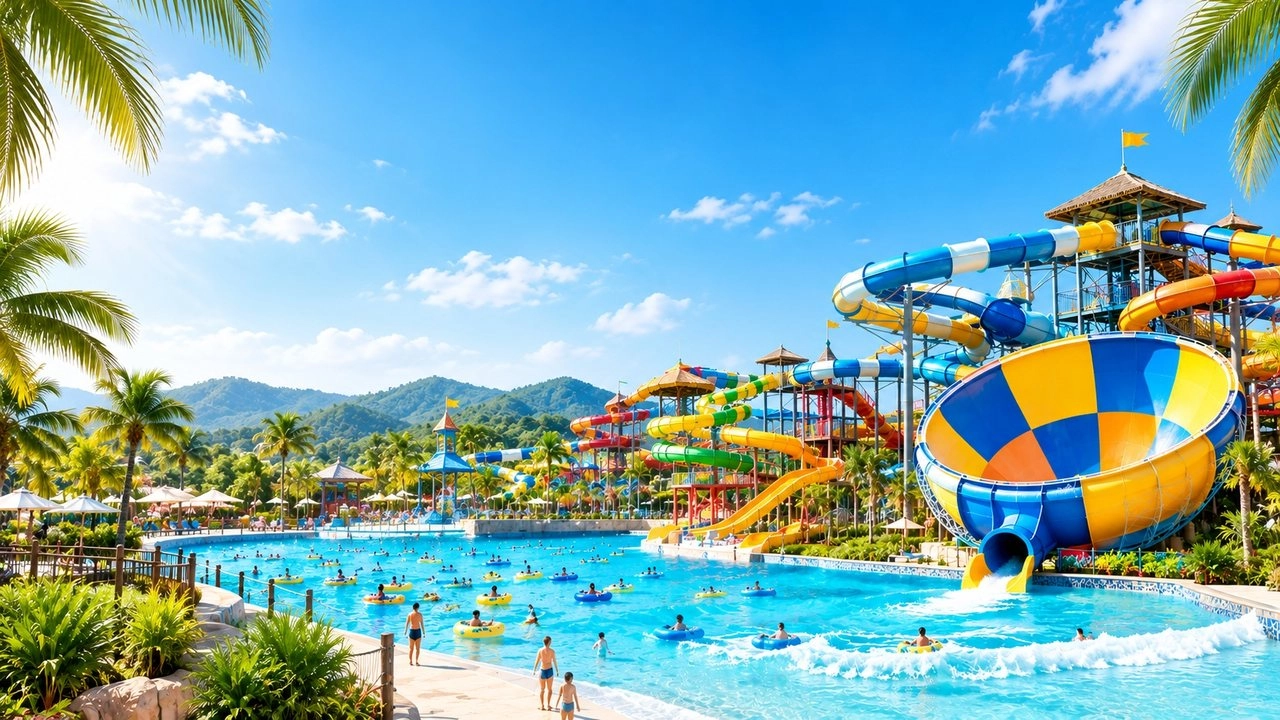
Water Project Cost and ROI: Key Budget Factors Before Choosing a Project Solution
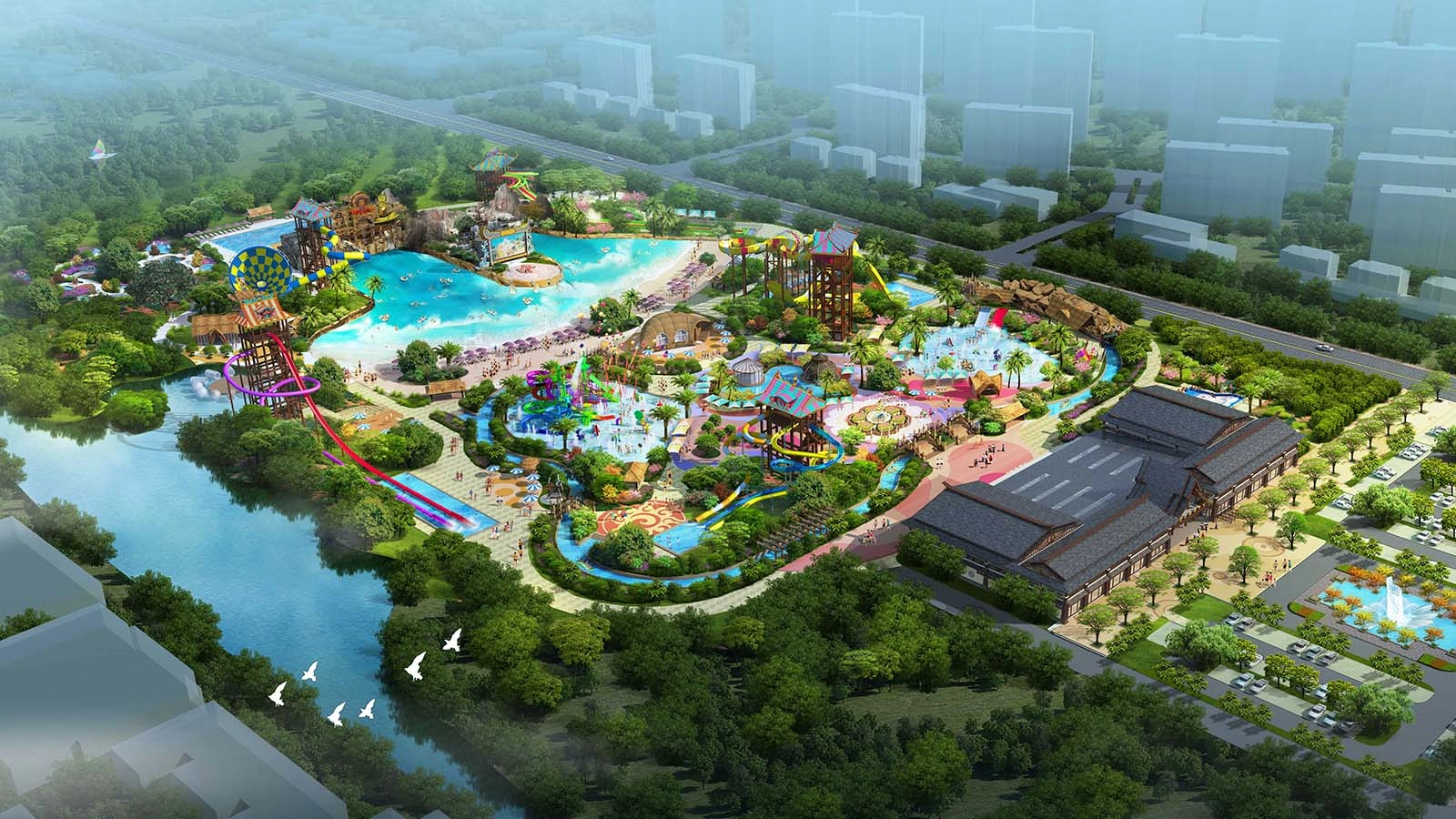
Water Projects: The Complete Guide to Developing Water Projects for Different Venues with WM INTERNATIONAL
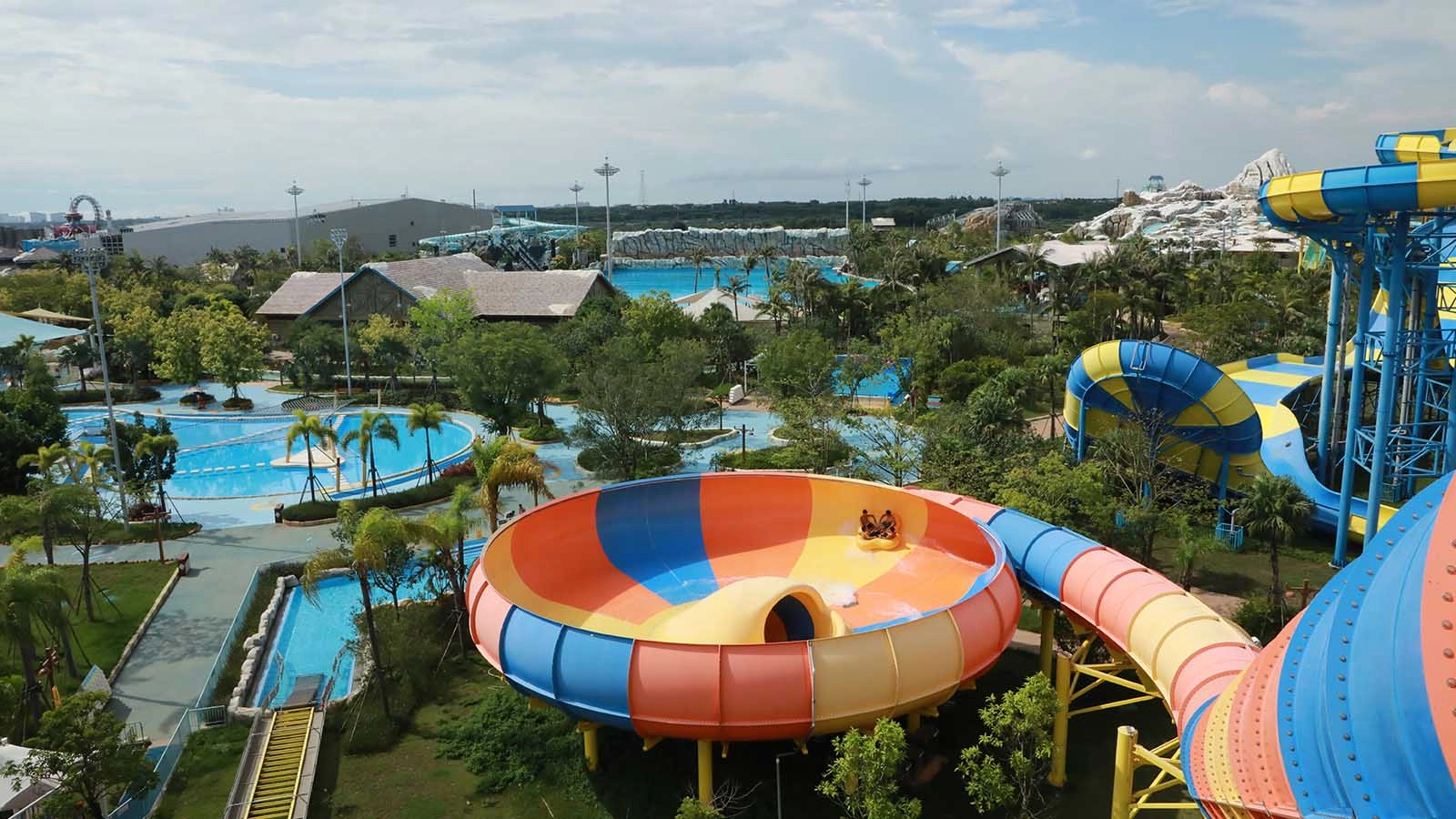
Water Project Industry Trends: Emerging Opportunities in the Water Attraction Market
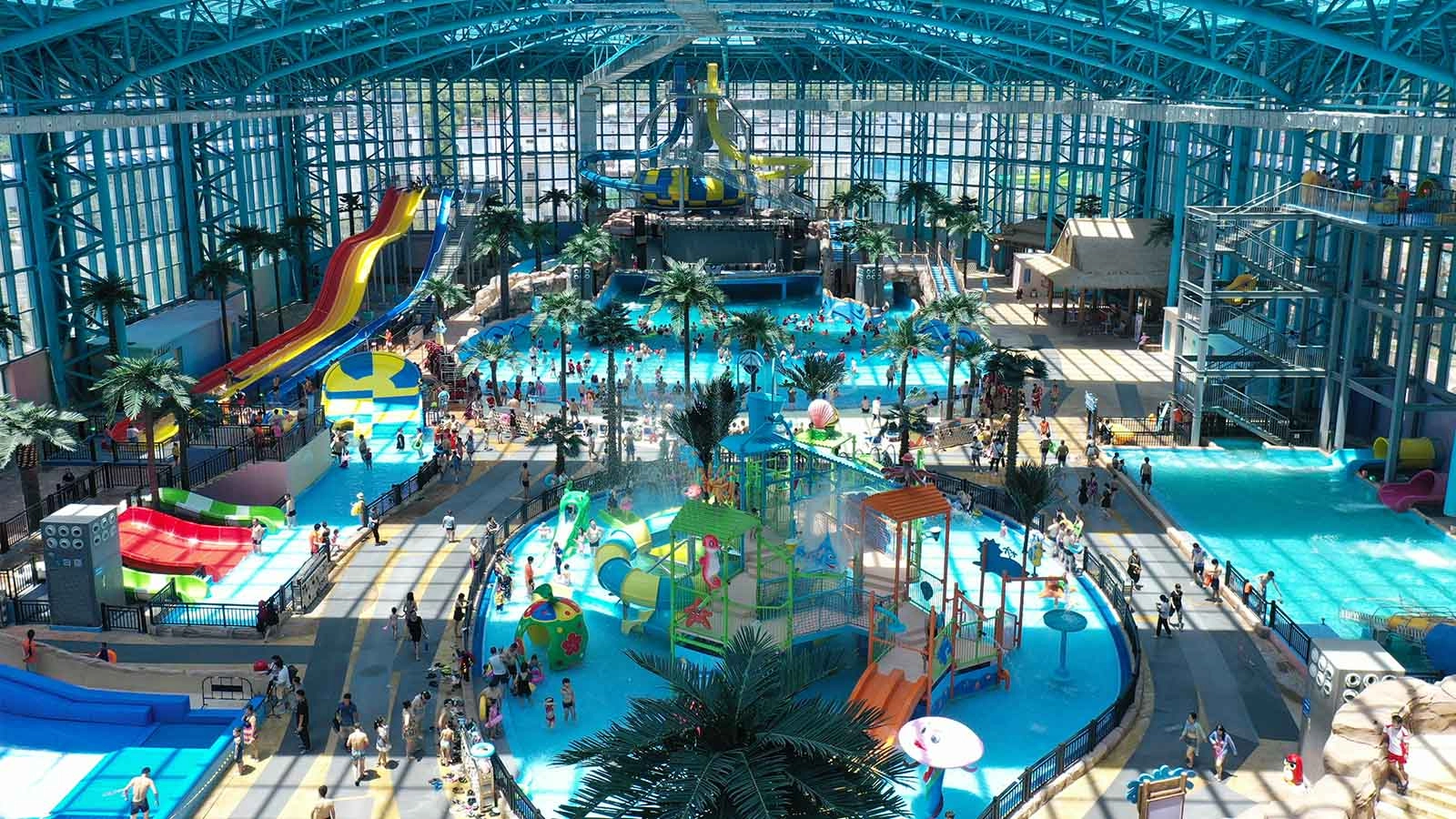
Custom Water Project Solutions for Different Venues: Water Parks, Resorts, Theme Parks and More
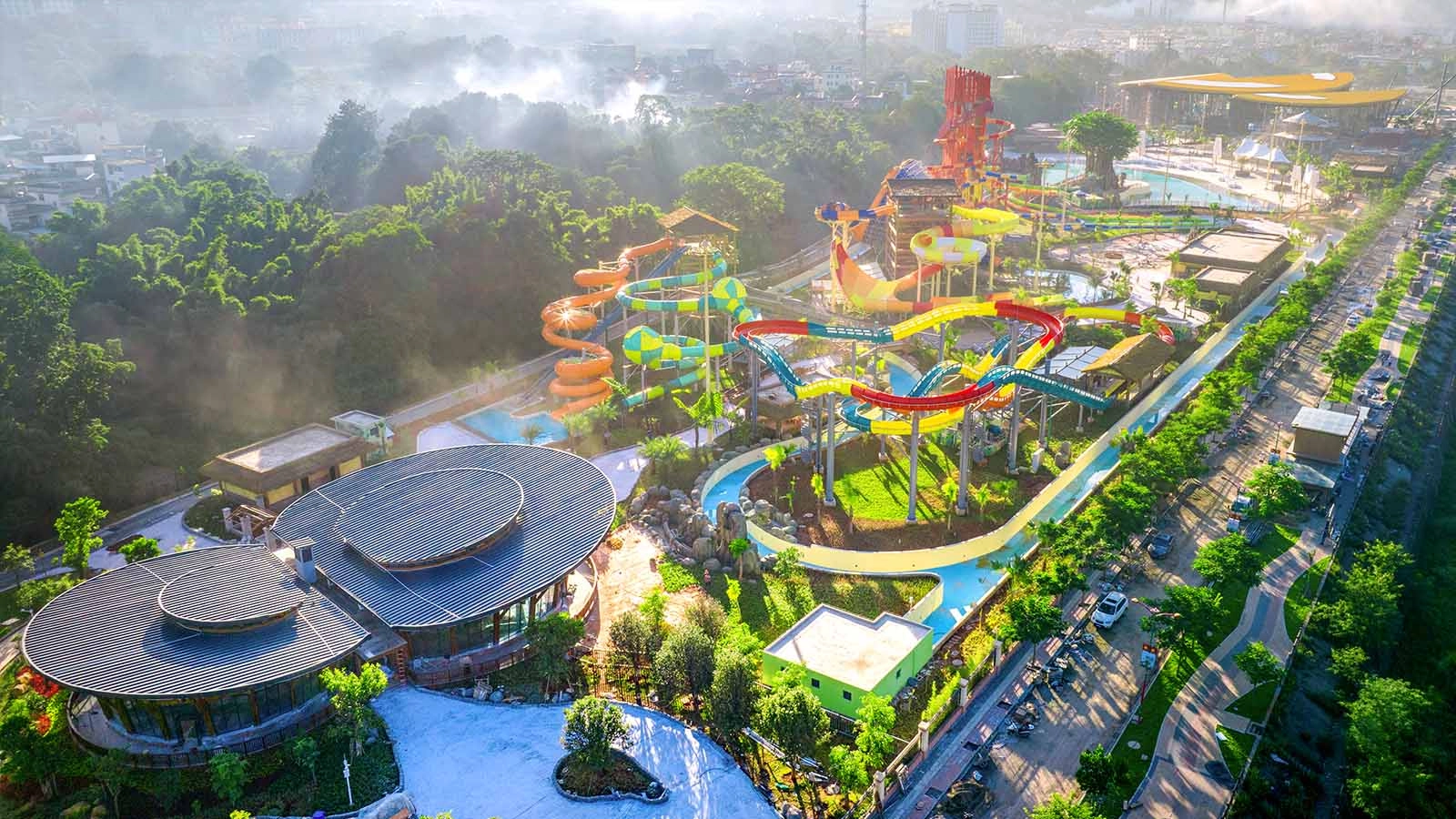
How to Configure Water Attractions for Water Projects in Different Venues
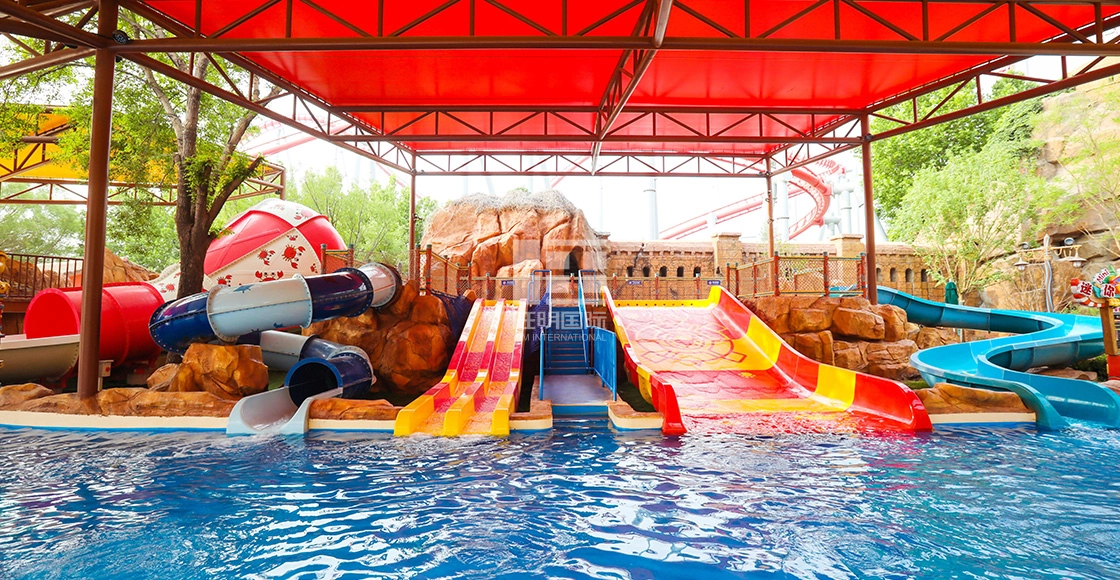
Children Combined Water Slide
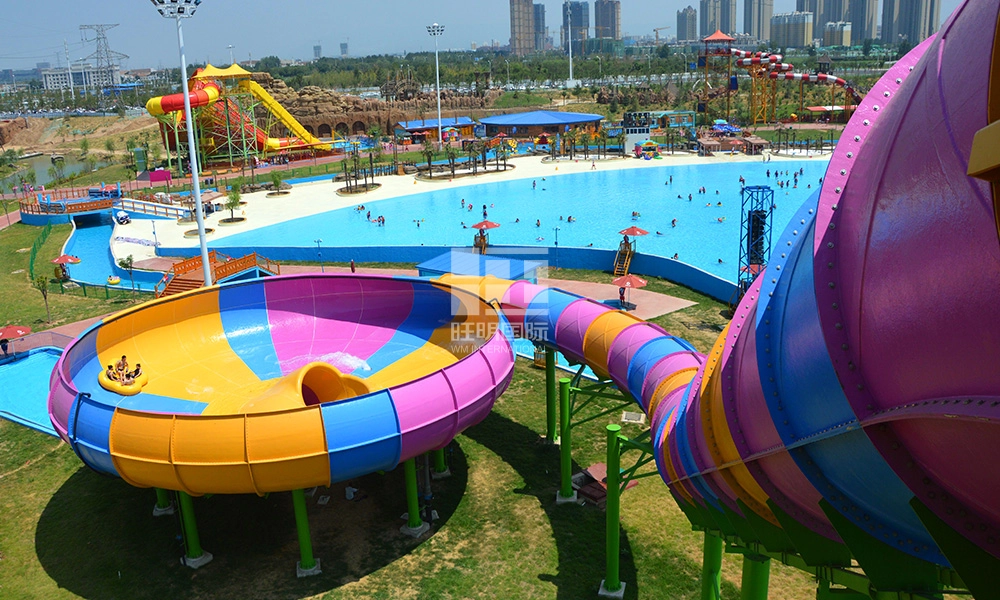
Huge Bowl Water Slide
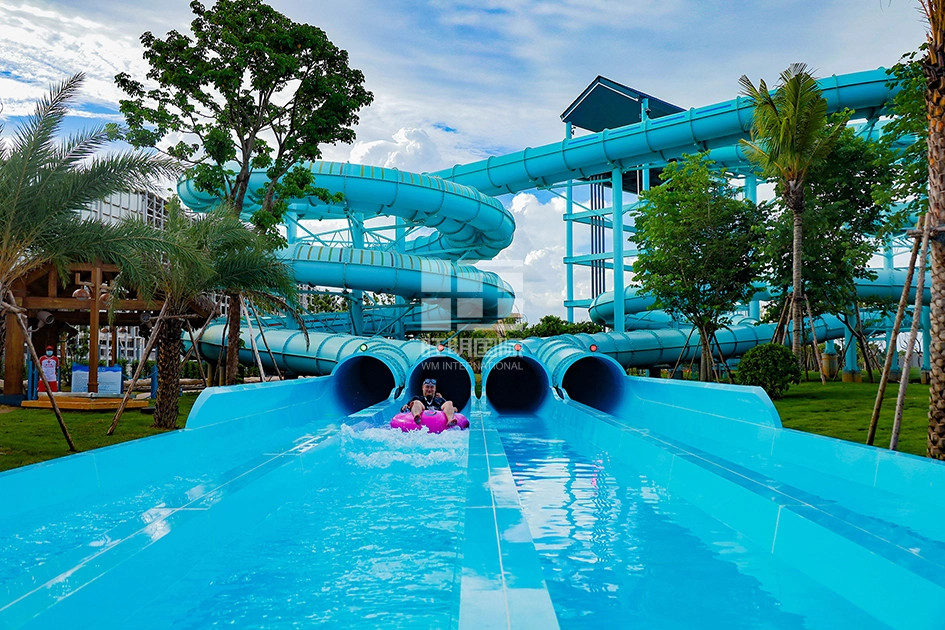
Time Tunnel Water Slide
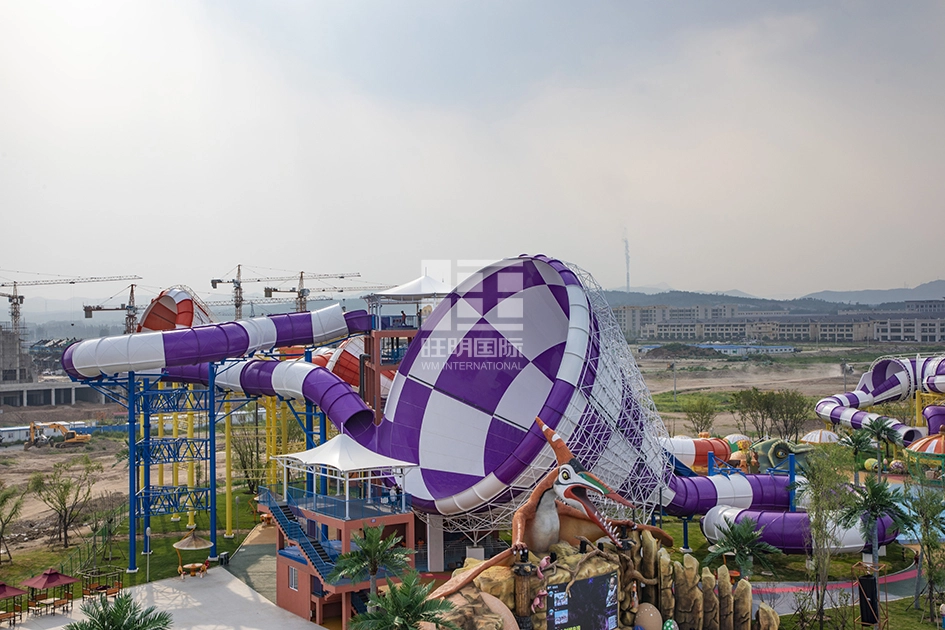
Big Tourbillion Water Slide
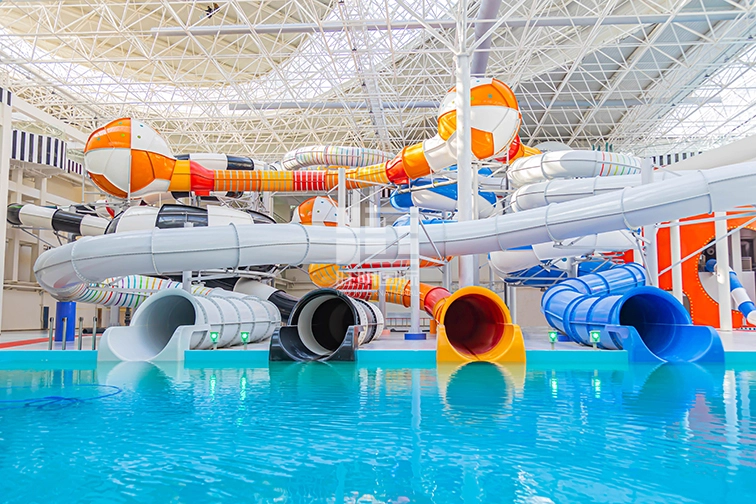
Turnover Slide
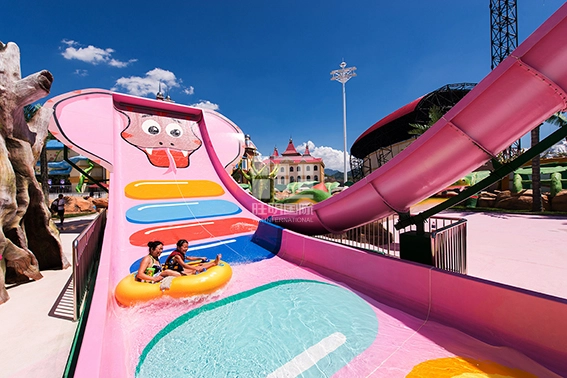
Small King Cobra Water Slide
Get in touch
Have to get customized water park solutions and product quotes.
We will provide you with professional consultation and support.

Relying on leading technology, innovative products and rich industry experience, we tailor personalized solutions for each water park project to ensure a safe and exciting entertainment experience for tourists.
 Scan QR Code
wmwaterslide
wmwaterpark