





How to Plan and Design a Water Park
Planning and Design of a Water Park
The planning and design of a water park are critical to the success of the water park project, requiring comprehensive consideration of visitor experience, functional zoning, safety, operational efficiency, and sustainability. Below are the detailed planning and design steps and key points:
Planning and Design of a Water Park
The planning and design of a water park are critical to the success of the water park project, requiring comprehensive consideration of visitor experience, functional zoning, safety, operational efficiency, and sustainability. Below are the detailed planning and design steps and key points:
I. Define Design Goals and Positioning
1. Market Positioning
Target Audience: Identify the primary visitor groups (families, teenagers, couples, etc.) and their spending capacity.
Competitive Differentiation: Highlight unique features such as themed IPs, nighttime light shows, or high-tech interactive elements to stand out from competitors.
2. Thematic Design
Theme Selection: Choose an appealing theme.
Atmosphere Enhancement: Reinforce the theme through architectural styles, color schemes, landscape decorations, and thematic props.
II. Functional Zoning and Circulation Planning
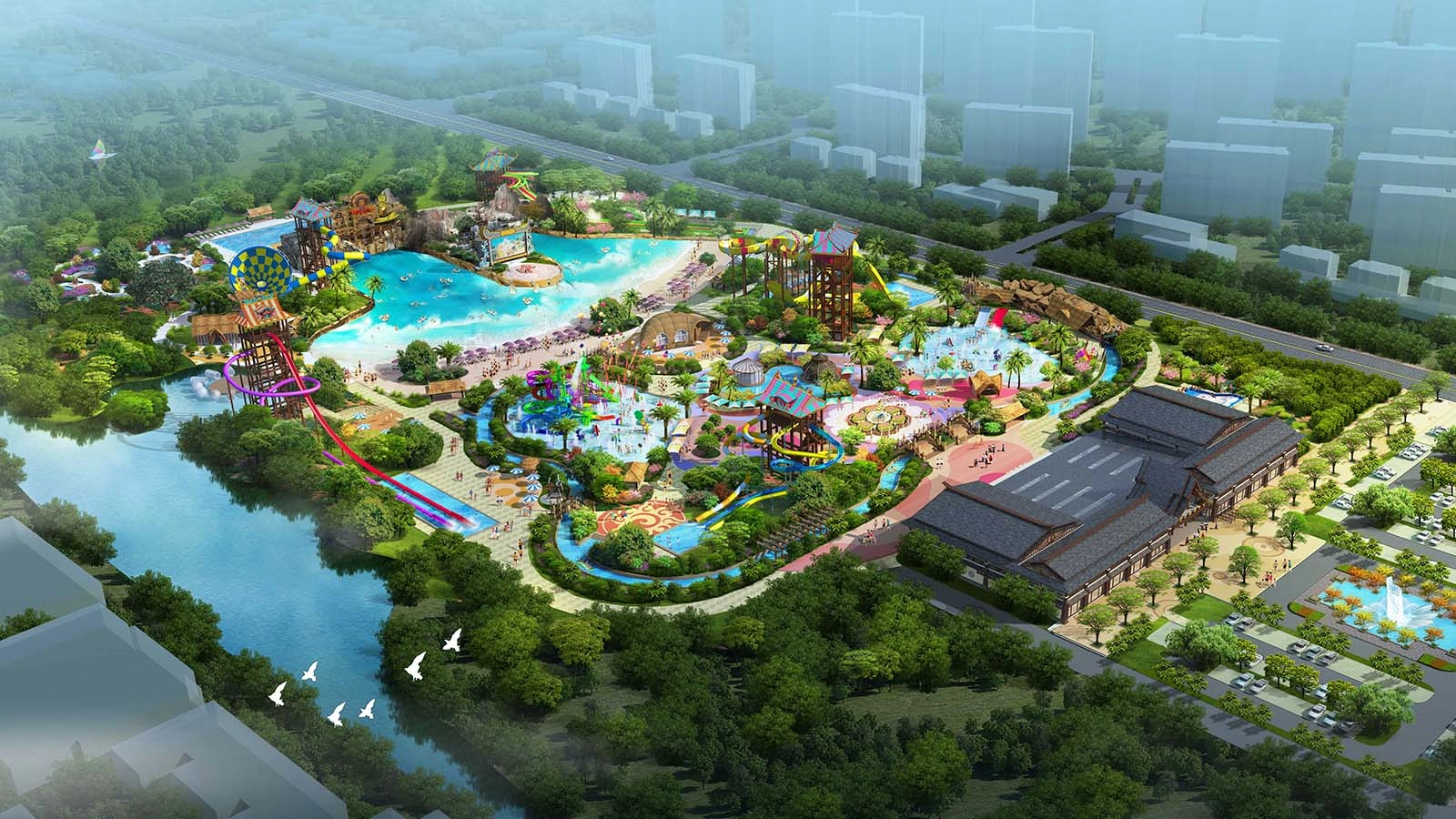
1. Core Functional Zones
Thrill Zone: High-speed slides, wave pools, lazy rivers.
Family Zone: Children’s water playgrounds, shallow splash pools, interactive fountains, small slides.
Relaxation Zone: Lazy rivers, spa pools, shaded lounge areas.
Service Zone: Entrance lobby, changing rooms, dining areas, first-aid stations, retail shops.
2. Visitor Circulation Design
Layout Strategy: Use a "circular flow" or "radial flow" layout to minimize congestion.
Crowd Management: Distribute popular attractions evenly to balance visitor density.
Signage System: Install clear guidance tools.
III. Equipment Selection and Layout
1. Core Equipment Choices
Slides: High-speed slides, family raft rides, children’s slides.
Wave Generation: Select wave machine types based on pool size.
Lazy Rivers: Design varying flow speeds for added excitement.
Interactive Features: Water cannons, tipping buckets, sound/light interactive installations.
2. Layout Principles
Safety Spacing: Ensure a safety distance of ≥5 meters between slide landing areas and other facilities.
Visitor Flow Optimization: Place high-demand attractions near entrances to attract crowds.
Visitor Comfort: Provide shaded queuing areas and cooling stations.
Water Project Cost and ROI: Key Budget Factors Before Choosing a Project Solution
Water Projects: The Complete Guide to Developing Water Projects for Different Venues with WM INTERNATIONAL
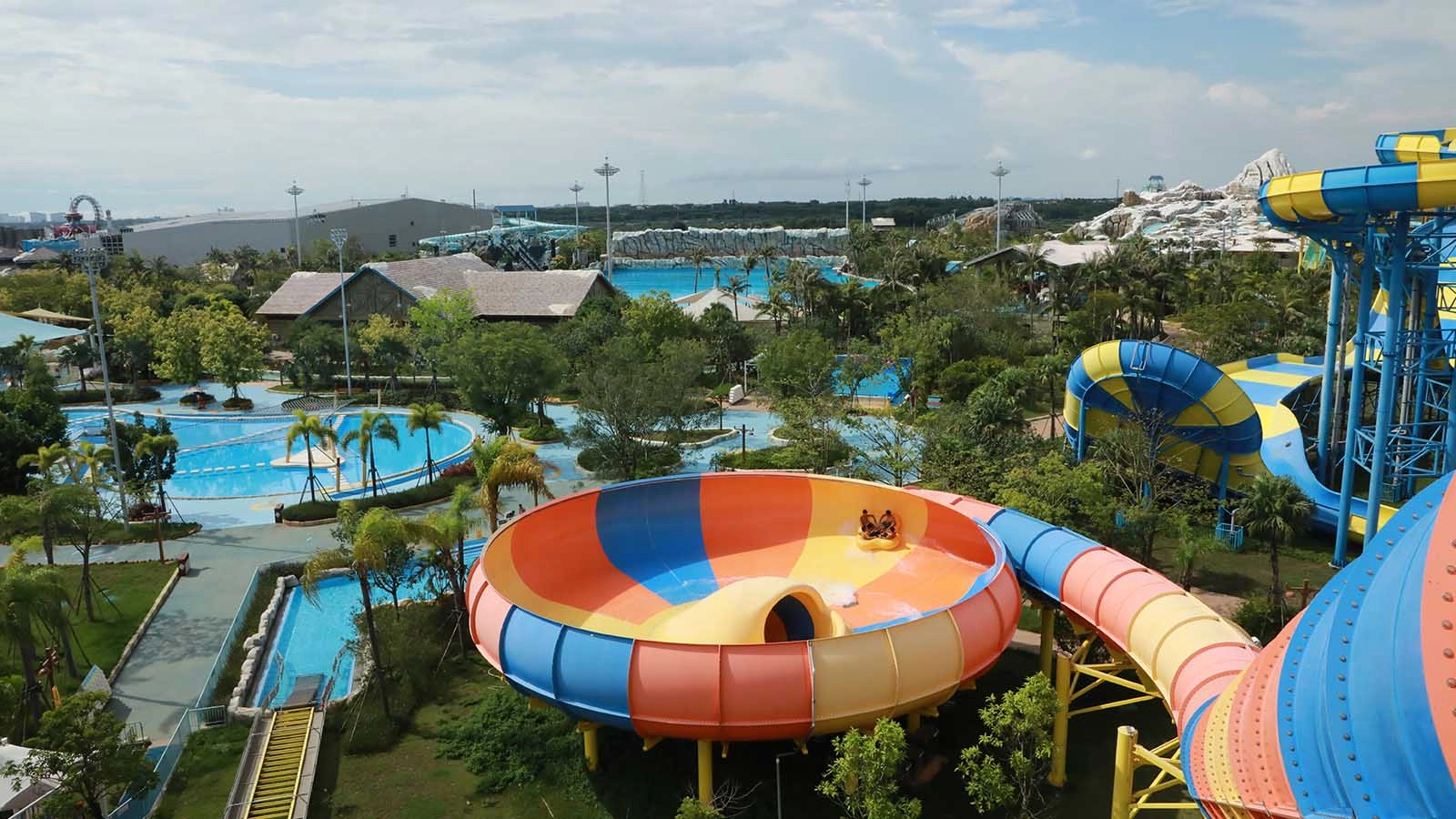
Water Project Industry Trends: Emerging Opportunities in the Water Attraction Market
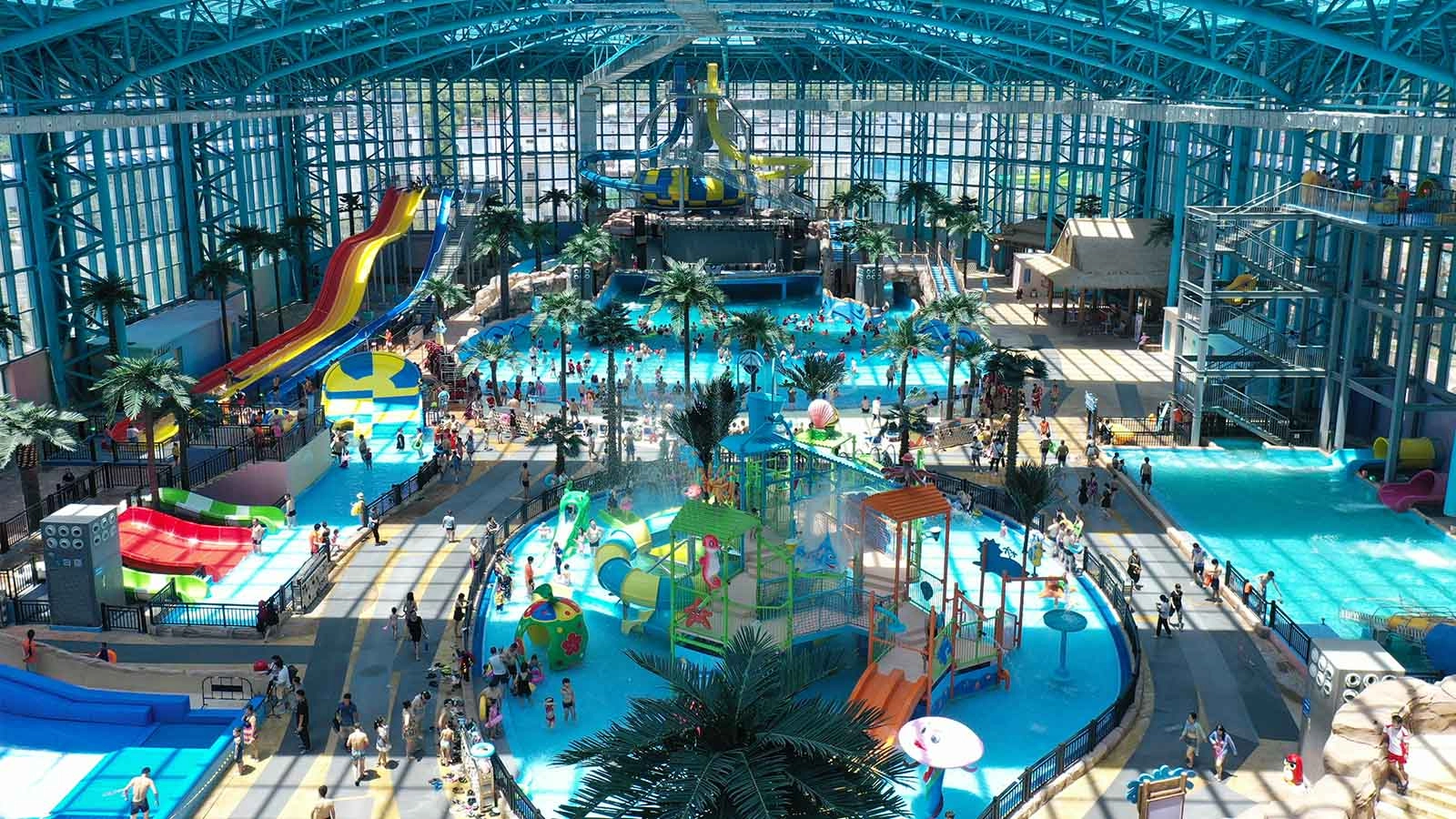
Custom Water Project Solutions for Different Venues: Water Parks, Resorts, Theme Parks and More
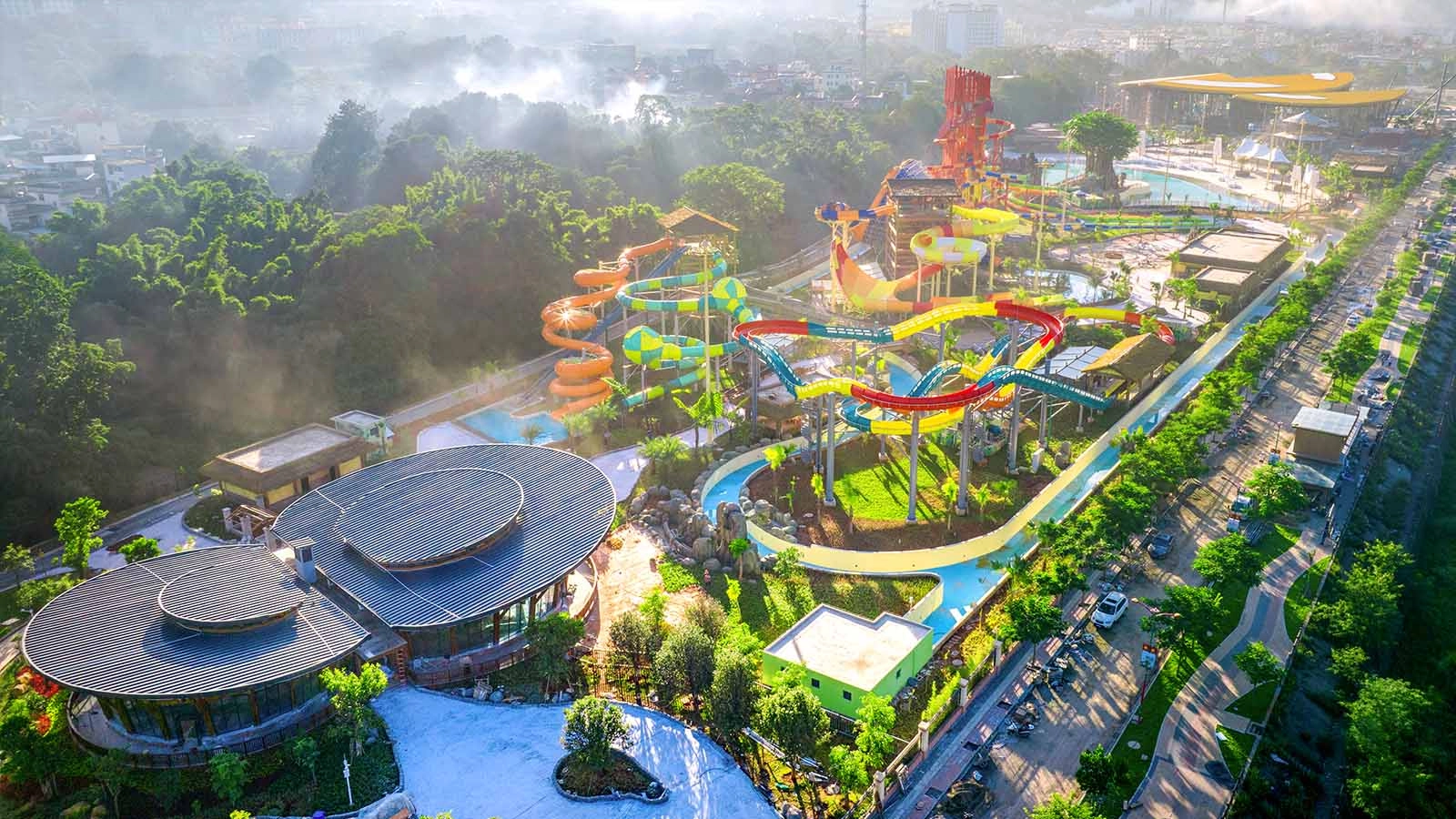
How to Configure Water Attractions for Water Projects in Different Venues
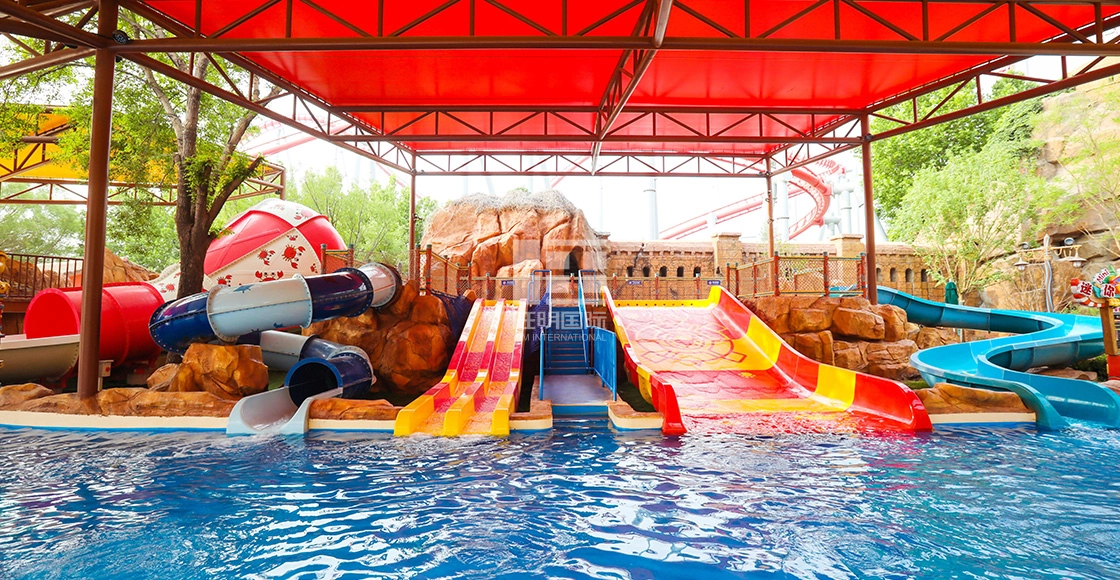
Children Combined Water Slide
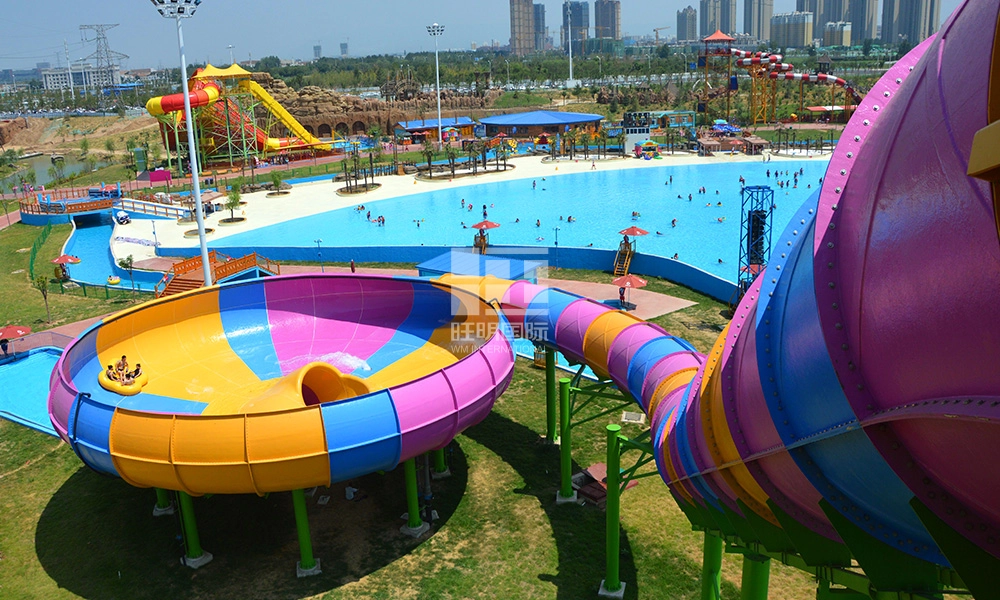
Huge Bowl Water Slide
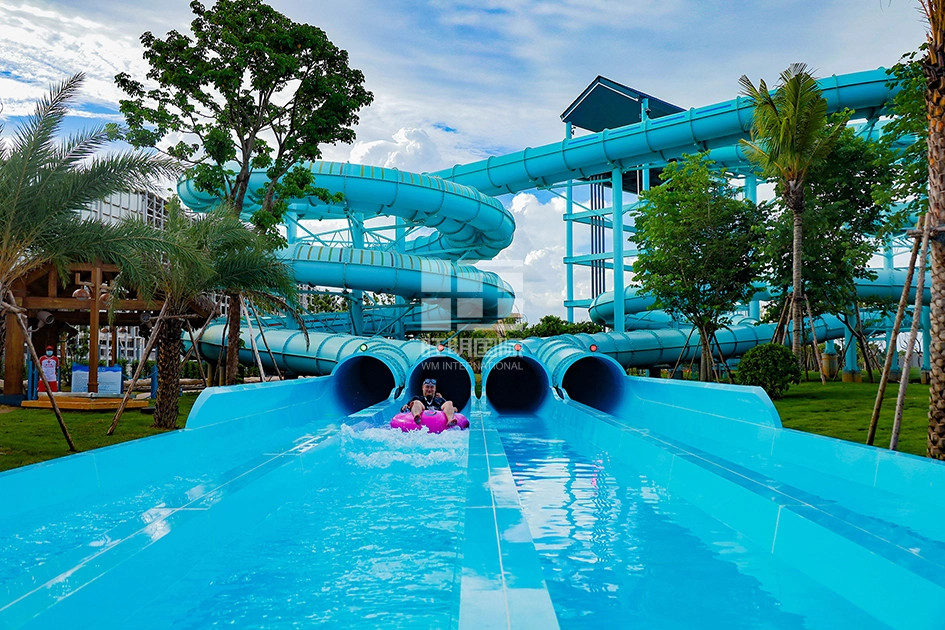
Time Tunnel Water Slide
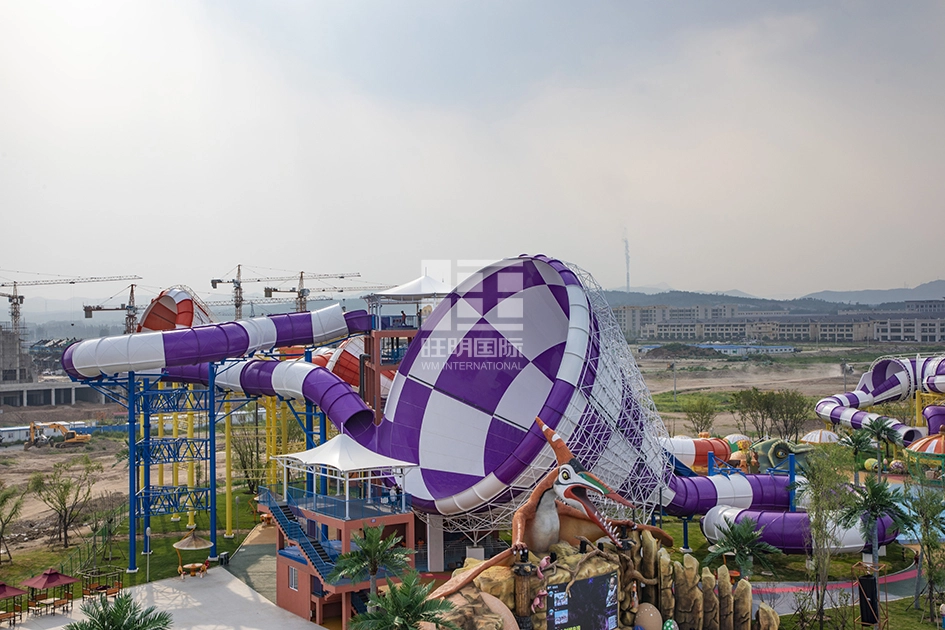
Big Tourbillion Water Slide
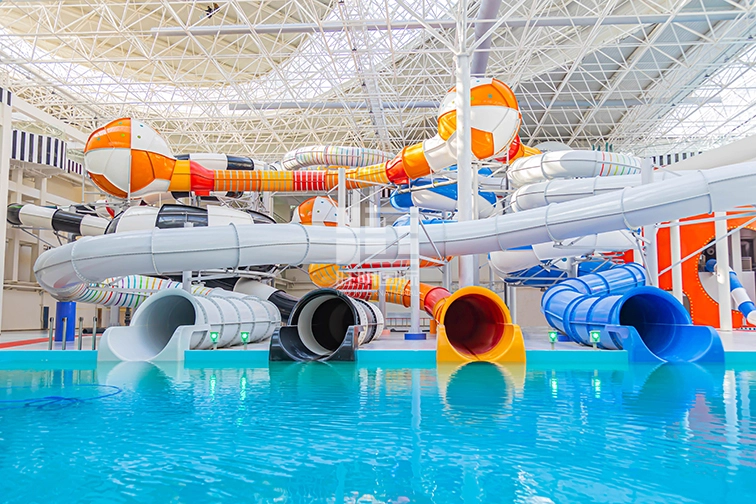
Turnover Slide
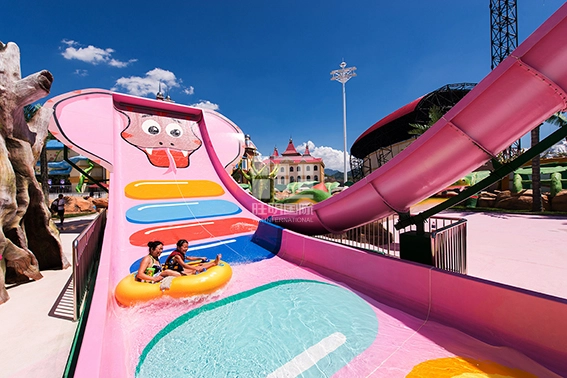
Small King Cobra Water Slide
Get in touch
Have to get customized water park solutions and product quotes.
We will provide you with professional consultation and support.

Relying on leading technology, innovative products and rich industry experience, we tailor personalized solutions for each water park project to ensure a safe and exciting entertainment experience for tourists.
 Scan QR Code
wmwaterslide
wmwaterpark