




How to Approach a Water Park Design Project
Designing a water park is a project that is both immensely fun and highly challenging, involving creativity, engineering, operations, and business aspects. Below are the key steps and points for undertaking a water park design project:
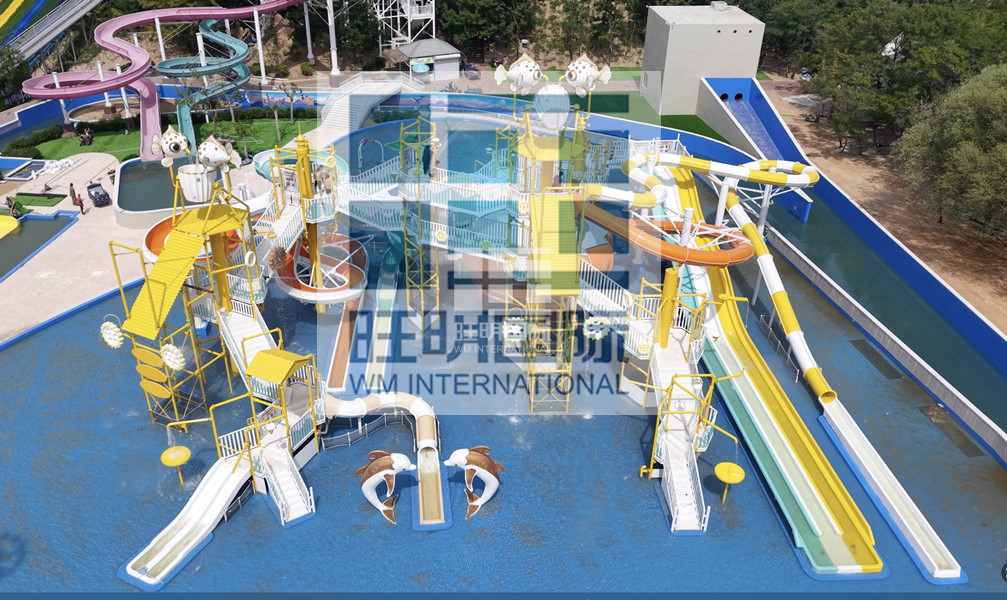
Phase 1: Preliminary Research and Planning (Foundation Stage)
Market Research and Feasibility Analysis:
Target Market: Define the core customer base, analyzing their needs, spending power, and preferences.
Competitive Analysis: Conduct in-depth research on existing and potential competitors in the region (other water parks, swimming pools, beach resorts, etc.).
Market Capacity Forecast: Assess potential visitor numbers and seasonal fluctuations.
Site Selection Analysis: Evaluate land costs, transportation accessibility, topography, climate conditions, infrastructure (water, electricity, sewage), environmental impact, and future development potential.
Financial Feasibility: Estimate investment costs, operational costs, and projected revenue.
Project Vision and Theme: Determine the park's core story and thematic style, which will permeate the entire design.
Scale and Capacity: Based on market research, determine the appropriate land area, maximum visitor capacity, and projected average/peak daily visitor numbers.
Phase 2: Concept and Schematic Design (Creative Burst Stage)
Concept Design Development:
Storyline and Theme Deepening: Integrate the theme into architecture, landscaping, slide structures, theming/packaging, signage systems, music, staff uniforms, and other details.
Selection and Layout of Water Rides & Attractions:
Select suitable types of water slides, wave pool specifications, lazy river length and flow rate, interactive water play structures, splash pads, etc., based on the target audience and theme.
Optimize facility layout: Consider visitor flow (avoiding congestion), queue line design (shade, entertainment), safety distances between facilities, sightlines, utilization of elevation changes, and thematic coherence.
Master Plan: Draw a detailed overall park site plan, clearly defining the location and relationships of all functional zones, rides/attractions, buildings, pathways, landscaping, water bodies, and utilities.
Preliminary Renderings and Models: Produce renderings of key areas, aerial views, and physical/digital models to visually present the design concept.
Phase 3: Detailed Design and Technical Design (Blueprint Stage)
Detailed Design:
Ride and Attraction Detailed Design: Collaborate with suppliers to complete specific structural design, support systems, splashdown pool design, water flow control systems, etc., for selected slides and water features, ensuring compliance with safety standards.
Architectural Design Development: Complete construction drawings for all individual buildings.
Landscape Construction Drawings: Detailed planting plans, hardscape design, feature element drawings, irrigation design.
Water Treatment System Detailed Design: Hydraulic pipe calculations, pump selection, filtration/disinfection equipment selection and layout drawings, heating system design (if applicable), water quality monitoring system design.
Phase 4: Construction and Installation (Blueprint to Reality)
Tendering and Procurement:
Select qualified main contractors and specialized subcontractors (e.g., slide installation, water treatment equipment installation) with experience in water parks or similar projects.
Procure major equipment (water slides, water treatment systems, pumps, wave machines, etc.).
Construction Management:
Earthworks and Foundation: Site grading, excavation and pouring of foundations for large pools/structures.
Structural Construction: Construction of building shells, slide towers, large pool structures.
Utility Rough-in: Early embedding of water circulation pipes, electrical conduits, etc.
Ride and Attraction Installation: Precise installation of water slides and their support systems, water play structures, etc., under the guidance of specialized engineers (a core activity).
Building Construction and Finishes: Completion of construction and interior finishing for all buildings, paying special attention to waterproofing and moisture resistance.
Water Treatment System Installation: Installation and commissioning of pump room equipment, filter vessels, disinfection equipment, piping, and control systems.
Landscape Construction: Hardscape paving, planting, installation of feature elements.
MEP Installation: Completion of all electrical, lighting, HVAC, and low-voltage (security, audio, ticketing, network) systems installation.
Strict Quality Control and Safety Management: Implemented throughout the entire construction process.
Schedule Management: Ensure adherence to the plan, especially for critical path items like slide installation and water treatment system commissioning.
Water Project Cost and ROI: Key Budget Factors Before Choosing a Project Solution
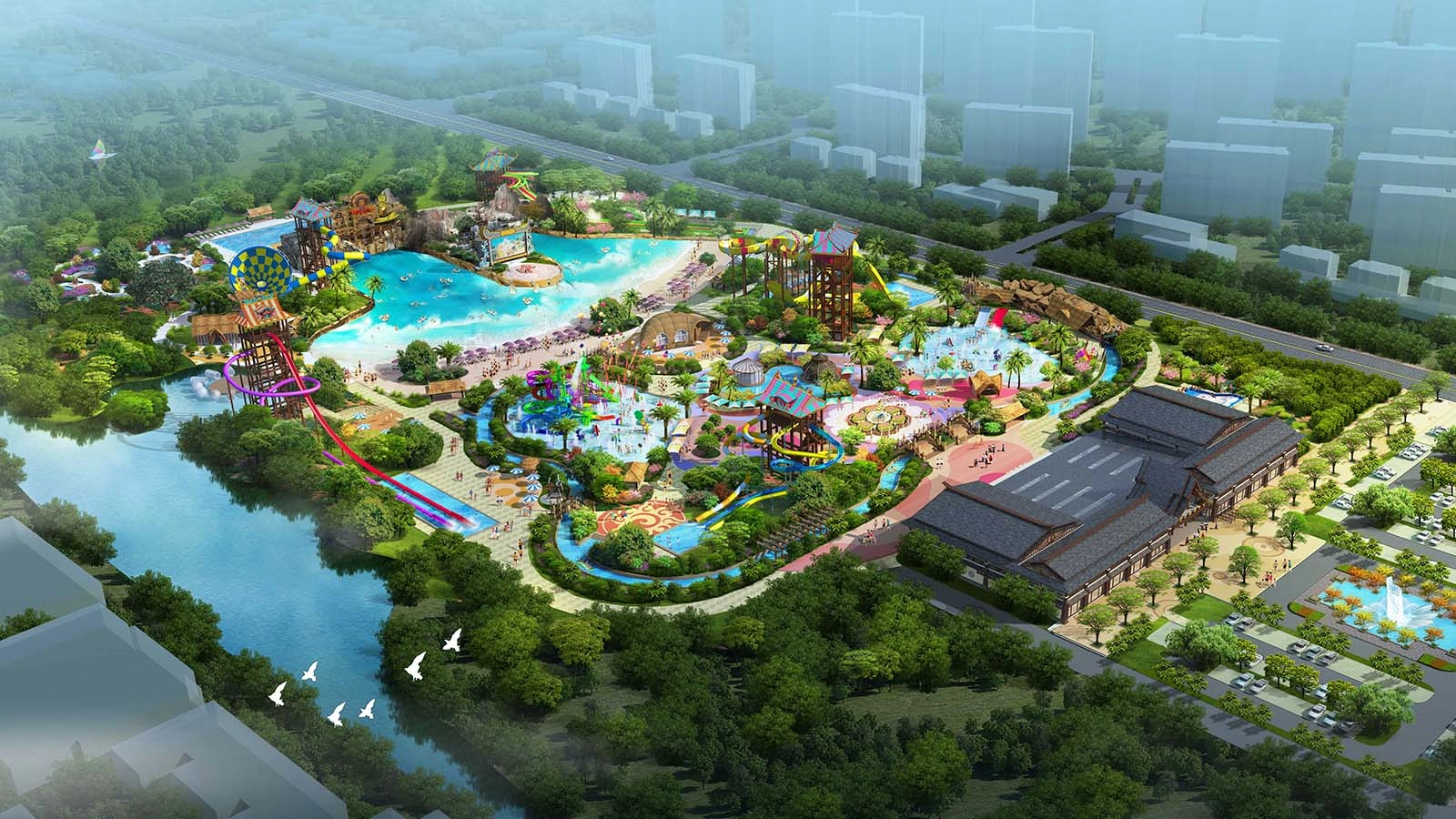
Water Projects: The Complete Guide to Developing Water Projects for Different Venues with WM INTERNATIONAL
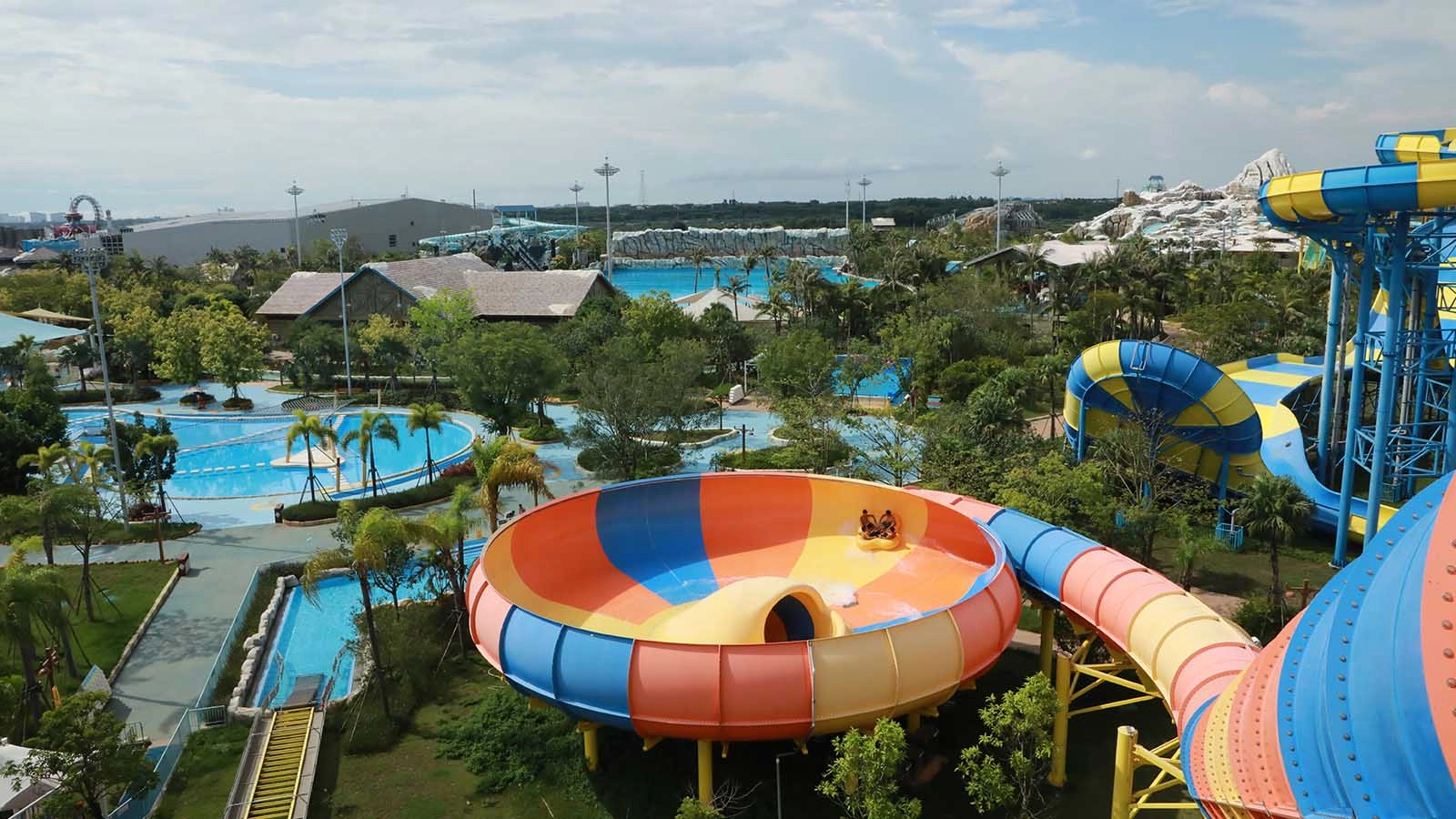
Water Project Industry Trends: Emerging Opportunities in the Water Attraction Market
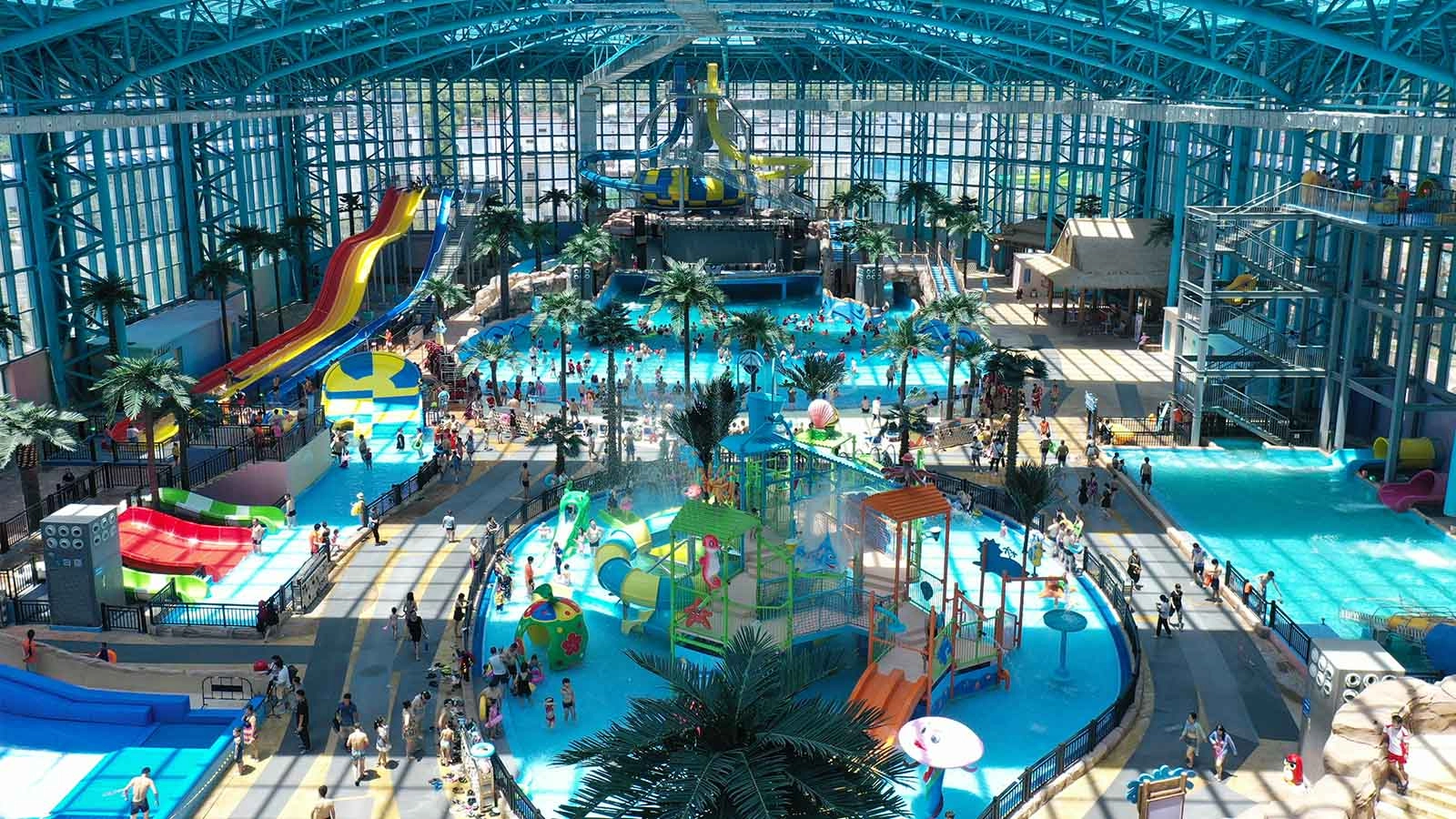
Custom Water Project Solutions for Different Venues: Water Parks, Resorts, Theme Parks and More
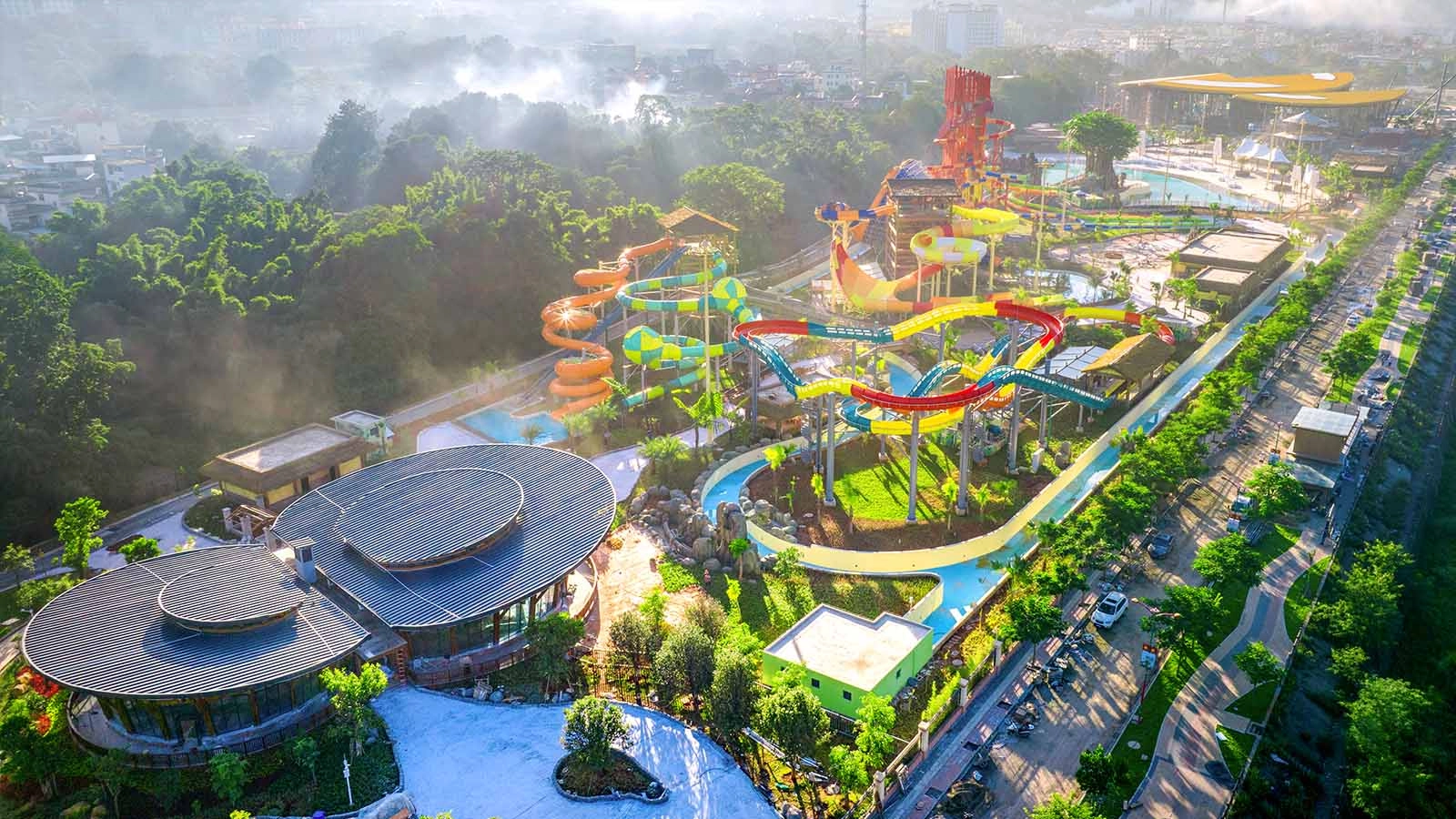
How to Configure Water Attractions for Water Projects in Different Venues
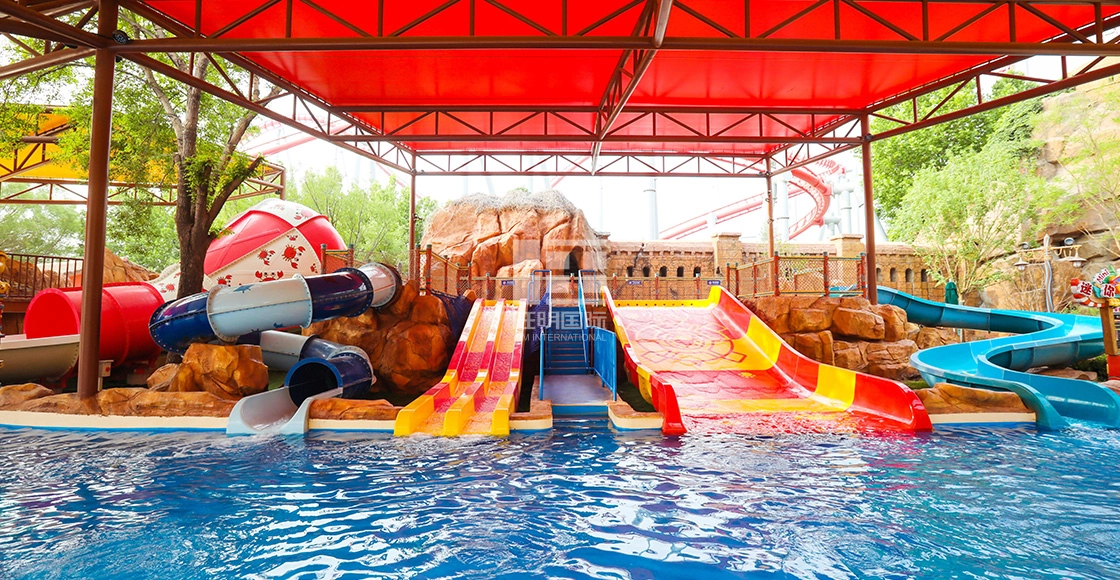
Children Combined Water Slide
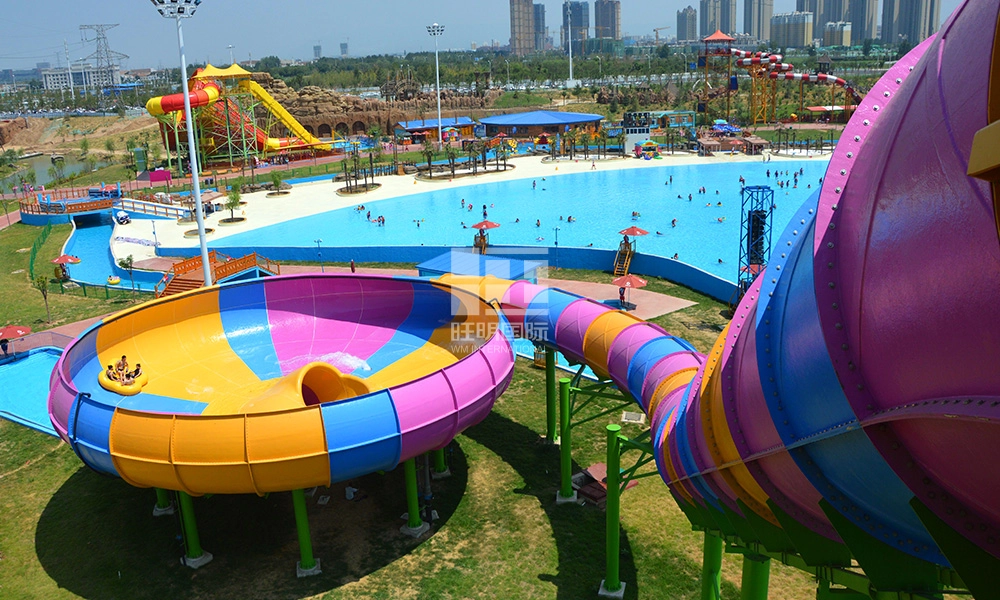
Huge Bowl Water Slide
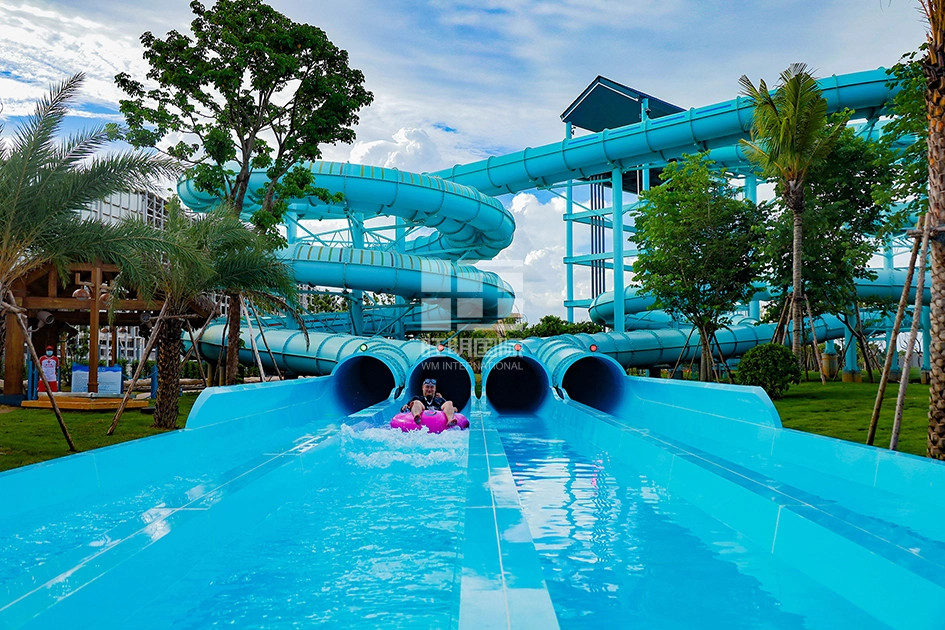
Time Tunnel Water Slide
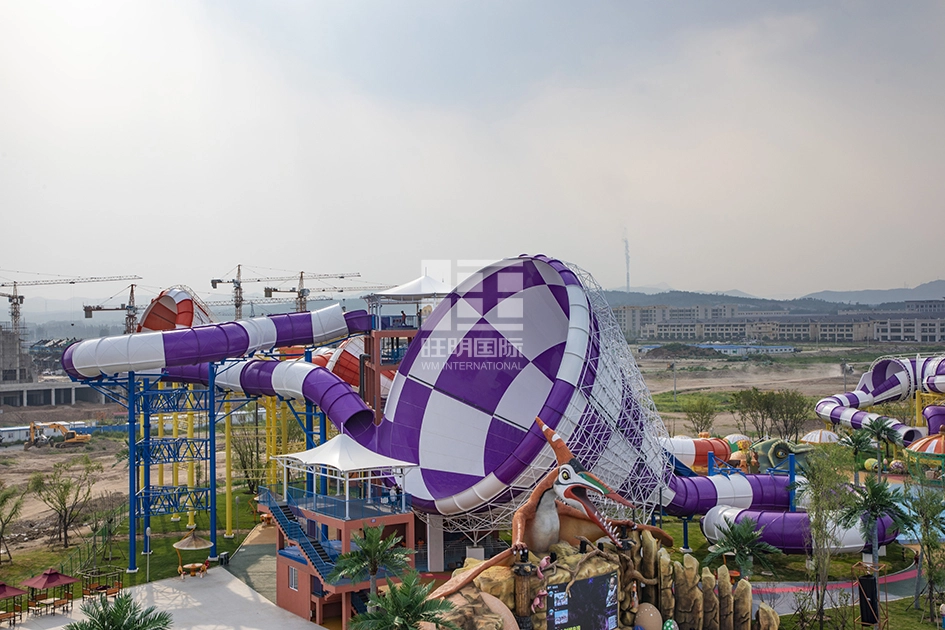
Big Tourbillion Water Slide
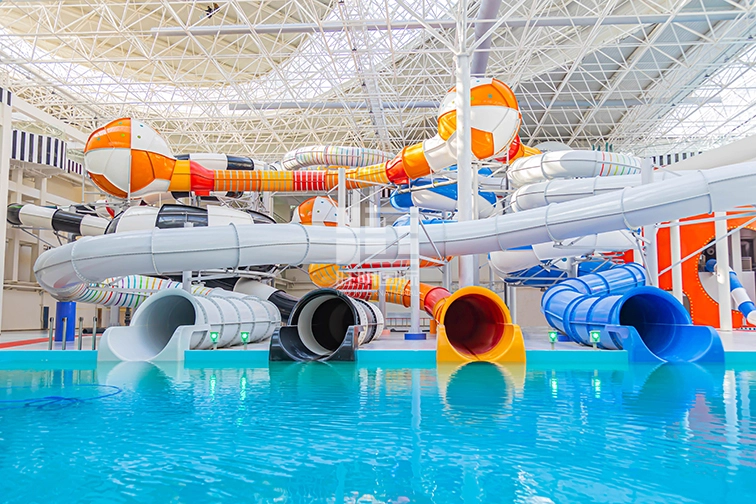
Turnover Slide
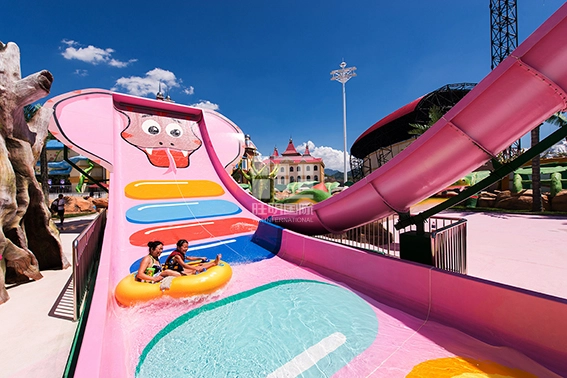
Small King Cobra Water Slide
Get in touch
Have to get customized water park solutions and product quotes.
We will provide you with professional consultation and support.

Relying on leading technology, innovative products and rich industry experience, we tailor personalized solutions for each water park project to ensure a safe and exciting entertainment experience for tourists.
 Scan QR Code
wmwaterslide
wmwaterpark