


Water Slide Ride Pricing: What Drives Project and Installation Costs?
- How water attraction scope shapes the project budget
- Ride configuration, height, and capacity
- Materials, engineering, and quality requirements
- Attraction package versus installed project cost
- Site, installation, and lifecycle factors buyers should price
- Ground conditions, utilities, and construction interfaces
- Freight, installation, commissioning, and schedule
- Warranty, service access, and cost over the operating life
- Building a comparable quote and selecting a project partner
- Normalize proposals before comparing totals
- Assess technical fit, not just the lowest offer
- How our product scope can support integrated planning
- Frequently Asked Questions
Water slide ride pricing is determined by the complete project scope, not just the quoted attraction. The largest cost drivers typically include slide type and scale, rider capacity, structural design, materials, site preparation, foundations, water treatment and pumping, electrical work, shipping, installation, inspections, and commissioning. For a useful comparison, project owners should request an itemized quote that distinguishes equipment from civil works and utilities, documents assumptions and exclusions, and identifies who is responsible for permits, testing, and ongoing maintenance. The final investment depends on site-specific engineering and local requirements; a headline equipment price alone is not a reliable measure of total installed cost.
How water attraction scope shapes the project budget
Ride configuration, height, and capacity
A compact body slide and a multi-lane racing attraction do not have equivalent design or installation requirements. The selected ride experience affects the number and length of flumes, support structures, dispatch arrangements, runout design, and the amount of space needed for queues and circulation. Taller or more complex layouts can require additional structural analysis, access provisions, and coordination with buildings or other attractions. Higher rider throughput may also influence queue capacity, dispatch operations, and the water circulation system. Buyers should compare attractions by intended capacity, operating model, footprint, and guest experience rather than by slide length alone.
Features such as enclosed sections, launch elements, raft configurations, special effects, and custom colors can add design and fabrication work. Their value should be assessed against the park’s target audience, expected attendance, available land, and operating plan. A feature that raises the equipment budget may be worthwhile when it creates a distinctive experience or supports reliable throughput, but it can be a poor fit if it creates operational complexity without serving the park’s positioning.
Materials, engineering, and quality requirements
Material selection and manufacturing specifications influence durability, appearance, maintenance needs, and price. Buyers should ask what materials are used for the flume, support structure, fasteners, coatings, and exposed components, and how the supplier addresses ultraviolet exposure, weather, water chemistry, and the local environment. A proposal should also clarify design responsibilities, quality documentation, factory checks, and the records delivered for installation and future maintenance. These items are not interchangeable: a lower initial quotation may exclude engineering deliverables, testing, or documentation that the owner later needs.
Safety and conformity should be evaluated as part of the commercial scope, not as a post-purchase detail. The ASTM water slide systems standard addresses classification, design, manufacture, construction, operation, and maintenance. Buyers should confirm the applicable edition and local adoption with qualified project professionals, since a standard reference does not by itself establish that every local code or approval requirement has been met. A supplier’s quote should state which design reviews, calculations, inspections, or third-party services are included and which remain the owner’s responsibility.
Attraction package versus installed project cost
Equipment pricing normally covers only defined items in a supplier’s scope. The installed project may also require earthworks, drainage, retaining structures, foundations, access roads, crane access, electrical distribution, water storage, pumps, filtration, pipework, controls, landscaping, and guest facilities. Some projects can connect to existing infrastructure; others need substantial upgrades. Because the site conditions and division of work differ, two offers with similar equipment descriptions can represent very different total investments.
Use the following comparison to structure early budgeting. The relative effects are qualitative planning guidance, not market price quotations: actual amounts must be established through site investigation and a project-specific proposal.
| Cost category | What commonly changes the cost | Buyer verification point |
|---|---|---|
| Ride equipment and customization | Ride type, dimensions, capacity, features, colors, and engineering scope | Confirm inclusions, design criteria, deliverables, and approved options |
| Site preparation and foundations | Ground conditions, grading, access, drainage, and structural loads | Check geotechnical assumptions and identify who supplies civil works |
| Water and electrical systems | Required flow, pump arrangement, filtration, controls, and utility capacity | Request design parameters and a clear interface responsibility schedule |
| Freight and handling | Shipping route, packaging, customs, unloading, and equipment access | Confirm delivery terms, taxes, crane needs, and offloading responsibility |
| Installation and commissioning | Site readiness, crew duration, access, testing, and local inspection needs | Clarify labor, travel, supervision, training, tests, and acceptance criteria |
| Operations and maintenance | Wear parts, inspection frequency, water conditions, and service access | Obtain maintenance instructions, spare-parts lists, and warranty terms |
Site, installation, and lifecycle factors buyers should price
Ground conditions, utilities, and construction interfaces
Site constraints can materially change the installed cost. Sloped terrain, weak or variable soils, groundwater, existing underground services, restricted delivery access, or limited space for cranes may require additional investigation and construction planning. Before the equipment design is finalized, owners should provide accurate surveys, available geotechnical information, utility locations, and site access details. If these inputs are missing, a supplier may have to make assumptions; later discoveries can trigger redesign, schedule changes, or additional work.
Water systems also need to be treated as a coordinated part of the attraction. Pump selection, required flow and pressure, filtration, balancing or storage arrangements, drainage, and controls must align with the ride design and the wider park system. The U.S. Centers for Disease Control and Prevention’s healthy swimming guidance explains why maintaining healthy aquatic environments matters. It is not a substitute for local codes or project-specific engineering, but it reinforces the need to budget for water quality management and operating procedures rather than treating water delivery as a simple connection.
Freight, installation, commissioning, and schedule
Transport costs depend on the route, shipment dimensions, packaging, delivery terms, and whether the project requires special handling or customs clearance. Installation budgets can vary with crew size, site readiness, local labor conditions, access, weather exposure, and the division of work between the attraction supplier and general contractor. Confirm whether the offer includes installation supervision, assembly labor, lifting equipment, travel, commissioning, operator training, and support during inspections. Each item should be listed explicitly; ambiguous phrases such as “installation included” are not enough to establish what the buyer will receive.
Schedule is also a financial consideration. Late design approvals, incomplete foundations, delayed utilities, or unavailable crane access can keep crews or equipment on site longer than planned. A practical project schedule identifies design submittals, owner approvals, manufacturing milestones, shipping, civil works, installation, testing, and handover. The construction safety plan and access arrangements should be coordinated with the project’s qualified contractors. For U.S. projects, OSHA construction fall-protection requirements provide one example of regulations that may apply to construction activities; applicable rules vary by jurisdiction and work scope.
Warranty, service access, and cost over the operating life
Purchase price should be reviewed alongside expected operating and maintenance requirements. Ask how inspections are documented, which components are considered wear items, how replacement parts are ordered, what service response is available, and what conditions may affect warranty coverage. Maintenance access can influence design decisions: a layout that is difficult to inspect or clean may increase downtime and labor even if its initial quote is attractive. Owners should also establish how the manufacturer’s recommended maintenance program relates to local operator procedures and applicable codes.
Quality-management documentation can help buyers assess whether a supplier uses a defined process for controlling work, but certification should not be treated as proof that a particular ride is compliant or fit for a specific site. The ISO 9001 quality management systems standard describes requirements for a quality management system. Procurement teams can ask what certifications are current, what organizational scope they cover, and which project-specific inspection and acceptance records will be provided.
Building a comparable quote and selecting a project partner
Normalize proposals before comparing totals
For fair evaluation, issue the same design brief to each shortlisted provider. Include the site location, target capacity, desired ride experience, available footprint, project schedule, utility information, local approval context, and expected scope split. Then compare proposals line by line: equipment, engineering, foundations, utilities, freight, installation, commissioning, training, documentation, warranty, and exclusions. Record assumptions alongside each price. A bid that excludes civil works or taxes should not be compared directly with an offer that includes them.
Ask providers to identify provisional sums and items requiring confirmation after surveys or detailed design. Request the basis for any allowance and the conditions that could change it. A clear change-control process should explain how scope changes are priced, reviewed, approved, and reflected in the schedule. This helps owners maintain budget control without pressuring suppliers to make unsupported guarantees before the site and design are sufficiently defined.
Assess technical fit, not just the lowest offer
Evaluation should cover relevant project references, engineering capability, manufacturing controls, installation coordination, documentation, communication, and post-handover support. Buyers seeking water slide ride suppliers for parks should verify that the proposed team can explain its design assumptions and define interfaces with the owner’s architect, engineer, contractor, and operator. Ask for evidence appropriate to the project, such as comparable installations, quality records, design submittals, and a realistic plan for resolving technical questions.
Risk-adjusted value can be more useful than lowest initial cost. A proposal with a transparent scope, accessible maintenance design, complete commissioning plan, and dependable documentation may reduce uncertainty during construction and operation. Conversely, a higher price is not automatically better: every High Quality should correspond to a defined technical, service, schedule, or lifecycle benefit. Procurement teams should document how each criterion is weighted so the final decision can be explained to finance, operations, and project stakeholders.
How our product scope can support integrated planning
Our product scope includes water park design, water park construction, water slides, water play attractions, and wave making equipment. Considering these elements together can help project owners review how guest circulation, attraction mix, site layout, utilities, and construction interfaces fit into the overall development plan. Buyers should still request a project-specific statement of work that identifies the exact services, equipment, design responsibilities, and delivery boundaries being offered; no product category alone establishes that a particular scope is included.
When assessing our proposal or any alternative, buyers can use the same procurement checks: define the intended capacity and audience, share reliable site information, request itemized pricing, clarify compliance and approval responsibilities, and confirm installation and handover deliverables. This approach supports a more defensible comparison and helps align the attraction investment with the park’s operational objectives. Early technical coordination is especially valuable when water slides, play features, wave systems, and shared infrastructure are being planned as parts of one destination.
Contact our team to discuss a project-specific scope or explore water park attractions suited to your site and operating objectives.
Frequently Asked Questions
What factors have the biggest impact on water slide ride pricing?
The main factors are ride type and scale, capacity, customization, materials and engineering, site conditions, foundations, water and electrical systems, freight, installation, testing, and commissioning. The actual impact depends on the project scope and location.
Does a water slide equipment quote include installation and site work?
Not necessarily. Equipment, civil works, foundations, utilities, freight, lifting equipment, installation labor, commissioning, and training may be separate line items. Buyers should request an itemized proposal and confirm every inclusion and exclusion.
How can buyers compare water slide supplier quotations fairly?
Give each provider the same design brief and site information, then compare equipment, engineering, foundations, utilities, shipping, installation, commissioning, training, documentation, warranty, and exclusions. Record assumptions and provisional costs rather than comparing headline totals alone.
Why do site conditions affect the installed cost of a water slide?
Ground conditions, slope, groundwater, underground services, drainage, delivery access, crane access, and utility capacity can change engineering and construction requirements. Surveys and geotechnical information help reduce assumptions and avoid late redesign or additional work.
What should be included in a water slide installation scope?
The scope should specify assembly labor, installation supervision, travel, lifting requirements, commissioning, testing, operator training, inspection support, handover documents, and acceptance criteria. The contract should also identify responsibilities shared with the owner and general contractor.
How should water slide buyers evaluate lifecycle costs?
Review inspection and maintenance requirements, wear parts, spare-parts availability, service support, maintenance access, and warranty conditions in addition to the purchase price. These factors can affect operating labor, downtime, and long-term value.
Recommended
Modular and Portable Commercial Water Slides Explained
Low-Maintenance Water Slides for Sale: Materials and Care
Top Water Park Equipment Manufacturers
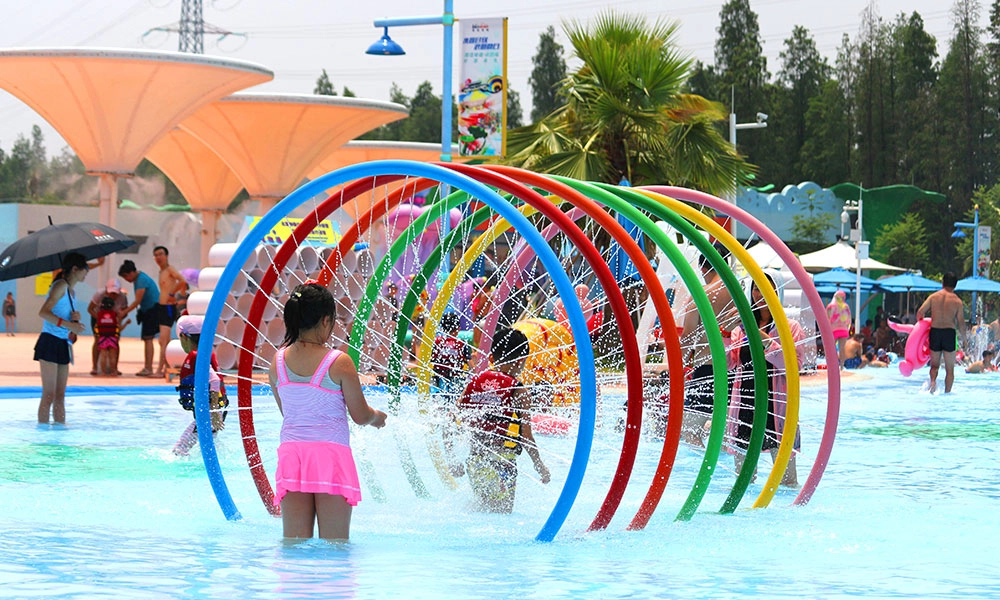
Water Playing Circle | WM International Waterslide
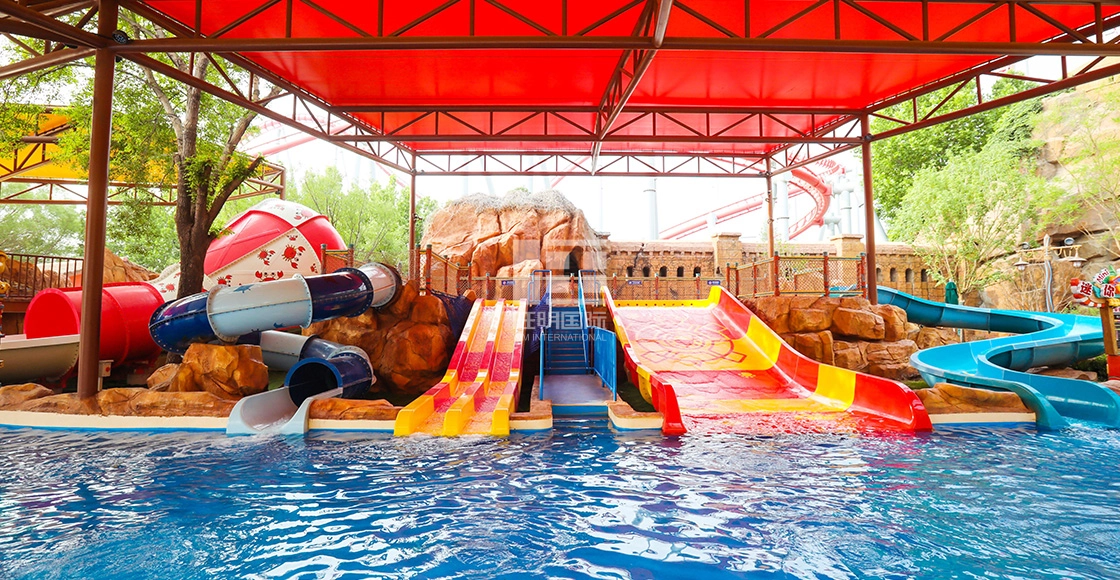
Children Combined Water Slide
Discover endless fun with the Children Combined Water Slide by WM INTERNATIONAL, expertly crafted for thrill-seeking kids. Perfect for summer splashes, this durable slide promises safety and joy. Looking to elevate your play area? Explore our Children's Combined Slide for sale now!
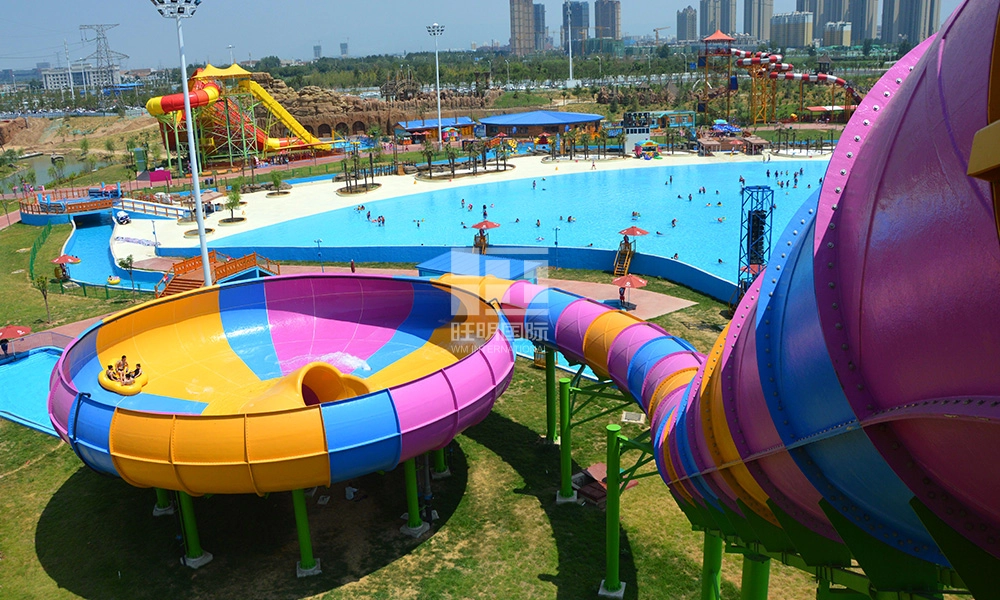
Huge Bowl Water Slide
The Huge Bowl Water Slide has achieved the “World's Best New Water Amusement Equipment” Award; it is the new favorite of the young people and the star project of the water park. The raft carries the tourists slowly entering the closed chute first; then it whirls in the bowl the moment the tourists can see the light. After a short period of time, the raft is suddenly suctioned into a huge black hole until it falls into the water. For a moment, the tourists realize the breathtaking journey has been safely brought to an end.
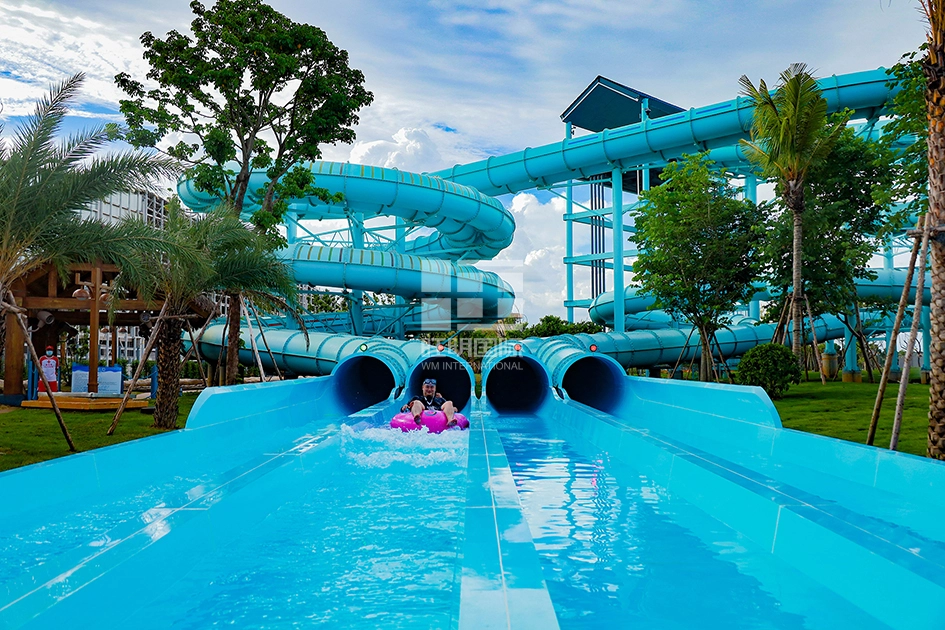
Time Tunnel Water Slide
The biggest feature of the time tunnel slide is that it uses double water slides and double tubes side by side in design and competes along the circular slide path. 8 people can play at the same time, with a large passenger capacity and high return rate, which is very suitable for team and family travel. And the slide is equipped with WangMing International's time tunnel technology, and the interior of the slide presents a beautiful aurora effect, with colorful lights, as if traveling through time and space.
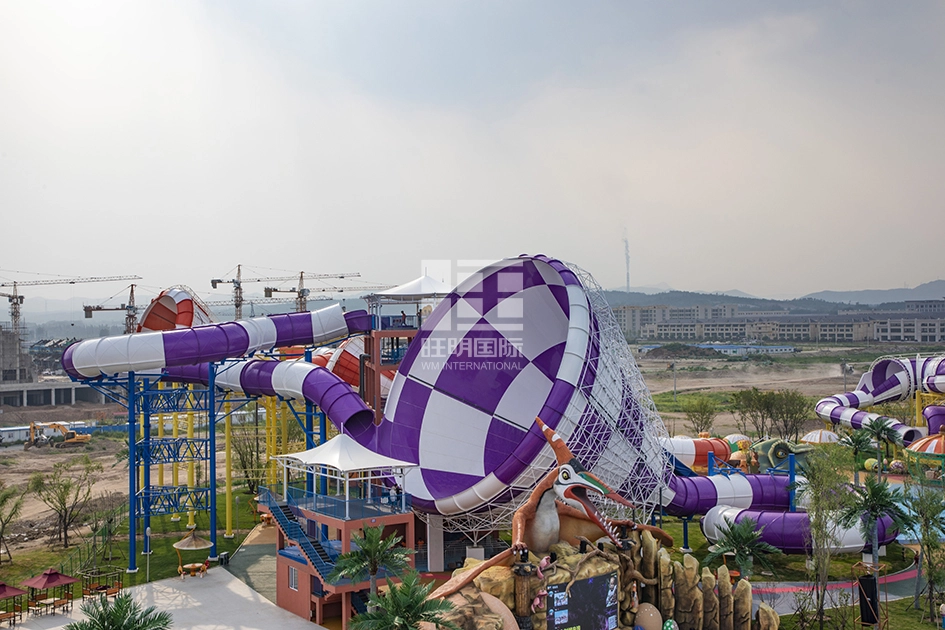
Big Tourbillion Water Slide
The Big Tourbillion water Slide won the "Gold Ticket Award - The Best New Project" of the international tourism industry. With unique modelling, strong irritation and humor, it is deeply loved by the young people; it has always been the popularity star of the water park. The raft carries the tourists as they enter the dark, closed chute slowly from the more than ten-meter-high platform; under the effect of gravity and water flow, it enters the state of rapid falling and then drops into the big Tourbillon; after a few times of whirling, it falls into the water pool. At this moment, the tourists are still in shock.
Get in touch
Have to get customized water park solutions and product quotes.
We will provide you with professional consultation and support.

Relying on leading technology, innovative products and rich industry experience, we tailor personalized solutions for each water park project to ensure a safe and exciting entertainment experience for tourists.
 Scan QR Code
wmwaterslide
wmwaterpark