




Modular and Portable Commercial Water Slides Explained
- Overview of Modular Water Attractions
- What makes a water slide modular?
- Where modular and portable slides fit in park operations
- Key buyer intent: why customers search commercial water slides for sale
- Design, Materials and Safety Standards
- Materials, fabrication and durability
- Safety standards, testing and certification
- Maintenance requirements and lifecycle planning
- Choosing and Buying: Commercial Water Slides for Sale
- Types of modular and portable commercial slides
- Cost drivers and return-on-investment (ROI)
- Installation, site and utility requirements
- Comparisons, Case Studies and WangMing Capabilities
- Modular vs permanent slides — side-by-side comparison
- Portable slides: use-cases and real-world considerations
- Why choose WangMing — capabilities, production and competitive edge
- Procurement Checklist and Practical Next Steps
- Essential documents and questions to request from suppliers
- How I validate vendor claims
- Budgeting a pilot vs full build
- Frequently Asked Questions (FAQ)
- 1. Are modular water slides safe for commercial use?
- 2. How long do modular slides last?
- 3. What is the lead time for commercial water slides for sale?
- 4. Can modular slides be relocated later?
- 5. What are the utility requirements for portable installations?
- 6. How do I compare quotes effectively?
- Contact and Next Steps
As a consultant who has planned, specified and overseen countless water attractions, I know operators look for reliable, cost-effective options that shorten time-to-revenue without compromising safety or guest experience. This article explains modular and portable commercial water slides for sale — how they’re built, certified, installed and maintained — and offers practical guidance to help you choose the right solution for your park, resort, or seasonal event. I reference recognized standards and industry authorities so you can verify the guidance and move confidently from quote to opening day.
Overview of Modular Water Attractions
What makes a water slide modular?
When I say modular, I mean a product family designed as prefabricated components that bolt, gasket or flange together on site rather than being poured or permanently cast in place. Modular water slides typically use sections of molded fiberglass or rotomolded plastic, engineered connection systems, and standardized support towers or mobile frames. Because components are pre-manufactured, modular slides reduce onsite construction time, simplify logistics and allow reconfiguration or relocation.
Where modular and portable slides fit in park operations
Modular and portable slides suit a range of commercial scenarios: seasonal parks that dismantle rides for winter, resorts running temporary attractions for high season, municipalities hosting summer festivals, or operators testing new concepts before committing to permanent infrastructure. I routinely recommend modular slides for pilot attractions and additions where capital is limited but market demand is demonstrable.
Key buyer intent: why customers search commercial water slides for sale
When purchasers search for commercial water slides for sale, they typically want pricing, lead times, installation requirements, safety certifications, and lifecycle cost comparisons. They may also search for suppliers who provide design support, installation, and after-sales maintenance — all of which factor into a procurement decision. I’ll address each of these items so you can make an evidence-based choice.
Design, Materials and Safety Standards
Materials, fabrication and durability
Commercial-grade modular slides are most often made from hand-laid fiberglass reinforced polyester (FRP), gelcoated for UV and abrasion resistance, or from thermoplastic rotomolded components for smaller attractions. Fiberglass offers superior structural stiffness for larger diameter flumes and high-speed rides; thermoplastics reduce weight and cost for smaller, portable features. I always request material datasheets, including tensile strength, UV resistance, and gelcoat thickness, before purchase.
Safety standards, testing and certification
Safety is non-negotiable. In commercial projects I follow industry guidance: the World Waterpark Association (WWA) provides operational best practices and education for park operators (waterparks.org). For technical references, the general engineering principles for slides are described on the water slide overview page on Wikipedia (Wikipedia: Water slide). For water quality and recreational water safety, I consult the World Health Organization’s guidelines (WHO: Guidelines for safe recreational water environments).
Ask vendors for load testing reports, finite-element analysis (FEA) summaries, and evidence of factory quality control (e.g., ISO 9001 certification). If a supplier cannot provide independent third-party testing or a history of installations, I treat that as a red flag.
Maintenance requirements and lifecycle planning
Design choices affect maintenance. Modular slides with removable access panels simplify inspection of joints and piping. Gelcoat thickness and UV-stable resins extend the cosmetic and structural life. When evaluating commercial water slides for sale, I quantify expected annual maintenance (resurfacing, gasket replacement, structural inspections) and include these costs in a five- to ten-year total cost of ownership (TCO) analysis.
Choosing and Buying: Commercial Water Slides for Sale
Types of modular and portable commercial slides
Common commercial modular slide types include:
- Multi-lane racer modules — stacked, modular lanes allowing high throughput.
- Open flume straight or curved modules — good for portable setups and smaller footprints.
- Enclosed tube segments for family and thrill slides — sectional tubes that bolt together.
- Portable tower-and-slide systems — slides mounted on temporary steel frame towers with ballast or anchoring systems.
Each type has trade-offs between throughput, footprint, transportability and initial cost.
Cost drivers and return-on-investment (ROI)
Major cost drivers for commercial water slides for sale include materials (FRP vs thermoplastic), complexity (enclosed vs open, number of lanes), tower and support systems, water delivery & filtration needs, shipping volume and local installation labor. I recommend calculating ROI using conservative attendance uplift estimates, ticket revenue or per-ride pricing, and including operating costs such as lifeguarding and maintenance.
Installation, site and utility requirements
Modular slides reduce onsite civil work but still require proper foundations, drainage, and plumbing connections. Portable units often need temporary water recirculation systems and can use modular filtration systems for short-term events. Before purchase, obtain a site survey and utility plan; I always request a vendor-supplied installation scope that lists foundation loads, anchor types, and required utilities.
Comparisons, Case Studies and WangMing Capabilities
Modular vs permanent slides — side-by-side comparison
Below is a practical comparison I use with clients to decide which approach fits their objectives.
| Attribute | Modular / Portable Slides | Permanent / Cast-in-place Slides |
|---|---|---|
| Lead time | Weeks to a few months (prefab) | Months to >1 year (site work, curing) |
| Initial cost | Typically lower capex; variable by complexity | Higher capex due to civil works and custom shaping |
| Flexibility | High — relocate or reconfigure | Low — permanently fixed |
| Durability | High if high-quality FRP and proper maintenance | Very high; integrated into structural works |
| Regulatory inspection | Requires certification and routine inspections | Requires same; may be more complex to validate during construction |
Sources: Industry practice and manufacturer datasheets; general water slide overview: Wikipedia; industry guidance: World Waterpark Association.
Portable slides: use-cases and real-world considerations
I’ve deployed portable slides for seasonal parks and temporary events. The key operational points I stress to clients are transport logistics (containerized packing reduces shipping costs), foundation-less anchoring methods for non-permanent installations, and modular filtration for water quality control. Always run a logistics test: full-size mock-up of stacked pieces in the delivery configuration to confirm truck and crane access.
Why choose WangMing — capabilities, production and competitive edge
With 19 years of industry experience, WangMing Waterslide provides a full range of water park planning and design services. From water park planning and design to manufacturing, installation and maintenance, we provide comprehensive service solutions to transform your park vision into vibrant realities. Whether it’s the design and development of new parks or maintaining existing ones, our decades of combined experience as park operators, designers, suppliers, and guests can give you the edge that you need to create world-class amusement, theme, and water park attractions.
WangMing owns a 100000 m² modern production base, which is the largest in the industry. We mainly produce various water slides for water parks. Each project is a reflection of our professional capabilities, showing how we can provide tailor-made solutions based on different customer needs and site characteristics.
Our competitive strengths include integrated design-to-installation services, a large in-house production facility that reduces lead times, and experience across markets (new parks, refurbishments and seasonal operations). We can supply a full proposal package — drawings, structural calculations, installation plan and maintenance schedule — which is critical when evaluating commercial water slides for sale.
Learn more on our site: https://www.wmwaterslide.com or contact our sales team: trading@wmwaterslide.com.
Procurement Checklist and Practical Next Steps
Essential documents and questions to request from suppliers
- Technical drawings (plan, elevation, section) and foundation load data.
- Material datasheets, gelcoat specs and UV resistance reports.
- Independent testing and FEA results for critical components.
- Installation scope, timeline and qualified crew list.
- Warranty terms, expected maintenance schedule and spare parts pricing.
How I validate vendor claims
I verify references by visiting an in-service installation when possible, request manufacturing photos that show quality control (mold tooling, lay-up process, curing yards), and confirm certifications. I also check whether the supplier routinely works with third-party inspectors or local authorities for commissioning.
Budgeting a pilot vs full build
For operators unsure about long-term demand, I recommend a pilot modular installation. Pilots require lower upfront capital and provide revenue data to justify a permanent build. Use pilot performance metrics (throughput, average queue time, guest satisfaction) to model payback for a larger, permanent investment.
Frequently Asked Questions (FAQ)
1. Are modular water slides safe for commercial use?
Yes — when they are engineered for commercial duty, manufactured under quality controls, and installed per the supplier’s installation manual and local regulations. Ensure the supplier provides testing documentation and that you schedule routine inspections per industry guidance (e.g., WWA best practices: waterparks.org).
2. How long do modular slides last?
With commercial-grade materials and regular maintenance, modular FRP slides can last 15–25 years or more. Lifespan depends on UV exposure, chemical maintenance, and mechanical wear. I always budget for periodic gelcoat touch-ups and component replacement (gaskets, fasteners) in a TCO model.
3. What is the lead time for commercial water slides for sale?
Lead times vary by complexity and production capacity. Typical modular slide lead times range from 8–16 weeks; complex themed or enclosed slides may take longer. WangMing’s large production base allows competitive lead times; contact trading@wmwaterslide.com for project-specific schedules.
4. Can modular slides be relocated later?
Yes — portability is a core advantage. Modular slides with bolted connections and designed towers are relocatable, provided you plan anchoring, transport logistics and re-certification for the new site.
5. What are the utility requirements for portable installations?
Portable setups generally need a water fill source, a recirculation pump, filtration and chemical dosing (or an enclosed temporary filtration system), and power for pumps. The supplier should provide a utilities plan listing flow rates, pump head requirements and electrical load.
6. How do I compare quotes effectively?
Compare on a like-for-like basis: material specifications, inclusive scope (installation, commissioning, spare parts), warranty, and any performance guarantees. I recommend a simple scorecard that weights safety documentation, lead time, TCO, and vendor experience.
Contact and Next Steps
If you’re evaluating commercial water slides for sale and want a practical proposal, I invite you to contact WangMing Waterslide. With 19 years of industry experience and a 100000 m² production base, we provide end-to-end services from water park design through manufacturing, installation and maintenance. Visit our website: https://www.wmwaterslide.com or email sales at trading@wmwaterslide.com to request drawings, lead times and a tailored quotation. Let’s turn your park vision into a vibrant reality.
References and further reading: World Waterpark Association (waterparks.org), Wikipedia — Water slide (en.wikipedia.org/wiki/Water_slide), WHO Guidelines for Safe Recreational Water Environments (who.int), ISO 9001 Quality Management (iso.org).
Recommended
Permits, Inspections, and Compliance for Water Slides
Kids Boomerang Water Slide: Safe, Compact & Thrilling Family Attraction
How to start the kid water park business ?
The 10 Key Factors in water amusement park equipment That Affect Cost
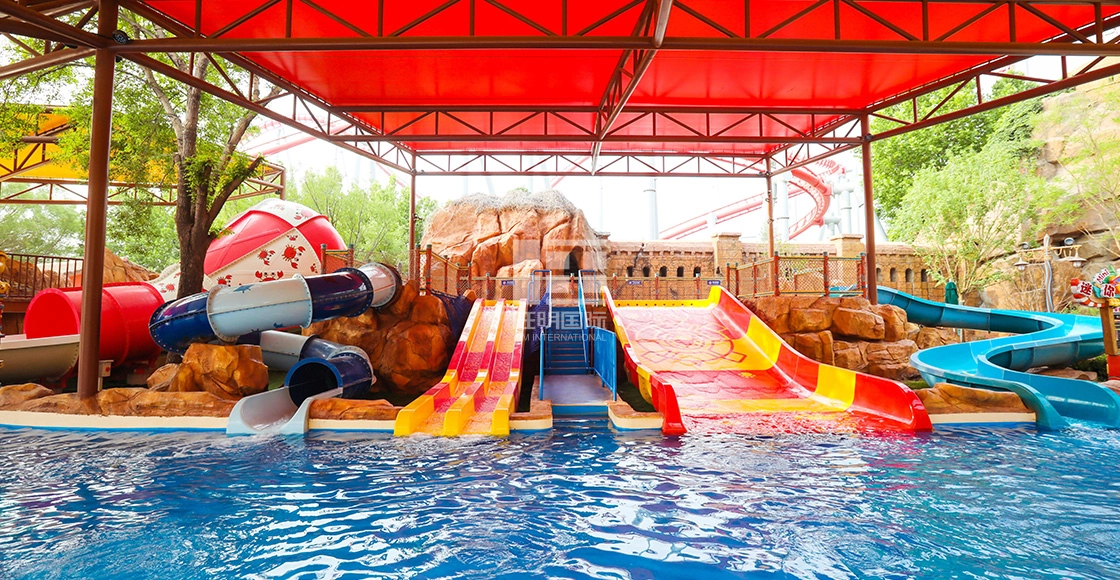
Children Combined Water Slide
Discover endless fun with the Children Combined Water Slide by WM INTERNATIONAL, expertly crafted for thrill-seeking kids. Perfect for summer splashes, this durable slide promises safety and joy. Looking to elevate your play area? Explore our Children's Combined Slide for sale now!
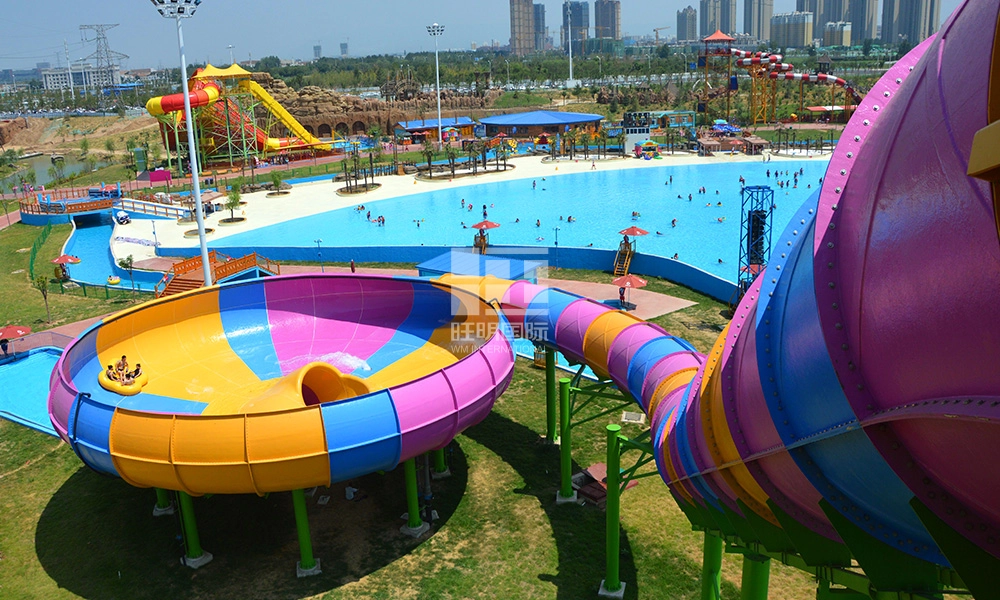
Huge Bowl Water Slide
The Huge Bowl Water Slide has achieved the “World's Best New Water Amusement Equipment” Award; it is the new favorite of the young people and the star project of the water park. The raft carries the tourists slowly entering the closed chute first; then it whirls in the bowl the moment the tourists can see the light. After a short period of time, the raft is suddenly suctioned into a huge black hole until it falls into the water. For a moment, the tourists realize the breathtaking journey has been safely brought to an end.
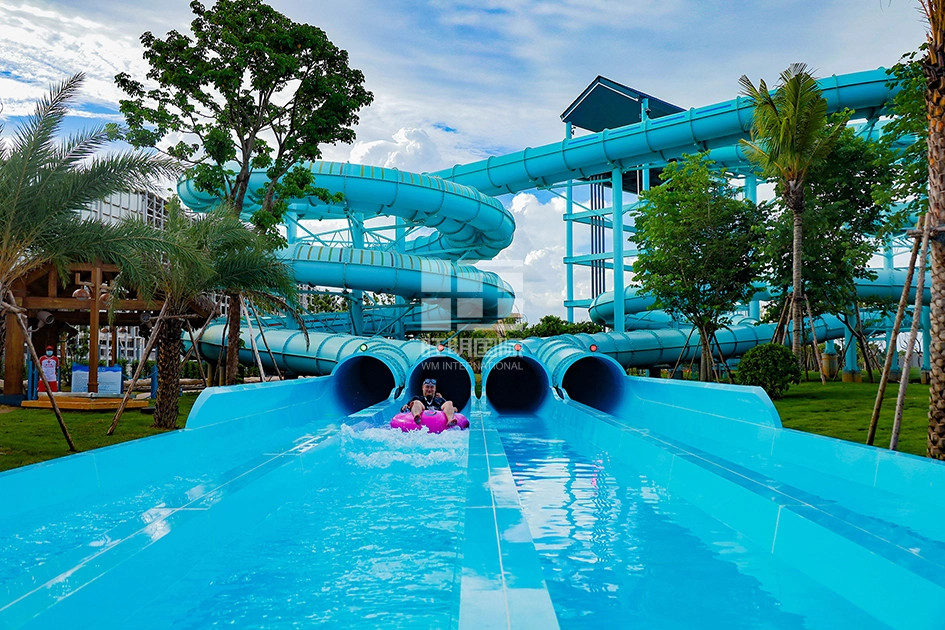
Time Tunnel Water Slide
The biggest feature of the time tunnel slide is that it uses double water slides and double tubes side by side in design and competes along the circular slide path. 8 people can play at the same time, with a large passenger capacity and high return rate, which is very suitable for team and family travel. And the slide is equipped with WangMing International's time tunnel technology, and the interior of the slide presents a beautiful aurora effect, with colorful lights, as if traveling through time and space.
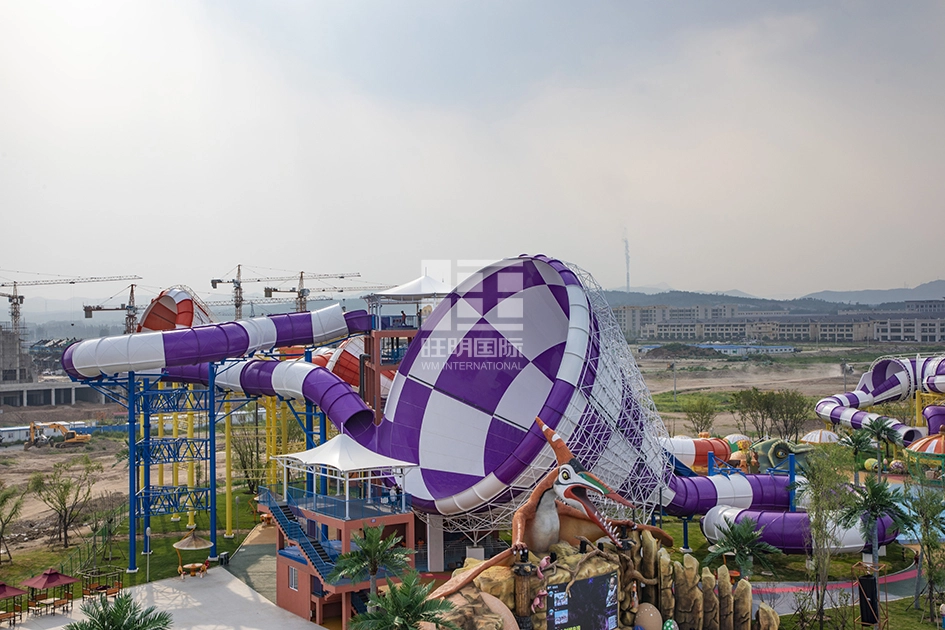
Big Tourbillion Water Slide
The Big Tourbillion water Slide won the "Gold Ticket Award - The Best New Project" of the international tourism industry. With unique modelling, strong irritation and humor, it is deeply loved by the young people; it has always been the popularity star of the water park. The raft carries the tourists as they enter the dark, closed chute slowly from the more than ten-meter-high platform; under the effect of gravity and water flow, it enters the state of rapid falling and then drops into the big Tourbillon; after a few times of whirling, it falls into the water pool. At this moment, the tourists are still in shock.
Get in touch
Have to get customized water park solutions and product quotes.
We will provide you with professional consultation and support.

Relying on leading technology, innovative products and rich industry experience, we tailor personalized solutions for each water park project to ensure a safe and exciting entertainment experience for tourists.
 Scan QR Code
wmwaterslide
wmwaterpark