


Permits, Inspections, and Compliance for Water Slides
- Understanding the Regulatory Framework for Commercial Water Slides
- National, state/provincial and local permits
- Industry standards and codes that matter
- International and cross-border considerations
- Inspections Across the Lifecycle: Design to Operation
- Design review and risk assessment
- Fabrication quality control and factory testing
- On-site inspection, commissioning, and structural verification
- Operational Compliance: Maintenance, Water Quality, and Staffing
- Documented maintenance and inspection programs
- Water quality and public-health compliance
- Staff training, lifeguarding, and emergency procedures
- Practical Checklist, Pitfalls, and Brand Advantages for Water Roller Coaster Installations
- Compliance checklist for Water Roller Coaster Water Slide
- Common pitfalls and how to avoid them
- Brand advantages when selecting a partner
- Regulatory References and Trusted Resources
- Frequently Asked Questions (FAQ)
- Q: What permits are required to install a commercial water slide?
- Q: How often should commercial water slides be inspected?
- Q: Does the Water Roller Coaster Water Slide come with compliance documentation?
- Q: What water quality standards should I follow for a high-throughput slide?
- Q: Can I use the same design across different countries?

This article covers the regulatory, inspection, and compliance steps required to plan, install, and operate commercial water slides safely and lawfully. It focuses on practical requirements for owners, operators, and project teams, with specific guidance for complex attractions such as the Water Roller Coaster Water Slide. The content references industry guidance and public-health resources to help with permit strategy, inspection workflows, documentation, and ongoing compliance needed to achieve robust safety and long-term operational performance.
Understanding the Regulatory Framework for Commercial Water Slides
National, state/provincial and local permits
Commercial water slides intersect multiple permitting authorities. Typical permits include building permits (structural and foundations), electrical, plumbing (recirculation and filtration systems), mechanical, and sometimes environmental or stormwater permits. Local building departments enforce codes such as the International Building Code (IBC) and local amendments. Always initiate a permit pre-application meeting with the local authority having jurisdiction (AHJ) early in the design phase to identify required approvals and timeline constraints.
Industry standards and codes that matter
Design and inspection expectations for commercial water slides are informed by industry standards and best practices. Key organizations include the International Association of Amusement Parks and Attractions (IAAPA) (iaapa.org) and the World Waterpark Association (WWA) (waterparks.org). Engineering and testing guidance often references ASTM committee work on amusement rides and devices (ASTM F24), and jurisdictions may adopt parts of American Society of Mechanical Engineers (ASME) or other standards. For public health and water-quality protocols, the U.S. Centers for Disease Control and Prevention (CDC) provides widely accepted guidance (cdc.gov/healthywater).
International and cross-border considerations
When exporting or installing commercial water slides internationally, check national standards and customs documentation. Some countries require local structural stamps, electrical approvals, or import certifications. A project’s compliance package should be tailored to the installation location; a single global design may require supplementary local testing or third-party certification to gain final approval.
Inspections Across the Lifecycle: Design to Operation
Design review and risk assessment
Begin compliance with an in-depth design review and hazard analysis. For attractions such as the Water Roller Coaster Water Slide, submit engineered drawings, structural calculations, and hydraulic analysis to the AHJ and an independent third-party reviewer where required. Use a Failure Modes and Effects Analysis (FMEA) or similar risk assessment to document identified hazards, mitigations, and residual risk. This documentation is essential for permit approvals and later inspections.
Fabrication quality control and factory testing
Commercial water slides require robust factory acceptance testing (FAT). Key inspections during fabrication include material verification (marine-grade stainless, UV-stable composites), weld quality, gelcoat thickness, joint fit tolerances, and the operation of mechanical systems (lift conveyors, pumps). Keep traceable records (material certificates, nondestructive testing results) to present to inspectors and future auditors.
On-site inspection, commissioning, and structural verification
On-site inspections verify foundations, anchor installation, structural connections, proper slope and alignment, and safe clearances. Commissioning must include hydraulic balancing to achieve design flow and velocity, raft or rider trials, erosion and splashdown checks, and emergency-stop/evacuation drills. The AHJ may require witnessed load tests or third-party structural stamps before issuing a final occupancy permit.
Operational Compliance: Maintenance, Water Quality, and Staffing
Documented maintenance and inspection programs
After commissioning, maintain a written maintenance and inspection program that documents daily, weekly, monthly, and annual tasks. Daily checks often include deck and platform inspections, railings, fasteners, water piping connections, pump-room alarms, and visible surface condition. Annual inspections should be more in-depth, potentially requiring partial disassembly or non-destructive testing of key components. Maintain logs digitally to create searchable audit trails for regulators and insurers.
Water quality and public-health compliance
Water chemistry and filtration are central to safe commercial water slides. Follow CDC guidance on recreational water systems for disinfectant residuals, pH control, and monitoring frequency (cdc.gov/healthywater). Many jurisdictions require certified pool operators to log hourly water chemistry and immediate corrective actions when parameters fall outside limits. For high-throughput attractions such as the Water Roller Coaster Water Slide, ensure turnover rates, filtration capacity, and disinfection systems match operational demand and design assumptions.
Staff training, lifeguarding, and emergency procedures
Operational compliance includes staffing to meet local lifeguard-to-swimmer ratios, ongoing rescue training, and documented emergency action plans (EAPs). Regular drills (entrapped raft rescue, power loss protocols, rider injury response) should be logged. Training records are frequently requested during inspections or incident investigations.
Practical Checklist, Pitfalls, and Brand Advantages for Water Roller Coaster Installations
Compliance checklist for Water Roller Coaster Water Slide
Below is a condensed checklist covering common permit and inspection milestones for installing and operating a Water Roller Coaster Water Slide. Use it as a starting point and adapt to local AHJ requirements.
| Phase | Typical Permits/Docs | Typical Inspections/Test |
|---|---|---|
| Design | Site plan, engineered drawings, structural calcs, hydraulic analysis | Third-party design review, FMEA/Risk assessment |
| Fabrication | Material certificates, manufacturing drawings, FAT plan | Factory acceptance testing, weld & material inspections |
| Installation | Building, electrical, plumbing permits; import paperwork | Foundation & anchor inspection, alignment checks, commissioning trials |
| Operation | Occupancy/operational permits, water operator certification | Daily/periodic inspections, water quality logs, annual structural review |
Common pitfalls and how to avoid them
1) Late AHJ engagement: Start permit conversations early to avoid redesigns. 2) Insufficient documentation: Provide clear, traceable manufacturing records and third-party test results. 3) Underpowered filtration/pumps: Validate hydraulic models against expected throughput and re-check during commissioning. 4) Inadequate operator training: Invest in certified training and routine drills. Proactive planning avoids costly delays and safety gaps.
Brand advantages when selecting a partner
Choosing a manufacturer and supplier that supports the entire compliance lifecycle reduces risk. Key advantages to evaluate include:
- Turnkey compliance support: engineering packages, permit-ready drawings, and assistance with AHJ submissions.
- Factory quality systems: ISO-like traceability, FAT procedures, and accredited testing.
- Global installation teams with local code experience to streamline cross-border projects.
- Post-installation support: scheduled maintenance programs, spare-parts availability, and operator training.
For example, the Water Roller Coaster Water Slide is supplied with engineered documentation, factory testing records, and an optional on-site commissioning team to support permit sign-offs and early operations. The product's design balances high excitement with proven hydraulic and structural characteristics to simplify risk assessments and inspections.
Regulatory References and Trusted Resources
For additional authoritative guidance, consult the following resources:
- Water slide overview and general industry context: Wikipedia - Water slide.
- World Waterpark Association, resources for operators: waterparks.org.
- IAAPA guidance on safety best practices: iaapa.org.
- CDC guidance on recreational water, pathogens, and disinfection: cdc.gov/healthywater.
- ASTM committee for amusement rides and devices (standards and practices): ASTM F24.
Frequently Asked Questions (FAQ)
Q: What permits are required to install a commercial water slide?
A: Permits commonly include building, electrical, plumbing/mechanical, and sometimes environmental or stormwater. Requirements vary by jurisdiction — always consult the local AHJ early and prepare engineered drawings and calculations to streamline approvals.
Q: How often should commercial water slides be inspected?
A: Routine daily inspections are standard for visible wear, fasteners, and water chemistry. More in-depth inspections (monthly/annual) should evaluate structural connections, non-destructive testing where appropriate, and a full systems check of pumps and filtration. Many operators implement an annual third-party inspection for insurance and compliance.
Q: Does the Water Roller Coaster Water Slide come with compliance documentation?
A: Yes. The Water Roller Coaster Water Slide is supplied with an engineering package, material certificates, FAT reports, and recommended maintenance schedules. Our installation team also supports AHJ meetings and commissioning as needed.
Q: What water quality standards should I follow for a high-throughput slide?
A: Follow local public-health regulations and recognized guidance such as the CDC’s recommendations for recreational water. For high-throughput attractions, design filtration and disinfection with margin for peak loads and monitor disinfectant residuals and pH frequently.
Q: Can I use the same design across different countries?
A: The core design can often be standardized, but local approvals may require adaptations — for example, structural stamps, electrical ratings, or additional safety barriers. Work with manufacturers experienced in cross-border installations to avoid compliance delays.
If you have more questions or need tailored compliance support for your park or project, contact our sales and technical team: sales@example.com. To view the Water Roller Coaster Water Slide product page and downloadable compliance package, visit /products/water-roller-coaster-water-slide.
Navigating the complex world of permits and safety inspections prepares you for a smooth installation process. To revisit the core principles of selecting the right slide types for your specific demographics, refer back to our foundational guide on How to Choose Commercial Water Slides for Your Park.
Recommended
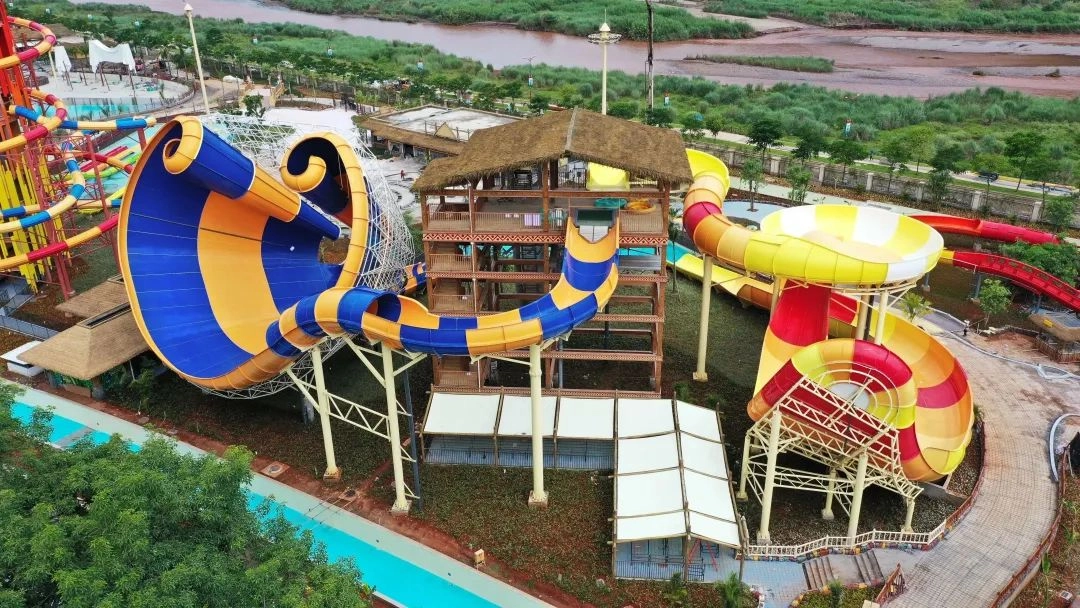
ROI Analysis: Adding Abyss & Flying Carpet to Your Park
Custom Branding and Themes for Commercial Water Slides
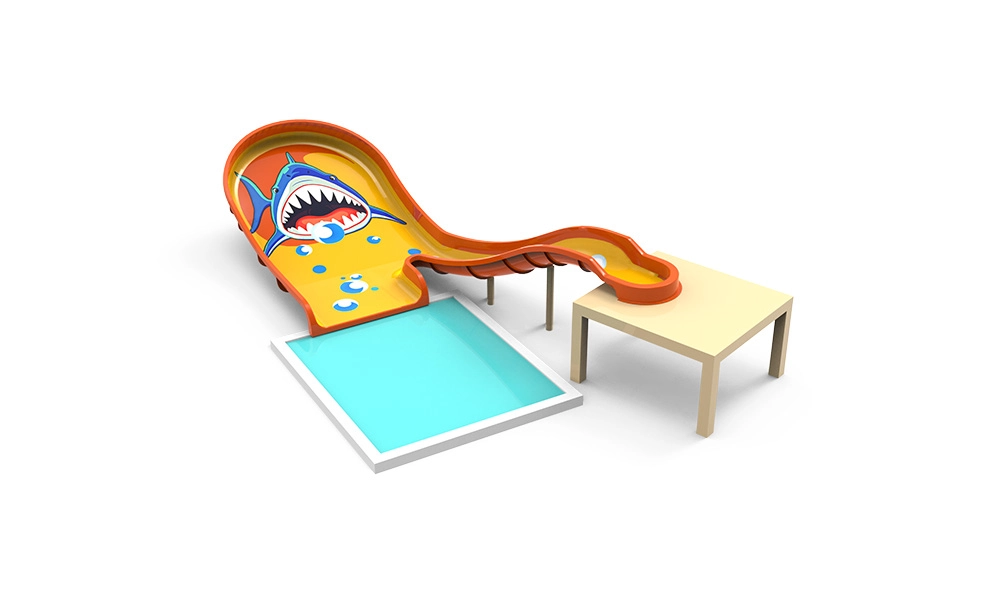
Kids Boomerang Water Slide: Safe, Compact & Thrilling Family Attraction
Shipping and logistics for water slides for sale
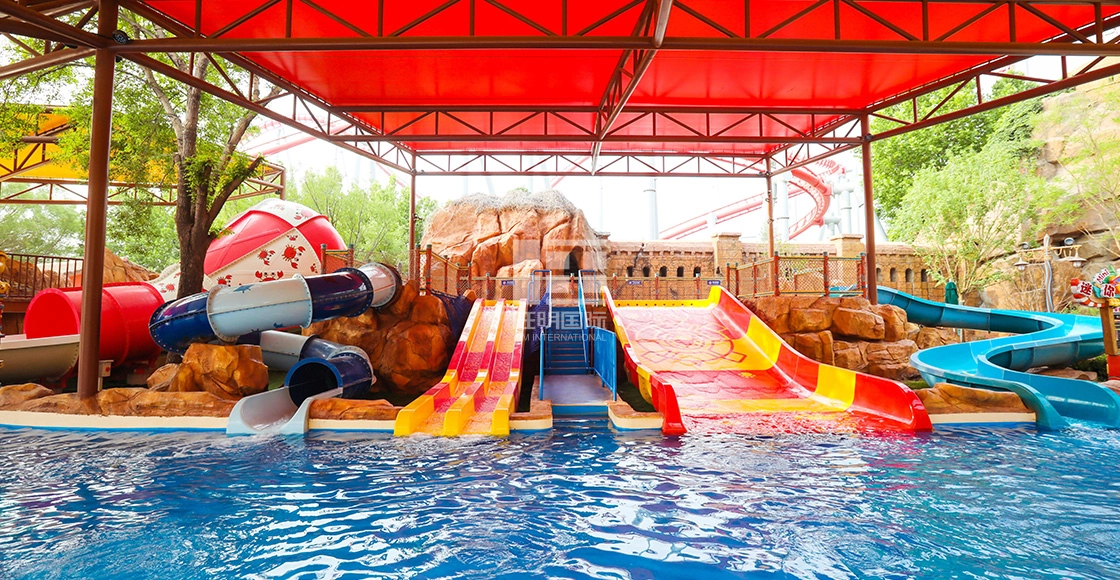
Children Combined Water Slide
Discover endless fun with the Children Combined Water Slide by WM INTERNATIONAL, expertly crafted for thrill-seeking kids. Perfect for summer splashes, this durable slide promises safety and joy. Looking to elevate your play area? Explore our Children's Combined Slide for sale now!
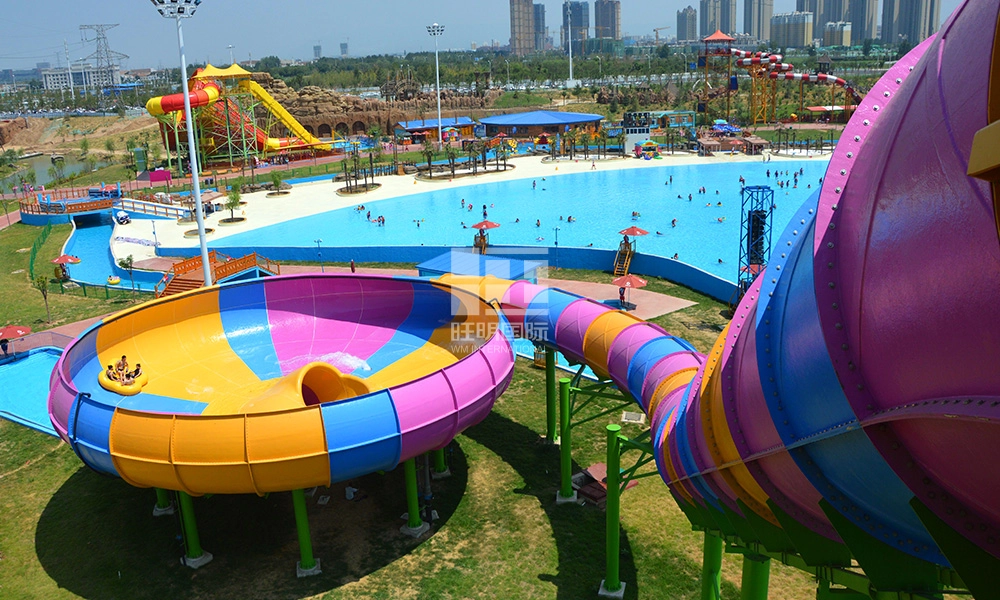
Huge Bowl Water Slide
The Huge Bowl Water Slide has achieved the “World's Best New Water Amusement Equipment” Award; it is the new favorite of the young people and the star project of the water park. The raft carries the tourists slowly entering the closed chute first; then it whirls in the bowl the moment the tourists can see the light. After a short period of time, the raft is suddenly suctioned into a huge black hole until it falls into the water. For a moment, the tourists realize the breathtaking journey has been safely brought to an end.
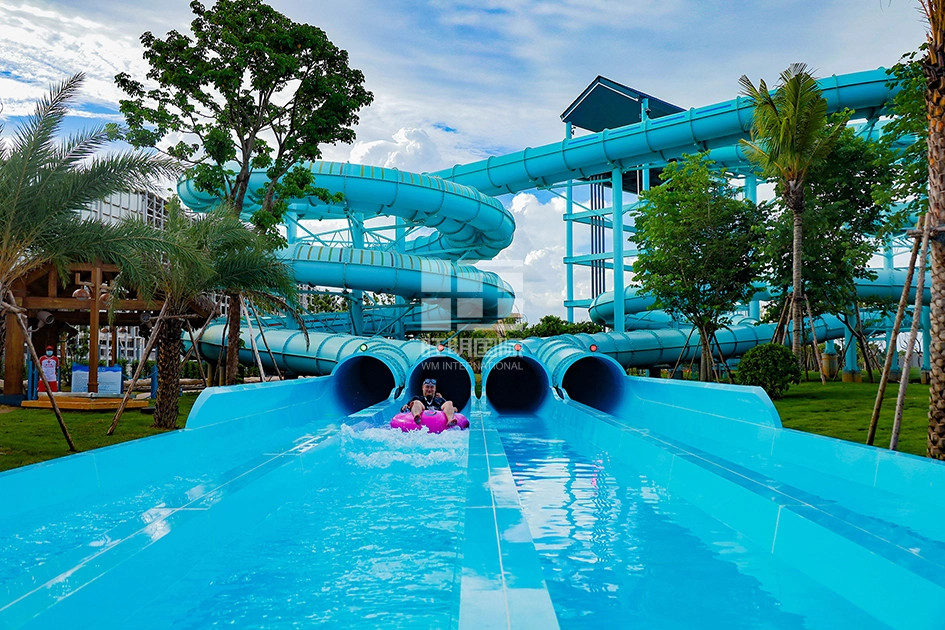
Time Tunnel Water Slide
The biggest feature of the time tunnel slide is that it uses double water slides and double tubes side by side in design and competes along the circular slide path. 8 people can play at the same time, with a large passenger capacity and high return rate, which is very suitable for team and family travel. And the slide is equipped with WangMing International's time tunnel technology, and the interior of the slide presents a beautiful aurora effect, with colorful lights, as if traveling through time and space.
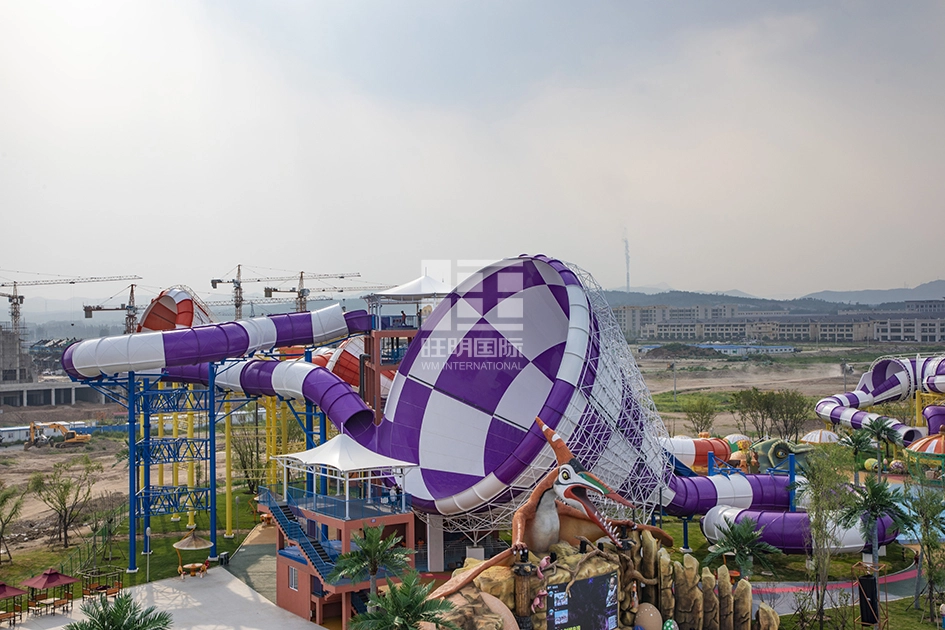
Big Tourbillion Water Slide
The Big Tourbillion water Slide won the "Gold Ticket Award - The Best New Project" of the international tourism industry. With unique modelling, strong irritation and humor, it is deeply loved by the young people; it has always been the popularity star of the water park. The raft carries the tourists as they enter the dark, closed chute slowly from the more than ten-meter-high platform; under the effect of gravity and water flow, it enters the state of rapid falling and then drops into the big Tourbillon; after a few times of whirling, it falls into the water pool. At this moment, the tourists are still in shock.
Get in touch
Have to get customized water park solutions and product quotes.
We will provide you with professional consultation and support.

Relying on leading technology, innovative products and rich industry experience, we tailor personalized solutions for each water park project to ensure a safe and exciting entertainment experience for tourists.
 Scan QR Code
wmwaterslide
wmwaterpark