


How to Design and Build a Water Theme Park
Designing a water theme park requires integrating storytelling, technological innovation, ecological sustainability, and user experience optimization to create differentiated immersive experiences. Based on industry best practices and user needs, below is a systematic design framework and key implementation strategies:
Designing a water theme park requires integrating storytelling, technological innovation, ecological sustainability, and user experience optimization to create differentiated immersive experiences. Based on industry best practices and user needs, below is a systematic design framework and key implementation strategies:
I. Thematic Planning & Storyline Development: Deep Integration of Thematic IP
Cultural Fusion:
Extract core symbols from local culture or classic IPs (e.g., Mayan civilization, ocean legends) and unify visual elements through architectural forms, ride designs, and landscape decor.
Example: Riviera Maya Resort used jungle ecology as its blueprint, designing slides as vine-entwined ruins to blend nature with man-made structures.
Narrative Flow:
Link water attractions into a continuous storyline. Use "flight devices + interactive wands" to recreate scenes like Quidditch matches. Design 3–5 key plot nodes enhanced by synchronized sound/light effects for immersion.
II. Logical Zoning Strategy
Water park equipment Segmentation:
Design distinct zones:
Children’s Splash Zone (water depth ≤0.3m)
Family Interactive Zone (lazy river + water fortress)
Thrill Challenge Zone (slides with drops >15m)
Themed decor should align with each age group’s psychology.
Experience Pacing:
Alternate "high-intensity" and "relaxation" areas (e.g., place high-speed slides adjacent to lazy rivers) to moderate adrenaline levels and extend dwell time.
III. Safety & Sustainable Design
Safety Systems:
Structural Safety: Limit slide acceleration to ≤4g (vertical) and ≤1.5g (lateral) to prevent spinal injury. Include emergency braking zones (slope ≤15°) at critical points.
Water Quality: Implement ozone + UV dual-disinfection systems. Monitor residual chlorine (0.3–0.5mg/L) and pH (7.2–7.8) in real-time, displaying data on screens to build trust.
Eco-Friendly Technology:
Water Conservation: Use smart spray technology to reduce consumption by 30%. Modular water circulation systems enable zone-specific control.
IV. Immersive Experience Enhancement
Multi-Sensory Synergy:
Lighting Tech: Projects like "Light + River Rafting" use kaleidoscopic dynamic projections to create day-to-night fantasy landscapes along riverbanks.
Tactile Feedback: Embed pneumatic seats in dark rides that vibrate in sync with storylines (latency ≤50ms) for heightened realism.
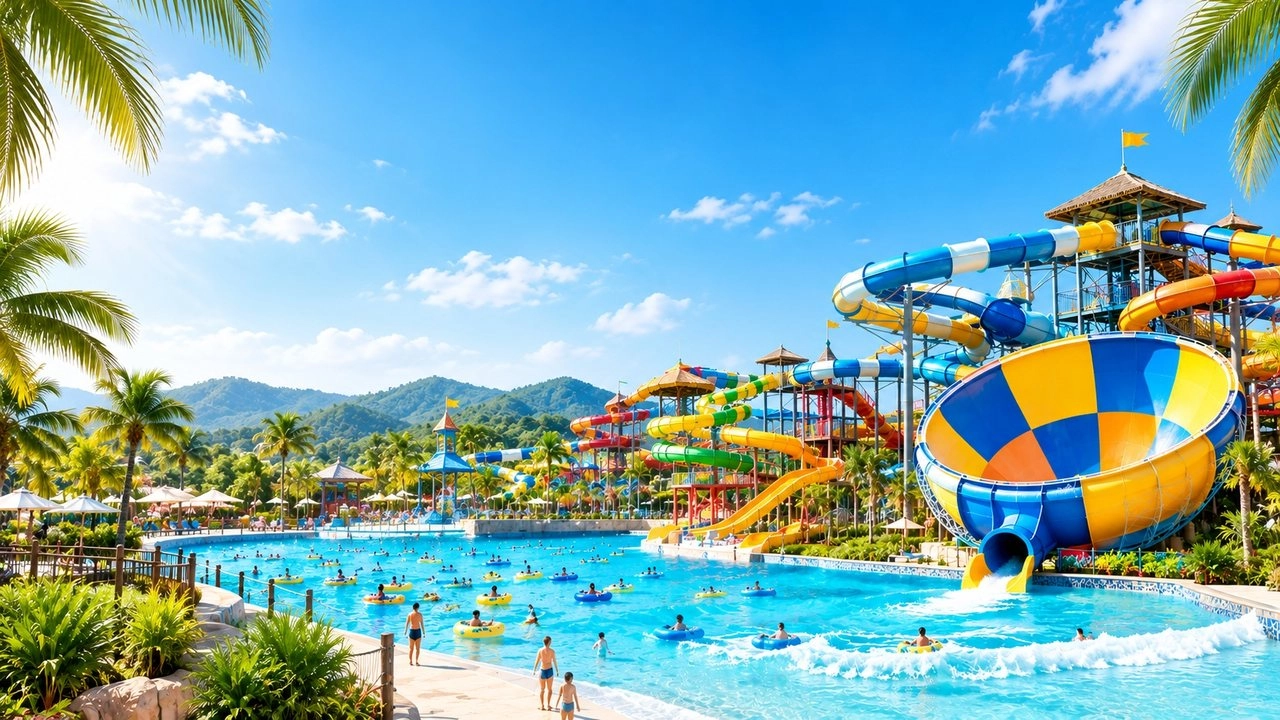
Water Project Cost and ROI: Key Budget Factors Before Choosing a Project Solution
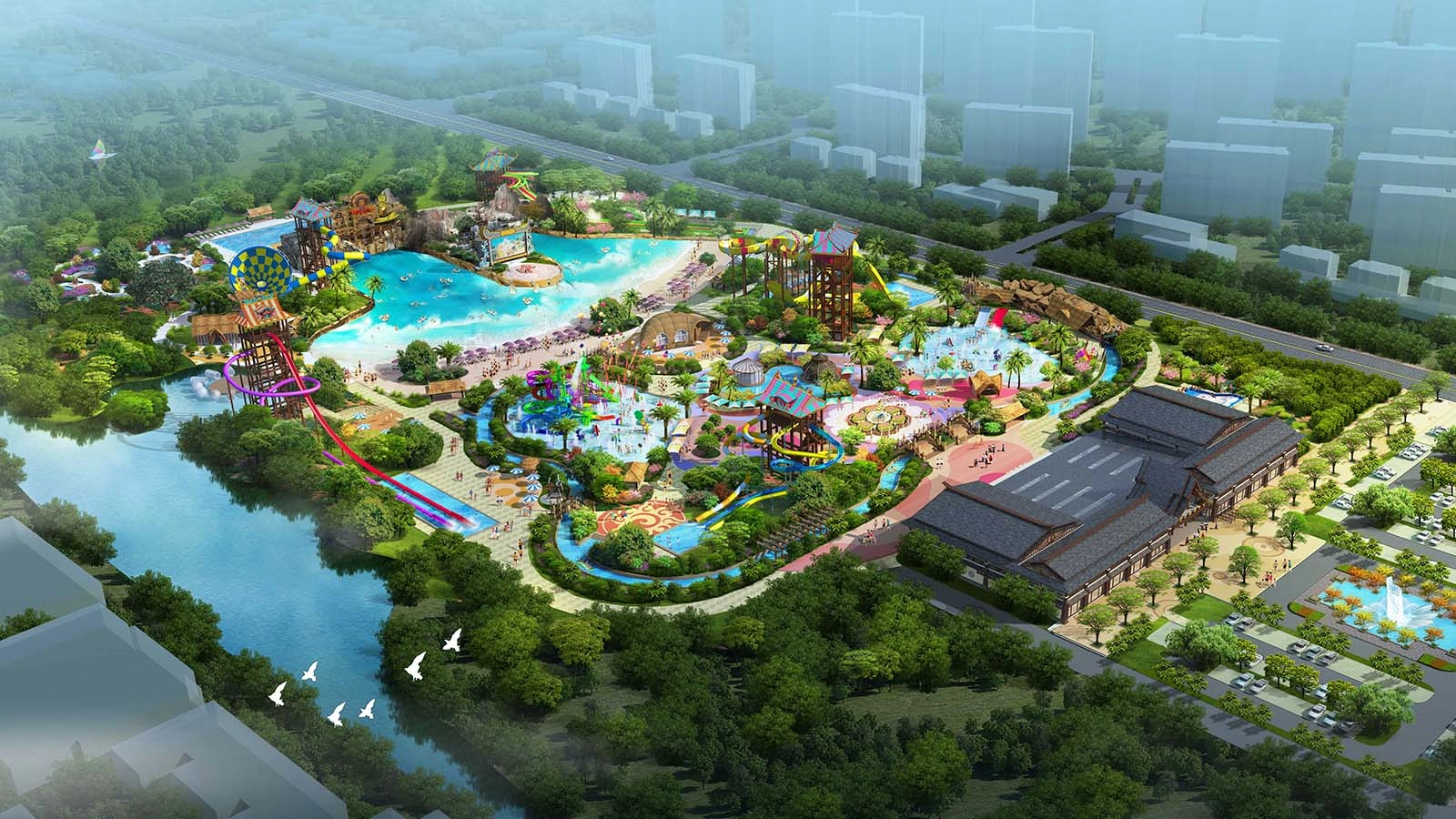
Water Projects: The Complete Guide to Developing Water Projects for Different Venues with WM INTERNATIONAL
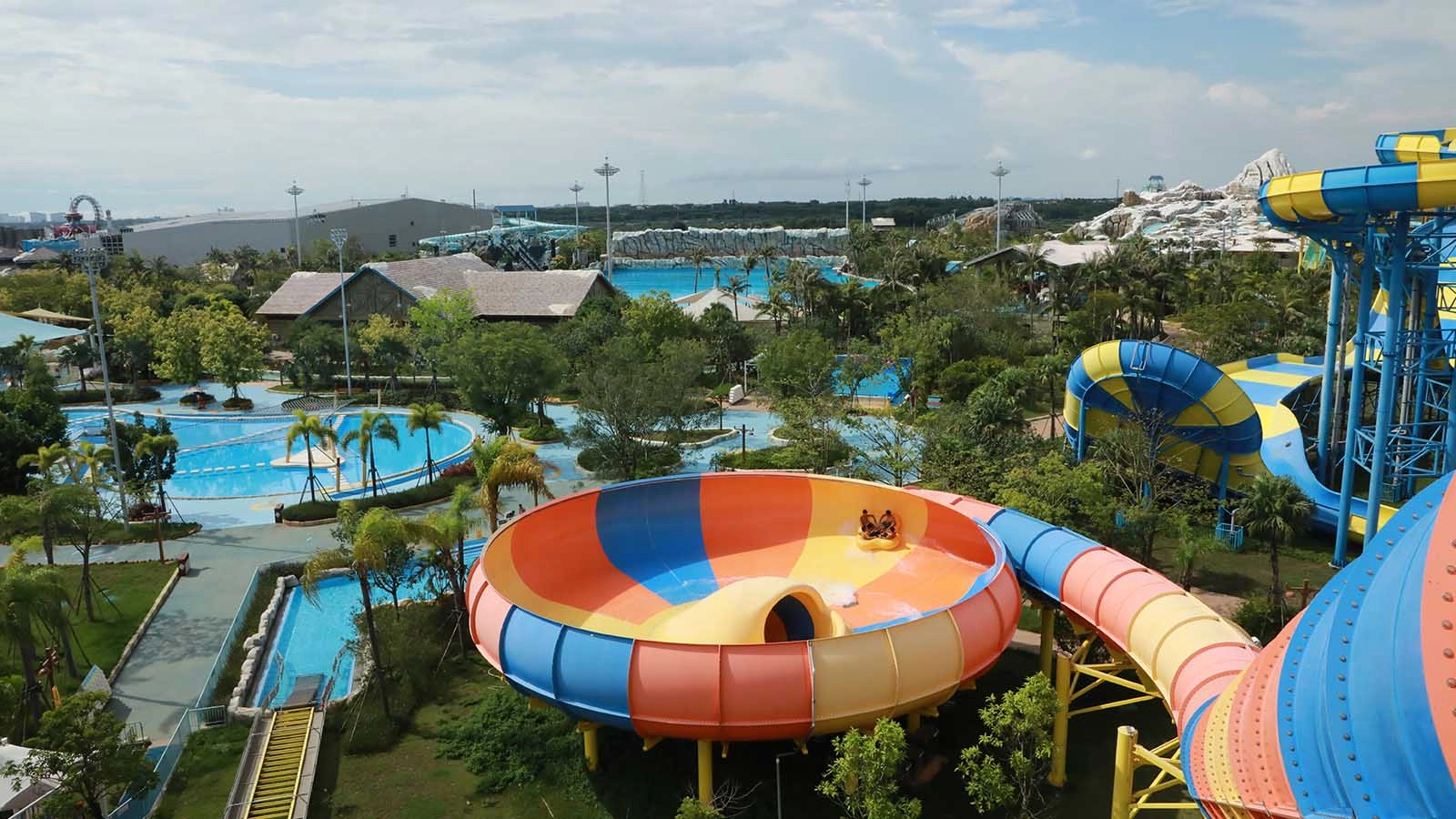
Water Project Industry Trends: Emerging Opportunities in the Water Attraction Market
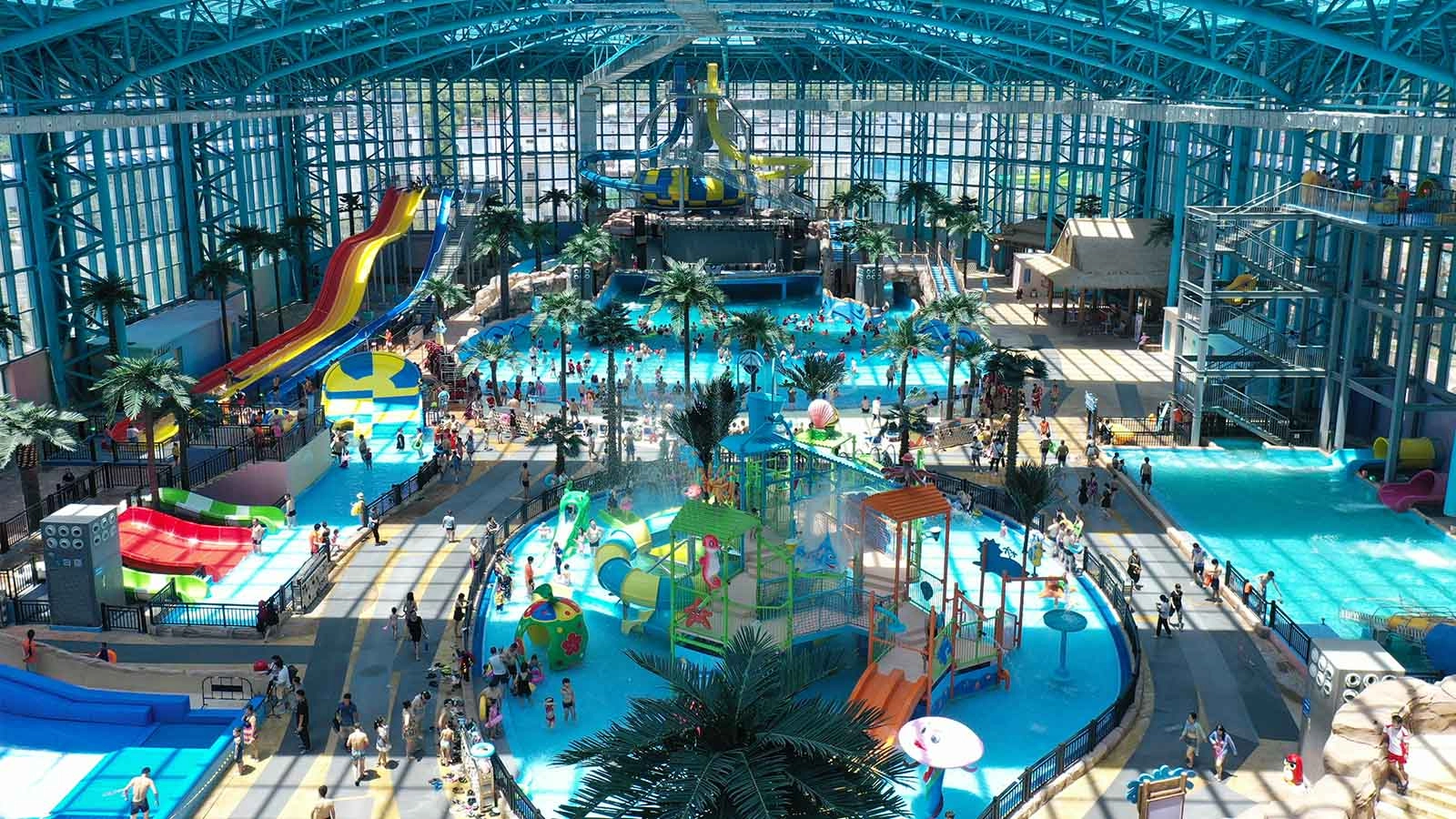
Custom Water Project Solutions for Different Venues: Water Parks, Resorts, Theme Parks and More
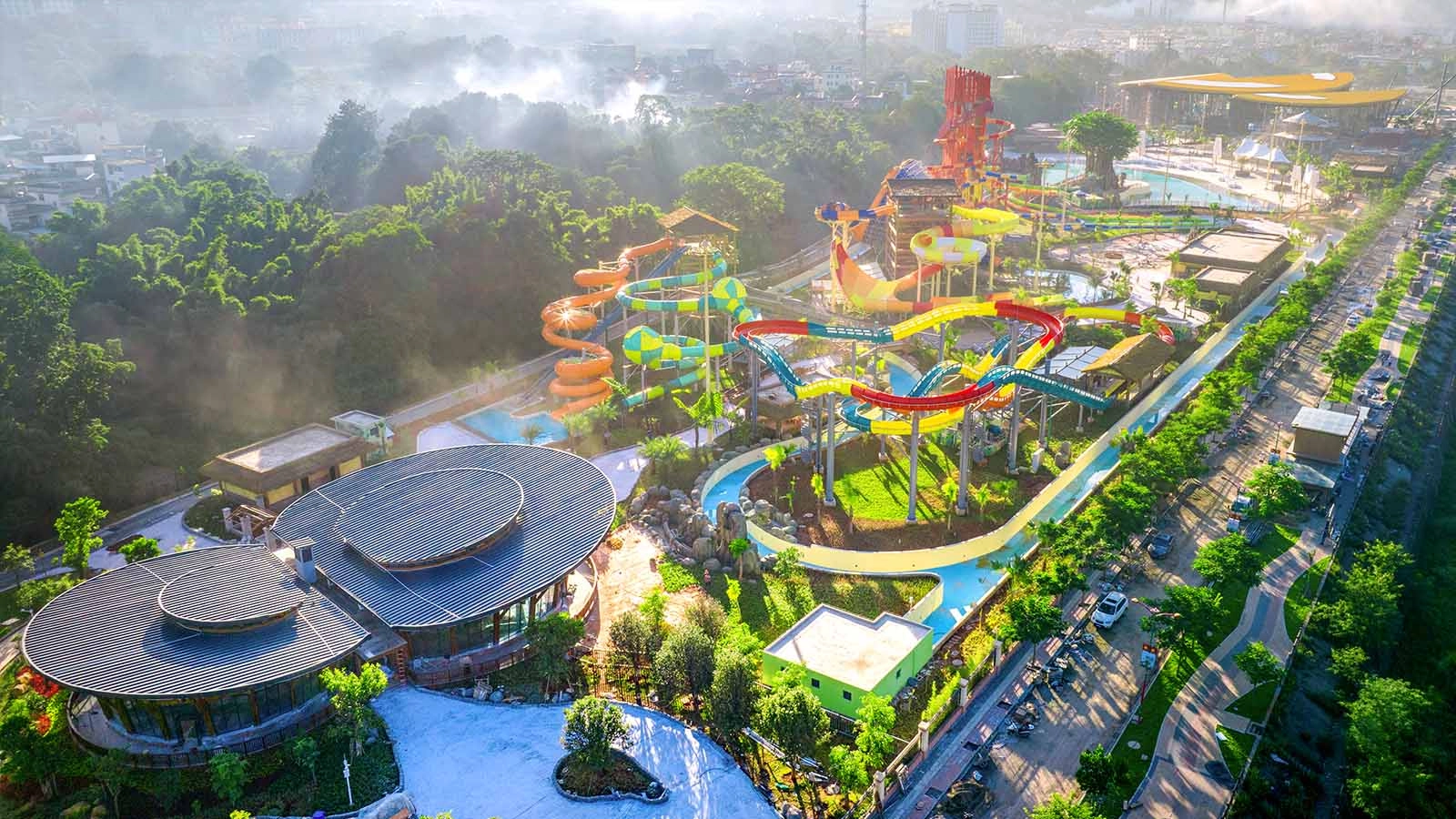
How to Configure Water Attractions for Water Projects in Different Venues
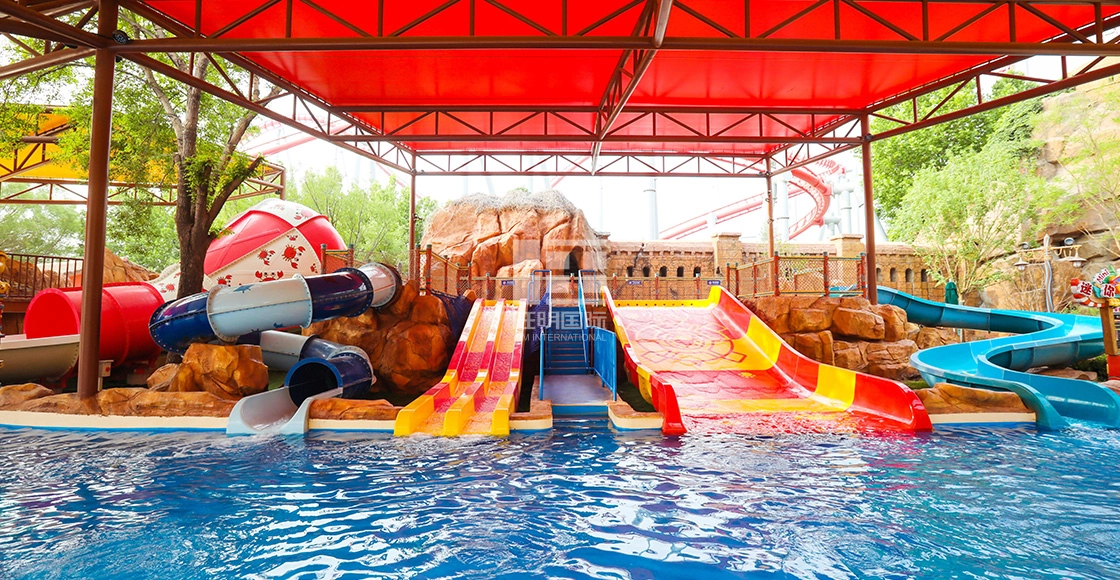
Children Combined Water Slide
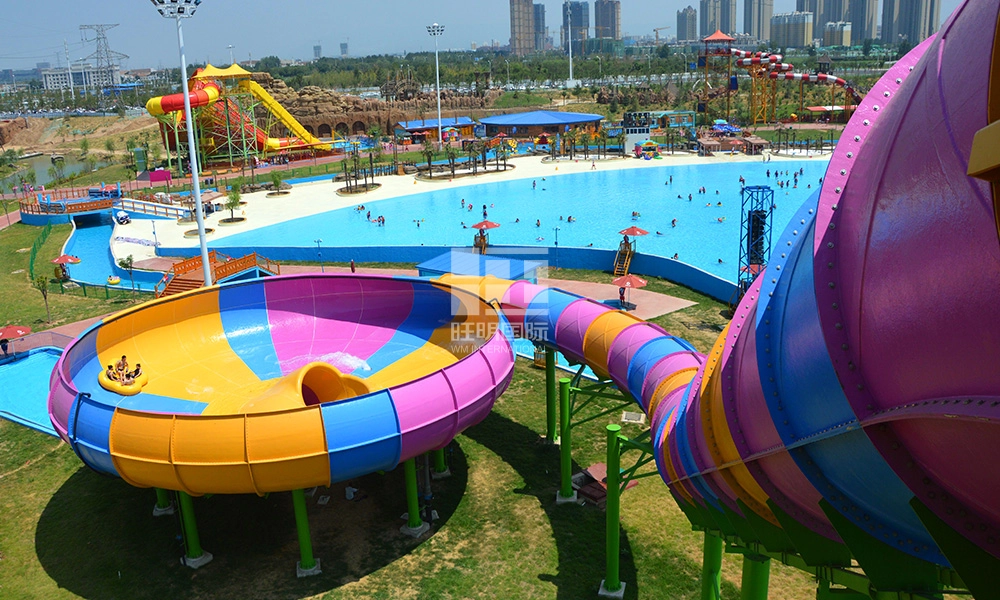
Huge Bowl Water Slide
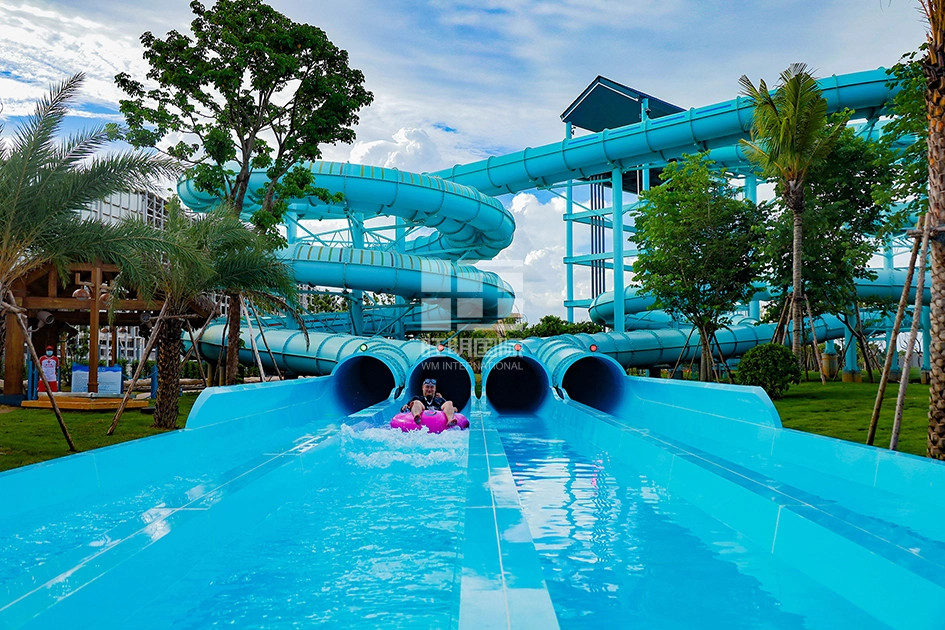
Time Tunnel Water Slide
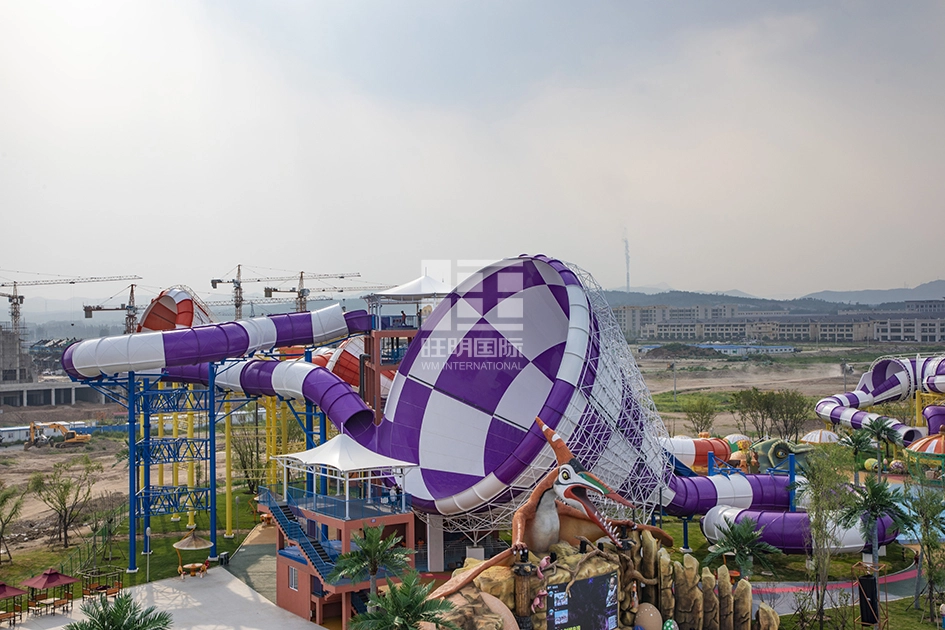
Big Tourbillion Water Slide
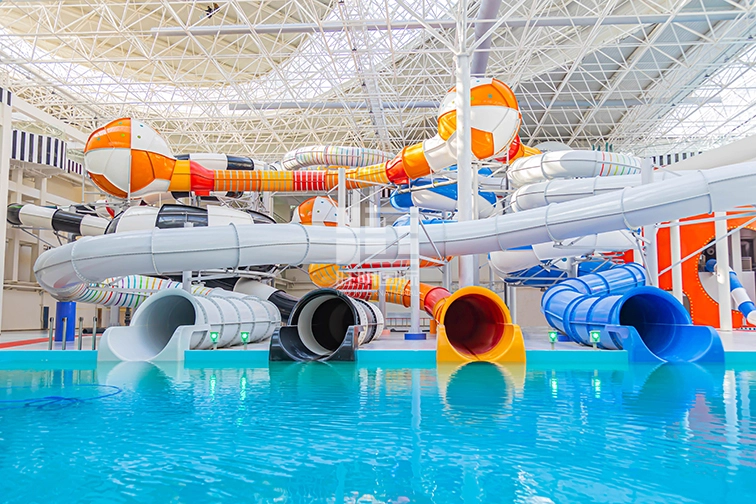
Turnover Slide
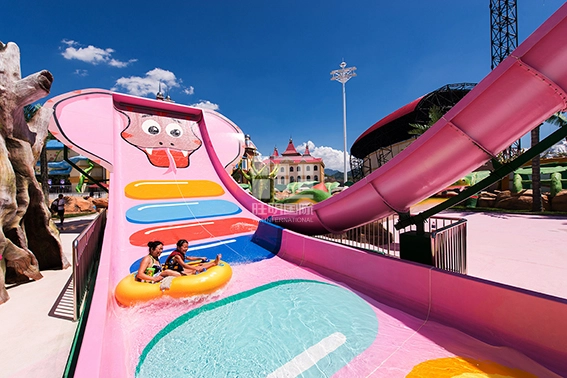
Small King Cobra Water Slide
Get in touch
Have to get customized water park solutions and product quotes.
We will provide you with professional consultation and support.

Relying on leading technology, innovative products and rich industry experience, we tailor personalized solutions for each water park project to ensure a safe and exciting entertainment experience for tourists.
 Scan QR Code
wmwaterslide
wmwaterpark