


Fiberglass vs. Inflatable Commercial Water Slides for Resorts
- How permanent and portable resort slides differ
- Fiberglass systems for permanent installations
- Inflatable slides for adaptable programming
- Use a project-specific comparison, not a universal winner
- Safety, operations, and lifecycle costs to evaluate
- Verify design requirements and supplier documentation
- Model operations and lifecycle cost
- Plan for inspections, training, and downtime
- Build a procurement brief around the guest experience
- Define the project before requesting proposals
- Connect the attraction to the wider water-park plan
- Frequently Asked Questions
For resorts evaluating fiberglass versus inflatable commercial water slides, the best choice depends on the attraction’s intended lifespan, guest volume, site constraints, operating model, and local safety requirements. Fiberglass slides are generally selected for permanent installations with engineered supports and a defined guest-flow plan, while inflatable slides can suit seasonal, temporary, or adaptable programming. Buyers comparing commercial water slides for sale should assess total installed cost, capacity, inspection and maintenance needs, staffing, water and power requirements, and supplier documentation. No material or format is automatically safer or more profitable: design, installation, operating procedures, and jurisdiction-specific approvals determine whether an attraction fits the project.
How permanent and portable resort slides differ
The main distinction is not simply rigid versus soft construction. It is the operational role each attraction is expected to play. A fixed slide can become part of a resort’s core aquatic offering, with associated planning for foundations, circulation, utilities, and long-term maintenance. An inflatable unit may be easier to reposition or take out of service, but it still requires a controlled operating area, competent supervision, and a suitable setup and anchoring plan. Procurement should begin with the use case rather than a supplier’s catalogue.
Fiberglass systems for permanent installations
Commercial fiberglass slides are commonly manufactured from glass-fiber-reinforced plastic (FRP), with a gelcoat or other specified surface finish. Individual flume sections are assembled into a designed route and supported by a structural system. For a resort, this can enable taller structures, longer ride paths, custom colors, and coordination with a themed pool environment. These benefits come with site work: structural design, foundations, access for installation, drainage, connections to the receiving pool, and coordination with other construction trades.
A fixed attraction is most appropriate when the resort has a long-term site plan, predictable operating seasons, and an attendance case that can justify the installed investment. Before tendering, owners should confirm that the proposed layout fits the available footprint, sightlines, emergency access, queue space, and existing pool capacity. The designer should also identify the design assumptions and operating limits that affect the final arrangement. A visually impressive tower is not a successful project if it creates bottlenecks, obstructs supervision, or forces costly changes to utilities and landscaping.
Inflatable slides for adaptable programming
Inflatable slides are typically made from coated textile materials and rely on an air blower to maintain their form during operation. Their potential advantages include portability, seasonal deployment, and the ability to change an activity area without constructing a permanent tower. These characteristics can make them relevant for temporary events, selected beach or pool settings, or resorts testing demand before committing to a permanent attraction. Actual suitability depends on the manufacturer’s design, site conditions, water supply, anchoring, and operational instructions.
Portability should not be mistaken for a low-effort operating model. Operators need a documented process for transport, setup, anchoring, blower operation, pre-opening checks, cleaning, drying, storage, and inspection. Wind, weather, surface conditions, and crowd control may affect whether the unit can operate. Buyers should ask how the supplier defines permitted conditions, who is responsible for monitoring them, and how the attraction must be secured and taken out of service. The answer should be specific to the product and location rather than a general assurance.
Use a project-specific comparison, not a universal winner
The comparison below describes common procurement considerations, not guaranteed performance for every model. Specifications, local regulations, installation quality, and operating procedures can change the outcome. Ask shortlisted suppliers to complete the same project questionnaire so proposals can be assessed on comparable assumptions.
| Decision factor | Fiberglass slide system | Inflatable slide | Buyer verification |
|---|---|---|---|
| Typical project role | Permanent resort or water-park attraction | Seasonal, temporary, or adaptable activity | Confirm intended use and expected operating calendar |
| Site preparation | Usually involves structural supports, foundations, and coordinated construction | Requires a suitable operating surface, anchoring, and blower provision | Request site, utility, and installation requirements in writing |
| Operational flexibility | Fixed location and route once installed | Can generally be moved or stored according to supplier instructions | Confirm setup time, transport needs, storage conditions, and permitted locations |
| Guest throughput | Depends on ride design, dispatch method, staffing, and receiving area | Depends on product design, operating rules, and staffing | Request documented capacity assumptions; do not infer capacity from appearance |
| Maintenance planning | Inspect slide surfaces, joints, supports, and related systems as specified | Inspect material, seams, anchoring, blower, and inflation system as specified | Obtain inspection intervals, repair procedures, and spare-parts guidance |
| Cost comparison | Include design, construction, installation, utilities, and ongoing maintenance | Include purchase, blower energy, staffing, setup, storage, and maintenance | Compare lifecycle assumptions and exclusions, not purchase price alone |
Safety, operations, and lifecycle costs to evaluate
Both attraction types require a documented safety and operating plan. Procurement teams should confirm which standards and rules apply in the project jurisdiction, who has authority to approve the design, and which party is accountable for installation, commissioning, inspections, and operator training. Standards do not replace local law, and a supplier’s statement of compliance should be checked against the actual model, project scope, and applicable edition.
Verify design requirements and supplier documentation
In the United States, ASTM F2376 addresses the classification, design, manufacture, construction, and operation of water slide systems. Buyers should verify the applicable edition and whether the authority having jurisdiction or contract documents require it. For machinery-related risk assessment, ISO 12100 provides principles for risk assessment and risk reduction; it is a framework, not a product certification. The CDC Model Aquatic Health Code offers guidance for public aquatic venues in the United States, while adoption and requirements vary by jurisdiction.
Ask for drawings, design criteria, installation instructions, operating limitations, inspection schedules, maintenance requirements, and the documentation supporting any safety or performance claims. For a permanent structure, the review may need to include structural calculations, foundation assumptions, material specifications, and the interface with the receiving pool. For an inflatable attraction, request written requirements for anchoring, blower operation, weather monitoring, setup, user limits, and storage. A complete document package helps the project team identify gaps before construction or opening day.
Model operations and lifecycle cost
Purchase price is only one line in the investment case. A fixed installation may bring higher initial site and construction costs, while a portable unit may require recurring labor for setup, takedown, drying, and storage. Either option can incur costs for inspections, repairs, utilities, replacement components, staff training, downtime, and insurance. Request a lifecycle-cost model that states the assumed season length, daily operating hours, staffing levels, expected attendance, maintenance allowances, and exclusions. If supplier estimates use different assumptions, normalize them before comparing return on investment.
Capacity should be treated as a system outcome rather than a headline number. Dispatch procedures, rider eligibility, queue design, supervision, slide configuration, water flow, and the receiving area can all influence throughput. A high theoretical rider rate does not guarantee a high guest experience if the queue blocks circulation or the landing zone becomes congested. Resorts should review operating scenarios for peak periods and quieter days, then confirm that staffing plans and guest-flow controls are practical.
Plan for inspections, training, and downtime
Set responsibilities before purchase: who conducts daily pre-opening checks, who performs scheduled technical inspections, who can authorize repairs, and who decides when weather or equipment conditions require closure? The supplier should provide product-specific instructions and identify which work must be handled by qualified personnel. Operators should retain inspection records, maintenance logs, incident procedures, and training records in a format that can be reviewed by management and relevant authorities.
Availability also matters to resort economics. Ask the manufacturer about replacement parts, repair methods, technical support, warranty scope, and expected response channels. A warranty is not a substitute for preventive maintenance, and its exclusions should be understood before contract award. For a permanent slide, access for inspection and repair should be included in the design. For an inflatable unit, the team should plan for safe isolation, drying, packing, and storage so that avoidable damage does not shorten its usable service.
Build a procurement brief around the guest experience
Once the project team understands its operational priorities, it can prepare a brief that lets suppliers propose solutions against the same criteria. This reduces the risk of selecting an attraction based on renderings or a low initial quote while overlooking site work, safety documentation, or operating demands. A good brief connects the resort’s brand objectives to practical requirements that can be checked during design review and commissioning.
Define the project before requesting proposals
Record the target guest groups, expected season and hours, available footprint, pool and utility conditions, access routes, local climate considerations, desired theming, and any limits on noise or visual impact. State whether the resort needs a permanent centerpiece, a seasonal activation, or a trial installation. Include required deliverables such as concept plans, technical drawings, installation scope, operator training, commissioning support, warranty terms, and maintenance guidance. This gives suppliers a clear basis for identifying assumptions and exclusions.
Evaluate each proposal against weighted criteria rather than relying on a single price ranking. A practical scorecard can cover guest appeal, site compatibility, capacity assumptions, construction and schedule, operating labor, maintenance access, documentation, after-sales support, and lifecycle cost. Request references for comparable project types where available, and clarify which work is performed by the supplier versus local contractors. Before contract award, resolve interface points between attraction design, pool works, electrical systems, drainage, landscaping, and resort operations.
Connect the attraction to the wider water-park plan
A slide is one element of a larger aquatic experience. Its location can affect queue circulation, lifeguard sightlines, access to other attractions, family areas, food and beverage routes, and the overall distribution of guests. Resorts considering a broader water park should assess how slides interact with water play attractions, wave-making equipment, pools, changing facilities, and the guest journey from entry to exit. Integrated planning can reduce late design changes and help operators manage peak demand more effectively.
In the second half of procurement, our approach is to align the attraction choice with the project brief, site constraints, and operating plan rather than treat the slide as an isolated purchase. Our product scope includes water park planning, water park design, water park construction, water slides, water play attractions, and wave-making equipment. This range can support coordinated discussions about how individual attractions fit within a larger destination concept. Project owners should still verify the proposed scope, technical documentation, responsibilities, and relevant supplier credentials for each specific contract; no product category alone establishes project suitability.
For investors and resort operators, the most defensible decision is the one supported by documented assumptions: intended use, engineering and installation scope, local approvals, operating requirements, maintenance plan, and lifecycle economics. A permanent fiberglass installation may be the stronger fit where a long-term, integrated attraction is justified, while an inflatable unit may better match a flexible or seasonal program. Either format can contribute to guest appeal when it is appropriately selected, competently installed, and consistently operated.
Contact our team to discuss a resort aquatic project or explore our water park design, construction, and attraction options.
Frequently Asked Questions
Are fiberglass or inflatable water slides better for a resort?
Neither format is universally better. Fiberglass systems are generally suited to permanent installations with engineered supports and long-term planning, while inflatable slides can suit seasonal, temporary, or adaptable programming. The right choice depends on the resort’s site, attendance, operating model, safety requirements, and lifecycle costs.
Do inflatable water slides require special operating procedures?
Yes. Operators should follow product-specific instructions for setup, anchoring, blower operation, weather monitoring, pre-opening checks, cleaning, drying, storage, and taking the unit out of service. Requirements depend on the product and location and should be confirmed in writing with the supplier.
What should resort buyers compare besides the purchase price?
Compare design and construction, installation, utilities, staffing, inspections, maintenance, repairs, storage, training, downtime, and warranty terms. Normalize supplier estimates using the same assumptions for operating season, hours, attendance, and maintenance allowances.
Which standards or guidance should buyers check for water slides?
Buyers should confirm the standards and rules applicable in the project jurisdiction. ASTM F2376 addresses water slide system classification, design, manufacture, construction, and operation; ISO 12100 provides machinery risk-assessment and risk-reduction principles; and the CDC Model Aquatic Health Code offers guidance for public aquatic venues in the United States. These do not replace local requirements or project-specific review.
What documents should a water slide supplier provide?
Request drawings, design criteria, installation and operating instructions, inspection schedules, maintenance requirements, operating limitations, and documentation supporting safety or performance claims. Permanent systems may also require structural and foundation information; inflatable attractions should include product-specific anchoring, blower, weather, setup, and storage requirements.
Recommended

Boomerango Water Slide: High-Thrill, High-Capacity Attraction by WangMing
Energy-Efficient Best Water Slide for Kids for Parks
Best Professional Resort Water Slide Brands in Australia

Kids Combination Water Slide — WM International Waterslide
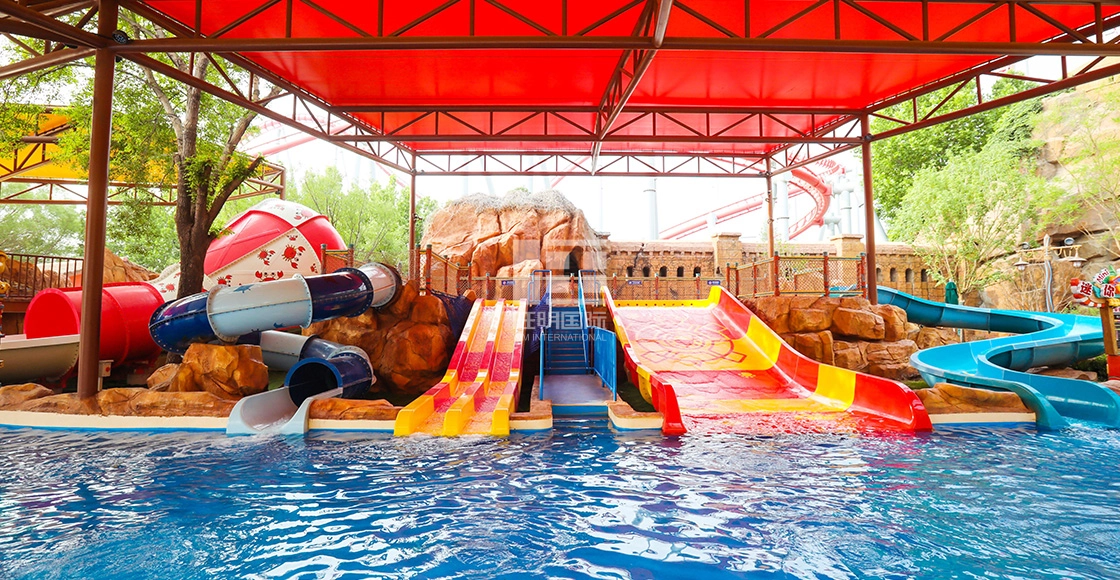
Children Combined Water Slide
Discover endless fun with the Children Combined Water Slide by WM INTERNATIONAL, expertly crafted for thrill-seeking kids. Perfect for summer splashes, this durable slide promises safety and joy. Looking to elevate your play area? Explore our Children's Combined Slide for sale now!
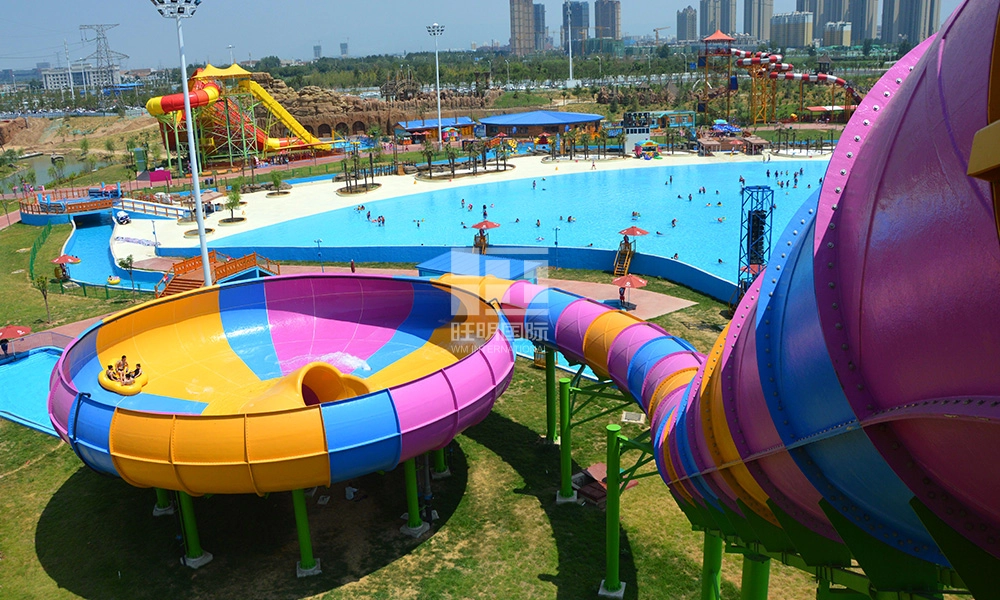
Huge Bowl Water Slide
The Huge Bowl Water Slide has achieved the “World's Best New Water Amusement Equipment” Award; it is the new favorite of the young people and the star project of the water park. The raft carries the tourists slowly entering the closed chute first; then it whirls in the bowl the moment the tourists can see the light. After a short period of time, the raft is suddenly suctioned into a huge black hole until it falls into the water. For a moment, the tourists realize the breathtaking journey has been safely brought to an end.
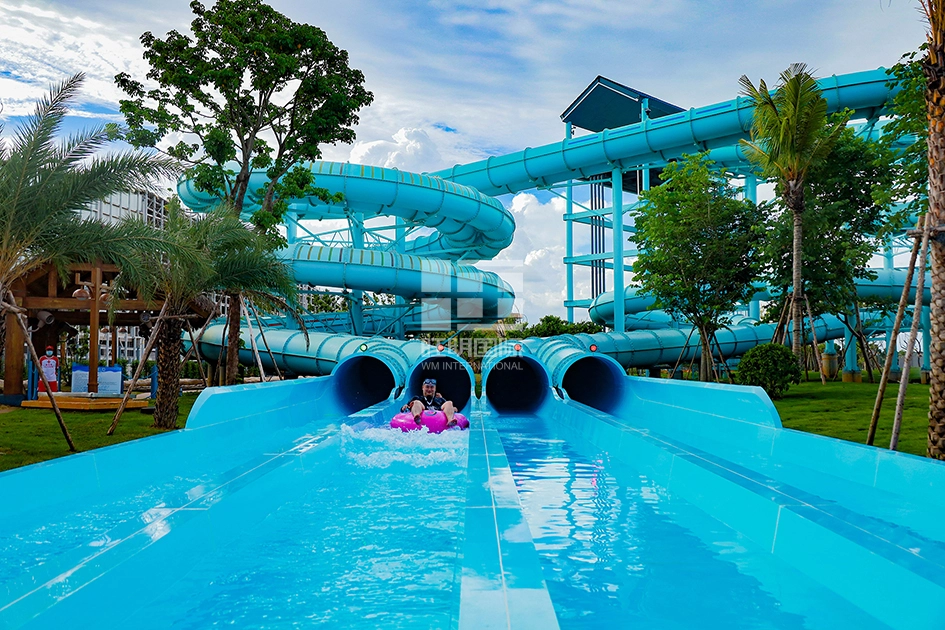
Time Tunnel Water Slide
The biggest feature of the time tunnel slide is that it uses double water slides and double tubes side by side in design and competes along the circular slide path. 8 people can play at the same time, with a large passenger capacity and high return rate, which is very suitable for team and family travel. And the slide is equipped with WangMing International's time tunnel technology, and the interior of the slide presents a beautiful aurora effect, with colorful lights, as if traveling through time and space.
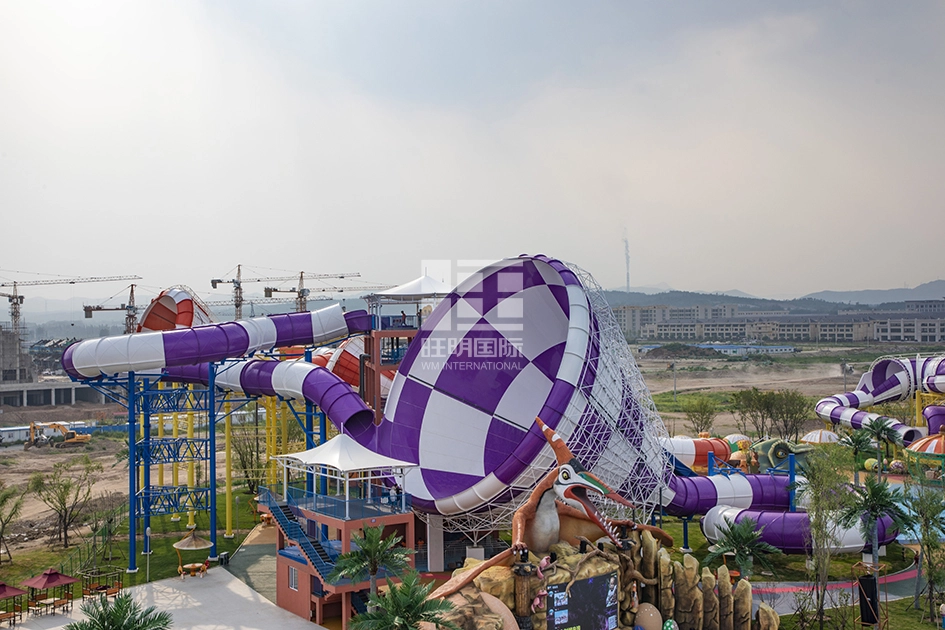
Big Tourbillion Water Slide
The Big Tourbillion water Slide won the "Gold Ticket Award - The Best New Project" of the international tourism industry. With unique modelling, strong irritation and humor, it is deeply loved by the young people; it has always been the popularity star of the water park. The raft carries the tourists as they enter the dark, closed chute slowly from the more than ten-meter-high platform; under the effect of gravity and water flow, it enters the state of rapid falling and then drops into the big Tourbillon; after a few times of whirling, it falls into the water pool. At this moment, the tourists are still in shock.
Get in touch
Have to get customized water park solutions and product quotes.
We will provide you with professional consultation and support.

Relying on leading technology, innovative products and rich industry experience, we tailor personalized solutions for each water park project to ensure a safe and exciting entertainment experience for tourists.
 Scan QR Code
wmwaterslide
wmwaterpark