





Family Water Slide Capacity and Throughput Planning
- Capacity Engineering for Multi-Rider Aquatic Attractions
- Distinguishing theoretical capacity from operating throughput
- Variables that determine hourly rider volume
- Safety and compliance as capacity controls
- Demand Forecasting, Queue Design, and Guest Flow
- Building a peak-period demand model
- Queue capacity and perceived waiting time
- Comparing planning assumptions
- Design Decisions That Protect Throughput and Return on Investment
- Attraction configuration and site constraints
- Hydraulics, utilities, and operational resilience
- Measurement after opening
- WM International Support for Water Park Slide Capacity Planning
- Integrated planning, engineering, and manufacturing capability
- Production scale and product portfolio
- Procurement value beyond the equipment price
- Frequently Asked Questions
Family Water Slide capacity planning determines how many guests an attraction can serve safely, comfortably, and profitably during peak operating periods. A reliable model combines rider per raft, dispatch interval, slide cycle time, loading efficiency, queue demand, staffing, evacuation procedures, water supply, and the expected mix of children, teenagers, adults, and multi-generational groups. For water park investors, the objective is not to pursue the highest theoretical capacity; it is to achieve dependable hourly throughput while protecting guest experience, operational resilience, safety compliance, and return on investment. The planning process should connect market demand, water park design, hydraulic engineering, ride operations, and long-term maintenance before equipment procurement begins.
Capacity Engineering for Multi-Rider Aquatic Attractions
Distinguishing theoretical capacity from operating throughput
Theoretical capacity is normally calculated from the number of riders or rafts dispatched during a fixed interval. A simplified model is: hourly capacity equals riders per dispatch multiplied by 3,600, divided by the dispatch interval in seconds. For example, a four-person raft dispatched every 45 seconds produces a theoretical result of 320 riders per hour. This figure does not represent guaranteed daily performance because it assumes continuous loading, no stoppages, no accessibility accommodations, no weather interruptions, and no variation in guest readiness.
Practical throughput is lower because operators must inspect ride positions, confirm rider instructions, manage footwear and loose articles, control raft spacing, respond to guests who hesitate, and account for periodic cleaning or operational checks. A procurement specification should therefore separate maximum design capacity from target operating capacity. Many project owners use a planning factor below the theoretical result, but the exact factor should be established through a supplier’s ride simulation, operating concept, risk assessment, and site-specific queue study rather than copied from a generic brochure.
Variables that determine hourly rider volume
The most influential variable is the dispatch interval. A short interval can raise capacity, but only when the conveyor, platform, runout, splash zone, communication system, and downstream clearance are designed for that operating rhythm. Vehicle or raft loading also matters. A family raft may accommodate three to six guests depending on the attraction, but actual occupancy can vary because of age, height, weight, swimming ability, group composition, and local operating rules.
Slide cycle time affects both vehicle availability and queue accumulation. A longer course may create stronger storytelling and higher perceived value, yet it can reduce the number of units that can circulate within a defined operating window. The design team should model dispatch sequencing, raft recovery, transfer points, and platform storage together. A slide with strong nominal capacity but poor raft return logistics can underperform during the busiest period.
Safety and compliance as capacity controls
Capacity is a safety-related operating parameter, not merely a revenue metric. The attraction should be evaluated against applicable local regulations, project specifications, and recognized amusement-ride safety frameworks. Buyers can review the ISO 17842 series for safety of amusement rides and amusement devices as one international reference point, while local authorities may require additional structural, electrical, fire, accessibility, or water-quality approvals.
Water quality and bather-load management also influence operating continuity. The World Health Organization guidelines for safe recreational water environments address risk management for swimming pools and similar facilities. A design that pushes guest volume beyond filtration, disinfection, drainage, or deck-management capacity may create water-quality and guest-safety problems even if the slide structure itself can process more riders.
Demand Forecasting, Queue Design, and Guest Flow
Building a peak-period demand model
Throughput planning begins with demand, not equipment. Investors should estimate attendance by season, weekday, hour, weather condition, ticket type, hotel occupancy, school holidays, and special events. The relevant figure is not simply annual attendance; it is the number of potential users who arrive at the attraction during the same 15-minute or 30-minute period. A high-volume water park may require a different solution from a resort facility where guests arrive in smaller waves but expect High Quality convenience.
Market research should distinguish total park attendance from attraction capture rate. Not every visitor will use a raft-based slide. Some guests will choose a wave pool, children’s splash area, lazy river, food outlet, cabana, or dry attraction. A demand model should estimate the share likely to use the multi-person slide, repeat-ride behavior, party size, and time spent in the queue. This creates a more realistic peak-load estimate and helps prevent unnecessary capital expenditure.
Queue capacity and perceived waiting time
A queue is an operational buffer, but excessive waiting reduces satisfaction and can weaken secondary spending. The queue layout should include shaded areas, drinking-water access where appropriate, clear height and health restrictions, visible dispatch information, accessible routes, and space for groups to organize before entering the loading platform. Guests often judge the fairness of a queue by its transparency and movement, not only by the absolute number of minutes spent waiting.
Queue design should also accommodate demand surges after shows, meal periods, rain interruptions, or the opening of a nearby attraction. A switchback line can provide compact storage, while a wider approach zone can improve group organization. For High Quality parks, virtual queueing or timed-entry systems may redistribute demand, but these tools do not replace sufficient physical capacity or a well-designed loading process.
Comparing planning assumptions
| Planning measure | What it indicates | Buyer application | Primary limitation |
|---|---|---|---|
| Theoretical hourly capacity | Maximum mathematical rider output under uninterrupted dispatch | Initial comparison of attraction concepts | Does not include real operating losses |
| Target operating throughput | Expected sustained performance during normal peak operation | Staffing, revenue, and queue planning | Depends on training, guest behavior, and procedures |
| Peak design demand | Estimated users who want the attraction during the busiest interval | Sizing the slide and queue system | Forecast error can be substantial |
| Average wait time | Guest time spent before boarding | Experience evaluation and service-level targets | Changes rapidly with arrival patterns |
| Availability percentage | Share of scheduled operating time when the attraction is open | Lifecycle and revenue assessment | Weather, maintenance, and utilities affect results |
These measures should appear separately in tender documents. A supplier that reports only a headline rider-per-hour number is not providing enough information for an investment decision. The bid should request assumptions for dispatch interval, rider mix, loading time, raft inventory, staffing, downtime, evacuation, and seasonal operation.
Design Decisions That Protect Throughput and Return on Investment
Attraction configuration and site constraints
Site geometry strongly influences capacity. Tower height, platform access, runout length, pool position, queue footprint, service roads, drainage routes, pump-room access, and guest circulation must be coordinated during the master-planning phase. A compact site may benefit from a stacked tower or a carefully routed course, while a destination resort may prioritize a longer immersive experience and larger guest holding areas.
Water slides should be selected according to the intended audience and operating profile. A multi-person raft attraction can encourage group participation and provide a strong family-oriented product, while a mat racer, body slide, children’s play structure, or wave-making equipment serves different demand segments. A balanced water park portfolio reduces pressure on one headline attraction and improves overall guest distribution.
Hydraulics, utilities, and operational resilience
Pump selection, water flow, filtration, balancing tanks, drainage, and electrical infrastructure must support both ride performance and peak bather load. Hydraulic calculations should account for elevation, friction loss, nozzle or entry requirements, pump redundancy, maintenance isolation, and local water conditions. Undersized utilities can create unstable ride performance, longer start-up periods, or operating restrictions during high attendance.
Resilience should be assessed through planned maintenance access, spare parts availability, inspection points, control-system diagnostics, and recovery procedures after a stoppage. The ASTM F24 committee standards framework for amusement rides and devices is a useful reference for buyers reviewing safety-related practices, although the applicable requirements will depend on the project jurisdiction and authority having jurisdiction.
Measurement after opening
Operators should monitor dispatches per hour, riders per dispatch, queue length, average wait, stoppage duration, attraction availability, staffing hours, water consumption, and repeat-ride behavior. These indicators reveal whether low throughput comes from demand volatility, insufficient staffing, platform procedures, raft shortages, mechanical issues, or inaccurate original assumptions.
A practical dashboard should compare planned and actual results by hour rather than relying only on daily totals. Daily averages can hide a severe midday queue or a low-utilization morning period. Continuous measurement enables operators to adjust staffing, opening schedules, queue controls, preventive maintenance, and guest communication without changing the core attraction.
WM International Support for Water Park Slide Capacity Planning
Integrated planning, engineering, and manufacturing capability
WM International Waterslide provides water park planning and design, manufacturing, installation, and maintenance support for investors, developers, distributors, and operating companies. With 19 years of industry experience, our team connects attraction concepts with site conditions, guest profiles, capacity objectives, construction requirements, and lifecycle service needs.
Our engineering process supports the evaluation of rider configuration, platform arrangement, slide routing, queue footprint, raft movement, hydraulic requirements, and operational access. Each project is developed as a tailored solution because land area, climate, local codes, target market, construction sequence, and investment strategy differ from one water park to another.
Production scale and product portfolio
WM International owns a 100,000-square-meter modern production base and mainly manufactures water slides for water parks. This production scale supports material preparation, composite fabrication, finishing, quality control, packaging, and project coordination within an organized manufacturing environment.
Our portfolio includes water park attractions for different age groups and demand patterns, including raft-based slides, children’s water play attractions, conventional water slides, and complementary systems such as wave-making equipment. Combining multiple attraction types can improve visitor circulation and reduce dependence on a single high-demand product.
Procurement value beyond the equipment price
For buyers, supplier evaluation should include more than the initial quotation. Important criteria include engineering documentation, structural and hydraulic calculations, material specifications, quality-control records, installation supervision, commissioning support, operator training, maintenance guidance, spare-parts planning, warranty terms, and communication during construction.
WM International positions its service around complete project support, from water park design and construction coordination to installation and maintenance. Our team works to align product selection with site characteristics and commercial goals, helping project owners reduce coordination risk and create attractions that are visually distinctive, operationally practical, and suitable for long-term use. Buyers can review product and service information at WM International Waterslide and request project-specific guidance from trading@wmwaterslide.com.
Capacity planning should be completed before finalizing the tower, queue, pumps, raft inventory, and staffing model. When theoretical performance, real guest behavior, safety controls, utilities, and maintenance availability are evaluated together, the resulting attraction is more likely to deliver stable throughput and measurable commercial value throughout the operating season.
Frequently Asked Questions
How is hourly capacity calculated for a multi-rider water slide?
A simplified model calculates hourly capacity by multiplying riders per dispatch by 3,600 and dividing the result by the dispatch interval in seconds. The result is theoretical and should be adjusted for loading delays, inspections, guest behavior, downtime, and operational procedures.
What is the difference between theoretical capacity and operating throughput?
Theoretical capacity assumes uninterrupted dispatch at the planned interval. Operating throughput is the sustainable rider volume achieved during normal operation after accounting for loading efficiency, safety checks, stoppages, maintenance, accessibility accommodations, and variations in guest readiness.
How should a water park forecast demand for a family-oriented raft attraction?
The forecast should consider seasonal attendance, hourly arrival patterns, weather, holidays, party size, attraction capture rate, repeat-ride behavior, nearby attractions, and the number of guests likely to use the slide during the busiest operating interval.
What information should buyers request from a water slide supplier?
Buyers should request dispatch assumptions, rider configuration, target operating throughput, structural and hydraulic calculations, material specifications, quality-control records, installation scope, commissioning support, operator training, maintenance guidance, spare-parts planning, and warranty terms.
How do utilities affect water slide throughput?
Pump capacity, water flow, filtration, balancing tanks, drainage, electrical systems, and maintenance isolation all affect ride stability and operating continuity. Undersized utilities may cause unstable performance, longer start-up periods, or restrictions during peak attendance.
Why is queue design important for attraction profitability?
Queue design affects perceived waiting time, guest satisfaction, accessibility, staffing, and the amount of physical space required. A well-planned queue can manage surges, provide shade and clear information, support orderly loading, and reduce pressure caused by irregular guest arrival patterns.
Recommended
The water spray park equipment Cost Guide
How to start the kid water park business ?
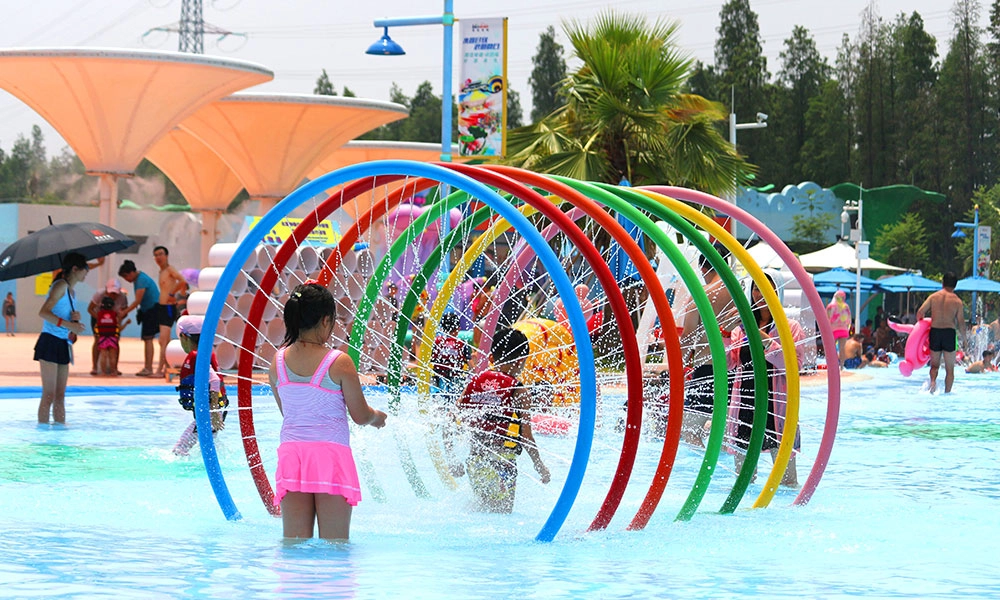
Water Playing Circle | WM International Waterslide
How to start the aqua park business ?
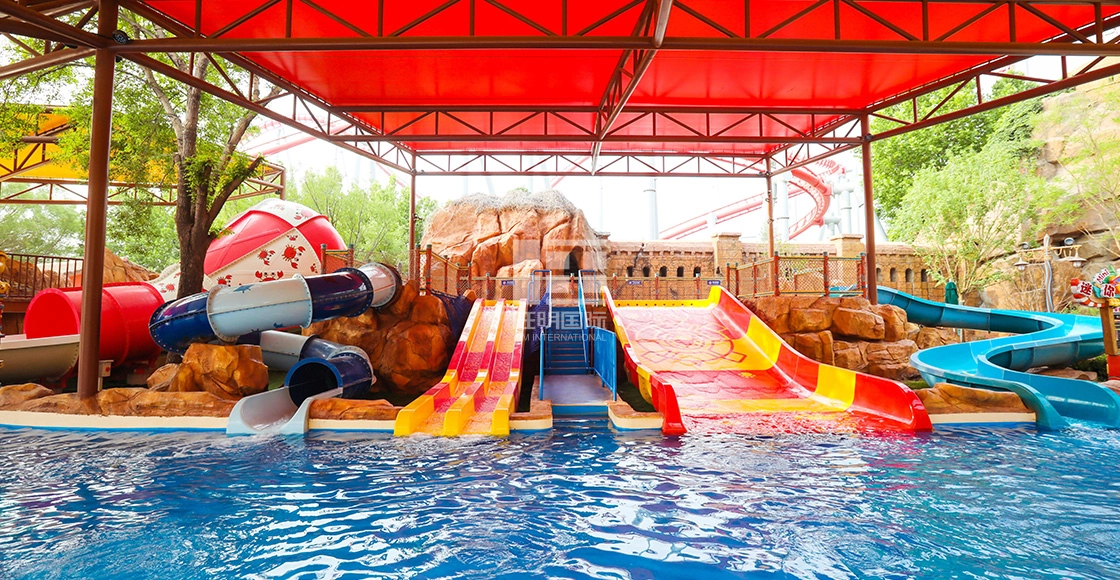
Children Combined Water Slide
Discover endless fun with the Children Combined Water Slide by WM INTERNATIONAL, expertly crafted for thrill-seeking kids. Perfect for summer splashes, this durable slide promises safety and joy. Looking to elevate your play area? Explore our Children's Combined Slide for sale now!
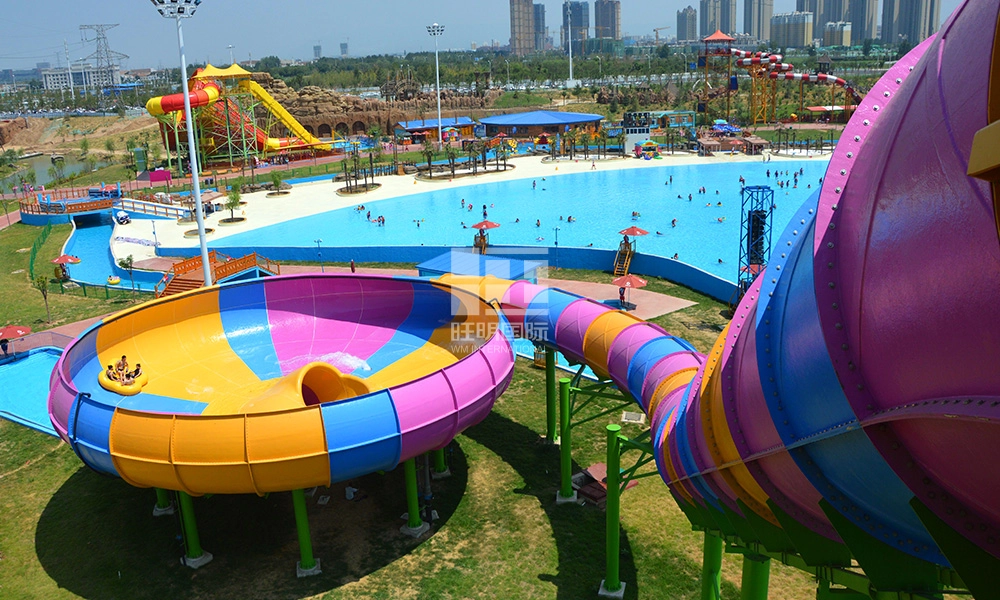
Huge Bowl Water Slide
The Huge Bowl Water Slide has achieved the “World's Best New Water Amusement Equipment” Award; it is the new favorite of the young people and the star project of the water park. The raft carries the tourists slowly entering the closed chute first; then it whirls in the bowl the moment the tourists can see the light. After a short period of time, the raft is suddenly suctioned into a huge black hole until it falls into the water. For a moment, the tourists realize the breathtaking journey has been safely brought to an end.
Time Tunnel Water Slide
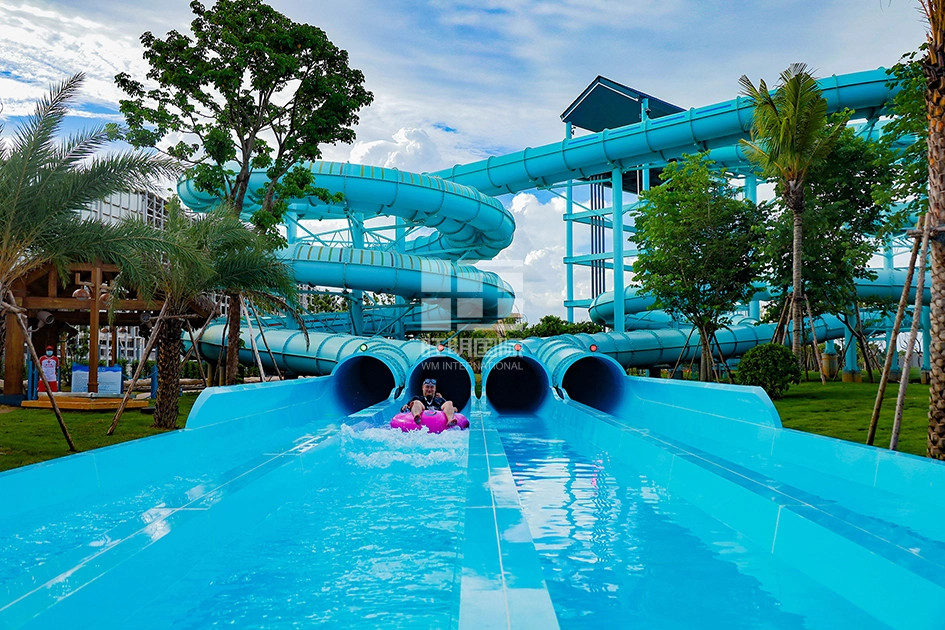
The biggest feature of the time tunnel slide is that it uses double water slides and double tubes side by side in design and competes along the circular slide path. 8 people can play at the same time, with a large passenger capacity and high return rate, which is very suitable for team and family travel. And the slide is equipped with WangMing International's time tunnel technology, and the interior of the slide presents a beautiful aurora effect, with colorful lights, as if traveling through time and space.
Big Tourbillion Water Slide
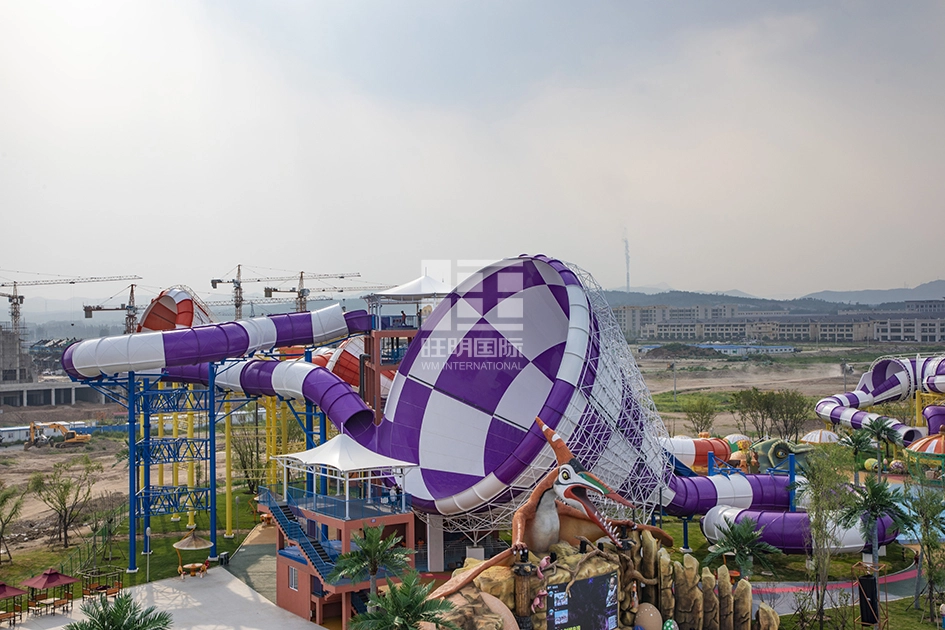
The Big Tourbillion water Slide won the "Gold Ticket Award - The Best New Project" of the international tourism industry. With unique modelling, strong irritation and humor, it is deeply loved by the young people; it has always been the popularity star of the water park. The raft carries the tourists as they enter the dark, closed chute slowly from the more than ten-meter-high platform; under the effect of gravity and water flow, it enters the state of rapid falling and then drops into the big Tourbillon; after a few times of whirling, it falls into the water pool. At this moment, the tourists are still in shock.
Get in touch
Have to get customized water park solutions and product quotes.
We will provide you with professional consultation and support.

Relying on leading technology, innovative products and rich industry experience, we tailor personalized solutions for each water park project to ensure a safe and exciting entertainment experience for tourists.
 Scan QR Code
wmwaterslide
wmwaterpark