




Commercial Water Slides Safety Standards and Best Practices
- Regulatory and Industry Standards for Commercial Water Slides
- International industry bodies and guidance
- Applicable national and consensus standards
- Public health and pool-safety regulations
- Design and Engineering Best Practices
- Structural design, materials and corrosion resistance
- Ride dynamics, raft design and hydraulics
- Clearance, containment and user restrictions
- Operational Safety and Maintenance Protocols
- Staff training, SOPs and emergency response
- Inspection schedules and preventive maintenance
- Water treatment, monitoring and entrapment prevention
- Case Example: Water Roller Coaster Water Slide — Safety Features and Installation
- Product overview
- Built-in safety systems and testing
- Installation, commissioning and acceptance
- Brand Advantages and After-Sales Support
- Engineering expertise and documentation
- Installation, training and spare-parts strategy
- Warranty, upgrades and lifecycle support
- Frequently Asked Questions (FAQ)
- Q: What standards should I require from a commercial water slide manufacturer?
- Q: How often should inspections be performed?
- Q: How do I reduce liability and improve guest safety?
- Q: Can the Water Roller Coaster Water Slide be customized for my park?
- Q: Who should perform the annual structural assessment?

Commercial water slides are high-profile attractions that combine structural engineering, hydraulics, and guest experience design. Properly following internationally recognized safety standards, operator best practices and documented inspection protocols is essential to reduce risk, meet local codes and preserve rider confidence. This guide covers regulatory sources, practical design and operational measures, and a specific product example — the Water Roller Coaster Water Slide — to help owners, operators and engineers make informed decisions about safety and compliance.
Regulatory and Industry Standards for Commercial Water Slides
International industry bodies and guidance
Two authoritative industry organizations that set expectations and publish guidance for waterpark operations are the International Association of Amusement Parks and Attractions (IAAPA) and the World Waterpark Association (WWA). IAAPA provides broad guidance on amusement ride safety and encourages adoption of consensus standards, training and incident reporting (IAAPA). The WWA focuses specifically on waterpark operations and publishes recommended practices for lifeguarding, water quality and attraction operation (World Waterpark Association).
Applicable national and consensus standards
Commercial water slides must satisfy a combination of building codes, amusement-ride standards and product/manufacturer testing. Many jurisdictions adopt or reference consensus standards for materials, structural loads and ride containment. While specific standard numbers vary by region and over time, operators commonly follow industry consensus documents for structural integrity, restraint/containment design, and manufacturing quality. Designers and procurement teams should confirm which standards are mandated by local code authorities and reference up-to-date consensus documents when specifying products.
Public health and pool-safety regulations
Water quality, circulation, filtration and patron-safety elements such as drain covers and entrapment prevention are commonly regulated by public health agencies. The U.S. Centers for Disease Control and Prevention (CDC) provides guidance for public pools and water systems, including best practices for disinfection and life-safety features (CDC Swimming & Water). Compliance with local public-health requirements is required in addition to ride-specific standards.
Design and Engineering Best Practices
Structural design, materials and corrosion resistance
Commercial water slides are typically constructed from composite materials (fiberglass-reinforced plastics - FRP) with protective gelcoat finishes, stainless steel supports and marine-grade hardware where appropriate. Best-practice designs specify UV-resistant gelcoats, proper laminate schedules for load-bearing sections, and corrosion-resistant fasteners. Structural engineers should validate designs for live loads (occupant plus raft), wind, seismic, and fatigue loads over the intended service life. Documentation of material specs and expected maintenance lifecycle helps operators plan preventative replacement schedules.
Ride dynamics, raft design and hydraulics
Understanding ride dynamics is critical to avoid excessive G-forces, rider ejection risk or raft instability. Key parameters include slope profile, transition radii, curvature, pool entry velocity and water flow rates. Raft design (single vs. multi-rider, seating geometry, buoyancy distribution) must match the flume profile; manufacturers test raft-flume interaction using instrumented mockups. Hydraulic systems (pumps and recirculation) must maintain consistent flow rates and free-surface conditions specified for the ride to function safely.
Clearance, containment and user restrictions
Design must ensure adequate containment walls or splashdown pools to prevent rider ejection. Clearance envelopes account for rider posture and raft bounce, with conservative margins for heavier or lighter patrons. Designers also define operational restrictions — minimum height, maximum weight per raft, and contraindications (pregnancy, heart conditions) — that are implemented as signage and enforced by attendants.
Operational Safety and Maintenance Protocols
Staff training, SOPs and emergency response
Human factors are central to ride safety. Operators should implement standardized operating procedures (SOPs) covering rider screening, loading/unloading sequences, radio/communication protocols, and emergency shutdown. Comprehensive training programs include ride-specific certification, lifeguard training, first aid/CPR and incident-reporting procedures. Frequent drills for evacuation and entrapment scenarios reinforce preparedness.
Inspection schedules and preventive maintenance
Routine inspections detect wear, structural distress, and hydraulic anomalies before they cause incidents. Typical maintenance tiers include daily visual checks, weekly operational checks, monthly mechanical inspections and annual structural assessments performed by qualified technicians or engineers. The table below summarizes a recommended inspection cadence to help operators plan resources.
| Interval | Scope | Typical Actions |
|---|---|---|
| Daily (pre-opening) | Operational condition | Visual flume inspection, lifeguard positions, signage, water clarity, pump alarms |
| Weekly | Mechanical & hydraulic checks | Check pump performance, raft condition, anchor tightness, flow rates |
| Monthly | Detailed hardware inspection | Inspect supports for corrosion, fastener torque checks, gelcoat for cracking |
| Annual | Structural and safety audit | Full structural assessment, non-destructive testing if needed, update risk assessment |
Water treatment, monitoring and entrapment prevention
Maintain target disinfectant residuals, pH and filtration turnover rates as required by public-health rules. Pumps and drains should be configured to avoid suction entrapment; compliant anti-entrapment covers and multiple drain outlets are recommended. Real-time sensors and alarms for flow loss, low disinfectant or pump failure should be integrated into the ride control system so attendants can immediately suspend operation when parameters move outside safe ranges.
Case Example: Water Roller Coaster Water Slide — Safety Features and Installation
Product overview
Water Roller Coaster Water Slide
As an upgraded version of the land roller coaster, the water roller coaster has gained a lot of popularity since it was launched. The tourists take the rafts, start from the equipment platform and start to speed up based on the high potential energy. After a short period of climbing, they will experience another exciting acceleration. The tourist's heart is also jumping up and down together with the slide.
This attraction combines elements of traditional roller-coaster profiling with waterborne raft dynamics. It typically uses powered conveyor lifts or water jets to climb sections and controlled drops to deliver repeated acceleration segments. Because of the alternating climb-and-drop profile, safety systems and controls must account for variable raft speeds and ensure raft capture, spacing and controlled pool entry.
Built-in safety systems and testing
For a water roller coaster, manufacturers usually provide these safety and verification elements:
- Engineered raft separation systems and sensor arrays to prevent collisions between trains of rafts.
- Automated speed and flow control that adjusts pump output and water-jet thrust according to raft position.
- Guardrails, containment walls and controlled splash-down pools sized for maximum expected approach velocity.
- Design validation through physical and computational testing (CFD for hydraulic behavior, FEA for structural loads) and factory acceptance tests (FAT) before shipment.
Manufacturers should provide test reports and certificates demonstrating compliance with applicable standards and providing fatigue-life estimates and maintenance intervals.
Installation, commissioning and acceptance
Successful deployment of a Water Roller Coaster Water Slide includes coordinated planning for foundations, support structures, utility supply (power for pumps and lifts), and commissioning tests. Commissioning is a multi-stage process involving static checks, dry-running mechanical verifications, progressive loading tests with instrumented rafts and final operator training. A formal acceptance test staffed by the manufacturer, the installing contractor and the facility owner documents the ride’s readiness and records operational limits and SOPs.
Brand Advantages and After-Sales Support
Engineering expertise and documentation
Choosing a vendor with a strong engineering background reduces risk. Look for suppliers who provide complete documentation — structural calculations, materials certificates, hydraulic test data and maintenance manuals — and who can support local statutory approvals. Transparent documentation simplifies permitting and helps maintenance teams execute inspections against defined criteria.
Installation, training and spare-parts strategy
Reputable manufacturers offer turnkey installation, certified on-site training for ride attendants and technicians, and a managed spare-parts program that ensures critical components are available without long lead times. A structured training program reduces human-error risk and improves consistency across operator shifts.
Warranty, upgrades and lifecycle support
Long-term relationships matter: warranty terms, options for life-extension programs (re-gelcoat, structural refurbishment), and software/control-system upgrades allow owners to sustain ride safety and guest satisfaction over decades. Verify warranty scopes and included preventive maintenance visits when procuring equipment.
Frequently Asked Questions (FAQ)
Q: What standards should I require from a commercial water slide manufacturer?
A: Require that the manufacturer provide compliance documentation referencing relevant industry guidance (for example IAAPA/WWA recommended practices), structural calculations reviewed by a licensed engineer, hydraulic test reports and a manufacturer test certificate. Additionally, confirm that the product design allows compliance with local building and public-health codes.
Q: How often should inspections be performed?
A: Inspections should be layered: daily operational checks, weekly mechanical and hydraulic checks, monthly detailed hardware inspections and annual structural and safety audits by qualified personnel. Adjust frequency based on usage intensity, environmental exposure and manufacturer recommendations.
Q: How do I reduce liability and improve guest safety?
A: Implement clear SOPs, enforce patron restrictions (height/weight), provide trained attendants and lifeguards, maintain water chemistry to public-health standards, and keep detailed inspection and incident logs. Adequate signage and guest briefings also reduce risky behavior.
Q: Can the Water Roller Coaster Water Slide be customized for my park?
A: Yes — many manufacturers offer layout customization, color/gaincoat options, raft configurations and lift systems to fit site constraints and capacity goals. Confirm that any customization preserves tested safety parameters and that the manufacturer issues updated validation records for modified designs.
Q: Who should perform the annual structural assessment?
A: A qualified structural engineer experienced in amusement rides or waterpark structures should perform the annual assessment. If available, third-party inspectors with industry certification add an independent perspective.
If you want assistance evaluating a Water Roller Coaster Water Slide for your facility, arranging a site-specific risk assessment, or receiving factory documentation and a quotation, please contact our sales team or view the product details to request specifications, test reports and a proposal. Our team provides site planning support, installation supervision, operator training and long-term service agreements.
References: IAAPA (https://www.iaapa.org), World Waterpark Association (https://www.waterpark.org), Wikipedia — Water slide (https://en.wikipedia.org/wiki/Water_slide), CDC — Healthy Water (https://www.cdc.gov/healthywater/swimming/index.).
Adhering to rigorous safety benchmarks is not just about best practices—it is a prerequisite for passing the strict legal requirements in many jurisdictions. Stay updated on the necessary Permits, Inspections, and Compliance for Water Slides to keep your project on schedule.
Recommended
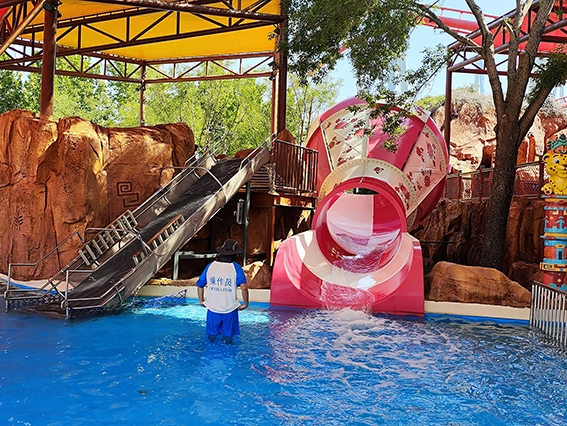
Kids Tourbillion Water Slide — Safe, High-Throughput Family Attraction by WangMing
Wholesale water slide for resort manufacturer and supplier
Wholesale theme park water slide manufacturer and supplier
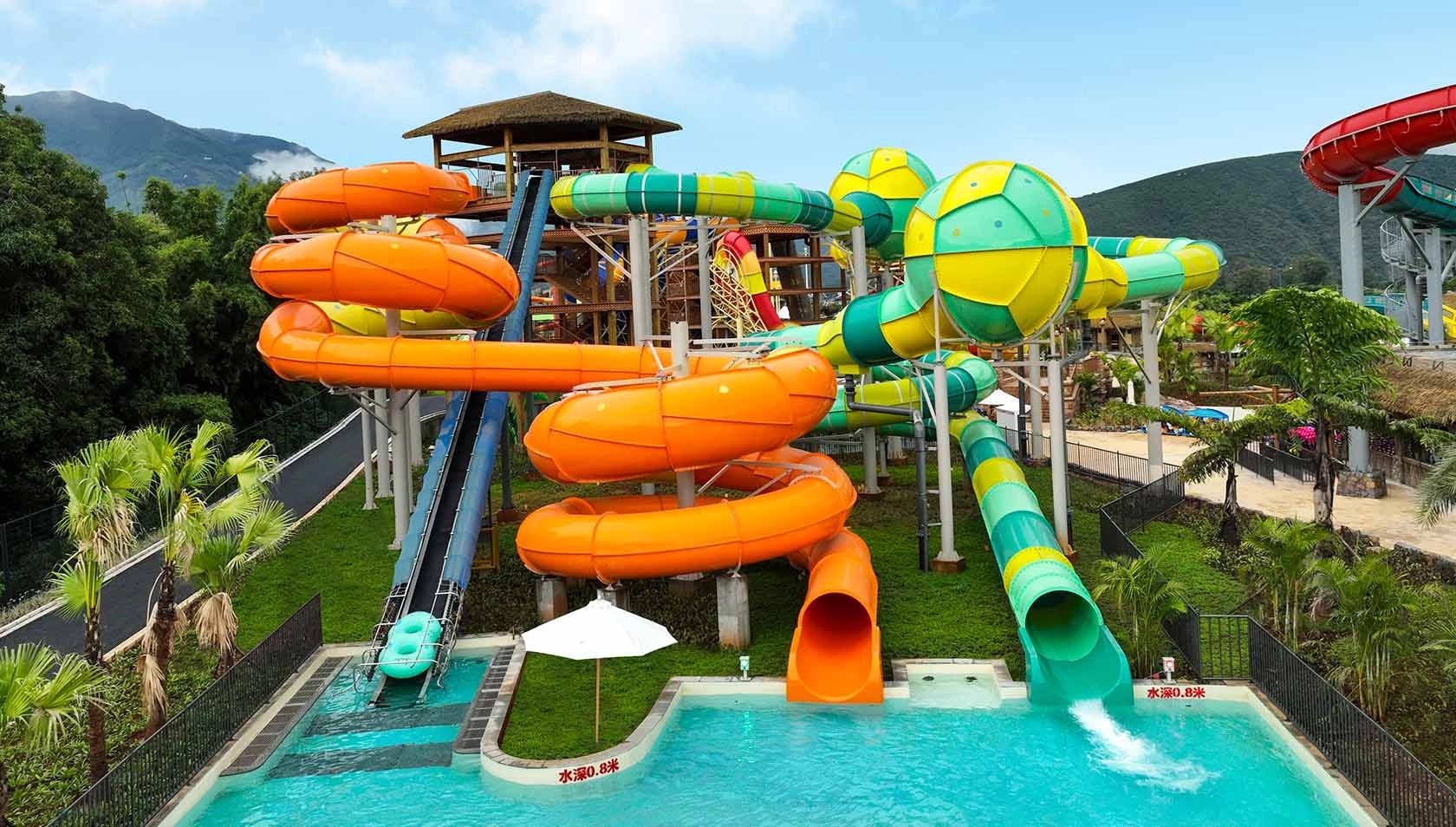
Natrix Water Slide — High-Throughput, Low-Maintenance Attraction for Modern Water Parks
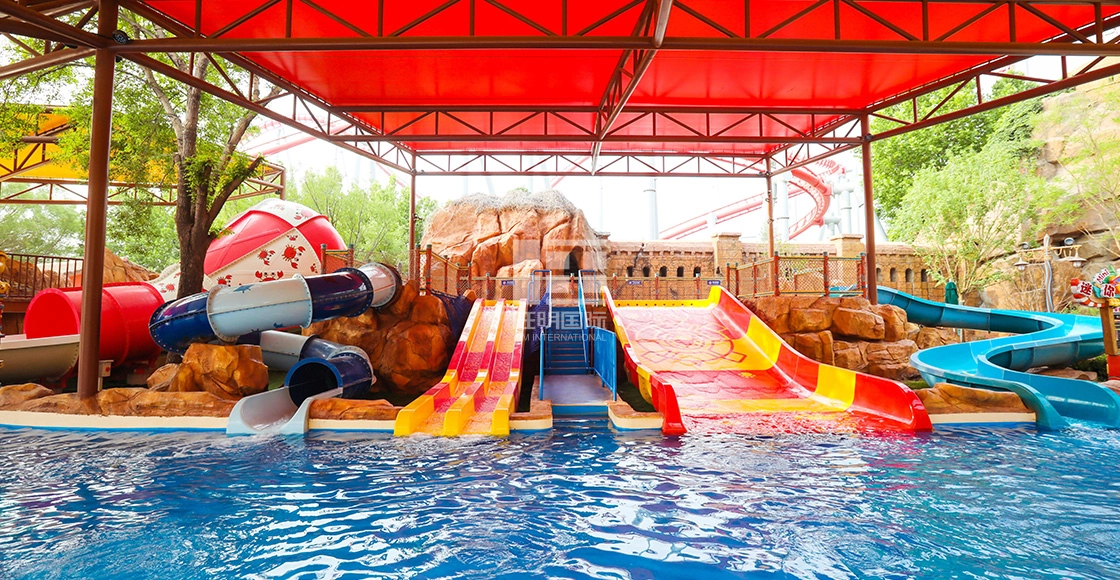
Children Combined Water Slide
Discover endless fun with the Children Combined Water Slide by WM INTERNATIONAL, expertly crafted for thrill-seeking kids. Perfect for summer splashes, this durable slide promises safety and joy. Looking to elevate your play area? Explore our Children's Combined Slide for sale now!
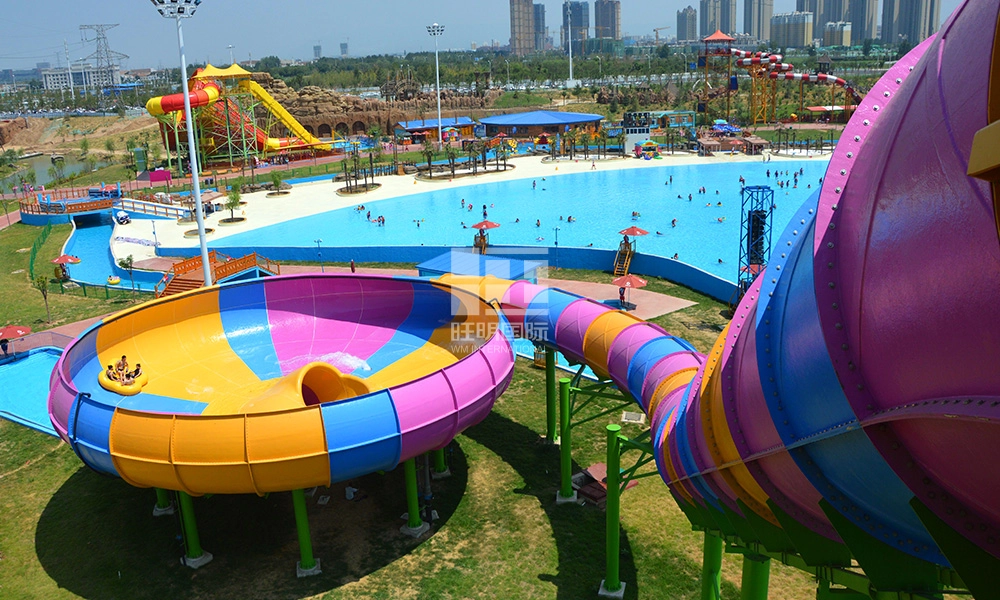
Huge Bowl Water Slide
The Huge Bowl Water Slide has achieved the “World's Best New Water Amusement Equipment” Award; it is the new favorite of the young people and the star project of the water park. The raft carries the tourists slowly entering the closed chute first; then it whirls in the bowl the moment the tourists can see the light. After a short period of time, the raft is suddenly suctioned into a huge black hole until it falls into the water. For a moment, the tourists realize the breathtaking journey has been safely brought to an end.
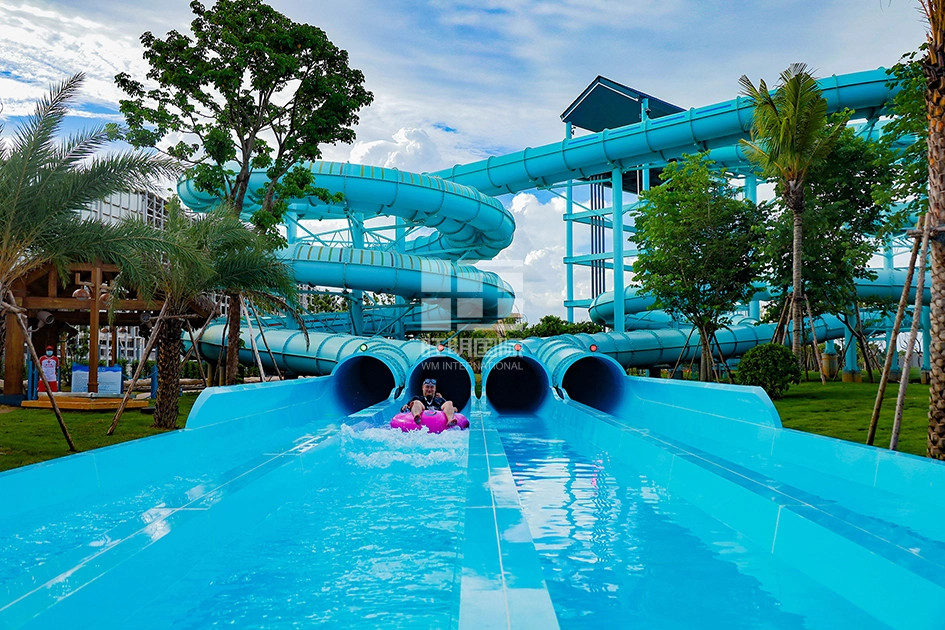
Time Tunnel Water Slide
The biggest feature of the time tunnel slide is that it uses double water slides and double tubes side by side in design and competes along the circular slide path. 8 people can play at the same time, with a large passenger capacity and high return rate, which is very suitable for team and family travel. And the slide is equipped with WangMing International's time tunnel technology, and the interior of the slide presents a beautiful aurora effect, with colorful lights, as if traveling through time and space.
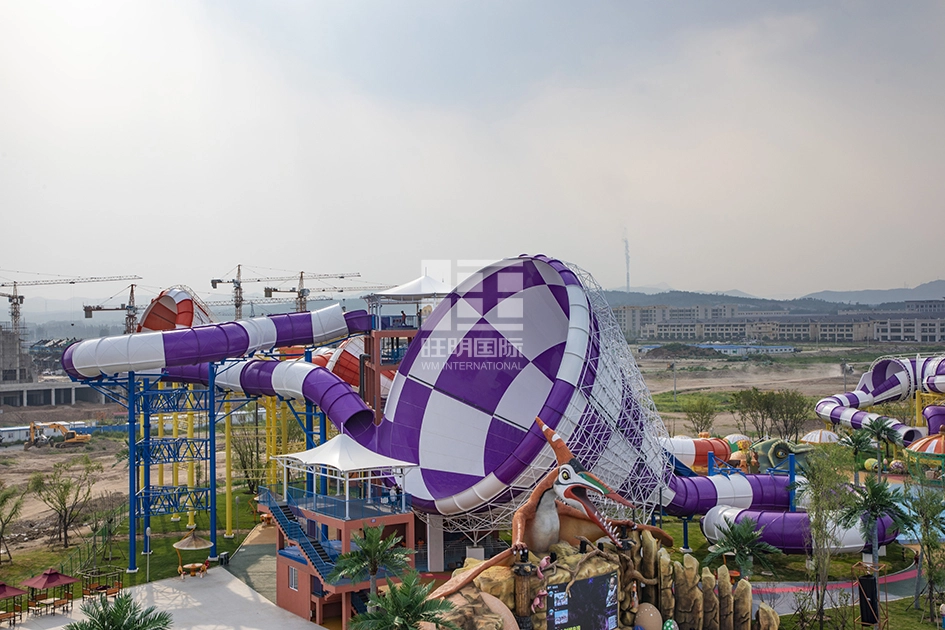
Big Tourbillion Water Slide
The Big Tourbillion water Slide won the "Gold Ticket Award - The Best New Project" of the international tourism industry. With unique modelling, strong irritation and humor, it is deeply loved by the young people; it has always been the popularity star of the water park. The raft carries the tourists as they enter the dark, closed chute slowly from the more than ten-meter-high platform; under the effect of gravity and water flow, it enters the state of rapid falling and then drops into the big Tourbillon; after a few times of whirling, it falls into the water pool. At this moment, the tourists are still in shock.
Get in touch
Have to get customized water park solutions and product quotes.
We will provide you with professional consultation and support.

Relying on leading technology, innovative products and rich industry experience, we tailor personalized solutions for each water park project to ensure a safe and exciting entertainment experience for tourists.
 Scan QR Code
wmwaterslide
wmwaterpark