




What are water slide safety standards and regulations? | Insights by WM INTERNATIONAL
- Understanding Water Slide Safety Standards and Regulations
- 1. What Are the Primary Safety Standards for Water Slides?
- 2. What Are the Key Design and Installation Requirements?
- 3. What Are the Operational Safety Guidelines?
- 4. How Do Safety Standards Vary by Region?
- 5. What Are the Consequences of Non-Compliance?
- 6. How Can Water Park Operators Ensure Compliance?
- 7. What Are the Benefits of Adhering to Safety Standards?
- 8. How Does WM INTERNATIONAL Support Water Park Safety?
Understanding Water Slide Safety Standards and Regulations
Water slides are a popular attraction in water parks and recreational facilities, offering fun and excitement to visitors of all ages. However, ensuring their safety is paramount to prevent accidents and injuries. This guide delves into the key safety standards and regulations governing water slides, providing essential information for water park operators and safety managers.
1. What Are the Primary Safety Standards for Water Slides?
Several international standards outline the safety requirements for water slides:
EN 1069-1 and ASTM F-2376: These standards specify safety requirements and test methods for water slides, covering aspects such as design, materials, and maintenance to ensure user safety.
NF EN 1069-1: This standard focuses on safety requirements and test methods for water slides, emphasizing the importance of compliance to provide a safe environment for users.
2. What Are the Key Design and Installation Requirements?
Proper design and installation are crucial for water slide safety:
Materials: Slides must be constructed from durable, corrosion-resistant materials compatible with the aquatic environment.
Water Depths: Adequate water depths are essential to prevent injuries. For instance, slides entering water less than two inches above the water level should have a minimum water depth of 48 inches.
Splash Pools: Splash pools should be of sufficient size and depth to prevent users from contacting the walls or bottom upon entry.
3. What Are the Operational Safety Guidelines?
Ensuring safe operation involves:
User Behavior: Establishing and enforcing rules such as no headfirst sliding, maintaining a safe distance between riders, and prohibiting rough play.
Maintenance: Regular inspections and maintenance are vital to identify and address potential hazards promptly.
Signage: Clear and visible warning signs should be posted at slide entrances, conveying rules and safety instructions.
4. How Do Safety Standards Vary by Region?
Safety standards can differ based on location:
United States: The Virginia Graeme Baker Pool and Spa Safety Act mandates specific safety measures for pools and spas, including requirements for drain safety to prevent entrapment.
Canada: Ontario's regulations stipulate requirements for water slide design, including water flow, splash pool dimensions, and safety features.
5. What Are the Consequences of Non-Compliance?
Failure to adhere to safety standards can lead to:
Increased Risk of Injuries: Non-compliance may result in accidents, ranging from minor injuries to severe incidents like spinal injuries or drowning.
Legal Liabilities: Operators may face legal actions, fines, or closure of facilities due to non-compliance with safety regulations.
Reputational Damage: Incidents can harm the facility's reputation, leading to decreased patronage and trust.
6. How Can Water Park Operators Ensure Compliance?
Operators can ensure compliance by:
Regular Training: Providing ongoing training for staff on safety protocols and emergency response procedures.
Routine Audits: Conducting regular safety audits to identify and rectify potential hazards.
Staying Informed: Keeping abreast of updates to local, national, and international safety standards and regulations.
7. What Are the Benefits of Adhering to Safety Standards?
Adhering to safety standards offers several advantages:
Enhanced Safety: Reduces the likelihood of accidents and injuries, ensuring a safe environment for patrons.
Legal Protection: Demonstrates due diligence, potentially mitigating legal liabilities in case of incidents.
Operational Efficiency: Promotes efficient operations through standardized procedures and maintenance practices.
Customer Trust: Builds trust and loyalty among patrons, leading to increased visitation and positive reviews.
8. How Does WM INTERNATIONAL Support Water Park Safety?
WM INTERNATIONAL is committed to enhancing water park safety by providing:
High-Quality Equipment: Supplying durable and compliant water slide components that meet international safety standards.
Expert Consultation: Offering guidance on design, installation, and maintenance to ensure safety and compliance.
Ongoing Support: Providing training and resources to staff, ensuring continuous adherence to safety protocols.
By partnering with WM INTERNATIONAL, water park operators can enhance safety, ensure compliance, and provide a secure and enjoyable experience for all visitors.
Market Size and Forecast Analysis of Segmented Products in the Water Park Equipment Slide Industry
From Water Park Equipment Innovation to Carnival Experience, Water Parks Define a New Summer Trend
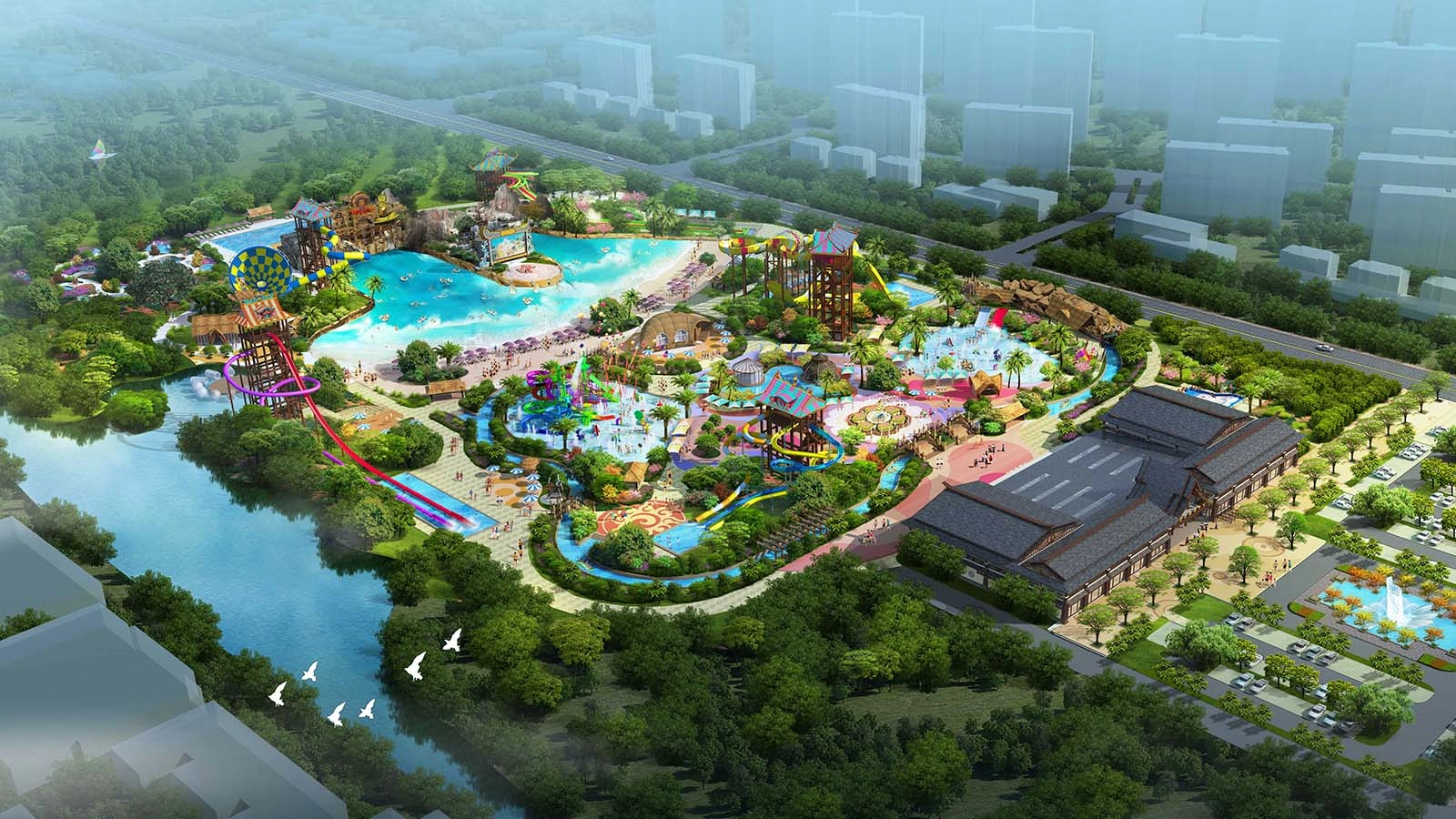
Water Projects: The Complete Guide to Developing Water Projects for Different Venues with WM INTERNATIONAL
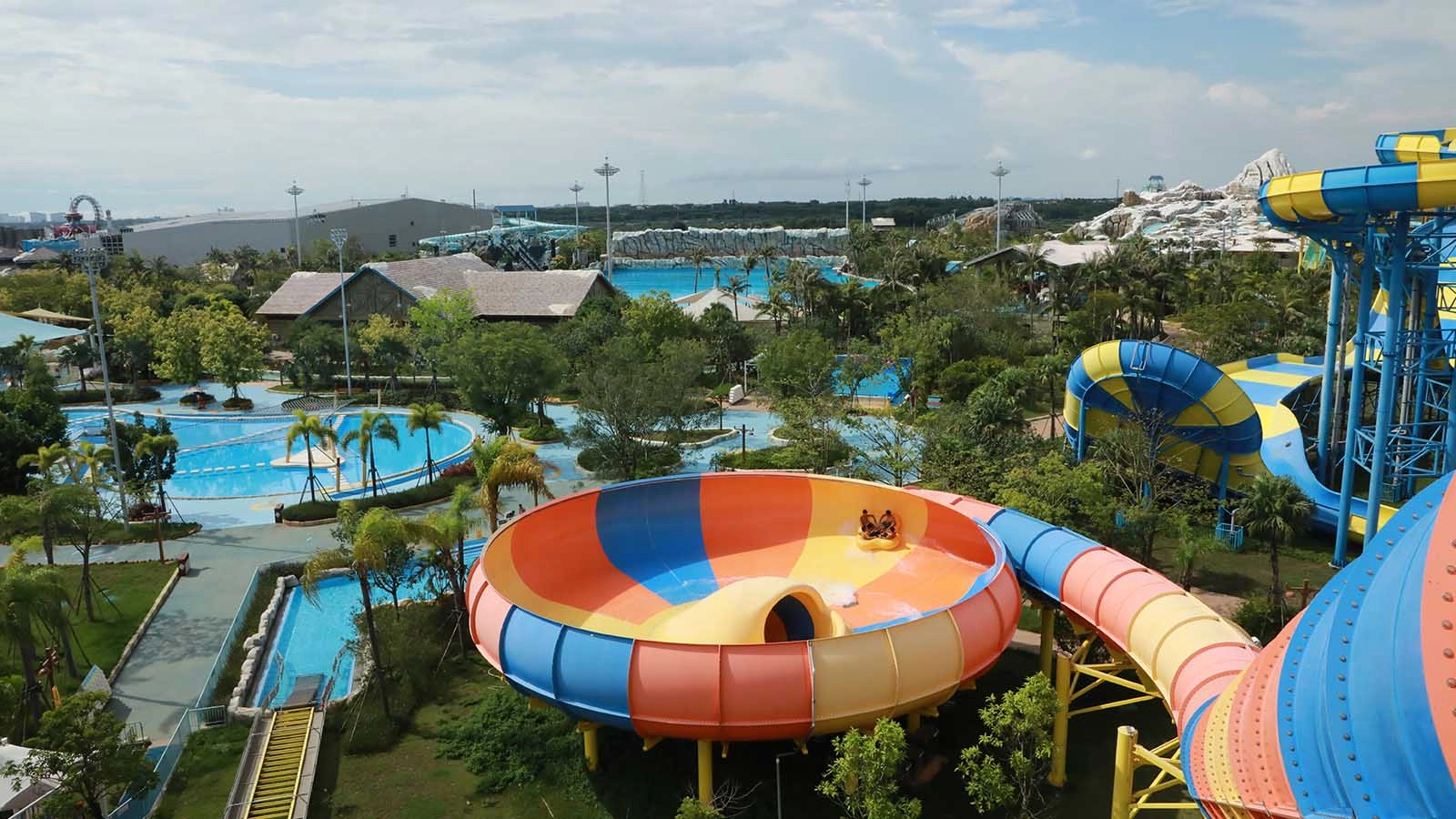
Water Project Industry Trends: Emerging Opportunities in the Water Attraction Market
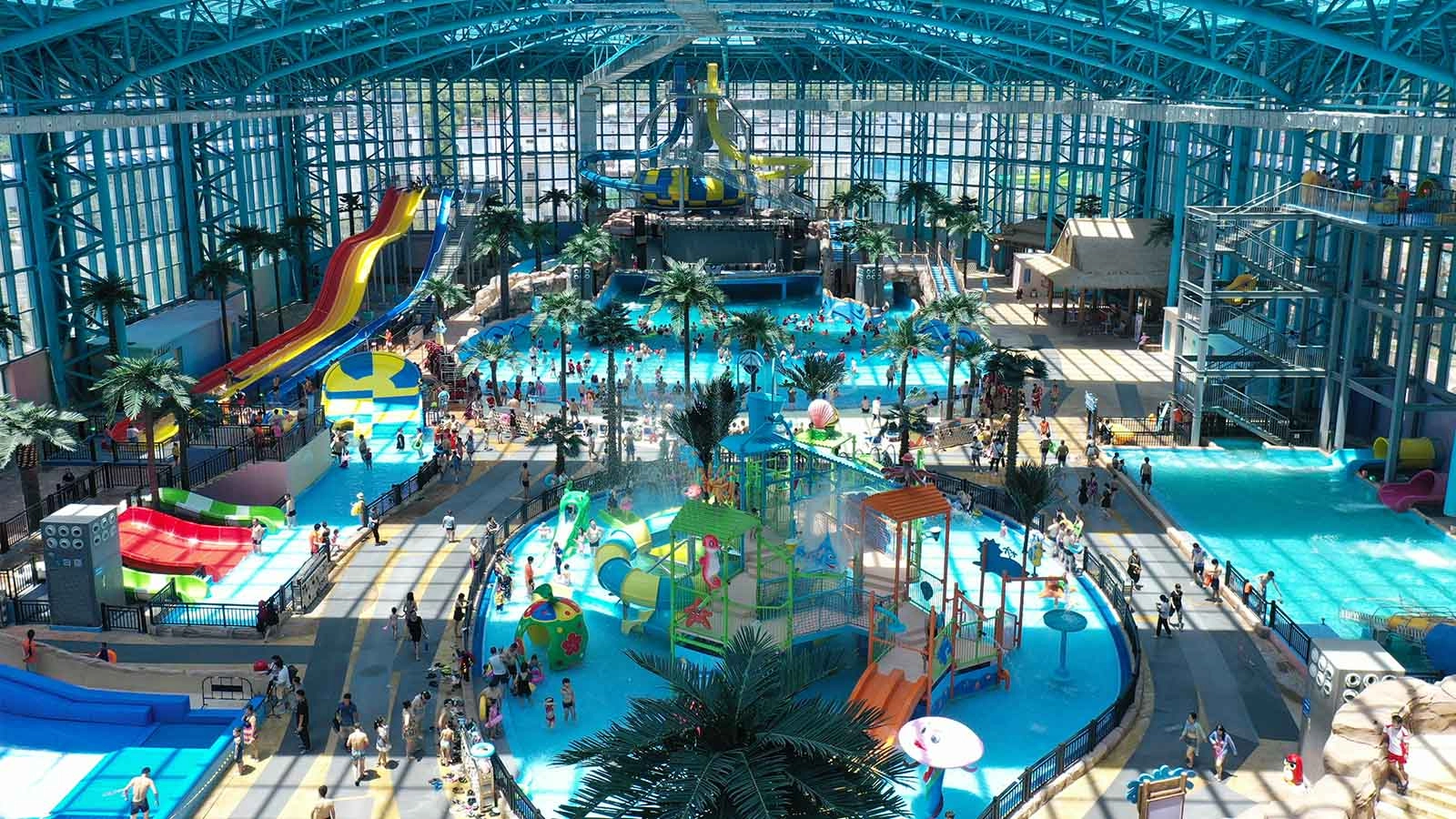
Custom Water Project Solutions for Different Venues: Water Parks, Resorts, Theme Parks and More
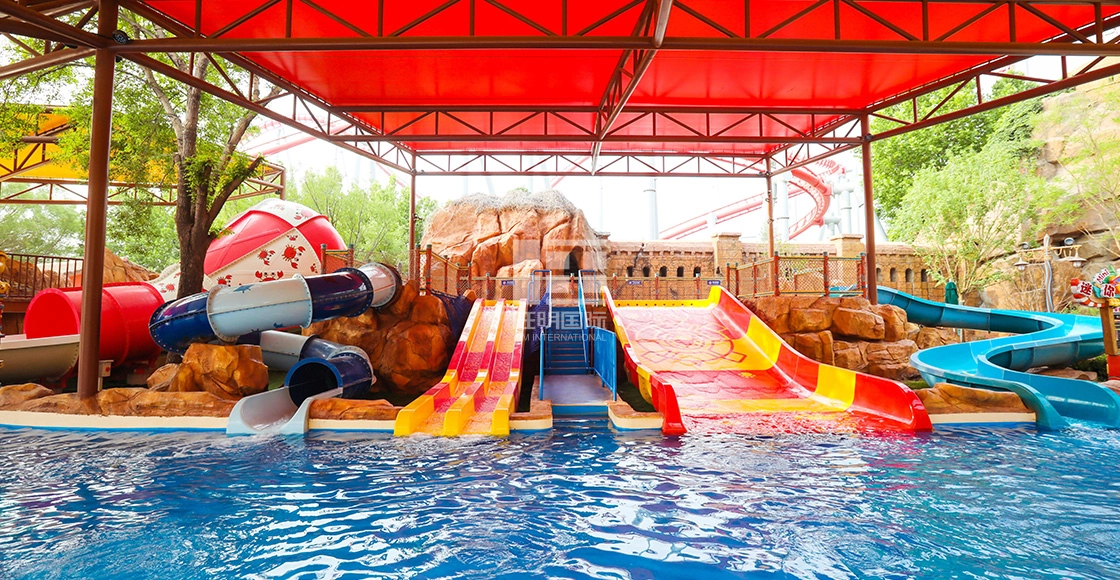
Children Combined Water Slide
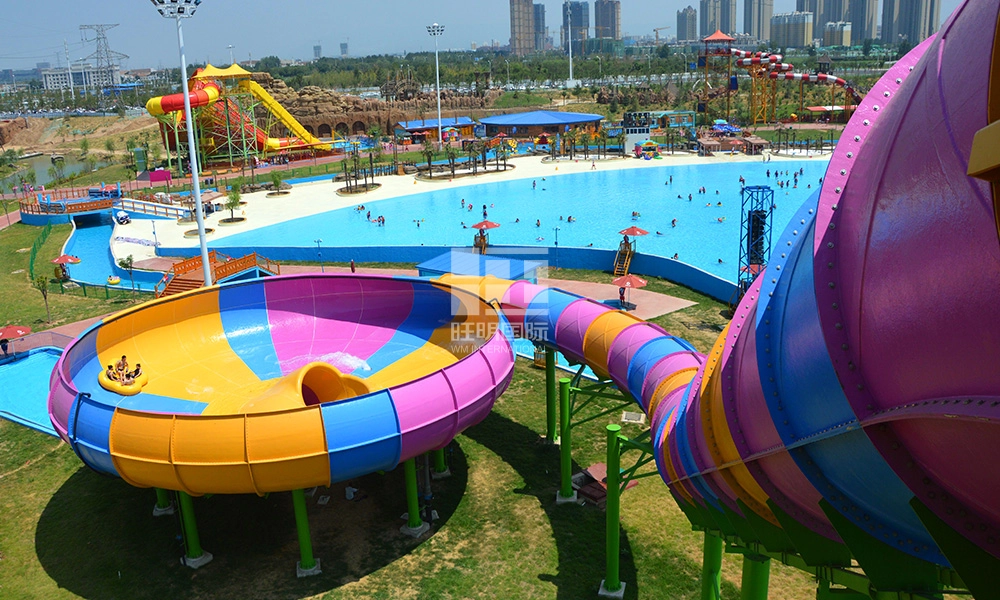
Huge Bowl Water Slide
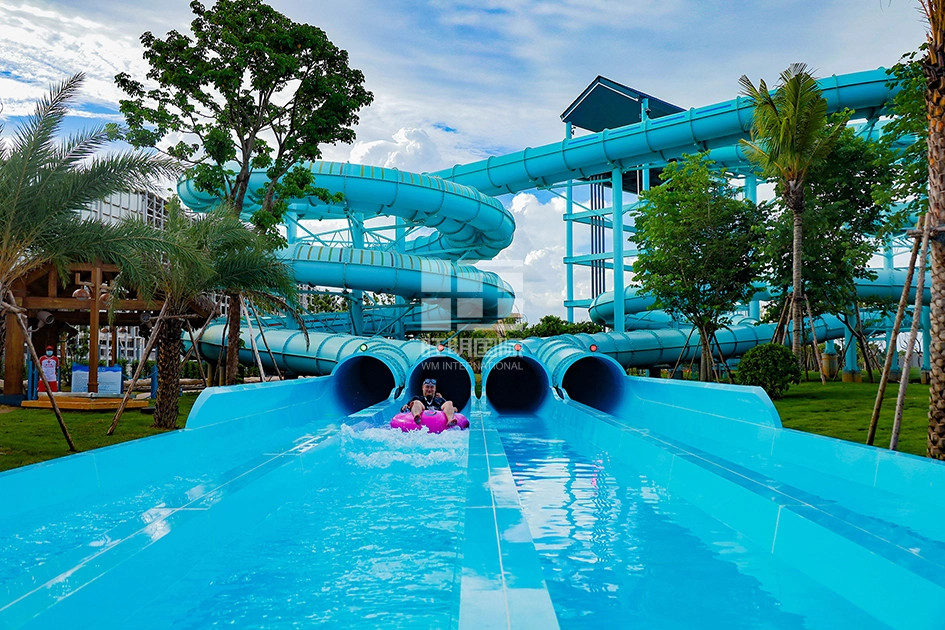
Time Tunnel Water Slide
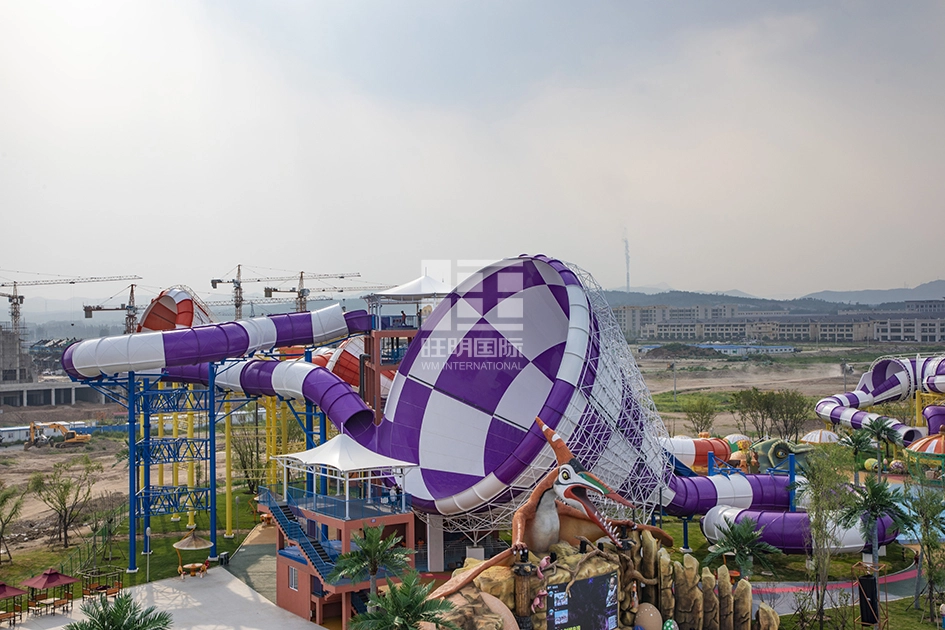
Big Tourbillion Water Slide
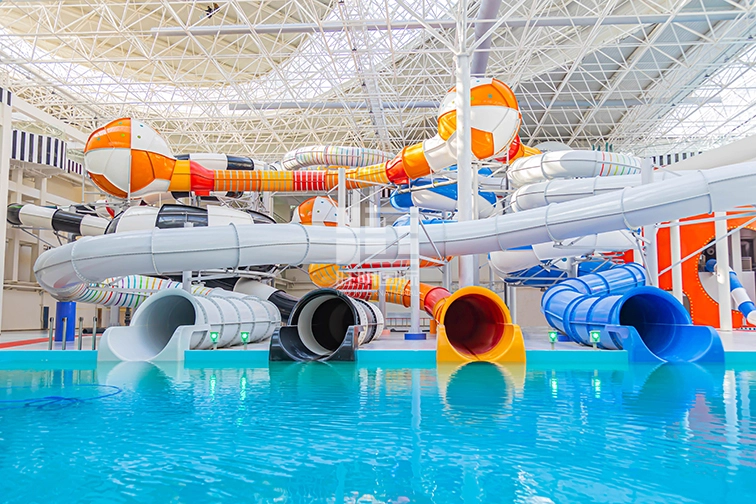
Turnover Slide
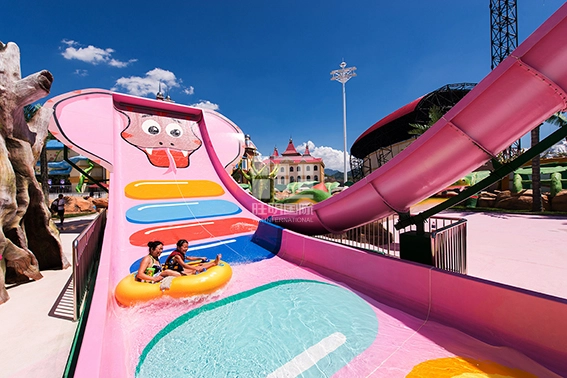
Small King Cobra Water Slide
Get in touch
Have to get customized water park solutions and product quotes.
We will provide you with professional consultation and support.

Relying on leading technology, innovative products and rich industry experience, we tailor personalized solutions for each water park project to ensure a safe and exciting entertainment experience for tourists.
 Scan QR Code
wmwaterslide
wmwaterpark