






What maintenance is required for a tsunami pool system? | WM INTERNATIONAL Guide
- What Maintenance Is Required for a Tsunami Pool System?
- How Often Should the Tsunami Pool System Be Inspected?
- What Are the Key Components to Maintain in a Tsunami Pool System?
- How Should Water Quality Be Managed in a Tsunami Pool?
- What Are Common Signs of Wear or Failure in a Tsunami Pool System?
- What Preventive Maintenance Practices Help Extend the Life of a Tsunami Pool System?
What Maintenance Is Required for a Tsunami Pool System?
How Often Should the Tsunami Pool System Be Inspected?
Regular inspections are critical for tsunami pool systems. A thorough inspection should be conducted weekly during operational seasons to check for mechanical and electrical integrity. Monthly detailed inspections by qualified technicians are recommended to ensure all components, including pumps, valves, and wave generators, are functioning properly.
What Are the Key Components to Maintain in a Tsunami Pool System?
Key components that require routine maintenance include wave generators or paddles, circulation pumps, filtration systems, and sensors. These parts must be cleaned, lubricated if necessary, and tested frequently. Filters should be cleaned or replaced monthly, and electrical systems should be checked for any signs of corrosion or damage.
How Should Water Quality Be Managed in a Tsunami Pool?
Maintaining optimum water quality is crucial. Regular monitoring of pH, chlorine, alkalinity, and turbidity is necessary daily or multiple times per week. Automated chemical dosing systems should be calibrated weekly to maintain consistent water sanitation and clarity, preventing any impact on mechanical equipment and ensuring guest safety.
What Are Common Signs of Wear or Failure in a Tsunami Pool System?
Unusual vibrations, inconsistent wave patterns, noise from motors or pumps, leaks, or decreased water flow are key indicators of possible system issues. Early detection through these signs can prevent severe breakdowns. Operators should log these signs and arrange immediate maintenance or repairs.
What Preventive Maintenance Practices Help Extend the Life of a Tsunami Pool System?
Implementing a preventive maintenance schedule that includes regular lubrication of moving parts, timely replacement of worn components, routine cleaning, and calibration of control systems is essential. Training staff on proper operation and maintenance procedures also reduces human error and extends the system’s operational lifespan.
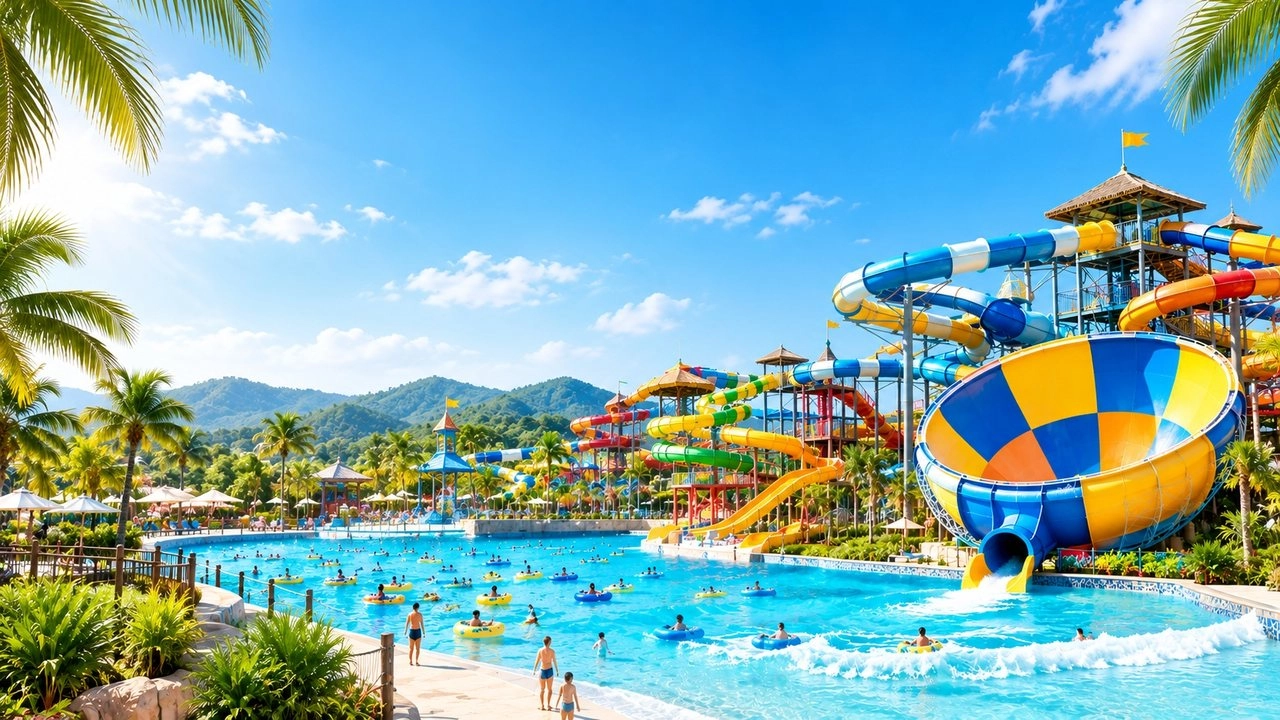
Water Project Cost and ROI: Key Budget Factors Before Choosing a Project Solution
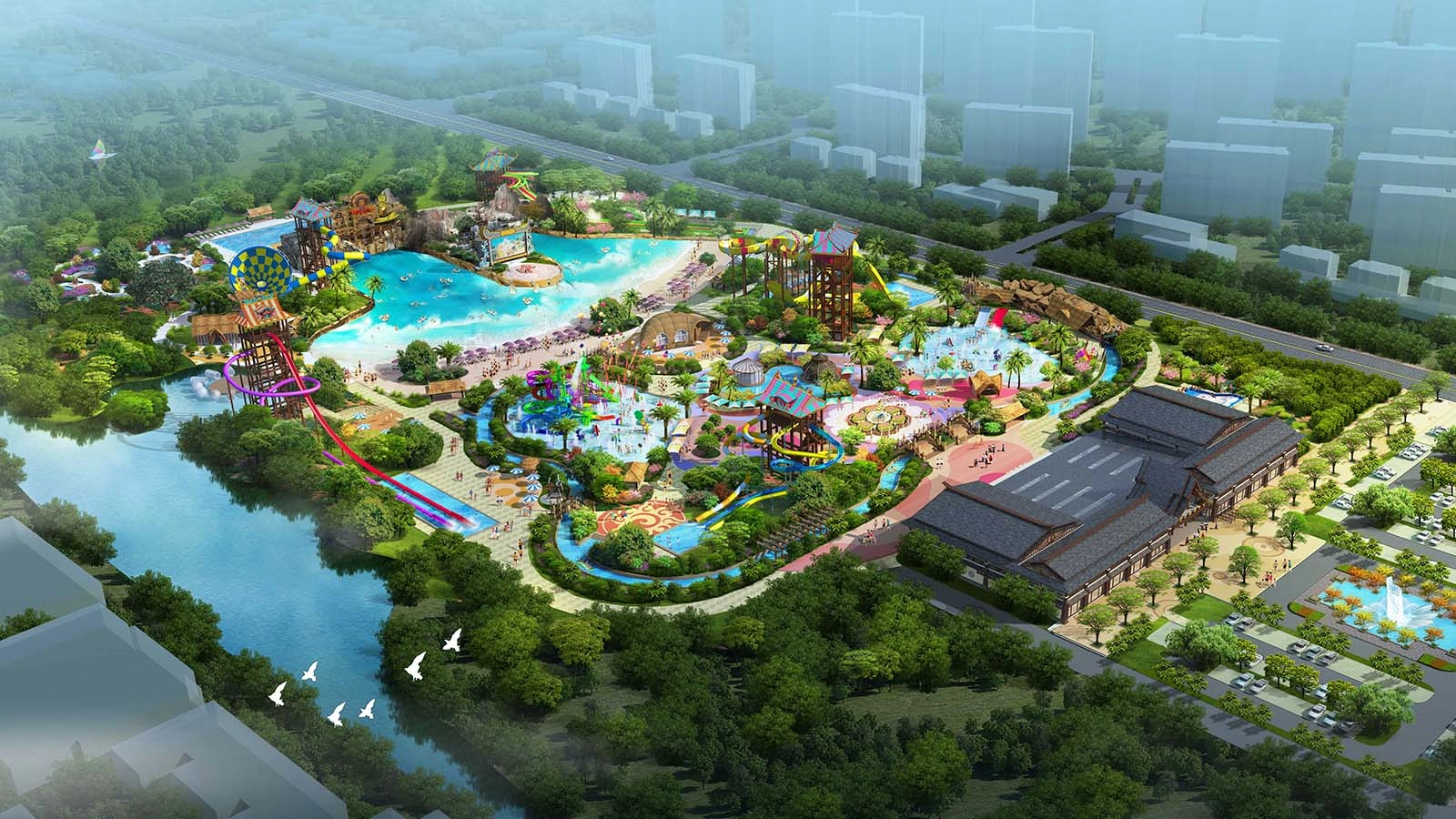
Water Projects: The Complete Guide to Developing Water Projects for Different Venues with WM INTERNATIONAL
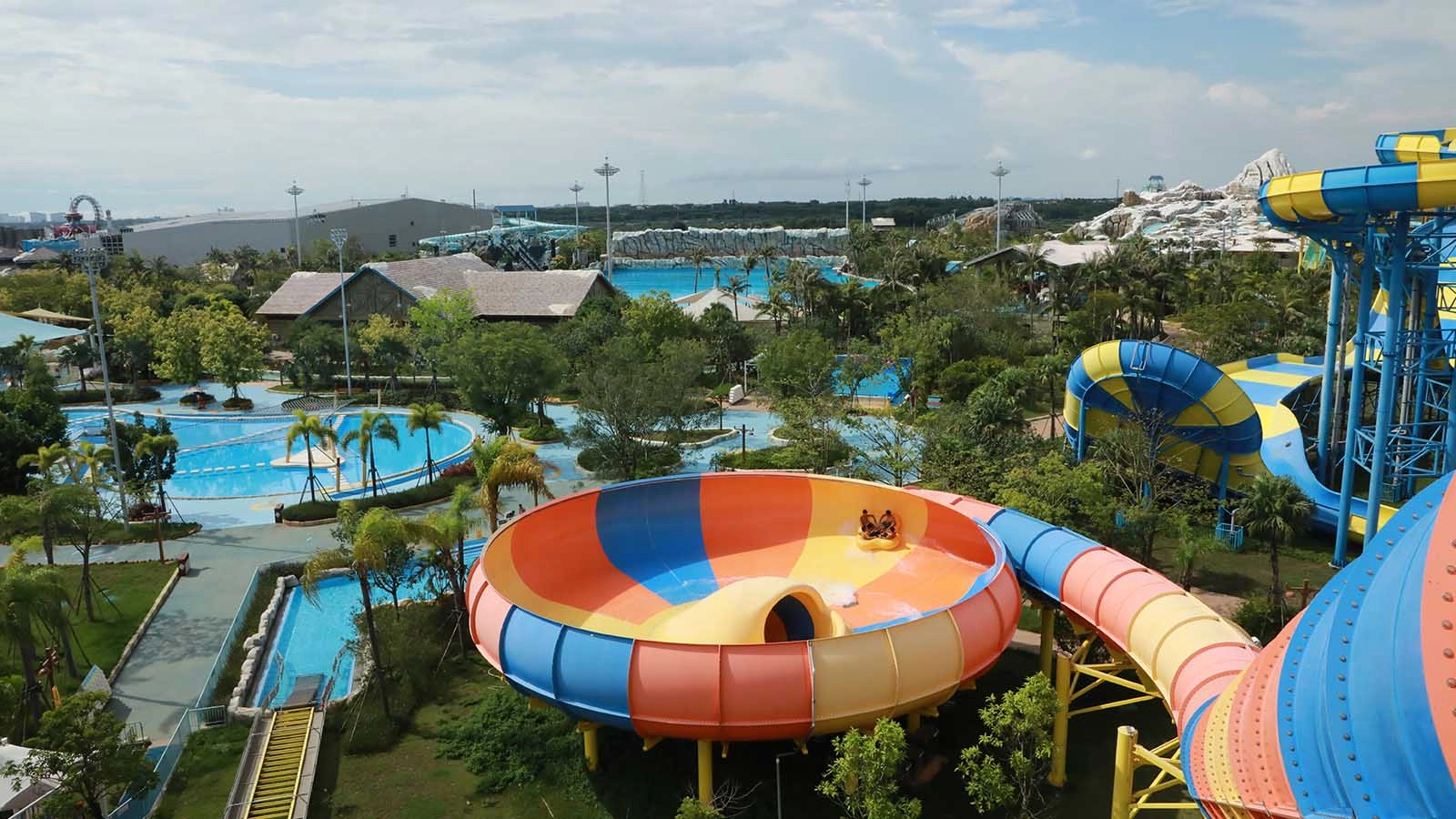
Water Project Industry Trends: Emerging Opportunities in the Water Attraction Market
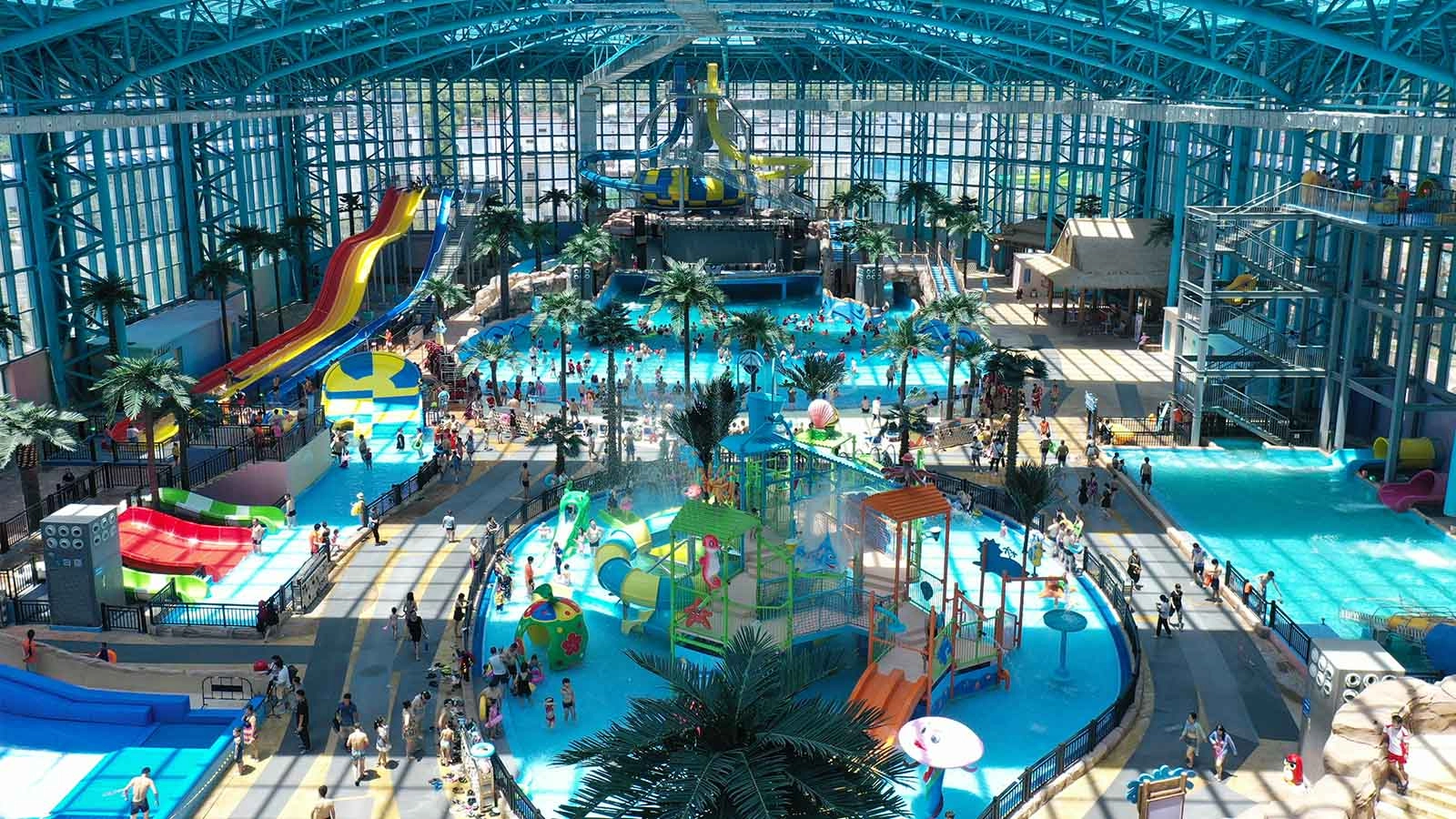
Custom Water Project Solutions for Different Venues: Water Parks, Resorts, Theme Parks and More
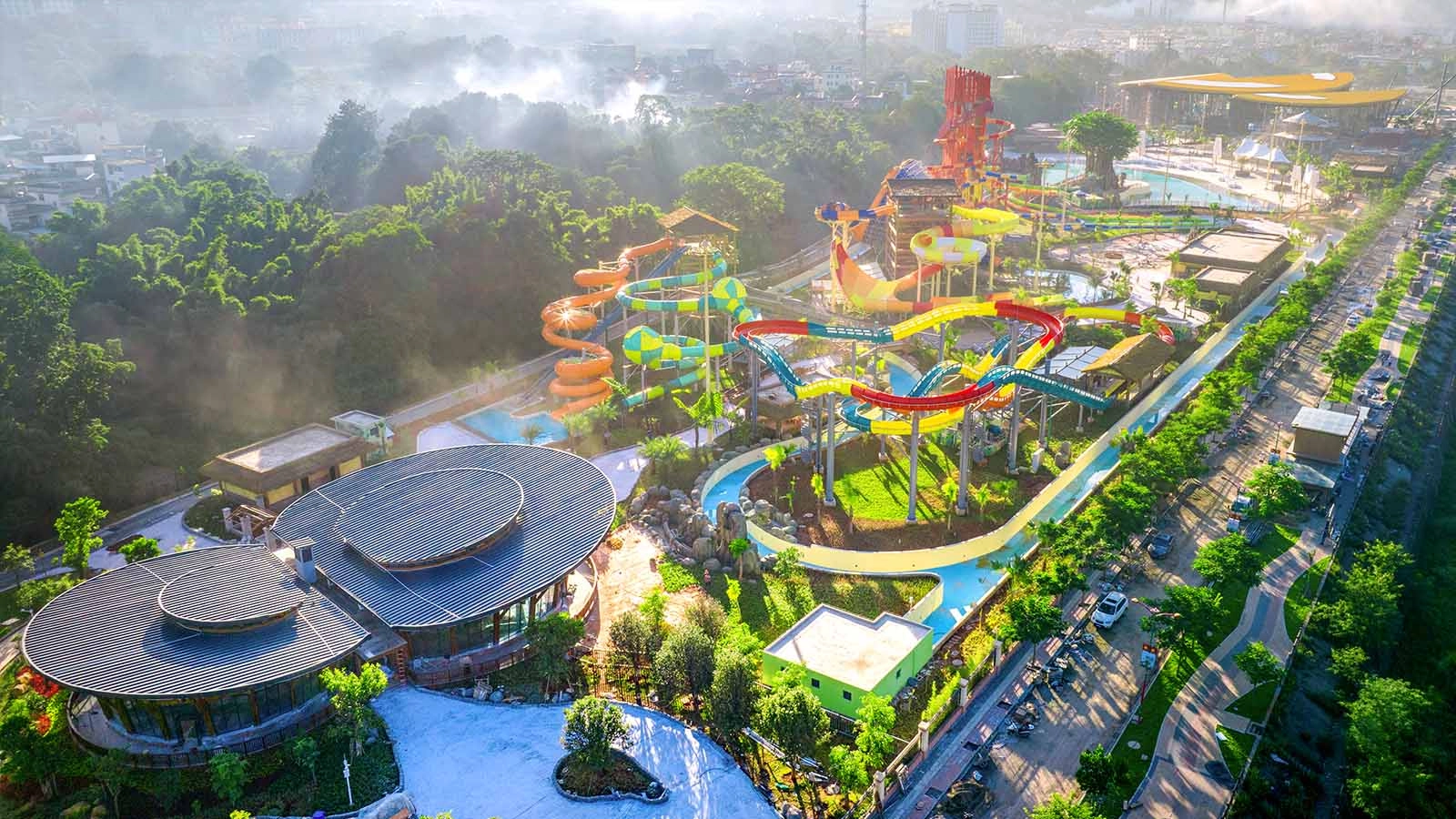
How to Configure Water Attractions for Water Projects in Different Venues
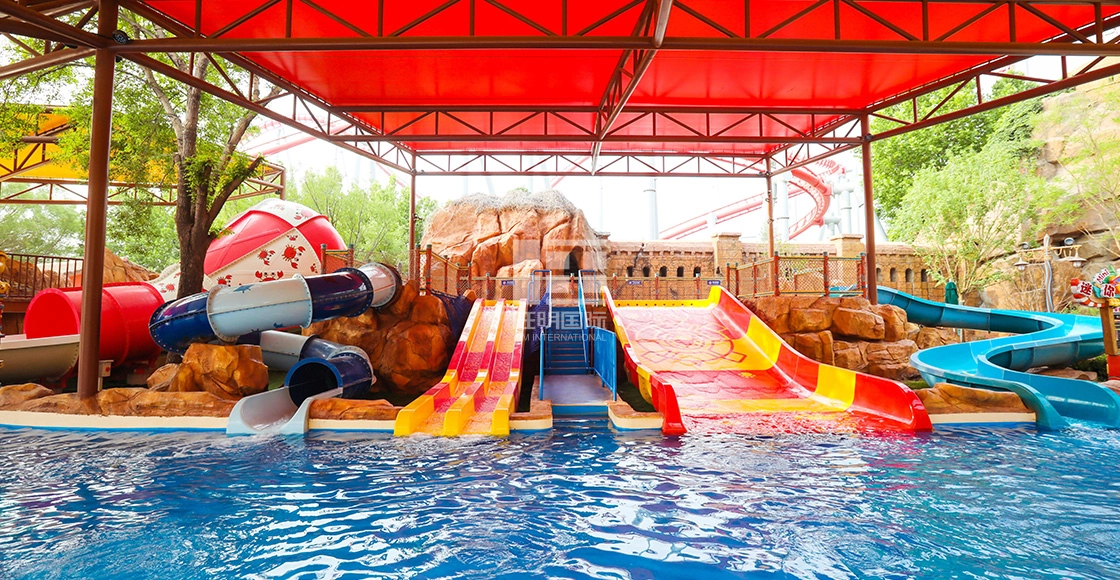
Children Combined Water Slide
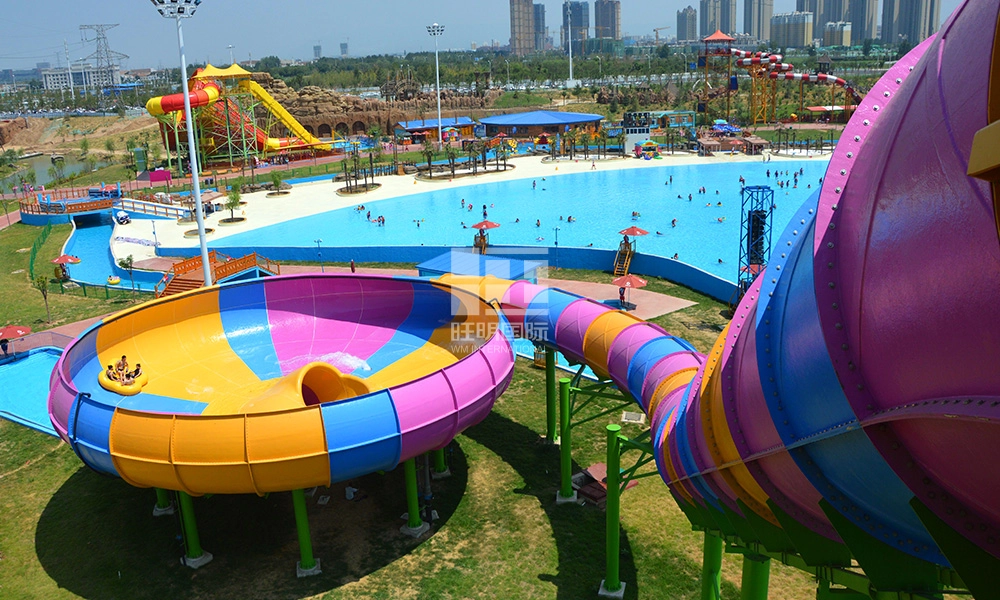
Huge Bowl Water Slide
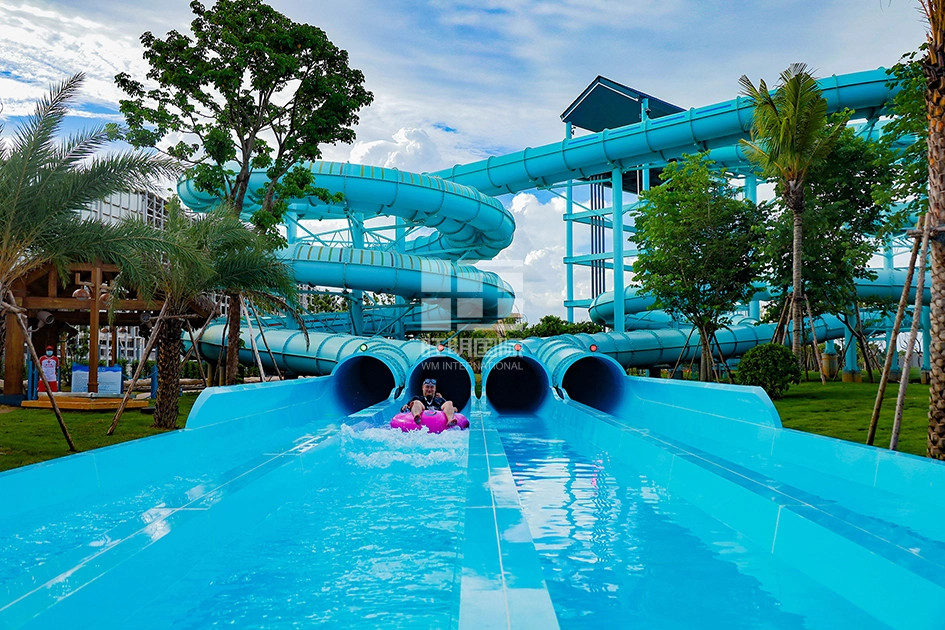
Time Tunnel Water Slide
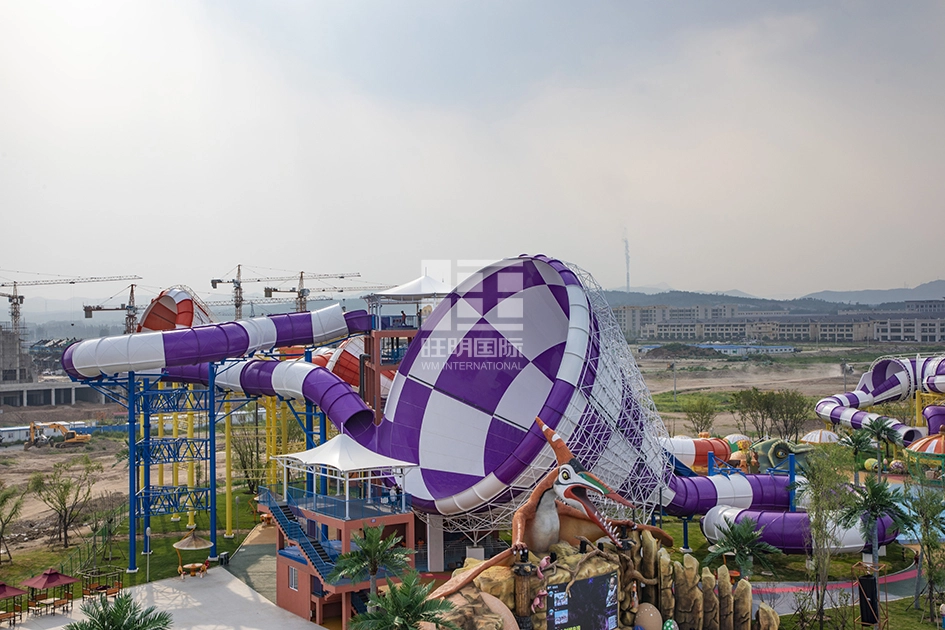
Big Tourbillion Water Slide
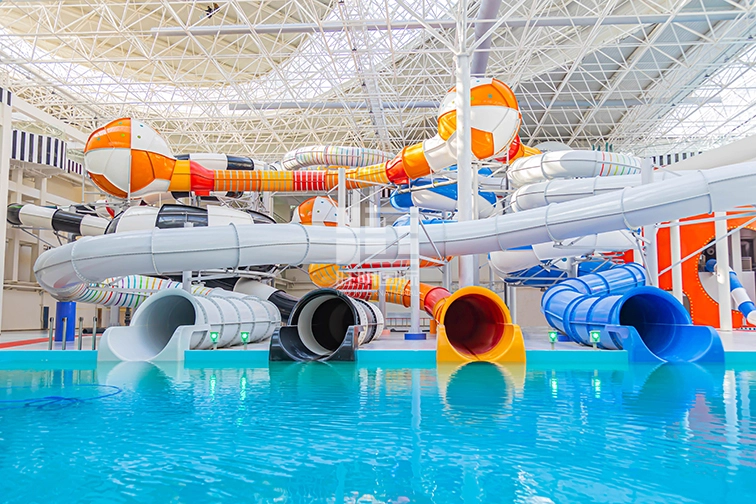
Turnover Slide
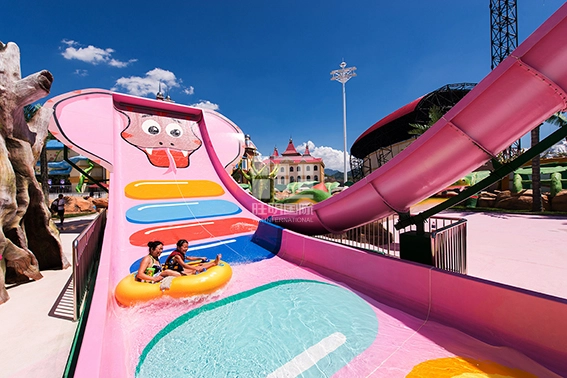
Small King Cobra Water Slide
Get in touch
Have to get customized water park solutions and product quotes.
We will provide you with professional consultation and support.

Relying on leading technology, innovative products and rich industry experience, we tailor personalized solutions for each water park project to ensure a safe and exciting entertainment experience for tourists.
 Scan QR Code
wmwaterslide
wmwaterpark