

Which is better for my community: building a spray park or a water park? | WM INTERNATIONAL Guide
Which is better for my community: building a spray park or a water park?
Choosing between a spray park and a water park is a crucial decision for any community. Both options offer recreational value, but differ in cost, maintenance, and accessibility. This article guides professionals on selecting the right water amenity, addressing user pain points like budget, safety, capacity, and long-term value.
Key Differences at a Glance
- Spray Park:
Open, interactive water play areas with ground jets and features. No standing water.
- Water Park:
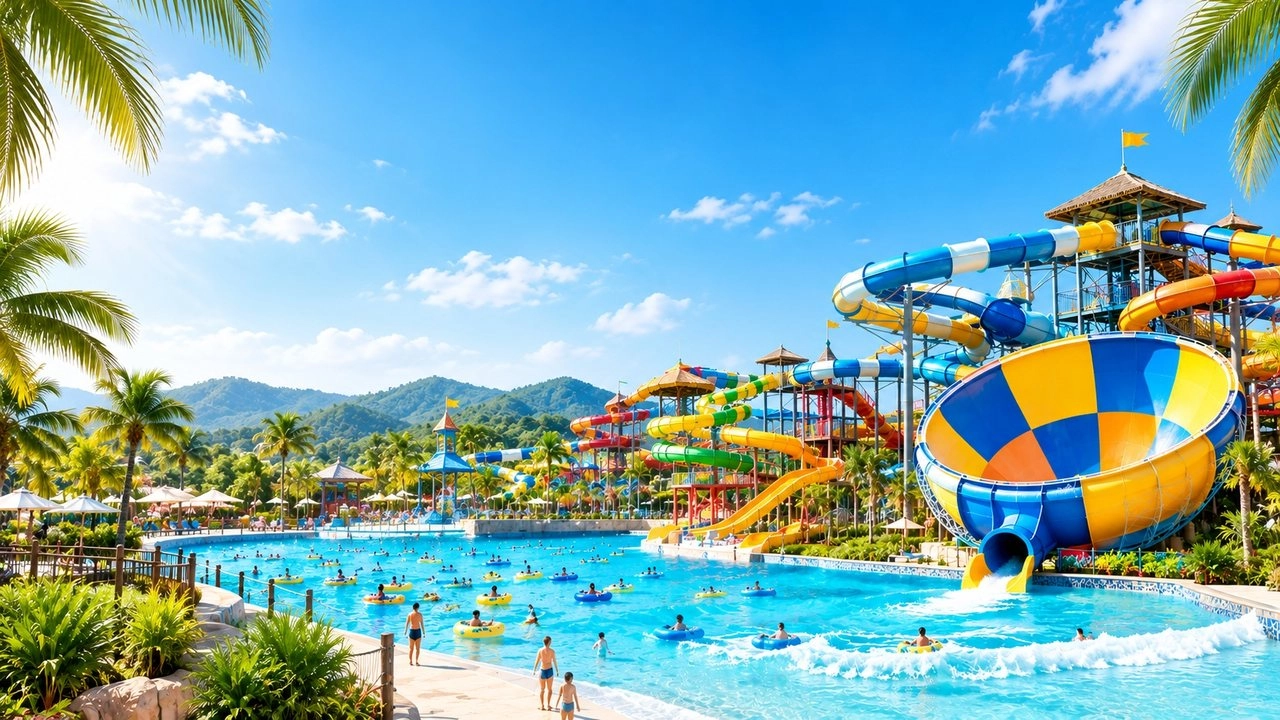
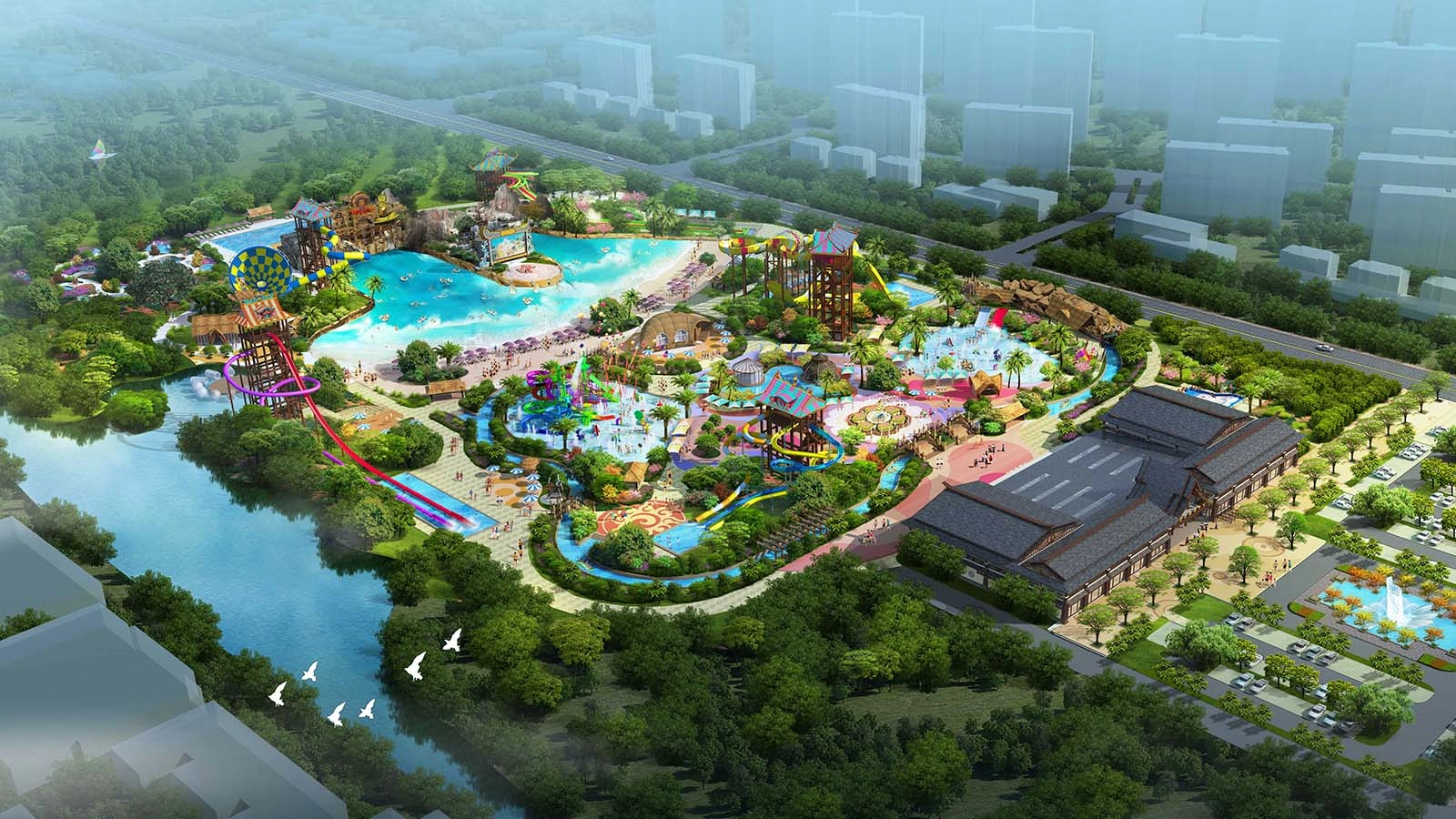
Large facilities with pools, slides, and a wide variety of aquatic attractions.
Cost Considerations
Initial Investment
- Spray parks generally cost less to build; typical projects range from $200,000 to $500,000 (World Waterpark Association).
- Water parks require higher capital, often $1 million+ depending on size and features.
Operating Expenses
- Spray parks use less water and energy; reduced filtration and chemical needs.
- Water parks incur higher staffing, energy, and ongoing maintenance costs.
Maintenance & Management
- Spray parks:
- Fewer staff due to low risk (no lifeguards required per CDC guidelines).
- Lower overhead and simpler daily upkeep.
- Water parks:
- Require certified lifeguards, regular pool maintenance, and complex filtration systems.
User Experience & Accessibility
Safety
- Spray parks, with no standing water, pose minimal drowning risk.
- Water parks need enhanced supervision and have stricter safety regulations.
Age and Inclusivity
- Spray parks are ideal for young children and families.
- Water parks cater to broader age groups, including teens and adults.
Accessibility
- Spray parks are ADA-friendly and easy to retrofit for universal design.
- Water parks require more complex infrastructure for accessibility compliance.
Community Impact
Capacity
- Spray parks work well for smaller communities (up to 300 users/day).
- Water parks accommodate higher visitor volumes (up to several thousand/day).
Revenue Potential
- Water parks offer greater commercial opportunities (admission, concessions, events).
- Spray parks maximize public good with lower or no entry fee.
Seasonality
- Both tend to be seasonal, but some spray parks are used as public plazas outside summer months.
- Indoor water parks can extend operational months but increase costs.
Environmental Impact
- Spray parks use recirculated water and efficient systems, minimizing consumption (Centers for Disease Control and Prevention).
- Water parks require many cubic meters of water for pools and regular chemical treatment.
Making the Right Choice
Consider the following when choosing for your community:
- Budget constraints
- Projected community use and growth
- Safety requirements
- Revenue vs. public-access goals
- Environmental stewardship
Authoritative Sources:
- World Waterpark Association (WWA)
- Centers for Disease Control and Prevention (CDC)
Make your community a water-play destination with informed planning and sustainable choices. For expert guidance, consult with WM INTERNATIONAL—leaders in water park solutions.
Water Project Cost and ROI: Key Budget Factors Before Choosing a Project Solution
Water Projects: The Complete Guide to Developing Water Projects for Different Venues with WM INTERNATIONAL
Water Project Industry Trends: Emerging Opportunities in the Water Attraction Market
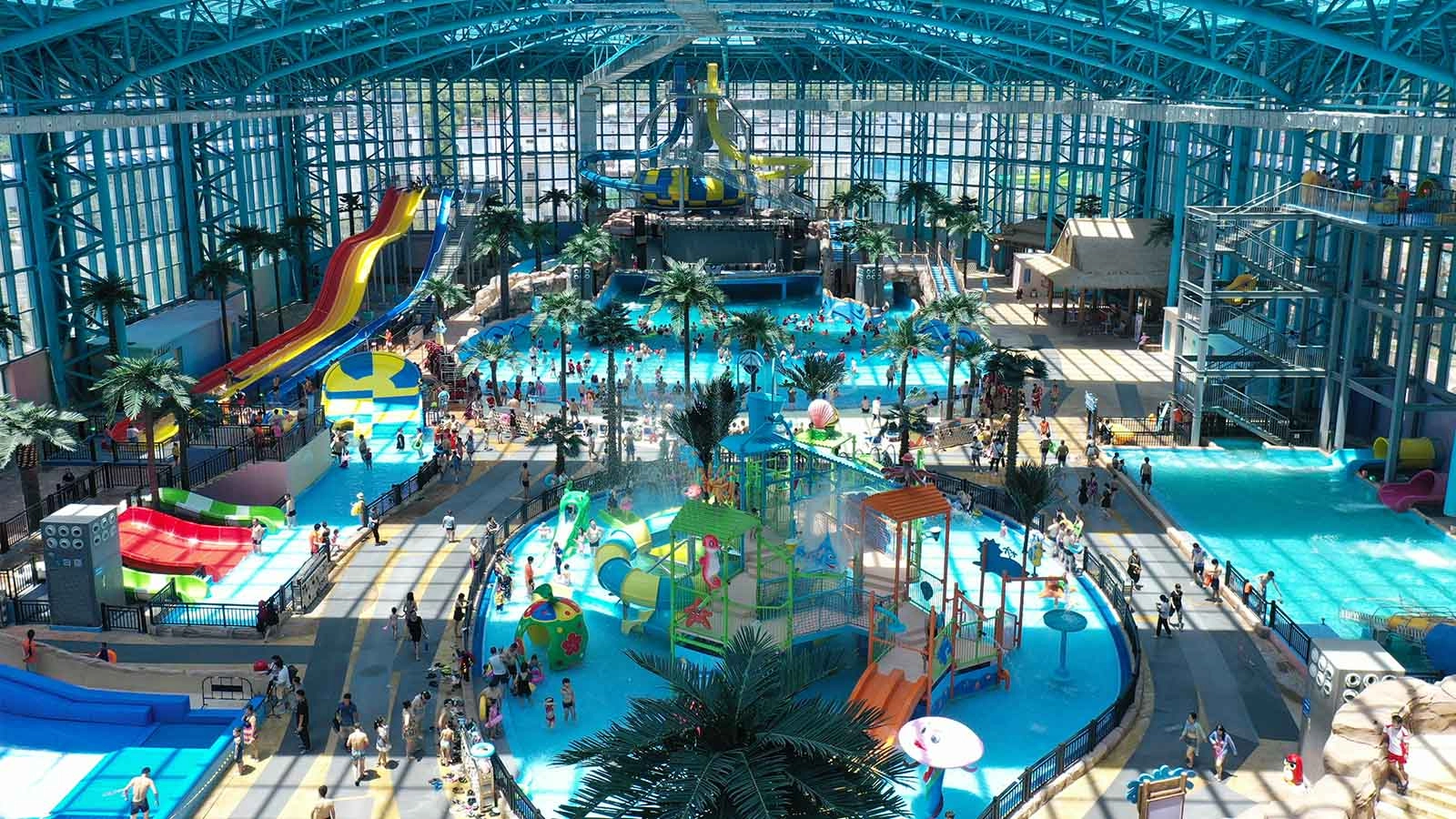
Custom Water Project Solutions for Different Venues: Water Parks, Resorts, Theme Parks and More
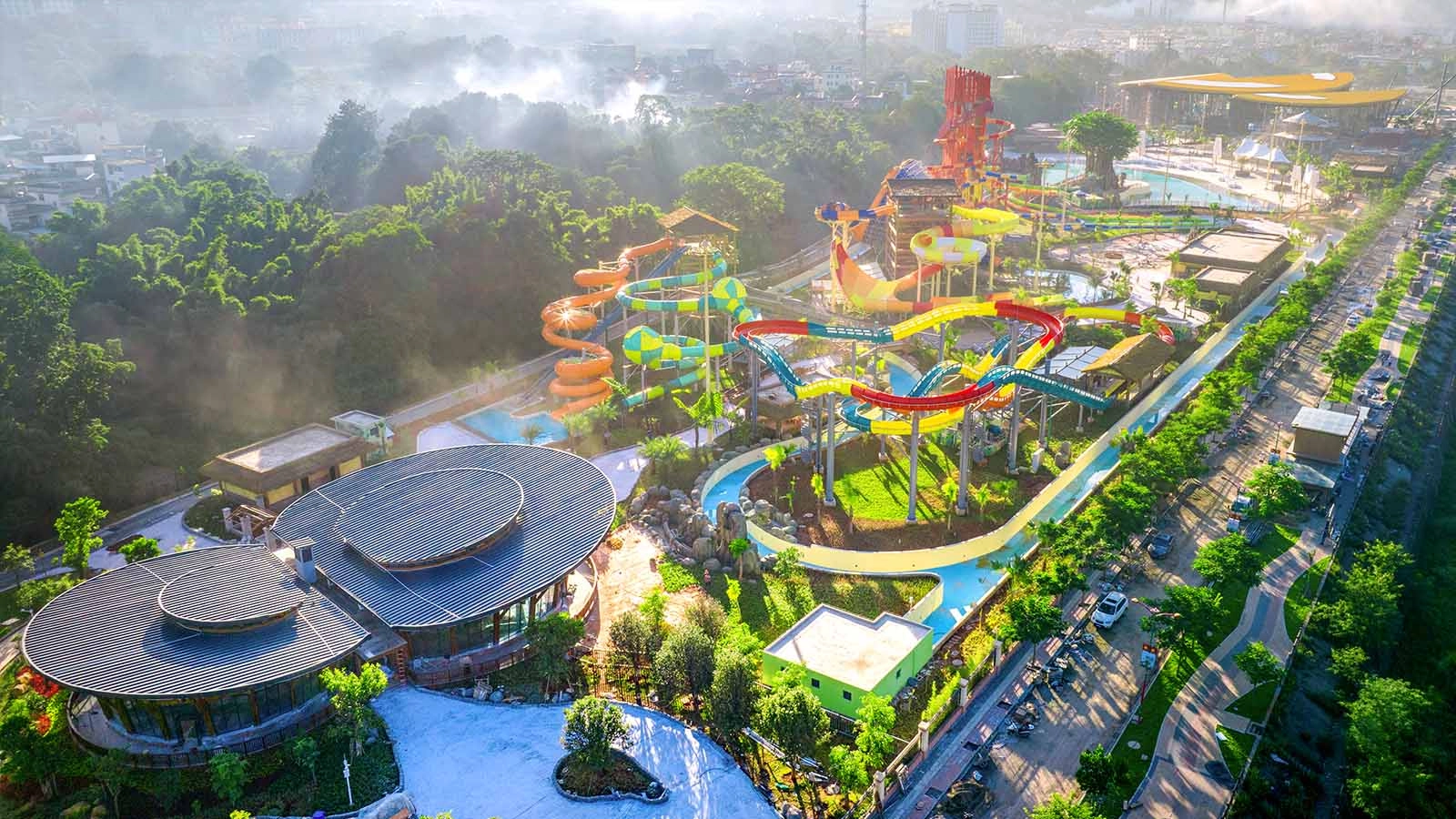
How to Configure Water Attractions for Water Projects in Different Venues
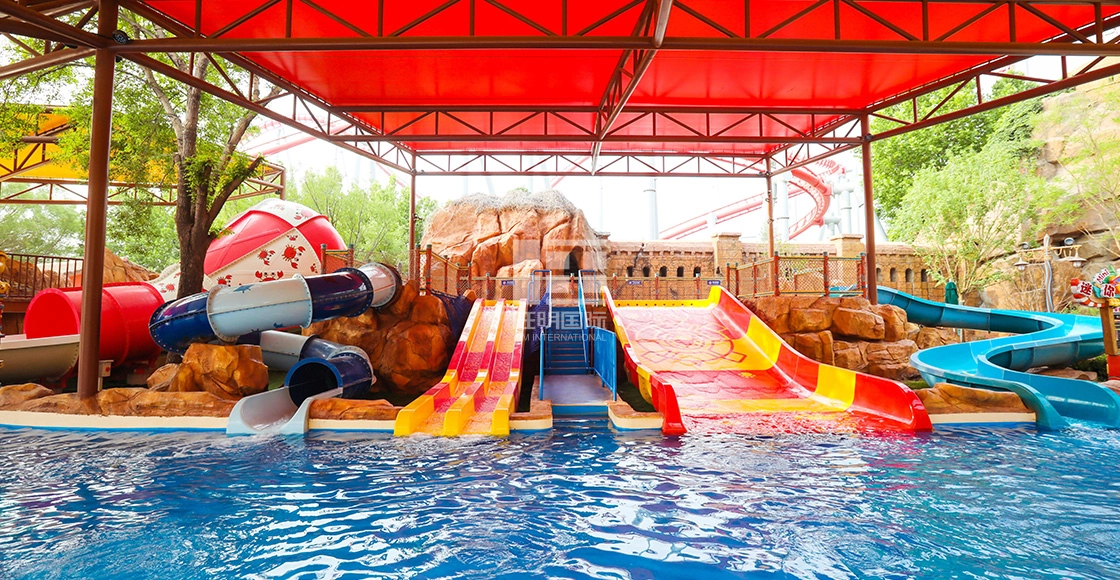
Children Combined Water Slide
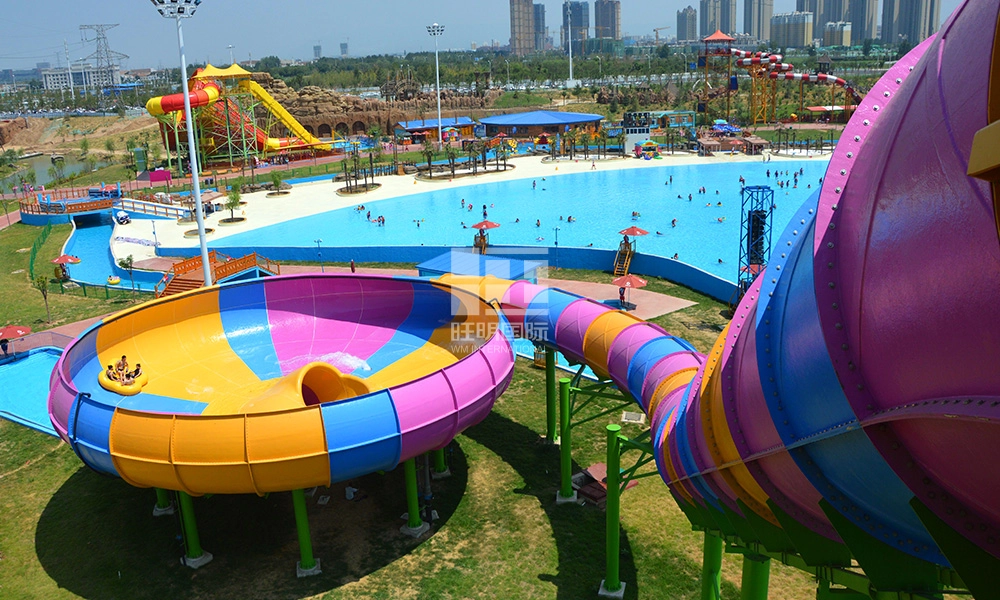
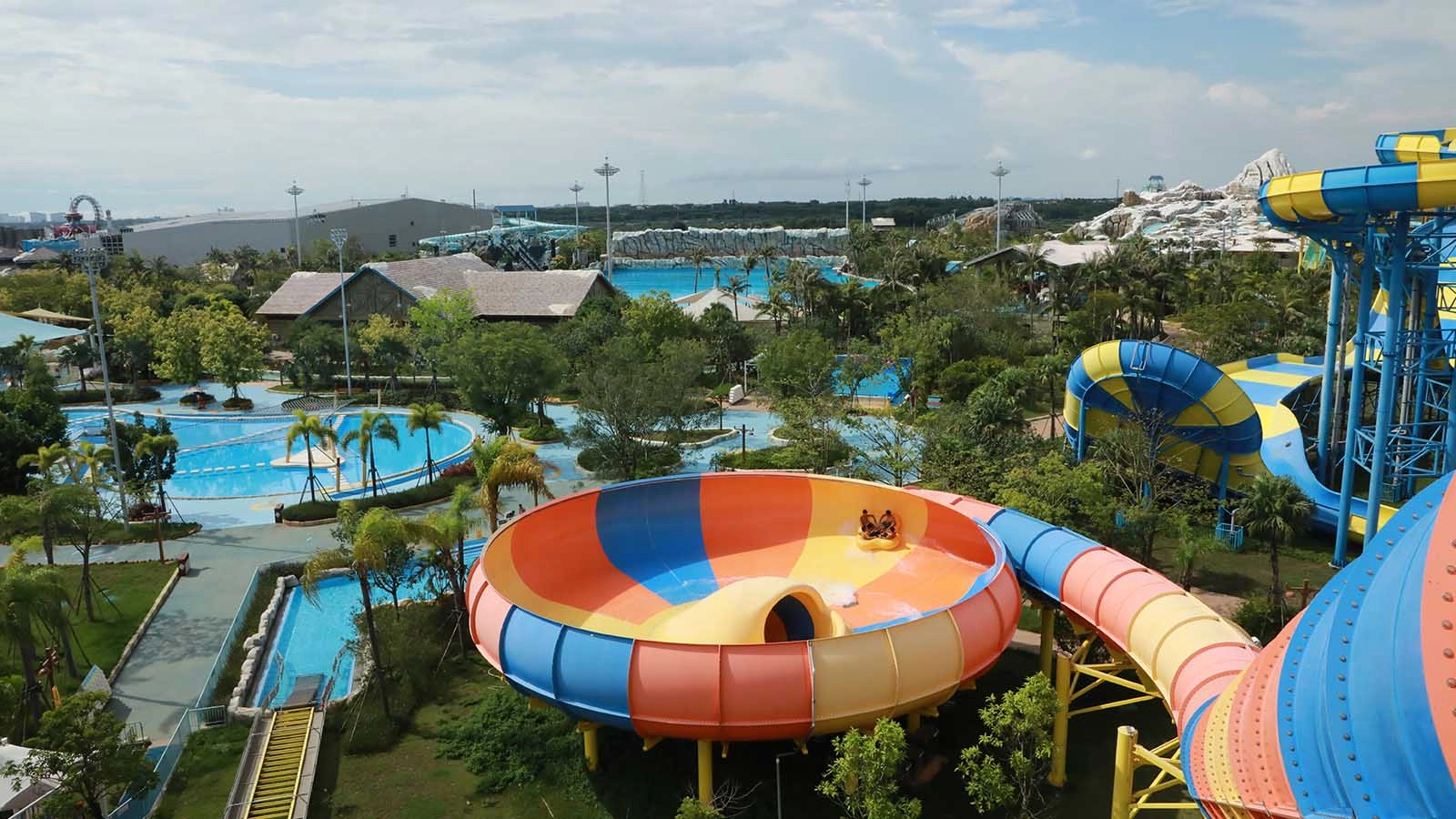
Huge Bowl Water Slide
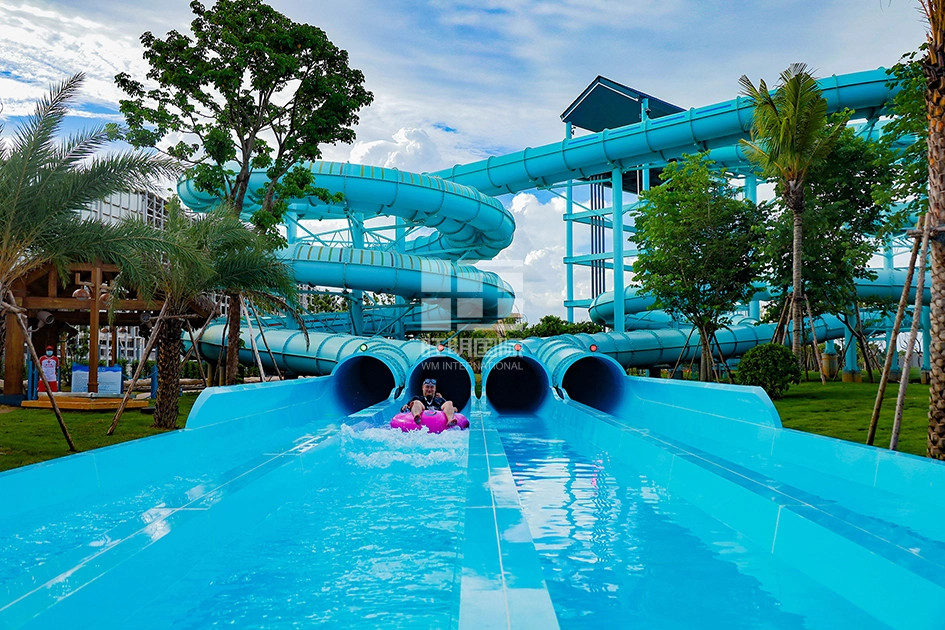
Time Tunnel Water Slide
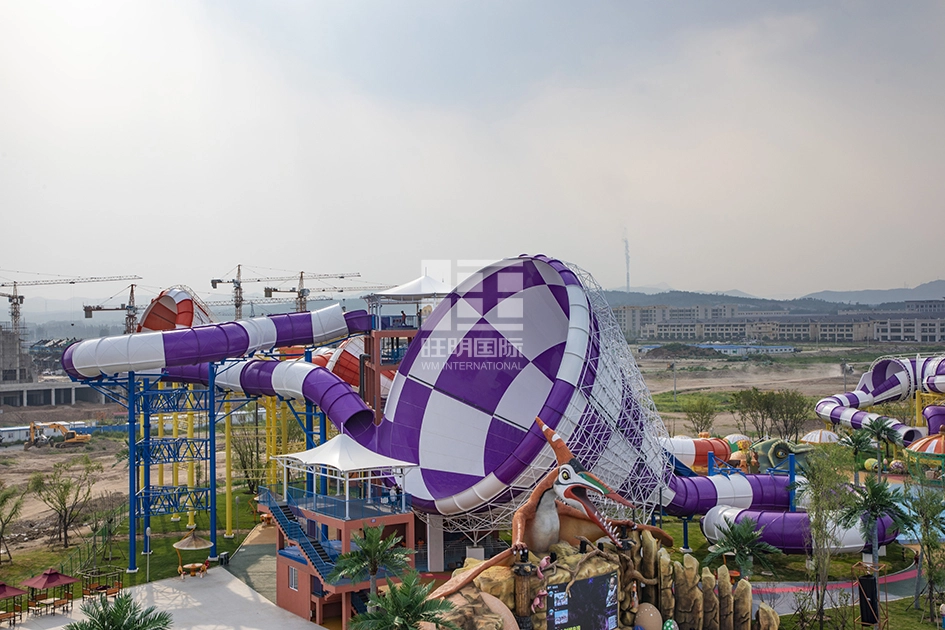
Big Tourbillion Water Slide
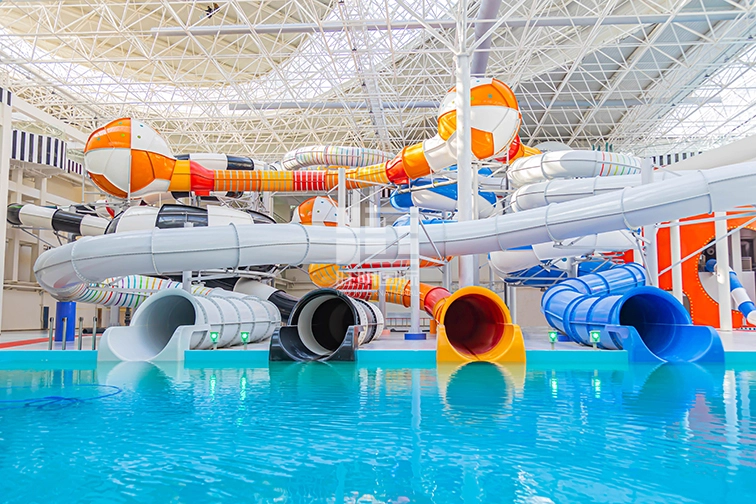
Turnover Slide
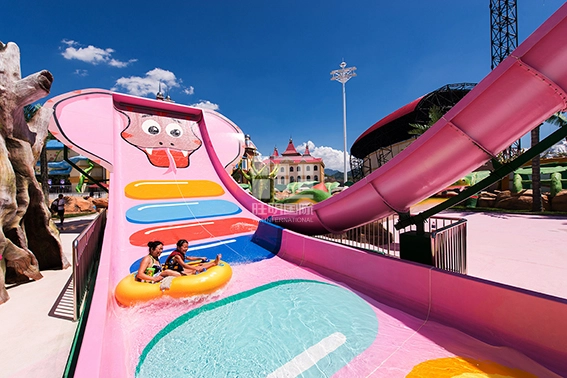
Small King Cobra Water Slide
Get in touch
Have to get customized water park solutions and product quotes.
We will provide you with professional consultation and support.

Relying on leading technology, innovative products and rich industry experience, we tailor personalized solutions for each water park project to ensure a safe and exciting entertainment experience for tourists.
 Scan QR Code
wmwaterslide
wmwaterpark