



When building a water park, choosing the right market is more important than choosing the right equipment.
On hot summer days, water parks are always packed with people. In recent years, driven by the upgrade of cultural tourism consumption and the rise of the “micro-vacation” trend, water parks have become a core engine for suburban family trips and weekend getaways. Many investors are eager to jump in, but many get stuck at the very first step: where should I build my park to capture both high foot traffic and strong cash flow?
On hot summer days, water parks are always packed with people. In recent years, driven by the upgrade of cultural tourism consumption and the rise of the “micro-vacation” trend, water parks have become a core engine for suburban family trips and weekend getaways. Many investors are eager to jump in, but many get stuck at the very first step: where should I build my park to capture both high foot traffic and strong cash flow?
Location is strategy. Pick the right target market, and everything else falls into place more easily. Pick wrong, and even the most advanced equipment and stunning designs won’t save you from empty pools.
Today, let’s talk about how to choose your target market when investing in a water park.
1. Look at the “people” – Where are your visitors?
The core customer base of a water park falls into three categories: families with children, young adults, and student groups. But the demographic mix varies greatly from city to city.
For example: A new city packed with university students has plenty of young people with strong spending power – suitable for thrill rides plus night sessions. But an old industrial city with an aging population? No amount of great equipment will draw crowds.
Ask yourself:
Within a 1-hour driving radius, is the permanent population above 500,000?
Is the share of children aged 0–14 and young people aged 15–35 relatively high?
Is the local per capita disposable income above RMB 30,000?
If the answer is “yes” to all three, the market is at least decent.
2. Look at the “competition” – Is the competitive landscape clear?
Many people get excited when they see a city without any water park, thinking it’s a blue ocean. But think calmly – why is there no park?
Possible reasons: the climate doesn’t support it, the population can’t sustain it, or they can’t secure a good plot of land.
A more rational approach is to look at competitive density. If a city already has 2–3 large water parks, the market is basically saturated. If there is none at all, you should be wary – it might be “false demand”.
3. Look at the “money” – Match your investment size to market capacity
This is the most overlooked factor.
A prefecture-level city can only support 300,000 visitors a year at most. If you pour RMB 200 million into a luxury water park there, the numbers just won’t add up. Conversely, if you pick a great site near a first-tier city but build a small RMB 30–50 million park, you’ll be “crushed” by large chain brands.
Your investment size must match market capacity. A rough formula is:
Total investment ≈ Expected annual visitors × average spend per visitor × 8–10
For example: If you estimate 250,000 annual visitors at an average spend of RMB 150, your annual revenue would be RMB 37.5 million. Then your total investment should be in the range of RMB 300–375 million (250k × 150 × 8–10). This helps you gauge feasibility.
4. Look at the “roads” – Accessibility is make or break
A water park is not like an urban mall – you can’t expect customers to take the subway with their swimsuits. You need parking lots and car-friendly access.
So when choosing a site, check: How far is the nearest highway exit? Is there a public transit hub nearby? Are there enough parking spaces?
Water parks hidden deep in the mountains will likely lose money unless they are paired with hotels as resort destinations. For a regular water park, a 1-hour driving radius is the most comfortable commute for visitors.
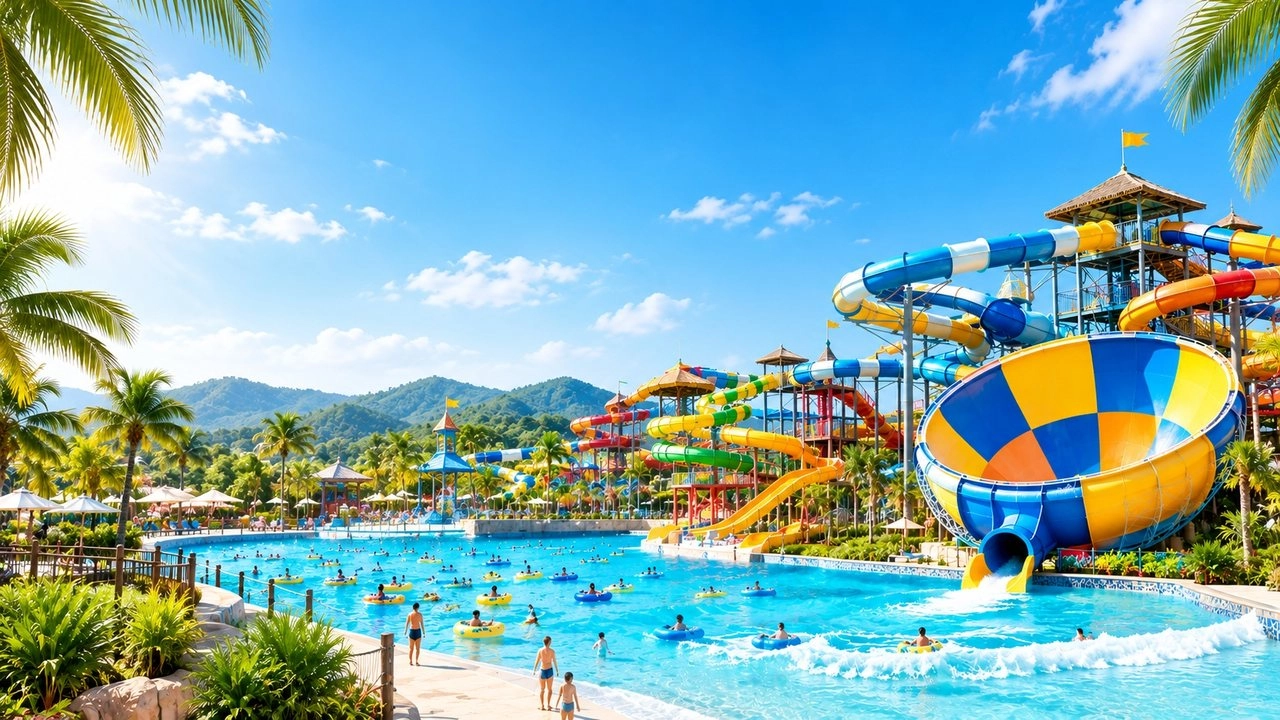
Water Project Cost and ROI: Key Budget Factors Before Choosing a Project Solution
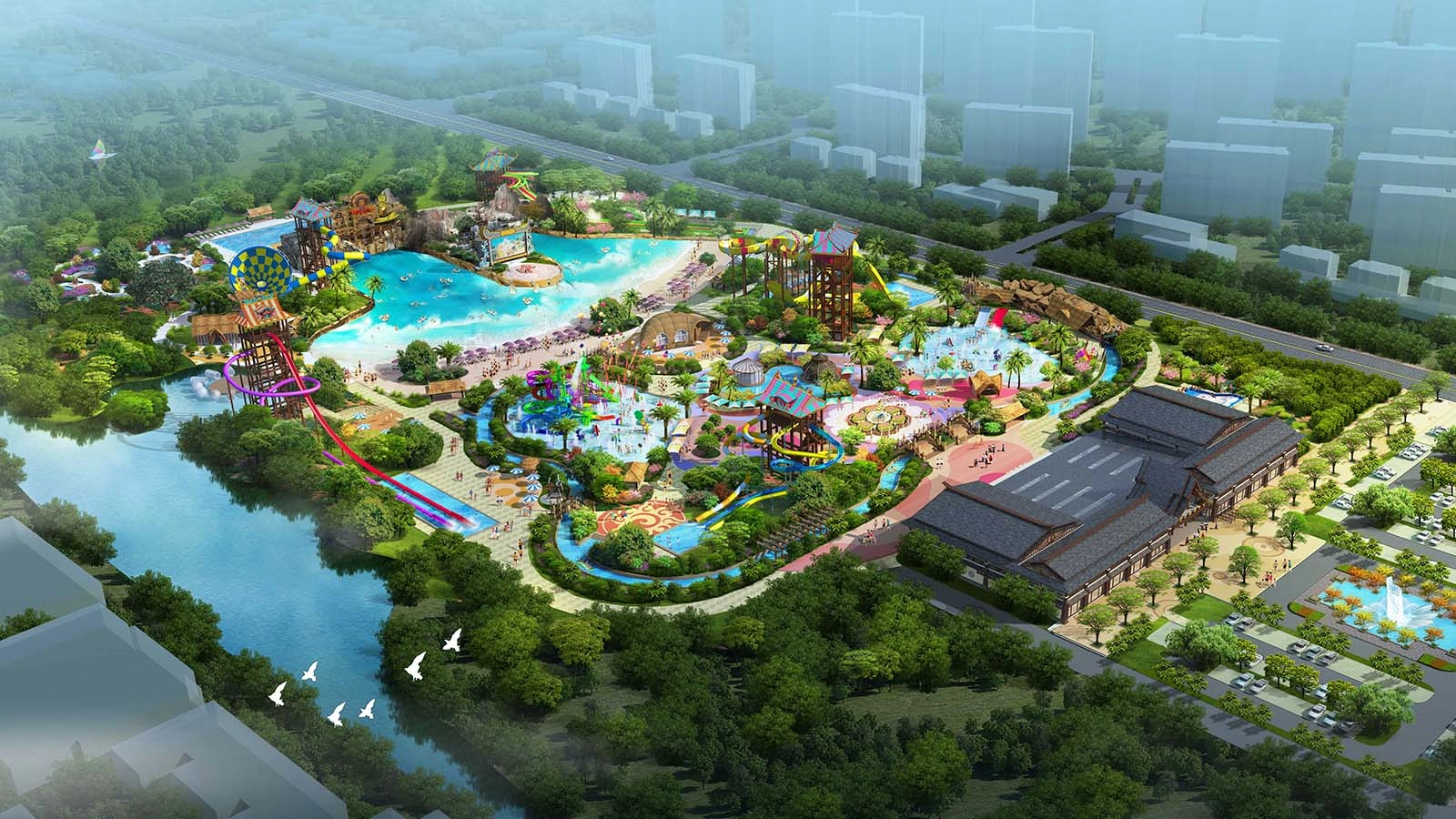
Water Projects: The Complete Guide to Developing Water Projects for Different Venues with WM INTERNATIONAL
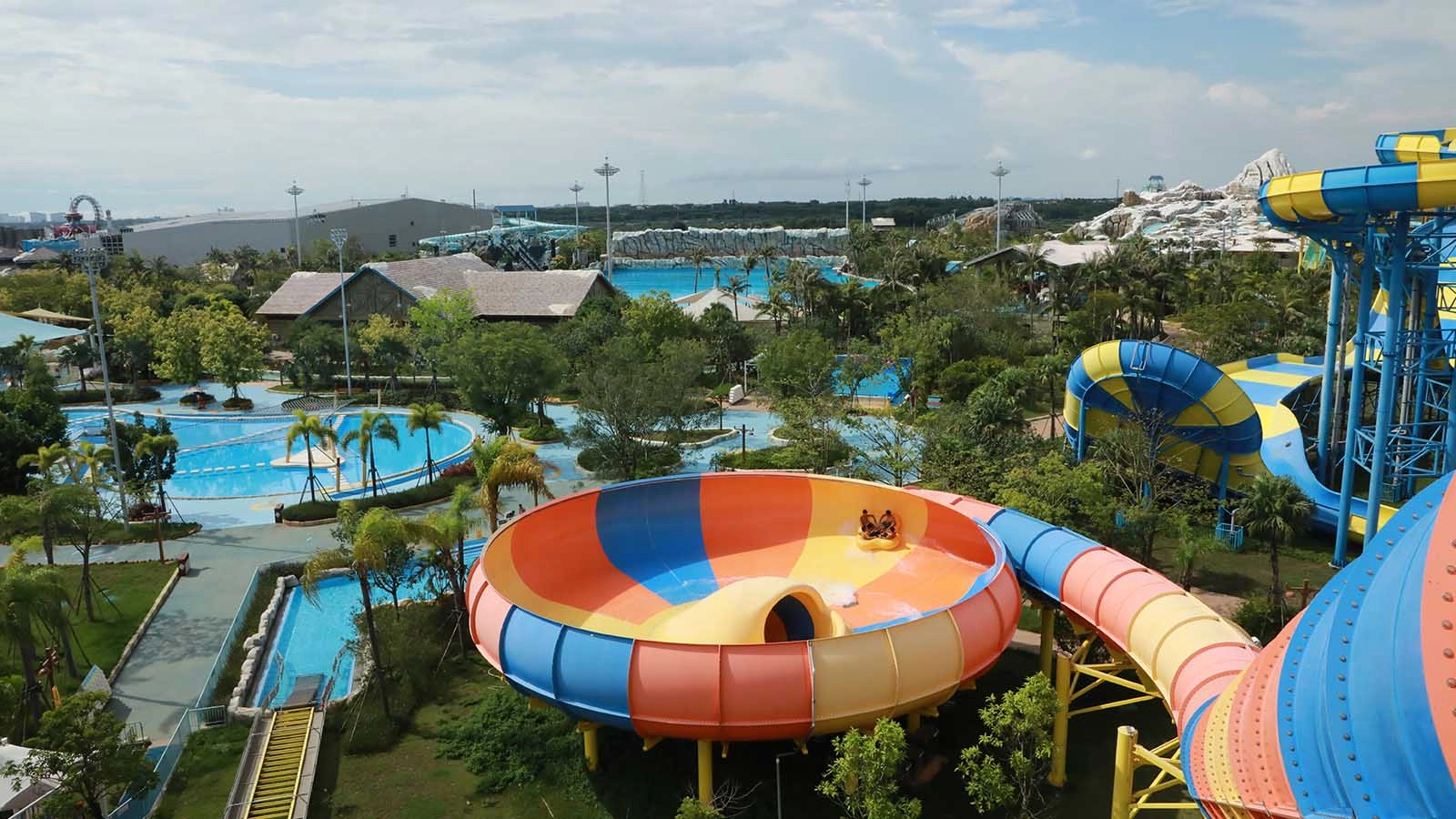
Water Project Industry Trends: Emerging Opportunities in the Water Attraction Market
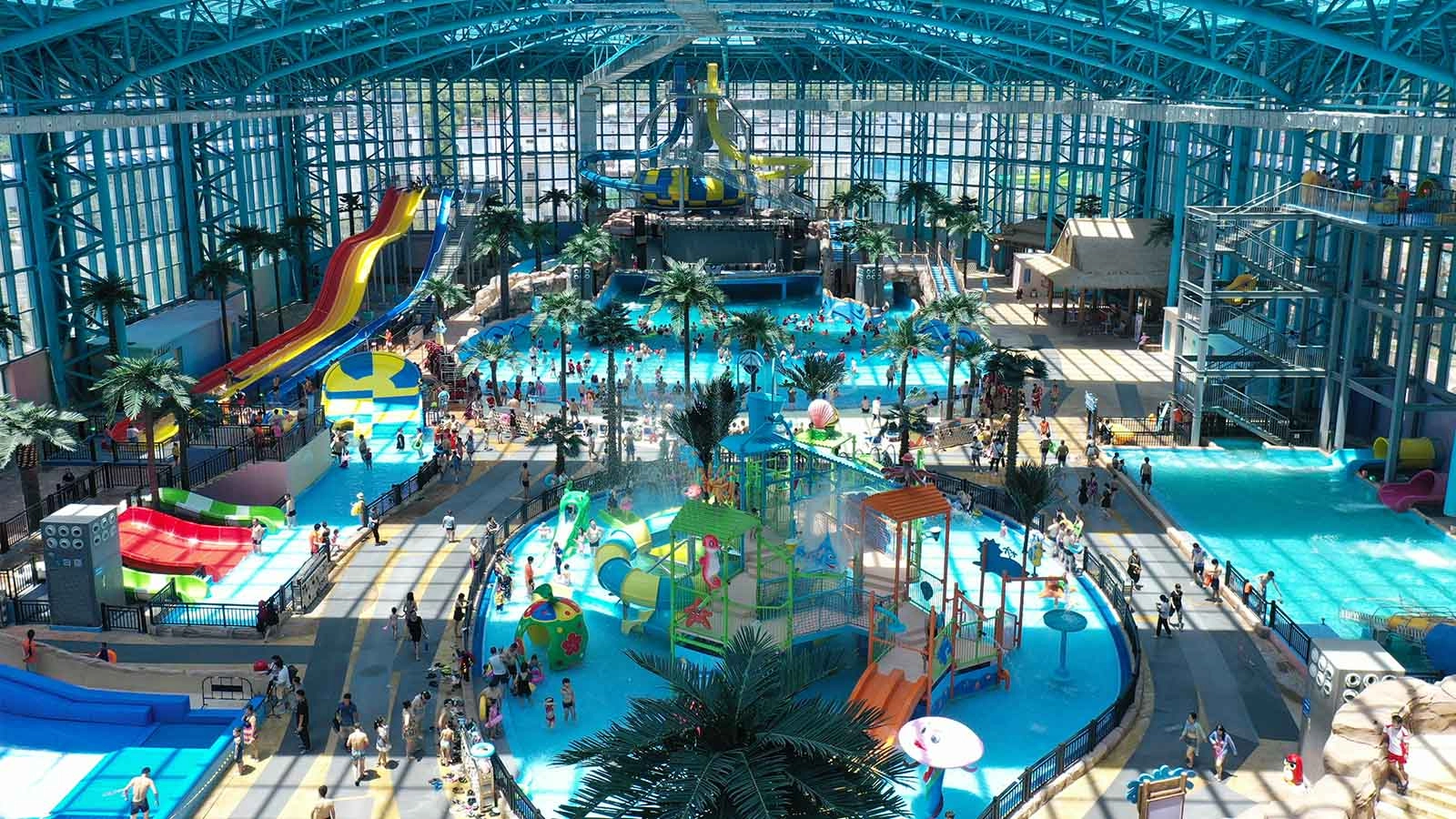
Custom Water Project Solutions for Different Venues: Water Parks, Resorts, Theme Parks and More
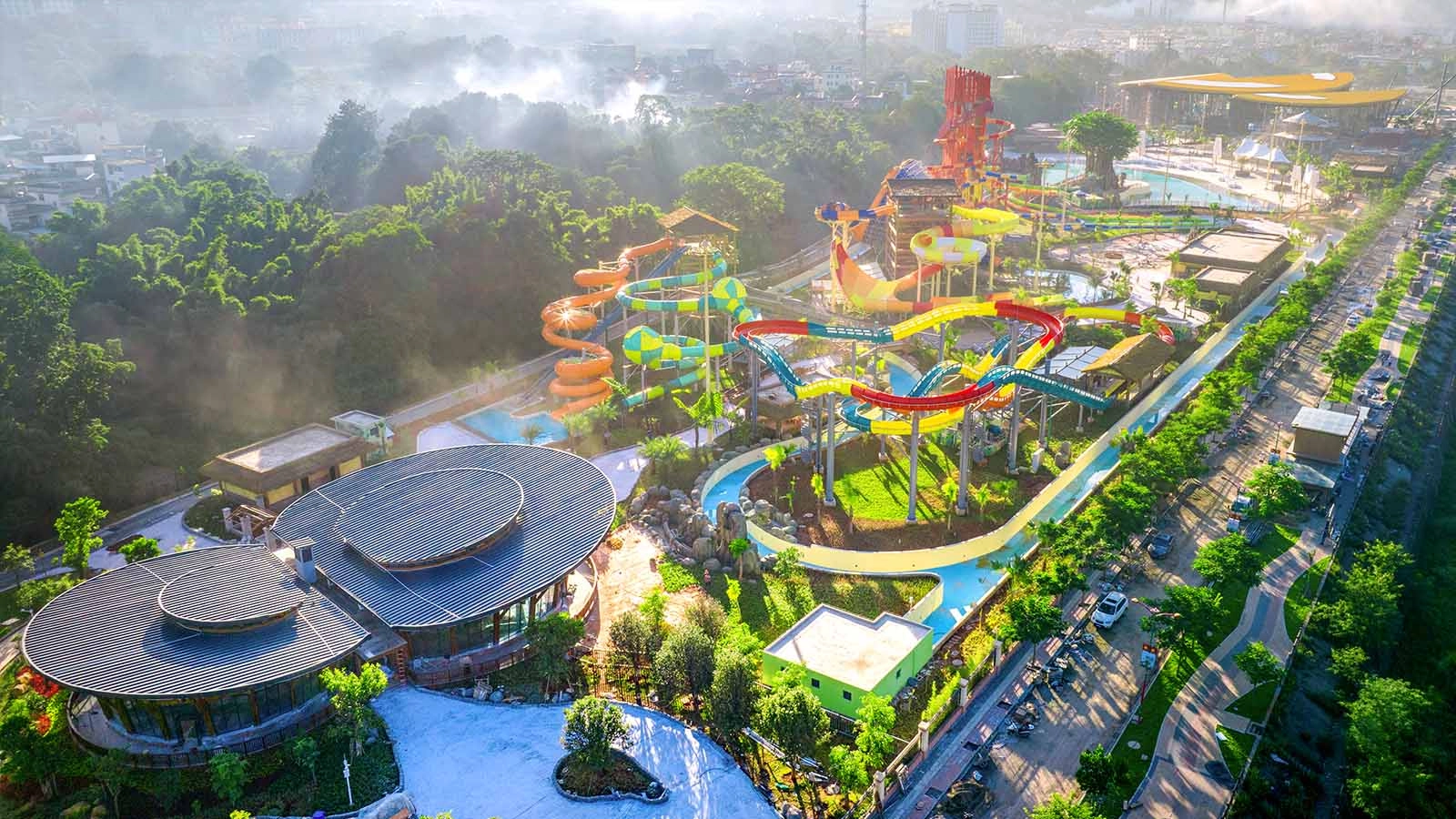
How to Configure Water Attractions for Water Projects in Different Venues
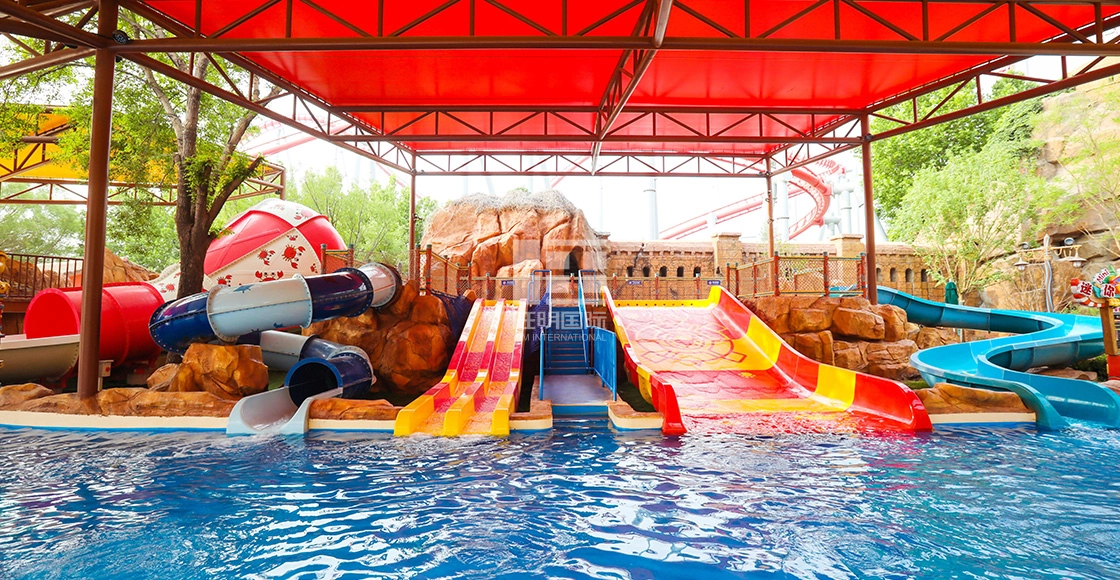
Children Combined Water Slide
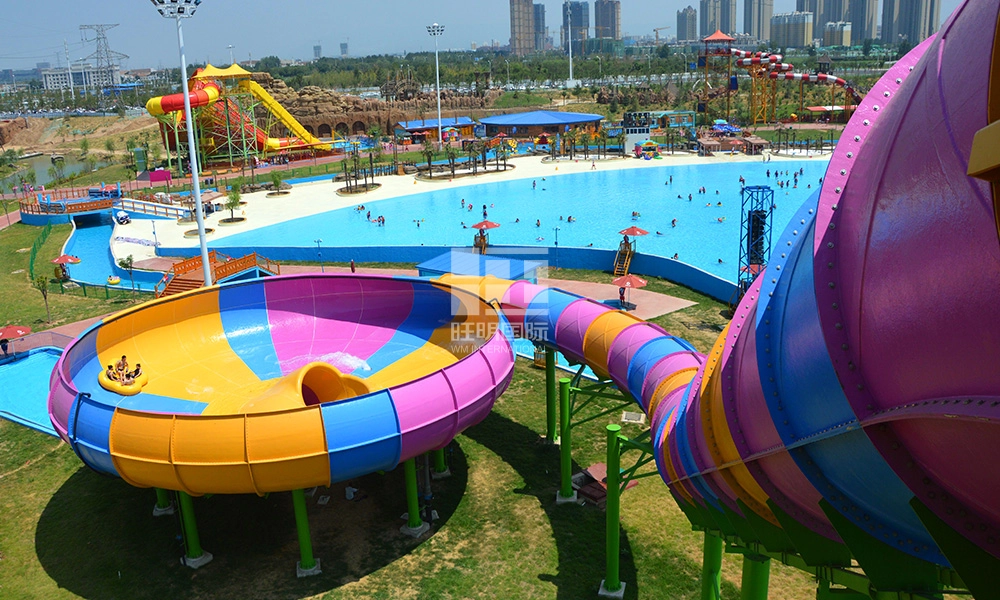
Huge Bowl Water Slide
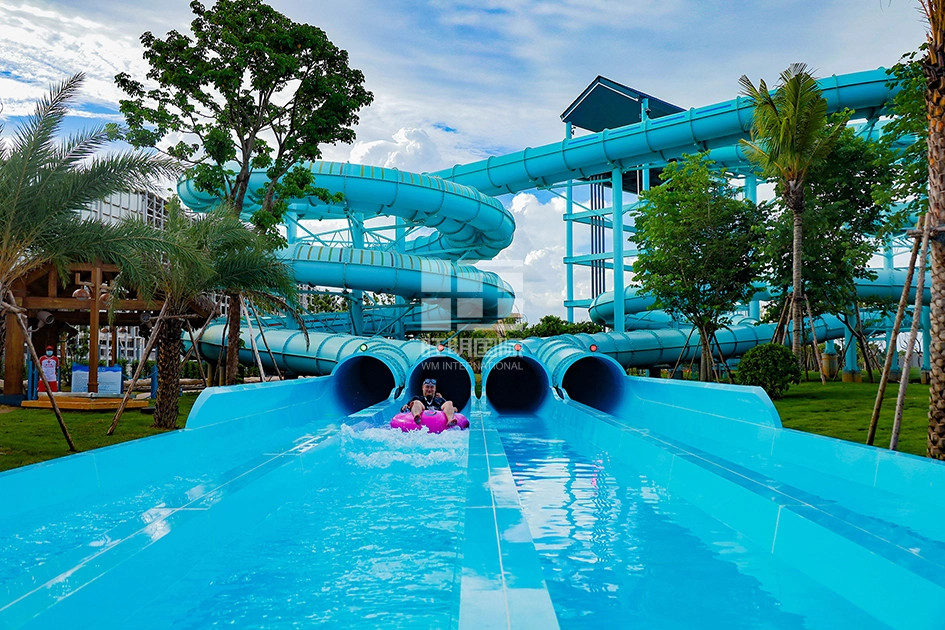
Time Tunnel Water Slide
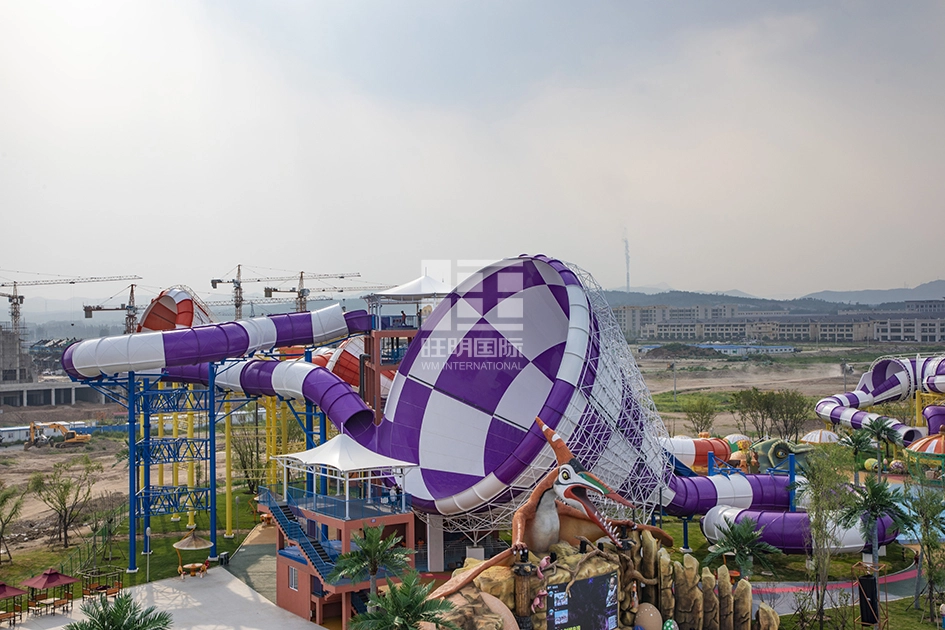
Big Tourbillion Water Slide
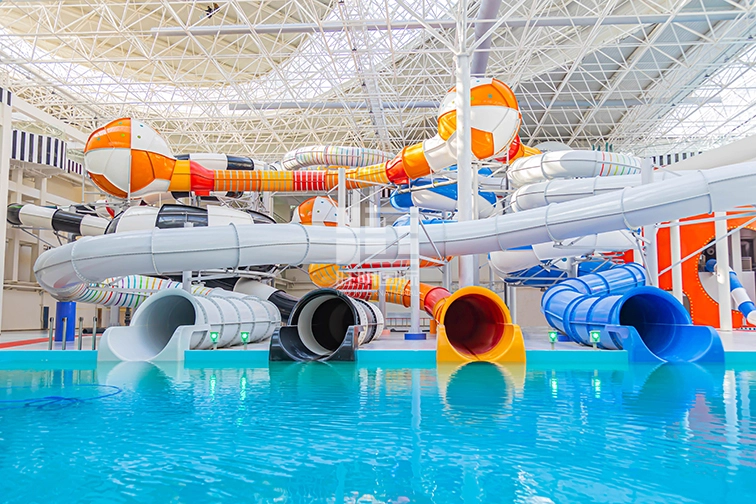
Turnover Slide
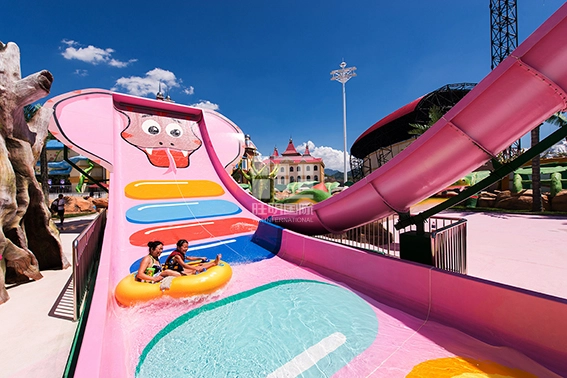
Small King Cobra Water Slide
Get in touch
Have to get customized water park solutions and product quotes.
We will provide you with professional consultation and support.

Relying on leading technology, innovative products and rich industry experience, we tailor personalized solutions for each water park project to ensure a safe and exciting entertainment experience for tourists.
 Scan QR Code
wmwaterslide
wmwaterpark