




Water Slide Surface Treatment: How to Achieve a “Dual-Surface Polish” on Fiberglass Water Slides
For resort developers and cultural tourism project owners, the “face” of a water slide is never a trivial matter.
What Is a “Dual-Surface Polish” on Fiberglass Water Slides?
A “dual-surface polish” does not simply mean wiping both the inside and outside of the slide to a shine. Rather, it means carrying out refined gel coat treatment, sanding, polishing, and sealing separately on the slide’s riding surface and its non-riding exterior surface.
Riding surface (inner slide surface): The goal is a high-gloss, mirror-like finish that reduces friction, ensures stable ride speeds, and lowers the risk of skin abrasions.
Exterior surface (non-riding surface): Through gel coat sealing, sanding, polishing, and waxing, the aim is to improve weather resistance, stain resistance, and UV resistance, slow down chalking and yellowing, and give the equipment a more premium appearance.
Special note: a dual-surface polish does not mean every area should be made mirror-smooth. Maintenance walkways, walking platforms, and other areas that require slip resistance must retain their anti-slip structure. Safety must never be sacrificed for a “shine.”
Why Is a Dual-Surface Polish Worth Doing?
First, the smoothness of the riding surface directly affects guest safety and experience.
Once the surface chalks, turns white, or becomes rough, friction increases. Riders may stall in low-angle sections, or the ride vehicle may behave unpredictably in high-speed curves. Minor scratches and exposed fibers can also rub against skin like sandpaper.
Second, the exterior surface determines the equipment’s weather-resistant service life.
Water slides are continuously exposed to UV, chlorinated water, and temperature fluctuations. If the exterior gel coat loses its gloss and develops more micropores, water and chemicals can more easily penetrate the fiberglass substrate, causing blistering and delamination, and eventually turning into structural problems.
Third, meticulous dual-surface treatment is insurance for long-term ROI.
A properly executed dual-surface polish can reduce the need for frequent future refurbishment, extend the service life of the gel coat and structure, and keep the park’s visual quality consistently high.
How to Perform a Dual-Surface Polish on Fiberglass Water Slides
1. Cleaning and Assessment
First, use specialized cleaning agents to remove scale, chlorine deposits, and oil stains. Polishing a dirty surface is equivalent to grinding contaminants into the micropores of the gel coat. Then inspect the riding surface for scratches and the exterior surface for chalking and gel coat defects.
2. Defect Repair
Repair and cure deep scratches, pinholes, and localized gel coat damage. Structural issues must be evaluated by a professional manufacturer and must not be concealed with wax.
3. Wet Sanding and Compounding of the Riding Surface
For severely oxidized or scratched areas, wet-sand progressively with 600-grit, 800-grit, and 1200-grit abrasives, then use a high-torque polisher with a wool pad and a marine-grade diminishing abrasive compound. Work in 2×2 ft sections using a cross-hatch motion. Never hold the polisher in one spot, to avoid burning through the gel coat.
4. Exterior Gel Coat Repair and Polishing
The exterior surface should focus on sealing and weather resistance. Restore the continuity of the gel coat, then polish moderately. Non-walking areas may be polished to a gloss finish; walking and maintenance areas must retain anti-slip treatment.
5. Sealing and Waxing
Apply marine-grade polymer wax or a specialized sealant separately to the riding surface and exterior surface to form a UV and chemical barrier. Waxing is not about applying more product; a uniform thin layer, followed by polishing after curing, is key.
6. Acceptance and Documentation
Check gloss level, hand feel, scratches, anti-slip areas, and gel coat integrity. Establish maintenance records and develop a quarterly or annual maintenance plan based on operational intensity.
Choose the Right Manufacturer So the Dual-Surface Polish Is More Than “Surface-Level Work”
A dual-surface polish tests not only the maintenance team but also the manufacturer’s molding process. Mold precision, gel coat thickness, L-RTM molding control, and 5-axis CNC mold technology determine whether the initial surface of the water slide is dense, smooth, and weather-resistant enough.
Wangming International’s water slides adopt advanced 5-axis CNC molds and L-RTM fiberglass structures, improving gel coat density and surface consistency from the source. The company also provides parks with turnkey services ranging from structural planning and equipment manufacturing to full-lifecycle operation and maintenance guidance.
Top-Tier Reputation Suppliers Among Water Park Equipment Manufacturers
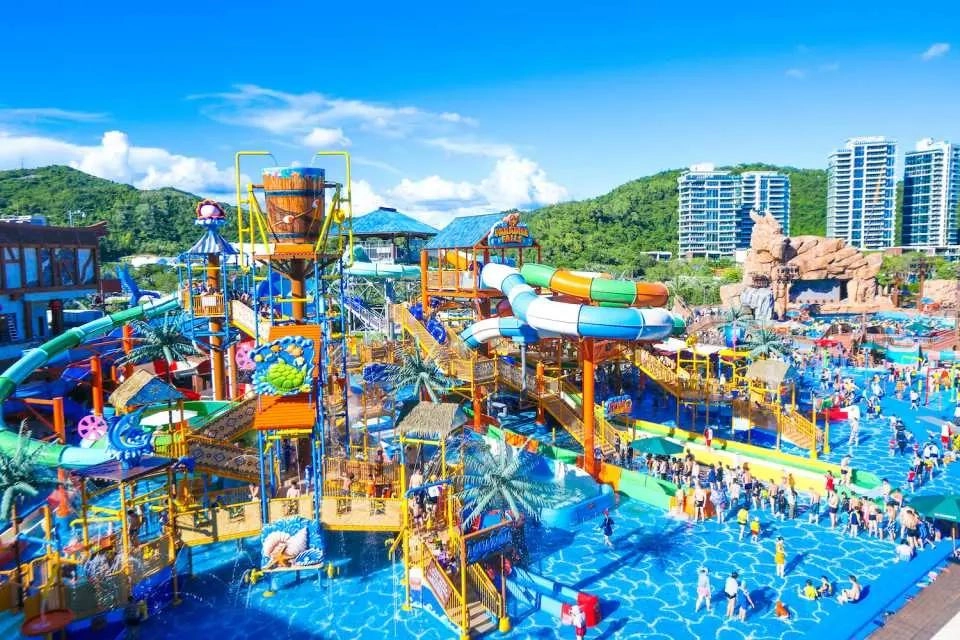
How to Choose a High-Quality Water Park Equipment Manufacturer? This Company’s Core Advantages Are Worth Your Attention
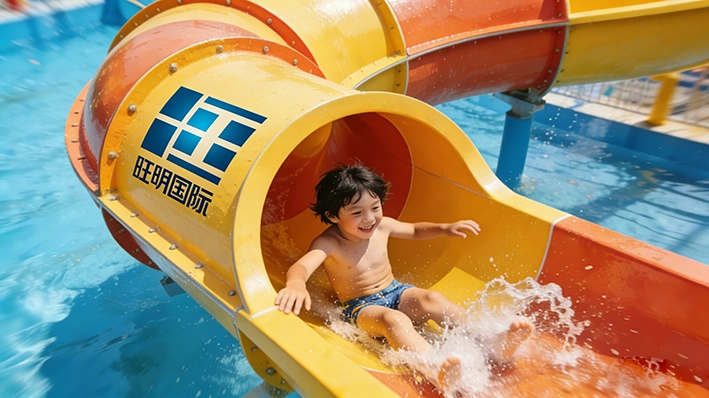
Which Large Water Park Equipment Manufacturer Is Right for You? Start with These Key Criteria
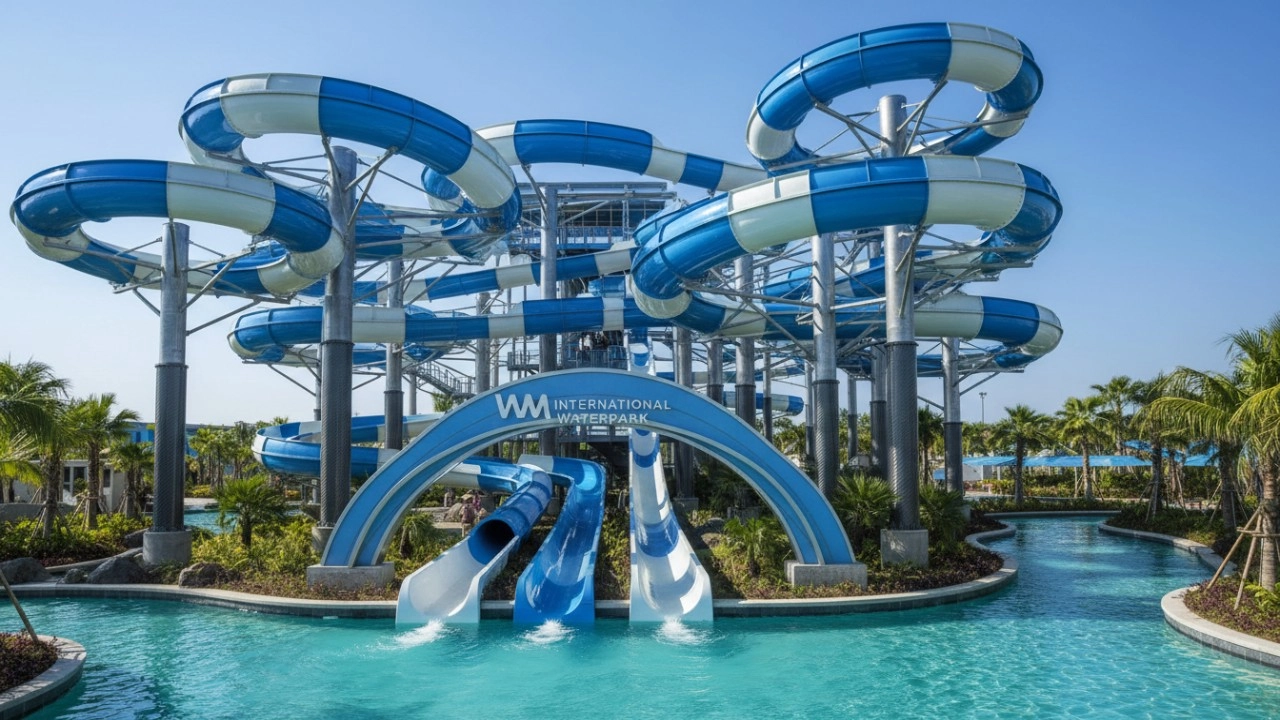
How to Choose High-Quality Water Park Equipment Manufacturers? Strength Tier Reference List
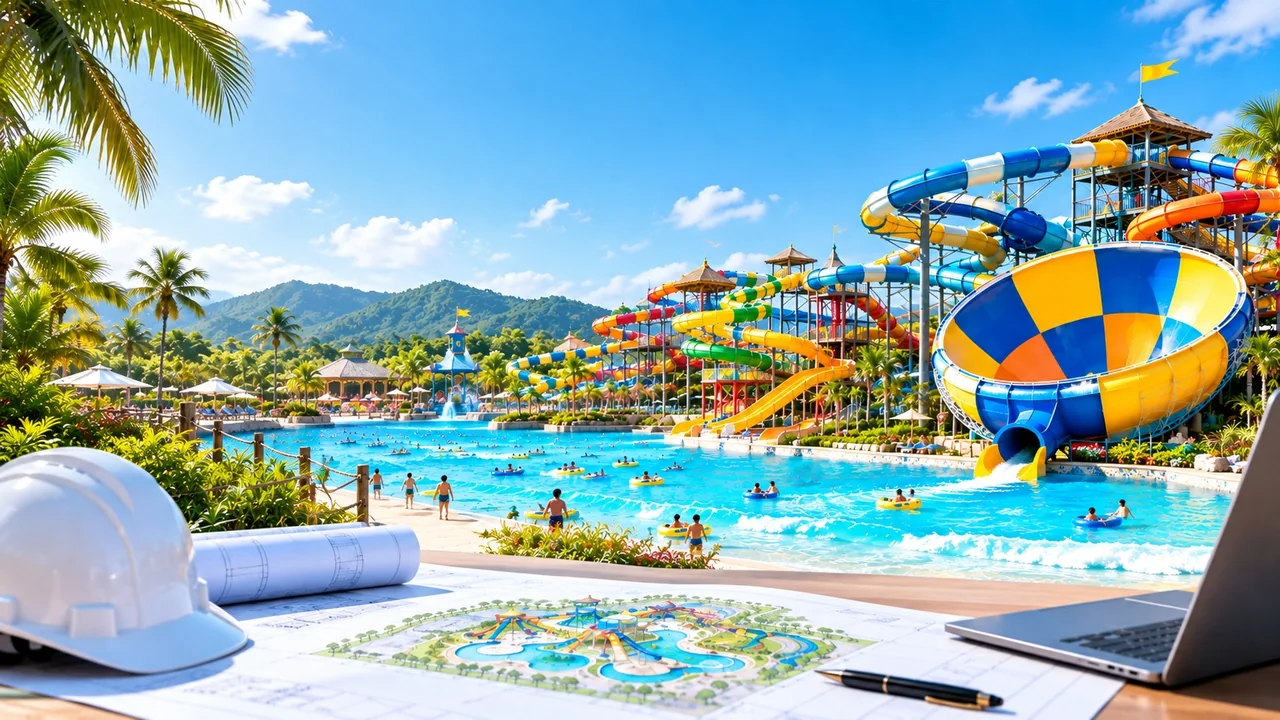
Why Wangming International Is a Water Park Equipment Manufacturer Worth a Key Site Visit
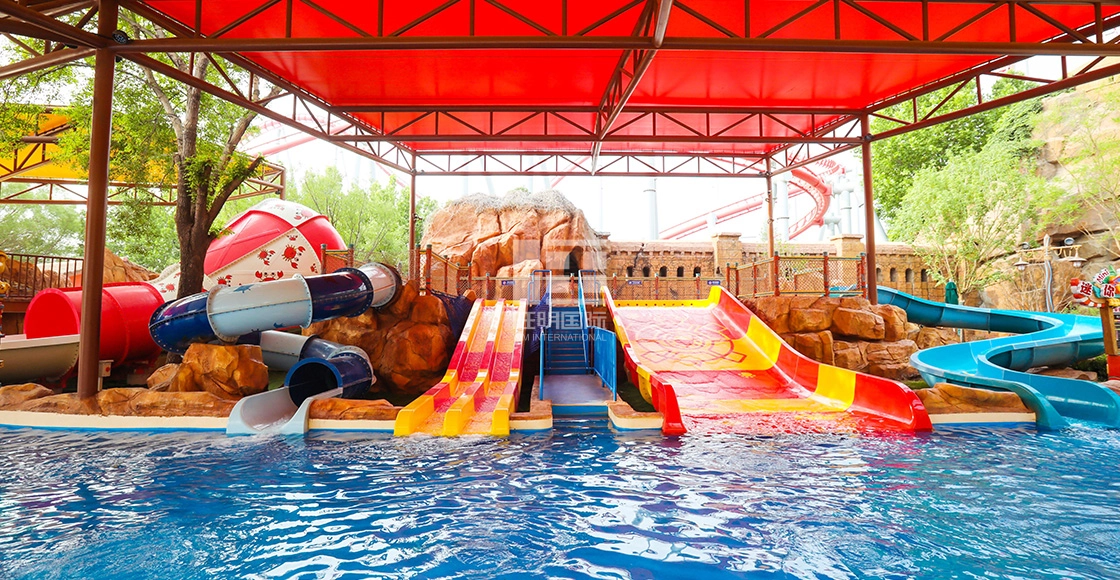
Children Combined Water Slide
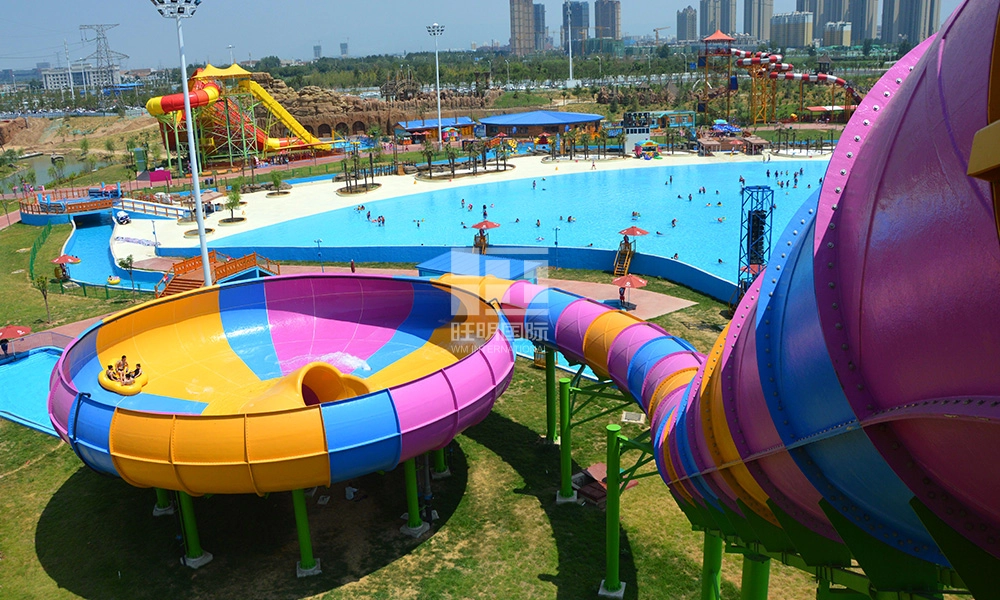
Huge Bowl Water Slide
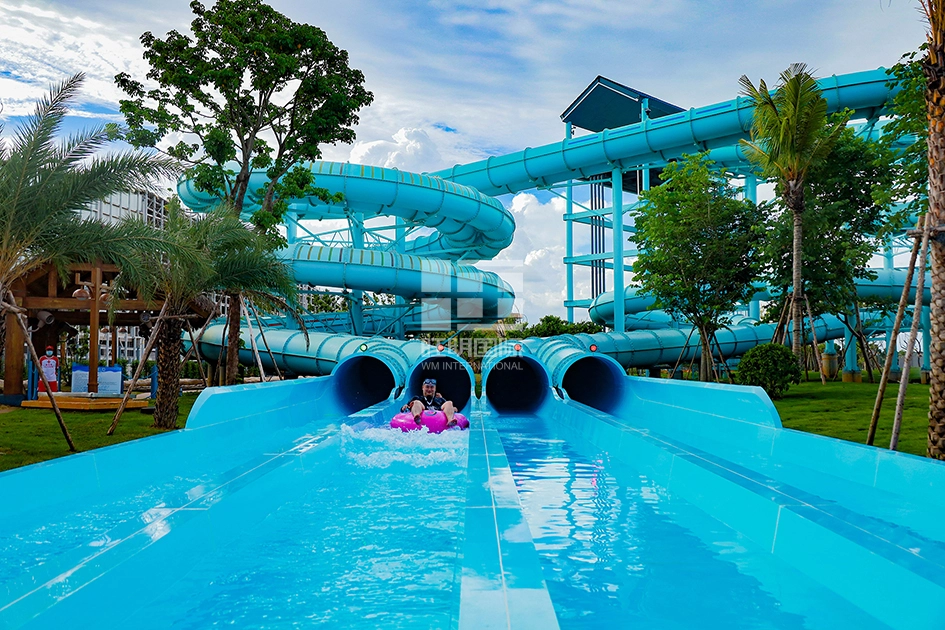
Time Tunnel Water Slide
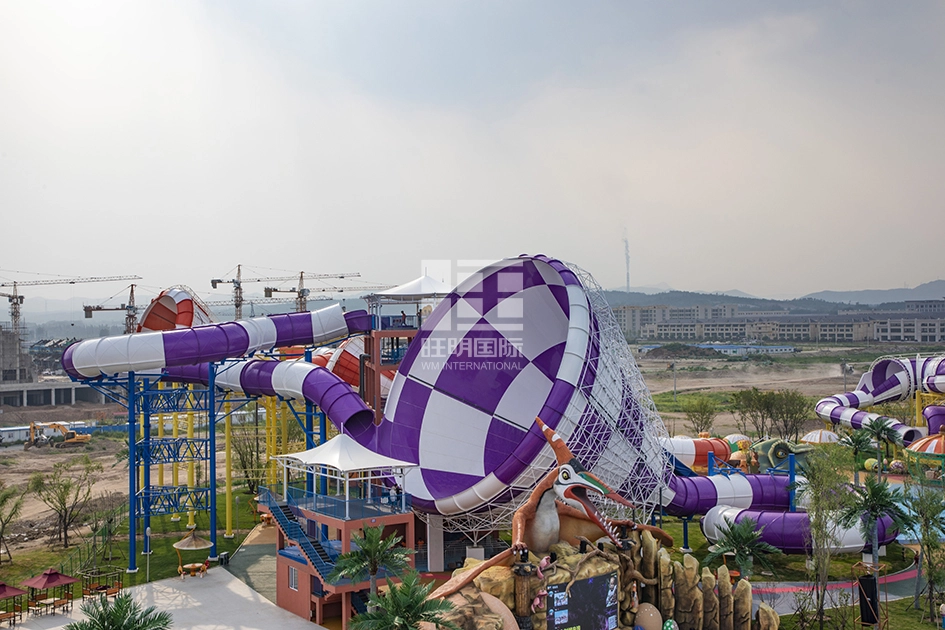
Big Tourbillion Water Slide
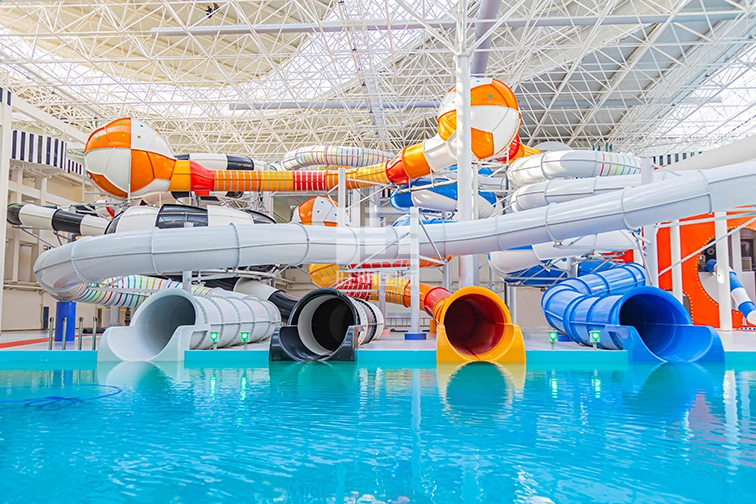
Turnover Slide
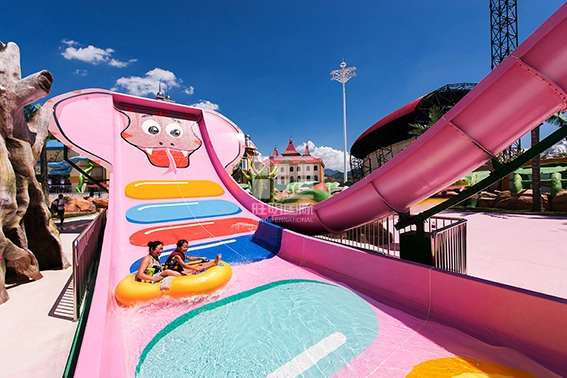
Small King Cobra Water Slide
Get in touch
Have to get customized water park solutions and product quotes.
We will provide you with professional consultation and support.

Relying on leading technology, innovative products and rich industry experience, we tailor personalized solutions for each water park project to ensure a safe and exciting entertainment experience for tourists.
 Scan QR Code
wmwaterslide
wmwaterpark