






Water Park Equipment Procurement Strategy: The Decisive Factor for Project Success or Failure
Many investors dive into the industry with high hopes, pouring substantial capital into land and infrastructure, only to stumble at the most critical juncture—water park equipment procurement—due to strategic missteps that drag the entire project into trouble. The wrong equipment choices strip the park of its soul; substandard quality leaves safety hazards hanging like the Sword of Damocles; and blindly over‑stocking or chasing bargain prices directly eats into the return on investment cycle.
Many investors dive into the industry with high hopes, pouring substantial capital into land and infrastructure, only to stumble at the most critical juncture—water park equipment procurement—due to strategic missteps that drag the entire project into trouble. The wrong equipment choices strip the park of its soul; substandard quality leaves safety hazards hanging like the Sword of Damocles; and blindly over‑stocking or chasing bargain prices directly eats into the return on investment cycle.
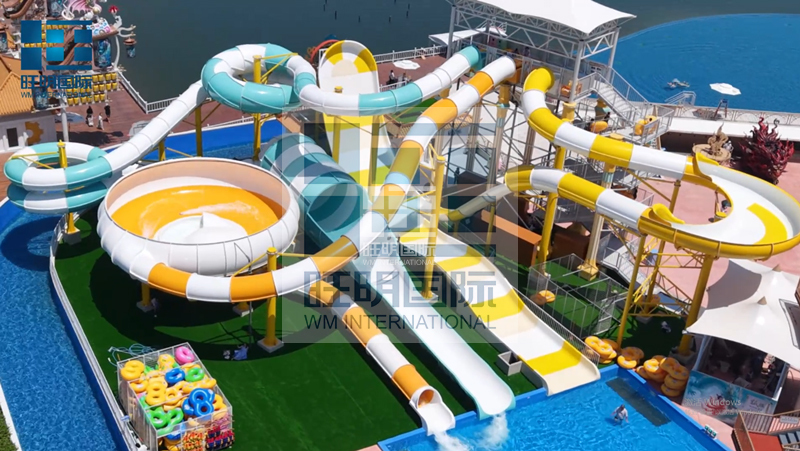
I. Abandon the Low‑Price Trap
The vast majority of failed water park projects have fallen victim to the short‑sighted mindset of "lowest‑price procurement." Many first‑time investors, eager to compress upfront costs, blindly chase cheap equipment while ignoring quality, workmanship standards, and supporting services. What appears to be a saved procurement expense actually lays the groundwork for endless hidden troubles, trapping the project in a vicious cycle of "saving now, bleeding later."
II. Precise Selection and Layout
The core appeal of a water park depends entirely on its equipment. Procurement is not a simple accumulation of hardware, but a precise arrangement aligned with project positioning, site scale, visitor demographics, and market competitors. A scientific selection strategy directly creates a clear competitive advantage.
For community‑based or small‑to‑medium parks targeting families with young children, the procurement focus should lean toward highly safe, interactive, and forgiving attractions: family splash pools, mini slides, and water play features that blend fun with security, perfectly suited for family play scenarios.
For trendy, integrated parks targeting young adults, priority should be given to photogenic, thrilling, and Instagram‑worthy signature slides, wave pools, lazy rivers, and other main attractions—creating dedicated viral hits that align with current short‑video trends and effortlessly drive word‑of‑mouth sharing.
III. Strict Compliance and Qualification Control
For any water park, safety is the absolute lifeline. Compliance control during procurement is the first barrier to a robust safety system and a core determinant of long‑term operational viability.
A mature procurement framework includes on‑site factory inspections, sample testing, and process audits—scrutinizing weld quality, fiberglass lay‑up, structural stability, and other critical details—to ensure that shoddy workmanship and skimped materials never make it into the park. Safety is no trivial matter. Any gap in qualifications or quality during procurement can not only cause the park to fail safety inspections and delay opening, but if an accident occurs later, it may lead to forced shutdowns for rectification, heavy compensation claims, and even irreversible brand damage.
IV. From Procurement to Commissioning – A Full Life‑Cycle Approach
Water park equipment procurement is not a "buy‑and‑forget" transaction. It is a full life‑cycle management process that spans design, manufacturing, transportation, installation, commissioning, acceptance, and operations. A strategic procurement team should establish the following control checkpoints:
Pre‑procurement phase:
Work jointly with the park's design consultant to conduct equipment selection feasibility studies, feeding equipment parameters (height, power, water consumption, footprint, throughput capacity) into the architectural and structural design upfront.
Mid‑procurement phase:
When signing contracts, clearly define the technical specification sheet, quality acceptance criteria, installation schedule, training plan, and spare parts list. Payment milestones should be tied to project progress (e.g., 30% upon signing + 30% before shipment + 30% upon installation completion + 10% upon final acceptance).
Post‑procurement phase:
Implement factory supervision, factory acceptance testing, open‑box inspection, installation oversight, commissioning runs, full‑load testing, and third‑party safety inspections. Every step must be documented with written records and photo/video archives for full traceability.
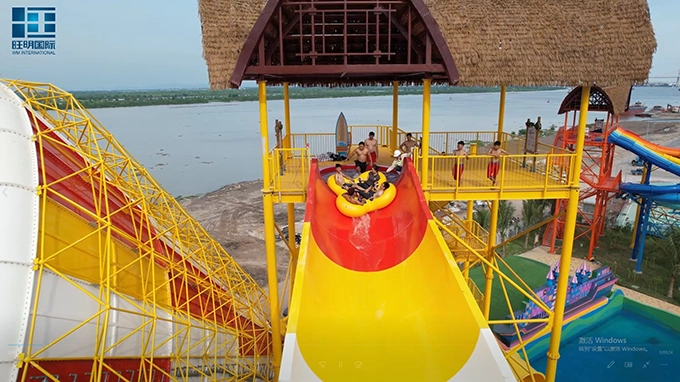
From Water Park Equipment Innovation to Carnival Experience, Water Parks Define a New Summer Trend
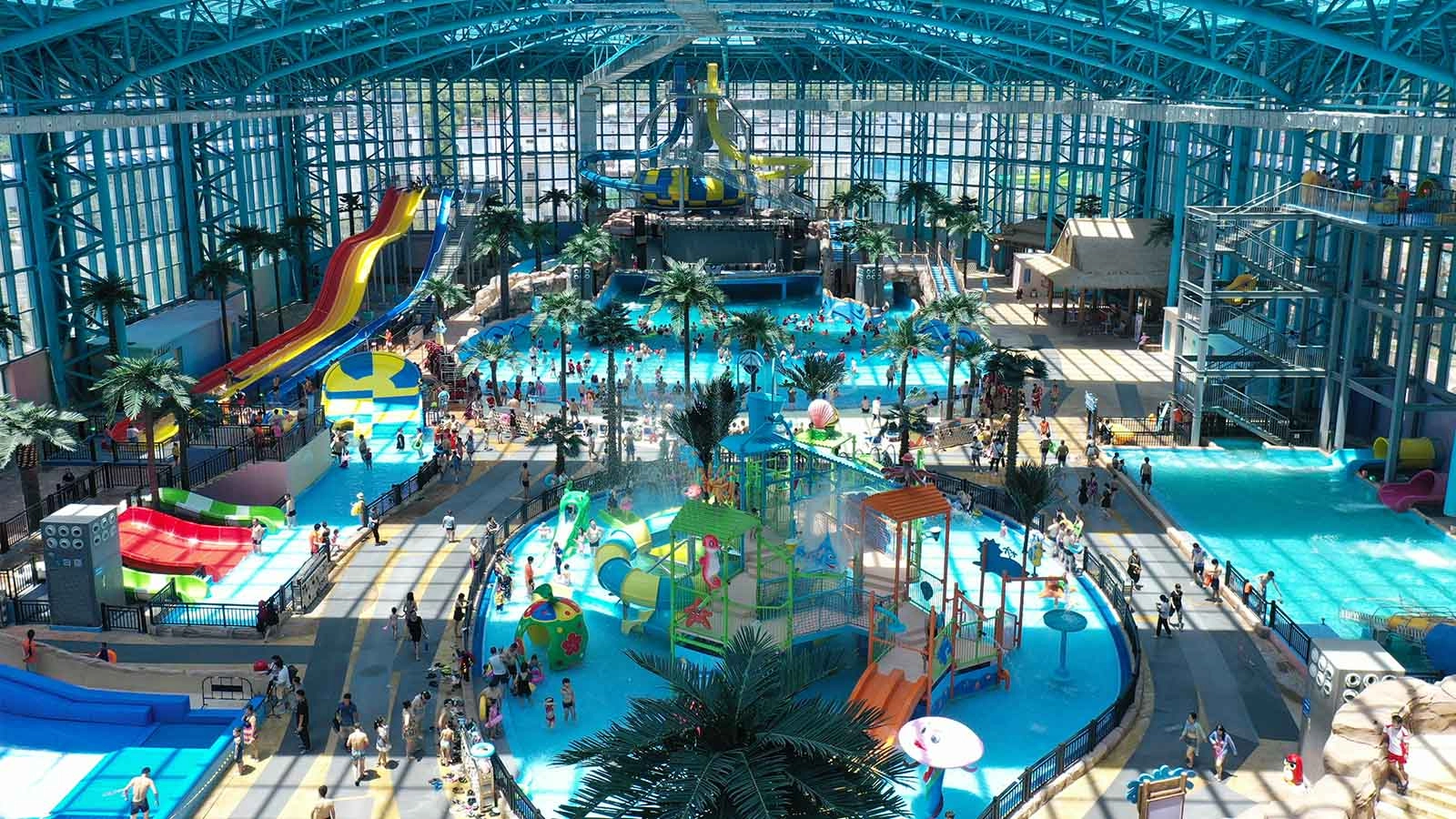
Custom Water Project Solutions for Different Venues: Water Parks, Resorts, Theme Parks and More
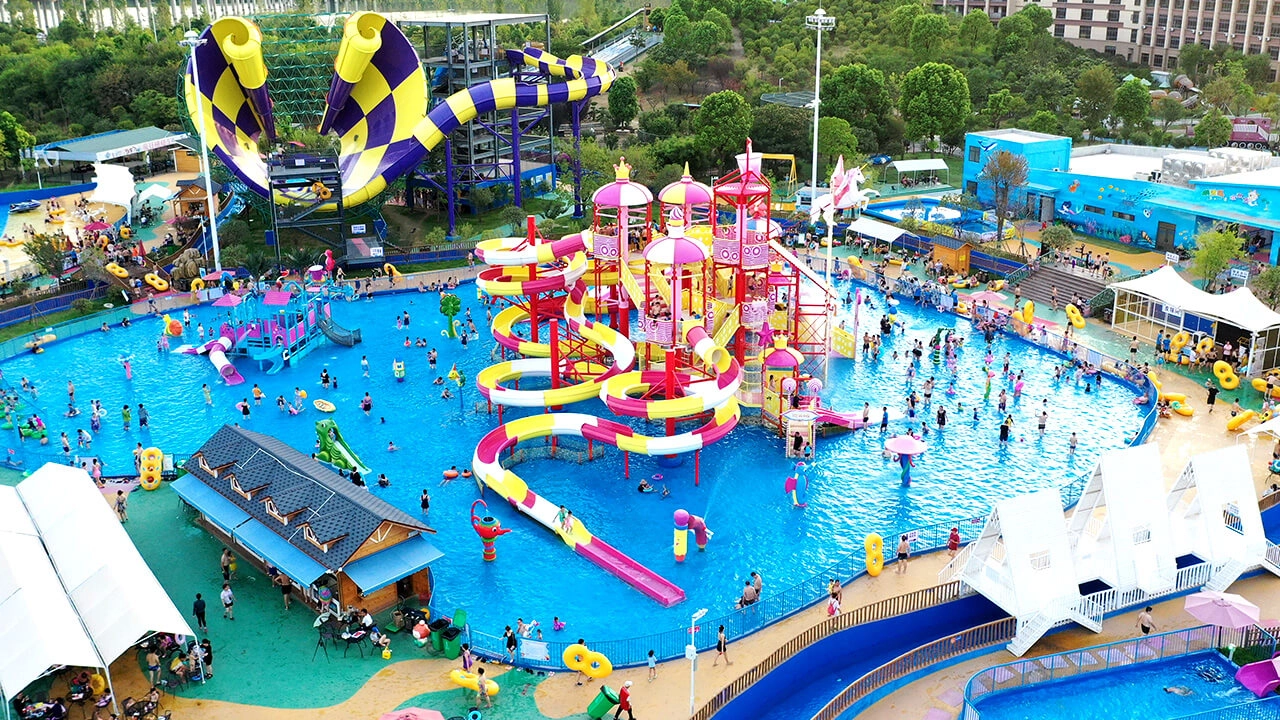
Why Choose WM INTERNATIONAL as Water Project Partner? Services, Capabilities and Project Support
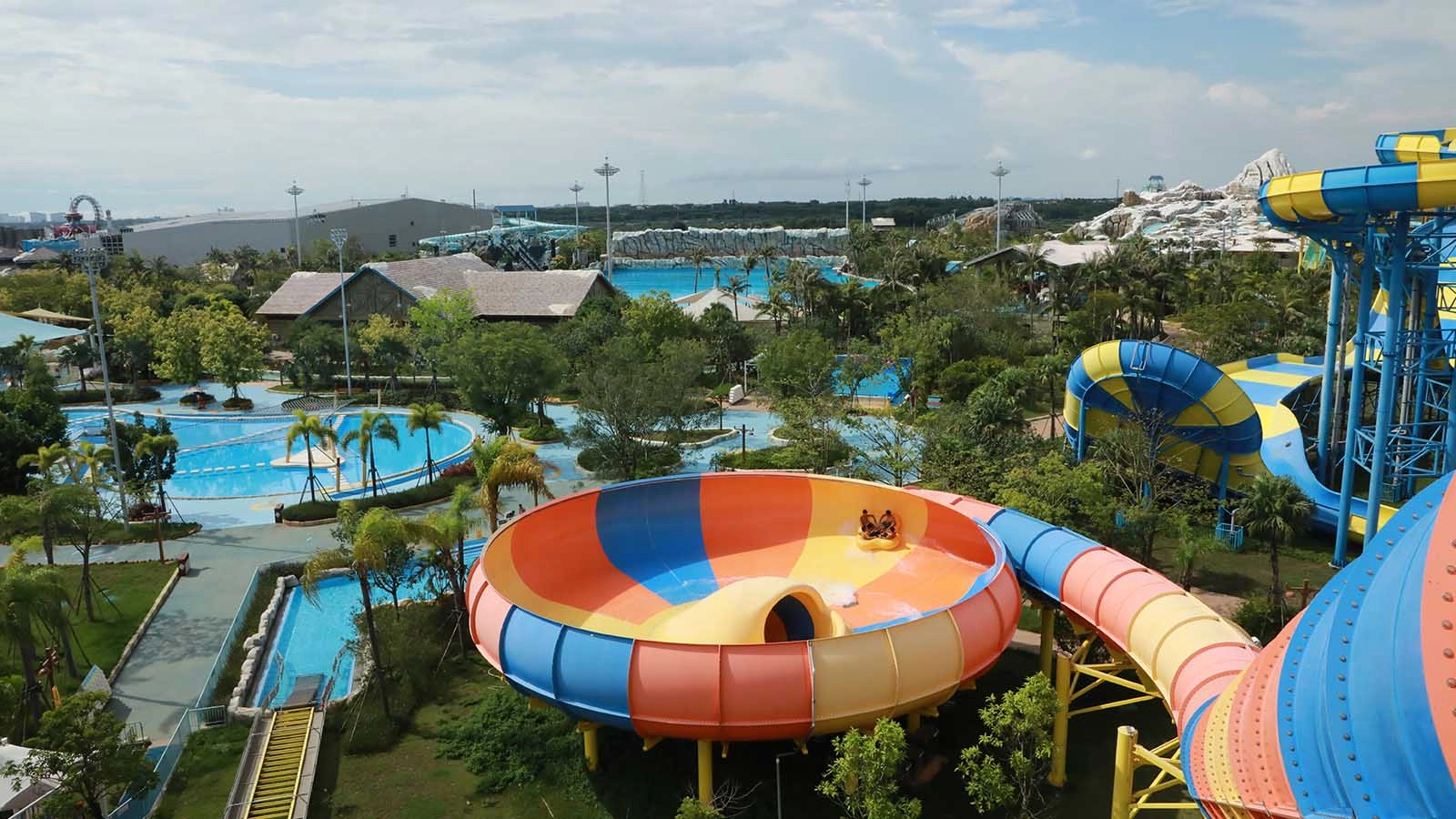
Water Project Industry Trends: Emerging Opportunities in the Water Attraction Market
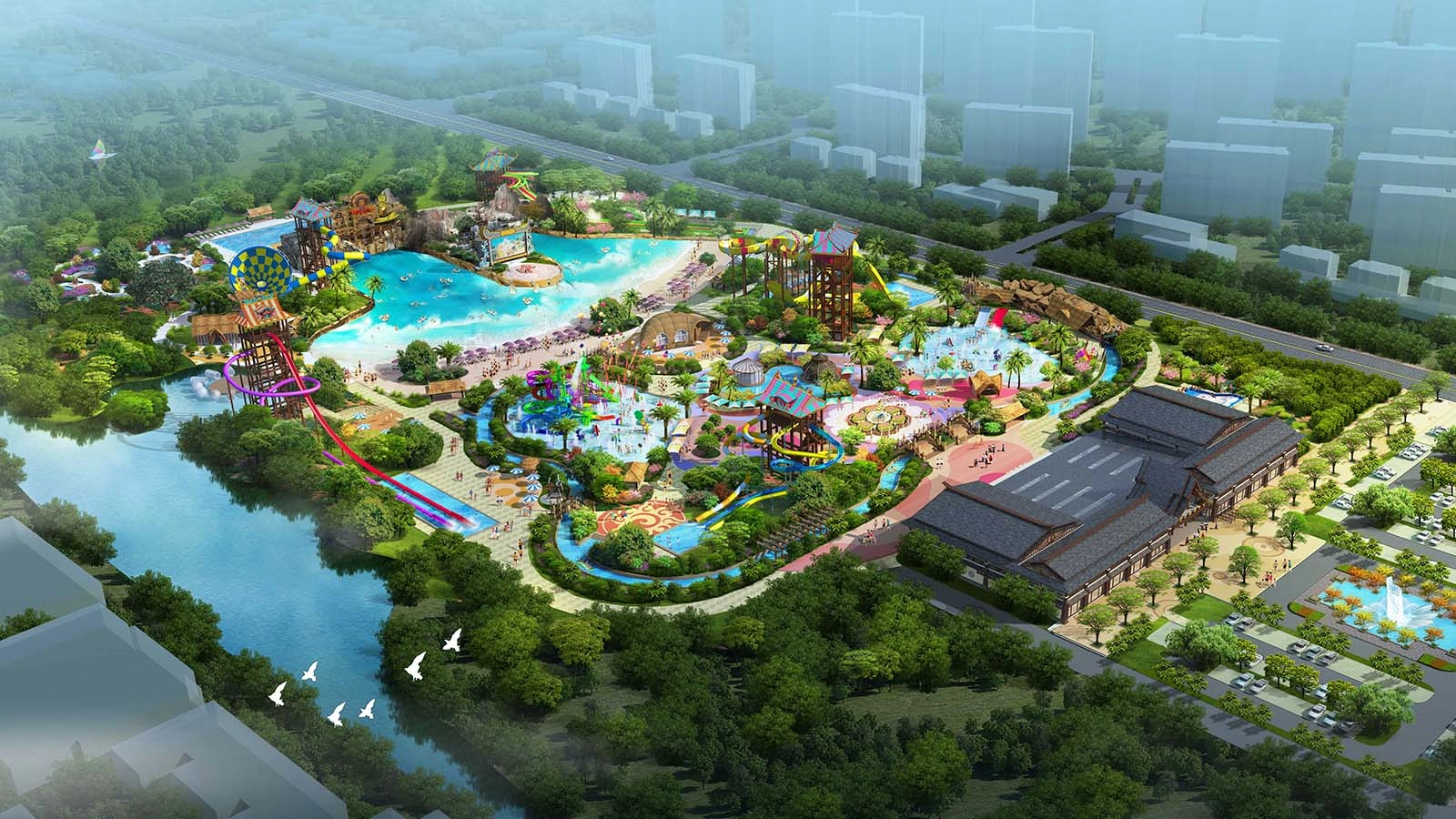
Water Projects: The Complete Guide to Developing Water Projects for Different Venues with WM INTERNATIONAL
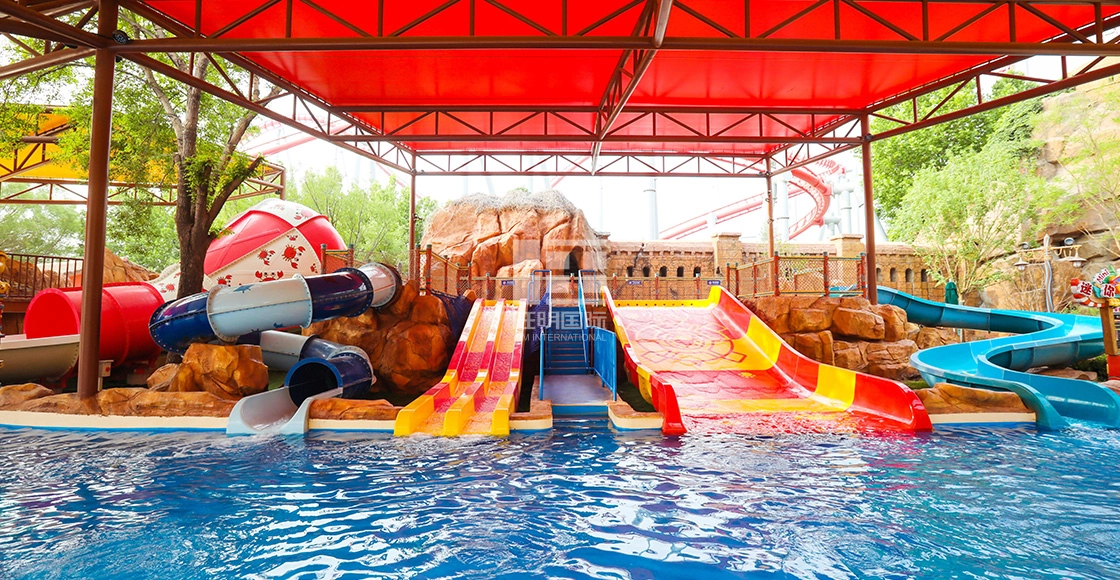
Children Combined Water Slide
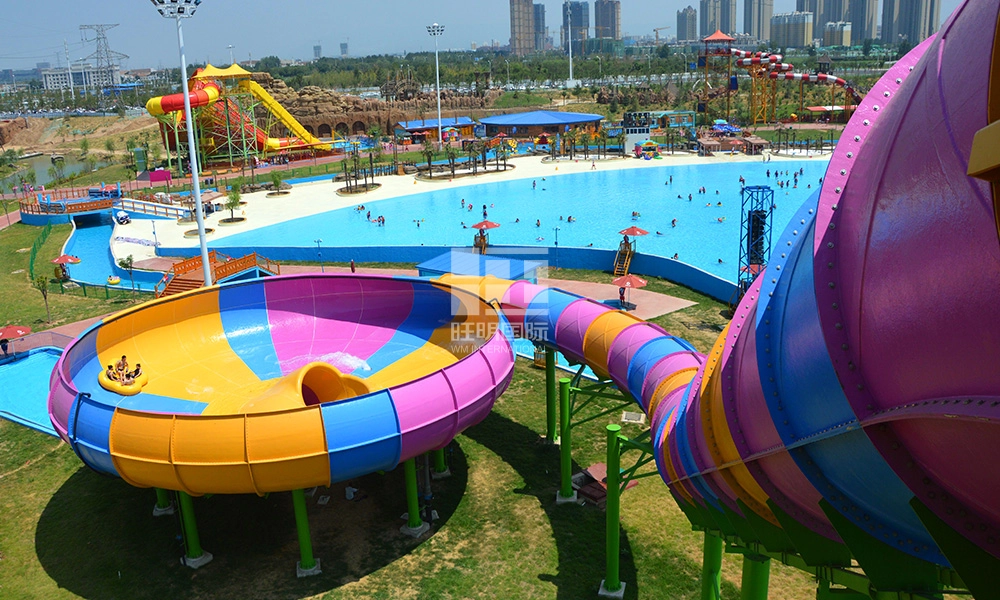
Huge Bowl Water Slide
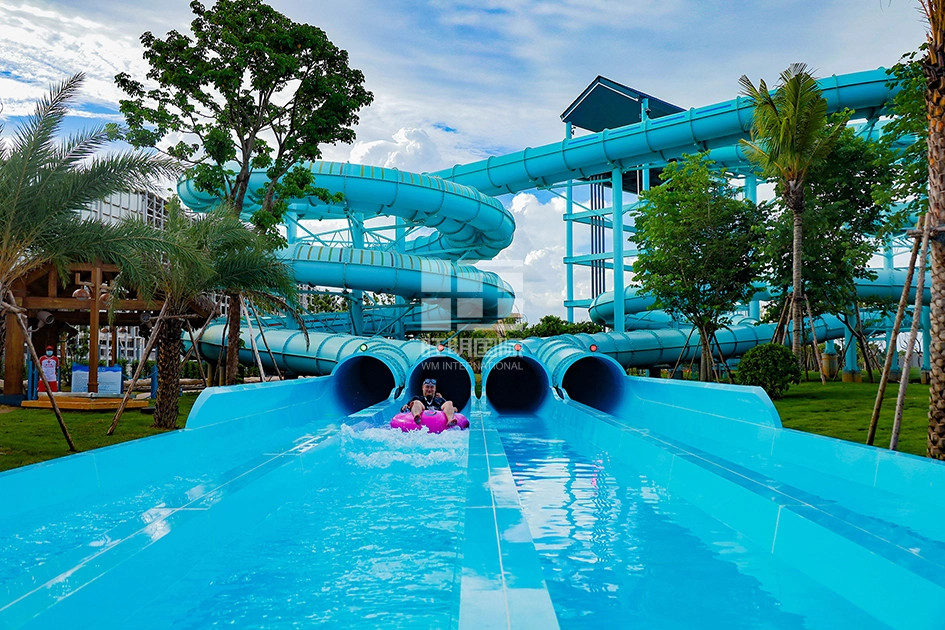
Time Tunnel Water Slide
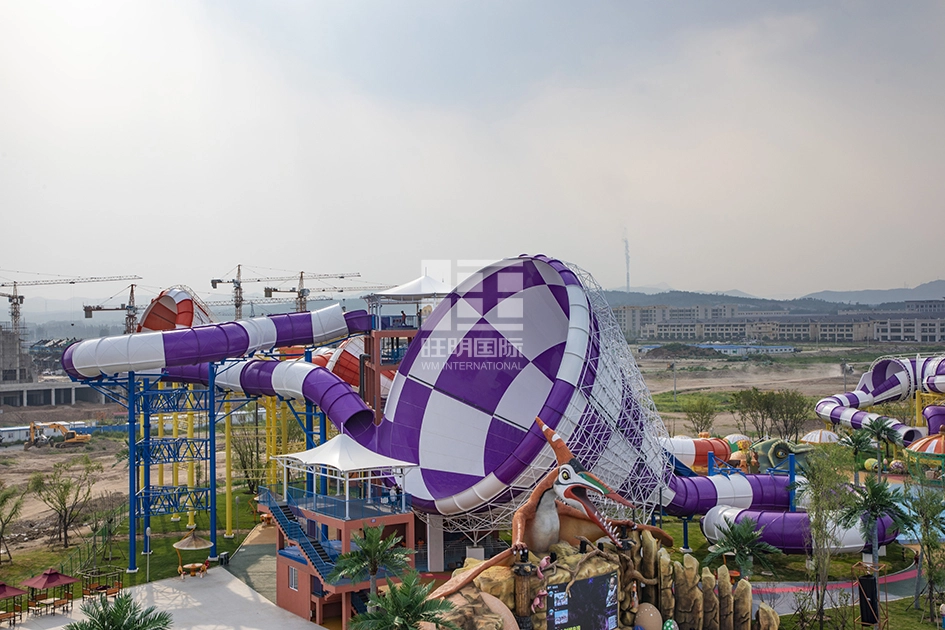
Big Tourbillion Water Slide
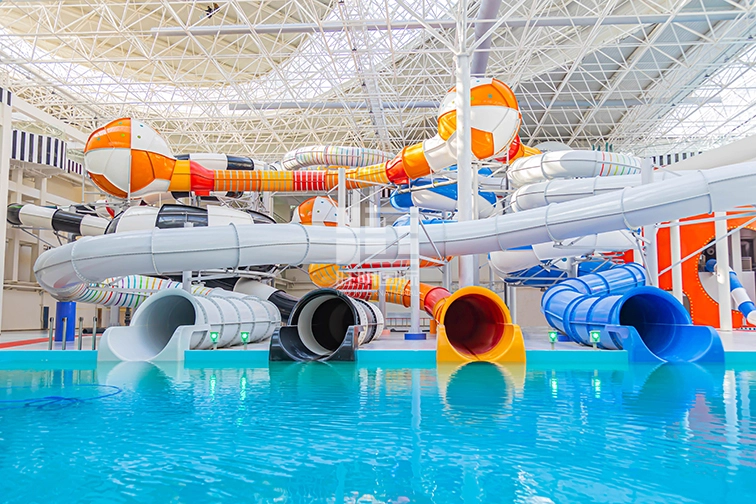
Turnover Slide
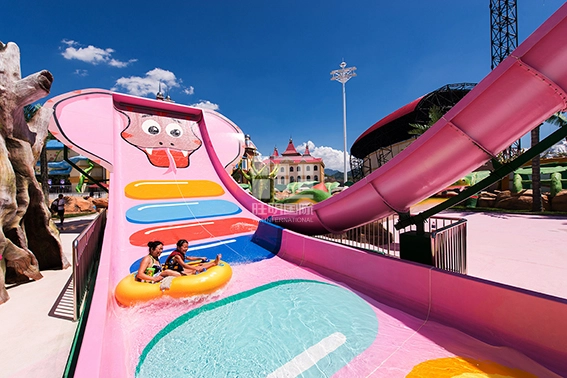
Small King Cobra Water Slide
Get in touch
Have to get customized water park solutions and product quotes.
We will provide you with professional consultation and support.

Relying on leading technology, innovative products and rich industry experience, we tailor personalized solutions for each water park project to ensure a safe and exciting entertainment experience for tourists.
 Scan QR Code
wmwaterslide
wmwaterpark