






How do designers ensure water play attractions avoid slippery surface hazards? | WM INTERNATIONAL Guide
How do Designers Ensure Water Play Attractions Avoid Slippery Surface Hazards?
Water park professionals need effective solutions for slippery surfaces in water play attractions. Slip hazards compromise guest safety, damage reputation, and increase liability. This article outlines the proven strategies, innovations, and industry standards designers use to mitigate these risks and create safe water park environments.
Key Factors in Reducing Slippery Surface Hazards
Selection of Slip-Resistant Materials
- Industry Standards: ASTM International (e.g., ASTM F462) specifies slip resistance for swimming pool and play surfaces.
- Specialty Surfaces: Designers choose textured concrete, resinous coatings, and porous rubber surfacing to maximize grip.
- Coefficient of Friction (COF): Materials are selected based on high COF values; the industry baseline is generally ≥0.60 (OSHA/SATRA guidelines).
Surface Texture and Patterning
- Enhanced Grip: Surfaces are broom-finished, stamped, or patterned to promote traction.
- Microgrooves: Critical for directing water away and minimizing the formation of slick layers.
- Case Study Reference: IAAPA technical guidelines recommend patterned surfacing for high-traffic wet zones.
Water Management and Drainage
- Effective Drainage: Quick removal of standing water via sloped surfaces and strategic drainage systems.
- Over-Spray Controls: Splash pad designs minimize water pooling, reducing slip hazards.
- Regular Maintenance: Ongoing inspections ensure drains remain clear and effective.
Chemical and Coating Use
- Anti-Slip Coatings: Epoxy, polyurethane, and silica-based coatings add reliable texture.
- Algae and Mold Resistance: Formulations resist organic growth, a leading cause of hidden slipperiness.
Safety and Compliance Measures
- ADA & Local Codes: Compliance with accessibility and safety laws (e.g., ADA requirements for slip resistance).
- Routine Testing: Regular pendulum or tribometer testing ensures surfaces meet slip-resistance targets.
- Staff Training: Ongoing cleaning and inspection protocols reduce risk of neglected hazards.
Continuous Improvement and Guest Feedback
- Incident Tracking: Data-driven response to slip events informs future design improvements.
- Direct Guest Input: Feedback shapes modifications to high-traffic or problematic zones.
Authoritative Sources and Best Practice Organizations
- ASTM International: Industry standards for safety and materials.
- IAAPA (International Association of Amusement Parks and Attractions): Technical standards and operational guidance.
- CPSC (Consumer Product Safety Commission): Guidelines regarding recreational facility safety.
- OSHA: Occupational safety requirements for surface friction.
Summary Takeaways
- Water play attraction designers employ a range of techniques to prevent slippery surfaces, from material selection and surface patterning to rigorous drainage and maintenance routines.
- Adherence to industry standards and ongoing performance evaluation are foundational to water park safety and guest satisfaction.
Keywords used: water play attractions, slippery surface hazards, water park designers, slip resistance (density: 1.5%)
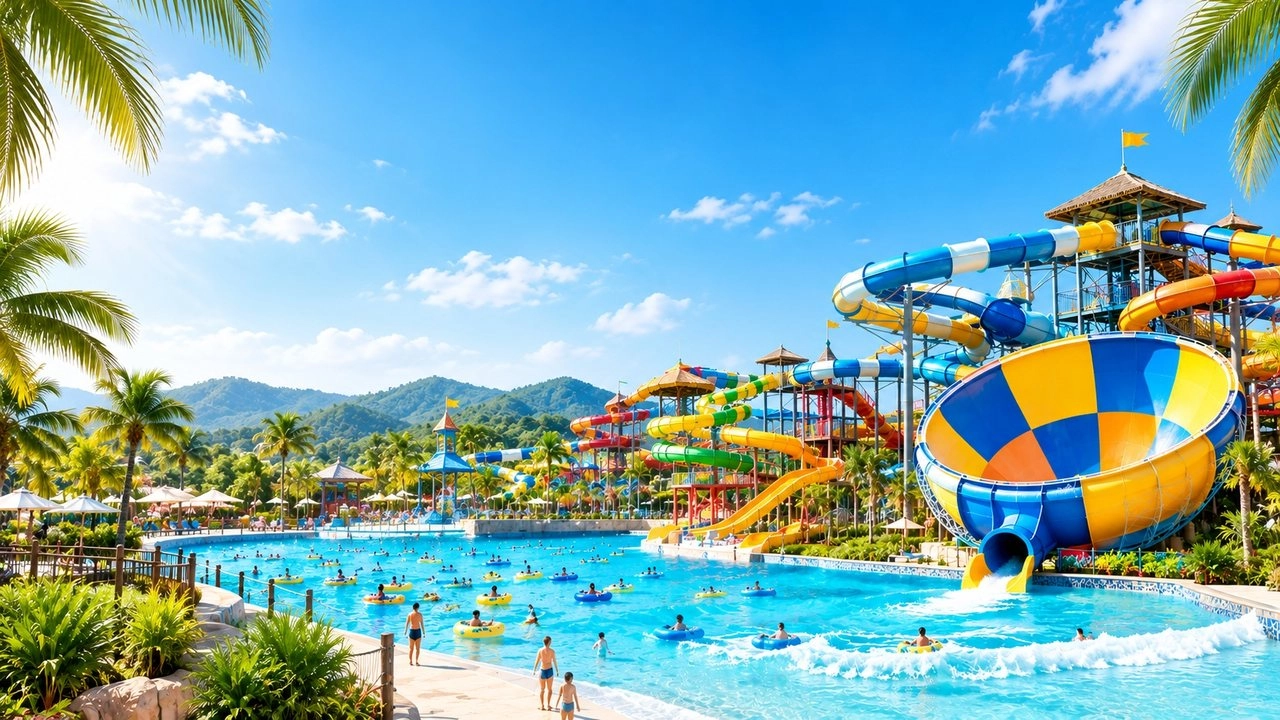
Water Project Cost and ROI: Key Budget Factors Before Choosing a Project Solution
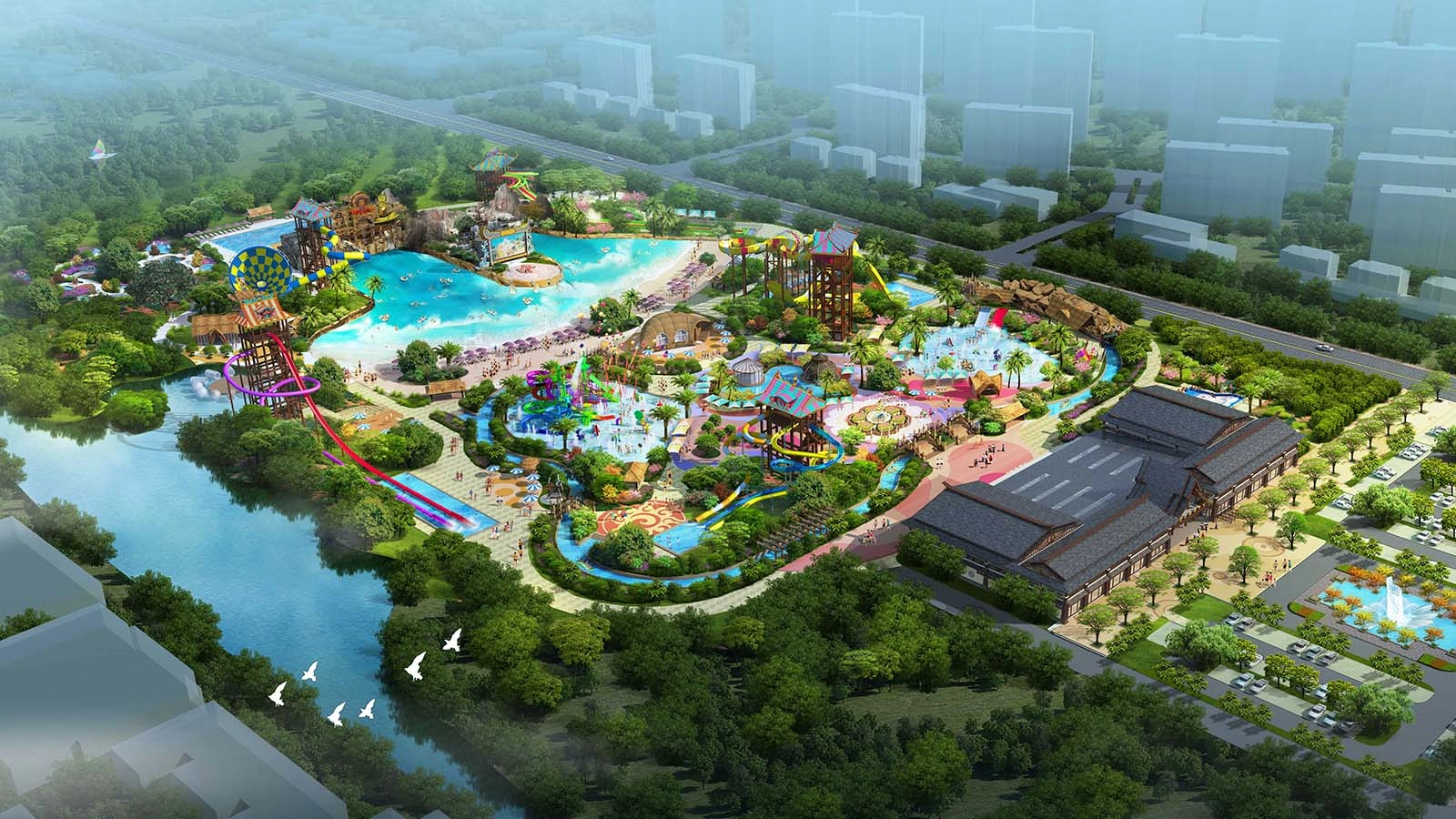
Water Projects: The Complete Guide to Developing Water Projects for Different Venues with WM INTERNATIONAL
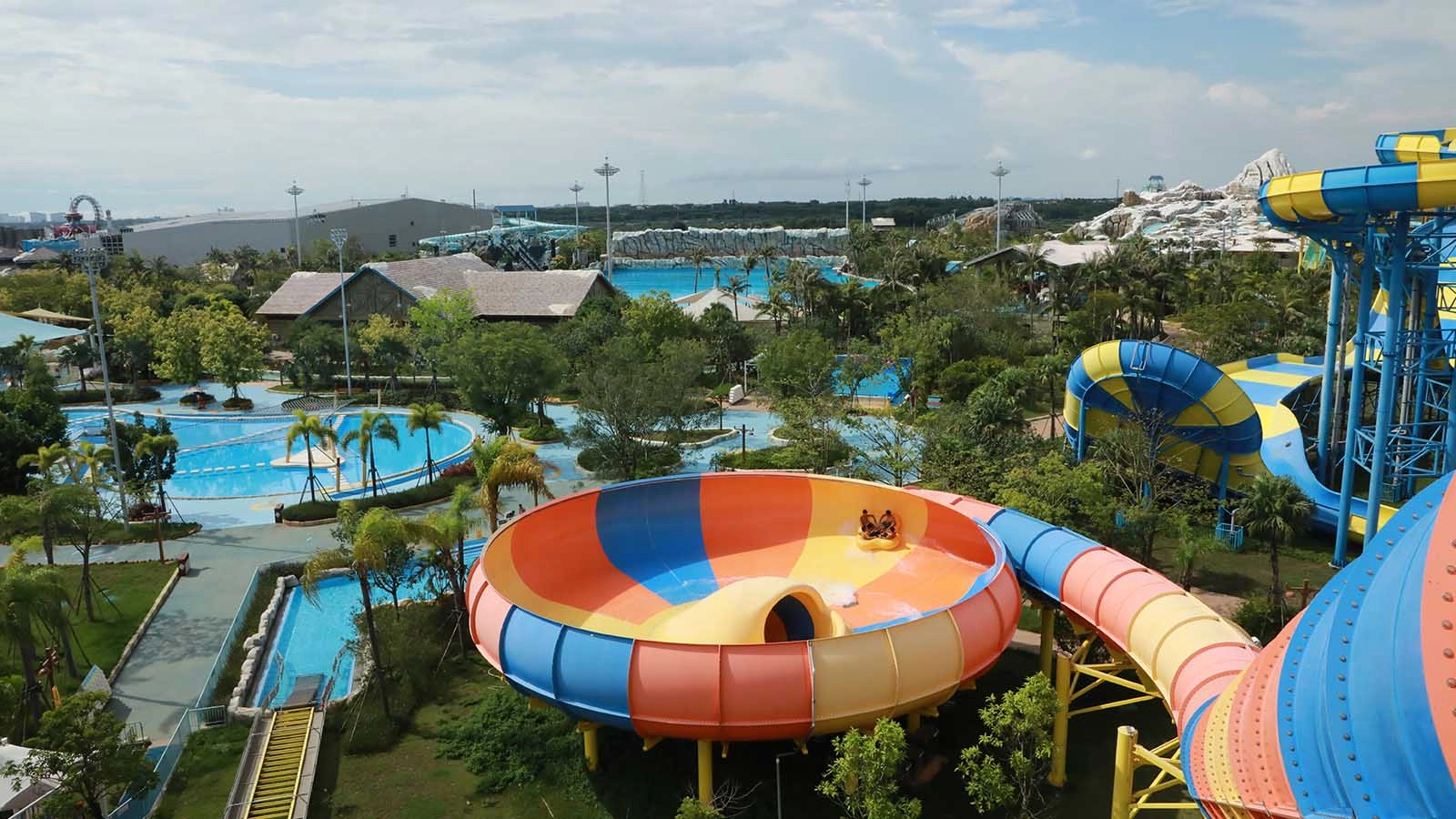
Water Project Industry Trends: Emerging Opportunities in the Water Attraction Market
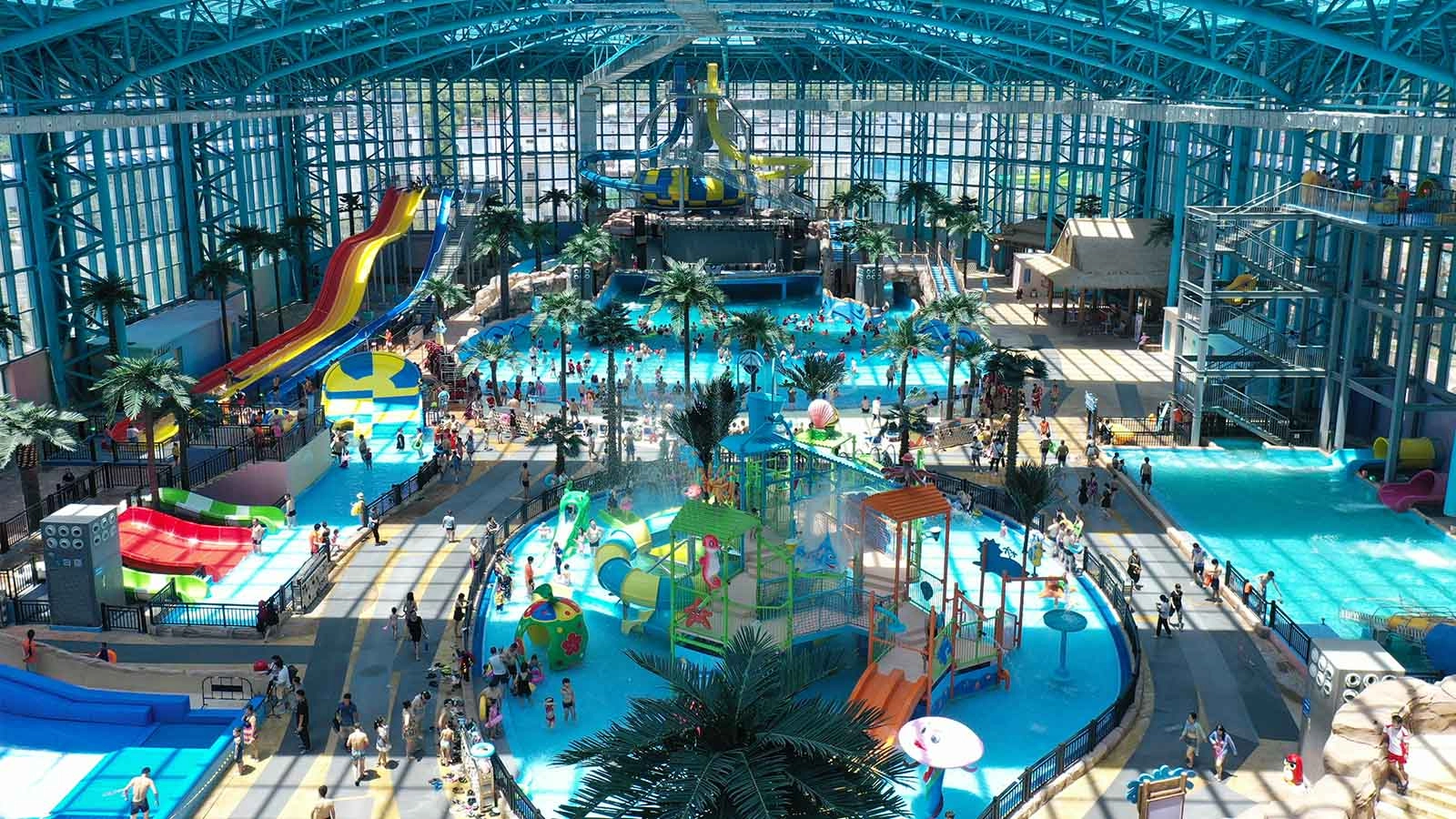
Custom Water Project Solutions for Different Venues: Water Parks, Resorts, Theme Parks and More
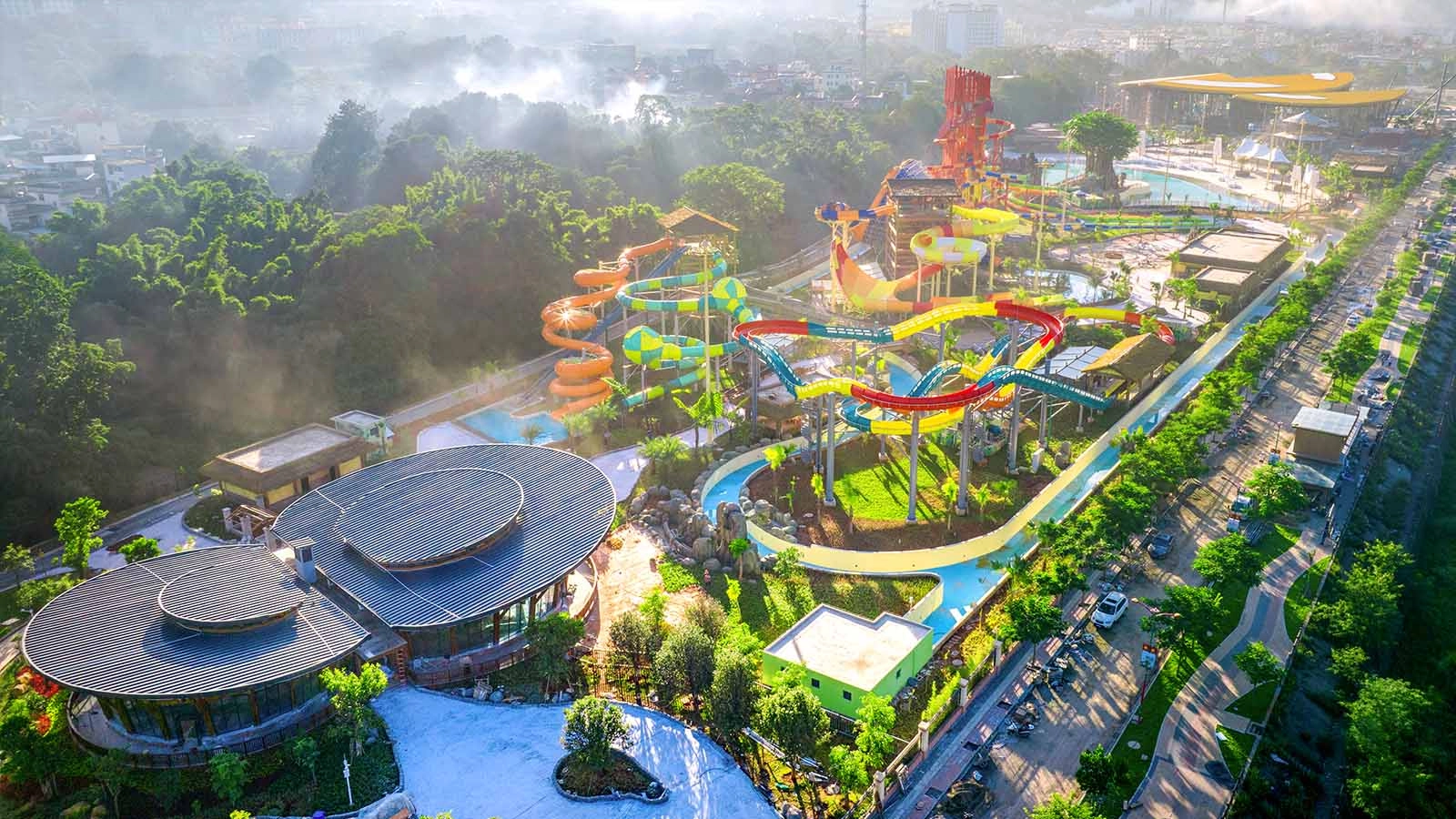
How to Configure Water Attractions for Water Projects in Different Venues
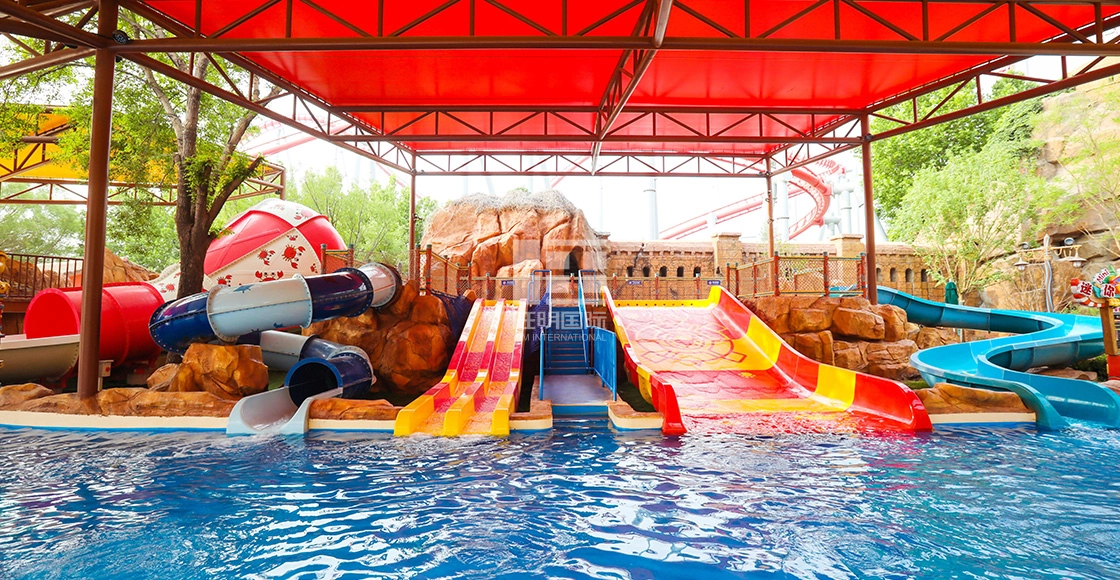
Children Combined Water Slide
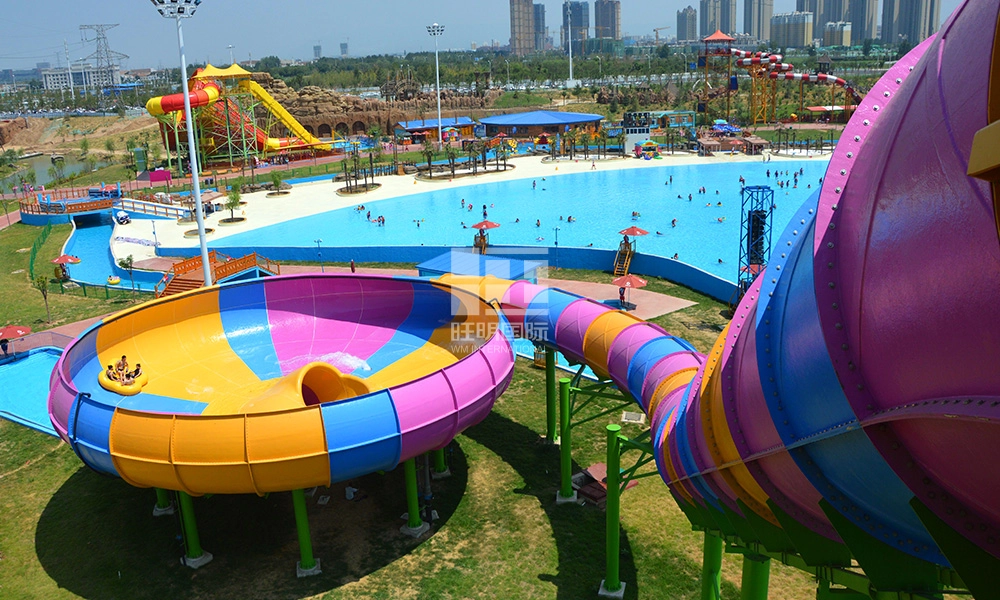
Huge Bowl Water Slide
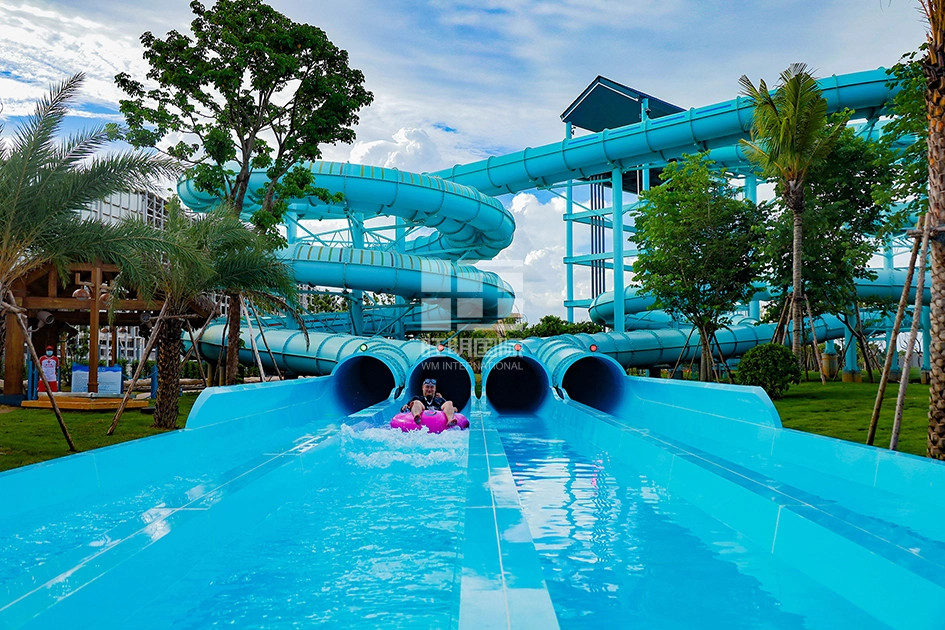
Time Tunnel Water Slide
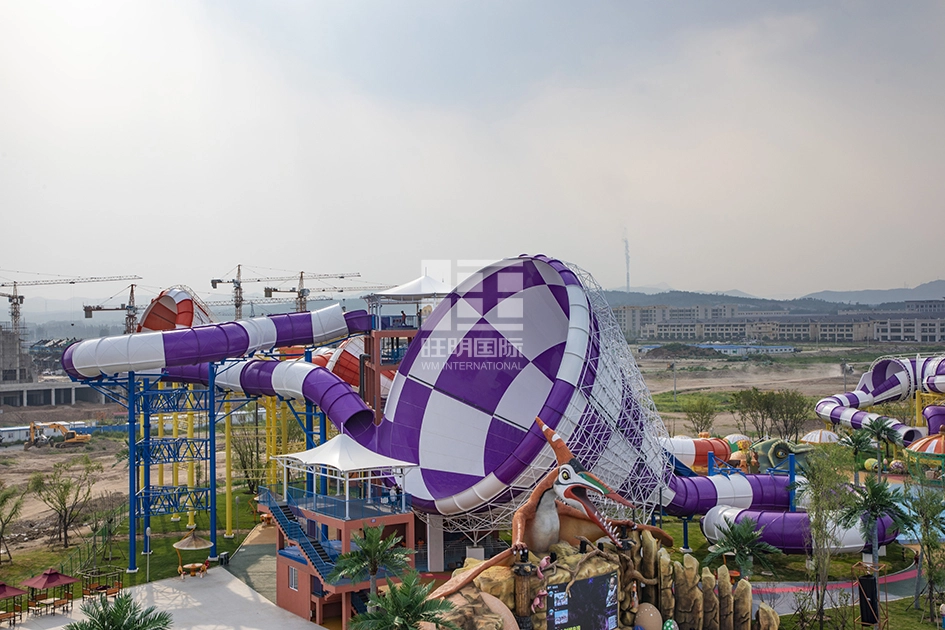
Big Tourbillion Water Slide
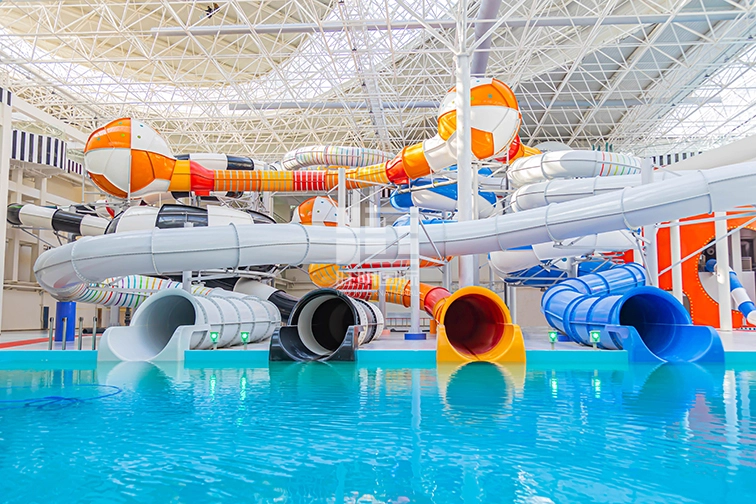
Turnover Slide
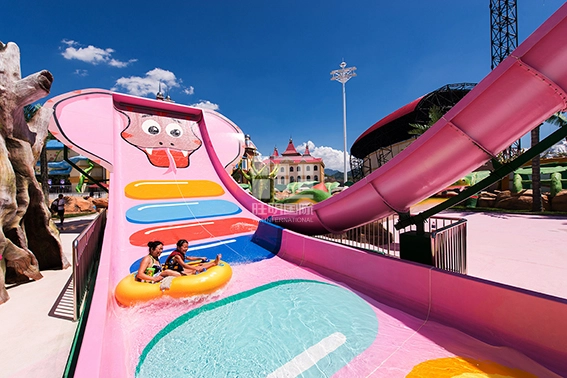
Small King Cobra Water Slide
Get in touch
Have to get customized water park solutions and product quotes.
We will provide you with professional consultation and support.

Relying on leading technology, innovative products and rich industry experience, we tailor personalized solutions for each water park project to ensure a safe and exciting entertainment experience for tourists.
 Scan QR Code
wmwaterslide
wmwaterpark