




What age group is the five-cone water bucket designed for? | WM INTERNATIONAL Expert Guide
- What Age Group is the Five-Cone Water Bucket Designed For?
- What Safety Standards Apply to the Five-Cone Water Bucket?
- How Does the Five-Cone Water Bucket Enhance Water Park Guest Experience?
- What Are the Installation Requirements and Space Considerations?
- How Should Operators Maintain the Five-Cone Water Bucket?
- What Are the Latest Trends in Water Play Equipment for Parks?
What Age Group is the Five-Cone Water Bucket Designed For?
The Five-Cone Water Bucket, a popular interactive water play feature, is primarily designed for children aged 3 to 12 years. This age range aligns with industry safety standards and developmental appropriateness, offering engaging water play that encourages motor skills and social interaction. According to manufacturers and water park safety guidelines, this age group ensures users can safely access and operate the equipment without unnecessary risk.
What Safety Standards Apply to the Five-Cone Water Bucket?
Water play equipment like the Five-Cone Water Bucket must comply with ASTM International standards (ASTM F2376-20) and the Americans with Disabilities Act (ADA) for accessibility. Compliance ensures surface materials are slip-resistant, heights are safe to prevent falls, and water volumes are managed to avoid drowning risks. Regular safety audits and maintenance are critical for operational longevity.
How Does the Five-Cone Water Bucket Enhance Water Park Guest Experience?
The rotating and tipping cone design engages children intellectually and physically, aiding sensory development and cooperative play. Its visual appeal and splash effect attract families, increasing visitor dwell time and satisfaction. Industry reports highlight that interactive features like these boost operator revenue by up to 15% due to improved guest retention.
What Are the Installation Requirements and Space Considerations?
The Five-Cone Water Bucket requires a flat, durable foundation capable of supporting substantial water weight—typically a reinforced concrete pad. Space-wise, a minimum clearance of 15 feet in diameter is recommended for safety zones around the equipment. Additionally, integration with the park’s water management system must ensure efficient drainage and water recycling compliance with environmental regulations.
How Should Operators Maintain the Five-Cone Water Bucket?
Routine inspections focusing on mechanical parts, water pumps, and structural integrity are essential. Water quality testing is mandatory to comply with CDC guidelines, including disinfectant residual levels (1-3 ppm free chlorine). Seasonal shutdown procedures involve draining and protecting mechanisms against freezing in colder climates.
What Are the Latest Trends in Water Play Equipment for Parks?
The water park industry is moving towards eco-friendly, energy-saving designs with UV-resistant materials and recycled components. Interactive technology integration, such as sensor-activated elements that adjust water flow or timing, also gains popularity. These features cater to modern guest expectations while reducing operational costs.
Water Project Cost and ROI: Key Budget Factors Before Choosing a Project Solution
Water Projects: The Complete Guide to Developing Water Projects for Different Venues with WM INTERNATIONAL
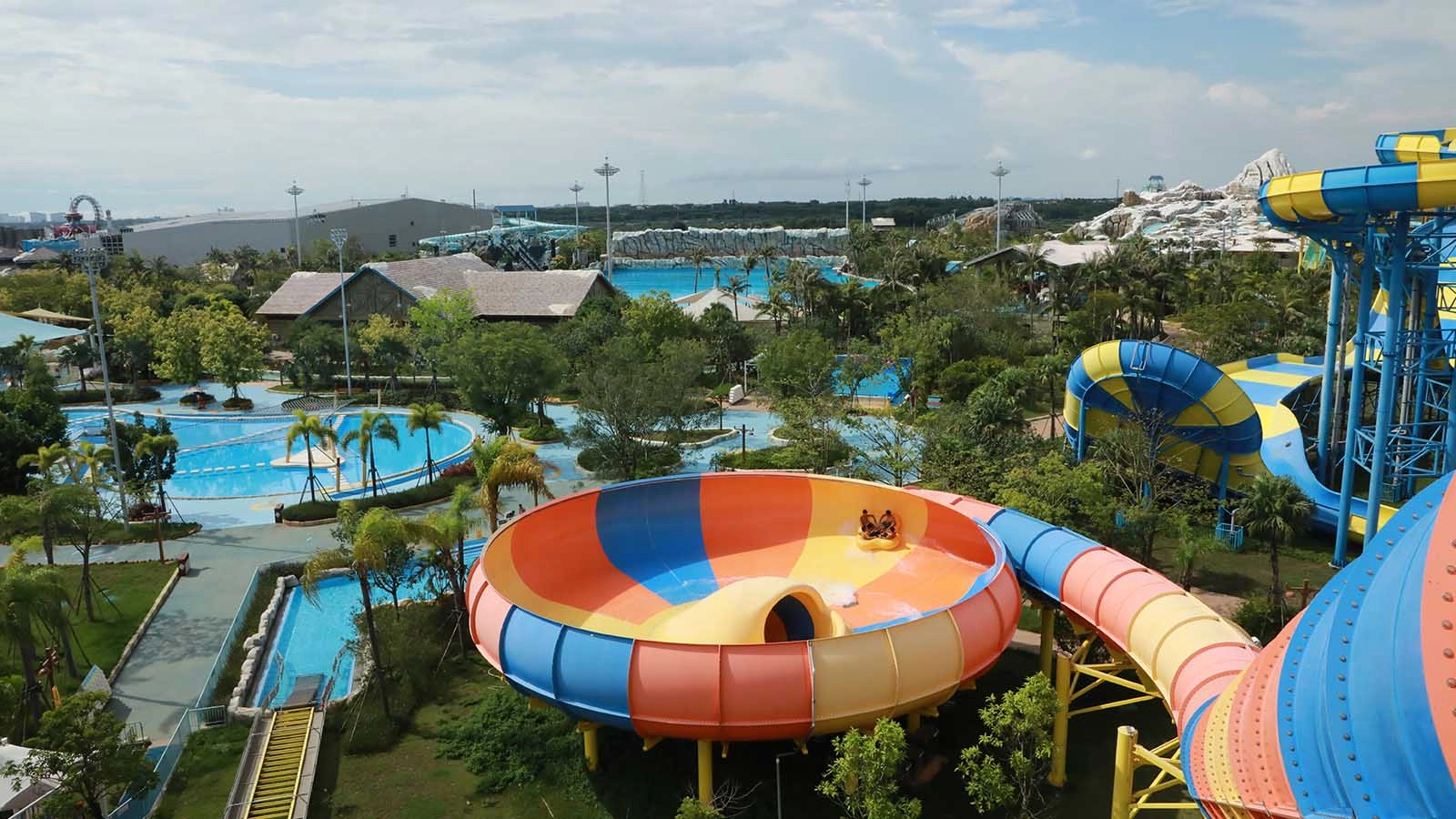
Water Project Industry Trends: Emerging Opportunities in the Water Attraction Market
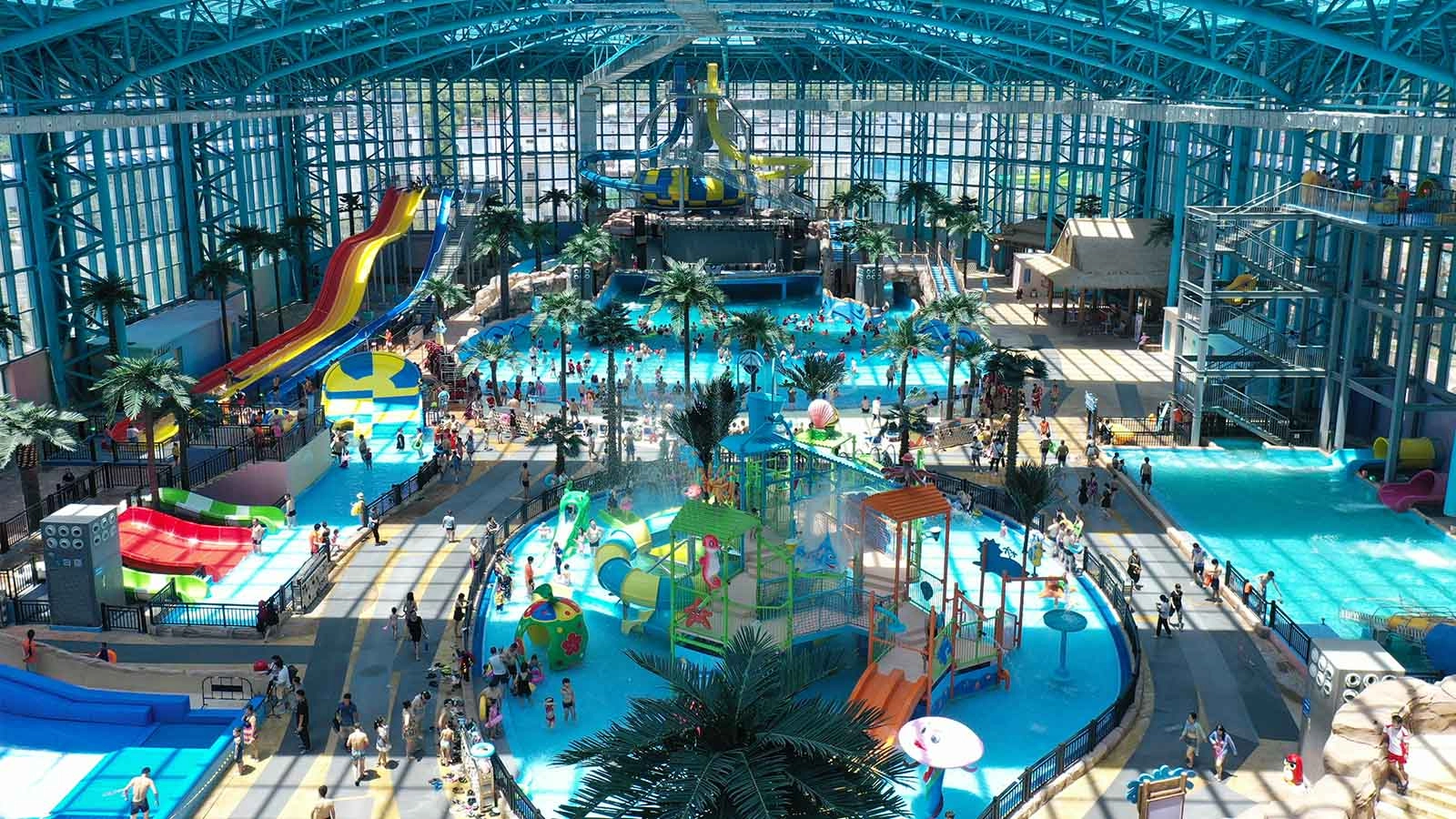
Custom Water Project Solutions for Different Venues: Water Parks, Resorts, Theme Parks and More
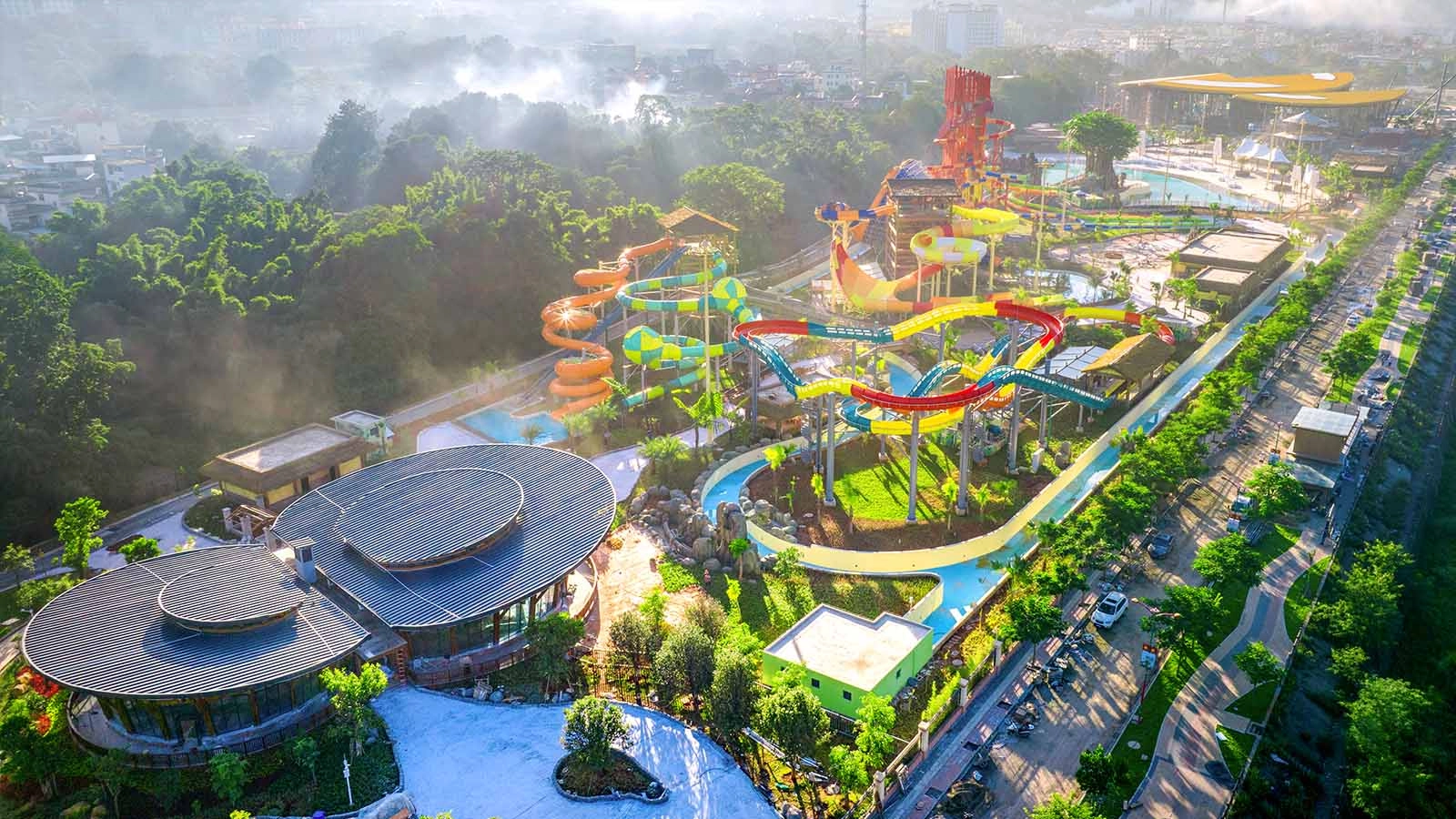
How to Configure Water Attractions for Water Projects in Different Venues
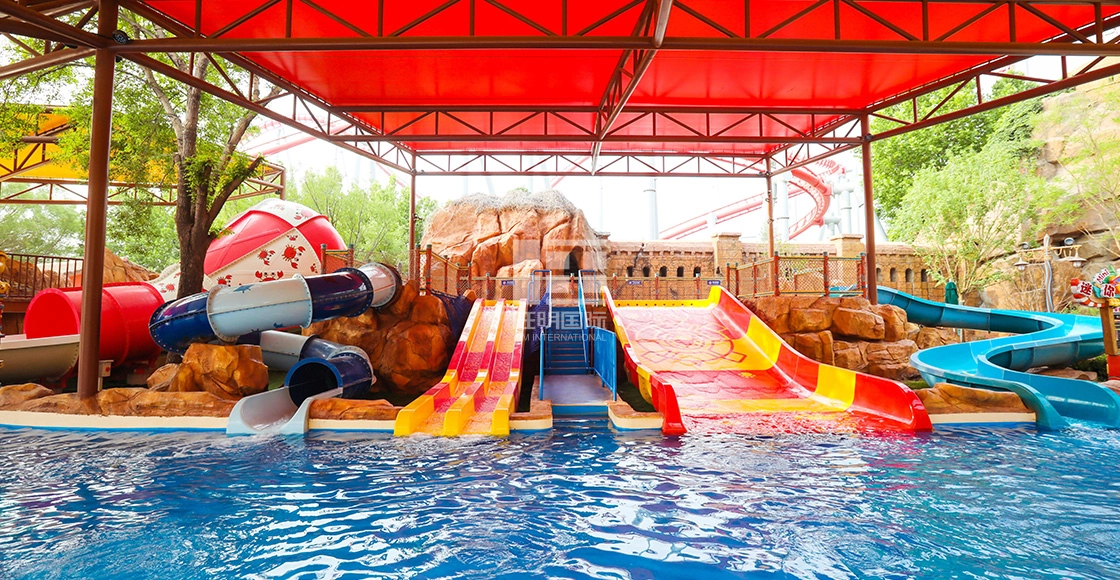
Children Combined Water Slide
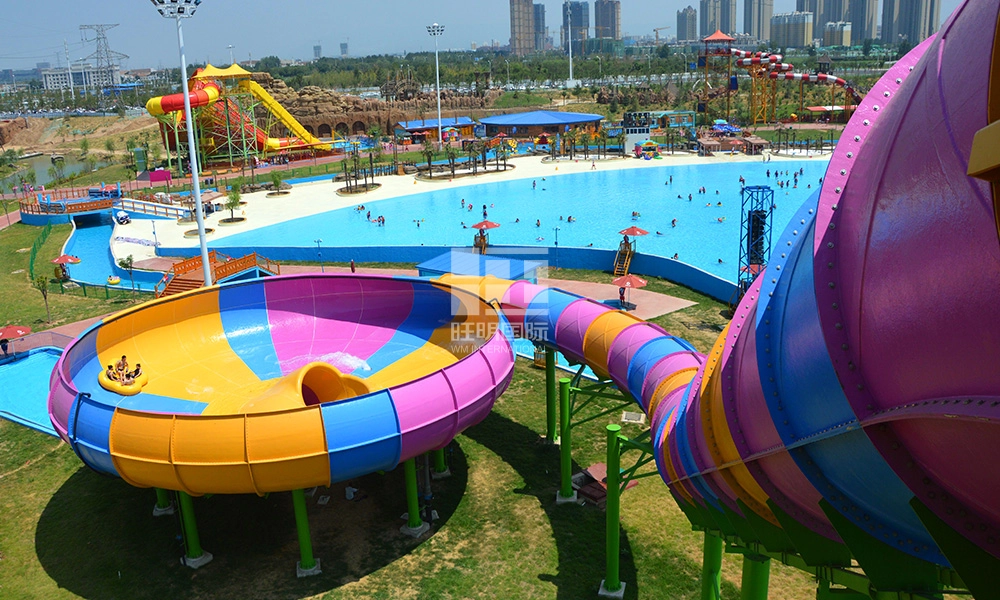
Huge Bowl Water Slide
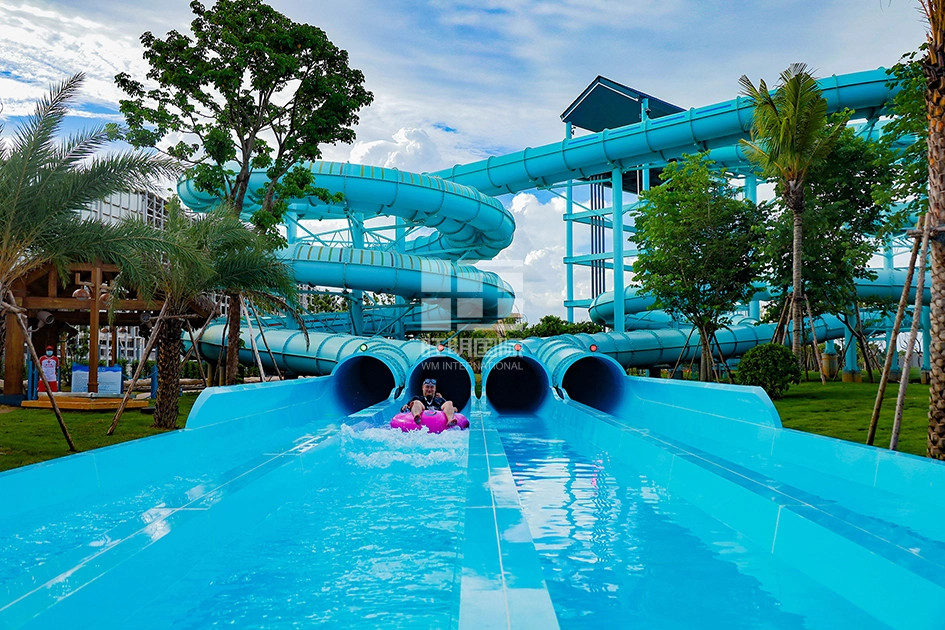
Time Tunnel Water Slide
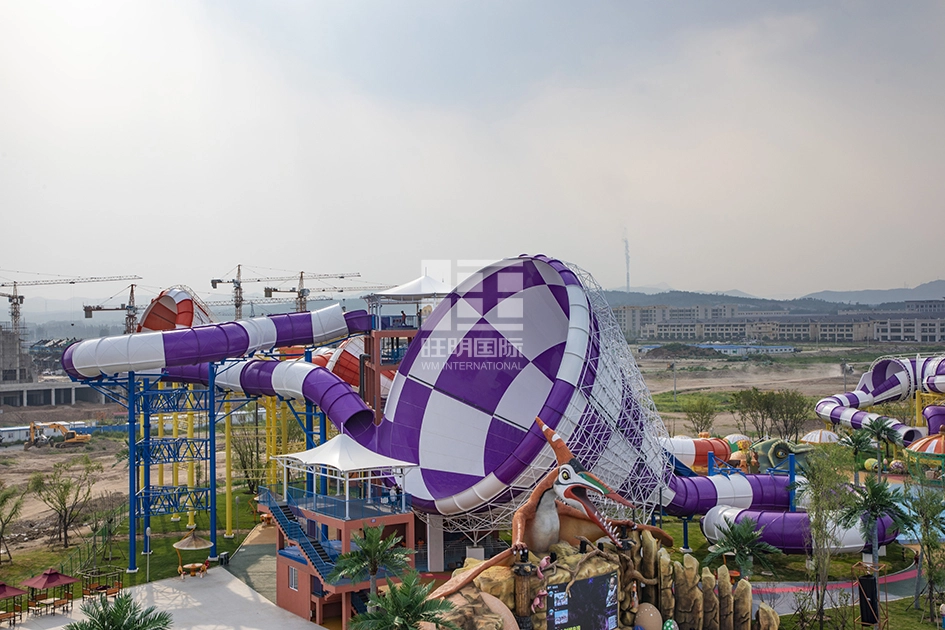
Big Tourbillion Water Slide
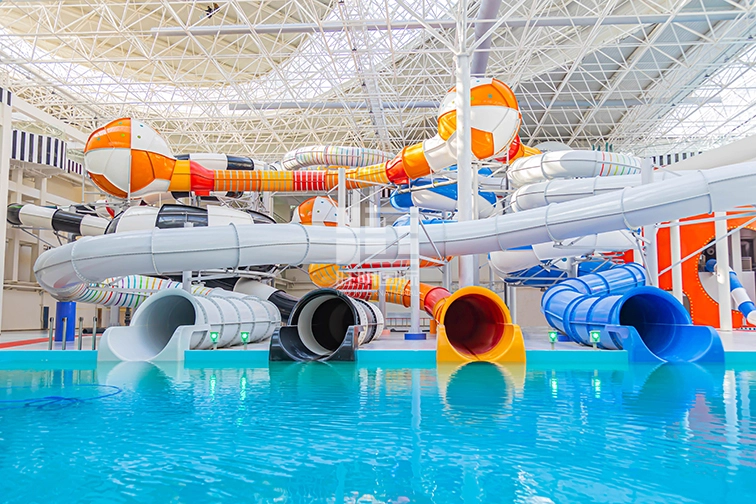
Turnover Slide
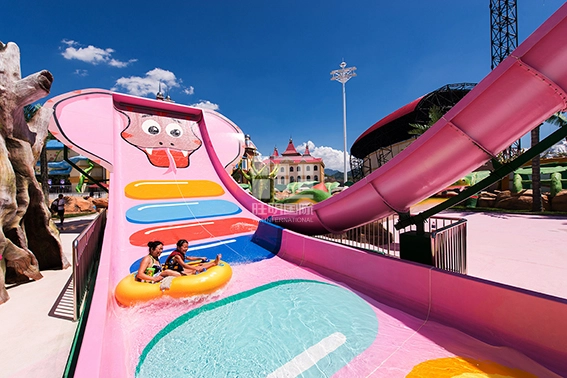
Small King Cobra Water Slide
Get in touch
Have to get customized water park solutions and product quotes.
We will provide you with professional consultation and support.

Relying on leading technology, innovative products and rich industry experience, we tailor personalized solutions for each water park project to ensure a safe and exciting entertainment experience for tourists.
 Scan QR Code
wmwaterslide
wmwaterpark