






what permits are needed for building a water attraction | Insights by WM INTERNATIONAL
- 1. What Construction Permits Are Required for Building a Water Attraction?
- 2. What Environmental Permits Are Necessary?
- 3. What Operational Permits Are Needed?
- 4. How Can Procurement Professionals Ensure Compliance?
- 5. What Are the Costs Associated with Permits?
- 6. How Can I Streamline the Permitting Process?
- Conclusion: WangMing's Advantages
1. What Construction Permits Are Required for Building a Water Attraction?
When constructing a water attraction, obtaining the appropriate construction permits is crucial. These permits ensure that the facility meets safety standards and complies with local building codes. The specific requirements can vary by location, but generally include:
Building Permits: Required for the structural aspects of the attraction, including foundations, supports, and safety features. For instance, in Washington State, a Water Recreation Facility Construction Permit is necessary for new constructions or modifications of existing facilities. Applicants must submit detailed plans and specifications to the local health department.
Electrical Permits: Necessary for the installation of electrical systems powering the attraction. These permits ensure that all electrical work adheres to safety standards.
Plumbing Permits: Required for water supply and drainage systems to ensure proper water flow and sanitation.
Mechanical Permits: Needed for heating, ventilation, and air conditioning (HVAC) systems to maintain a comfortable environment.
It's essential to consult with local building departments to determine the exact permits required in your area.
2. What Environmental Permits Are Necessary?
Environmental permits are vital to protect natural resources and comply with environmental regulations. These permits may include:
Water Use Permits: Required if the attraction uses significant amounts of water. In Missouri, for example, businesses capable of producing 100,000 gallons per day must register as Major Water Users.
Wetlands Permits: Necessary if construction affects wetlands or water bodies. In Florida, the Department of Environmental Protection regulates the construction of docks to protect habitats and water quality.
Coastal Construction Permits: Required for attractions near coastal areas to protect marine environments. In Florida, seawall construction permits depend on factors like construction type and environmental impact.
Environmental Impact Assessments (EIAs): May be required to evaluate the potential environmental effects of the construction.
Engaging with environmental consultants can help navigate these complex requirements.
3. What Operational Permits Are Needed?
Operational permits ensure that the water attraction operates safely and within legal parameters. These may include:
Amusement Device Permits: Required for rides and attractions. In Virginia, for example, a permit application must be submitted to the local building department at least five days before operation, including details about the device and proof of liability insurance.
Health and Safety Permits: Ensure that the facility meets health standards, including water quality and sanitation.
Fire Safety Permits: Necessary to comply with fire codes and ensure the safety of guests and staff.
Food and Beverage Licenses: Required if the attraction offers food and drink services.
It's important to coordinate with local health and safety departments to obtain these permits.
4. How Can Procurement Professionals Ensure Compliance?
Procurement professionals play a crucial role in ensuring that all necessary permits are obtained and compliance is maintained. Strategies include:
Due Diligence: Researching and selecting contractors and suppliers who adhere to industry standards and local regulations.
Documentation: Ensuring that all necessary permits, certifications, and insurance documents are obtained from suppliers.
Collaboration: Working closely with legal teams and regulatory bodies to verify compliance throughout the procurement process. ((https://www.wmwaterslide.com/article/essential-permits-and-regulations-for-commercial-water-slides-a-comprehensive-guide.html?utm_source=openai))
Regular Audits: Conducting periodic audits to ensure ongoing compliance with all regulations.
By implementing these strategies, procurement professionals can mitigate risks and ensure the successful development of the water attraction.
5. What Are the Costs Associated with Permits?
Understanding the costs associated with obtaining permits is essential for budgeting and financial planning. Costs can vary widely based on location, project scope, and specific requirements. For example:
Virginia: The local building department may charge fees for permits and inspections of generators and associated wiring for amusement device events. The fee per event shall not exceed $165 and shall not exceed the actual cost to perform the inspection or inspections.
Florida: Seawall construction permits depend on factors like construction type and environmental impact, with costs varying accordingly.
It's advisable to consult with local authorities to obtain accurate cost estimates for the necessary permits.
6. How Can I Streamline the Permitting Process?
Streamlining the permitting process can save time and reduce delays. Tips include:
Early Planning: Initiating the permitting process early in the project timeline.
Comprehensive Documentation: Ensuring all required documents are complete and accurate.
Professional Assistance: Hiring consultants or legal experts familiar with local permitting processes.
Clear Communication: Maintaining open lines of communication with local authorities to address any issues promptly.
By proactively managing the permitting process, you can facilitate a smoother development phase for your water attraction.
Conclusion: WangMing's Advantages
WangMing offers several advantages for water slide procurement:
Expertise: In-depth knowledge of global water slide manufacturing standards and regulations.
Quality Assurance: Commitment to providing high-quality, durable, and safe water slide products.
Regulatory Compliance: Ensuring all products meet or exceed local and international safety and regulatory standards.
Customer Support: Offering comprehensive support throughout the procurement process, from selection to installation and maintenance. ((https://www.wmwaterslide.com/article/essential-permits-and-regulations-for-commercial-water-slides-a-comprehensive-guide.html?utm_source=openai))
By partnering with WangMing, you can ensure that your water attraction is built to the highest standards of safety and quality, facilitating a successful and compliant operation.
**
Washington State Department of Health – October 2025
Virginia Department of Housing and Community Development – November 2025
Florida Department of Environmental Protection – October 2025
Missouri Department of Natural Resources – November 2025
Wisconsin Department of Natural Resources – November 2025
WM INTERNATIONAL – November 2025
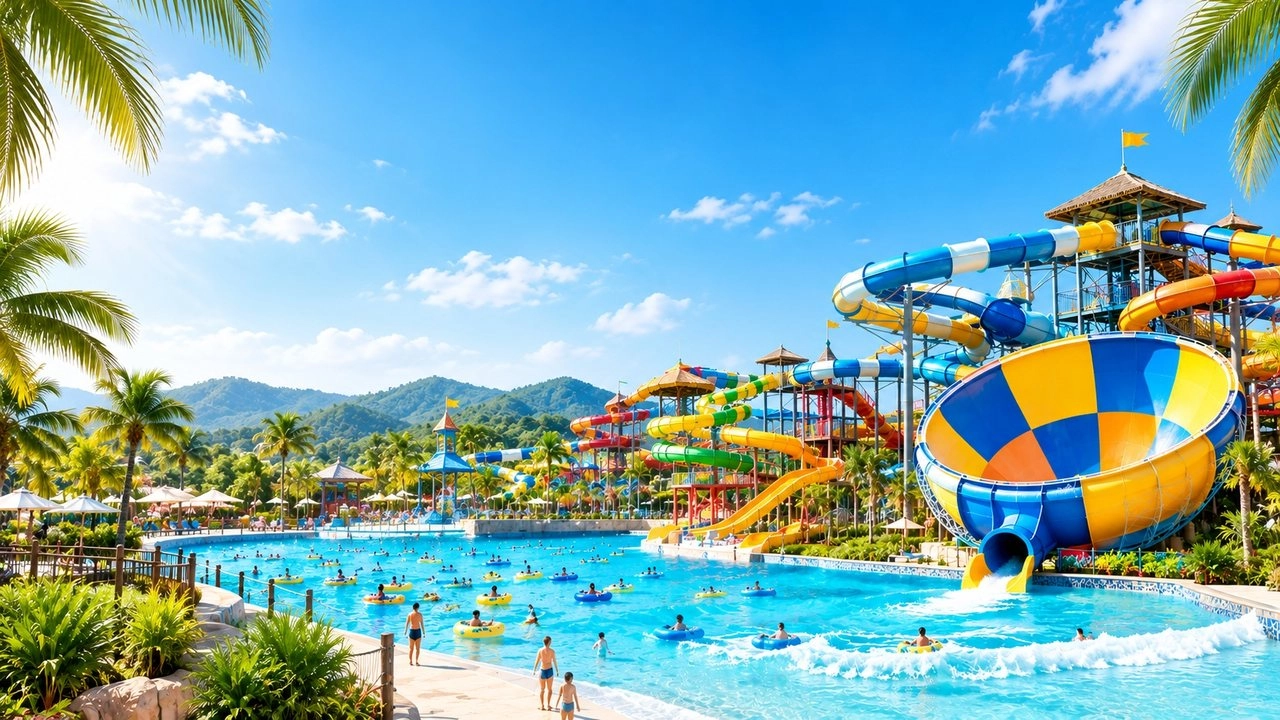
Water Project Cost and ROI: Key Budget Factors Before Choosing a Project Solution
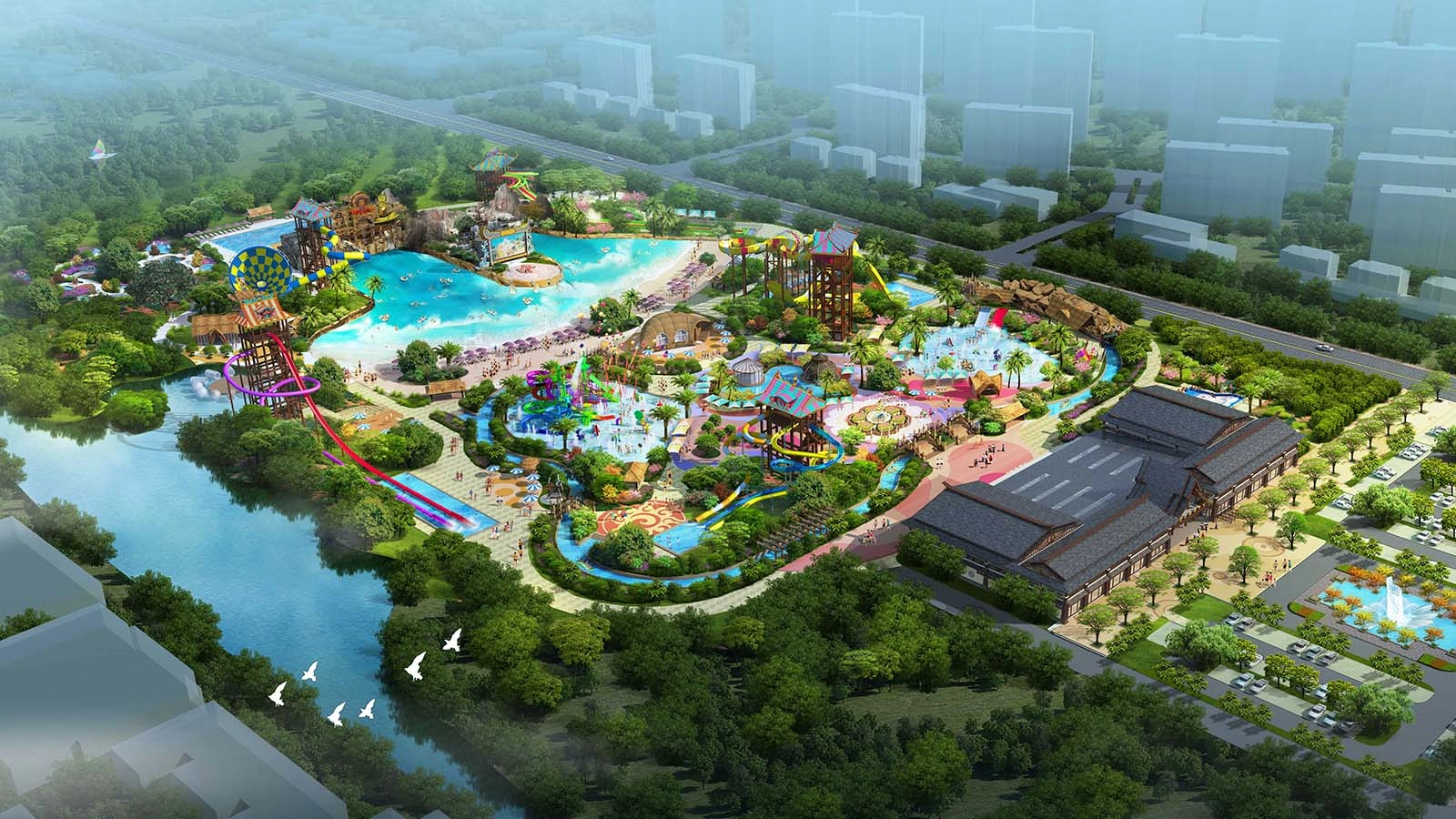
Water Projects: The Complete Guide to Developing Water Projects for Different Venues with WM INTERNATIONAL
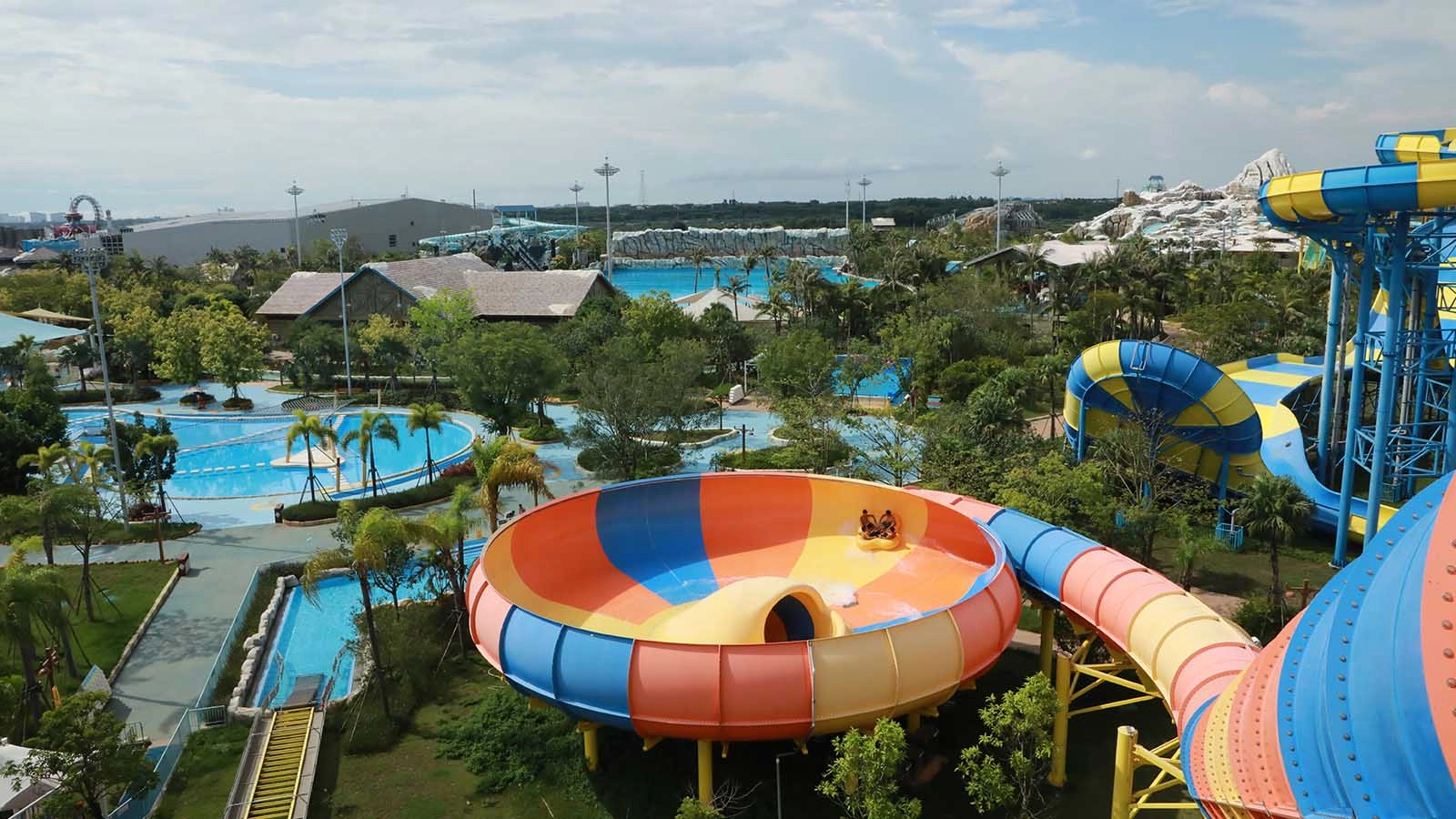
Water Project Industry Trends: Emerging Opportunities in the Water Attraction Market
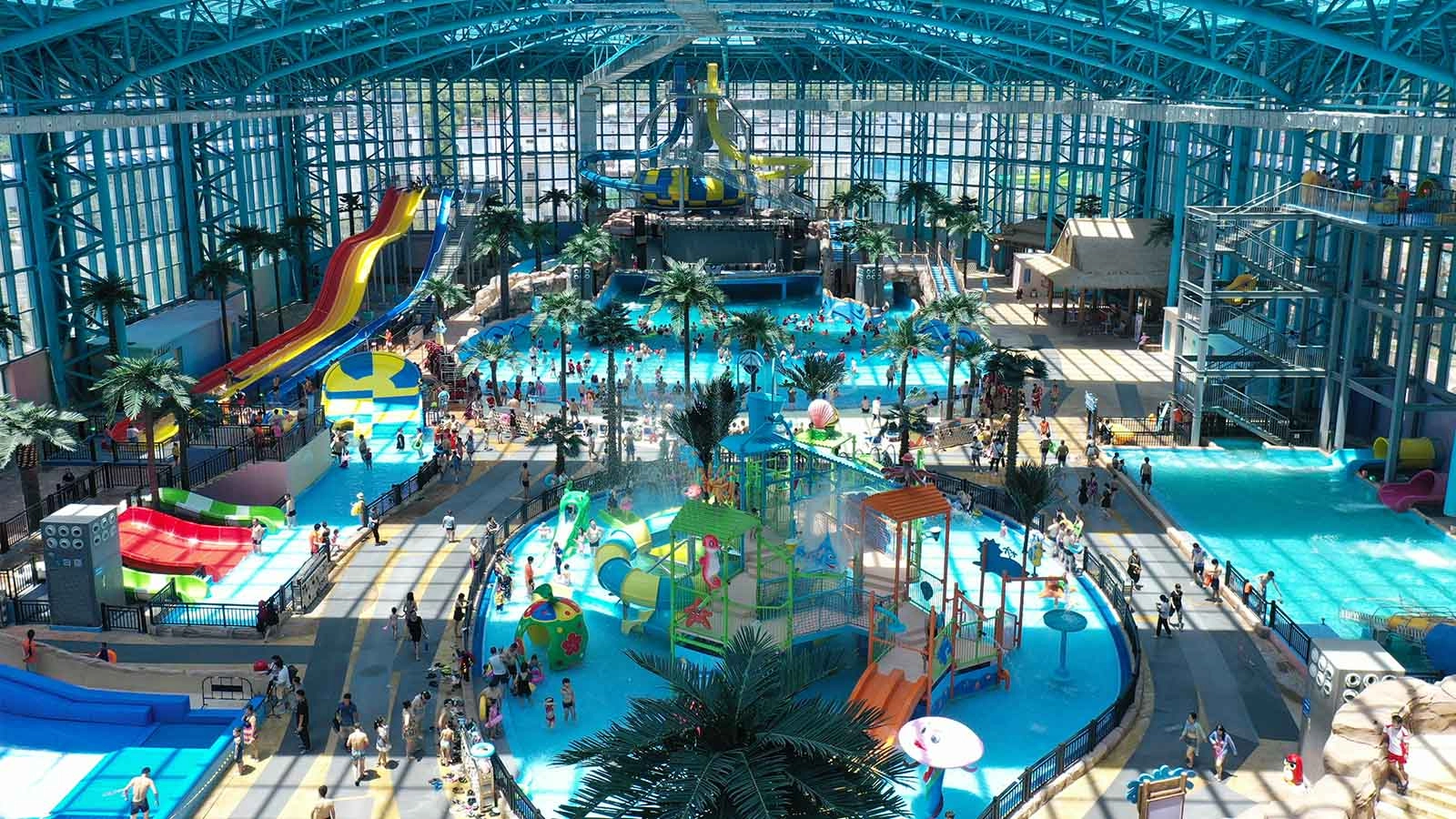
Custom Water Project Solutions for Different Venues: Water Parks, Resorts, Theme Parks and More
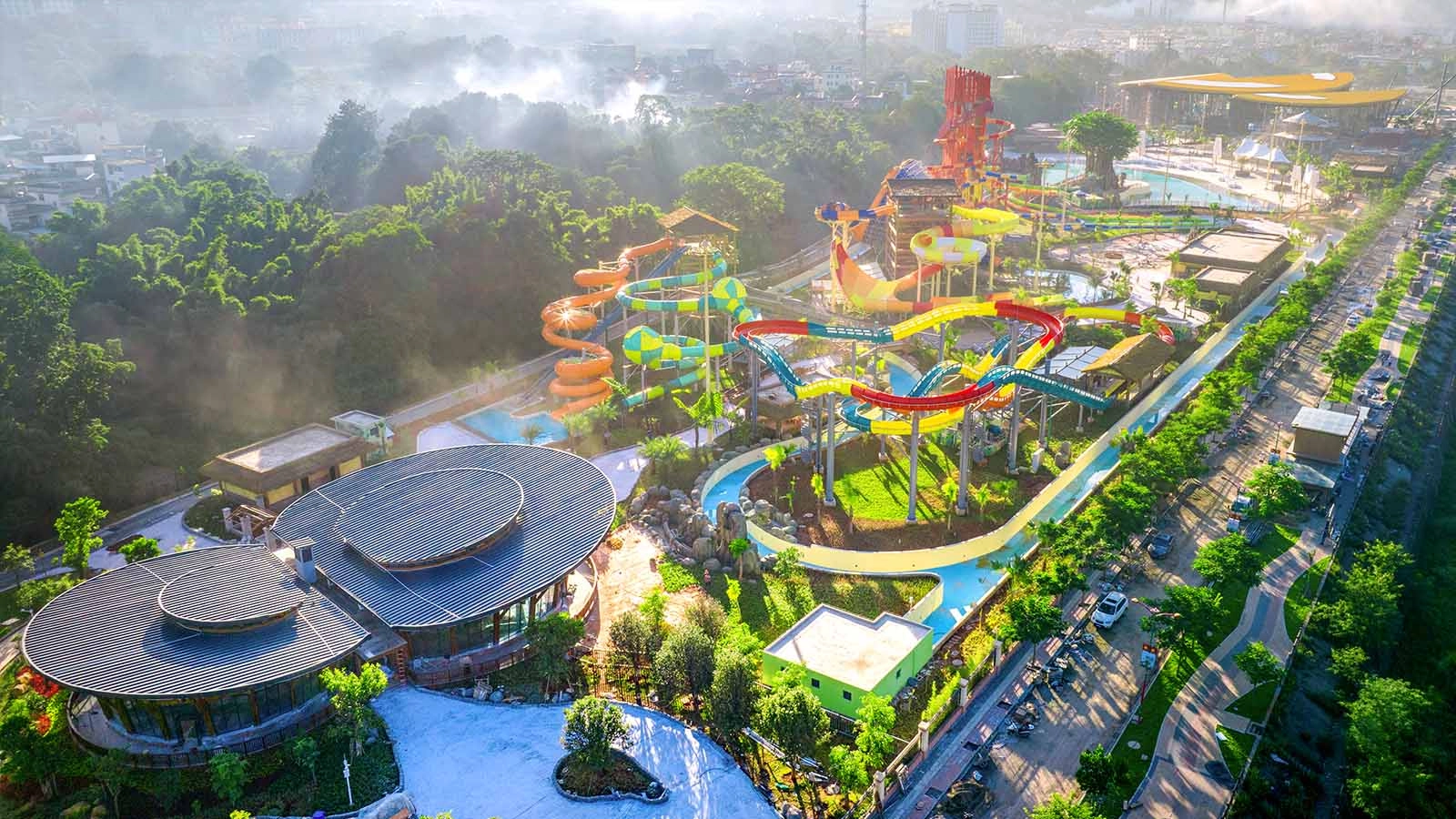
How to Configure Water Attractions for Water Projects in Different Venues
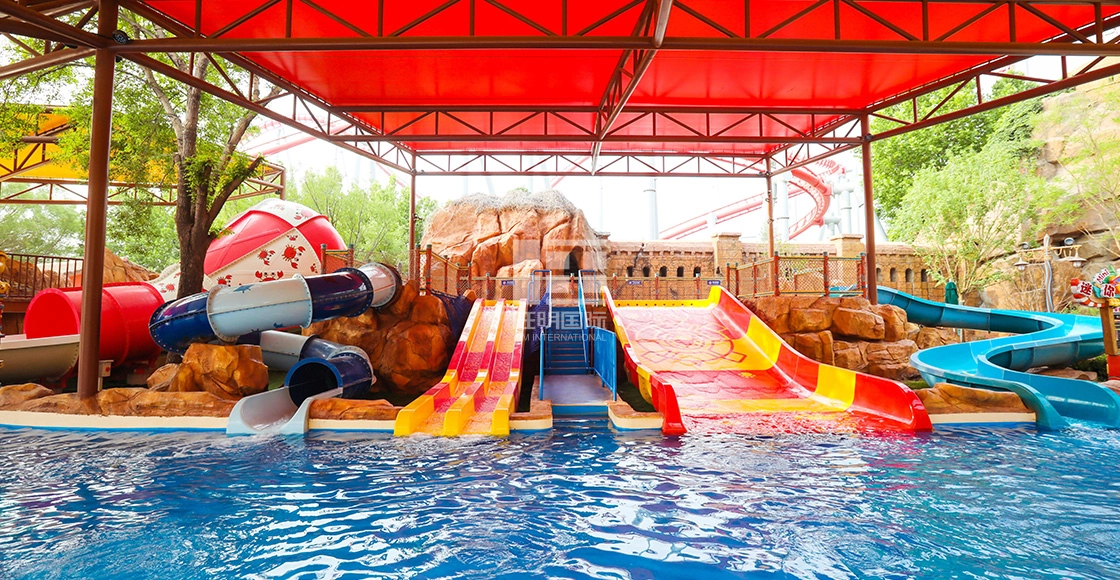
Children Combined Water Slide
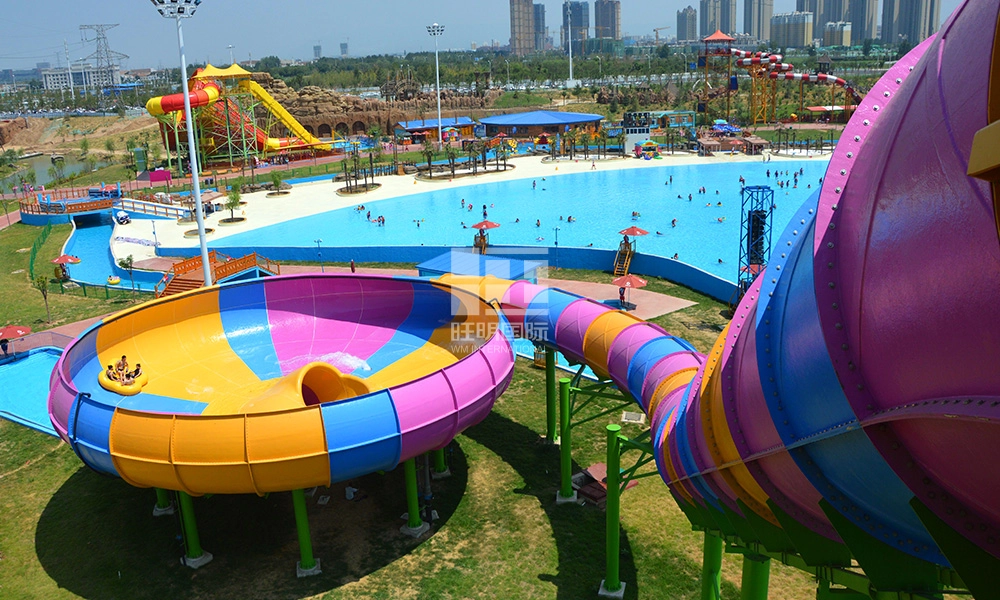
Huge Bowl Water Slide
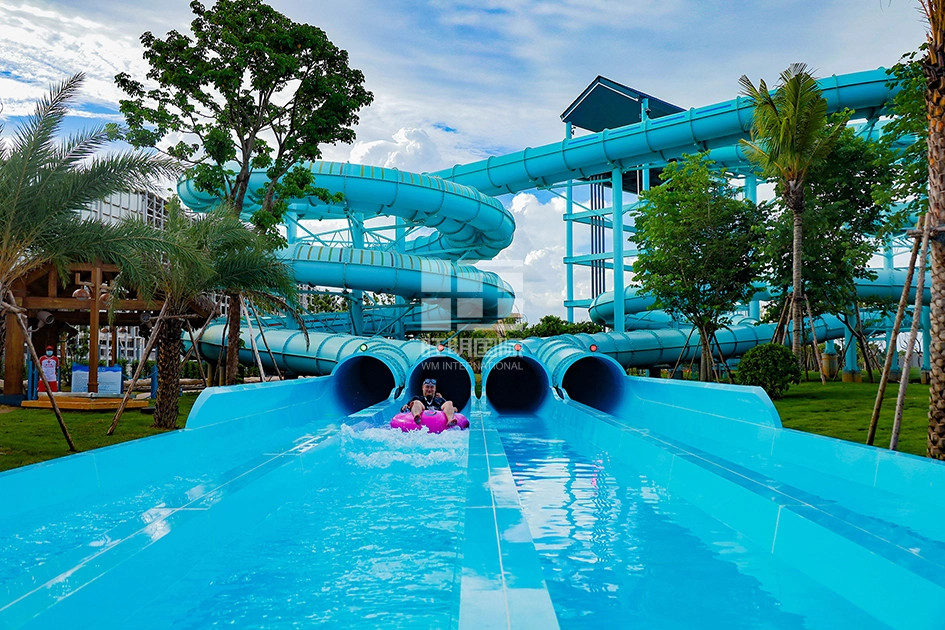
Time Tunnel Water Slide
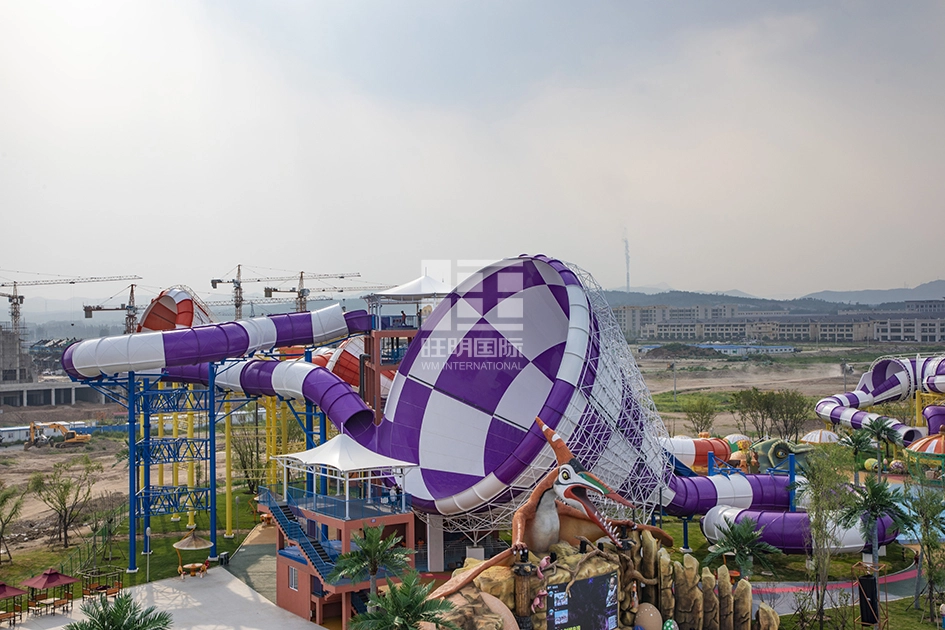
Big Tourbillion Water Slide
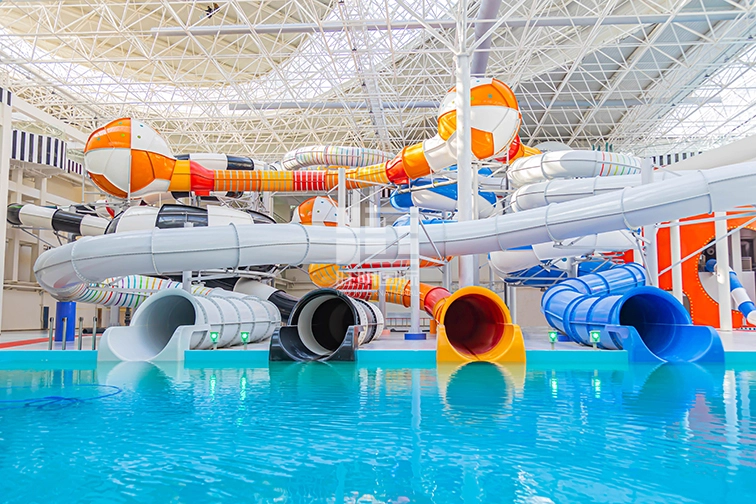
Turnover Slide
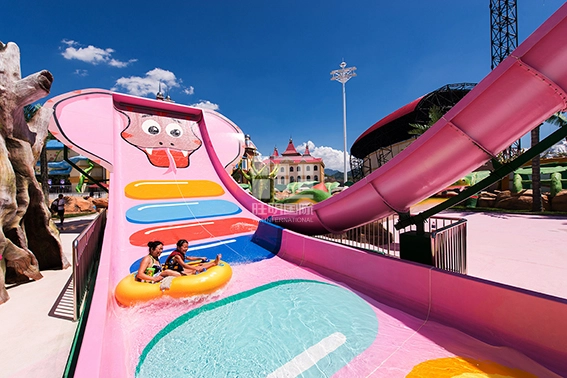
Small King Cobra Water Slide
Get in touch
Have to get customized water park solutions and product quotes.
We will provide you with professional consultation and support.

Relying on leading technology, innovative products and rich industry experience, we tailor personalized solutions for each water park project to ensure a safe and exciting entertainment experience for tourists.
 Scan QR Code
wmwaterslide
wmwaterpark