






Can the bucket system operate with recirculated water? | WM INTERNATIONAL Expert Guide
- Can the Bucket System Operate with Recirculated Water?
- 1. Is Recirculated Water Safe for Bucket Systems?
- 2. How Does Recirculation Affect Water Quality in Bucket Systems?
- 3. What Maintenance is Needed for Bucket Systems Using Recirculated Water?
- 4. Are There Specific Design Considerations for Recirculated Bucket Systems?
- 5. What Are the Environmental Benefits of Operating Bucket Systems with Recirculated Water?
Can the Bucket System Operate with Recirculated Water?
Water parks often face questions when selecting water features like the bucket system—giant tipping buckets that drench guests in fun. One of the key inquiries concerns whether these bucket systems can operate using recirculated water. Recirculation is common in water park filtration systems to conserve water and improve efficiency, but it requires strict management to ensure hygiene and performance. Below we explore five frequently asked questions related to this topic based on industry standards and recent guidelines.
1. Is Recirculated Water Safe for Bucket Systems?
Yes, bucket systems can operate safely with recirculated water when integrated into a properly designed and maintained water treatment and filtration system. Water parks use multi-stage filtration including sand filters, cartridge filters, and UV or ozone disinfection to maintain water quality. According to the CDC Guidelines for Public Aquatic Facilities, maintaining correct pH (7.2-7.8) and disinfectant levels (chlorine 1-3 ppm or bromine 3-5 ppm) is critical to preventing microbial growth.
2. How Does Recirculation Affect Water Quality in Bucket Systems?
Recirculation allows continuous treatment and reuse of water but also means contaminants can build up if systems fail. Implementing real-time water quality monitoring sensors for turbidity, chlorine levels, and pH ensures the water used in bucket systems stays within safety thresholds. Modern water parks use automated dosing and filtration that maintain water clarity and reduce the risk of pathogen transmission.
3. What Maintenance is Needed for Bucket Systems Using Recirculated Water?
Regular maintenance includes monitoring pump function, inspecting filtration media, checking nozzles, and cleaning to prevent biofilm formation. Frequently flushing lines and conducting microbiological water tests are recommended monthly or more often depending on park usage. The Water Quality & Health Council suggests routine water replacement schedules—typically 10-30% of total volume per day—to enhance freshness alongside recirculation.
4. Are There Specific Design Considerations for Recirculated Bucket Systems?
Yes. Design should ensure even water distribution and prevent stagnation in pipes or bucket reservoirs. Anti-backflow devices and easy-access cleaning ports assist in maintaining hygiene. Additionally, UV or ozone systems installed inline before the bucket minimize microbial risks. Engineers recommend using corrosion-resistant materials like stainless steel or durable plastic composites for longevity in recirculated environments.
5. What Are the Environmental Benefits of Operating Bucket Systems with Recirculated Water?
Recirculation significantly reduces water consumption—up to 70-90% savings compared to once-through systems—helping parks meet sustainability goals. This is crucial amid increasing water scarcity and cost concerns globally. Moreover, efficient recirculation lowers chemical use due to controlled dosing, reducing environmental impact further.
In conclusion, bucket systems can effectively and safely operate with recirculated water if water treatment, system design, and ongoing maintenance adhere to industry best practices. When selecting or upgrading bucket systems, water park operators should prioritize integrated filtration and disinfection solutions and invest in monitoring technology. This approach improves guest safety and comfort while supporting environmental sustainability.
References:
- Centers for Disease Control and Prevention (CDC). Public Aquatic Facility Guidelines. 2023. cdc.gov
- Water Quality & Health Council. Best Practices in Piscine Water Management. 2022.
- IAAPA (International Association of Amusement Parks and Attractions). Water Park Design & Operations Handbook. 2023 Edition.
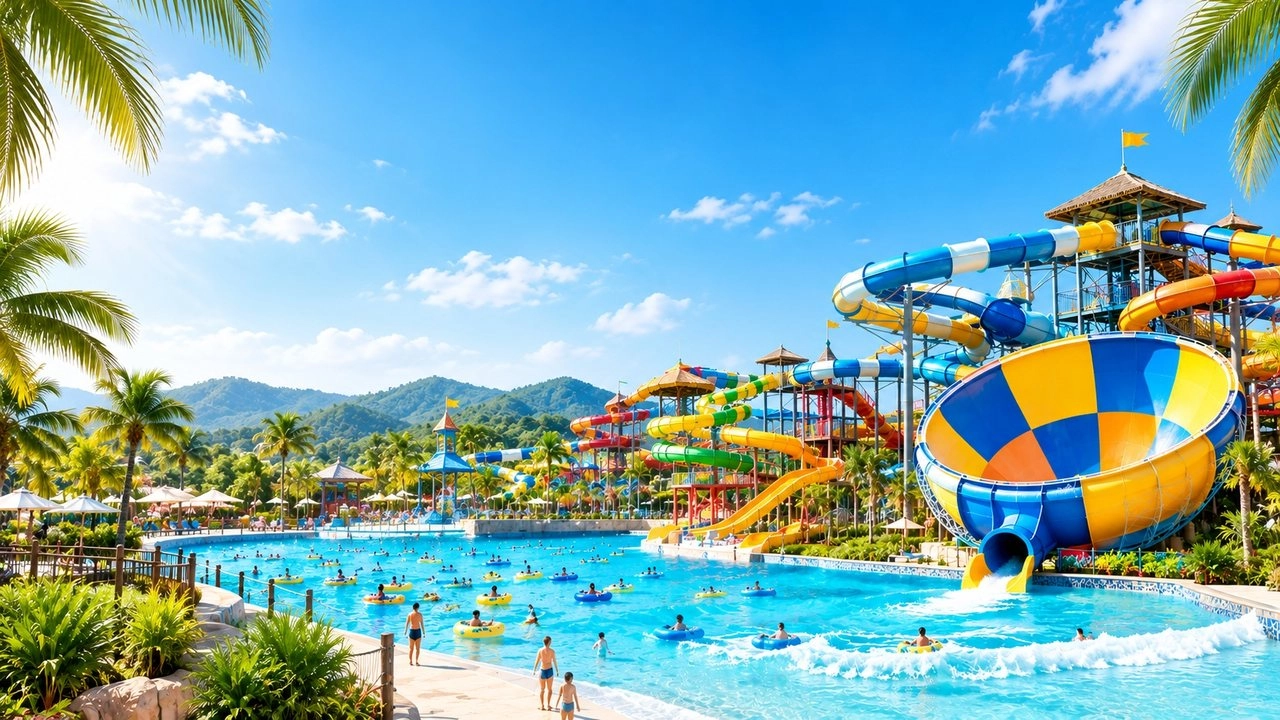
Water Project Cost and ROI: Key Budget Factors Before Choosing a Project Solution
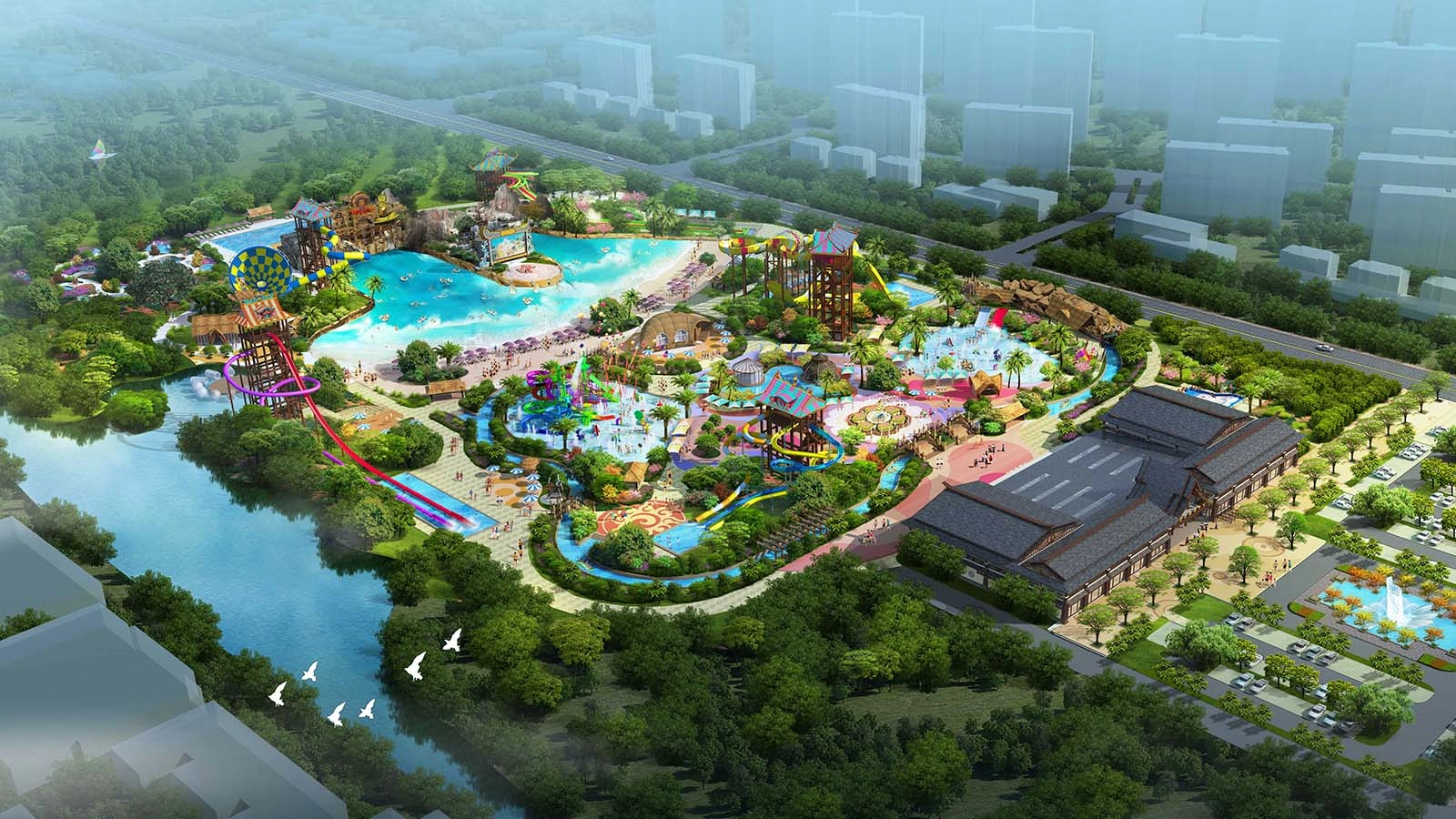
Water Projects: The Complete Guide to Developing Water Projects for Different Venues with WM INTERNATIONAL
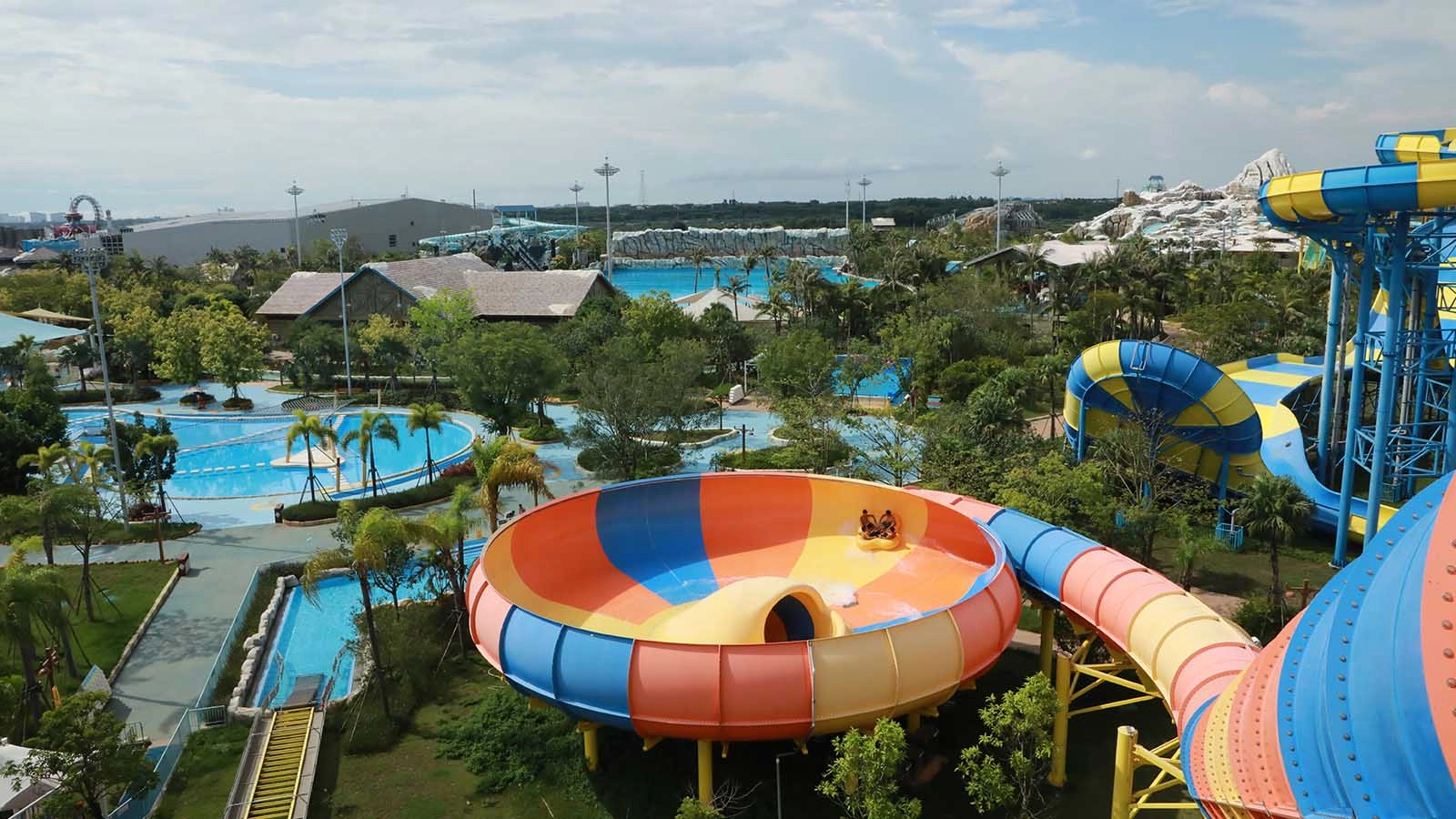
Water Project Industry Trends: Emerging Opportunities in the Water Attraction Market
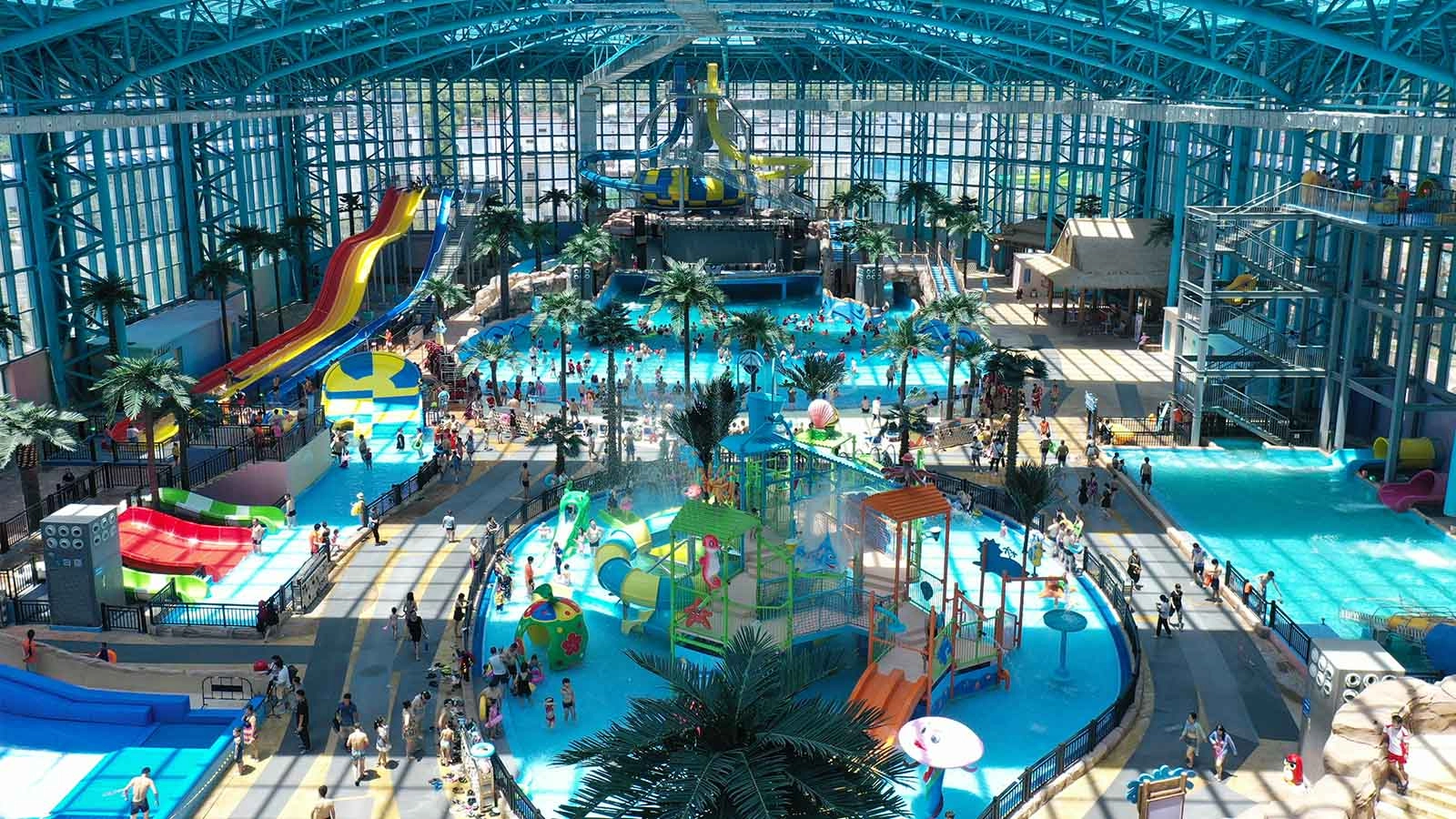
Custom Water Project Solutions for Different Venues: Water Parks, Resorts, Theme Parks and More
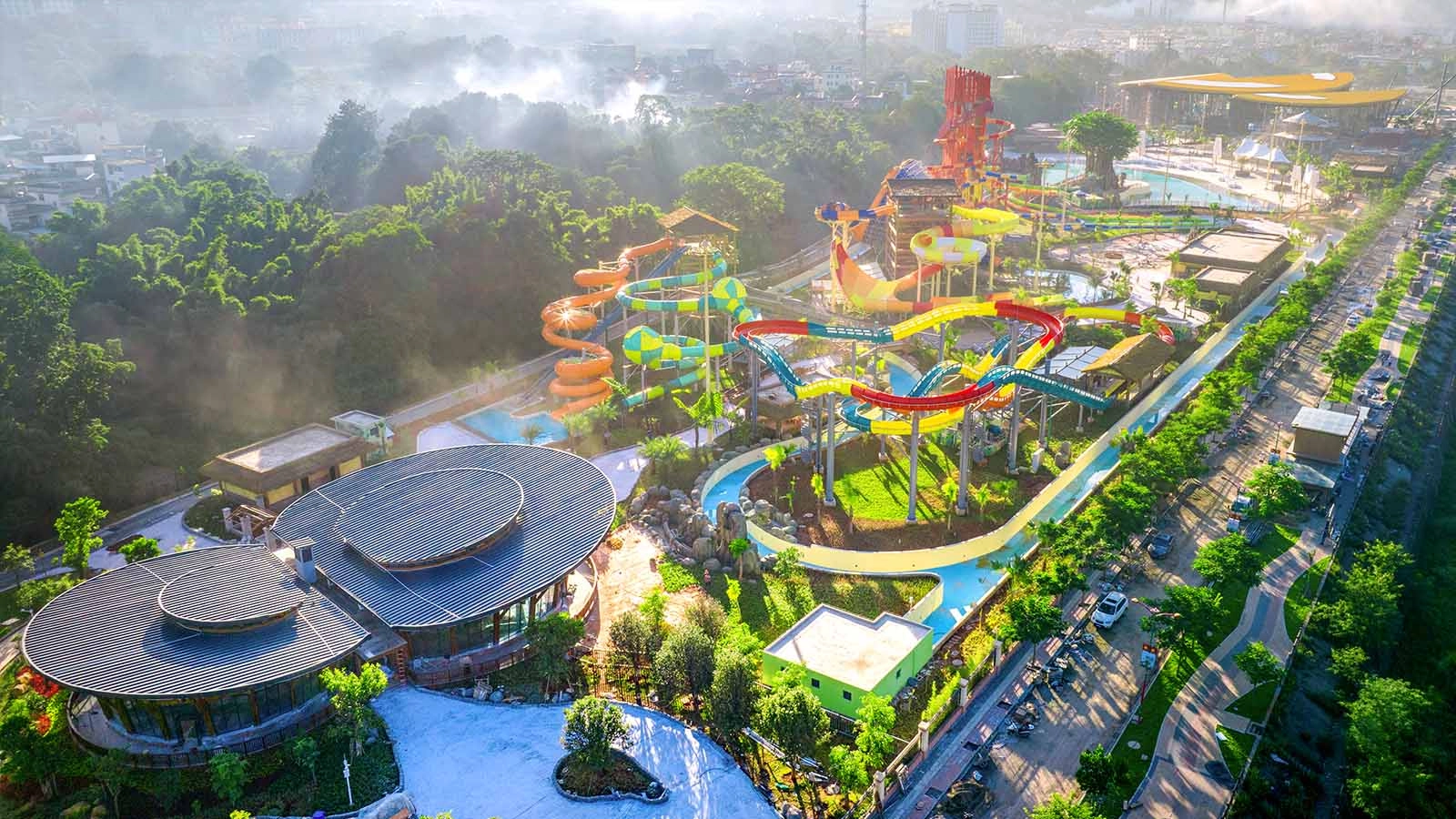
How to Configure Water Attractions for Water Projects in Different Venues
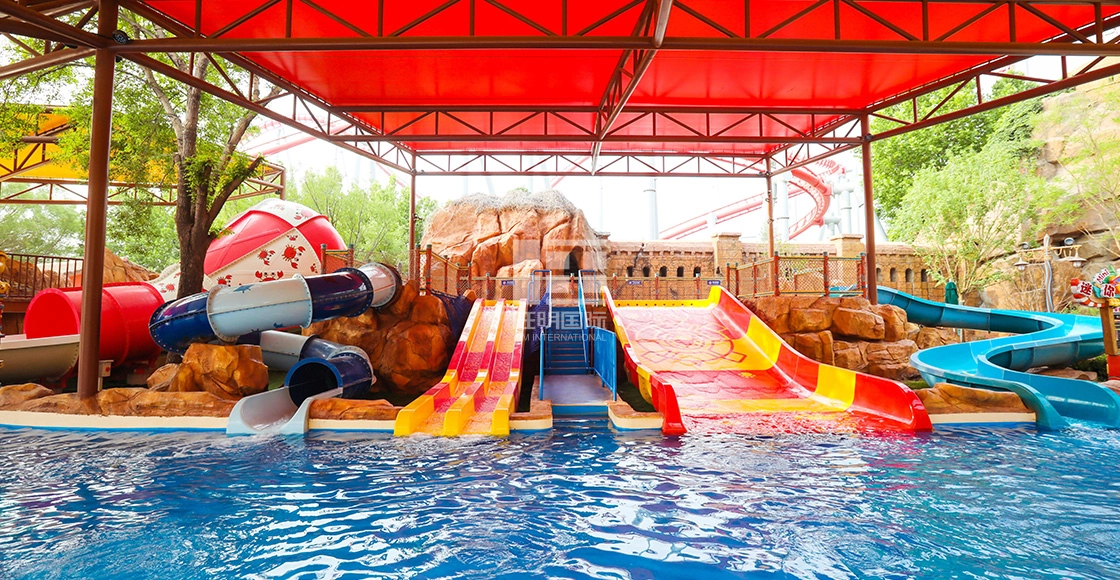
Children Combined Water Slide
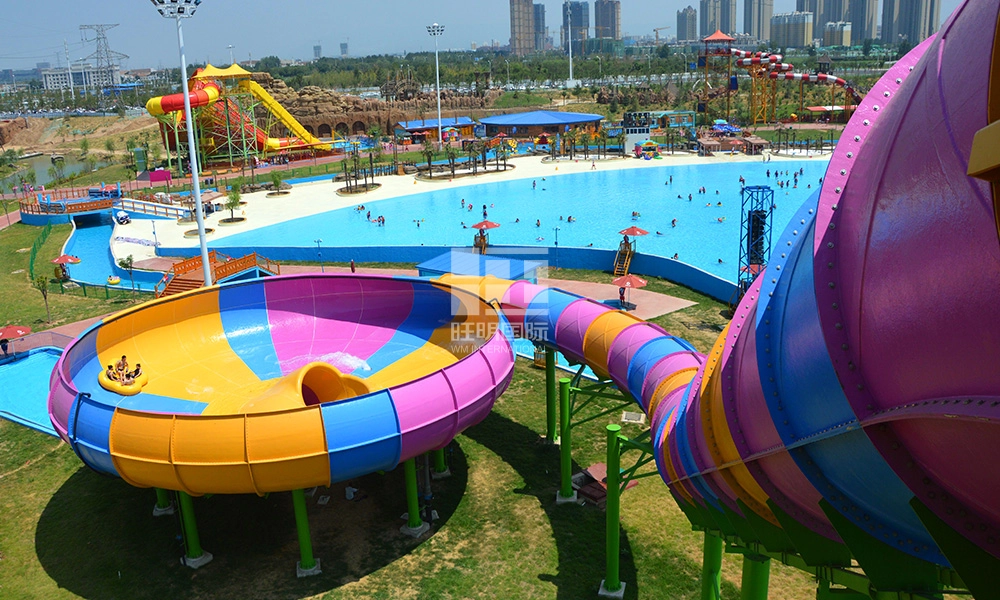
Huge Bowl Water Slide
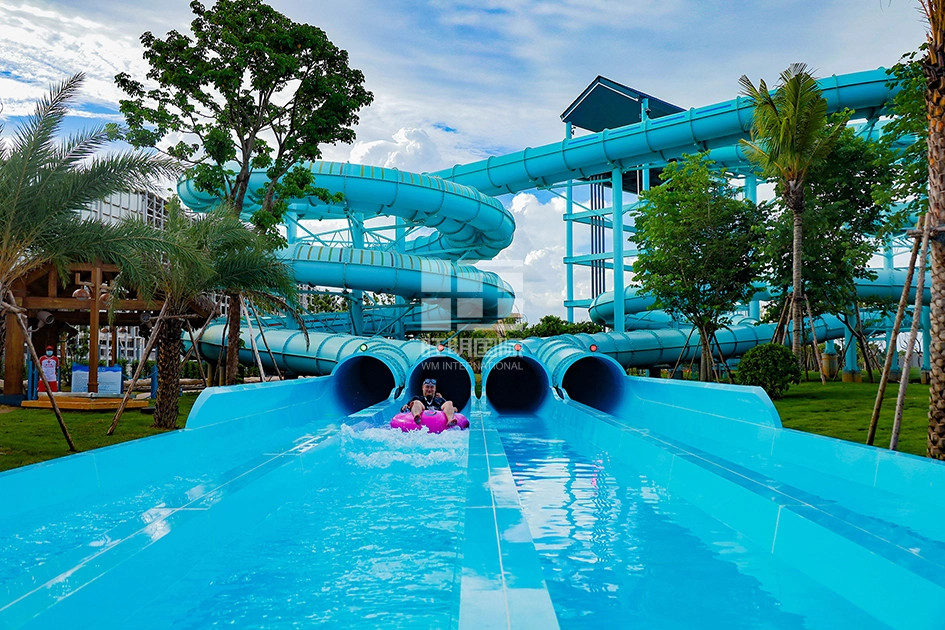
Time Tunnel Water Slide
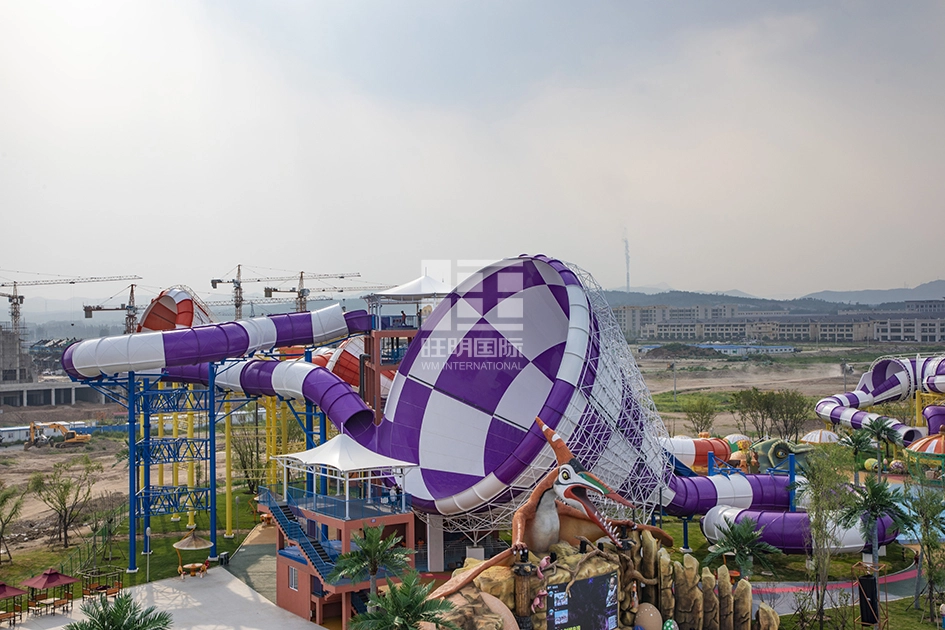
Big Tourbillion Water Slide
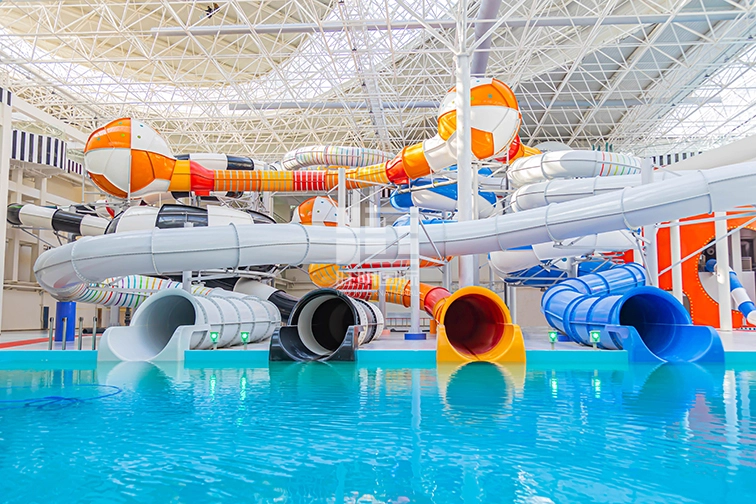
Turnover Slide
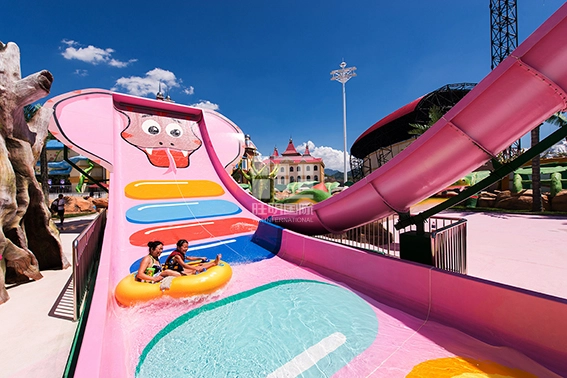
Small King Cobra Water Slide
Get in touch
Have to get customized water park solutions and product quotes.
We will provide you with professional consultation and support.

Relying on leading technology, innovative products and rich industry experience, we tailor personalized solutions for each water park project to ensure a safe and exciting entertainment experience for tourists.
 Scan QR Code
wmwaterslide
wmwaterpark