


Which material is best for a water park? | WM INTERNATIONAL Guide
- 1. Fiberglass: Lightweight & Customizable
- 2. Concrete: Durable & Long-Lasting
- 3. Stainless Steel: Hygienic & Corrosion-Resistant
- 4. PVC & Vinyl Liners: Cost-Effective & Flexible
- 5. Polyethylene (PE): Impact-Resistant & Eco-Friendly
- Key Considerations When Choosing Materials
- Industry Standards & Certifications
- Final Recommendation
# Which Material Is Best for a Water Park?
Selecting the right materials for water park construction is critical for durability, safety, and guest experience. Professionals must balance cost, maintenance, and performance. Below, we compare the best materials used in water parks.
1. Fiberglass: Lightweight & Customizable
- Pros:
- Smooth, non-porous surface reduces friction and injuries.
- Highly customizable for slides and play structures.
- Resistant to corrosion and UV damage.
- Cons:
- Higher initial cost than concrete.
- Requires professional installation.
- Best for: Water slides, kiddie pools, and interactive play features.
2. Concrete: Durable & Long-Lasting
- Pros:
- Extremely durable, with a lifespan of 20+ years.
- Fire-resistant and structurally strong.
- Lower long-term maintenance costs.
- Cons:
- Rough surface may require additional coatings.
- Longer installation time.
- Best for: Wave pools, lazy rivers, and large-scale attractions.
3. Stainless Steel: Hygienic & Corrosion-Resistant
- Pros:
- Resistant to rust and bacterial growth.
- Easy to clean and maintain.
- Ideal for high-traffic areas.
- Cons:
- Higher cost than other metals.
- Can become hot under direct sunlight.
- Best for: Handrails, ladders, and mechanical components.
4. PVC & Vinyl Liners: Cost-Effective & Flexible
- Pros:
- Affordable and quick to install.
- Soft surface reduces injury risks.
- Available in various colors and designs.
- Cons:
- Less durable than fiberglass or concrete.
- Requires regular inspection for leaks.
- Best for: Temporary pools, splash pads, and budget-friendly projects.
5. Polyethylene (PE): Impact-Resistant & Eco-Friendly
- Pros:
- Lightweight yet highly durable.
- Resistant to chemicals and UV rays.
- Recyclable and sustainable option.
- Cons:
- Limited design flexibility.
- Not ideal for high-speed slides.
- Best for: Modular play structures and family-friendly attractions.
Key Considerations When Choosing Materials
- Safety: Non-slip, smooth surfaces reduce injury risks.
- Maintenance: Low-maintenance materials save long-term costs.
- Climate Resistance: UV and corrosion resistance extend lifespan.
- Cost-Effectiveness: Balance upfront costs with durability.
Industry Standards & Certifications
- ASTM F2376 (Water Slide Safety)
- NSF/ANSI 50 (Aquatic Equipment Standards)
- EN 13451 (European Pool Safety Regulations)
Final Recommendation
The best material depends on the application—fiberglass for slides, concrete for large pools, and stainless steel for fixtures. Always prioritize safety, durability, and guest experience.
For expert guidance on water park construction, contact WM INTERNATIONAL—your trusted partner in aquatic solutions.
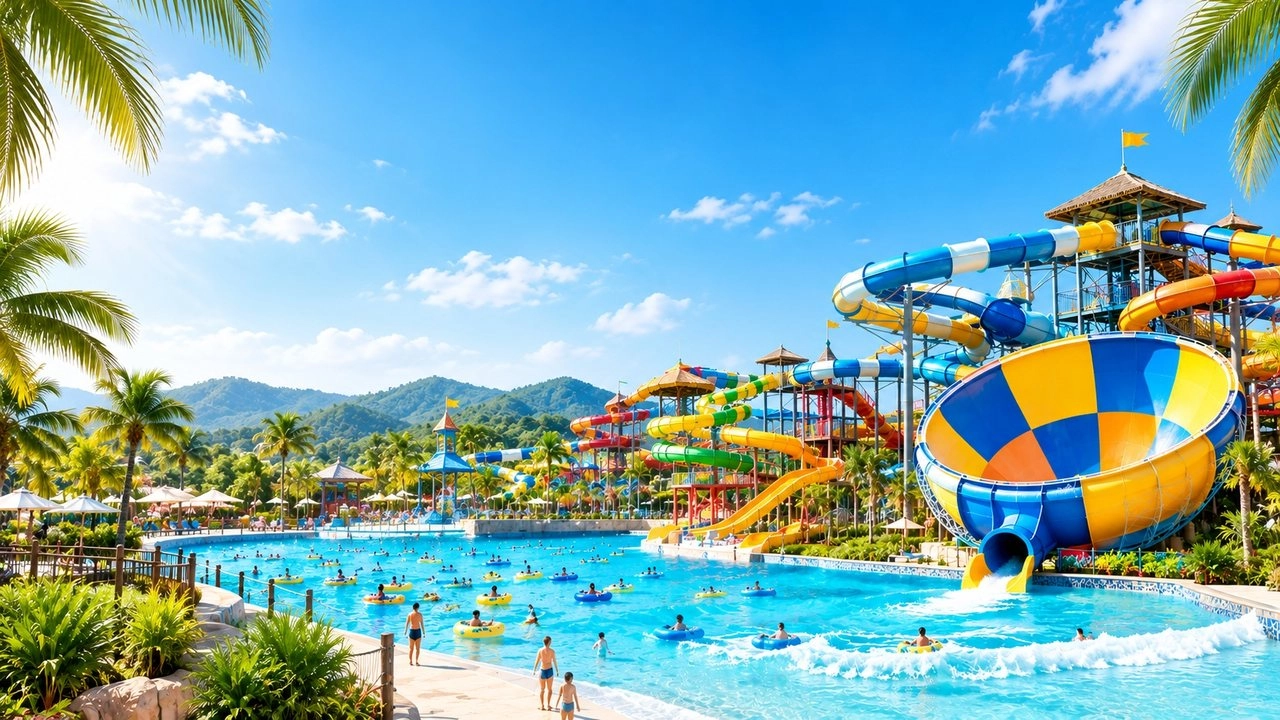
Water Project Cost and ROI: Key Budget Factors Before Choosing a Project Solution
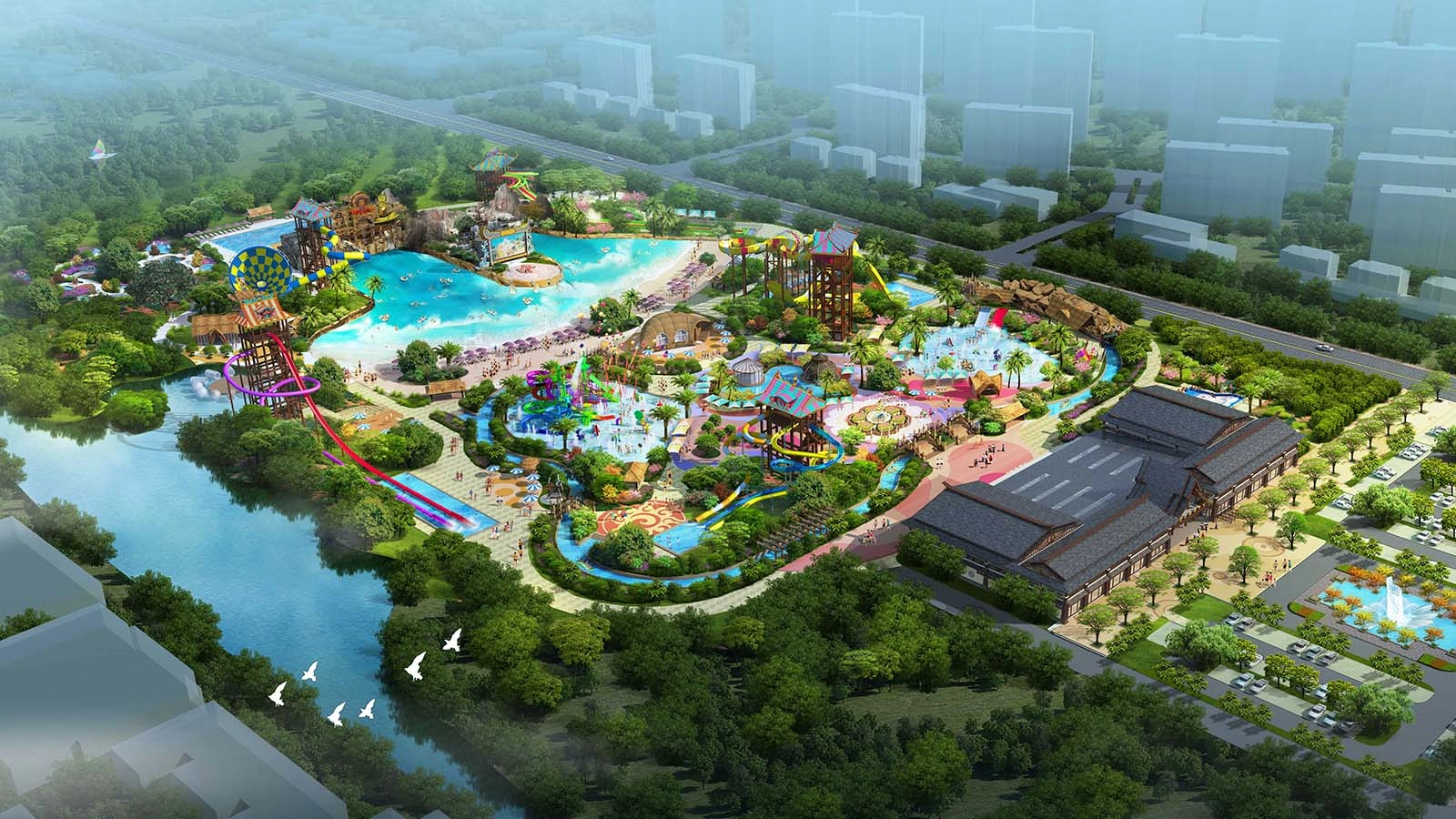
Water Projects: The Complete Guide to Developing Water Projects for Different Venues with WM INTERNATIONAL
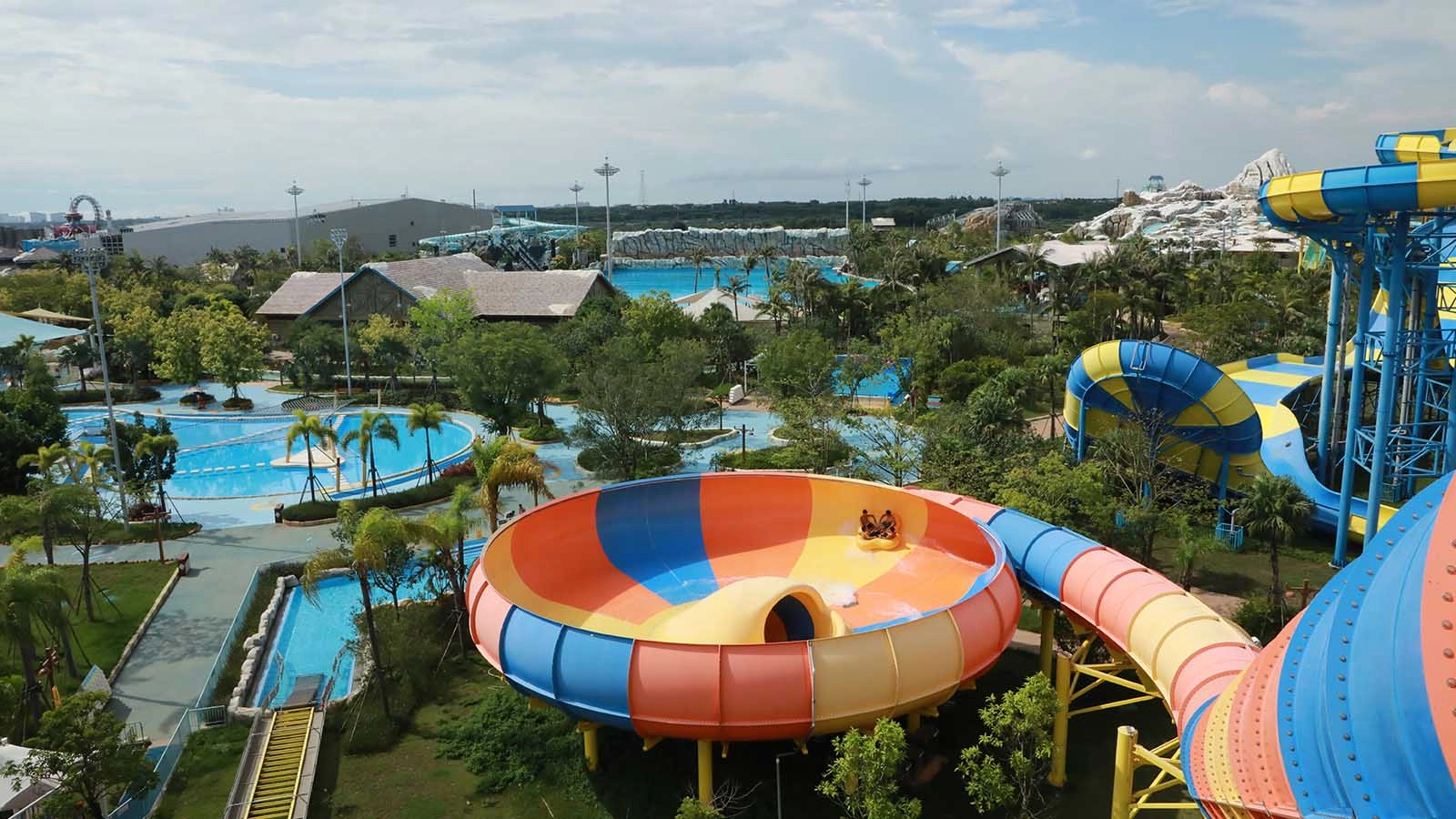
Water Project Industry Trends: Emerging Opportunities in the Water Attraction Market
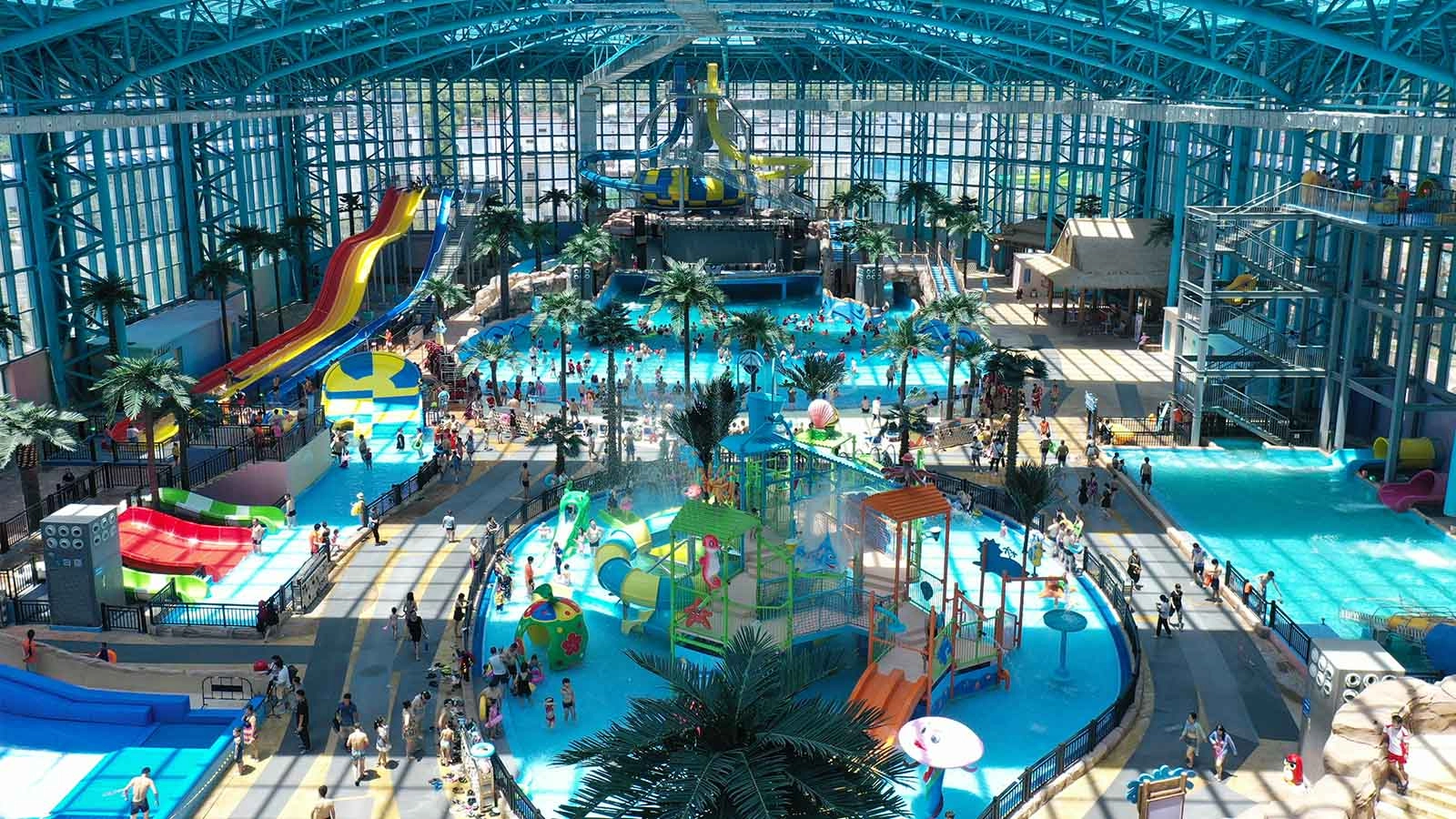
Custom Water Project Solutions for Different Venues: Water Parks, Resorts, Theme Parks and More
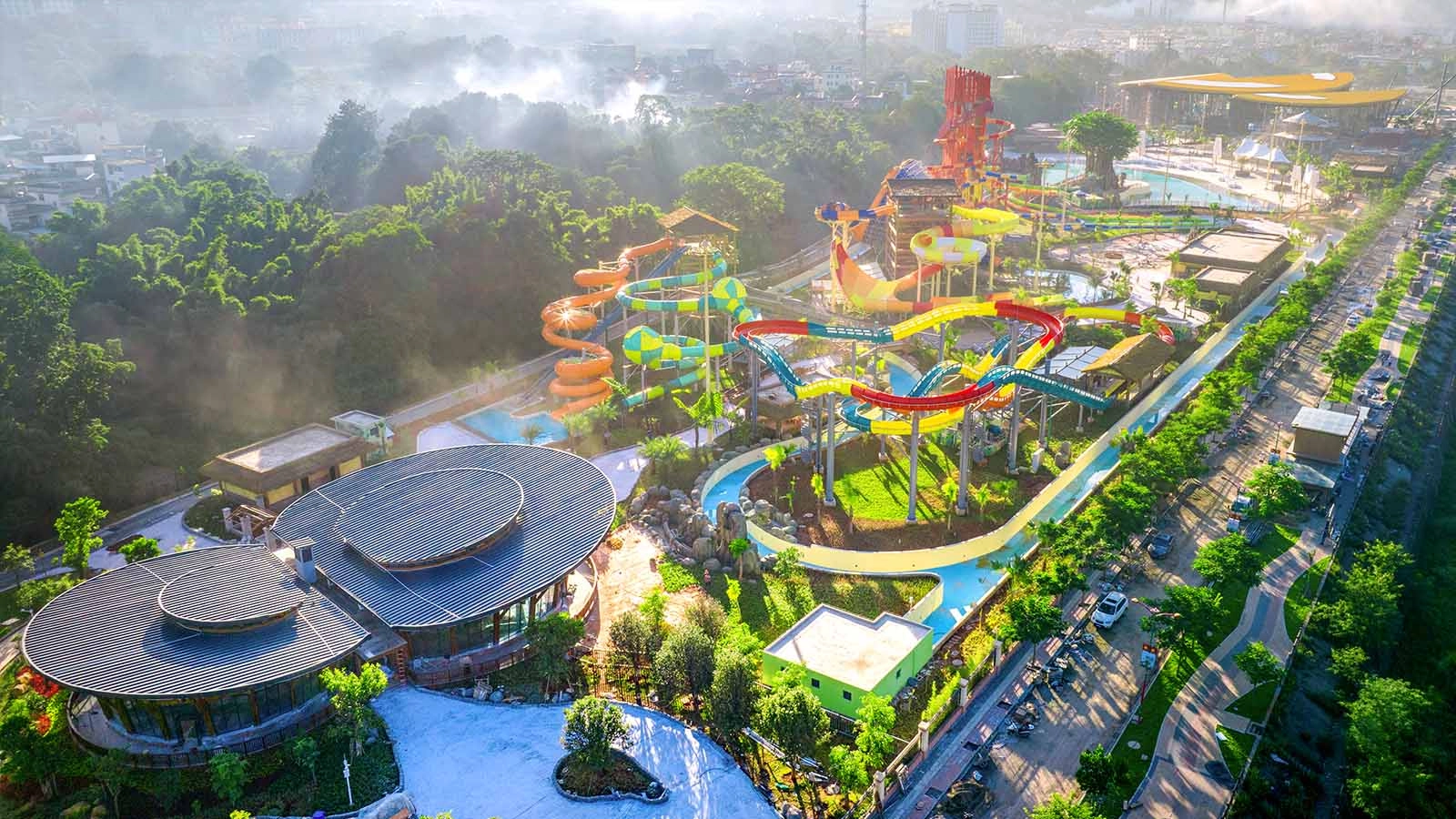
How to Configure Water Attractions for Water Projects in Different Venues
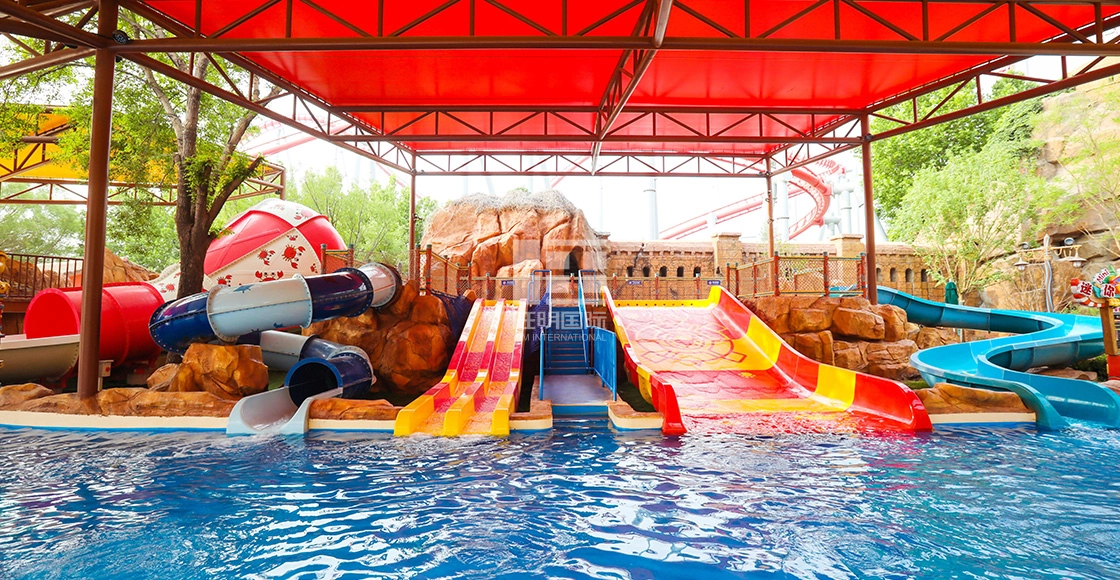
Children Combined Water Slide
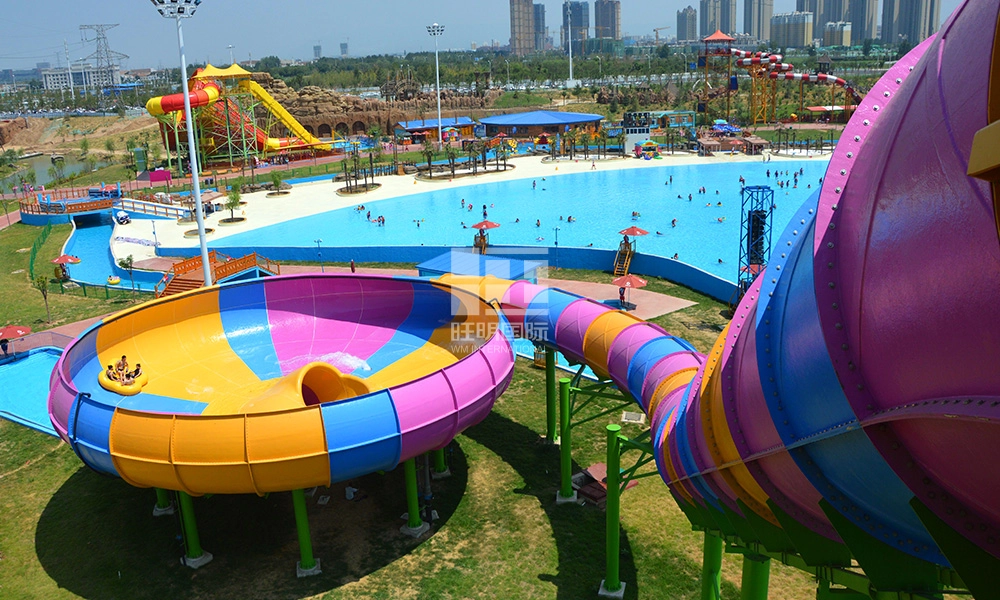
Huge Bowl Water Slide
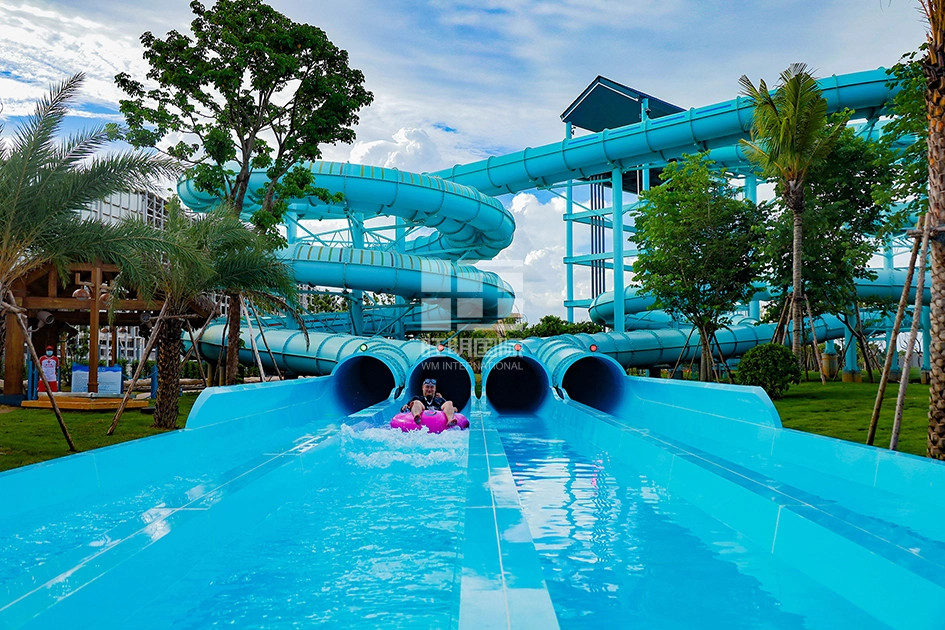
Time Tunnel Water Slide
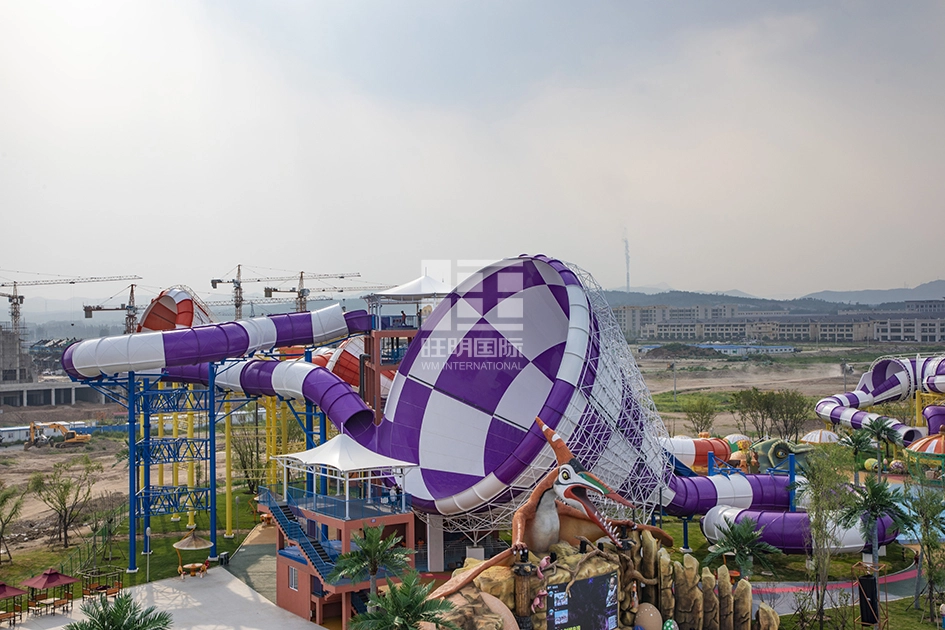
Big Tourbillion Water Slide
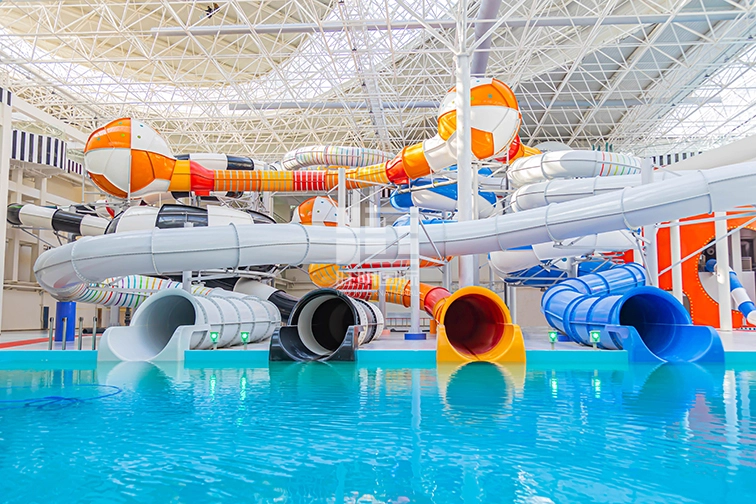
Turnover Slide
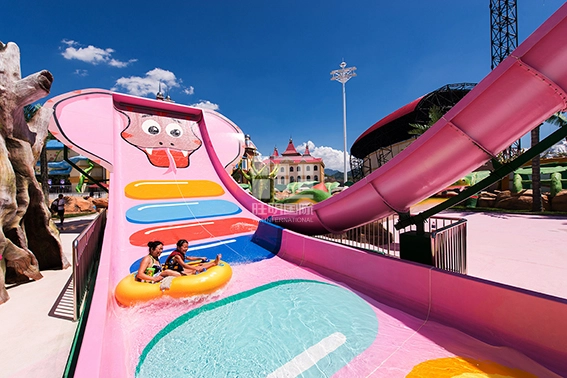
Small King Cobra Water Slide
Get in touch
Have to get customized water park solutions and product quotes.
We will provide you with professional consultation and support.

Relying on leading technology, innovative products and rich industry experience, we tailor personalized solutions for each water park project to ensure a safe and exciting entertainment experience for tourists.
 Scan QR Code
wmwaterslide
wmwaterpark