


What are the best locations to build a tsunami wave pool? | WM INTERNATIONAL Guide
- Best Locations to Build a Tsunami Wave Pool
- What Climatic Conditions Are Ideal for Tsunami Wave Pools?
- How Important Is Accessibility and Infrastructure for Site Selection?
- What Market Factors Influence the Viability of Tsunami Wave Pools?
- Are Coastal Locations Better for Tsunami Wave Pools?
- What Are the Regulatory and Environmental Considerations?
Best Locations to Build a Tsunami Wave Pool
What Climatic Conditions Are Ideal for Tsunami Wave Pools?
The most suitable climatic conditions for tsunami wave pools are warm and temperate regions that allow year-round or extended season operation. Areas with moderate to high temperatures help attract visitors consistently. For example, southern California and Florida in the USA, Southeast Asia, and parts of Australia are prime candidates due to their favorable climate. According to the World Waterpark Association, parks operating in warmer climates tend to have higher attendance, making the investment in tsunami wave pools more feasible.
How Important Is Accessibility and Infrastructure for Site Selection?
Accessibility is critical when selecting the site for a tsunami wave pool. Proximity to major roads, airports, and public transport hubs increases potential visitor numbers. Urban and suburban areas with growing populations and tourist traffic generally support better business returns. Infrastructure such as reliable water supply, power grids capable of supporting large mechanical systems, and proper waste management are essential to maintain operational efficiency.
What Market Factors Influence the Viability of Tsunami Wave Pools?
Market demand drives the success of tsunami wave pools. Locations with strong tourism sectors or growing local populations that seek recreational water activities show greater potential. Market studies by the International Association of Amusement Parks and Attractions (IAAPA) recommend conducting detailed demographic and economic research before development. Competitive analysis should also be considered to determine if the new facility can offer unique features compared to existing water parks.
Are Coastal Locations Better for Tsunami Wave Pools?
While coastal sites can align with the thematic appeal of tsunami wave pools, they are not always the best choice. Coastal areas often have higher land costs and may face environmental regulations or risks such as flooding and hurricanes. Conversely, inland locations can offer lower costs and reduce weather-related disruptions. Many successful wave pools are located inland near urban centers to balance visitor accessibility and operational stability.
What Are the Regulatory and Environmental Considerations?
Building tsunami wave pools requires compliance with local regulations regarding construction, water usage, and safety standards. Environmental factors such as water conservation, energy efficiency, and noise pollution must be addressed. According to the Environmental Protection Agency (EPA) guidelines and local zoning laws, sustainable water management practices and eco-friendly technologies should be integrated into the design. Early engagement with regulatory bodies can help streamline the approval process.
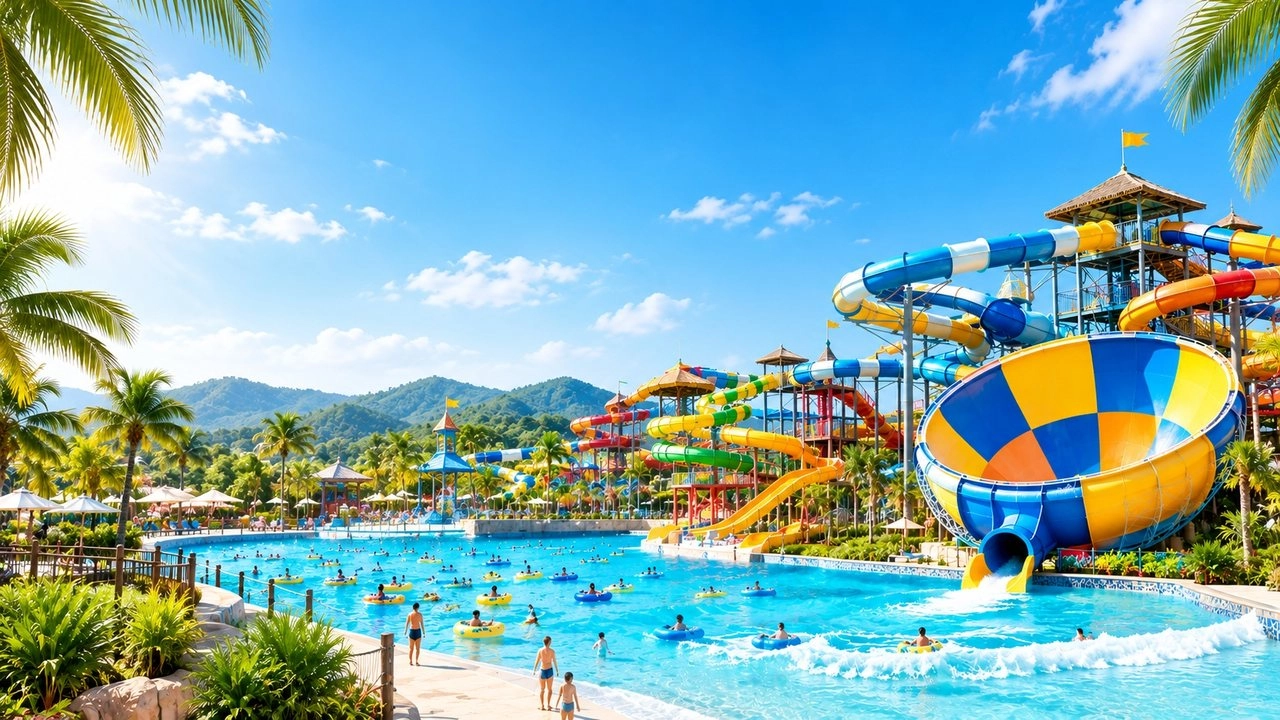
Water Project Cost and ROI: Key Budget Factors Before Choosing a Project Solution
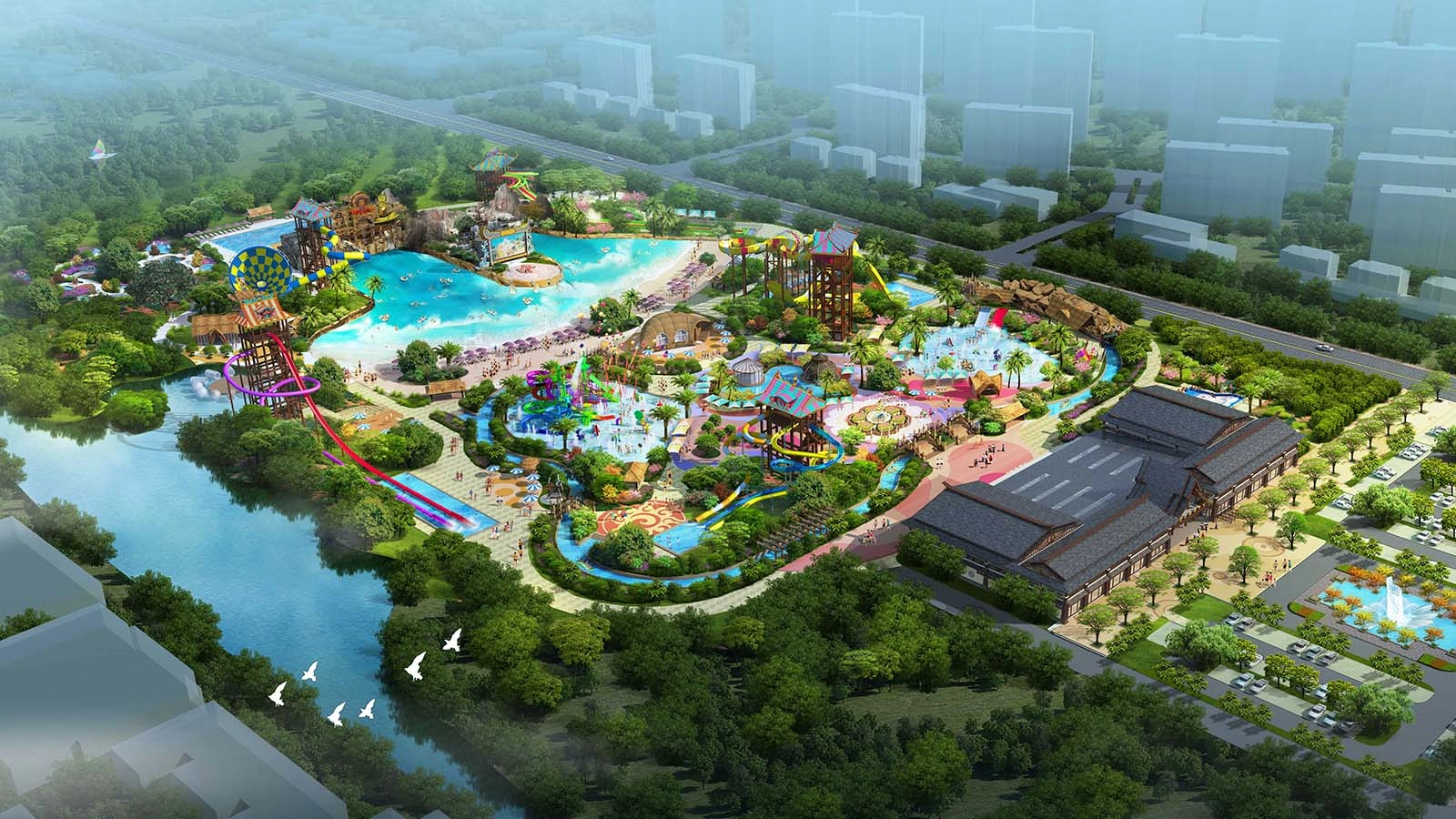
Water Projects: The Complete Guide to Developing Water Projects for Different Venues with WM INTERNATIONAL
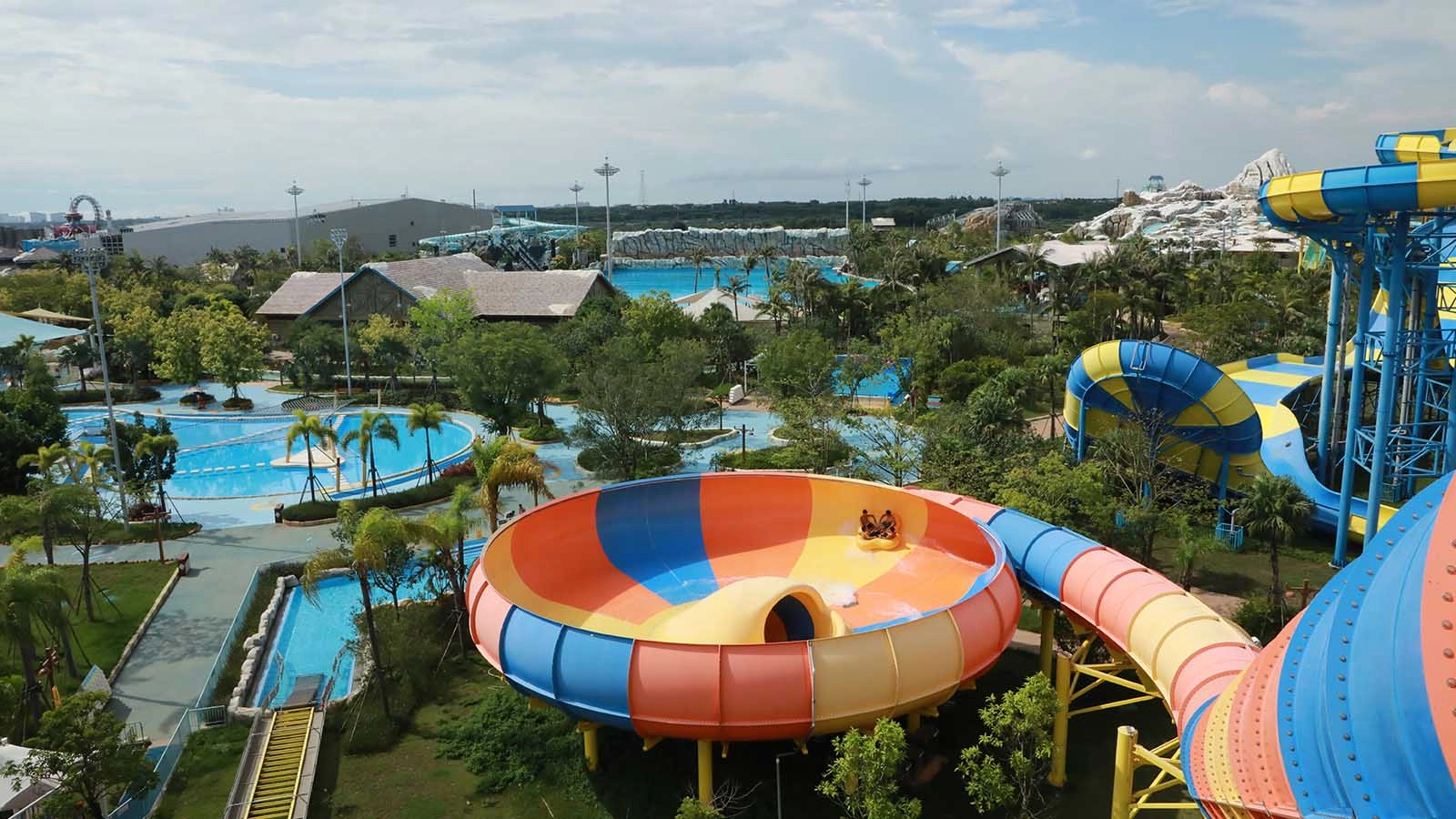
Water Project Industry Trends: Emerging Opportunities in the Water Attraction Market
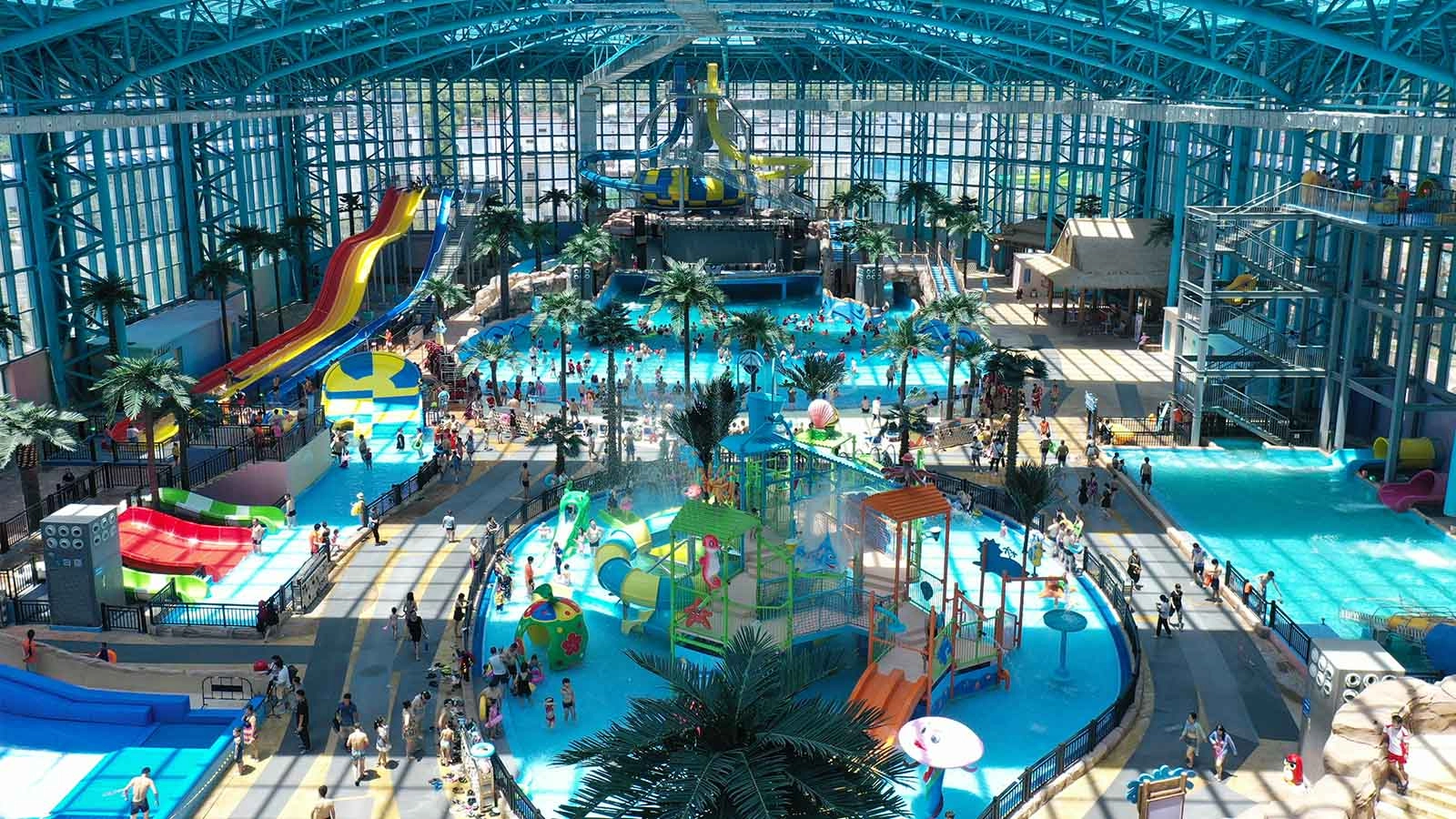
Custom Water Project Solutions for Different Venues: Water Parks, Resorts, Theme Parks and More
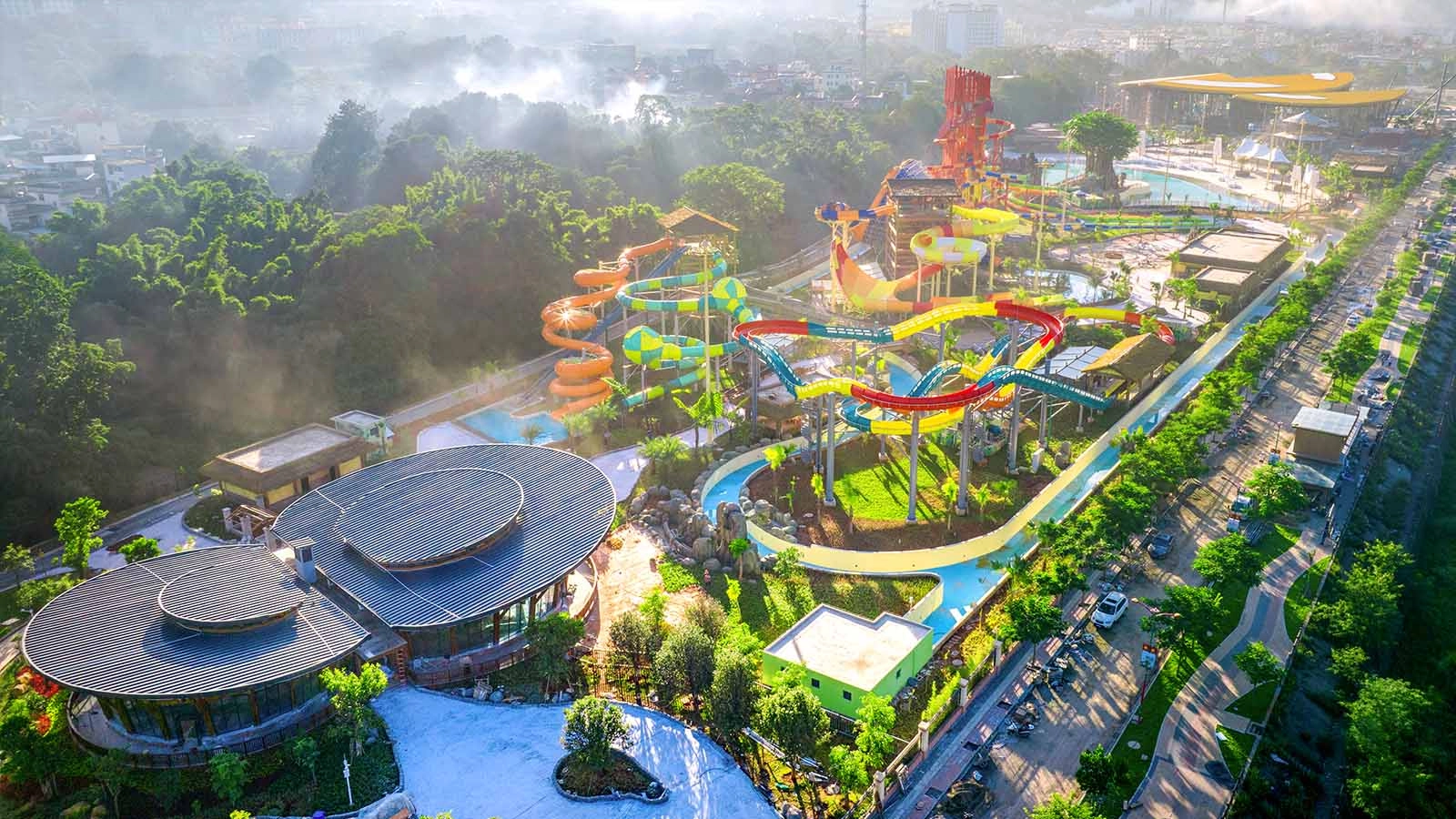
How to Configure Water Attractions for Water Projects in Different Venues
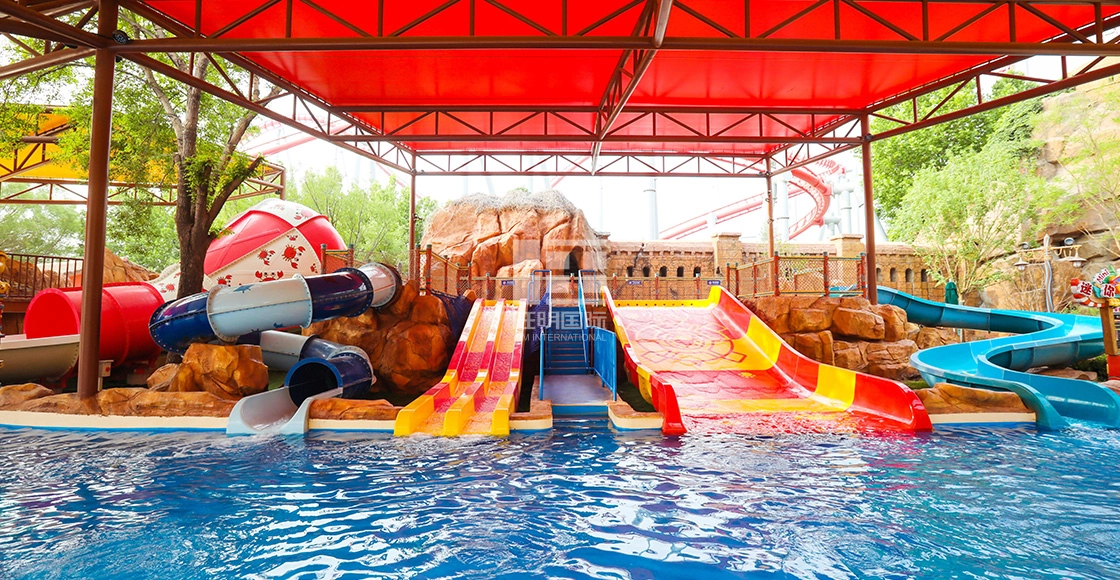
Children Combined Water Slide
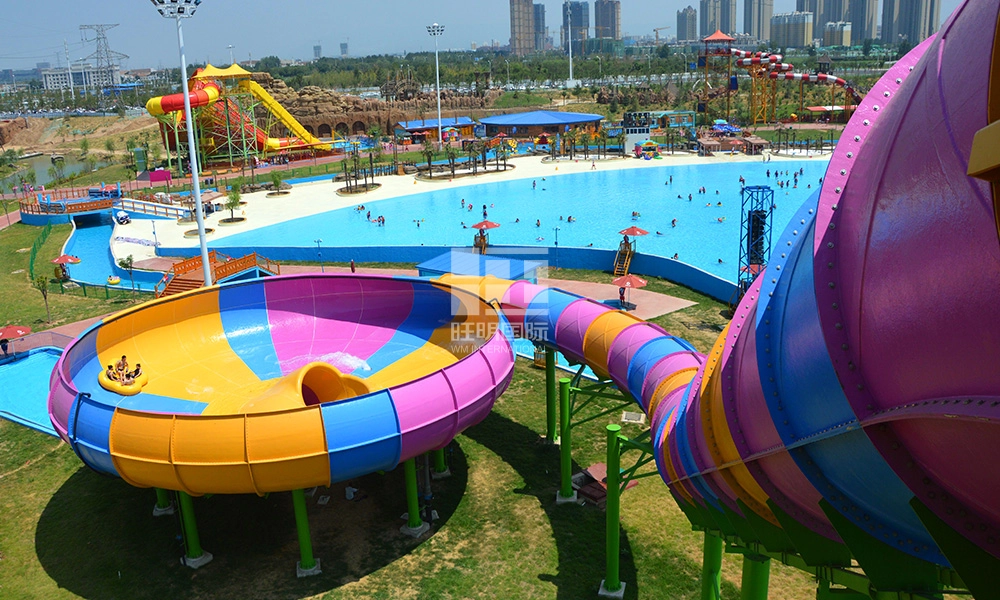
Huge Bowl Water Slide
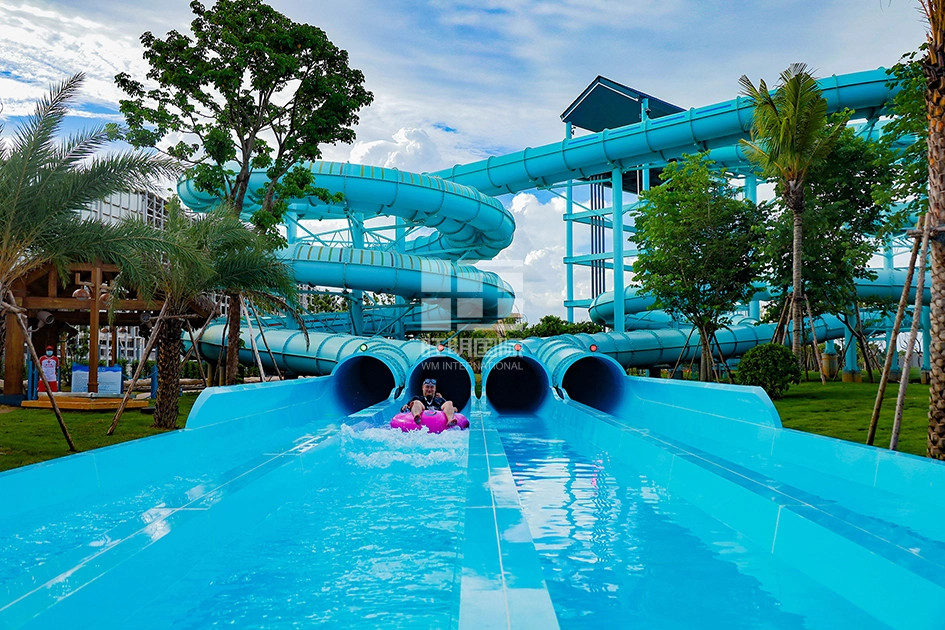
Time Tunnel Water Slide
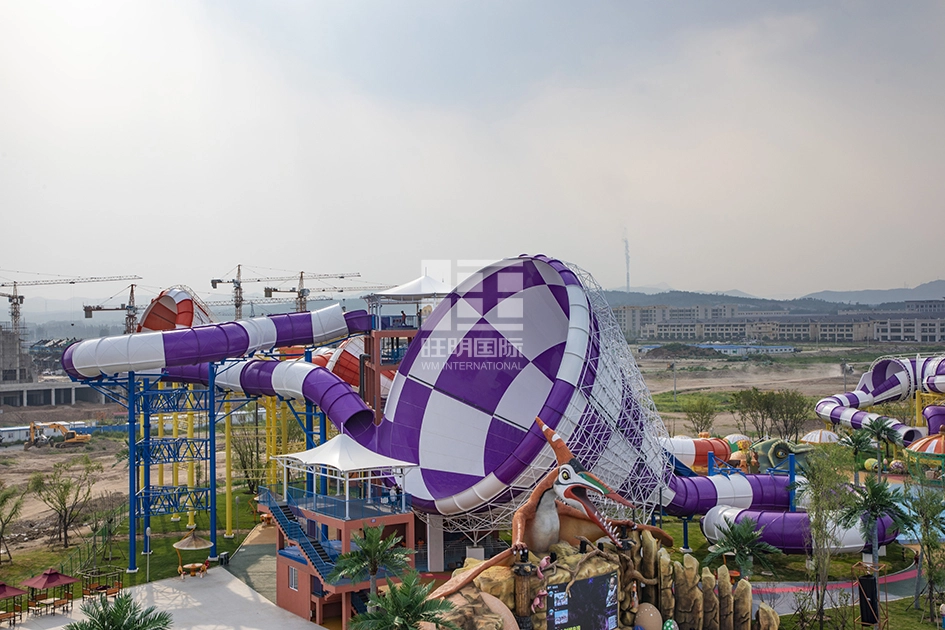
Big Tourbillion Water Slide
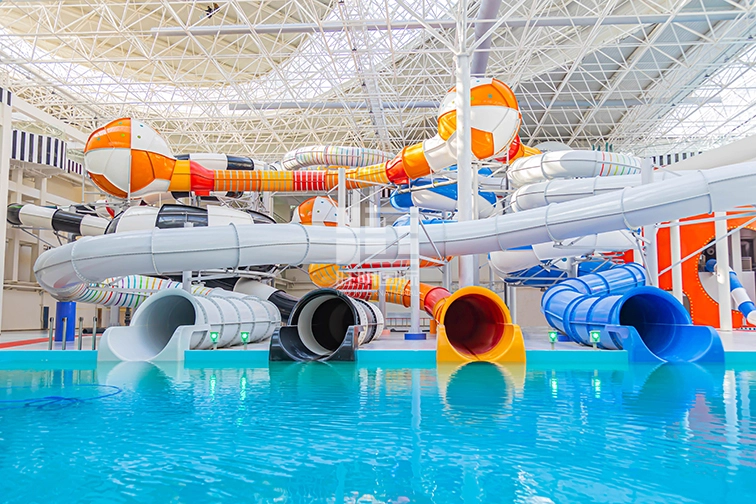
Turnover Slide
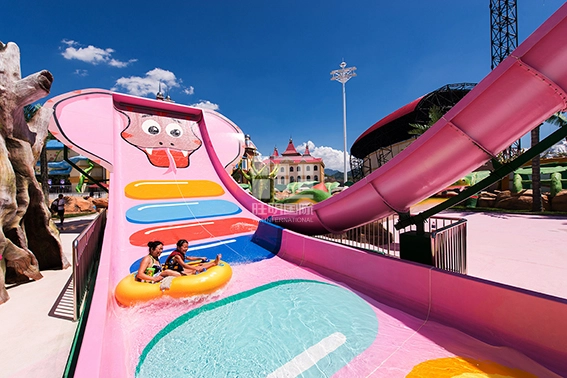
Small King Cobra Water Slide
Get in touch
Have to get customized water park solutions and product quotes.
We will provide you with professional consultation and support.

Relying on leading technology, innovative products and rich industry experience, we tailor personalized solutions for each water park project to ensure a safe and exciting entertainment experience for tourists.
 Scan QR Code
wmwaterslide
wmwaterpark