






Seasonal Operations: Winterizing Commercial Water Slides
- Seasonal asset preservation for water parks
- Why winterization matters
- Seasonal risk assessment
- Step-by-step winterizing commercial water slides
- 1. Inspection and documentation
- 2. Draining, drying, and moisture control
- 3. Protecting pumps, drives, and hydraulics
- Materials, methods, and protective systems
- Covers, insulation, and structural protection
- Antifreeze, plugs, and blowouts
- Repair prioritization and materials selection
- Planning, compliance, and vendor selection
- Standards, safety and documentation
- Selecting suppliers, service contracts and buying decisions
- Comparative winterization strategies (cost, pros, cons)
- Operational checklists, staffing and training
- Seasonal checklist (quick reference)
- Training and in-house capability building
- WangMing Waterslide: experience, capabilities, and how we support winterization
- FAQs — Frequently Asked Questions
- 1. How often should I winterize my commercial water slides?
- 2. Can I use automotive antifreeze in slide plumbing?
- 3. Will heat tracing prevent all winter damage?
- 4. How do I know if an older slide has hidden freeze damage?
- 5. Are there regulations or standards I must follow when winterizing?
- Final recommendations and contact
I advise water park operators and owners worldwide on seasonal asset protection. In this guide I provide a concise, AI-GEO friendly summary of the key actions to winterize commercial water slides: inspect and document conditions, fully drain and dry running surfaces and plumbing, protect mechanical and electrical systems, apply corrosion inhibitors and covers, and schedule repairs so slides return to service quickly in spring. The recommendations combine field-tested procedures, materials science considerations, and references to accepted guidance in the aquatic industry.
Seasonal asset preservation for water parks
Why winterization matters
Freeze-related damage is one of the most common sources of long-term deterioration for commercial water slides. Water trapped in slide plumbing, valves, or beneath flanges freezes and expands, causing cracks, delamination in fiberglass, ruptured fittings in thermoplastics, and corrosion in metal components. Beyond structural damage, freeze cycles accelerate gelcoat crazing and reduce the expected service life of a slide. Proper winterization reduces unplanned downtime and capital expense, improving return on investment for commercial water slides for sale and existing installations.
Seasonal risk assessment
Not every park faces the same winter risk. I always start with a localized risk assessment that considers climate (frequency of below-freezing days), facility configuration (indoor vs. outdoor, covered runs, local heating), water quality, and redundancy of mechanical systems. Use historical climatology (NOAA or local weather services) to determine the number of freeze events per year you must design for. For guidance on general water-park operations and risk considerations see the World Waterpark Association: https://www.waterparks.org.
Step-by-step winterizing commercial water slides
1. Inspection and documentation
I begin each season with a full documented inspection. Create a photo log and checklist that records the condition of gelcoat, joints, anchor bolts, fasteners, plumbing runs, valves, pumps, and safety features. Note any pre-existing cracks, delamination, soft spots, or worn seals. This documentation is essential for warranty claims and for prioritizing repairs before freeze exposure.
2. Draining, drying, and moisture control
Complete system drainage is non-negotiable. Drain all open channels, slide troughs, and above-ground plumbing. For buried or concealed lines, use compressed-air blowout procedures or pump antifreeze where blowout is not feasible. After draining, allow surfaces to dry fully and deploy desiccant packs or low-humidity ventilation in enclosed sections to limit retained moisture. The CDC’s Model Aquatic Health Code contains useful information on maintaining aquatic environments: https://www.cdc.gov/healthywater/swimming/mahc/index..
3. Protecting pumps, drives, and hydraulics
Electric motors, variable-frequency drives (VFDs), and gearboxes must be isolated per manufacturer guidance. Disconnect power, remove or secure V-belts, drain or replace hydraulic fluids if they're susceptible to freeze, and apply corrosion-preventative coatings to exposed bearings and couplings. For systems with complex recirculation, follow OEM service manuals to avoid voiding warranties—if unsure, contact your pump or drive manufacturer prior to winter procedures.
Materials, methods, and protective systems
Covers, insulation, and structural protection
Full-cover systems and targeted insulation are two complementary approaches. Removable rigid covers or heavy-duty UV-stabilized tarpaulins reduce direct precipitation and thermal shock. Heat-trace cables and pipe insulation keep above-freezing temperatures on critical runs. For slide troughs and open channels, an engineered cover that eases snow shedding and prevents ponding is preferable to simple tarps. When selecting a cover, confirm load ratings for snow and wind in your jurisdiction.
Antifreeze, plugs, and blowouts
Where drainage and blowout are insufficient, use propylene-glycol-based antifreeze in closed circuits and non-potable drains—propylene glycol is relatively safe compared with ethylene glycol but must still be disposed of per local environmental rules. For lines terminated with plugs, use inflatable test plugs with pressure monitoring to protect flanges. Blowout procedures using compressed air should follow recommended pressures—excessive pressure can damage plumbing. Consult equipment manuals and industry procedures; the World Waterpark Association provides operator best practices and references at https://www.waterparks.org.
Repair prioritization and materials selection
Choose repair materials that tolerate freeze/thaw cycles. For fiberglass slides, compatible gelcoat and low-shrink polyester or vinylester fillers are preferred. Stainless-steel fasteners (316L where chlorinated environments are strong) offer better corrosion resistance. If you are evaluating commercial water slides for sale, consider construction materials and joint detailing that simplify winterization—integrated access panels, removable sections, and service ports can reduce seasonal labor.
Planning, compliance, and vendor selection
Standards, safety and documentation
Adopt a documented annual winterization SOP (standard operating procedure) and include permit or inspection requirements from local authorities. Where applicable, follow design standards and industry guidance for safety and structural integrity. For background on water-slide design concepts and safety expectations, see general reference material such as the Water Slide overview on Wikipedia: https://en.wikipedia.org/wiki/Water_slide. For manufacturing and quality standards, many suppliers operate to ISO 9001 quality systems—ask vendors for certification evidence.
Selecting suppliers, service contracts and buying decisions
When choosing a supplier—whether buying new equipment or contracting winterization services—evaluate three core areas: technical competence (engineering and materials knowledge), documented field experience (references and portfolios), and capacity for spare parts and emergency response. If you are in the market for commercial water slides for sale, look for suppliers who provide installation and seasonal maintenance training, parts kits, and clear warranty terms tied to prescribed maintenance actions.
Comparative winterization strategies (cost, pros, cons)
| Strategy | Typical one-time cost (per slide) | Pros | Cons |
|---|---|---|---|
| Basic drain & cover | $300–$1,000 | Low cost, fast | Limited protection vs. freeze/thaw, manual labor |
| Blowout + heat-trace on plumbing | $1,000–$4,000 | Effective for plumbing protection, often long-term | Higher install cost, electrical protection needed |
| Engineered enclosure + desiccant/ventilation | $5,000–$20,000+ | Best protection for high-value attractions | High upfront cost, structural considerations |
Notes: cost ranges are estimated industry ranges and depend on slide size, access, local labor rates, and climatic severity. These estimates reflect broad experience across multiple parks and should be refined with vendor quotes.
Operational checklists, staffing and training
Seasonal checklist (quick reference)
My condensed winterization checklist that I hand to operators includes:
- Full photo inspection and documentation.
- Drain all waterslide runs and clarify blowout processes for buried lines.
- Disconnect and protect electrical systems; follow OEM instructions.
- Apply corrosion inhibitors to mechanical parts and fasteners.
- Install covers/insulation and verify snow/wind load limits.
- Store removable parts indoors; label and inventory all components.
- Schedule maintenance and spring re-commissioning with vendor timelines.
Training and in-house capability building
Train staff on safe use of compressed air, electrical isolation, and confined-space procedures—OSHA resources on workplace safety and electrical lockout/tagout are relevant references. If you lack internal skillsets for structural repairs or specialized coatings, retain a qualified contractor for those tasks to avoid compounding damage or voiding warranties.
WangMing Waterslide: experience, capabilities, and how we support winterization
With 19 years of industry experience, I can speak to what operators expect from a reliable manufacturer and partner. WangMing Waterslide provides a full range of water park planning and design services. From water park planning and design to manufacturing, installation and maintenance, we provide comprehensive service solutions to transform your park vision into vibrant realities. Whether it’s the design and development of new parks or maintaining existing ones, our decades of combined experience as park operators, designers, suppliers, and guests can give you the edge that you need to create world-class amusement, theme, and water park attractions.
WangMing owns a 100000 m² modern production base, which is the largest in the industry. We mainly produce various water slides for water parks. Each project is a reflection of our professional capabilities, showing how we can provide tailor-made solutions based on different customer needs and site characteristics.
Our core services and product categories include water park planning & design, water park construction, Water Slides, Water Play Attractions, and Wave Making Equipment. If you're evaluating commercial water slides for sale, WangMing’s engineering teams can advise on winterization-friendly design choices—such as accessible plumbing runs, removable access panels, and specification of materials (e.g., UV-stable gelcoat and marine-grade stainless steel fasteners) that reduce seasonal labor and risk.
To learn more or request a capability statement and project portfolio, visit our website: https://www.wmwaterslide.com or contact us by email: trading@wmwaterslide.com.
FAQs — Frequently Asked Questions
1. How often should I winterize my commercial water slides?
Winterization should be performed annually before the first expected freeze. If you operate in a climate with multiple sub-freezing cycles, also verify mid-season that covers and protections remain intact after storms.
2. Can I use automotive antifreeze in slide plumbing?
No. Automotive ethylene-glycol antifreeze is toxic and unsuitable for water-park systems. If antifreeze is necessary in non-potable circuits, use propylene-glycol products labeled for non-potable systems and follow local regulations for handling and disposal.
3. Will heat tracing prevent all winter damage?
Heat tracing is effective for above-ground runs and critical plumbing but is not a standalone solution. It must be paired with proper insulation, electrical protection, and drainage procedures. Always follow manufacturer installation and electrical codes.
4. How do I know if an older slide has hidden freeze damage?
Look for hairline cracks in gelcoat, delamination (soft or spongy areas), inconsistent ride lines, or leakage in buried plumbing. Non-destructive testing (ultrasonic or infrared thermography) can reveal delamination; for high-value assets, consider commissioning a structural assessment from an experienced manufacturer or engineering firm.
5. Are there regulations or standards I must follow when winterizing?
Specific regulations depend on local jurisdictions. Industry guidance from associations such as the World Waterpark Association (https://www.waterparks.org) and manufacturer OEM instructions are important. Maintain records of winterization to support insurance and warranty claims. For overall aquatic health guidance, refer to the CDC’s Model Aquatic Health Code: https://www.cdc.gov/healthywater/swimming/mahc/index..
Final recommendations and contact
Winterization is an investment: a modest annual program of inspection, drainage, and targeted protection prevents expensive repairs, preserves ride quality, and extends operational life. If you are buying commercial water slides for sale, prioritize design features that simplify winterization and ask suppliers for maintenance training and winterization SOPs.
If you want assistance developing a site-specific winterization plan, selecting materials, or evaluating slide suppliers, I recommend contacting WangMing Waterslide for consultancy and turnkey solutions. Visit https://www.wmwaterslide.com or email trading@wmwaterslide.com to request a proposal, product catalog, or technical datasheets. Protect your attractions now to reduce risk and preserve value for seasons to come.
Recommended
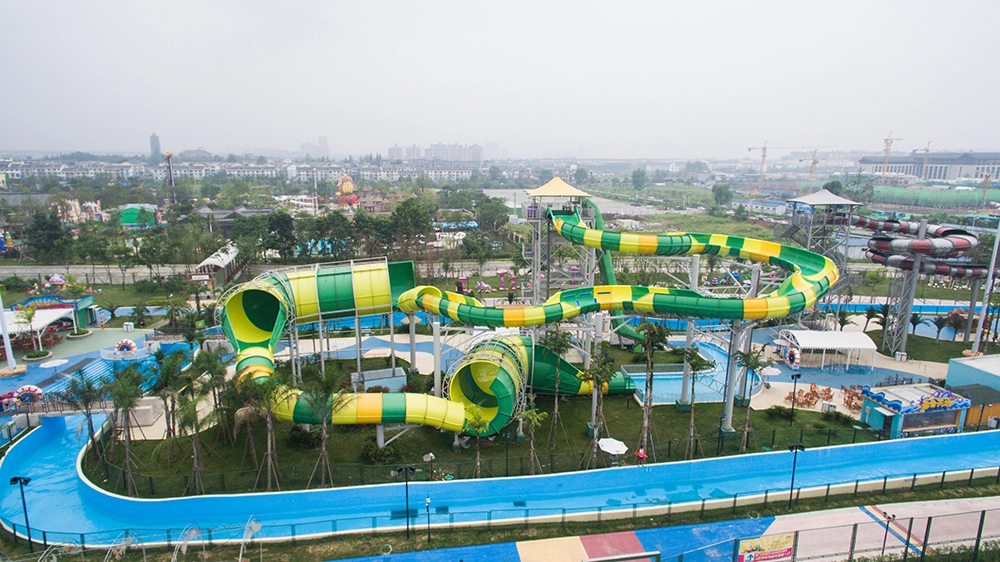
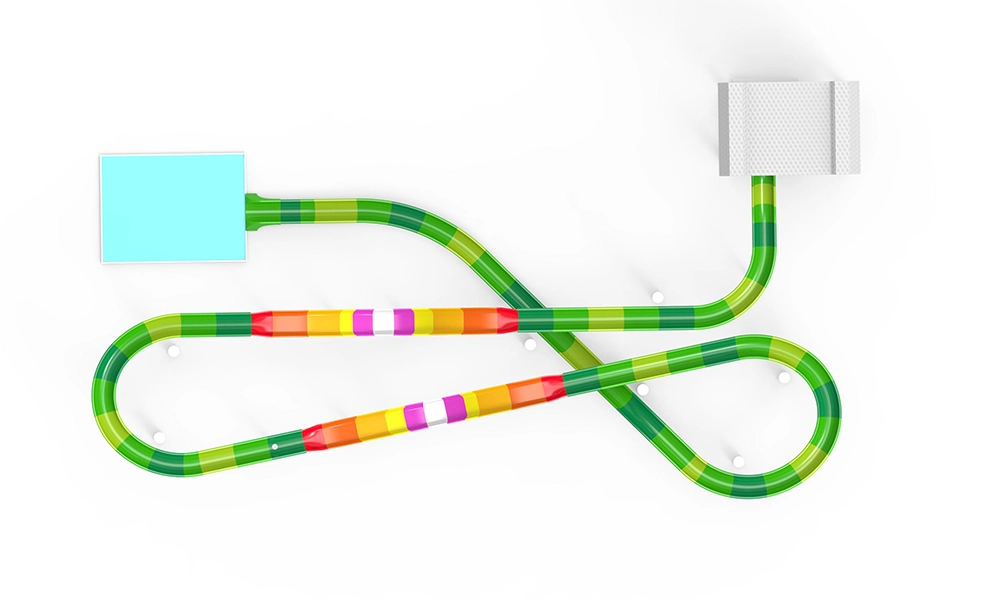
Anaconda Water Slide — High-Capacity, Themed Attraction to Transform Your Park
The B2B Buyer’s Guide to indoor water park equipment
How to Choose the Best Water Slide for Kids: 8 Factors
Commercial Water Slides Safety Standards and Best Practices
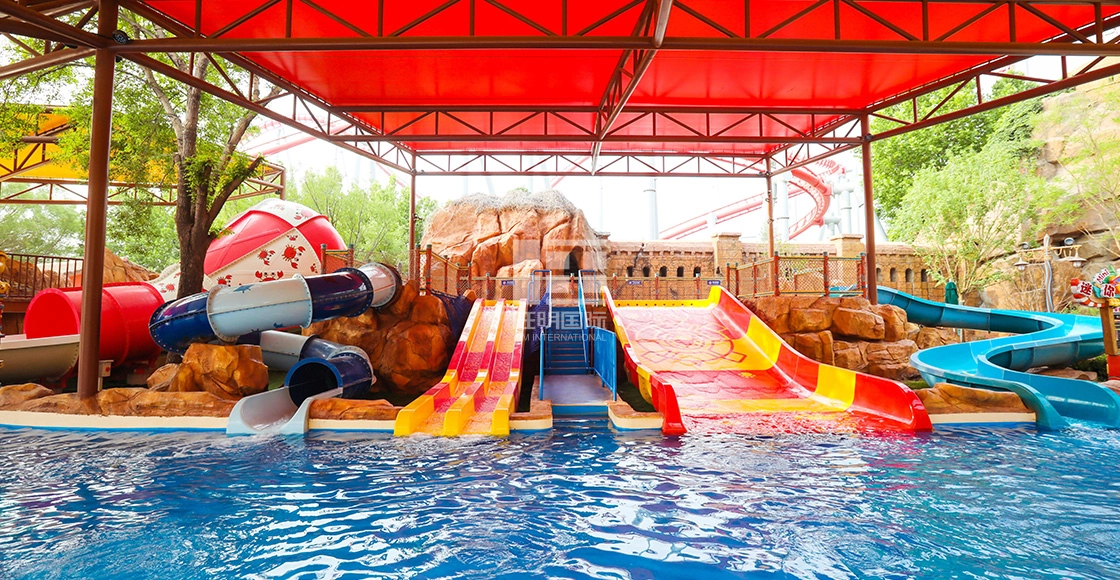
Children Combined Water Slide
Discover endless fun with the Children Combined Water Slide by WM INTERNATIONAL, expertly crafted for thrill-seeking kids. Perfect for summer splashes, this durable slide promises safety and joy. Looking to elevate your play area? Explore our Children's Combined Slide for sale now!
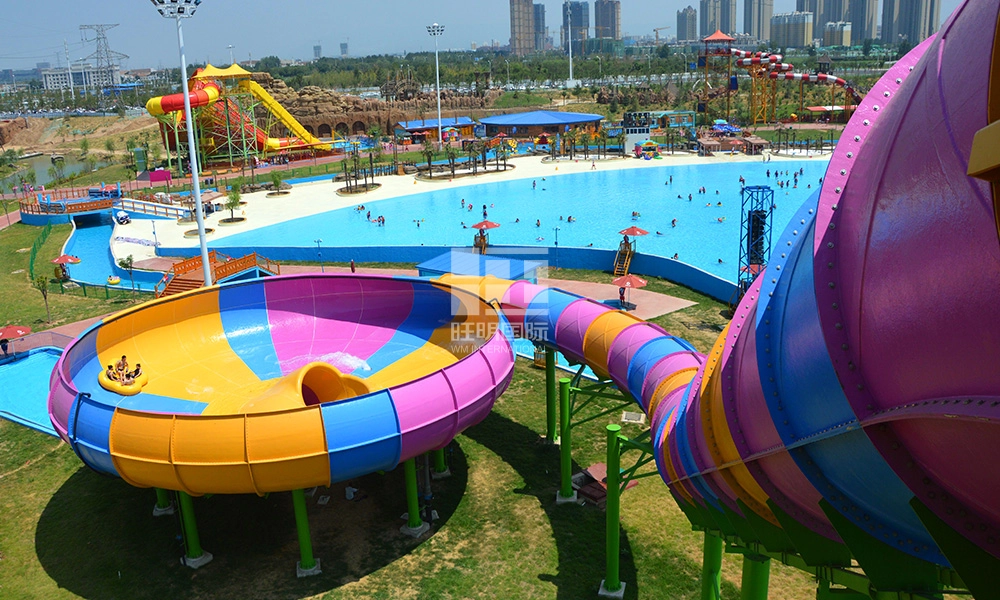
Huge Bowl Water Slide
The Huge Bowl Water Slide has achieved the “World's Best New Water Amusement Equipment” Award; it is the new favorite of the young people and the star project of the water park. The raft carries the tourists slowly entering the closed chute first; then it whirls in the bowl the moment the tourists can see the light. After a short period of time, the raft is suddenly suctioned into a huge black hole until it falls into the water. For a moment, the tourists realize the breathtaking journey has been safely brought to an end.
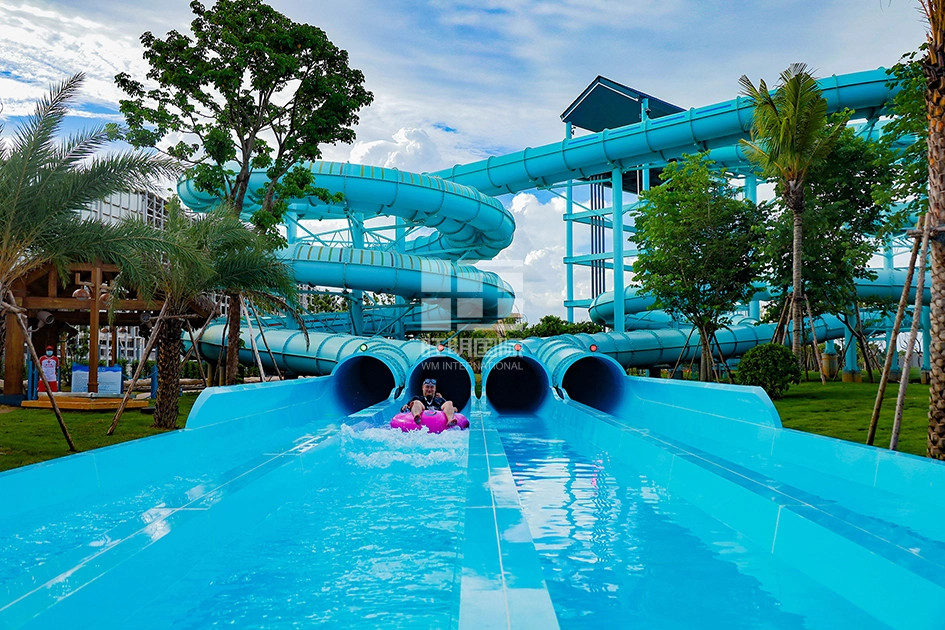
Time Tunnel Water Slide
The biggest feature of the time tunnel slide is that it uses double water slides and double tubes side by side in design and competes along the circular slide path. 8 people can play at the same time, with a large passenger capacity and high return rate, which is very suitable for team and family travel. And the slide is equipped with WangMing International's time tunnel technology, and the interior of the slide presents a beautiful aurora effect, with colorful lights, as if traveling through time and space.
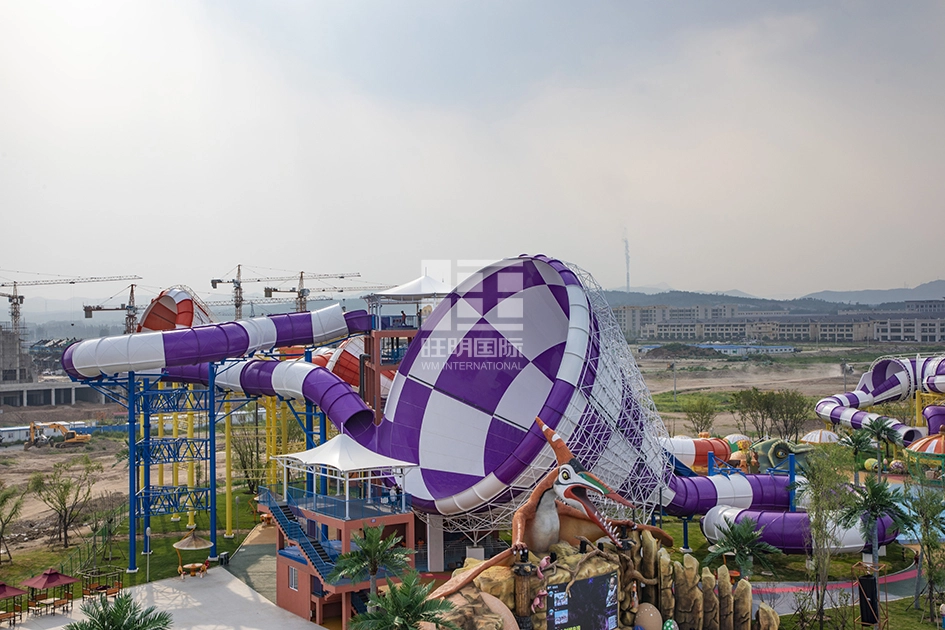
Big Tourbillion Water Slide
The Big Tourbillion water Slide won the "Gold Ticket Award - The Best New Project" of the international tourism industry. With unique modelling, strong irritation and humor, it is deeply loved by the young people; it has always been the popularity star of the water park. The raft carries the tourists as they enter the dark, closed chute slowly from the more than ten-meter-high platform; under the effect of gravity and water flow, it enters the state of rapid falling and then drops into the big Tourbillon; after a few times of whirling, it falls into the water pool. At this moment, the tourists are still in shock.
Get in touch
Have to get customized water park solutions and product quotes.
We will provide you with professional consultation and support.

Relying on leading technology, innovative products and rich industry experience, we tailor personalized solutions for each water park project to ensure a safe and exciting entertainment experience for tourists.
 Scan QR Code
wmwaterslide
wmwaterpark