


Water Slide Manufacturer vs. Supplier: Which Partner Fits Your Park?
- How Water Slide Production and Supply Models Differ
- What a manufacturer typically controls
- What a supplier or integrator may provide
- Match the Partner to Project Scope and Risk
- New parks and major attraction developments
- Existing parks, replacements, and phased upgrades
- Due Diligence for Safety, Quality, and Total Cost
- Verify standards, engineering records, and quality controls
- Compare lifecycle cost, not only the equipment quotation
- Select a Partner That Can Support the Whole Guest Experience
- Assess technical fit and project accountability
- How our product scope can support park planning
- Frequently Asked Questions
Choosing between a water slide manufacturer and a supplier depends on how much of the project must be engineered, produced, coordinated, and supported by one partner. Manufacturers generally provide direct access to product design and fabrication, while suppliers may source attractions from multiple makers and coordinate a wider package. For water slide ride suppliers for parks, buyers should verify who owns engineering decisions, who controls quality records, and who remains accountable for delivery, installation support, and spare parts. The right choice is the partner whose documented scope aligns with the park’s risk profile, site conditions, operating model, and long-term investment plan.
How Water Slide Production and Supply Models Differ
What a manufacturer typically controls
A manufacturer is usually involved in designing and producing the ride or its major components. Depending on the company and contract, this may include ride configuration, flume fabrication, support structures, manufacturing quality checks, technical documentation, and coordination with an installation team. Buyers should not assume that the word “manufacturer” means every project service is handled in-house: engineering, installation, commissioning, and maintenance can still be delivered by separate contractors. The contract should identify the legal entity responsible for each scope and the documents it will provide.
Direct access to production can be useful when a park needs a non-standard layout, a particular ride experience, custom theming, or close coordination between the attraction and a constrained site. It can also make technical clarification more direct when design changes arise. However, a factory relationship alone does not guarantee faster delivery or lower cost. Capacity, design approvals, material procurement, shipping, local permitting, and site readiness all influence the actual schedule.
What a supplier or integrator may provide
A supplier may sell products made by one or more manufacturers, assemble an attraction package, or coordinate other project elements such as water play features, pumps, controls, installation, or themed components. This model can help buyers compare product options through one commercial contact and may suit projects where the park values package coordination more than direct access to a single factory. Some suppliers also provide design and construction management; others primarily handle sales and procurement.
The key procurement question is not whether a partner uses the label “supplier” or “manufacturer,” but whether the partner can demonstrate the capabilities required by the project. Ask which company designs each attraction, which entity fabricates it, who approves engineering changes, and who provides warranty service. A supplier’s multi-brand catalog can widen choice, but it can also create gaps in accountability if responsibilities between the seller, original equipment maker, and installer are unclear.
| Decision area | Manufacturer-led relationship | Supplier-led relationship | Evidence to request |
|---|---|---|---|
| Product design and fabrication | Often performed or controlled by the manufacturer, subject to the agreed scope. | May be sourced from a third-party maker or coordinated across several makers. | Design responsibility matrix, factory identity, product drawings, and approved specifications. |
| Product range | Usually strongest in the manufacturer’s own attraction range. | May include products from multiple brands or categories. | Current catalog, manufacturer authorization where applicable, and comparable project references. |
| Customization | Can be practical when the factory has the engineering and production capability for the requested changes. | Depends on the original maker and the supplier’s ability to coordinate design approvals. | Written confirmation of what can be customized and who accepts design liability. |
| Project coordination | May cover the ride package; broader site coordination is not automatic. | May consolidate purchasing and coordination, depending on contract scope. | Milestone schedule, interface matrix, named project lead, and escalation path. |
| After-sales support | May provide direct access to product-specific technical support and parts. | May coordinate service across several manufacturers, subject to its service arrangements. | Warranty terms, response process, spare-parts plan, and service coverage by location. |
This comparison describes common procurement distinctions, not a guarantee of services from every company. A signed scope, technical submittals, and named responsibilities are more reliable than a sales label or a general promise of turnkey delivery.
Match the Partner to Project Scope and Risk
New parks and major attraction developments
A new water park or a major expansion brings interdependent decisions: ride capacity, guest circulation, pool and landing-zone design, water treatment, utilities, structural interfaces, theming, operations, and construction sequencing. A manufacturer-led relationship may fit when a signature slide or complex ride needs close product engineering coordination. A supplier or integrator may fit when the owner needs one party to coordinate multiple attraction brands and package interfaces. Either way, the owner should appoint a qualified design and construction team to manage site-wide requirements rather than assuming an attraction vendor has authority over the entire development.
Project owners should establish a responsibility matrix before tendering. It should state who provides site surveys, geotechnical information, ride calculations, civil and structural interfaces, electrical loads, water-flow data, installation supervision, inspections, operator training, and handover documents. If a vendor excludes a task, the owner needs to identify who will perform it and how the interface will be reviewed. This step reduces the risk of late design changes, scope disputes, and equipment arriving before the site is ready.
Existing parks, replacements, and phased upgrades
For an existing facility, the purchasing decision should start with condition and compatibility. Older support foundations, pipework, electrical systems, control equipment, and available footprint may limit the attractions that can be installed without modification. A partner should review verified site information and explain what must be measured or inspected before proposing a replacement. Buyers should request a clear list of assumptions rather than treating a preliminary quotation as a final fit assessment.
Phased upgrades also require attention to operational continuity. The park may need to keep adjacent attractions open, manage construction access, protect guest routes, and schedule shutdowns around the operating season. A supplier coordinating multiple products may help consolidate deliveries, while a manufacturer may be valuable for a direct replacement requiring product-specific engineering. The deciding factors are the actual interfaces, project calendar, and the partner’s documented ability to coordinate with the owner’s construction and operations teams.
Due Diligence for Safety, Quality, and Total Cost
Verify standards, engineering records, and quality controls
Safety and regulatory requirements depend on the project location, attraction type, authority having jurisdiction, and applicable codes. Buyers can use recognized references as a starting point, but should have the design team confirm which requirements apply to the specific project. The ASTM F2376 water slide systems standard addresses classification, design, manufacture, construction, and operation of water slide systems. Its relevance and the applicable edition should be confirmed with the project’s qualified professionals and local authorities rather than assumed from a marketing statement.
Quality-management certification is useful evidence of a company’s management processes, but it does not by itself certify that a particular ride design is safe or compliant. The ISO overview of quality management systems explains the purpose of ISO 9001. Buyers should therefore review project-specific inspection and test plans, material traceability where applicable, nonconformance handling, drawing control, and final documentation in addition to certificates. Ask to see representative records and establish which deliverables will be included at handover.
Operational planning should be assessed alongside product design. The U.S. Consumer Product Safety Commission’s Pool Safely guidance provides general pool-safety information for consumers and facility stakeholders. It is not a substitute for attraction-specific engineering or local rules, but it reinforces the need for a broader safety approach involving supervision, procedures, facility design, and maintenance. Operators should plan staffing, dispatch controls, inspections, emergency response, and guest information before opening.
Compare lifecycle cost, not only the equipment quotation
The lowest initial price may not represent the lowest cost of ownership. Compare the equipment scope, shipping, customs, foundations, utilities, installation, commissioning, training, consumables, inspections, replacement parts, and planned downtime. Request the assumptions behind capacity or throughput estimates, including how the ride configuration and operating conditions affect them. Projections should be treated as planning inputs, not guaranteed attendance or revenue.
Warranty language deserves line-by-line review. Confirm when coverage begins, which components are included, how shipping and labor are handled, what maintenance records are required, and how defects are reported. For international projects, determine whether technical support and spare parts can reach the park within a practical timeframe. A supplier coordinating several brands should explain how service requests are routed and who remains responsible if the original manufacturer is no longer the park’s direct point of contact.
Select a Partner That Can Support the Whole Guest Experience
Assess technical fit and project accountability
Before awarding a contract, buyers should ask for comparable installations, project references, a proposed delivery schedule, and a scope-specific list of exclusions. References are most useful when they resemble the planned project in climate, scale, ride type, market, or operating constraints. A site visit or discussion with an existing operator can reveal how documentation, maintenance access, and service communication work after opening. Verify that the examples are relevant to the contracting entity and not simply to a partner or subcontractor.
Commercial clarity is equally important. Identify the contracting party, payment milestones, change-order process, delivery terms, insurance responsibilities, dispute process, and acceptance criteria. For a multi-party project, require a named lead for technical questions and a documented process for resolving conflicts between design, manufacturing, construction, and operations. The buyer retains responsibility for its procurement and compliance decisions, so legal and engineering reviews should be completed before commitments are made.
How our product scope can support park planning
Our portfolio covers water park planning and delivery needs across water park design, water park construction, Water Slides, Water Play Attractions, and Wave Making Equipment. This range can help project owners consider how individual rides relate to the wider guest experience, attraction mix, and development scope. The appropriate level of support depends on the project brief and confirmed contract responsibilities; buyers should request a project-specific proposal that identifies deliverables, technical interfaces, and exclusions rather than relying on broad capability statements.
For procurement teams, this product breadth creates an opportunity to discuss attraction selection alongside the broader park plan. A project may require a focal-point slide, family-oriented play features, wave equipment, or a combination that suits its target audience and site. Our team can review the requested scope and clarify which elements are included in a proposal, what information is needed to assess fit, and which local consultants or contractors must contribute. Final selection should be based on technical review, budget, operating capacity, schedule, and applicable approvals.
A practical partner decision is ultimately a decision about accountability. Choose a manufacturer when direct control of product engineering and fabrication is central to the project; choose a supplier or integrator when coordinated access to multiple products and services is more important; and assess hybrid arrangements by the same evidence-based criteria. Whichever model is selected, define interfaces early, verify claims in writing, and evaluate support from concept through operating life.
Contact our team to discuss your project requirements or explore our water park design, construction, and attraction portfolio.
Frequently Asked Questions
What is the main difference between a water slide manufacturer and a supplier?
A manufacturer is usually involved in designing and producing the ride or its major components. A supplier may sell products made by one or more manufacturers, assemble an attraction package, or coordinate other project elements. Buyers should verify which entity designs, fabricates, and supports each product.
Should a new water park work directly with a manufacturer or an integrator?
A manufacturer-led relationship may fit when a signature slide or complex ride needs close product engineering coordination. A supplier or integrator may fit when the owner needs one party to coordinate multiple attraction brands and package interfaces. The project’s responsibility matrix, technical needs, and contract scope should guide the choice.
What documents should buyers request from a water slide partner?
Request a responsibility matrix, design drawings and specifications, relevant engineering and quality records, inspection and test plans, project schedule, warranty terms, spare-parts plan, and handover documentation. Buyers should also clarify who is responsible for installation, commissioning, training, and regulatory interfaces.
Does ISO 9001 certification prove that a water slide is safe?
No. ISO 9001 relates to a quality-management system and does not by itself certify that a particular ride design is safe or compliant. Buyers should review project-specific engineering, inspection and test records, applicable standards, and approvals required by the relevant authorities.
How should parks compare water slide quotations?
Compare the full lifecycle scope, including equipment, shipping, foundations, utilities, installation, commissioning, training, maintenance, spare parts, and potential downtime. Check quotation assumptions, warranty coverage, service arrangements, and acceptance criteria rather than comparing equipment prices alone.
What should an existing park check before replacing a water slide?
Assess site dimensions, foundations, pipework, electrical systems, controls, utilities, construction access, and operational constraints. Ask the partner to identify required surveys and inspections, state its assumptions, and explain how installation will affect adjacent attractions and park operations.
Recommended
Top 5 custom water slide Company List and Products Compared
Wholesale Water Play Attractions manufacturer and supplier
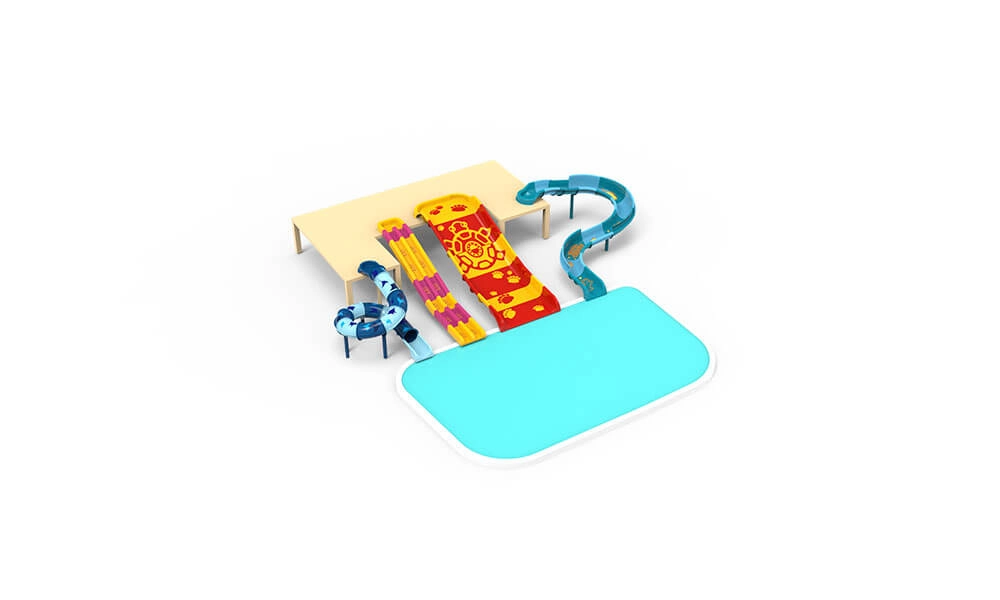
Children Combined Water Slide: Specs for Bulk Buyers
The indoor water park design Cost Guide
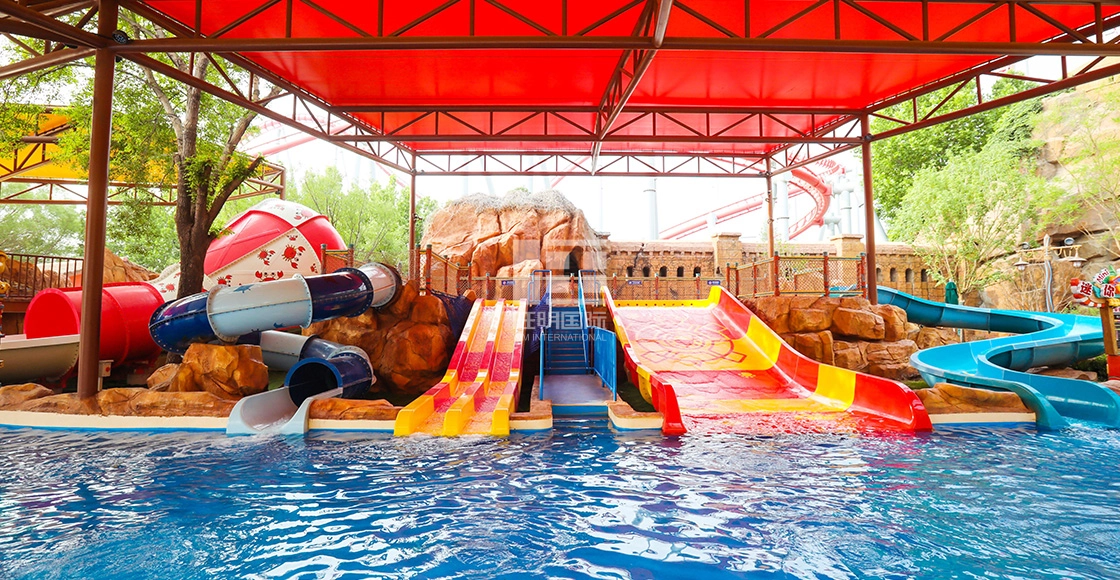
Children Combined Water Slide
Discover endless fun with the Children Combined Water Slide by WM INTERNATIONAL, expertly crafted for thrill-seeking kids. Perfect for summer splashes, this durable slide promises safety and joy. Looking to elevate your play area? Explore our Children's Combined Slide for sale now!
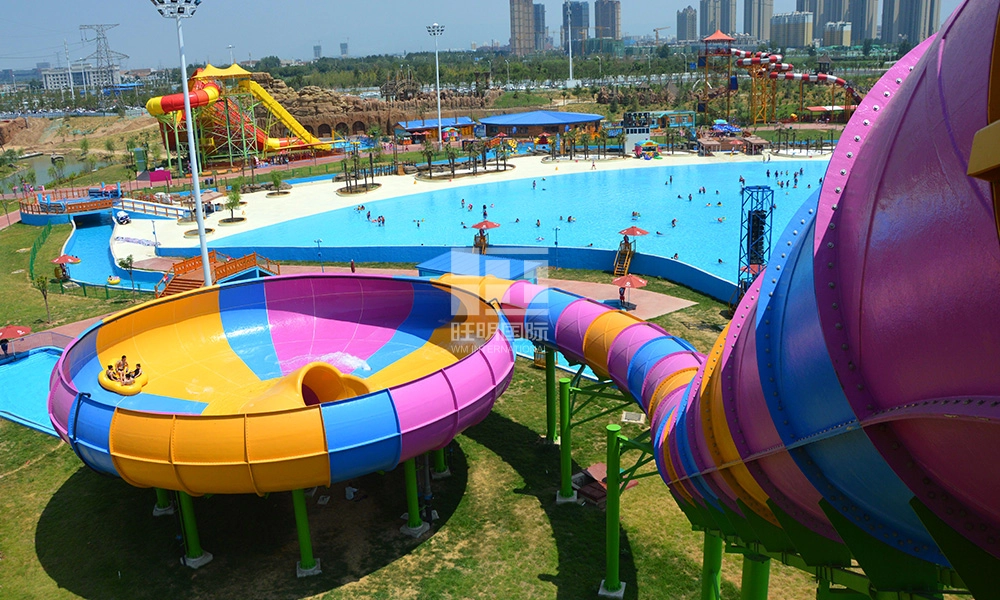
Huge Bowl Water Slide
The Huge Bowl Water Slide has achieved the “World's Best New Water Amusement Equipment” Award; it is the new favorite of the young people and the star project of the water park. The raft carries the tourists slowly entering the closed chute first; then it whirls in the bowl the moment the tourists can see the light. After a short period of time, the raft is suddenly suctioned into a huge black hole until it falls into the water. For a moment, the tourists realize the breathtaking journey has been safely brought to an end.
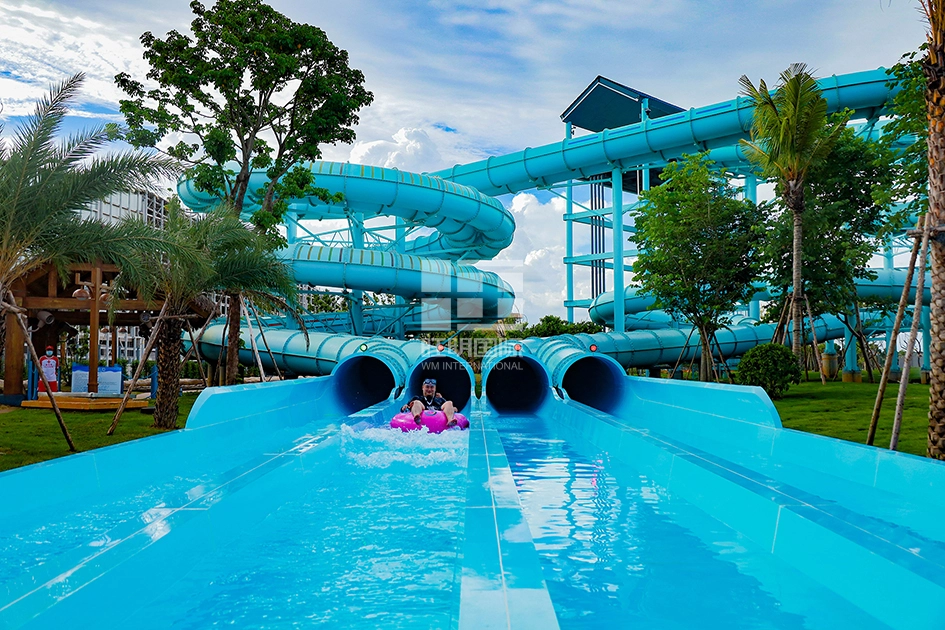
Time Tunnel Water Slide
The biggest feature of the time tunnel slide is that it uses double water slides and double tubes side by side in design and competes along the circular slide path. 8 people can play at the same time, with a large passenger capacity and high return rate, which is very suitable for team and family travel. And the slide is equipped with WangMing International's time tunnel technology, and the interior of the slide presents a beautiful aurora effect, with colorful lights, as if traveling through time and space.
Big Tourbillion Water Slide
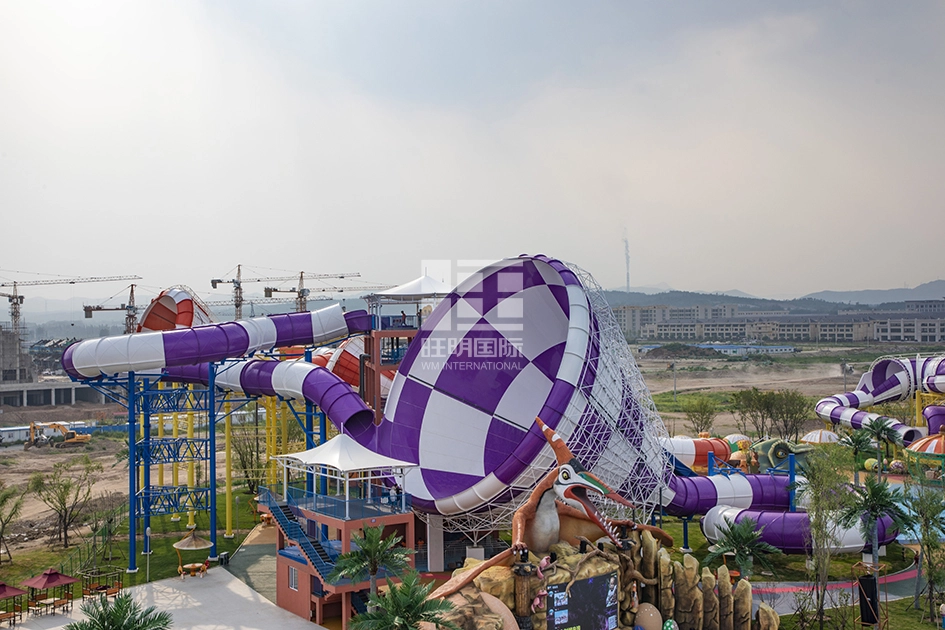
The Big Tourbillion water Slide won the "Gold Ticket Award - The Best New Project" of the international tourism industry. With unique modelling, strong irritation and humor, it is deeply loved by the young people; it has always been the popularity star of the water park. The raft carries the tourists as they enter the dark, closed chute slowly from the more than ten-meter-high platform; under the effect of gravity and water flow, it enters the state of rapid falling and then drops into the big Tourbillon; after a few times of whirling, it falls into the water pool. At this moment, the tourists are still in shock.
Get in touch
Have to get customized water park solutions and product quotes.
We will provide you with professional consultation and support.

Relying on leading technology, innovative products and rich industry experience, we tailor personalized solutions for each water park project to ensure a safe and exciting entertainment experience for tourists.
 Scan QR Code
wmwaterslide
wmwaterpark