


Water Slide Factory Evaluation: Production Capacity and Site Visits
- How to assess a water slide manufacturer's real production capability
- Separate installed capacity from deliverable capacity
- Test schedule credibility against the project scope
- What to inspect during a water slide factory visit
- Follow the product through each production stage
- Verify quality systems, testing, and traceability
- Use a structured comparison rather than impressions
- Turn factory findings into a lower-risk procurement decision
- Score evidence, not presentation quality
- Connect manufacturing readiness to site and operating needs
- How our product scope fits a project-based evaluation
- Frequently Asked Questions
Choosing water slide ride suppliers for parks requires more than comparing designs, prices, or catalog sizes. Buyers should verify whether a factory can deliver the required volume, manage concurrent projects, control quality from raw materials through dispatch, and coordinate equipment with site, installation, and operating requirements. A structured site visit turns production claims into observable evidence: capacity records, work-in-progress, inspection documentation, engineering controls, and shipment planning. This evaluation guide explains how to assess manufacturing throughput, what to inspect on site, how to interpret common capacity indicators, and how to reduce procurement risk before committing to a water park investment.
How to assess a water slide manufacturer's real production capability
Separate installed capacity from deliverable capacity
Factory capacity is often presented as an annual output figure, but that number has limited value unless its definition is clear. It may describe theoretical output under ideal conditions, a past production peak, or the capacity of one process rather than the complete system. Buyers should ask what units are being counted: individual flumes, complete attractions, projects, or production hours. A large complex slide and a compact children's slide do not consume equivalent design, tooling, fabrication, finishing, inspection, or packing time.
For procurement, the relevant measure is deliverable capacity for the buyer's specified scope and delivery window. Request a breakdown by production stage, including engineering release, mold or tooling availability, composite or metal fabrication, finishing, component assembly, inspection, and shipment preparation. Then compare the proposed project schedule with the factory's current workload. A supplier may have enough floor space and employees yet still face a bottleneck in specialist design, mold preparation, curing, coating, or final quality inspection.
Ask for recent, anonymized production plans and completion records that show planned versus actual milestones. The purpose is not to obtain another sales presentation; it is to understand how the supplier plans work, records delays, and recovers from them. Evidence should distinguish normal output from exceptional peak output and identify assumptions such as overtime, subcontracting, or parallel production lines. If an order depends on a third-party process, the supplier should explain how that dependency is scheduled and quality-checked.
Test schedule credibility against the project scope
Capacity must be assessed against the actual bill of scope, not a generic product family. Request a preliminary manufacturing schedule that identifies design approvals, drawing freezes, material procurement, fabrication, factory acceptance or inspection points, packing, and dispatch. Confirm which dates depend on buyer decisions, civil works information, utilities, or local regulatory review. This helps owners distinguish a factory-controlled lead time from the full project timeline, which also includes shipping, customs, site readiness, installation, commissioning, and training.
Review how the supplier handles changes after engineering approval. Late changes to ride geometry, support steel, color, interfaces, or site conditions can affect material orders and production sequencing. A credible manufacturer uses documented revision control, records the impact of changes, and obtains approval before building to superseded information. Ask for an example of the change-control workflow, with confidential customer details removed, and check whether the project manager, design team, and production team use the same approved revision.
For technical risk framing, buyers can consult ISO 12100 on machinery safety risk assessment and risk reduction. It is not a substitute for attraction-specific requirements or local approvals, but it provides a recognized framework for identifying hazards and addressing risk through design and protective measures. Confirm which standards, codes, and authority requirements apply to the destination market and the specific installation; do not assume that a certificate or general management-system registration establishes compliance for every ride.
What to inspect during a water slide factory visit
Follow the product through each production stage
Plan the visit around a production route rather than a showroom tour. Start with incoming materials and trace a selected work order through fabrication, joining or lamination, surface finishing, dimensional checks, assembly, and packing. The objective is to see whether documented procedures are reflected in day-to-day work. Ask employees how they identify parts, record inspection results, segregate nonconforming items, and confirm that the latest drawings are available at the workstation.
For fiberglass attractions, inspection topics may include material identification, storage conditions, laminate process controls, cure records where applicable, surface finish, and dimensional consistency. For steel supports and related components, examine material traceability, fabrication procedures, weld inspection records where relevant, corrosion protection, and fit-up checks. The appropriate evidence depends on the design and materials. A site visit should not substitute for qualified technical review, but it can reveal whether the factory has defined controls and keeps records that can be linked to the supplied equipment.
Also inspect housekeeping, equipment maintenance, worker access, lifting practices, and separation of finished goods from active fabrication. These observations do not independently prove product safety, but they can indicate how consistently the factory manages operational risks. Ask how production and quality teams escalate a defect, who can stop work, and how corrective actions are verified. A manufacturer should be able to explain its process without relying solely on a polished reception area or demonstration sample.
Verify quality systems, testing, and traceability
Request a quality plan that identifies inspection points, responsible roles, acceptance criteria, records, and the process for resolving deviations. Review sample documentation for material certificates, inspection checklists, drawing revisions, nonconformance reports, corrective actions, and final release. The buyer should check that records correspond to the type of equipment being purchased rather than accepting unrelated examples from another product category. Where testing is required, clarify the test method, equipment calibration, acceptance criteria, and whether the buyer or an independent inspector may witness the activity.
A quality management certificate can be useful evidence of a defined management system, but it does not prove that a particular slide is defect-free or that a project meets every local requirement. Verify the certificate's scope, issuing body, validity, and covered manufacturing location. ISO 9001 quality management systems describes requirements for a quality management system; procurement teams should still review product-specific controls and project records.
For water slide systems, the buyer should ask the supplier to identify the standards and technical specifications used for classification, design, manufacture, construction, and operation. ASTM F2376-23, Standard Practice for Classification, Design, Manufacture, Construction, and Operation of Water Slide Systems, is one relevant reference for projects where it is adopted or specified. Applicability depends on jurisdiction, contract requirements, edition, and the authority having jurisdiction. A factory visit should therefore verify not merely that a standard is named, but how its relevant requirements are translated into design reviews, manufacturing checks, documentation, and handover information.
Use a structured comparison rather than impressions
Record findings against consistent criteria for every shortlisted factory. The table below separates common capacity claims from evidence that can be checked during a visit or through controlled document review. It is an evaluation framework, not a claim that every factory uses identical metrics.
| Capacity or control area | What the supplier may claim | Evidence to request or observe | Buyer interpretation |
|---|---|---|---|
| Annual output | Maximum units, rides, or projects produced in a year | Definition of the counted unit, dated production records, and completed-project references | Compare like-for-like products and distinguish a historical peak from repeatable output |
| Current workload | Available production slots or a proposed start date | Redacted capacity plan, work-in-progress overview, and key outsourced-process schedule | Check whether the promised slot is supported by actual resources and dependencies |
| Production lead time | Estimated time from order to factory release | Milestone schedule, approval assumptions, material lead times, and past planned-versus-actual records | Separate manufacturing time from installation, transport, approvals, and site readiness |
| Quality assurance | Inspection, testing, or certified management system | Quality plan, traceability samples, inspection criteria, calibration records, and corrective-action process | Confirm controls apply to the ordered equipment and its production location |
| Shipment readiness | Ability to pack and dispatch on schedule | Packing plan, component identification, shipping dimensions, preservation method, and dispatch checklist | Verify that transport planning protects components and supports efficient site installation |
Turn factory findings into a lower-risk procurement decision
Score evidence, not presentation quality
Before visiting, define pass-fail requirements and weighted evaluation criteria. Typical categories include engineering coordination, relevant product experience, traceable quality controls, realistic capacity, schedule management, packaging and logistics, after-sales support, and commercial clarity. The weighting should reflect project risks: a destination with a short construction window may place greater emphasis on schedule assurance, while a technically complex attraction may require closer scrutiny of design interfaces and engineering resources.
For each criterion, record the evidence source, the date reviewed, the person responsible for follow-up, and any unresolved question. Separate verified facts from verbal assurances. If a facility cannot show a requested record during the visit, determine whether it can be provided later and whether the delay affects the procurement decision. A concise evidence register makes it easier for engineering, operations, finance, and procurement stakeholders to compare suppliers without letting a strong presentation outweigh unresolved technical or delivery risks.
Assess financial and contractual exposure alongside production capability. Confirm payment milestones, ownership of approved drawings, treatment of tooling, change-order procedures, warranty scope, spare-parts availability, and responsibilities for installation support. These terms influence whether a production delay can be managed and whether the buyer has adequate recourse if delivery, documentation, or acceptance criteria are not met. Legal and technical reviewers should align contract language with the factory's actual quality plan and schedule assumptions.
Connect manufacturing readiness to site and operating needs
A slide is part of a larger attraction and park system. The factory's engineering and production plan should account for interface information such as available footprint, support foundations, circulation, water supply, pumps, filtration, electrical requirements, access for installation, and local environmental conditions. Confirm who provides calculations and interface drawings, who reviews them, and how changes are communicated to the civil, mechanical, and electrical teams. Missing interface ownership can create rework even when the ride itself is manufactured correctly.
Ask how the manufacturer packages and labels components so that site crews can identify them against drawings and installation sequences. Request lifting information, assembly documentation, inspection requirements, maintenance instructions, and recommended spare parts as applicable. Owners should also clarify what training, commissioning assistance, and post-opening technical support are included. Manufacturing capacity has limited value if the equipment arrives without complete, usable documentation or if the project team cannot coordinate installation safely and efficiently.
When occupational safety management is part of the review, ISO 45001 occupational health and safety management systems provides a recognized framework for managing workplace health and safety risks. As with quality-system certification, verify scope and site coverage; a certificate does not replace observation of actual work practices or confirmation of applicable legal obligations. A factory assessment should combine documents, direct observation, and follow-up questions rather than treating any single credential as decisive.
How our product scope fits a project-based evaluation
Our product scope covers water park projects, water park design, water park construction, Water Slides, Water Play Attractions, and Wave Making Equipment. For buyers reviewing our offer, the same disciplined evaluation principles apply: define the project requirements, confirm interfaces and responsibilities, review the relevant technical documentation, and align production planning with the site schedule. A product category or portfolio description is a starting point for discussion, not a substitute for verifying project-specific capacity, standards, quality records, or delivery commitments.
Our approach is to discuss attractions in the context of the broader park plan, including the relationship between ride selection, guest experience, operating needs, and site constraints. Buyers can use a factory review to clarify which engineering inputs are needed, how design decisions affect manufacturing, and what documentation should be agreed before production release. For a combined water park development, early coordination among design, construction, attraction, and equipment packages can help teams identify interface questions before they become schedule or installation issues.
During commercial and technical discussions, buyers should request scope-specific answers rather than relying on broad statements about capability. Confirm the proposed production sequence, approval milestones, quality documentation, shipping assumptions, installation interfaces, and support included for the selected products. This creates a clear basis for comparing our proposal with other manufacturers and for aligning expectations across the project team. The resulting procurement record should make assumptions visible and identify which items require confirmation before contract award.
Ultimately, a credible manufacturing partner is one whose evidence matches the project: the right engineering resources, a transparent production plan, traceable quality controls, and a practical route from factory release to site commissioning. A structured visit helps buyers test those points consistently, protect schedule and budget, and select water attractions that can be delivered and integrated with fewer avoidable surprises.
Contact our team to discuss your project requirements or explore our water park attractions and equipment portfolio.
Frequently Asked Questions
How can buyers verify a water slide factory's production capacity?
Ask how capacity is defined and whether it refers to theoretical output, a historical peak, or complete projects. Review dated production records, current workload, work-in-progress, the proposed schedule, and any outsourced-process dependencies. Compare evidence for products similar in scope and complexity to the planned order.
What should buyers inspect during a water slide factory visit?
Follow a selected work order through incoming materials, fabrication, finishing, assembly, inspection, and packing. Review material traceability, drawing revision control, quality records, nonconformance handling, worker safety practices, and shipment preparation. Confirm that the observed controls apply to the equipment being purchased.
Does ISO 9001 certification prove that a water slide meets project requirements?
No. ISO 9001 describes requirements for a quality management system; certification does not by itself prove that a specific ride is defect-free or complies with every local requirement. Verify the certificate's scope, issuing body, validity, and manufacturing location, and review product-specific inspection and project documentation.
Which standards should be reviewed for a water slide system?
Ask the supplier to identify the standards and technical specifications applicable to the destination market, contract, and installation. ASTM F2376-23 is a relevant reference for the classification, design, manufacture, construction, and operation of water slide systems where it is adopted or specified. Confirm applicability with the responsible authority and technical reviewers.
How should buyers compare supplier lead times?
Request a milestone schedule covering engineering approvals, material procurement, fabrication, inspection, packing, and dispatch. Separate factory manufacturing time from shipping, customs, site readiness, installation, commissioning, and training. Check assumptions, buyer dependencies, and planned-versus-actual schedule records.
What documents should be requested before awarding a water slide order?
Request a project-specific scope, approved drawing and revision-control process, production schedule, quality plan, relevant traceability and inspection samples, packing and shipping assumptions, installation interfaces, handover documentation, warranty terms, and details of included commissioning or after-sales support.
Recommended
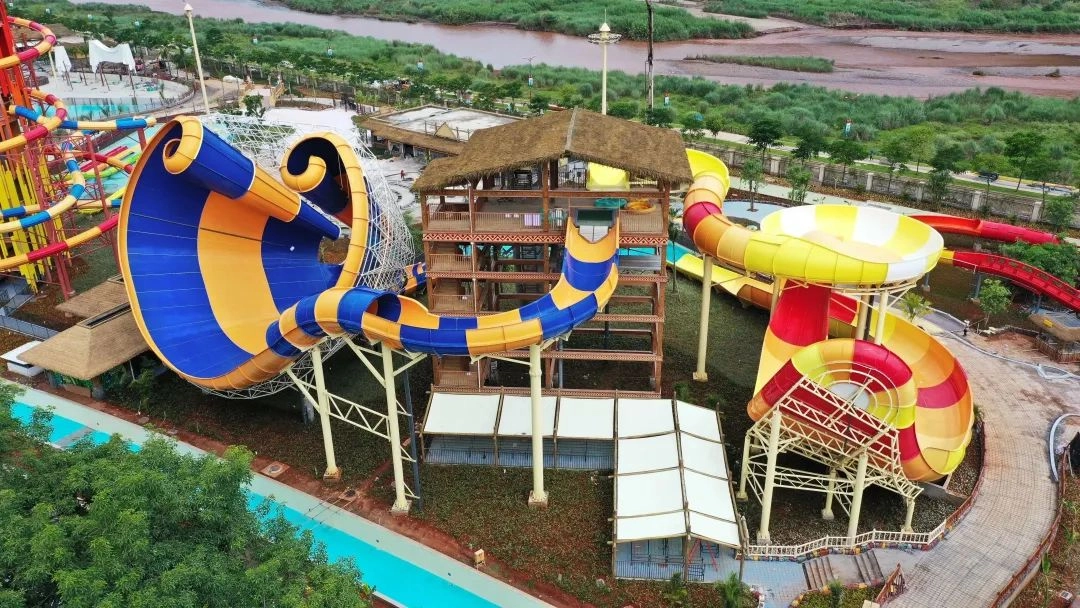
ROI Analysis: Adding Abyss & Flying Carpet to Your Park

Sled Barrel Water Slide — High-Performance Barrel-Style Attraction for Water Parks

Water Spraying Flower Bud — Interactive Splash Pad Feature to Boost Engagement
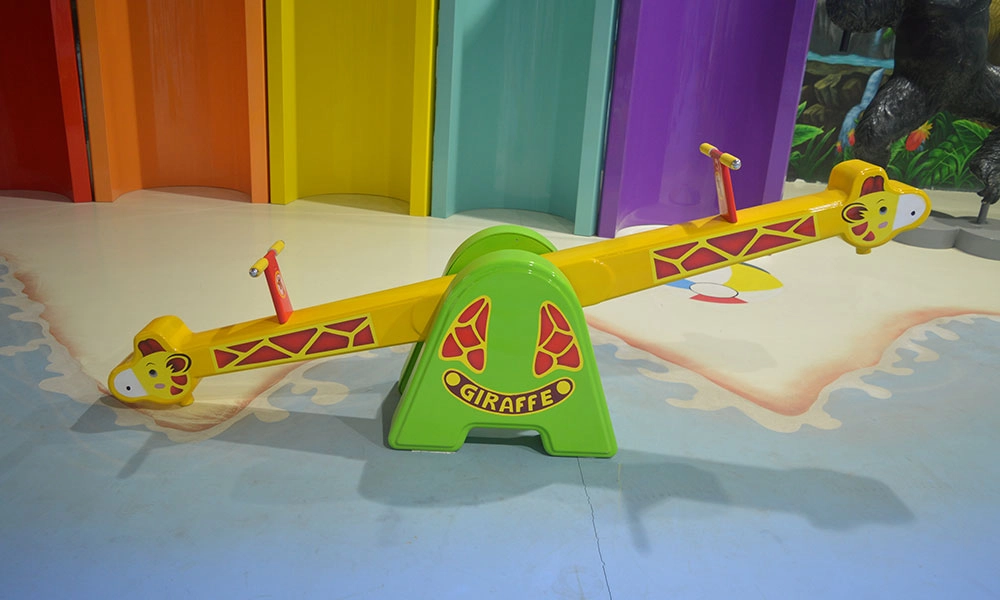
Water Seesaw for Water Parks — Durable, Safe, and Customizable Attraction
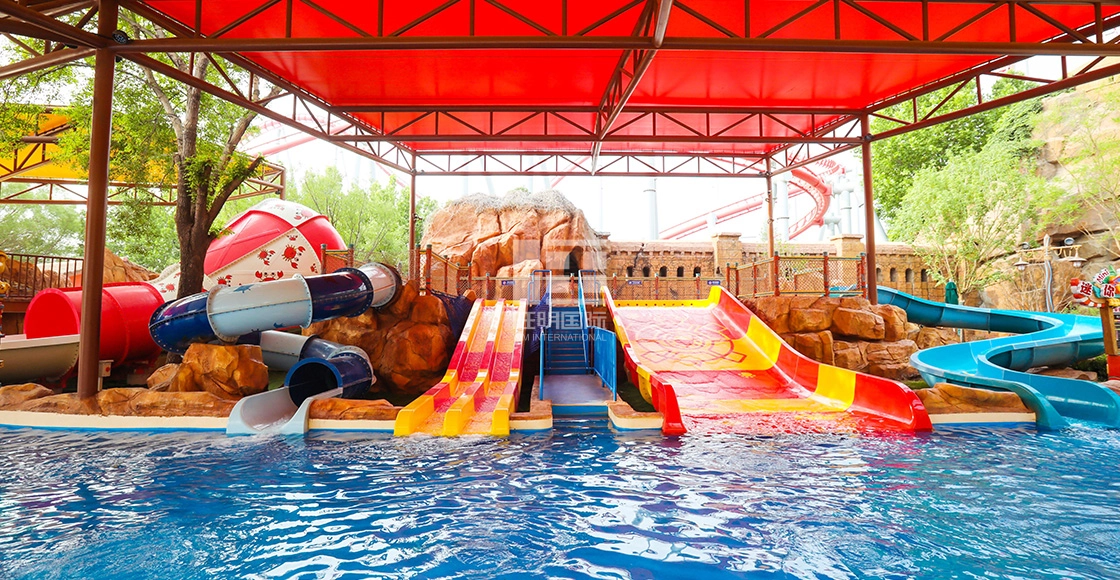
Children Combined Water Slide
Discover endless fun with the Children Combined Water Slide by WM INTERNATIONAL, expertly crafted for thrill-seeking kids. Perfect for summer splashes, this durable slide promises safety and joy. Looking to elevate your play area? Explore our Children's Combined Slide for sale now!
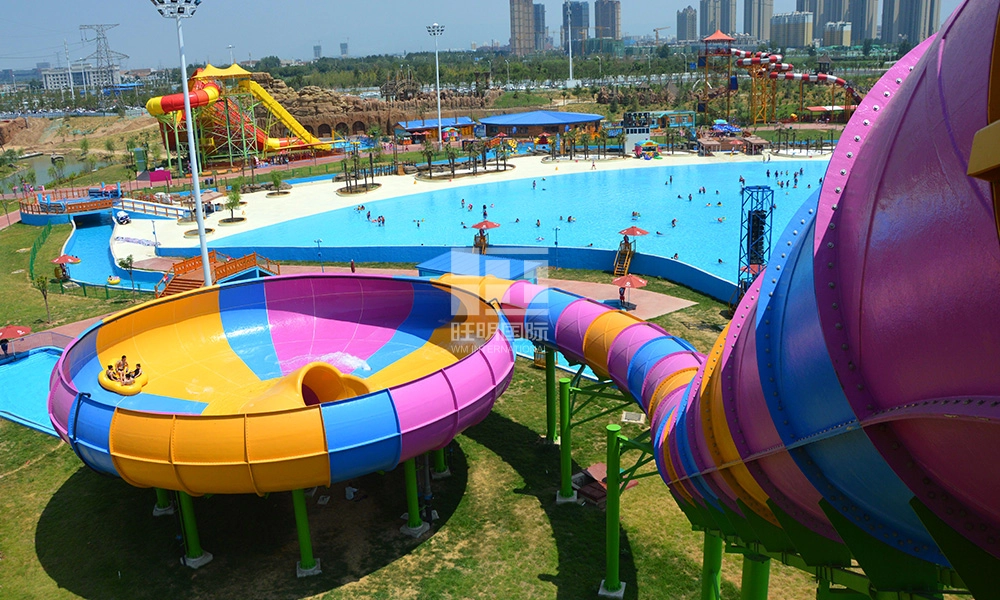
Huge Bowl Water Slide
The Huge Bowl Water Slide has achieved the “World's Best New Water Amusement Equipment” Award; it is the new favorite of the young people and the star project of the water park. The raft carries the tourists slowly entering the closed chute first; then it whirls in the bowl the moment the tourists can see the light. After a short period of time, the raft is suddenly suctioned into a huge black hole until it falls into the water. For a moment, the tourists realize the breathtaking journey has been safely brought to an end.
Time Tunnel Water Slide
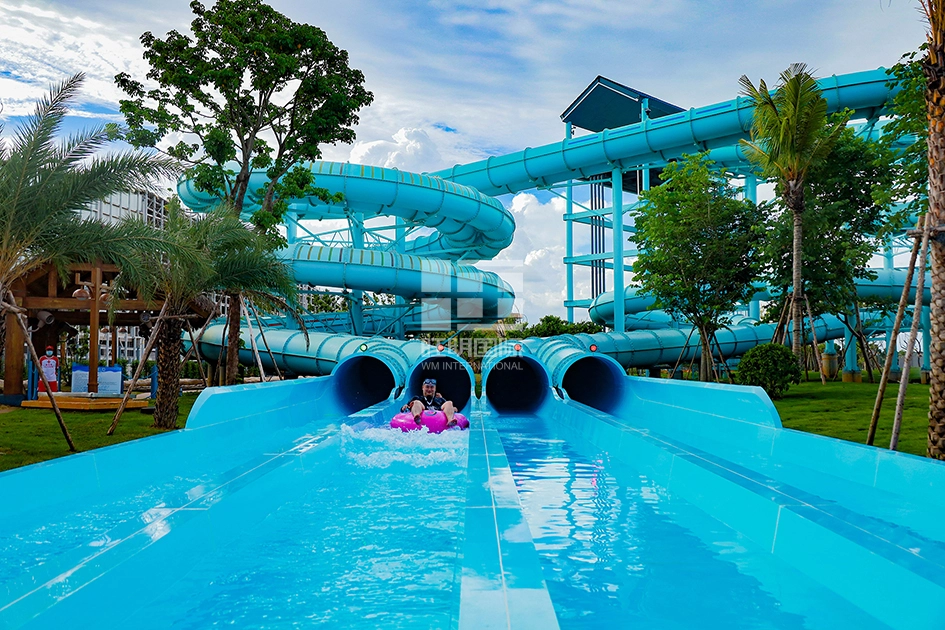
The biggest feature of the time tunnel slide is that it uses double water slides and double tubes side by side in design and competes along the circular slide path. 8 people can play at the same time, with a large passenger capacity and high return rate, which is very suitable for team and family travel. And the slide is equipped with WangMing International's time tunnel technology, and the interior of the slide presents a beautiful aurora effect, with colorful lights, as if traveling through time and space.
Big Tourbillion Water Slide
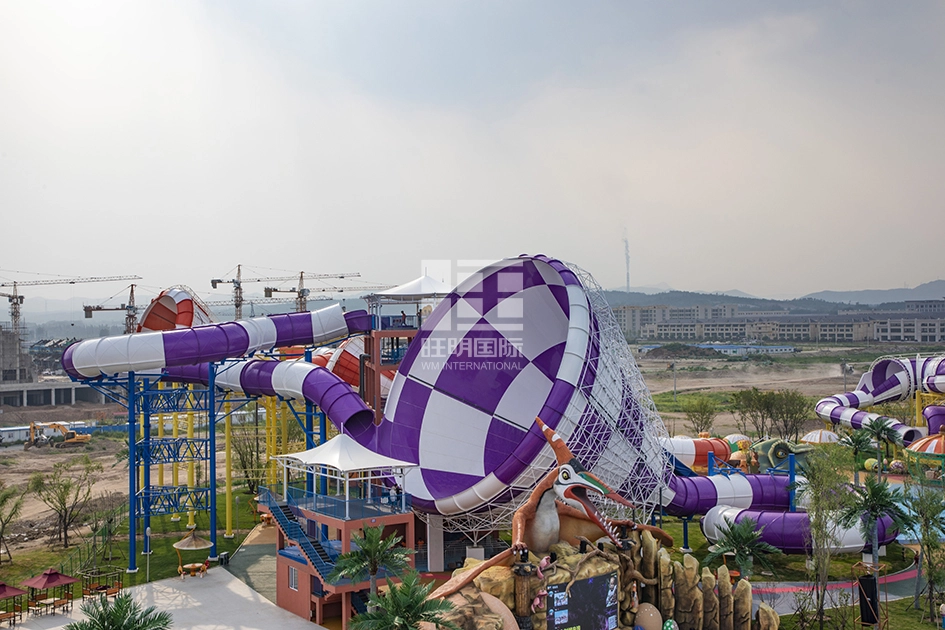
The Big Tourbillion water Slide won the "Gold Ticket Award - The Best New Project" of the international tourism industry. With unique modelling, strong irritation and humor, it is deeply loved by the young people; it has always been the popularity star of the water park. The raft carries the tourists as they enter the dark, closed chute slowly from the more than ten-meter-high platform; under the effect of gravity and water flow, it enters the state of rapid falling and then drops into the big Tourbillon; after a few times of whirling, it falls into the water pool. At this moment, the tourists are still in shock.
Get in touch
Have to get customized water park solutions and product quotes.
We will provide you with professional consultation and support.

Relying on leading technology, innovative products and rich industry experience, we tailor personalized solutions for each water park project to ensure a safe and exciting entertainment experience for tourists.
 Scan QR Code
wmwaterslide
wmwaterpark