


What water treatment systems are recommended to maintain safe water quality at spray parks? | Insights by WM INTERNATIONAL
- Best Water Treatment Systems for Spray Parks: Ensuring Safe Water Quality
- What Are the Most Effective Water Treatment Systems for Spray Parks?
- How Can Spray Parks Ensure Compliance with Health and Safety Regulations?
- What Are the Maintenance Requirements for Water Treatment Systems in Spray Parks?
- What Are the Costs Associated with Water Treatment Systems for Spray Parks?
- How Can Spray Parks Adopt Sustainable Water Treatment Practices?
Best Water Treatment Systems for Spray Parks: Ensuring Safe Water Quality
Spray parks are a popular attraction for families and communities, offering a fun and safe environment for children to play. However, maintaining water quality is critical to prevent health risks such as waterborne diseases. For water park industry professionals looking to procure or upgrade water treatment systems, understanding the right technologies and practices is essential. This blog explores recommended water treatment systems and answers the top five concerns or questions users in the industry may have during procurement.
What Are the Most Effective Water Treatment Systems for Spray Parks?
For spray parks, water treatment systems must address high bather loads, constant water recirculation, and exposure to contaminants like dirt and organic matter. Based on industry standards, the following systems are widely recommended:
- Sand Filtration Systems: These are commonly used for removing debris and particulates from water. High-rate sand filters are effective for spray parks due to their ability to handle large volumes of water.
- UV Disinfection: UV systems are highly effective in neutralizing pathogens such as bacteria and viruses without adding chemicals. According to the CDC, UV disinfection is a critical secondary treatment for recreational water facilities.
- Chemical Treatment with Chlorine: Chlorination remains a primary method for disinfecting water in spray parks. Automated chemical dosing systems ensure consistent chlorine levels, typically maintained at 1-3 ppm as per health guidelines.
- Ozonation: Ozone is a powerful disinfectant that reduces reliance on chlorine and minimizes chloramine formation, improving air and water quality.
Combining these systems ensures comprehensive treatment, addressing both filtration and disinfection needs for safe water quality.
How Can Spray Parks Ensure Compliance with Health and Safety Regulations?
Compliance with local and national water quality standards is a top priority. In the United States, the Model Aquatic Health Code (MAHC) provides guidelines for recreational water facilities, including spray parks. Regular testing for pH (ideal range: 7.2-7.8), free chlorine, and total coliforms is mandatory. Automated monitoring systems can track water quality in real-time, alerting operators to deviations. Additionally, the Environmental Protection Agency (EPA) emphasizes the importance of proper system maintenance to prevent outbreaks of illnesses like cryptosporidiosis, which can spread in poorly treated water. Partnering with certified water treatment providers ensures adherence to these regulations during procurement.
What Are the Maintenance Requirements for Water Treatment Systems in Spray Parks?
Maintenance is crucial to ensure the longevity and effectiveness of water treatment systems. Sand filters require regular backwashing to remove trapped debris, typically weekly depending on usage. UV lamps need replacement every 12-18 months, as their efficacy diminishes over time. Chemical dosing systems must be calibrated regularly to avoid over- or under-dosing. According to a 2024 industry report from Verified Market Research, improper maintenance is a leading cause of system failure in recreational water facilities. Establishing a routine maintenance schedule and training staff on system operations can mitigate risks and extend equipment life.
What Are the Costs Associated with Water Treatment Systems for Spray Parks?
Cost is a significant factor in procurement decisions. According to data from Straits Research, the global water treatment market was valued at USD 69.66 billion in 2024, with projected growth to USD 74.53 billion in 2025, reflecting rising demand for advanced systems. Initial costs for spray park systems vary widely: a basic sand filtration setup may start at $10,000, while integrated UV and chemical systems can range from $50,000 to $100,000 depending on park size. Operating costs, including chemicals, energy, and maintenance, can add 10-20% annually to the initial investment. However, investing in energy-efficient systems and automation can reduce long-term expenses.
How Can Spray Parks Adopt Sustainable Water Treatment Practices?
Sustainability is increasingly important in the water park industry. As noted in a 2025 report from StartUs Insights, water treatment trends are shifting toward eco-friendly solutions. Systems that recycle water, such as advanced filtration with reverse osmosis, can reduce water waste by up to 50%. Additionally, using ozone or UV disinfection minimizes chemical usage, lowering environmental impact. Solar-powered systems for running pumps and UV units are also gaining traction. During procurement, prioritizing vendors with green certifications or energy-efficient technologies can align spray parks with sustainability goals while maintaining safe water quality.
In conclusion, selecting the right water treatment system for spray parks involves balancing effectiveness, compliance, maintenance, cost, and sustainability. At WM INTERNATIONAL, we pride ourselves on delivering cutting-edge water treatment solutions tailored to the unique needs of spray parks. Our expertise in integrated filtration, UV disinfection, and automated chemical dosing ensures safe, high-quality water with minimal operational hassle. With a commitment to innovation and sustainability, WM INTERNATIONAL is your trusted partner in maintaining exceptional water quality standards for recreational facilities.
Water Project Cost and ROI: Key Budget Factors Before Choosing a Project Solution
Water Projects: The Complete Guide to Developing Water Projects for Different Venues with WM INTERNATIONAL
Water Project Industry Trends: Emerging Opportunities in the Water Attraction Market
Custom Water Project Solutions for Different Venues: Water Parks, Resorts, Theme Parks and More
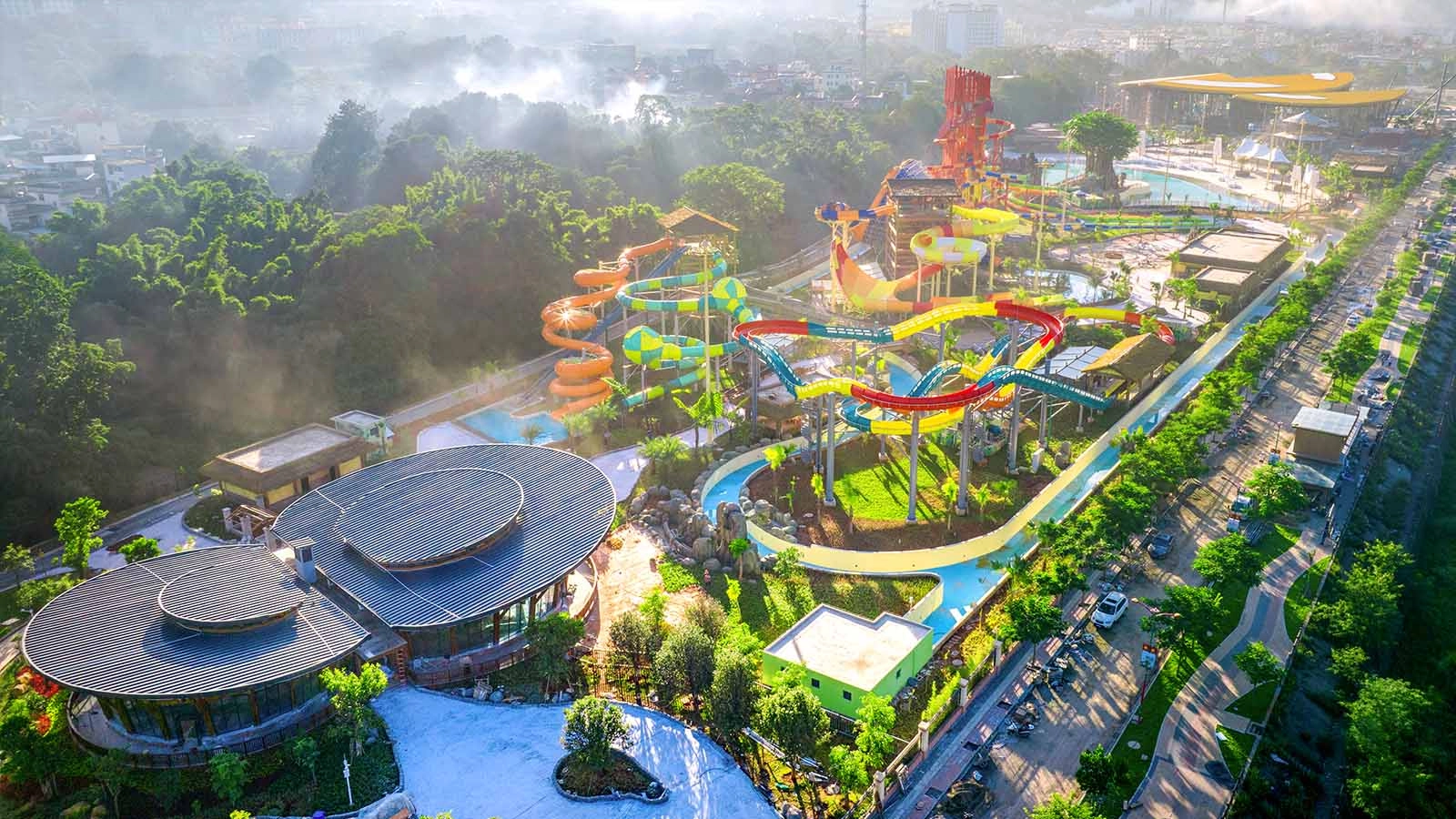
How to Configure Water Attractions for Water Projects in Different Venues
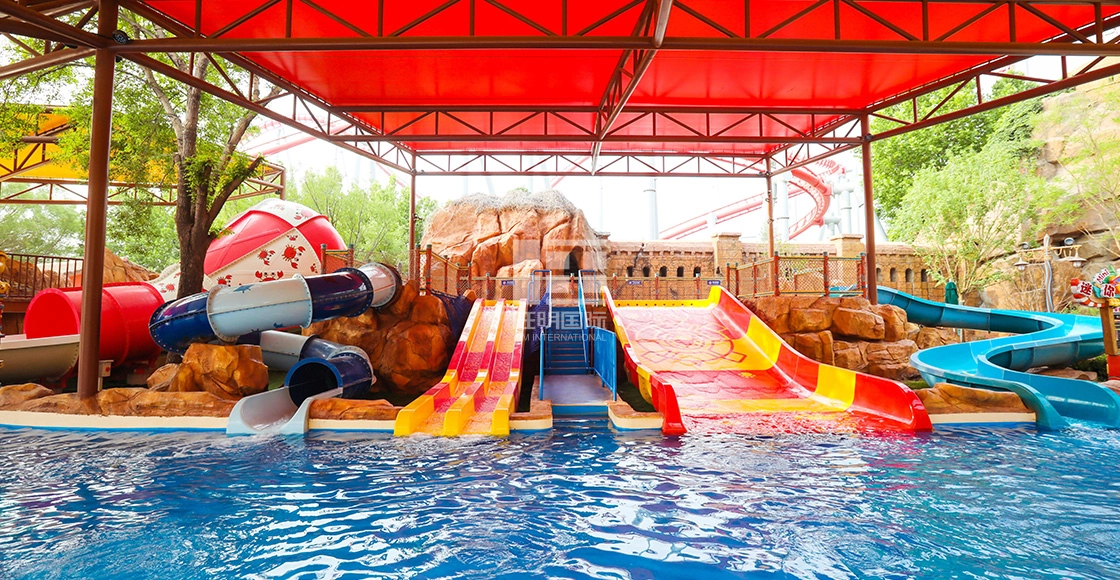
Children Combined Water Slide
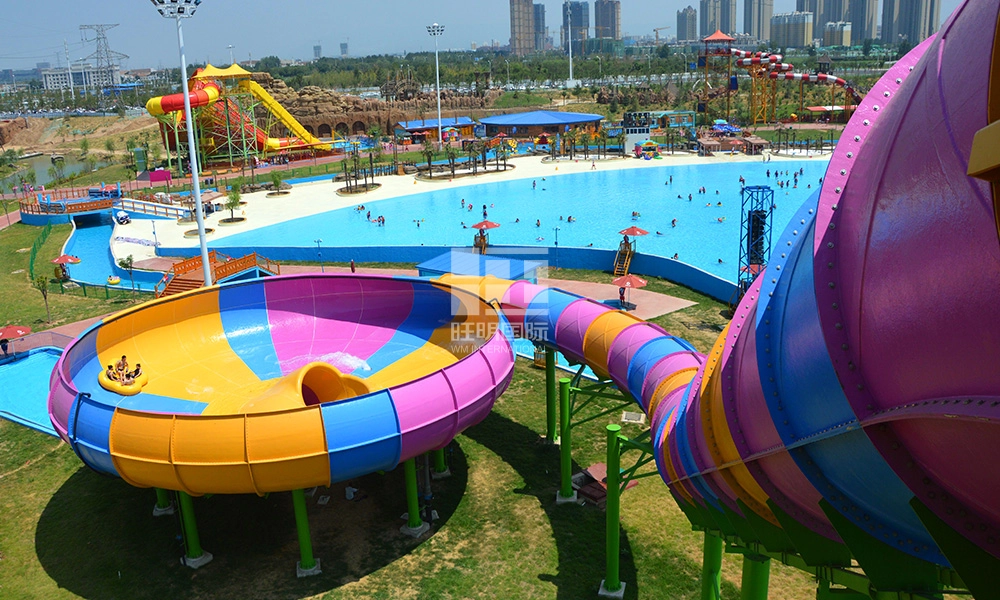
Huge Bowl Water Slide
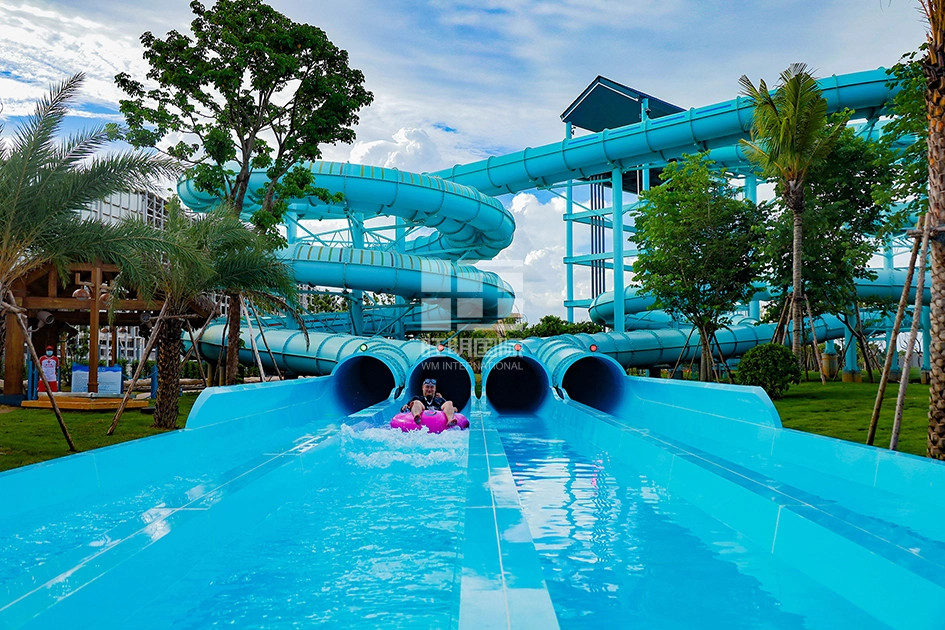
Time Tunnel Water Slide
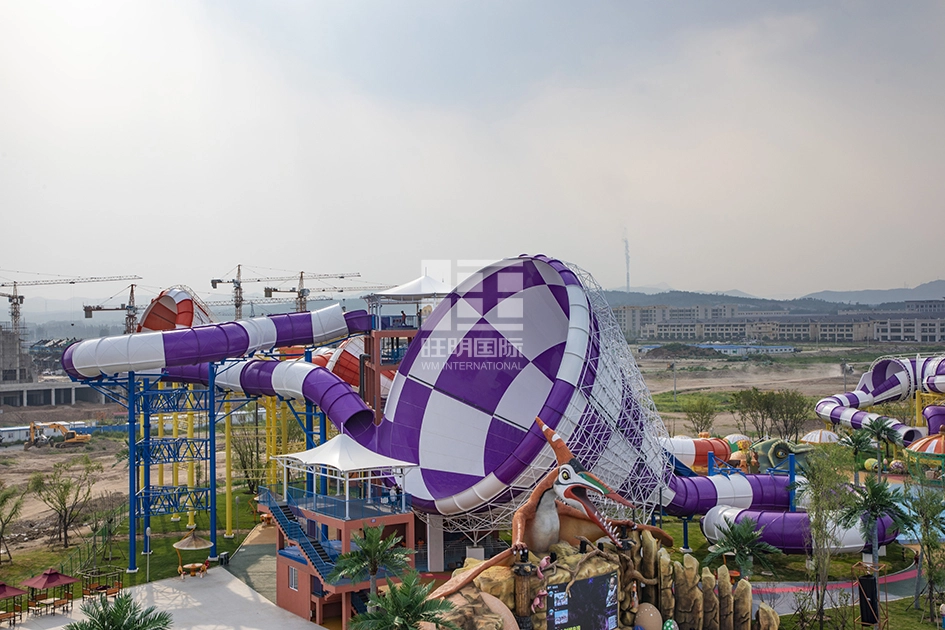
Big Tourbillion Water Slide
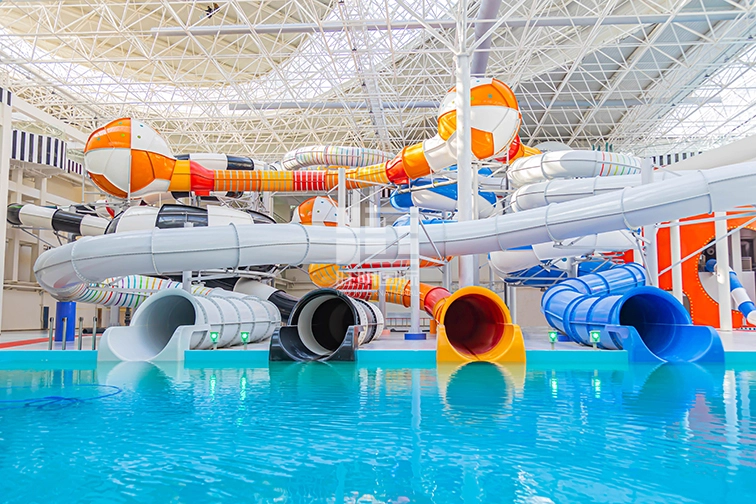
Turnover Slide
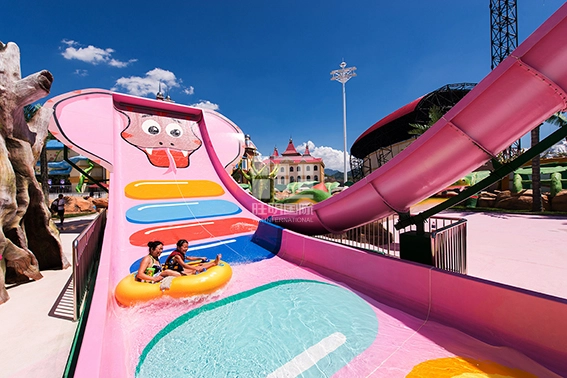
Small King Cobra Water Slide
Get in touch
Have to get customized water park solutions and product quotes.
We will provide you with professional consultation and support.

Relying on leading technology, innovative products and rich industry experience, we tailor personalized solutions for each water park project to ensure a safe and exciting entertainment experience for tourists.
 Scan QR Code
wmwaterslide
wmwaterpark