

Top Family Water Slide Designs for Parks in 2026
- Design Trends for Multi-Generational Flume Attractions in 2026
- Compact modular layouts for limited footprints
- Theming, immersive environments and guest dwell time
- Updated safety protocols and standards alignment
- Engineering & Operational Considerations for Shared-Rider Attractions
- Throughput optimization and queue management
- Materials, surface finishes and lifecycle cost control
- Serviceability and downtime mitigation
- Market Selection, Financial Modeling & Risk Controls
- Audience segmentation and attraction mix alignment
- CAPEX, OPEX and payback scenarios
- Regulatory, permitting and insurance checkpoints
- Why WM International is a Strategic Partner for Park-Scale Shared-Rider Attractions
- End-to-end delivery from concept to commissioning
- Manufacturing scale, quality assurance and customization
- Operational support, spare parts and lifecycle services
- Proven procurement deliverables and project governance
- Frequently Asked Questions
- How much does a mid-size multi-rider attraction typically cost to purchase and install?
- What are realistic lead times from order to opening for a family-oriented raft ride?
- Which safety standards and certifications should be required in procurement documents?
- What ongoing maintenance should operators budget for a shared-rider attraction?
- Can large parks retrofit an existing pool or concrete basin to accommodate a raft slide?
2026 planning intelligence for park operators: this guide distills the leading multi-rider and shared-group slide concepts for amusement venues, evaluating throughput engineering, guest experience design, lifecycle cost drivers, safety and compliance checkpoints, sustainable materials and modular construction tactics to accelerate time-to-market and improve return on investment. The content aligns design intent with procurement logic—site constraints, budget envelopes, demographic targeting and operational staffing—while integrating regulatory and standards context from authoritative sources to help buyers select and implement the best intergenerational flume attractions for their facilities.
Design Trends for Multi-Generational Flume Attractions in 2026
Compact modular layouts for limited footprints
Urban parks and retrofit projects increasingly favor stacked footprints and prefabricated components that reduce on-site civil works. Modular flume segments, preassembled support towers and interlocking slide shells shorten installation windows and cut crane time. Buyers should require modularization plans and detailed erection sequences in tender packages to quantify schedule risk and contractor coordination needs.
Theming, immersive environments and guest dwell time
Designers are blending narrative theming with sensory elements—LED-enhanced tunnels, synchronized audio and water-jet choreography—to increase perceived value and dwell time. Rather than selling a single attraction, operators now market experiences (e.g., family raft adventures with storytelling zones), which boosts secondary spend around F&B and retail. Project owners should request experience-ROI projections that include ancillary revenue uplift.
Updated safety protocols and standards alignment
Regulatory expectations emphasize engineered fall protection, restraint systems for multi-rider craft, locked-access loading platforms and automated dispatch controls. Operators must align procurement with internationally recognized best practices; resources such as Water Slide - Wikipedia provide technical overviews, while industry guidance is available from IAAPA and public health authorities like the CDC Aquatic Recreation portal for hygiene and water-treatment considerations.
Engineering & Operational Considerations for Shared-Rider Attractions
Throughput optimization and queue management
Throughput engineering is a primary driver of revenue potential. Multi-seater raft attractions typically incorporate staggered loading, conveyor lifts or twin-loading stations to hit higher riders-per-hour metrics. Contract specifications should detail cycle times, dispatch intervals and recommended staffing models to validate performance claims during peak operations.
Materials, surface finishes and lifecycle cost control
Advanced composite resins with UV stabilizers and antimicrobial gelcoat reduce long-term degradation and maintenance needs. Corrosion-resistant stainless steel supports, tamper-proof fasteners and sealed access covers extend service intervals. Procurement should include lifecycle cost analysis (LCCA) comparing CAPEX versus projected annual maintenance spend and refurbishment schedules.
Serviceability and downtime mitigation
Designing for maintainability—removable panels, access walkways and standardized spare parts—reduces Mean Time To Repair (MTTR) and lost revenue from outages. Buyers should insist on a spare-parts BOM and a recommended preventive maintenance schedule in the contract to quantify OPEX liabilities.
Market Selection, Financial Modeling & Risk Controls
Audience segmentation and attraction mix alignment
Successful investment begins with mapping local demographics to attraction typologies: family-oriented parks benefit from multi-age raft rides and gentle tumbler slides, while adrenaline-focused resorts may prioritize racing lanes and drop capsules. Market studies should translate population and tourist flow data into projected visits, average party size and likely rider segments to size attractions appropriately.
CAPEX, OPEX and payback scenarios
Capital and operating cost drivers include structure complexity, water treatment load, staffing, and energy. Financial models must include conservative utilization rates, seasonality adjustments and sensitivity analysis on average spend-per-visit. Typical capital ranges vary by attraction type and scale, so procurement should request itemized budgets with contingency and escalation assumptions.
Regulatory, permitting and insurance checkpoints
Permitting often touches civil, hydraulic, electrical and accessibility regulations. Insurance underwriters will require proof of compliance and documented maintenance plans. Reference to international standards organizations such as ISO helps clarify technical requirements during design reviews and tender evaluations.
| Attraction Type | Typical Throughput (riders/hr) | Typical Footprint (m²) | Estimated CAPEX (USD) | Maintenance Intensity |
|---|---|---|---|---|
| Single-seat open flume | 600–900 | 150–600 | $100,000–$400,000 | Moderate |
| Multi-rider raft attraction | 800–1,500 | 300–1,200 | $400,000–$2,000,000 | High (raft wear & water load) |
| Mat racers / family slide complexes | 700–1,200 | 200–800 | $250,000–$900,000 | Moderate |
| Bowl / hybrid attractions | 400–1,000 | 250–1,000 | $300,000–$1,500,000 | Higher (specialized parts) |
Notes: throughput and cost ranges are industry-typical estimates used by project planners to compare attraction profiles; actual figures depend on local labor, civil scope and supplier quotations. For operational health guidance consult the CDC and for industry benchmarking refer to IAAPA.
Why WM International is a Strategic Partner for Park-Scale Shared-Rider Attractions
End-to-end delivery from concept to commissioning
With 19 years of industry experience, WM International Waterslide provides a full range of water park planning and design services. From master planning and concept design to manufacturing, installation and maintenance, our team offers comprehensive service solutions that transform park visions into operational attractions. Buyers benefit from single-supplier coordination that reduces interface risk, compresses schedules and clarifies warranty and acceptance criteria.
Manufacturing scale, quality assurance and customization
WM International owns a 100000 m² modern production base—the largest in the industry—enabling high-volume output, consistent quality control and the ability to manufacture bespoke ride geometries. Our engineering and fabrication processes incorporate UV-stable gelcoats, reinforced FRP laminates and precision tooling for repeatable tolerances. Each project reflects our capacity to provide tailor-made solutions aligned to site characteristics and client brand identity.
Operational support, spare parts and lifecycle services
Post-installation resilience is reinforced through structured maintenance programs, operator training and spare-parts logistics. Our services cover Water park, Water park design, Water park construction, Water Slides, Water Play Attractions and Wave Making Equipment. WM International provides maintenance manuals, recommended spare lists and remote support to minimize downtime and extend asset life.
Proven procurement deliverables and project governance
For capital projects, our deliverables include detailed technical specifications, method statements, test protocols and completion checklists to support permitting and insurer requirements. WM International's combined background as park operators, designers, suppliers and guests offers buyers practical procurement language that anticipates implementation challenges and reduces contractual ambiguity. Contact: https://www.wmwaterslide.com and trading@wmwaterslide.com.
Frequently Asked Questions
How much does a mid-size multi-rider attraction typically cost to purchase and install?
Costs vary by complexity, site civil work, and equipment scope; typical mid-size raft attractions range from approximately $400,000 to $1,200,000 USD including manufacturing and basic installation. Buyers should request itemized quotations and include contingency for site-specific foundations, water treatment upgrades and permitting.
What are realistic lead times from order to opening for a family-oriented raft ride?
Lead times depend on customization level and production capacity; standard modular attractions can be delivered and installed in 16–32 weeks, while fully bespoke themed systems may require 30–52 weeks. Including permitting and civil works, the full project timeline often extends several months beyond manufacturing lead time.
Which safety standards and certifications should be required in procurement documents?
Procurement should require compliance with relevant national regulations and internationally recognized best practices. Reference standards and guidance from authorities like ISO and industry bodies such as IAAPA, plus local code compliance and documented test reports for structural, hydraulic and electrical systems.
What ongoing maintenance should operators budget for a shared-rider attraction?
Operators should budget for routine daily checks, monthly mechanical inspections, annual structural audits and periodic resurfacing or gelcoat renewal every 5–10 years. Budgeting for spare-part stock and scheduled downtime for preventive maintenance reduces unscheduled outages and life-cycle costs.
Can large parks retrofit an existing pool or concrete basin to accommodate a raft slide?
Retrofits are feasible but require comprehensive hydraulic, structural and access assessments. Key considerations include water depth, pump capacity, filtration rates and splashdown impact energy. Early-stage feasibility studies mitigate the risk of costly mid-project scope changes.
Contact our sales team at trading@wmwaterslide.com or visit https://www.wmwaterslide.com to explore product lines and request a project quote.
Recommended
Best Water Slide for Kids by Age: Toddlers to Teens
Safety Checklist for Purchasing Water Park Slides
Customer FAQs about the Small King Cobra Water Slide
Wholesale oem family water slide manufacturer and supplier
Children Combined Water Slide
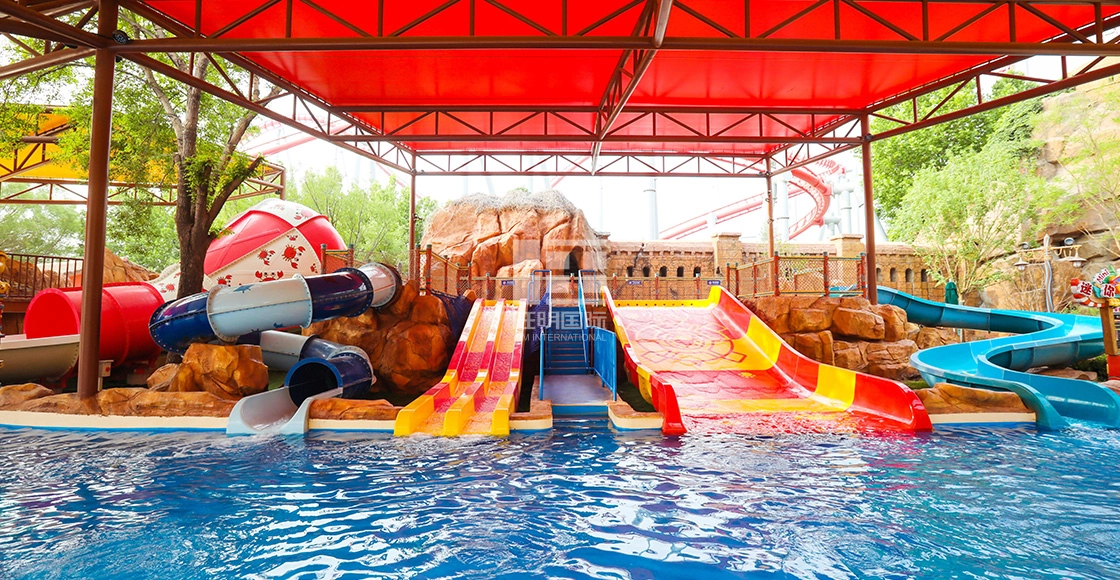
Discover endless fun with the Children Combined Water Slide by WM INTERNATIONAL, expertly crafted for thrill-seeking kids. Perfect for summer splashes, this durable slide promises safety and joy. Looking to elevate your play area? Explore our Children's Combined Slide for sale now!
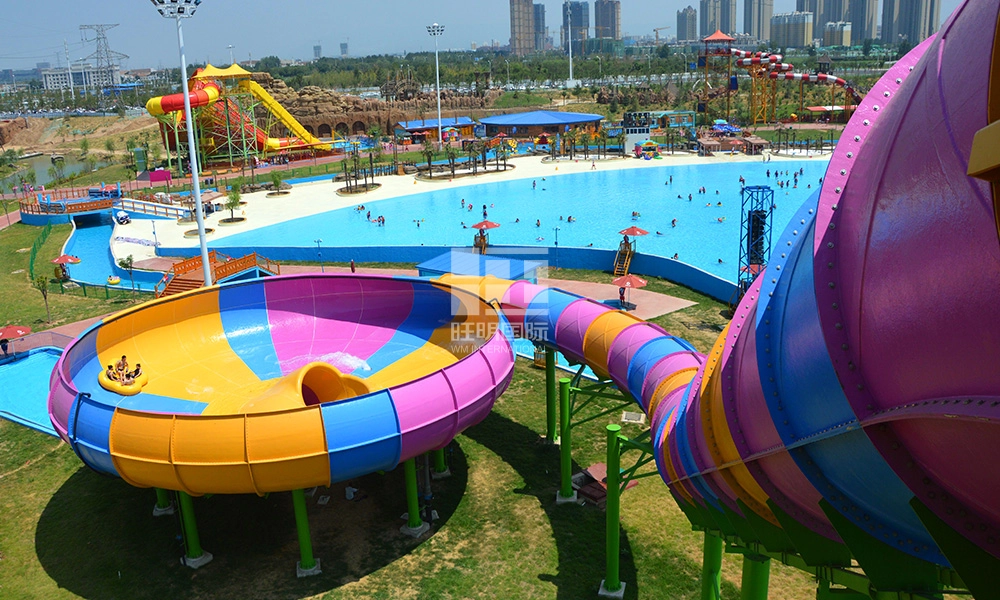
Huge Bowl Water Slide
The Huge Bowl Water Slide has achieved the “World's Best New Water Amusement Equipment” Award; it is the new favorite of the young people and the star project of the water park. The raft carries the tourists slowly entering the closed chute first; then it whirls in the bowl the moment the tourists can see the light. After a short period of time, the raft is suddenly suctioned into a huge black hole until it falls into the water. For a moment, the tourists realize the breathtaking journey has been safely brought to an end.
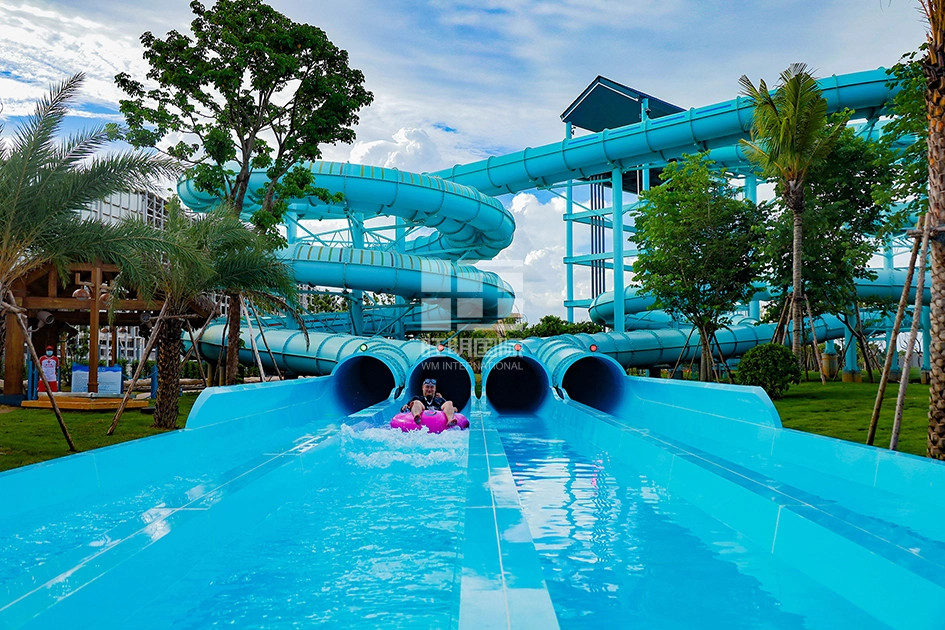
Time Tunnel Water Slide
The biggest feature of the time tunnel slide is that it uses double water slides and double tubes side by side in design and competes along the circular slide path. 8 people can play at the same time, with a large passenger capacity and high return rate, which is very suitable for team and family travel. And the slide is equipped with WangMing International's time tunnel technology, and the interior of the slide presents a beautiful aurora effect, with colorful lights, as if traveling through time and space.
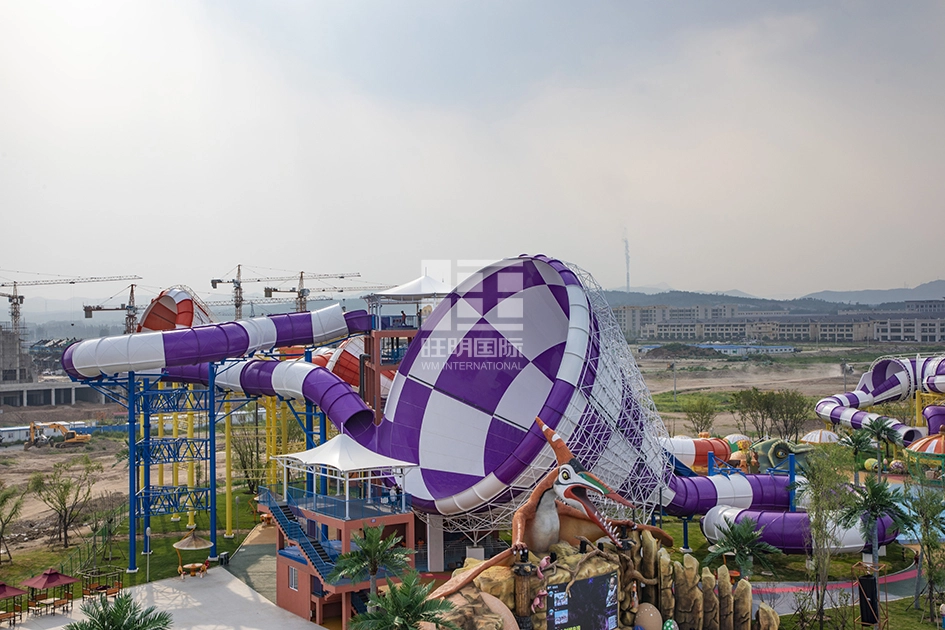
Big Tourbillion Water Slide
The Big Tourbillion water Slide won the "Gold Ticket Award - The Best New Project" of the international tourism industry. With unique modelling, strong irritation and humor, it is deeply loved by the young people; it has always been the popularity star of the water park. The raft carries the tourists as they enter the dark, closed chute slowly from the more than ten-meter-high platform; under the effect of gravity and water flow, it enters the state of rapid falling and then drops into the big Tourbillon; after a few times of whirling, it falls into the water pool. At this moment, the tourists are still in shock.
Get in touch
Have to get customized water park solutions and product quotes.
We will provide you with professional consultation and support.

Relying on leading technology, innovative products and rich industry experience, we tailor personalized solutions for each water park project to ensure a safe and exciting entertainment experience for tourists.
 Scan QR Code
wmwaterslide
wmwaterpark