





Installation Guide: Best Water Slide for Kids
- Choosing the Right Kids' Attraction: Safety, Age Bands, and Capacity
- Assessing age, anthropometrics, and user suitability
- Compliance with safety standards and third-party verification
- Throughput modeling and queue management
- Site Preparation & Technical Installation Steps
- Foundations, anchoring, and structural supports
- Hydraulics, water chemistry, and filtration integration
- Electrical systems, lighting, and accessible design
- Procurement Strategy, Installation Logistics, and Lifecycle Costs
- Specifying performance, warranty, and acceptance criteria
- Installation timeline, contractor coordination, and stage gating
- Maintenance plan, spare parts, and total cost of ownership
- Turnkey Solutions and Why Partner with WM International
- Integrated capability: design, manufacturing, installation, and maintenance
- Manufacturing scale, quality control, and customizable solutions
- Project references, aftercare, and operator training
- Frequently Asked Questions
- What age brackets are appropriate for different slide designs?
- How long does a typical installation take from delivery to commissioning?
- Which safety standards and certifications should a supplier provide?
- How is pump sizing and water flow determined for a children’s slide?
- What are typical warranty terms and recommended maintenance intervals?
- Can slides be customized for branding, themes, and local compliance?
This high-density installation guide helps buyers, project owners, and facility operators evaluate, specify, and implement the single most appropriate children’s attraction — from compact toddler flumes to themed family racers — covering safety compliance, site engineering, water delivery systems, lifecycle cost, and measurable performance indicators to ensure a durable, low-risk installation of the best water slide for kids within a commercial water park environment.
Choosing the Right Kids' Attraction: Safety, Age Bands, and Capacity
Assessing age, anthropometrics, and user suitability
Selection should begin with a user profile: toddler playpieces (ages 1–4), small-child slides (ages 3–7), and youth-oriented attractions (ages 7–12) have distinct pitch, runout, and restraint requirements. Design specifications must reference anticipated rider height and weight ranges, entry/exit clearances, and non-slip access paths. Buyers should require manufacturer-supplied rider envelopes, maximum recommended body dimensions, and proof of prototype testing for any new profile.
Compliance with safety standards and third-party verification
Regulatory conformity and third-party testing mitigate liability. Operators should require compliance documentation aligned with recognized frameworks such as industry guidance from the IAAPA, internationally referenced safety practice summaries from ISO, and material/structural testing from certifying bodies like ASTM International. For general reference on waterslide design and common failure modes, see the technical overview at Wikipedia: Water slide. Require FAT (Factory Acceptance Test) reports and site-based SAT (Site Acceptance Test) before commissioning.
Throughput modeling and queue management
Operational capacity planning should use throughput estimates in the tender. For example, single-occupant flumes typically yield lower riders-per-hour than multi-rider raft attractions. Throughput forecasting must factor ride cycle time, loading/unloading efficiency, and expected peak-day demand. Incorporate holding areas and dual-load stations where peak throughput is critical for revenue-generating parks.
Site Preparation & Technical Installation Steps
Foundations, anchoring, and structural supports
Subgrade assessment and foundation design are foundational. Soil classification, frost depth, and groundwater table determine anchor embedment and concrete pad sizing. Structural steel supports require corrosion-resistant treatments (hot-dip galvanizing or marine-grade primers) and deck-to-support connection detail drawings. Installers should provide stamped structural calculations and as-built drawings demonstrating compliance with local building codes and wind/seismic load cases.
Hydraulics, water chemistry, and filtration integration
Pump sizing depends on combined head losses, nozzle placement across the slide surface, and the desired surface film thickness. Typically, body slides require a continuous thin water film (1–5 mm) to reduce friction; tube and raft attractions need volumetric flow tuned to rider speed and safety. Coordinate with headworks and filtration systems to prevent variable pressure at the slide inlet; compatibility checks with existing Water park circulation — including skimmers, UV or chlorine disinfection, and chemical feed — are essential to protect finish materials and ensure guest safety.
Electrical systems, lighting, and accessible design
Electrical installations must follow local codes and include ground fault protection for wet areas, emergency stop circuits, and adequate lighting for sightlines. Ramps, transfer platforms, and handrails should meet accessibility regulations while preserving safety for small children. Consider low-voltage decorative lighting embedded into the structure for visibility during evening operation, with all wiring in watertight conduits.
Procurement Strategy, Installation Logistics, and Lifecycle Costs
Specifying performance, warranty, and acceptance criteria
Tenders should list performance metrics (maximum slope, ride duration, safe exit velocity), minimum warranty terms (structural and surface finishes), and acceptance criteria for paint, gelcoat thickness, laminate delamination, and tolerances. Require supplier-provided spare-part kits and documented MTBF (mean time between failures) for mechanical components such as pumps and valve assemblies.
Installation timeline, contractor coordination, and stage gating
Complex projects require a staged plan: civil works and foundations (4–8 weeks typical depending on complexity), structural assembly (2–4 weeks), hydraulic and electrical hook-up (1–3 weeks), and commissioning (1–2 weeks). Allow time for third-party inspections and permit sign-offs. Coordinate deliveries to minimize storage risk, and schedule installation during low-visitor windows for retrofit projects.
Maintenance plan, spare parts, and total cost of ownership
Lifecycle costing should combine capex and annual opex estimates. Key maintenance items include surface inspections for abrasion and UV degradation, periodic resurfacing or gelcoat repairs every 7–12 years depending on usage, structural fastener checks, and pump overhauls. Buyers should request an annual maintenance schedule and a spare parts list with lead times to reduce downtime.
| Slide Type | Recommended Age | Typical Throughput (riders/hr) | Relative Footprint | Installation Complexity | Typical Lifecycle (years) |
|---|---|---|---|---|---|
| Open single-rider flume | 3–10 | 200–500 | Small | Low–Medium | 12–20 |
| Enclosed tube slide (child-sized) | 4–12 | 250–600 | Medium | Medium | 12–20 |
| Multi-lane racer / mat slide | 6–14 | 500–1200 | Medium–Large | Medium–High | 15–25 |
| Family raft (mini raft) | 4–12 | 300–800 | Large | High | 15–25 |
Turnkey Solutions and Why Partner with WM International
Integrated capability: design, manufacturing, installation, and maintenance
With 19 years of industry experience, WM International Waterslide provides a full range of water park planning and design services. From Water park design to Water park construction, our engineering team coordinates civil, structural, hydraulic, and electrical scopes to deliver turnkey attractions. We manufacture a broad portfolio of Water Slides and Water Play Attractions and integrate ancillary systems such as Wave Making Equipment where required for complex leisure offerings.
Manufacturing scale, quality control, and customizable solutions
We own a 100000 m² modern production base, the largest in the industry, allowing for controlled quality workflows and shorter lead times. Our manufacturing processes include composite layup quality checks, thickness verification, and corrosion-resistant structural fabrication. Each project is treated as a tailor-made solution; designs are adapted to site constraints, branding requirements, and local regulatory expectations.
Project references, aftercare, and operator training
Our combined experience as park operators, designers, suppliers, and guests informs practical product development and operator training programs. We offer commissioning support, lifeguard sightline assessments, and scheduled maintenance agreements to protect asset uptime and guest safety. For enquiries, key contact details are provided: website https://www.wmwaterslide.com and email trading@wmwaterslide.com.
Frequently Asked Questions
What age brackets are appropriate for different slide designs?
Toddler play slopes and mini slides are suitable for ages 1–4 with very low slope and short runouts; small-child body slides generally fit ages 3–8; multi-lane racers and family raft attractions are appropriate for older children and family groups (ages 6+). Exact age recommendations depend on slide profile and manufacturer testing data.
How long does a typical installation take from delivery to commissioning?
Typical installation timelines vary by complexity: a small retrofit can complete in 4–8 weeks, while a new, integrated attraction with civil works and extensive hydraulic tie-ins can take 3–6 months. Time allowances should include permitting and third-party inspections.
Which safety standards and certifications should a supplier provide?
Buyers should request evidence of compliance with recognized industry guidance from organizations such as IAAPA, adherence to relevant ISO frameworks for quality management (ISO), and material/structural testing from accredited labs; ASTM resources at ASTM International outline common test methods used by manufacturers.
How is pump sizing and water flow determined for a children’s slide?
Pump selection follows hydraulic calculations that model desired surface film depth, head losses through piping and valves, and flow needed for top-of-slide delivery. Manufacturers supply detailed flow vs. head curves; include safety margins and variable-frequency drives (VFDs) for operational flexibility.
What are typical warranty terms and recommended maintenance intervals?
Standard warranties cover structural defects and finishes for 1–5 years depending on the contract. Preventive maintenance should include weekly visual checks, monthly fastener inspections, and periodic gelcoat repair cycles often required every 7–12 years depending on UV exposure and usage.
Can slides be customized for branding, themes, and local compliance?
Yes; buyers should specify branding requirements, theming materials, and local code constraints during the design stage. Manufacturers with in-house design and fabrication can produce bespoke color schemes, molded shapes, and branded features while ensuring compliance with safety and structural requirements.
Contact WM International at trading@wmwaterslide.com or visit https://www.wmwaterslide.com to discuss project specifications and view our portfolio.
Recommended
Commercial vs residential water slides for sale
Best professional water park slide manufacturers and supplier brands
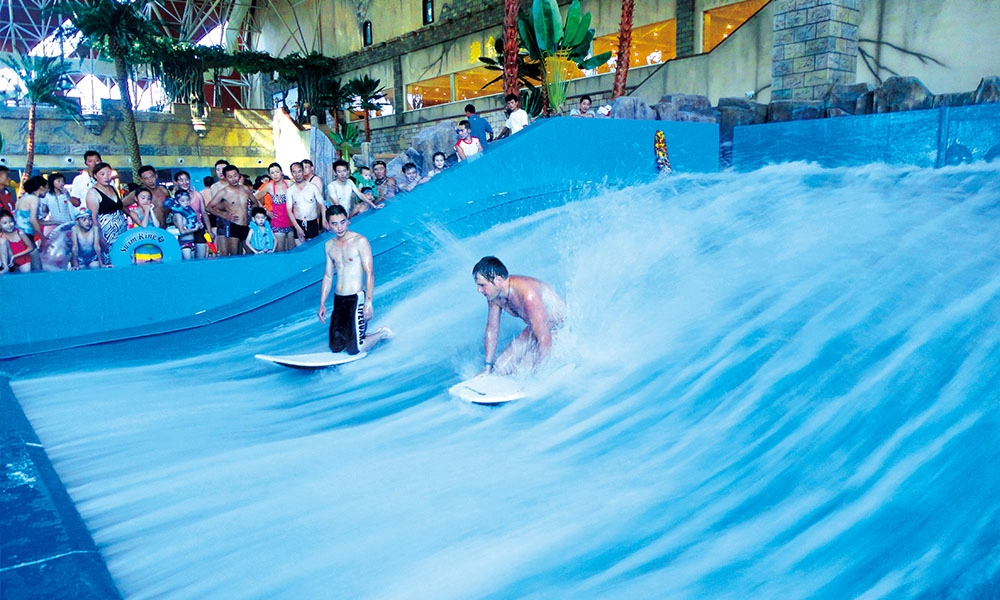
Surfing Simulator for Water Parks: Drive Revenue with Immersive Wave Attractions
Why choose WM INTERNATIONAL as your water slide manufacturer
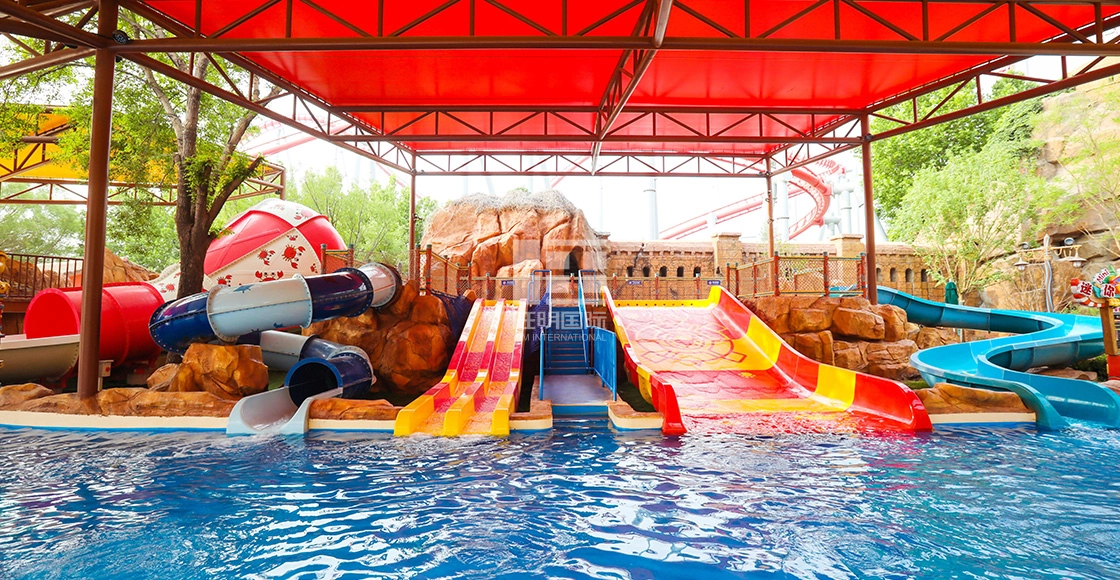
Children Combined Water Slide
Discover endless fun with the Children Combined Water Slide by WM INTERNATIONAL, expertly crafted for thrill-seeking kids. Perfect for summer splashes, this durable slide promises safety and joy. Looking to elevate your play area? Explore our Children's Combined Slide for sale now!
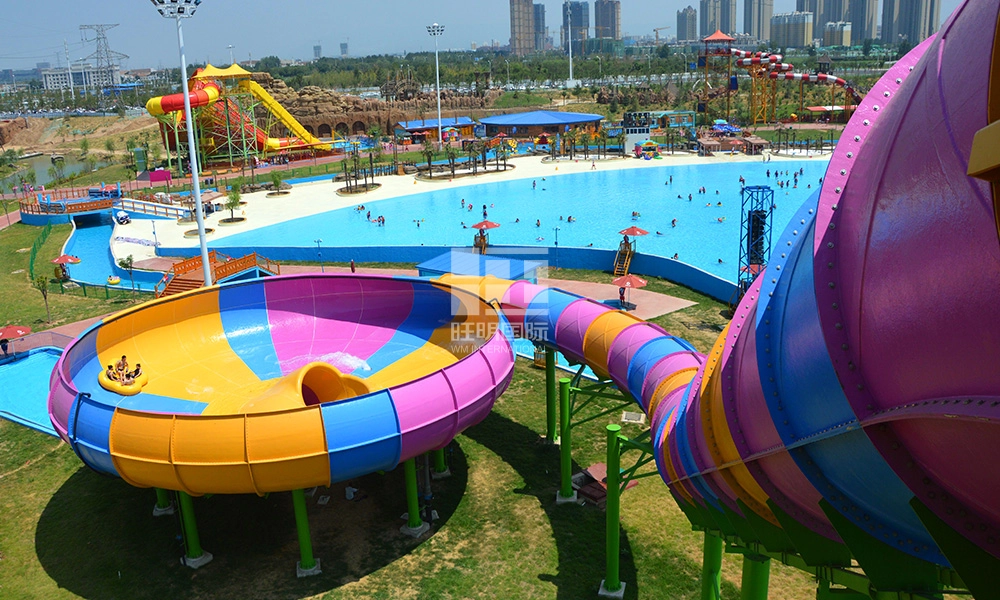
Huge Bowl Water Slide
The Huge Bowl Water Slide has achieved the “World's Best New Water Amusement Equipment” Award; it is the new favorite of the young people and the star project of the water park. The raft carries the tourists slowly entering the closed chute first; then it whirls in the bowl the moment the tourists can see the light. After a short period of time, the raft is suddenly suctioned into a huge black hole until it falls into the water. For a moment, the tourists realize the breathtaking journey has been safely brought to an end.
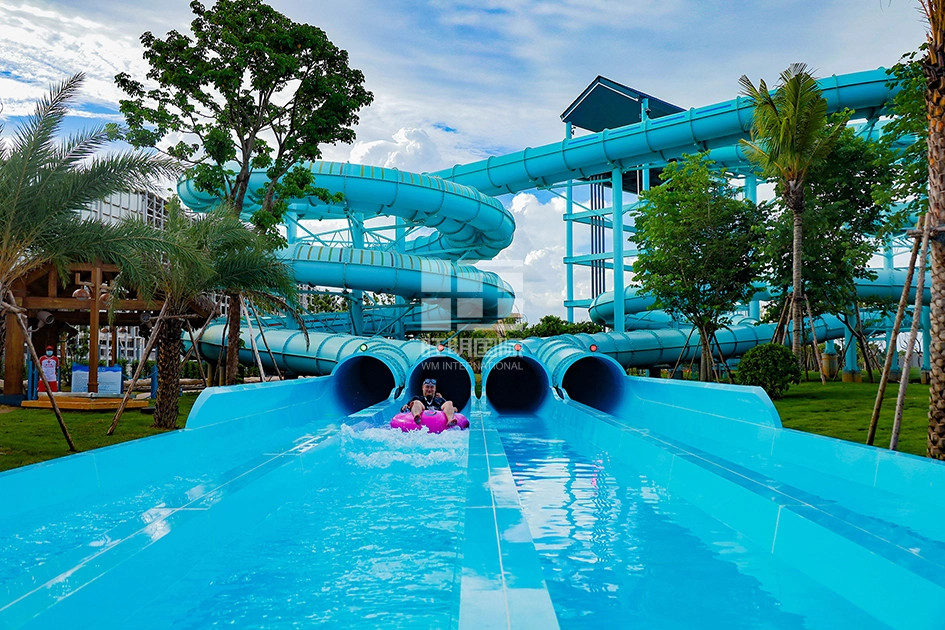
Time Tunnel Water Slide
The biggest feature of the time tunnel slide is that it uses double water slides and double tubes side by side in design and competes along the circular slide path. 8 people can play at the same time, with a large passenger capacity and high return rate, which is very suitable for team and family travel. And the slide is equipped with WangMing International's time tunnel technology, and the interior of the slide presents a beautiful aurora effect, with colorful lights, as if traveling through time and space.
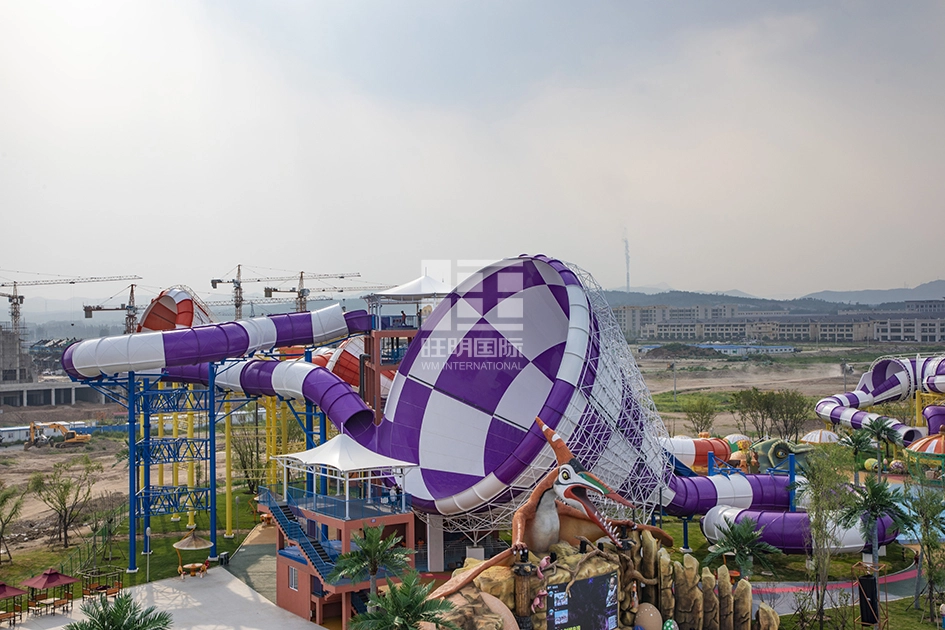
Big Tourbillion Water Slide
The Big Tourbillion water Slide won the "Gold Ticket Award - The Best New Project" of the international tourism industry. With unique modelling, strong irritation and humor, it is deeply loved by the young people; it has always been the popularity star of the water park. The raft carries the tourists as they enter the dark, closed chute slowly from the more than ten-meter-high platform; under the effect of gravity and water flow, it enters the state of rapid falling and then drops into the big Tourbillon; after a few times of whirling, it falls into the water pool. At this moment, the tourists are still in shock.
Get in touch
Have to get customized water park solutions and product quotes.
We will provide you with professional consultation and support.

Relying on leading technology, innovative products and rich industry experience, we tailor personalized solutions for each water park project to ensure a safe and exciting entertainment experience for tourists.
 Scan QR Code
wmwaterslide
wmwaterpark