


How to Plan and Construct a Themed Water Park
Planning and constructing a themed water park is a large and complex systematic project involving multiple dimensions such as market research, creativity, design, and engineering. Below is a detailed step-by-step guide from scratch, divided into several core stages:
Planning and constructing a themed water park is a large and complex systematic project involving multiple dimensions such as market research, creativity, design, and engineering. Below is a detailed step-by-step guide from scratch, divided into several core stages:
Stage 1: Pre-Planning and Feasibility Study
This is the first step that determines the success or failure of the project and must not be skipped.
Market Research and Analysis:
Target Market: Define the coverage area (local, regional, national), target demographics (families with children, young couples, teenagers), and spending power.
Competitive Analysis: Conduct detailed research on existing and planned water parks/theme parks within a 300 km radius, analyzing their scale, features, pricing, visitor numbers, strengths, and weaknesses.
Market Gap: Identify unmet market demands and determine the project’s unique selling points.
Project Positioning and Theme Setting:
Theme Selection: The theme is the soul of the park. Choose an appealing, easily extendable, and timeless theme (e.g., tropical rainforest, pirate adventure, Mayan civilization, oceanic fantasy, Eastern mythology). The theme should be consistently reflected in all designs.
Scale Positioning: Determine the scale of the park (land area, water area, maximum daily capacity) based on market size and investment budget.
Target Audience: Identify the primary visitors (e.g., if targeting families, focus on children’s play areas; if targeting young adults, include more thrilling attractions).
Geographic Location: Ensure convenience of transportation (proximity to highway exits, high-speed rail stations, airports) and visibility (easily seen from main roads).
Stage 2: Conceptual and Master Planning (Blueprint Design)
Translate strategies into visual spatial layouts.
Conceptual Design:
Storyline Development: Create a simple and engaging storyline around the theme to provide an immersive experience for visitors.
Conceptual Renderings: Produce atmosphere drawings of key areas (main entrance, iconic facilities, central wave pool) to define the artistic style.
Master Planning:
Functional Zoning: Reasonably divide different areas to ensure separation between active and quiet zones, as well as dry and wet areas.
Entrance and Service Area: Ticketing, security check, gates, gift shops, customer service center.
Thrill Ride Area: Concentrate water park equipment large slides(e.g., tornado slides, bowl slides, high-speed slides) to facilitate repeated rides by enthusiasts.
Family Fun Area: Water castles, family slides, children’s play pools, etc.
Wave Pool and Lazy River: Typically serve as the core and visual focal point of the park, connecting other areas.
Leisure and Dining Area: Scattered food and beverage outlets, shaded rest areas, lawns, private cabanas.
Visitor Flow Planning: Design clear, smooth, and non-backtracking circular routes. Ensure queuing areas are shaded and include entertainment features (e.g., interactive water elements).
Logistics Flow Planning: Design independent routes for supplies, waste disposal, and emergency vehicles, completely separate from visitor pathways.
Stage 3: Schematic and Detailed Design
Collaborate with professional design firms to refine the plan into executable construction drawings.
Architectural Design:
Construction drawings for all service buildings and themed structures.
Water Park-Specific Design:
Water Feature Design: Detailed engineering designs for slide layouts and structures, wave pools, lazy rivers, and interactive water play structures.
Water Treatment System Design: The core of the park’s operations. Design circulation pump rooms, filtration systems, and water quality monitoring systems. Must comply with national health standards.
Pipeline Integration Design: Coordinate the routing and elevation of all pipelines, including water supply, drainage, circulation, electricity, communications, and gas, to avoid conflicts.
Theming Design: Detailed designs for all artificial landscapes, sculptures, rock walls, and scenery, which are key to embodying the theme.
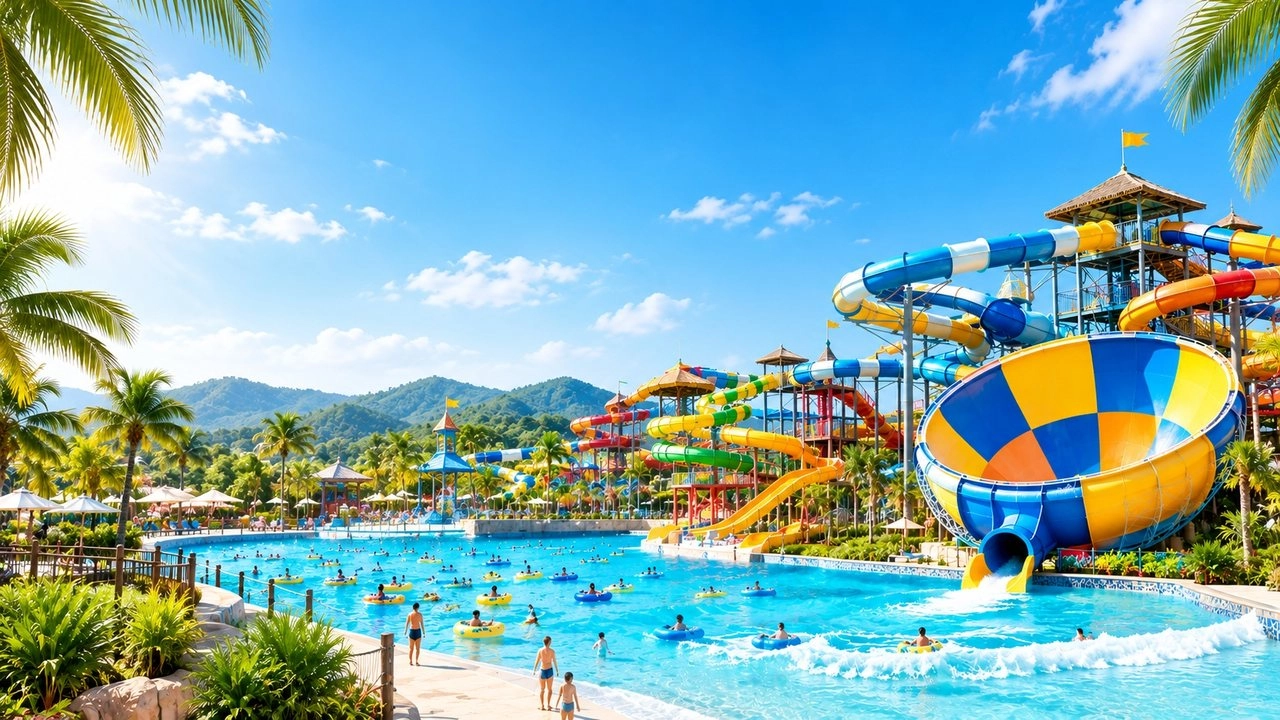
Water Project Cost and ROI: Key Budget Factors Before Choosing a Project Solution
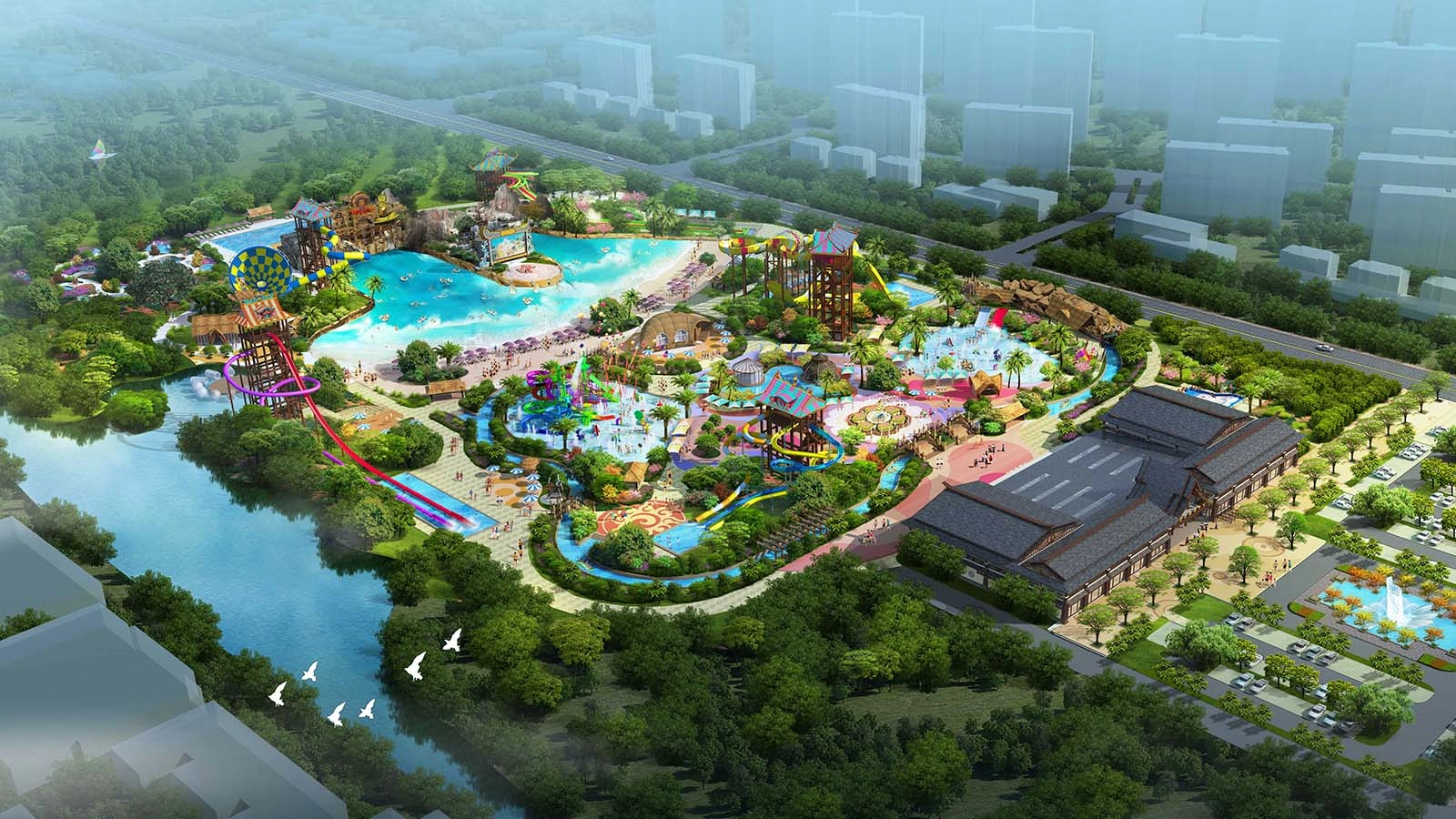
Water Projects: The Complete Guide to Developing Water Projects for Different Venues with WM INTERNATIONAL
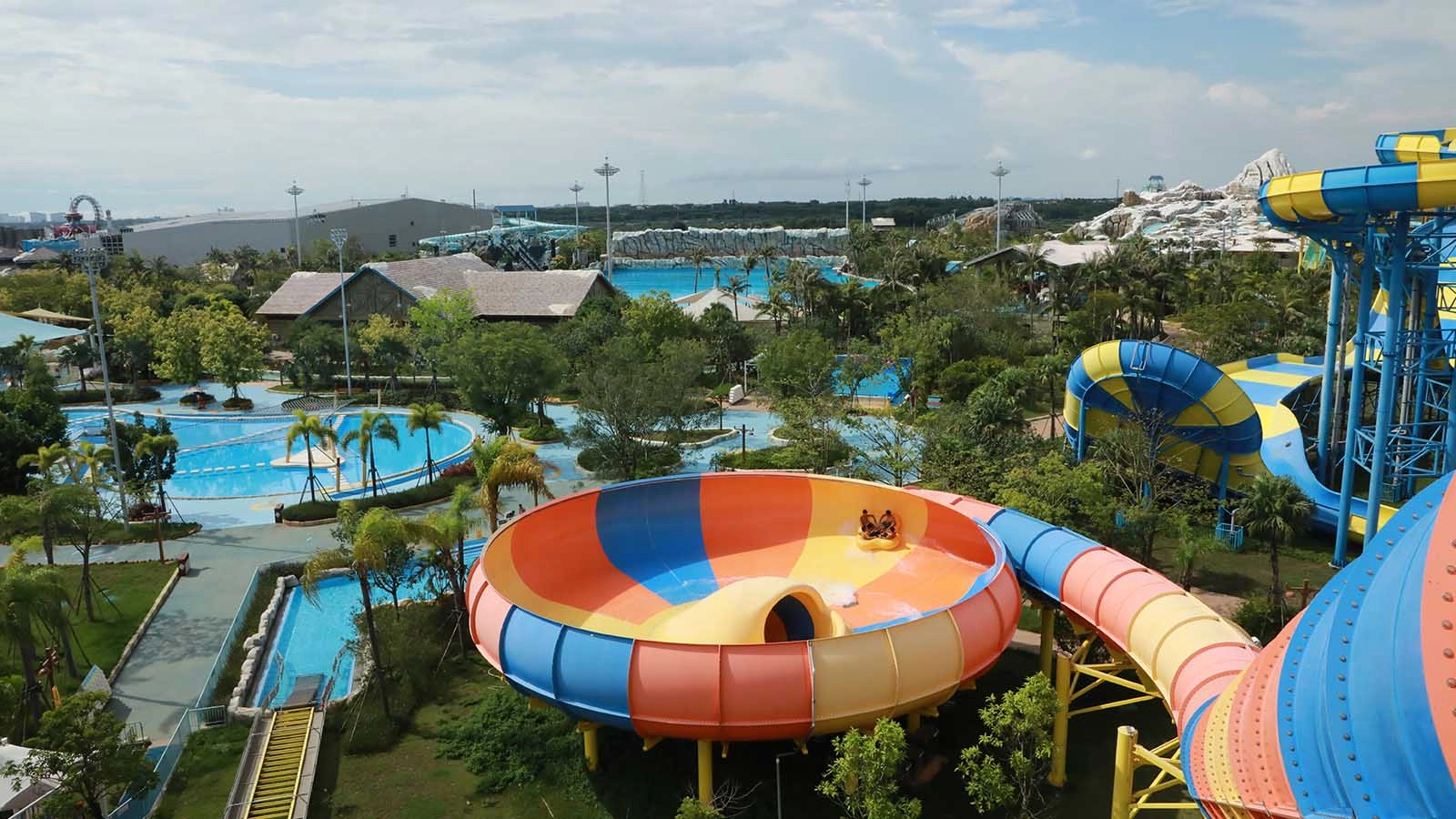
Water Project Industry Trends: Emerging Opportunities in the Water Attraction Market
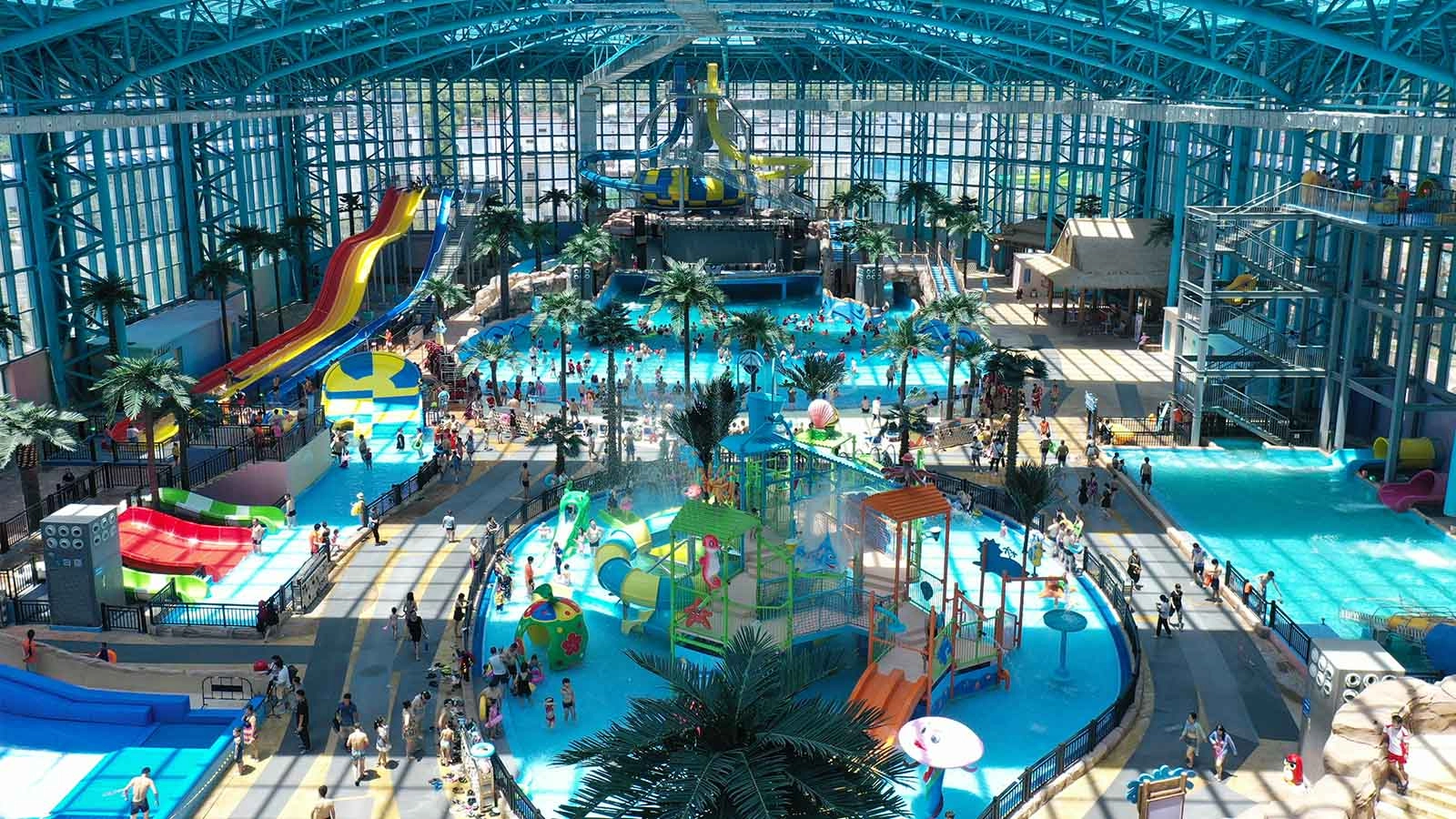
Custom Water Project Solutions for Different Venues: Water Parks, Resorts, Theme Parks and More
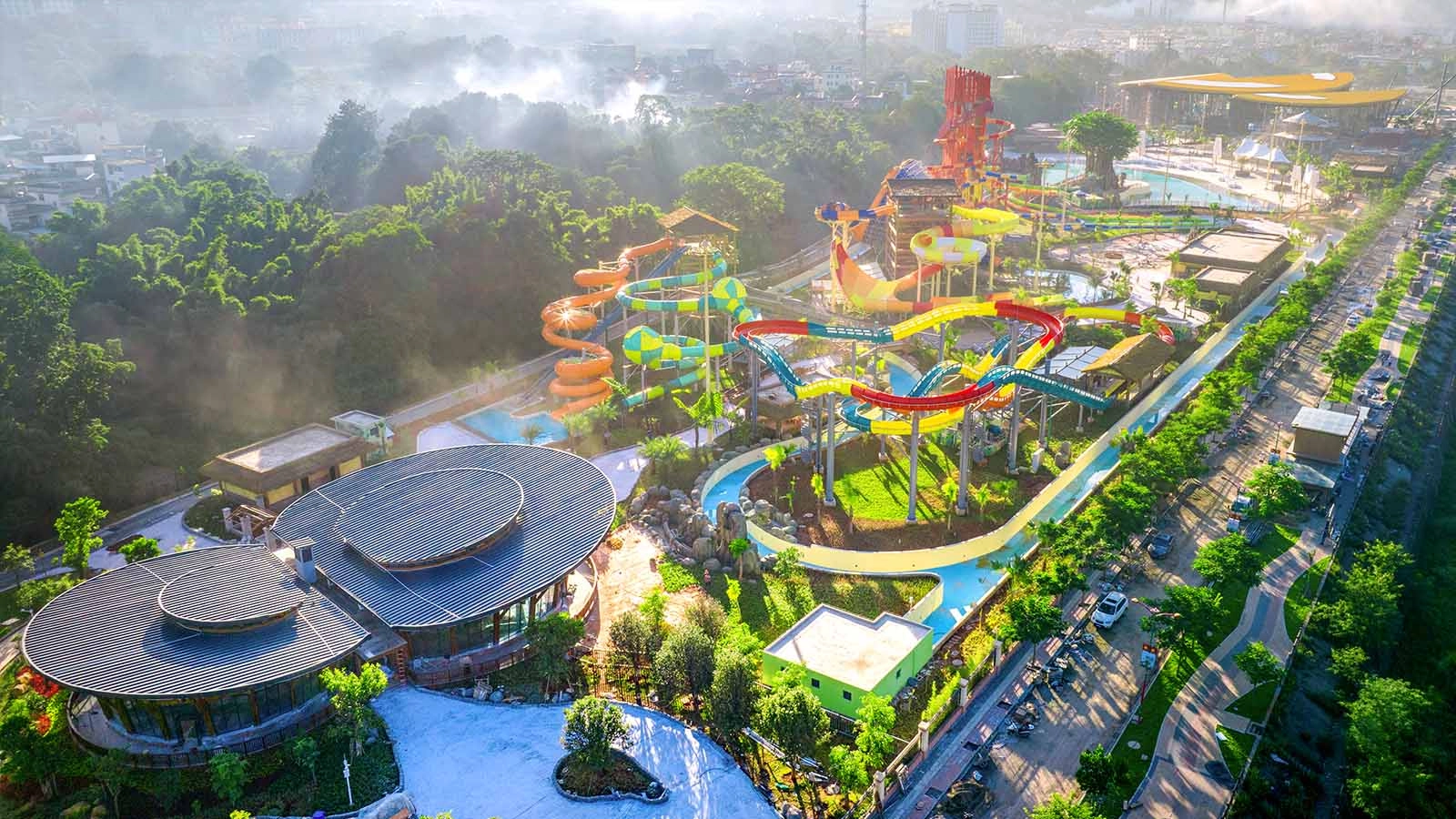
How to Configure Water Attractions for Water Projects in Different Venues
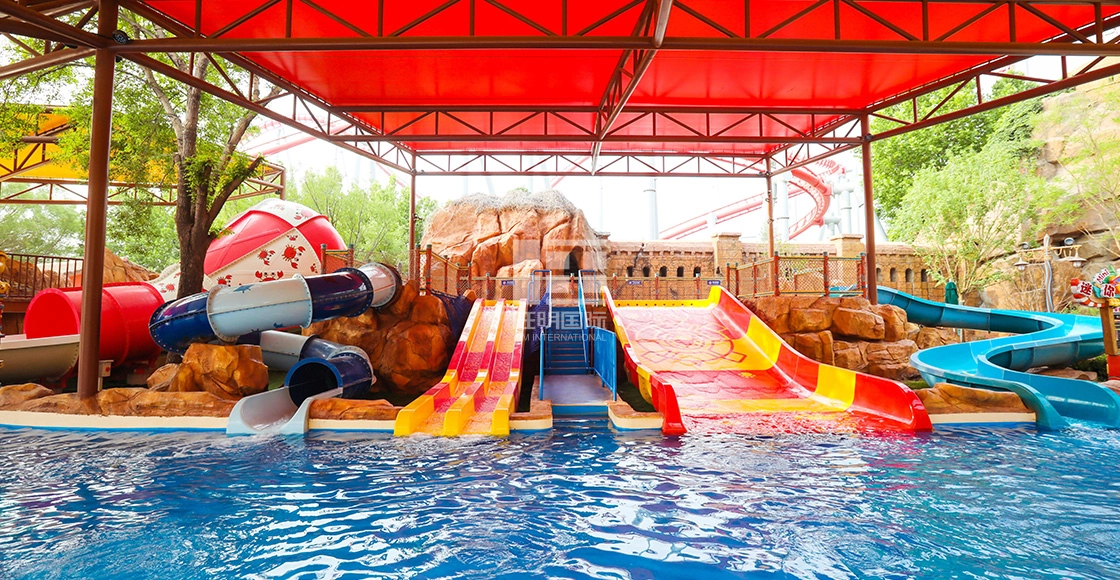
Children Combined Water Slide
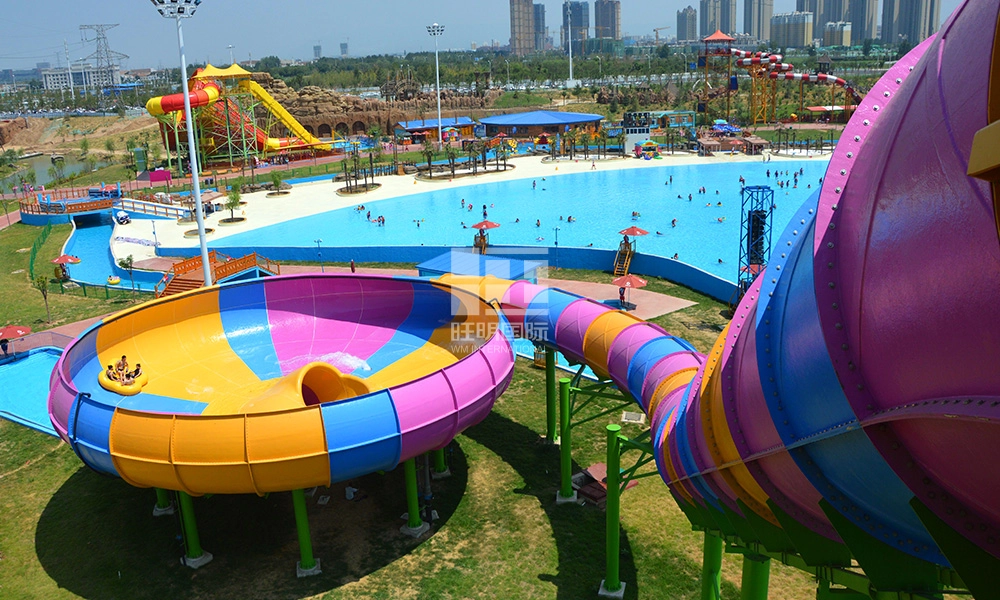
Huge Bowl Water Slide
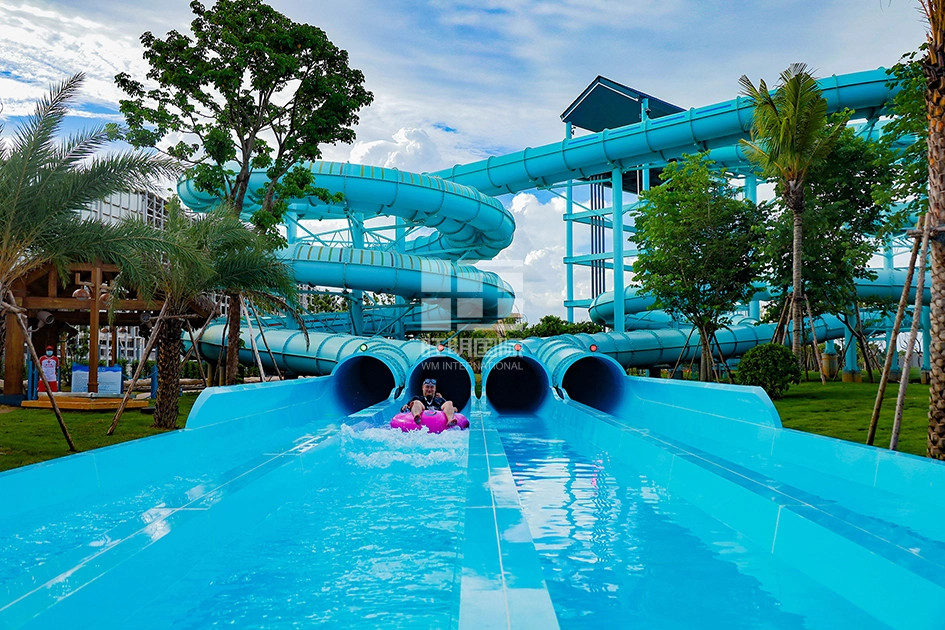
Time Tunnel Water Slide
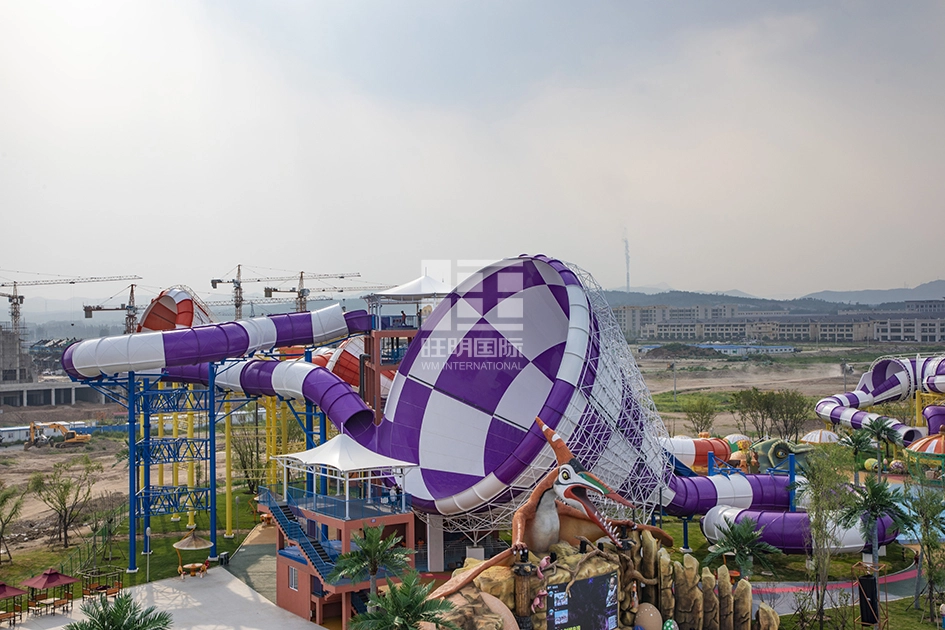
Big Tourbillion Water Slide
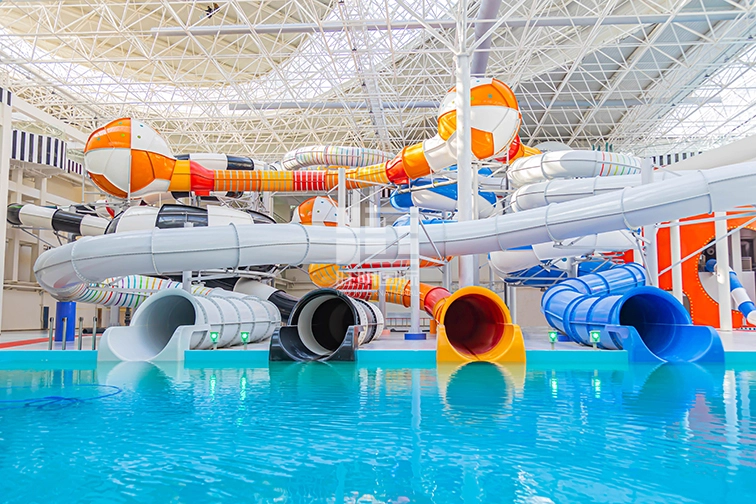
Turnover Slide
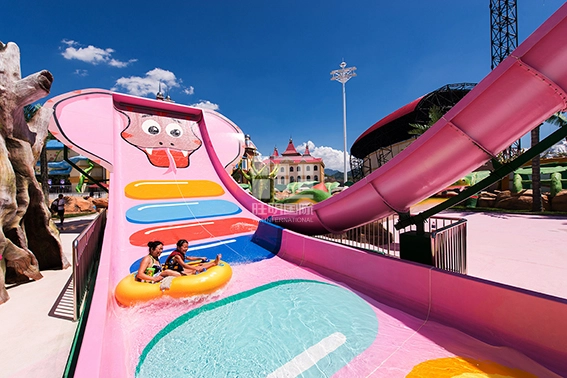
Small King Cobra Water Slide
Get in touch
Have to get customized water park solutions and product quotes.
We will provide you with professional consultation and support.

Relying on leading technology, innovative products and rich industry experience, we tailor personalized solutions for each water park project to ensure a safe and exciting entertainment experience for tourists.
 Scan QR Code
wmwaterslide
wmwaterpark